
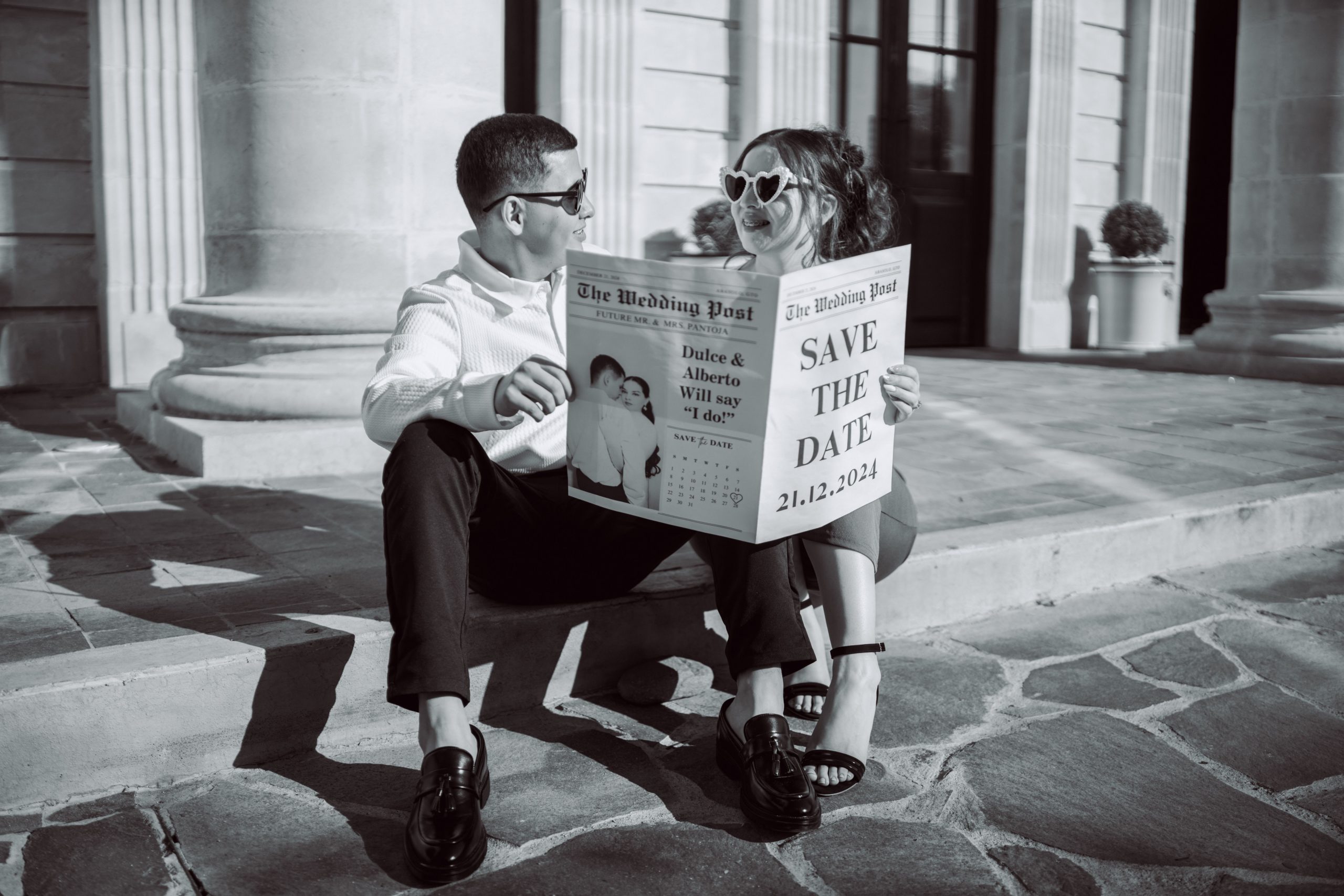
For years, weddings came with an unspoken assumption: someone else would help pay. Parents would contribute. Family would step in. There’d be a generous envelope somewhere in the mix. But for many modern couples, that’s no longer the reality.
More couples are self-funding their celebrations entirely, navigating rising living costs, saving for homes, paying off debt, or simply choosing financial independence over family contributions. And while social media still serves up destination weekends and floral installations the size of small houses, the truth is this: a meaningful wedding doesn’t require someone else’s bank account.
It requires intention. Here’s how to build a wedding budget that works in real life – without sacrificing the experience.
Start with your actual number – not your Pinterest number
Before opening a single venue tab, decide what you can comfortably spend. Not what you could stretch to. Not what you hope relatives might offer. Not what couples online claim they spent (while forgetting to mention the free venue and gifted photography).
Wedding planning communities increasingly recommend setting a budget based only on money that already exists or can realistically be saved before the date. Any outside contribution becomes a bonus, not part of the plan.
One simple framework:
- Current savings allocated to the wedding
- Monthly amount you can realistically save
- Timeline until the wedding date
- Emergency buffer (non-negotiable)
That total becomes your wedding budget – everything else adjusts around it.
Build your budget backwards
Most couples budget forwards (“Let’s see what things cost”). Instead, budget backwards.
Example: Wedding budget: R120,000
Allocate:
- Venue + catering: 40–50%
- Photography + video: 10–15%
- Fashion + beauty: 10%
- Décor + florals: 10%
- Entertainment: 5–10%
- Stationery + extras: 5%
- Contingency fund: 10%
The contingency category matters more than people expect. Wedding forums repeatedly show couples being caught by delivery fees, service charges, upgrades and last-minute additions rather than their original bookings.
Pick your three “worth-it” categories
This is where couples save thousands, choose the three things that matter most.
Maybe:
- Incredible photography
- Exceptional food
- Fashion moments
Or:
- Live music
- A dream venue
- Guest experience
Everything outside those priorities gets simplified. The fastest way to overspend is trying to make every category your “must-have”. Wedding budgeting experts consistently point to priorities – not hacks – as the biggest money saver.
Guest count is your biggest budget lever
This one isn’t glamorous, but it’s true. Every extra guest affects:
- catering
- seating
- rentals
- stationery
- drinks
- venue size
- staffing
A smaller guest list doesn’t automatically mean less celebration – it often creates more room for the things couples actually care about. Even online wedding communities repeatedly point to guest count as the single biggest cost driver.
Stop treating “wedding” as a venue category
Traditional venues are beautiful, but they’re not the only option.
Restaurants, boutique spaces, gardens, family properties, rooftop venues and weekday celebrations continue to gain traction because they remove layers of logistical costs.
Ask: Would this space still feel right if nobody called it a wedding venue? If yes, it’s worth considering.
DIY selectively (not emotionally)
DIY is often marketed as the budget solution. Reality? Time has value too.
Skip DIY for:
- Anything requiring technical skill
- Anything time-sensitive
- Anything that creates stress
Consider DIY for:
- Signage
- Welcome tables
- Favours
- Guest books
- Smaller décor moments
The goal isn’t doing everything yourself; it’s doing the things that actually add meaning.
Don’t finance a single day at the expense of your next chapter
This may be the least romantic advice in the article – and possibly the most important. A wedding is one day. Your financial life together continues the next morning.
There’s growing conversation among couples around creating celebrations that feel aligned with their future goals instead of borrowing against them.
If choosing fewer guests, simpler flowers or a shorter reception protects your future plans, that isn’t settling. That’s building a marriage with the same care you planned the wedding.
The bottom line
Not having a “Bank of Mom and Dad” budget doesn’t mean settling for less. It means creating a celebration that reflects your reality – and your priorities.
Because the weddings people remember most rarely come down to imported flowers or custom dance floors.
They remember the energy, the people, the food, the moments and how it all felt. And none of those things require someone else paying the bill.
ALSO SEE: DIY floral seating chart
Featured image: Angel Ayala / Pexels

Comments are closed.