• Tag

    bridal advice

    Browsing

    Your wedding bouquet is one of the few details you physically carry through one of the biggest days of your life.

    It’s in your photographs. It’s in your vows. It sits beside you at dinner, appears in quiet moments while getting ready, and somehow becomes part of the memory itself.

    And then… a week later? Most bouquets wilt.

    But a growing number of couples are choosing not to let that happen.

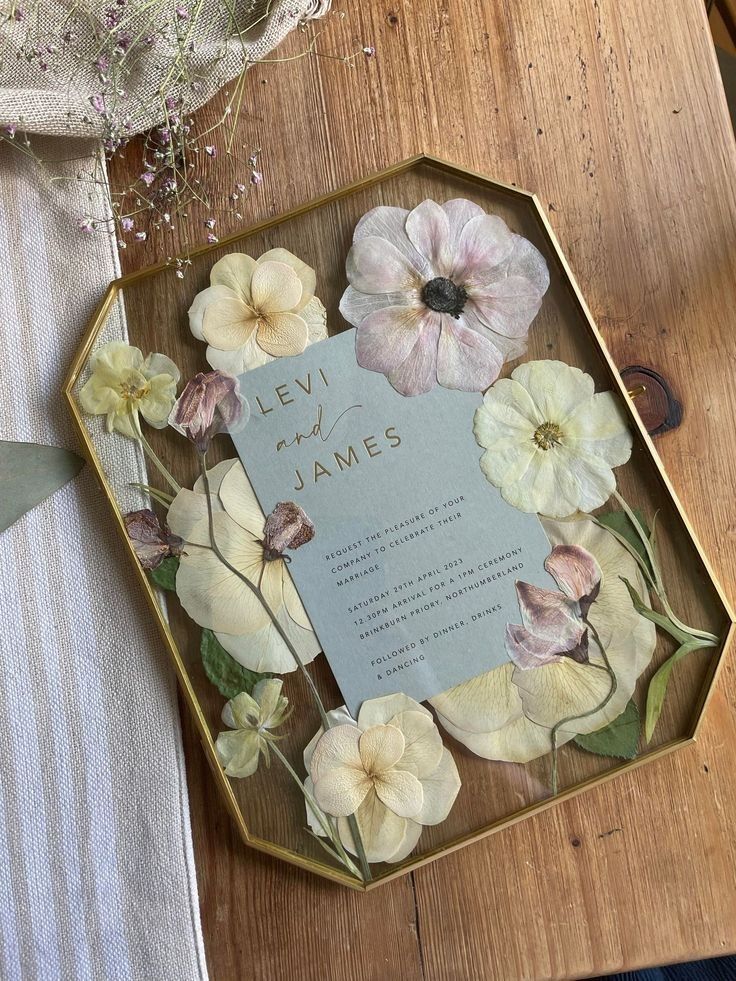
    Pressed flower preservation – transforming wedding blooms into framed botanical artwork – is becoming one of the most meaningful post-wedding keepsakes globally, and South African brides are starting to embrace it too. Instead of preserving flowers in a box or drying them upside down, bouquets are carefully pressed, arranged and framed into pieces designed to live on your walls for decades.

    Why pressed flower art is having a moment

    Wedding trends have shifted dramatically over the past few years.

    Couples are spending more intentionally – choosing fewer throwaway details and investing in meaningful heirloom pieces instead. Pressed floral art fits perfectly into that mindset.

    Unlike resin preservation (which some couples note can yellow over time), pressed floral artwork creates a lighter, gallery-style finish that feels timeless and easier to style in modern homes. Community conversations around bouquet preservation also show increasing preference for pressed pieces because they display beautifully and feel less bulky than traditional keepsakes.

    The appeal is simple:

    • It becomes actual artwork rather than storage
    • You preserve a real piece of your wedding day
    • Every frame is entirely unique
    • It doubles as meaningful home décor

    How wedding flower preservation actually works

    Professional pressed flower preservation is more involved than simply placing blooms inside a book.

    Studios carefully deconstruct bouquets bloom by bloom, remove moisture through controlled pressing and drying, then rebuild the arrangement into a custom composition before sealing it behind archival-grade glass.

    Most preservation artists recommend receiving flowers within 24–72 hours after the wedding, while blooms are still fresh. Timing matters more than most couples realise.

    A few flowers press especially beautifully:

    • Spray roses
    • Garden roses
    • Cosmos
    • Daisies
    • Delphinium
    • Lisianthus
    • Sweet peas

    Thicker blooms (like some orchids or calla lilies) may require specialised handling or alternative preservation methods.

    Can you press your bouquet yourself?

    Absolutely — if you’re patient. The basic process looks like this:

    1. Separate the bouquet – Remove blooms individually instead of pressing the bouquet whole.

    2. Air-dry first – Fresh flowers often hold too much moisture. Allow blooms to rest before pressing.

    3. Layer properly – Use absorbent paper with even pressure between layers.

    4. Wait it out – Depending on bloom type and climate, pressing can take one to two weeks.

    5. Design before framing – Arrange first, glue second. Pressed floral composition is where the magic happens.

    If you’re emotionally attached to the bouquet though? Consider outsourcing. There’s no redo button.

    South African studios that can preserve your wedding flowers for you

    Forget Me Not (Pty) Ltd

    A preservation-led studio creating custom botanical keepsakes and floral artworks.

    • Location: Randburg, Johannesburg
    • Estimated pricing: From approximately R2,500–R8,000+ depending on frame size and complexity (confirm directly for custom quotations)
    • Contact: +27 68 849 4639 / [email protected]
    • Website:  ForgetMeNotTM
    • Best for: Couples wanting bespoke framed floral keepsakes.

    LOULOU Flower Studio

    Known primarily for floral design, with bespoke floral artistry and preservation conversations increasingly becoming part of the offering space.

    • Location: Pinelands, Cape Town
    • Estimated pricing: Custom quote basis (expect premium floral art pricing depending on scale)
    • Contact: +27 83 781 3148 / [email protected]
    • Website: LoulouFlowerStudio
    • Best for: Couples wanting floral design expertise translated into keepsake art.

    VELT designs

    A floral-focused creative studio producing highly design-conscious botanical work.

    • Location: V&A Waterfront, Cape Town
    • Estimated pricing: Bespoke commissions; approximately R3,000–R10,000+ depending on artwork scope
    • Contact: +27 81 333 3077 / [email protected]
    • Website: VELT
    • Best for: Modern couples who want their bouquet to become statement interior décor.

    Belle En Rose Resin

    While known for resin preservation, this is worth considering if you love preserving florals in artistic formats beyond traditional pressing.

    • Location: South Africa
    • Estimated pricing: From approximately R2,000+ depending on piece type
    • Contact: +27 71 213 6484 / [email protected]
    • Website: BelleEnRoseResin
    • Best for: Couples exploring alternative bouquet preservation styles.

    Before you hand over your bouquet: what preservation artists wish couples knew

    • Tell your florist beforehand that you plan to preserve the bouquet.
    • Keep stems in water after the wedding.
    • Avoid leaving flowers in direct sunlight.
    • Refrigerate rather than freeze if preservation won’t happen immediately.
    • Book your preservation artist before the wedding date where possible.

    Your flowers won’t stay exactly the same – colours soften, petals shift and time leaves its own signature – but that’s also part of the beauty.

    The takeaway

    Your wedding flowers were never meant to last forever.

    But the feeling attached to them can.

    Pressed flower art turns something fleeting into something you’ll pass every day in your hallway, bedroom or home office – a quiet reminder that one beautiful day actually happened.

    And years later, that frame may end up becoming one of the few wedding details that still lives with you.

    ALSO SEE: Flowers in season for winter weddings: The best cold-weather blooms for bouquets and décor 

    Flowers in season for winter weddings: The best cold-weather blooms for bouquets and décor

    Featured image: Pinterest
    For years, weddings came with an unspoken assumption: someone else would help pay. Parents would contribute. Family would step in. There’d be a generous envelope somewhere in the mix. But for many modern couples, that’s no longer the reality.

    More couples are self-funding their celebrations entirely, navigating rising living costs, saving for homes, paying off debt, or simply choosing financial independence over family contributions. And while social media still serves up destination weekends and floral installations the size of small houses, the truth is this: a meaningful wedding doesn’t require someone else’s bank account.

    It requires intention. Here’s how to build a wedding budget that works in real life – without sacrificing the experience.

    Start with your actual number – not your Pinterest number

    Before opening a single venue tab, decide what you can comfortably spend. Not what you could stretch to. Not what you hope relatives might offer. Not what couples online claim they spent (while forgetting to mention the free venue and gifted photography).

    Wedding planning communities increasingly recommend setting a budget based only on money that already exists or can realistically be saved before the date. Any outside contribution becomes a bonus, not part of the plan.

    One simple framework:

    • Current savings allocated to the wedding
    • Monthly amount you can realistically save
    • Timeline until the wedding date
    • Emergency buffer (non-negotiable)

    That total becomes your wedding budget – everything else adjusts around it.

    Build your budget backwards

    Most couples budget forwards (“Let’s see what things cost”). Instead, budget backwards.

    Example: Wedding budget: R120,000

    Allocate:

    • Venue + catering: 40–50%
    • Photography + video: 10–15%
    • Fashion + beauty: 10%
    • Décor + florals: 10%
    • Entertainment: 5–10%
    • Stationery + extras: 5%
    • Contingency fund: 10%

    The contingency category matters more than people expect. Wedding forums repeatedly show couples being caught by delivery fees, service charges, upgrades and last-minute additions rather than their original bookings.

    Pick your three “worth-it” categories

    This is where couples save thousands, choose the three things that matter most.

    Maybe:

    • Incredible photography
    • Exceptional food
    • Fashion moments

    Or:

    • Live music
    • A dream venue
    • Guest experience

    Everything outside those priorities gets simplified. The fastest way to overspend is trying to make every category your “must-have”. Wedding budgeting experts consistently point to priorities – not hacks – as the biggest money saver.

    Guest count is your biggest budget lever

    This one isn’t glamorous, but it’s true. Every extra guest affects:

    • catering
    • seating
    • rentals
    • stationery
    • drinks
    • venue size
    • staffing

    A smaller guest list doesn’t automatically mean less celebration – it often creates more room for the things couples actually care about. Even online wedding communities repeatedly point to guest count as the single biggest cost driver.

    Stop treating “wedding” as a venue category

    Traditional venues are beautiful, but they’re not the only option.

    Restaurants, boutique spaces, gardens, family properties, rooftop venues and weekday celebrations continue to gain traction because they remove layers of logistical costs.

    Ask: Would this space still feel right if nobody called it a wedding venue? If yes, it’s worth considering.

    DIY selectively (not emotionally)

    DIY is often marketed as the budget solution. Reality? Time has value too.

    Skip DIY for:

    • Anything requiring technical skill
    • Anything time-sensitive
    • Anything that creates stress

    Consider DIY for:

    • Signage
    • Welcome tables
    • Favours
    • Guest books
    • Smaller décor moments

    The goal isn’t doing everything yourself; it’s doing the things that actually add meaning.

    Don’t finance a single day at the expense of your next chapter

    This may be the least romantic advice in the article – and possibly the most important. A wedding is one day. Your financial life together continues the next morning.

    There’s growing conversation among couples around creating celebrations that feel aligned with their future goals instead of borrowing against them.

    If choosing fewer guests, simpler flowers or a shorter reception protects your future plans, that isn’t settling. That’s building a marriage with the same care you planned the wedding.

    The bottom line

    Not having a “Bank of Mom and Dad” budget doesn’t mean settling for less. It means creating a celebration that reflects your reality – and your priorities.

    Because the weddings people remember most rarely come down to imported flowers or custom dance floors.

    They remember the energy, the people, the food, the moments and how it all felt. And none of those things require someone else paying the bill.

    ALSO SEE: DIY floral seating chart 

    DIY floral seating chart

    Featured image: Angel Ayala / Pexels

    When it comes to wedding beauty, inspiration boards are no longer built around trends alone – they’re built around moments.

    The kind that makes you immediately screenshot the dress, zoom into the glam and send it straight to the group chat.

    Celebrity bridal makeup has become less about dramatic transformations and more about elevated versions of personal style: luminous skin, soft sculpting, modern romance and beauty that still feels recognisable years later.

    Whether your mood is old Hollywood, effortless glow or polished soft glam, these celebrity-inspired bridal makeup looks deserve a spot on your wedding Pinterest board.

    For the bride who wants timeless romance: Sofia Richie Grainge

    If one bridal beauty look defined the modern era of wedding makeup, this was it.

    Sofia Richie Grainge’s wedding glam became an instant reference point for brides everywhere – and for good reason. Fresh skin, softly defined eyes, brushed brows and understated nude lips created a look that felt expensive without trying too hard.

    Why it works:

    • Minimal contour
    • Luminous complexion
    • Neutral eye definition
    • Satin-finish lips

    Perfect for:
    Classic weddings, European-inspired venues and brides wearing structured gowns.


    View this post on Instagram


    A post shared by Sofia Richie Grainge (@sofiagrainge)

    For the bride who wants quiet luxury: Priyanka Chopra Jonas

    Priyanka’s bridal beauty struck the balance between timeless and statement-making.

    Her makeup paired radiant skin with softly sculpted features and enough definition to stand up against elaborate fashion moments without overwhelming them.

    Steal the look:

    • Warm bronzed tones
    • Defined lashes
    • Soft highlight
    • Long-wear complexion products

    Ideal for brides planning multi-day celebrations.


    View this post on Instagram


    A post shared by Priyanka (@priyankachopra)

    For the bride who loves effortless glamour: Hailey Bieber

    Hailey’s beauty aesthetic continues to dominate bridal mood boards – and her wedding-era makeup helped cement the “clean girl bride” movement.

    Think healthy skin, subtle warmth and barely-there enhancement.

    Key details:

    • Dewy base
    • Cream blush
    • Feathered brows
    • Glossy nude lips

    This works especially well for outdoor weddings and destination ceremonies.


    View this post on Instagram


    A post shared by Hailey Rhode Bieber (@haileybieber)

    For the bride who wants old-Hollywood elegance: Nicola Peltz Beckham

    Nicola’s bridal glam proved that classic doesn’t mean predictable.

    Softly sculpted skin, subtle definition and beautifully balanced features created a polished bridal finish that feels just as relevant today.

    Try:

    • Soft matte skin
    • Defined but natural eyes
    • Neutral blush
    • Classic lip tones

    Pair with:
    Cathedral veils and clean silhouettes.

    For the bride who wants modern minimalism: Kourtney Kardashian Barker

    Not every bride wants traditional beauty.

    Kourtney embraced a moodier, fashion-forward bridal look with stronger eye definition and less emphasis on ultra-glowy skin.

    Take inspiration through:

    • Statement liner
    • Controlled glow
    • Natural lips
    • Sleek hair pairings

    Ideal for city weddings or fashion-led ceremonies.

    For the bride who wants royal-level polish: Meghan Markle

    Meghan’s bridal makeup remains one of the most requested references for makeup artists.

    The secret? Skin that still looked like skin.

    Her look focused on soft warmth, subtle eye enhancement and allowing natural features – including freckles – to remain visible.

    The takeaway:
    Bridal makeup doesn’t have to cover you to elevate you.


    View this post on Instagram


    A post shared by Meghan, Duchess of Sussex (@meghan)

    Before you book your bridal glam

    Celebrity inspiration should guide your beauty choices – not replace your own features.

    Save references with:

    • Similar skin tone
    • Similar eye shape
    • Similar wedding setting
    • Similar dress aesthetic

    Your makeup artist’s job isn’t to recreate someone else’s face – it’s to translate the feeling of the look onto yours.

    Final thoughts

    Celebrity bridal beauty may fill our feeds, but the reason these looks stay memorable isn’t because they’re flawless – it’s because they feel considered.

    Sofia’s glow, Meghan’s softness, Hailey’s barely-there polish – none of these brides disappeared behind their makeup. Their beauty choices worked because they complemented the overall vision, not competed with it.

    Take inspiration from the celebrity moments you love, but treat them as a starting point, not a blueprint. The most striking bridal makeup isn’t the trendiest look in the room – it’s the one that makes you feel instantly like yourself the second you catch your reflection.

    And years from now, that’s the detail that will still feel timeless.

    ALSO SEE: How to Have a Celebrity-Style Wedding Without Spending Millions 

    How to Have a Celebrity-Style Wedding Without Spending Millions

    Featured image: Pinterest

    There’s something nobody warns you about weddings: planning one has a way of turning otherwise reasonable people into spreadsheet managers, logistics coordinators and part-time diplomats.

    And while couples spend months obsessing over timelines, seating charts and whether peonies are worth the price tag (they usually still say yes), some guests still arrive treating the invitation like a casual group invite.

    We’ve entered an era of weddings with more boundaries – and honestly? Most of them make sense.

    From RSVP chaos to unsolicited plus-ones and guests posting ceremony content before the couple has even seen their own photos, modern wedding etiquette isn’t about being rigid. It’s about making someone’s once-in-a-lifetime moment feel easier instead of harder.

    Here are the wedding guest rules people don’t always say out loud… but definitely wish everyone followed.

    1. RSVP like your attendance actually matters (because someone’s budget depends on it)

    This is the hill many couples are willing to die on.

    Your RSVP isn’t a soft maybe. It isn’t a “I’ll see how I feel that week.” It’s a decision that impacts catering numbers, seating plans, transport, venue capacities and, increasingly, guest experience budgets. Wedding experts continue to rank delayed RSVPs among the biggest frustrations couples face.

    If you’re a yes, commit.
    If you’re a no, decline graciously.

    And if life changes after you RSVP? Communicate early.

    Nothing sends planners into silent panic faster than “Oh, I thought you knew I was coming.”

    1. Respect the plus-one policy (and stop negotiating your invitation)

    Modern weddings are becoming more intentional about guest lists – and for good reason.

    Every seat costs money. Every added guest affects floor plans, catering and table dynamics. Couples today are increasingly setting firmer boundaries around who gets invited and who doesn’t.

    If your invitation didn’t include a plus-one, don’t ask for one.

    And definitely don’t arrive with one.

    Your cousin’s situationship, your gym partner or someone you met three Thursdays ago does not automatically qualify.

    1. The dress code is not a suggestion

    Wedding dress codes exist to help guests feel appropriate – not to ruin your personal style.

    If the invitation says black tie, cocktail, garden formal or beach chic, it’s because the couple has built the experience around a certain level of formality.

    And while we’re here:

    Don’t wear white.

    Don’t wear cream.

    Don’t wear “it’s technically champagne.”

    If people have to squint and ask whether you’re the bride, rethink the outfit.

    (Also: weddings are not the place to test your revenge dress.)

    1. Put your phone down during the ceremony

    Your phone is not the main character.

    “Unplugged weddings” continue gaining popularity as couples push back against screens dominating intimate moments. Many couples want guests present – and want photographers to actually capture faces instead of raised phones.

    Take the photo later.

    Watch the vows with your eyes.

    Nobody has ever looked back and wished they spent more time recording someone else’s ceremony vertically.

    1. Arrive on time (which actually means early)

    If the invitation says 3pm, that’s ceremony start time.

    Not “leave the house” time.

    Arriving late interrupts vows, distracts guests and creates unnecessary stress. Wedding etiquette experts recommend building in extra time for traffic, parking and venue logistics.

    Aim for early.

    Worst case? You spend ten peaceful minutes people-watching.

    1. Don’t make announcements at someone else’s wedding

    No proposals.

    No pregnancy reveals.

    No engagement announcements.

    No “we have exciting news too…”

    There are 364 other days available.

    This one belongs to the couple.

    1. Don’t treat the wedding like a networking event

    You are not at a conference.

    Yes, weddings bring interesting people together.

    No, this is not the time to hand out business cards, pitch your side hustle or spend cocktail hour recruiting clients.

    Celebrate. Connect. Leave LinkedIn for Monday.

    1. Keep relationship drama at home

    Please.

    Do not break up.

    Do not interrogate your ex.

    Do not create a table-side crisis.

    Every wedding has at least one emotionally complicated seating arrangement already – don’t add to it.

    If something feels heated, step away quietly.

    1. Respect “adults only” rules and cultural boundaries

    Child-free weddings are increasingly normal and widely accepted – not because couples dislike children, but because weddings have practical limitations.

    If children aren’t invited, don’t ask exceptions.

    And if you’re attending a wedding outside your own traditions or culture? Lead with curiosity, not commentary.

    Different doesn’t mean wrong.

    1. Be mindful of alcohol

    Open bar does not mean unlimited chaos.

    Drink enough to enjoy yourself – not enough to become the family story told at every holiday gathering for the next decade.

    Nobody wants to remember your speech more than the vows.

    1. Don’t treat wedding content like public property

    This one feels especially modern.

    Before uploading ceremony clips, tagging locations or posting the first kiss – check whether the couple has shared first.

    Some couples want privacy.

    Others want to control timing.

    And some simply want to experience their own wedding before Instagram does.

    1. Leave when the celebration is over

    If the lights are up.

    The DJ is packing.

    The staff are stacking chairs.

    It’s time.

    The afterparty invitation is either explicit… or it doesn’t exist.

    The golden rule?

    Every wedding decision costs someone time, money, energy or emotion.

    So, if you’re ever unsure how to behave as a guest, ask yourself one question:

    Am I making this day easier – or harder?

    That’s the etiquette rule that never goes out of style.

    ALSO SEE: Be prepared for these expenses if you’re a wedding guest 

    Be prepared for these expenses if you’re a wedding guest

    Featured image: Анна Хазова / Pexels

    For years, wedding colour palettes played it safe – endless beige, muted blush and “timeless neutrals” that started blending into one another.

    But this season? Couples are bringing colour back.

    Not in a loud, chaotic way – but in a richer, more intentional way. Wedding palettes are becoming warmer, moodier and more personal, with couples choosing colours that create atmosphere rather than simply match décor.

    If you’re planning your big day (or building a Pinterest board that changes weekly), these are the wedding colours set to dominate the season.

    1. Sage green & soft stone: the new neutral

    If there’s one colour refusing to leave the wedding group chat, it’s sage green.

    But this season’s version feels more elevated than the sage-overload of previous years. Instead of pairing it with crisp white and stopping there, couples are layering tonal greens with warm stone, ivory, oatmeal and textured natural finishes.

    Think:

    • Organic floral installations
    • Linen-heavy tablescapes
    • Garden-inspired ceremonies
    • Bridesmaid dresses in mixed green tones
    • Soft candlelight over high-contrast décor

    The result? Romantic without trying too hard.

    WeddingETC tip: Add antique gold accents and layered florals to keep sage from feeling overdone.

    1. Butter yellow: the unexpected bridal favourite

    Soft yellow is quietly becoming the cool-girl wedding colour of the season.

    Butter yellow sits somewhere between classic cream and playful pastel — warm, optimistic and surprisingly elegant. Brides are using it for florals, bridesmaid dresses, stationery and sunset receptions.

    It works especially beautifully for:

    • Summer weddings
    • Coastal celebrations
    • Garden venues
    • Modern editorial aesthetics

    Pair it with ivory, champagne, soft olive or muted blue for a polished finish.

    WeddingETC tip: If full yellow feels intimidating, introduce it through florals, menus or reception details instead.

    1. Cherry red & deep burgundy: romance gets dramatic

    After years of whisper-soft palettes, bold reds are making a serious comeback.

    Not bright Valentine’s Day red – think cherry, merlot, oxblood and rich burgundy.

    This palette creates depth instantly and photographs beautifully, especially in candlelit spaces.

    Where we’re seeing it:

    • Bridal bouquets
    • Statement floral runners
    • Velvet details
    • Fashion-forward bridesmaid looks
    • Luxe black-and-red receptions

    WeddingETC tip: Balance rich reds with cream, espresso or soft pink instead of stark white.

    1. Mocha mousse & warm earth tones

    Warm browns are officially having their wedding moment.

    Influenced by the rise of earthy luxury and fashion’s obsession with edible-inspired tones, mocha, caramel, terracotta and mushroom neutrals are becoming the sophisticated alternative to grey and cool taupe.

    This palette feels:

    • Expensive without being flashy
    • Modern but timeless
    • Minimal while still feeling warm

    Perfect for:

    • Destination weddings
    • Autumn celebrations
    • Editorial city weddings
    • Couples who want neutral without looking plain

    WeddingETC tip: Mix matte textures with glass and metallic finishes to stop earth tones from falling flat.

    1. Jewel tones: colour with confidence

    Minimalism isn’t disappearing – but maximalist colour is definitely pushing back.

    Emerald, deep plum, sapphire and forest green are showing up in layered, luxurious wedding design.

    Instead of using one statement shade, couples are building full colour stories with contrast and texture.

    Expect to see:

    • Saturated florals
    • Coloured glassware
    • Tonal bridesmaid styling
    • Dramatic evening receptions

    WeddingETC tip: Keep the venue neutral and let colour do the heavy lifting.

    The takeaway?

    This season’s wedding colours aren’t about following one aesthetic.

    They’re softer where needed, bolder where it counts and rooted in personality over perfection.

    Translation: if your dream palette isn’t trending yet – use it anyway.

    ALSO SEE: Wedding Fashion: Mini Dresses, Gender‑Neutral Looks & Bold Colour 

    Wedding Fashion: Mini Dresses, Gender‑Neutral Looks & Bold Colour

    Featured image: Eugenia Remark / Pexels

    For years, bridal nails have lived in a very specific world: pale pink, soft nude, maybe a French tip if you’re feeling adventurous.

    And while there’s nothing wrong with a classic manicure, today’s brides are proving that timeless doesn’t have to mean predictable.

    Wedding beauty in 2026 is leaning into something far more interesting: elevated details, subtle texture, thoughtful colour and nail designs that still feel elegant in photos years later. Think pearl embellishments, luminous finishes, rich reds and modern takes on old favourites.

    If “your nails but better” feels a little too safe for your wedding day, these are the bridal nail trends worth saving.

    1. Pearl details are the bridal upgrade everyone wants

    If one trend is quietly dominating bridal beauty right now, it’s pearls.

    Not oversized embellishments or full 3D nail art – but delicate pearl accents placed intentionally. A single pearl at the cuticle. Tiny scattered micro-pearls. A pearl-lined French tip.

    It feels romantic, luxurious and bridal without trying too hard.

    The beauty of pearl nails is that they work across aesthetics: old-money elegance, coastal weddings, modern city ceremonies or soft romantic garden celebrations.

    Try:

    • Milky nude base + one pearl accent per hand
    • Micro pearls on French tips
    • Pearl clusters on ring fingers only
    • Sheer blush base with scattered pearl detailing

    Styling note: Pair with pearl jewellery or satin textures for a beautifully cohesive finish.

    1. Red bridal nails are officially back (and they look expensive)

    This is your sign to stop assuming bridal nails have to be pale.

    Classic red is quietly making its way back into bridal beauty – and honestly? It makes sense.

    Red nails instantly create contrast against white gowns, photograph beautifully with rings and bouquets, and feel unexpectedly sophisticated.

    The trick is choosing the right red.

    Skip:

    • Neon reds
    • Heavy glitter
    • Overly bright cherry tones

    Instead look for:

    • Deep tomato red
    • Soft ruby
    • Cherry lacquer
    • Jelly red finishes
    • Blue-based classic reds

    Short almond or soft squoval shapes keep the look elegant rather than dramatic.

    Especially beautiful for winter weddings, heritage ceremonies or brides wanting a touch of fashion energy.

    1. Glazed pearl nails have replaced high-shine chrome

    Remember the ultra-reflective glazed donut era?

    Bridal versions have softened.

    Now it’s all about pearlescent finishes layered over sheer pinks, milky whites and champagne tones. The result is luminous rather than metallic – almost like silk catching light.

    It’s subtle enough to remain timeless but gives your nails dimension in close-up wedding photos.

    Ask your nail artist for:
    “Soft pearl chrome over a sheer milky base.”

    Trust us – the difference is stunning.

    1. Modern French tips (without the bridal cliché)

    French manicures never actually disappeared – they just got better.

    This season’s versions feel softer, cooler and far less obvious.

    Trending updates include:

    • Micro French tips
    • Ombré French (“frombré”)
    • Champagne French edges
    • Soft white veil finishes
    • Reverse French detailing

    The result feels polished but doesn’t scream traditional bridal manicure.

    1. Sculptural details are replacing heavy nail art

    Brides still want detail – but cleaner.

    Instead of crystals and maximalism, we’re seeing subtle dimension:

    • Raised gel swirls
    • Tiny floral detailing
    • Velvet textures
    • Tone-on-tone sculptural accents
    • Barely-there 3D effects

    Think texture you notice up close – not from across the room.

    Because sometimes elegance isn’t about less – it’s about choosing details that feel intentional.

    Final thoughts

    Your wedding nails don’t need to disappear into the background.

    Minimal can still have personality. Classic can still feel current.

    Whether that means a pearl moment, a glossy bridal red or a soft chrome finish, the best bridal nails right now all have one thing in common: they still look like you – just dressed up for the occasion.

    ALSO SEE: Nail inspo for the minimalist bride: Elegant trends we’re loving right now   

    Nail inspo for the minimalist bride: Elegant trends we’re loving right now

    Featured image: rangga ispraditya / Pexels

    One of the first questions many brides ask after setting a wedding date is surprisingly simple: When should I start shopping for my wedding dress?

    The answer? Probably sooner than you think.

    While it may be tempting to leave dress shopping until closer to the big day, modern bridal fashion operates on timelines that can stretch for months. Between finding the one, ordering, shipping, fittings and alterations, a wedding gown often takes far longer to arrive than brides expect. Industry experts generally recommend beginning the process between 9 and 12 months before the wedding, with some designer and custom gowns requiring even longer lead times.

    The good news? Knowing the timeline upfront can help you avoid unnecessary stress and make the dress-shopping experience far more enjoyable.

    The Ideal timeline: 12 months before the wedding

    If your wedding is a year away, you’re in the sweet spot.

    Starting your search around the 12-month mark gives you plenty of time to explore different silhouettes, visit bridal boutiques, compare designers and make decisions without feeling rushed. It also allows for production delays, shipping times and alterations that may arise later in the process. Experts increasingly recommend shopping between 12 and 18 months before the wedding, especially if you’re considering a designer gown, customisations or a made-to-order dress.

    At this stage, focus on inspiration, budgeting and understanding what styles make you feel most confident.

    9–10 months before: Time to say yes to the dress

    Once you’ve found your gown, aim to place your order around 8 to 10 months before the wedding. Most made-to-order dresses require several months for production and delivery, with many designers quoting lead times of four to six months or longer.

    Ordering within this window ensures you’ll have access to a wider range of styles, sizes and customisation options while avoiding costly rush fees.

    2–3 months before: Alterations begin

    Even the most perfectly chosen dress usually needs some tailoring.

    Most bridal alteration specialists recommend beginning fittings approximately eight to ten weeks before the wedding. This allows enough time for adjustments to hems, bodices, sleeves, trains and bustles, as well as multiple fitting appointments if necessary.

    Remember to bring your wedding shoes and undergarments to every fitting to ensure the final result is flawless.

    What if your wedding is less than six months away?

    Don’t panic.

    While a shorter timeline may limit your options, many brides successfully find beautiful gowns with just a few months to spare. Off-the-rack dresses, sample sales, ready-to-wear collections and certain local designers can often accommodate tighter deadlines. Some retailers also offer expedited production services, although additional fees may apply.

    The key is to be upfront about your wedding date from your very first appointment so consultants can guide you toward realistic options.

    Trends are changing how brides shop

    Today’s brides are approaching dress shopping differently than previous generations. Personalisation, versatility and sustainability are shaping bridal fashion in 2026, with many brides opting for convertible gowns, detachable elements, vintage-inspired pieces and even pre-loved dresses. Others are choosing multiple outfits for different parts of the celebration, from the ceremony to the after-party.

    These choices can affect your timeline too, making early planning even more valuable.

    Your wedding dress timeline at a glance

    12–18 months before: Start researching styles and booking bridal appointments.
    9–12 months before: Choose and order your dress.
    8–10 weeks before: Begin alterations and fittings.
    1–2 weeks before: Final fitting and collection.
    Wedding Day: Step into your dream dress with confidence.

    The final stitch

    Finding your wedding dress should feel exciting, not stressful. By starting early, you give yourself the freedom to explore, dream and make decisions without pressure. Whether you’re falling for a couture masterpiece, a modern minimalist gown or a vintage-inspired treasure, the best dress is the one that makes you feel unmistakably like yourself.

    And when it comes to timing? The earlier you start, the more options you’ll have waiting at the end of the aisle.

    ALSO SEE: Practical tips to find your perfect wedding gown 

    Practical tips to find your perfect wedding gown

    Featured image: Los Muertos Crew / Pexels

    Finding your wedding dress is one of the most exciting parts of wedding planning – but before you fall in love with lace details, necklines or embellishments, there’s one thing you need to understand first: silhouette.

    A dress silhouette is the overall shape of a gown, and it can dramatically influence how a dress looks, feels and photographs. While some styles have remained bridal favourites for decades, modern designers are reinventing classic silhouettes to suit today’s brides, offering everything from minimalist elegance to full-on fairytale glamour.

    If you’ve ever wondered what the difference is between an A-line and a ball gown, or whether a fit-and-flare is the same as a mermaid dress, here’s your complete guide to the most popular wedding dress styles.

    A-Line

    Often considered the most universally flattering silhouette, the A-line gently skims the body before flaring out from the waist to create the shape of the letter “A”.

    Why brides love it:

    • Comfortable and easy to move in
    • Flatters most body shapes
    • Works across formal, garden and beach weddings
    • Timeless and elegant

    Trending now: Clean satin A-line gowns with architectural draping and pockets are having a major moment.

    Ball Gown

    The ultimate princess silhouette, a ball gown features a fitted bodice and a dramatically full skirt.

    Why brides love it:

    • Creates a striking bridal statement
    • Emphasises the waist
    • Ideal for formal venues and cathedral ceremonies

    Trending now: Modern ball gowns are ditching heavy embellishments in favour of sleek fabrics, detachable overskirts and minimalist styling.

    Mermaid

    The mermaid silhouette hugs the body closely through the bust, waist and hips before flaring dramatically at or below the knee.

    Why brides love it:

    • Highlights curves
    • Creates a glamorous, red-carpet feel
    • Delivers maximum impact in photographs

    Best for brides who want a bold, fashion-forward look.

    Fit-and-Flare

    Often confused with mermaid dresses, fit-and-flare gowns begin widening slightly higher on the leg, creating a softer, more wearable shape.

    Why brides love it:

    • Offers structure without feeling restrictive
    • Creates a balanced silhouette
    • Easier to move in than a traditional mermaid gown

    Trending now: Crepe fit-and-flare dresses with statement backs and long sleeves.

    Trumpet

    Sitting somewhere between a fit-and-flare and a mermaid gown, the trumpet silhouette follows the body’s curves before flaring around mid-thigh.

    Why brides love it:

    • Elegant and dramatic
    • Comfortable enough for dancing
    • Enhances natural curves without feeling overly fitted

    Sheath

    Also known as a column dress, the sheath silhouette falls straight from the shoulders to the hem with minimal flare.

    Why brides love it:

    • Lightweight and effortless
    • Perfect for destination weddings
    • Creates a chic, contemporary look

    Trending now: Minimalist sheath gowns inspired by quiet luxury and old-money aesthetics.

    Column

    While often grouped with sheath dresses, column gowns tend to have more structure and cleaner lines.

    Why brides love it:

    • Modern and sophisticated
    • Ideal for city weddings
    • Pairs beautifully with statement accessories

    Designers continue to embrace this silhouette as bridal fashion moves toward understated elegance.

    Empire Waist

    An empire-waist gown features a raised waistline that sits just below the bust, with fabric flowing freely underneath.

    Why brides love it:

    • Soft and romantic
    • Comfortable to wear
    • Creates an ethereal look

    Perfect for boho, garden and destination weddings.

    Basque Waist Gown

    One of bridal fashion’s biggest revivals, the basque waist features a V-shaped waistline that dips below the natural waist.

    Why brides love it:

    • Creates a corseted appearance
    • Elongates the torso
    • Offers vintage-inspired romance

    Trending now: Basque-waist gowns have become a favourite among fashion-conscious brides thanks to their regal, editorial feel.

    Tea-Length

    Tea-length dresses fall between the knee and ankle, offering a playful alternative to traditional floor-length gowns.

    Why brides love it:

    • Ideal for civil ceremonies and second looks
    • Comfortable and practical
    • Showcases statement shoes

    Vintage-inspired tea-length gowns are becoming increasingly popular among brides embracing retro aesthetics.

    High-Low

    The high-low silhouette features a shorter front hem and longer back hem.

    Why brides love it:

    • Fun and modern
    • Easy movement
    • Perfect for outdoor celebrations

    This style is often chosen as a reception or after-party look.

    Slip Dress

    Inspired by 1990s fashion, slip dresses feature a simple, body-skimming silhouette with minimal detailing.

    Why brides love it:

    • Effortlessly chic
    • Lightweight and comfortable
    • Timeless yet contemporary

    The rise of minimalist bridal fashion has cemented the slip dress as a modern classic.

    Mini Wedding Dresses

    Not every bride dreams of a floor-sweeping gown. Bridal minis have become one of the fastest-growing trends in wedding fashion.

    Why brides love it:

    • Fashion-forward appeal
    • Ideal for courthouse weddings and receptions
    • Allows greater freedom of movement

    Many brides are now pairing a mini dress with a detachable overskirt for the best of both worlds.

    Which Silhouette Is Right for You?

    While body shape can help guide your search, the best wedding dress silhouette is ultimately the one that makes you feel confident, comfortable and unmistakably yourself.

    Don’t be afraid to try styles outside your comfort zone. Many brides walk into a boutique convinced they want a mermaid gown, only to fall in love with an A-line dress – or vice versa.

    The perfect dress isn’t about following rules. It’s about finding the silhouette that makes you stand a little taller, smile a little wider and feel completely ready to walk down the aisle.

    ALSO SEE: Non-white wedding dresses are no longer a bridal taboo 

    Non-white wedding dresses are no longer a bridal taboo

    Featured image: cottonbro studio / Pexels

    Long, flowing locks have traditionally dominated bridal beauty inspiration, but today’s brides are proving that short hair is every bit as versatile, romantic and wedding-worthy.

    Whether you’re rocking a pixie cut, a classic bob, a textured lob or a sleek crop, there are countless ways to elevate your look for the aisle. In fact, short hair often allows statement accessories, facial features and dress details to take centre stage in a way that longer styles sometimes don’t.

    If you’re planning your wedding and wondering how to style shorter strands, consider this your inspiration guide.

    The modern pixie

    A pixie cut exudes confidence and sophistication. For weddings, subtle styling can make all the difference. Soft texture, polished volume or a side-swept fringe instantly transforms the look into something celebration-ready.

    Pair the style with pearl hairpins, crystal clips or a delicate bridal headband for an effortlessly elegant finish. Brides wanting a fashion-forward aesthetic can also embrace a sleek, sculpted pixie paired with statement earrings.

    The timeless bridal bob

    The bob remains one of the most versatile short hairstyles for brides. Whether worn straight, softly curled or tucked behind one ear, it offers endless styling opportunities.

    Loose waves create a romantic feel, while a sleek glass-hair finish lends itself beautifully to contemporary weddings. Adding a decorative comb, embellished barrette or veil positioned low at the back of the head can complete the look without overwhelming it.

    Soft Hollywood waves

    Short hair and glamour go hand in hand. Hollywood-inspired waves work beautifully on chin-length bobs and lobs, creating a timeless silhouette reminiscent of old-world elegance.

    This hairstyle pairs particularly well with structured gowns, satin fabrics and classic wedding aesthetics. A side part and subtle shine spray help enhance the polished finish.

    Textured and effortless

    Not every bridal hairstyle needs to look perfectly polished. Many modern brides are embracing natural texture and movement, creating a relaxed yet refined appearance.

    Think tousled waves, soft bends and intentionally undone styling. This approach works especially well for outdoor celebrations, garden weddings and destination ceremonies where an effortless aesthetic feels right at home.

    Half-up styles for shorter lengths

    Many brides assume half-up hairstyles are reserved for long hair, but shorter cuts can achieve the look too.

    Sections around the crown can be pinned back to create volume and shape while allowing the remaining hair to frame the face. The result feels romantic, practical and incredibly photogenic.

    Adding small floral accents or delicate pearl details can enhance the bridal effect without feeling overdone.

    Statement accessories take centre stage

    One of the biggest advantages of short hair is how beautifully it showcases accessories.

    Bridal headbands, birdcage veils, pearl-encrusted clips, crystal combs and fresh flowers become focal points rather than competing with long strands. Oversized bows have also emerged as a major bridal trend, adding a playful yet elegant touch to shorter styles.

    For minimalist brides, a single statement piece is often all that’s needed.

    Embracing natural curls

    Brides with naturally curly or coily short hair have no shortage of stunning options.

    Defined curls create beautiful volume and texture while celebrating natural beauty. Floral accents, jeweled pins and delicate crowns can be incorporated seamlessly into the hairstyle without compromising curl definition.

    The key is working with, rather than against, your natural texture.

    The sleek and sophisticated look

    For brides who favour clean lines and modern styling, sleek short hair can create a striking wedding-day look.

    A deep side part, glossy finish and carefully placed accessory offer understated elegance. This style pairs exceptionally well with contemporary bridal fashion and architectural gown designs.

    Choosing the right style for your wedding

    The best bridal hairstyle isn’t determined by hair length – it’s determined by your personal style, dress, venue and comfort level.

    A beachside celebration may call for effortless texture, while a formal ballroom wedding could suit polished waves or a sleek finish. Most importantly, your hairstyle should feel like an elevated version of yourself rather than something entirely unfamiliar.

    Short hair may be shorter in length, but when it comes to bridal possibilities, it’s anything but limited.

    ALSO SEE: Keep your hair healthy on your summer honeymoon 

    Keep your hair healthy on your summer honeymoon

    Featured image: Anastasia Nagibina / Pexels