• Tag

    couples advice

    Browsing

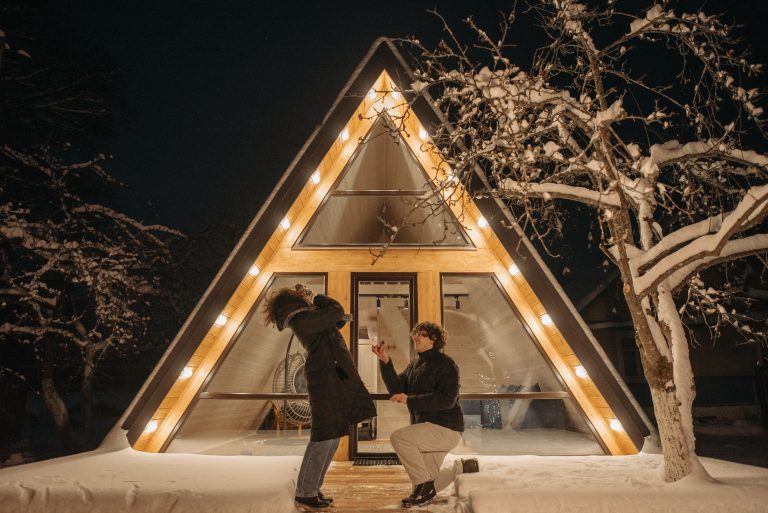
    There’s something undeniably romantic about winter. The crisp air, golden sunsets, cozy evenings and slower pace create the perfect atmosphere for one of life’s biggest questions: Will you marry me?

    While summer proposals often steal the spotlight, winter offers something equally special –  intimacy. Think candlelit dinners, mountain views, fireplace moments, misty landscapes and unforgettable getaways made for two.

    Modern proposals are becoming less about grand gestures for the sake of spectacle and more about creating a moment that feels personal, intentional and true to the couple’s story.

    Whether you’re planning a private proposal or a once-in-a-lifetime destination moment, these winter proposal ideas are guaranteed to inspire.

    A romantic mountain escape

    Few settings feel as magical as the mountains during winter. Imagine waking up somewhere quiet, surrounded by dramatic landscapes, spending the day exploring together and ending it with a proposal as the sun sets behind the peaks.

    For South African couples, winter mountain escapes offer the perfect balance of adventure and romance.

    Think:

    • A cozy cabin with a fireplace
    • A private picnic overlooking the mountains
    • A sunrise proposal after a weekend away
    • A surprise photographer capturing the moment

    Destinations like the Drakensberg or a winter escape in the Cederberg create naturally breathtaking backdrops.

    A wine estate proposal in the Cape Winelands

    There’s a reason the Cape Winelands remain one of South Africa’s most romantic destinations. Winter brings a different kind of charm – quieter vineyards, misty mornings, roaring fireplaces and intimate dinners.

    A winter proposal idea: Book a weekend away, arrange a private wine tasting, and pop the question among the vines or after a candlelit dinner.

    The beauty of a wine estate proposal is that the experience doesn’t end with the “yes” – it becomes an entire engagement celebration.

    Popular areas include:

    • Franschhoek
    • Stellenbosch
    • Constantia

    The cozy fireplace proposal

    Not every unforgettable proposal needs a dramatic location. Sometimes the most meaningful moments happen somewhere private.

    A winter-inspired at-home proposal can be just as beautiful:

    • Transform your home with candles and flowers
    • Recreate your first date
    • Cook your partner’s favourite meal
    • Create a timeline of your relationship through photos
    • End the evening with the ring and a heartfelt speech

    The focus is not the production – it’s the story behind it.

    A beach proposal (with a winter twist)

    Winter beaches have a quiet beauty that summer crowds often take away.

    A windswept coastline, dramatic skies and an empty beach can create a cinematic proposal moment.

    Consider:

    • A sunrise walk
    • A blanket picnic overlooking the ocean
    • A hidden beach location
    • A surprise photographer waiting nearby

    For Cape Town couples, locations along the coastline can offer unforgettable winter scenery without needing an international trip.

    A destination proposal abroad

    For couples who love travelling, a winter proposal abroad turns the engagement into an entire adventure.

    Some romantic winter proposal destinations include:

    • Paris, France: Classic, timeless and effortlessly romantic. Winter brings fewer crowds and a magical city atmosphere.
    • Iceland: For couples wanting something extraordinary, Iceland’s landscapes and northern lights create a once-in-a-lifetime backdrop.
    • Venice, Italy: Quiet canals, candlelit dinners and old-world charm make winter in Venice feel like stepping into a love story.
    • A European Christmas market escape: Cities like Vienna or Prague offer fairytale streets, festive lights and romantic winter experiences.

    The “just us” proposal

    One of the biggest shifts in modern proposals is choosing authenticity over performance. Couples are increasingly planning moments that reflect who they are – whether that means a private dinner, an adventurous getaway or a sentimental location that holds meaning.

    Ask yourself:

    • Are they someone who loves attention or privacy?
    • Would they prefer a crowd or a quiet moment?
    • Is there a place that already tells your story?

    The best proposal location is not always the most famous one – it’s the one that feels like yours.

    Final Thoughts

    A winter proposal has a special kind of magic. It’s slower, more intimate and filled with opportunities to create a moment that feels completely personal.

    Whether it happens beside a fireplace, overlooking a mountain range or during a once-in-a-lifetime getaway, the most memorable proposals are the ones that tell your love story.

    Because the perfect proposal isn’t about creating a picture-perfect moment – it’s about creating the moment you’ll both remember forever.

    ALSO SEE: 8 Romantic engagement ideas to help you pop the question! 

    8 Romantic engagement ideas to help you pop the question!

    Featured image: Pavel Danilyuk / Pexels

    A beautiful wedding day doesn’t happen by chance. Behind every seamless ceremony, perfectly timed sunset photo, and packed dance floor is one thing most guests never see: a well-planned wedding timeline.

    While it may not be the most glamorous part of wedding planning, your timeline is the framework that keeps everything moving smoothly. It ensures vendors know where to be, gives your photographer enough time to capture key moments, and helps you stay present rather than worrying about what’s happening next.

    The good news? Building a wedding timeline doesn’t have to be complicated.

    Start with the non-negotiables

    Before you schedule anything else, identify the fixed points of your day. These are the moments that can’t easily move and will form the backbone of your timeline.

    These typically include:

    • Ceremony start time
    • Venue access time
    • Reception start time
    • Dinner service
    • Sunset (especially for outdoor weddings and golden-hour portraits)
    • Venue closing time

    Wedding planners recommend building your timeline around these anchor points first before filling in the details. This approach creates a realistic framework rather than trying to squeeze important moments into an already crowded schedule.

    Work backwards from the ceremony

    One of the biggest mistakes couples make is underestimating how long getting ready actually takes.

    Hair and makeup are often the first events to run behind schedule, which can create a domino effect throughout the day. Experts recommend building your morning timeline by working backwards from the ceremony and allowing extra time for delays.

    For example, if your ceremony begins at 3pm:

    • 2:30pm – Arrive at venue
    • 2:00pm – Get dressed
    • 12:00pm – Hair and makeup
    • 11:00am – Photographer arrives for detail shots
    • 10:00am – Wedding party preparations begin

    Starting earlier than you think you need to, creates breathing room and helps keep the morning calm.

    Decide whether you’re having a first look

    A first look can significantly impact your timeline.

    For couples choosing a first look, many portraits, bridal party photos, and even some family photos can happen before the ceremony. This often means spending more time with guests during cocktail hour instead of disappearing for photographs.

    If you’re skipping the first look, you’ll need to reserve additional time immediately after the ceremony for:

    • Couple portraits
    • Family formals
    • Bridal party photographs

    This can take anywhere from 60 to 90 minutes depending on the size of your wedding party and family.

    Schedule photography with intention

    Photography often determines the flow of the entire day.

    Professional photographers consistently advise couples to discuss timelines well in advance and ask exactly how much time is needed for:

    • Couple portraits
    • Family photographs
    • Bridal party images
    • Detail shots
    • Sunset portraits

    Rather than guessing, let your photographer guide these timing decisions. They know how long each session realistically takes and can help prevent rushed photos or missed moments.

    Don’t forget golden hour, either. The hour before sunset offers some of the most flattering natural light of the day and is worth reserving 10 to 15 minutes for if possible.

    Build buffer time into everything

    If there’s one piece of advice nearly every planner and photographer agrees on, it’s this: add buffer time.

    A timeline without flexibility leaves no room for reality.

    Hair and makeup may run late. A family member may be hard to find for photos. Traffic might take longer than expected. Small delays are normal, but buffer time prevents them from affecting the rest of the day.

    As a general rule:

    • Add 15 to 30 minutes between major events
    • Add extra travel time between locations
    • Allow additional time for family portraits
    • Schedule short breaks for touch-ups, refreshments, and regrouping

    Think of buffer time as insurance for your timeline.

    Keep your reception flowing

    Most successful receptions follow a natural rhythm that keeps guests engaged while allowing plenty of time for celebrating.

    A typical reception flow includes:

    1. Cocktail hour
    2. Grand entrance
    3. First dance
    4. Dinner service
    5. Speeches and toasts
    6. Parent dances
    7. Cake cutting
    8. Open dancing
    9. Late-night snack or send-off

    While every couple will customise this order to suit their celebration, having a clear structure helps vendors coordinate seamlessly behind the scenes.

    Share the timeline with everyone

    Your timeline only works if everyone has it.

    At least two weeks before the wedding, distribute a final version to:

    • Photographer
    • Videographer
    • Planner or coordinator
    • Caterer
    • Florist
    • DJ or band
    • MC
    • Bridal party

    When everyone is working from the same schedule, communication improves and the day runs far more smoothly.

    The bottom line

    The best wedding timelines aren’t packed down to the minute. They’re realistic, flexible, and designed around your priorities.

    Start with your non-negotiable moments, build backwards, trust your vendors’ expertise, and leave plenty of room for the unexpected. When the logistics are taken care of, you’ll be free to focus on what truly matters: celebrating one of the most meaningful days of your life.

    ALSO SEE: 5 Ways to practice self care while planning your wedding

    5 Ways to practice self care while planning your wedding

    Featured image: www.kaboompics.com / Pexels

    You’ve found the venue, booked the photographer, chosen the dress, and created what feels like a solid wedding budget. Then the invoices start rolling in. 

    For many couples, it’s not the big-ticket items that derail their budget – it’s the smaller expenses hidden between the lines of contracts, forgotten until the last minute, or simply never discussed during the planning process. Industry experts consistently note that these overlooked costs can add thousands to a wedding budget if they’re not accounted for early. 

    The good news? A little awareness goes a long way. 

    Here are the hidden wedding costs couples most commonly forget to budget for – and how to avoid nasty surprises. 

    Alterations and tailoring

    Many brides budget for their dress but forget that the final fit often comes at an additional cost. 

    Whether it’s hemming a gown, adding sleeves, adjusting straps, or creating a bustle, alterations are rarely included in the purchase price. The same applies to suits and tuxedos, which often require tailoring to achieve the perfect fit. 

    Budget tip: Set aside around 10–15% of your attire budget specifically for alterations and last-minute adjustments.

    Hair and makeup trials

    Your wedding day glam isn’t usually the only beauty appointment you’ll pay for. 

    Most professional hair and makeup artists recommend a trial before the wedding, allowing you to test your look and make any changes ahead of the big day. These sessions are often charged separately from the wedding-day service. 

    Budget tip: Ask upfront whether trials are included in your quoted package.

    Vendor meals

    Photographers, videographers, coordinators, DJs, and musicians often spend the entire day working your wedding. Many contracts require that you provide a meal for vendors who are on-site during reception hours. 

    With multiple vendors present, this can quickly become a significant expense that many couples overlook. 

    Budget tip: Include vendor meals in your final catering numbers from the beginning.

    Delivery, setup and breakdown fees

    The floral quote might look reasonable – until delivery and installation are added. 

    The same goes for furniture rentals, décor items, signage, lighting installations, and catering equipment. Many suppliers charge separately for transportation, setup, collection, and post-event breakdown services. 

    Budget tip: Always ask vendors for an all-inclusive quote before signing a contract.

    Overtime charges

    Weddings rarely run exactly according to schedule. 

    A delayed ceremony, extended speeches, or an energetic dance floor can mean your photographer, DJ, venue staff, or coordinator are required to stay longer than originally contracted. Overtime fees can accumulate surprisingly quickly. 

    Budget tip: Build a small contingency fund into your budget for timeline-related extensions.

    Corkage and cake-cutting fees

    Bringing your own wine may seem like a money-saving move, but some venues charge corkage fees for every bottle served. 

    Similarly, venues may charge an additional fee to cut and plate a wedding cake that wasn’t supplied by their in-house catering team. These charges often appear deep within venue contracts and can easily be missed. 

    Budget tip: Review venue policies carefully before finalising food and beverage plans.

    Invitations, postage and stationery extras

    Couples often remember to budget for invitations but overlook everything that comes with them. 

    Save-the-dates, RSVP cards, envelopes, wax seals, welcome signs, seating charts, menus, table numbers, thank-you cards, and postage costs can add up faster than expected. Wedding planning communities consistently rank stationery-related expenses among the most commonly forgotten budget items. 

    Budget tip: Create a separate stationery category rather than lumping everything into one line item.

    Marriage licence and legal paperwork

    It may not be the most glamorous part of wedding planning, but making your marriage legal often comes with fees. 

    Depending on your location, costs can include marriage licences, registration fees, officiant expenses, and certified copies of your marriage certificate. 

    Budget tip: Research local requirements early to avoid last-minute expenses.

    Transportation and accommodation extras

    Many couples remember their getaway vehicle but forget about transport for the bridal party, family members, or guests staying off-site. 

    Parking fees, shuttle services, late-night transport, and accommodation for out-of-town family can all impact the final budget. 

    Budget tip: Map out everyone’s movements on the day to identify potential transport costs before they arise. 

    Gratuities and service charges

    One of the biggest budget surprises often comes at the end. 

    Service charges, staff fees, and gratuities may not be included in the initial quote from caterers, venues, beauty professionals, or entertainment vendors. Couples frequently underestimate just how much these additional charges can add to the final bill. 

    Budget tip: Check contracts carefully and clarify whether gratuities are included before signing.

    The ultimate hidden cost: forgetting the buffer

    Perhaps the most overlooked line item of all is the emergency fund. 

    Wedding experts generally recommend setting aside an additional 10–15% of your total budget to cover unexpected expenses, last-minute upgrades, or costs that inevitably appear during the planning process. 

    Because no matter how organised you are, there will almost always be something you didn’t see coming. 

    A realistic wedding budget isn’t just about planning for what you know you’ll spend – it’s about preparing for what you haven’t thought of yet. And when those unexpected costs do pop up, you’ll be glad you left yourself a little breathing room. 

    ALSO SEE: Important questions to ask your wedding vendors 

    Important questions to ask your wedding vendors

    Featured image: Mikhail Nilov / Pexels 

    Dreaming of a small, intimate wedding sounds simple enough – until you start writing the guest list. 

    For couples with large families, trimming the numbers can quickly become one of the most emotionally charged parts of wedding planning. Suddenly, every name carries a story, every invitation feels political, and every decision seems capable of causing unintended hurt feelings. 

    Yet intimate weddings continue to grow in popularity for a reason. Couples are increasingly choosing meaningful celebrations over large-scale events, prioritising quality time with loved ones, budget flexibility, and experiences that feel deeply personal. 

    The challenge? Balancing your vision with family expectations. 

    If you’re trying to keep your wedding small without upsetting half the family tree, here’s how to navigate the process with grace. 

    Start with your non-negotiable number

    Before names enter the conversation, determine your ideal guest count. 

    Whether your venue has a strict capacity limit or you’re working within a budget, having a clear maximum number creates an objective framework for decision-making. It’s far easier to explain that your venue only accommodates 80 guests than to justify why one cousin made the list while another didn’t. 

    Once you’ve settled on a number, stick to it. Expanding “just a little” for one branch of the family often opens the floodgates for everyone else. 

    Create guest list tiers

    One of the most effective strategies is to organise potential guests into categories. 

    Tier 1: Immediate family, closest friends, and people actively involved in your life. 

    Tier 2: Extended relatives and friends you see regularly. 

    Tier 3: Distant relatives, family acquaintances, and people you feel obligated to invite rather than genuinely want present. 

    This exercise quickly reveals where your priorities lie and helps ensure that the people attending are those who truly matter to you as a couple. 

    Decide on a consistent family rule

    Consistency is your best defence against family drama. 

    Perhaps you’re inviting only first cousins. Maybe you’re limiting invitations to aunts and uncles but not their adult children. Some couples choose a “household-only” rule, while others invite only relatives they’ve maintained an active relationship with. 

    Whatever approach you choose, apply it fairly across both families. 

    A clear, consistent guideline feels less personal and helps reduce accusations of favouritism. 

    Have difficult conversations early

    One of the biggest mistakes couples make is avoiding uncomfortable conversations until invitations are sent. 

    If you know certain family members may be disappointed, it’s often kinder to explain your plans beforehand. A personal phone call can go a long way toward preserving relationships and preventing misunderstandings. 

    Be honest, warm, and direct. 

    You don’t need to apologise for wanting an intimate wedding. Instead, explain that you’ve had to make difficult decisions to stay within your guest count and that the choice isn’t a reflection of how much you value the relationship. 

    Remember that parents may have expectations too

    In many families, weddings are viewed as community celebrations rather than purely personal events. 

    Parents may have long-standing friendships, cultural expectations, or family obligations they feel should be honoured. While it’s important to hear their perspective, it’s equally important to establish boundaries around who ultimately makes the final decisions. 

    If parents are contributing financially, discussing guest list expectations early can help avoid conflict later in the planning process. 

    The goal isn’t to win an argument – it’s to find a compromise that still feels authentic to your vision. 

    Consider alternative ways to include loved ones

    Not everyone needs to be physically present to feel included. 

    Couples are increasingly finding creative ways to involve extended family, such as: 

    • Hosting a casual engagement celebration before the wedding 
    • Planning a post-wedding family lunch or gathering 
    • Sharing professional photographs and wedding videos afterwards 
    • Including personal messages or updates for relatives who couldn’t attend 

    These gestures help loved ones feel remembered, even if space limitations prevent an invitation. 

    Resist the guilt

    Perhaps the hardest part of planning an intimate wedding is accepting that not everyone will be happy. 

    Some disappointment is inevitable, particularly in large families where weddings have traditionally been expansive affairs. However, your wedding day shouldn’t become a performance designed to satisfy every expectation. 

    Years from now, you are unlikely to regret having a celebration that reflected your values, your budget, and your relationship. 

    What you’ll remember most is how the day felt. 

    Keep the focus where it belongs

    At its heart, a wedding isn’t about numbers. It’s about bringing together the people who have genuinely shaped your journey as a couple. 

    An intimate guest list allows for deeper conversations, more meaningful moments, and the chance to spend quality time with every person in the room. 

    While navigating family dynamics may not be easy, staying true to your vision can result in a celebration that feels more personal, intentional, and unforgettable. 

    Sometimes, less really is more.

    ALSO SEE: 5 ways to avoid a family takeover at your wedding 

    5 ways to avoid a family takeover at your wedding

    Featured image: Beniam / Pexels