• Tag

    home-carousel

    Browsing

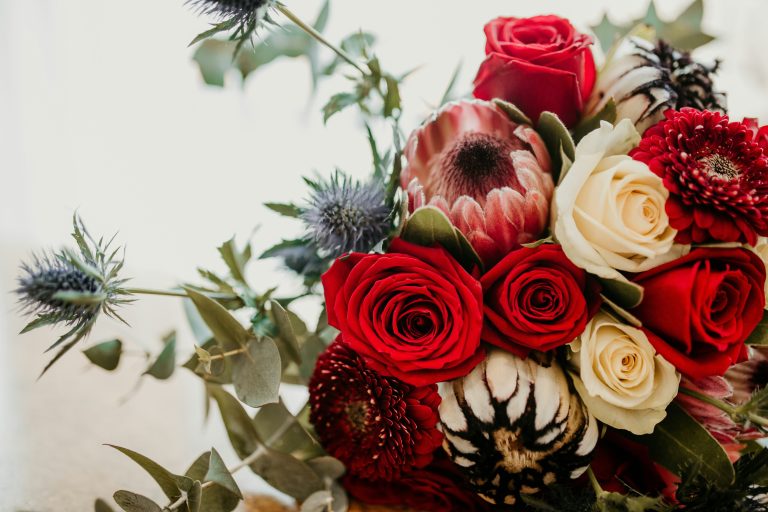
    When it comes to creating unforgettable wedding atmospheres, few understand the transformative power of flowers quite like The Duke and Duchess Florist.

    Founded in 1997 by Gerrit van Niekerk Reis, the Cape Town-based floral studio has spent nearly three decades turning wedding visions into breathtaking realities. From intimate ceremonies to lavish celebrations, Gerrit and his team have become known for creating floral experiences that are elegant, timeless and deeply personal.

    A journey rooted in creativity

    Interestingly, Gerrit’s path into floristry wasn’t a traditional one. Growing up in Pretoria, he began his career as an Identikit artist for the South African Police before joining the SABC as a Drama Specialist in 1987. But by the mid-90s, a new adventure was calling.

    “Flower arranging had long been a personal passion, a hobby that offered both artistic freedom and fulfilment,” he explains.

    That passion eventually blossomed into The Duke and Duchess Florist, which officially opened its doors in September 1997. Early contracts with prominent Cape Town hotels helped establish the business, but weddings quickly became one of its greatest loves.

    Why weddings?

    For Gerrit, weddings have always held a special kind of magic.

    “I have been fascinated by brides and weddings from a very young age. There is just something extraordinary about being given a blank canvas and the opportunity to create something truly magical.”

    It’s this ability to transform spaces, evoke emotion and tell a couple’s unique story through flowers that continues to inspire him almost 30 years later.

    A signature style that’s timelessly romantic

    Ask Gerrit to describe his signature aesthetic and the answer is beautifully simple: elegant, romantic and timeless.

    “My signature floral style is elegant, romantic and timeless, with a strong emphasis on creating atmosphere and emotion.”

    Rather than simply decorating a venue, he believes flowers should enhance the entire wedding experience – creating a feeling that guests remember long after the last dance.

    The wedding flower trends couples can’t get enough of

    According to Gerrit, today’s couples are moving away from rigid, structured arrangements and embracing florals that feel abundant, immersive and deeply personal.

    Some of the biggest trends include:

    • Garden-inspired floral designs overflowing with movement and texture
    • Romantic floral meadows replacing traditional aisle décor
    • Hanging floral installations and statement floral clouds
    • Soft, nature-inspired colour palettes
    • Mono-floral statements using a single bloom in abundance
    • Candlelit tablescapes paired with lush floral runners
    • Sustainable floristry and locally sourced flowers
    • Personalised floral storytelling

    “Perhaps the strongest trend is personalisation. Couples are selecting flowers with sentimental meaning, incorporating blooms from family gardens, or choosing designs inspired by places, memories and cultural traditions.”

    The colours dominating wedding florals right now

    While white and green remain enduring favourites, couples are increasingly embracing warmer, more nuanced palettes.

    Think:

    • Ivory and champagne
    • Blush and dusty rose
    • Peach and soft apricot
    • Terracotta and mocha
    • Burgundy and plum
    • Butter yellow and chocolate brown

    One trend Gerrit is particularly excited about is layered monochromatic colour palettes, where varying shades of the same colour create depth, texture and sophistication.

    Cape Town’s floral treasures

    Working in the Western Cape provides access to some truly remarkable blooms.

    Among Gerrit’s favourites are:

    • Indigenous fynbos
    • King Proteas
    • Blushing Brides
    • Seasonal spring bulbs
    • Locally grown garden roses

    “I love incorporating local and seasonal blooms whenever possible, as they bring a unique sense of place to a wedding and often offer exceptional freshness and value.”

    These flowers not only look stunning but also help create weddings that feel authentically South African.

    The biggest mistake couples make

    If there’s one piece of advice Gerrit wishes every couple understood, it’s this: don’t become too attached to specific flowers.

    “The biggest floral mistake is becoming too focused on specific flowers instead of the overall design.”

    Instead, he encourages couples to focus on the atmosphere they want to create. Guests are far more likely to remember how a wedding felt than whether a particular flower variety was used.

    A wedding he’ll never forget

    Of all the weddings he’s designed, one remains especially memorable.

    The Tollman wedding at the Twelve Apostles Hotel featured oversized floral installations, thousands of rose petals and a breathtaking ceremony arch covered entirely in roses.

    Then came a moment that felt almost magical.

    “As guests gathered and the ceremony commenced, dozens of white butterflies appeared seemingly from nowhere.”

    It was a moment that perfectly captured what Gerrit loves most about wedding floristry – creating experiences that feel extraordinary.

    Floral advice for overwhelmed couples

    With endless inspiration available online, it’s easy for couples to feel overwhelmed. Gerrit’s advice is refreshingly straightforward:

    “My advice is to start with the feeling you want to create rather than the flowers themselves.”

    Whether that feeling is romantic, modern, glamorous or garden-inspired, a clear vision allows an experienced florist to guide the rest.

    The Duke and Duchess difference

    Nearly three decades after opening his doors, Gerrit’s passion for weddings remains unchanged.

    From romantic floral meadows and candlelit tablescapes to breathtaking installations and bespoke floral storytelling, The Duke and Duchess Florist continues to create weddings that feel deeply personal, effortlessly elegant and truly unforgettable.

    For couples searching for florals that are as meaningful as they are beautiful, The Duke and Duchess Florist offers far more than flowers – they create atmosphere, emotion and memories that last a lifetime.

    Vendor Details

    ALSO SEE: Important questions to ask your wedding vendors

    Important questions to ask your wedding vendors

    Information and feature image supplied by Gerrit van Niekerk Reis, The Duke and Duchess florist

    Your wedding day may have been unforgettable, but marriage is where the real story begins.

    Years of shared milestones, challenges, growth, laughter, and love can make many couples feel inspired to celebrate their journey in a new way. Enter the vow renewal: a heartfelt opportunity to reaffirm your commitment, reflect on how far you’ve come, and honour the life you’ve built together.

    And while vow renewals have always held a special place in the wedding world, they’re experiencing a noticeable resurgence. Wedding experts have reported growing interest from couples who either had scaled-back celebrations, want to include children who weren’t part of the original wedding, or simply want a moment to celebrate their relationship as it stands today.

    Whether you’re celebrating five years or fifty, here’s how to plan a vow renewal that feels authentic, personal, and worth remembering.

    What exactly is a vow renewal?

    A vow renewal is a symbolic ceremony where a married couple reaffirms their commitment to one another. Unlike a wedding, it isn’t legally binding, meaning there are no marriage licences, paperwork requirements, or strict traditions to follow. The beauty lies in its flexibility – you can make it as intimate or elaborate as you wish.

    Why couples choose to renew their vows

    No two vow renewals are alike because no two marriages are alike.

    For some couples, a milestone anniversary feels like the perfect reason to celebrate. Others use the occasion to honour overcoming significant life challenges, from health scares to periods of separation and reconciliation. Many couples who opted for small ceremonies or elopements also choose vow renewals as a chance to have the celebration they originally envisioned.

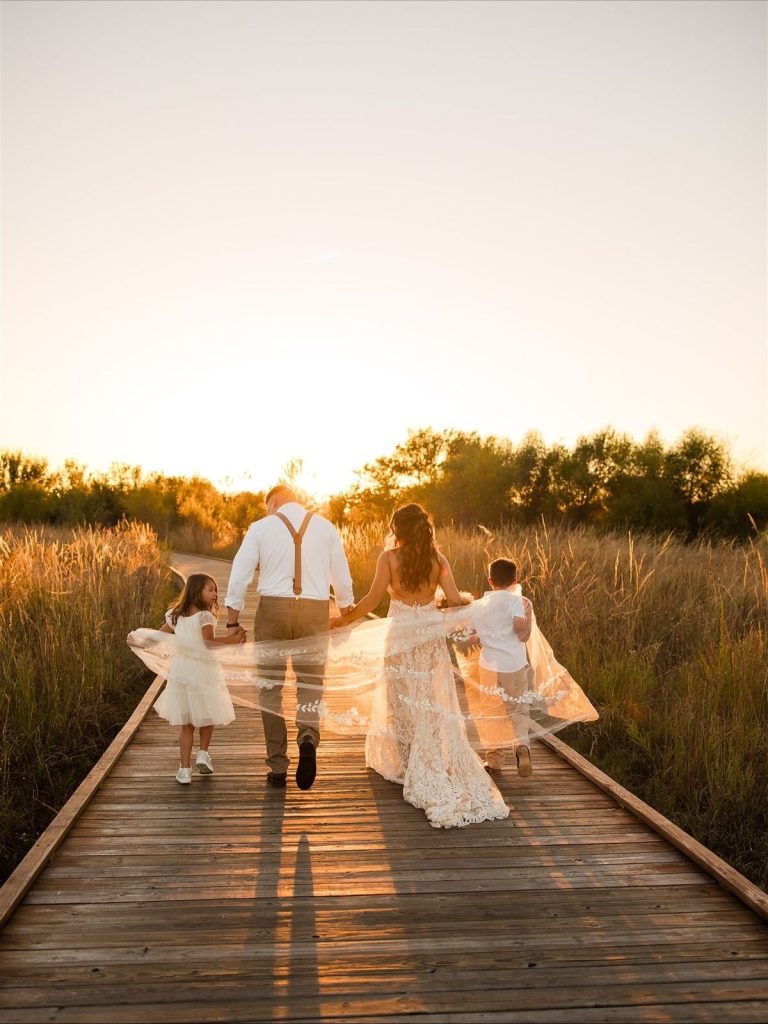
    Increasingly, couples are also choosing vow renewals as a way to involve their children in the ceremony, creating new family memories and celebrating the evolution of their relationship.

    Choose a style that reflects your journey

    One of the biggest differences between a wedding and a vow renewal is that expectations are far lower – and that’s a good thing.

    Some couples host an intimate sunset ceremony with just their children present. Others throw a full-scale celebration complete with a reception, live music, and a dance floor packed with loved ones.

    Current trends show couples moving towards highly personalised experiences rather than recreating their original wedding day. Think destination vow renewals, private beach ceremonies, garden gatherings, weekend getaways, or even themed celebrations that reflect shared interests and adventures.

    Write vows for who you are now

    Your original vows were written by the people you were then.

    Your renewal vows can reflect the people you’ve become.

    Many couples choose to acknowledge the realities of married life—the triumphs, the difficult seasons, the lessons learned, and the promises they want to carry into the future. Rather than focusing on the unknown, these vows celebrate resilience, growth, and the conscious choice to continue choosing each other every day.

    Include the people who matter most

    One of the most meaningful aspects of a vow renewal is the opportunity to involve loved ones in new ways.

    Children can walk down the aisle, read poems, hold rings, or share memories. Close friends and family members can perform readings, officiate the ceremony, or offer blessings and well-wishes. Many couples also choose to honour family members who have passed away through tributes woven into the ceremony.

    What should you wear?

    The short answer? Whatever feels right.

    There are no rules. Some brides slip back into their original wedding dress, while others opt for a modern bridal look, a sleek cocktail dress, or even something completely unexpected. Current vow renewal style trends favour personal expression and understated elegance over traditional bridal expectations.

    The same goes for your partner. Whether that’s a tailored suit, smart-casual attire, or something destination-appropriate, the goal is to feel comfortable and authentically yourself.

    Vow renewal etiquette: what guests need to know

    Unlike weddings, gifts aren’t generally expected at vow renewals. Most couples simply want to celebrate with the people they love rather than receive presents. If guests ask about gifts, many couples suggest charitable donations or simply request their presence.

    It’s also helpful to clearly state on invitations that the event is a vow renewal celebration so guests understand the nature of the occasion.

    The most important rule? Make it yours

    A vow renewal isn’t about recreating your wedding day.

    It’s about celebrating everything that happened after it.

    Whether you gather hundreds of guests or exchange private promises on a quiet beach, the most meaningful vow renewals are the ones that reflect the reality of your love story—not the expectations of anyone else.

    After all, there’s something incredibly romantic about looking at the person you’ve built a life with and saying, once again: I’d still choose you.

    ALSO SEE: Why personal vows are stealing the spotlight 

    Why personal vows are stealing the spotlight

    Featured image: Kampus Production / Pexels

    Long, flowing locks have traditionally dominated bridal beauty inspiration, but today’s brides are proving that short hair is every bit as versatile, romantic and wedding-worthy.

    Whether you’re rocking a pixie cut, a classic bob, a textured lob or a sleek crop, there are countless ways to elevate your look for the aisle. In fact, short hair often allows statement accessories, facial features and dress details to take centre stage in a way that longer styles sometimes don’t.

    If you’re planning your wedding and wondering how to style shorter strands, consider this your inspiration guide.

    The modern pixie

    A pixie cut exudes confidence and sophistication. For weddings, subtle styling can make all the difference. Soft texture, polished volume or a side-swept fringe instantly transforms the look into something celebration-ready.

    Pair the style with pearl hairpins, crystal clips or a delicate bridal headband for an effortlessly elegant finish. Brides wanting a fashion-forward aesthetic can also embrace a sleek, sculpted pixie paired with statement earrings.

    The timeless bridal bob

    The bob remains one of the most versatile short hairstyles for brides. Whether worn straight, softly curled or tucked behind one ear, it offers endless styling opportunities.

    Loose waves create a romantic feel, while a sleek glass-hair finish lends itself beautifully to contemporary weddings. Adding a decorative comb, embellished barrette or veil positioned low at the back of the head can complete the look without overwhelming it.

    Soft Hollywood waves

    Short hair and glamour go hand in hand. Hollywood-inspired waves work beautifully on chin-length bobs and lobs, creating a timeless silhouette reminiscent of old-world elegance.

    This hairstyle pairs particularly well with structured gowns, satin fabrics and classic wedding aesthetics. A side part and subtle shine spray help enhance the polished finish.

    Textured and effortless

    Not every bridal hairstyle needs to look perfectly polished. Many modern brides are embracing natural texture and movement, creating a relaxed yet refined appearance.

    Think tousled waves, soft bends and intentionally undone styling. This approach works especially well for outdoor celebrations, garden weddings and destination ceremonies where an effortless aesthetic feels right at home.

    Half-up styles for shorter lengths

    Many brides assume half-up hairstyles are reserved for long hair, but shorter cuts can achieve the look too.

    Sections around the crown can be pinned back to create volume and shape while allowing the remaining hair to frame the face. The result feels romantic, practical and incredibly photogenic.

    Adding small floral accents or delicate pearl details can enhance the bridal effect without feeling overdone.

    Statement accessories take centre stage

    One of the biggest advantages of short hair is how beautifully it showcases accessories.

    Bridal headbands, birdcage veils, pearl-encrusted clips, crystal combs and fresh flowers become focal points rather than competing with long strands. Oversized bows have also emerged as a major bridal trend, adding a playful yet elegant touch to shorter styles.

    For minimalist brides, a single statement piece is often all that’s needed.

    Embracing natural curls

    Brides with naturally curly or coily short hair have no shortage of stunning options.

    Defined curls create beautiful volume and texture while celebrating natural beauty. Floral accents, jeweled pins and delicate crowns can be incorporated seamlessly into the hairstyle without compromising curl definition.

    The key is working with, rather than against, your natural texture.

    The sleek and sophisticated look

    For brides who favour clean lines and modern styling, sleek short hair can create a striking wedding-day look.

    A deep side part, glossy finish and carefully placed accessory offer understated elegance. This style pairs exceptionally well with contemporary bridal fashion and architectural gown designs.

    Choosing the right style for your wedding

    The best bridal hairstyle isn’t determined by hair length – it’s determined by your personal style, dress, venue and comfort level.

    A beachside celebration may call for effortless texture, while a formal ballroom wedding could suit polished waves or a sleek finish. Most importantly, your hairstyle should feel like an elevated version of yourself rather than something entirely unfamiliar.

    Short hair may be shorter in length, but when it comes to bridal possibilities, it’s anything but limited.

    ALSO SEE: Keep your hair healthy on your summer honeymoon 

    Keep your hair healthy on your summer honeymoon

    Featured image: Anastasia Nagibina / Pexels 

    Your wedding dress isn’t just another line item on your budget – it’s the emotional centrepiece of your entire wedding story. But in South Africa right now, brides are asking a very practical question alongside the emotional one: Do I buy it… or do I hire it?

    And the answer isn’t as simple as it used to be.

    With bridal fashion evolving, budgets shifting, and more flexible options available than ever before, the decision now sits somewhere between sentiment, strategy, and style.

    Here’s how to figure out what actually makes sense for you in 2026.

    What it really costs in South Africa right now

    Before you decide, you need clarity on pricing – because the gap between buying and hiring isn’t always as wide as people think.

    Recent South African bridal market insights show:

    • Buying a new wedding dress: ± R14,000 – R60,000+ depending on designer, fabric, and detail
    • Average boutique gowns: around R13,000 – R30,000
    • Pre-loved/sample dresses: from ± R6,500 – R15,000
    • Hiring a dress: typically around R14,000 – R22,000 (sometimes up to 75% of retail value)

    Here’s the truth most brides only realise later: hiring is not always the “cheap option” – it’s often just the “short-term option.”

    Buying your wedding dress: the emotional investment

    Buying a dress is about ownership – but also control.

    Why brides choose to buy:

    • Full freedom for custom alterations and fit
    • Ability to preserve it as a keepsake or heirloom
    • More styling options (especially for modern trends like detachable sleeves or second looks)
    • Ability to resell or rewear for future events

    In 2026, we’re also seeing a shift toward multi-use bridal gowns – dresses designed with removable elements so brides can transform their look from ceremony to reception without changing outfits entirely.

    The reality check:

    • Higher upfront cost
    • Alterations and cleaning add extra budget
    • Storage and preservation become your responsibility

    Buying makes sense when your dress is part of your identity – not just your outfit.

    Hiring your wedding dress: the practical luxury option

    Hiring has evolved a lot. It’s no longer “basic budget brides only” – it’s now a structured bridal service, often with designer gowns available.

    Why brides choose to hire:

    • Lower upfront commitment
    • Access to designer or luxury gowns at a fraction of retail price
    • No storage or preservation stress after the wedding
    • Cleaning often included

    But here’s what you need to know:

    • Alterations are usually limited
    • You’re restricted by availability and booking dates
    • Costs can still climb to 50–75% of retail price

    Hiring works best when you prioritise convenience over long-term ownership.

    The 2026 bridal shift: why this decision is changing

    Bridal fashion is no longer just about tradition it’s about identity.

    Across global and South African bridal trends, we’re seeing:

    • A rise in personalised, fashion-forward gowns
    • More brides choosing pre-loved and sustainable options
    • A move away from rigid “white only” tradition into soft tones and expressive silhouettes
    • Increased demand for versatile dresses that can transform during the day

    In other words: brides are no longer choosing between “buy or hire” in a vacuum they’re choosing how much permanence they want in a fashion moment that is increasingly expressive and fluid.

    So… how do you actually decide?

    Ask yourself these 4 questions:

    1. Do I want to keep my dress after the wedding?

    If yes → buying is your lane.

    1. Is my priority budget flexibility or long-term value?

    If short-term ease matters more → hiring works.

    1. Do I want full control over fit and design?

    If yes → buying wins by a mile.

    1. Will I regret not owning it?

    Be honest here – this is usually the deciding factor.

    Final thought

    There is no “correct” choice anymore only what aligns with your priorities, your budget, and the story you want your wedding to tell.

    Some brides want a dress they can keep forever. Others want a designer moment without long-term responsibility.

    Both are valid. What matters is choosing intentionally, not emotionally pressured or financially rushed.

    ALSO SEE: Transforming your mom’s wedding dress 

    Transforming your mom’s wedding dress

    Featured image: Rewan Ahmed / Pexels

    South Africa’s reigning beauty queen is officially counting down to her walk down the aisle.

    Miss South Africa 2024, Mia le Roux, has shared exciting new details about her upcoming wedding to fiancé Luke ten Oever, giving fans a glimpse into one of the country’s most anticipated celebrity weddings. The announcement comes almost a year after the couple publicly revealed their engagement, having initially chosen to keep the milestone private while enjoying what Mia described as their own “little bubble.”

    The couple recently confirmed that they will tie the knot on 16 October 2026, marking the next chapter in a relationship that has quietly captured the hearts of South Africans.


    View this post on Instagram


    A post shared by M I A L E R O U X (@mialerouxx)

    A love story rooted in privacy

    Unlike many public figures, Mia and Luke have largely kept their relationship away from the spotlight. The pair began dating in 2023, with Luke becoming a familiar face throughout Mia’s Miss South Africa journey, often supporting her from the sidelines.

    When announcing their engagement in July 2025, Mia shared a heartfelt tribute to her fiancé, thanking him for his patience, love and unwavering support during one of the busiest periods of her life. The couple revealed that they had actually been engaged for some time before sharing the news publicly, choosing to savour the moment privately before inviting the public into their celebration.


    View this post on Instagram


    A post shared by M I A L E R O U X (@mialerouxx)

    The engagement ring everyone is talking about

    While the romance has certainly captured attention, bridal enthusiasts have been equally captivated by Mia’s engagement jewellery.

    The original engagement ring featured a striking oval-cut green gemstone, creating an elegant and distinctive alternative to more traditional diamond engagement rings.

    More recently, Mia revealed that she and Luke collaborated on a second bespoke engagement ring. The custom design features a classic diamond set on a delicate gold band, blending timeless elegance with personal meaning. According to Mia, the idea came directly from Luke, who wanted them to create a piece together that reflected their shared journey.

    For couples planning their own engagements, the trend speaks to a growing preference for personalised jewellery over traditional off-the-shelf designs.


    View this post on Instagram


    A post shared by M I A L E R O U X (@mialerouxx)

    Bridal fashion already has our attention

    The wedding world first got a glimpse of Mia’s bridal style during her engagement announcement, where she wore ethereal gowns created by South African designer Anel Botha. The designer’s work has become synonymous with beauty queen bridal fashion, having previously dressed several Miss South Africa titleholders.

    Featured Bridal Brand

    • Brand: Anel Botha
    • Website: Anel Botha Bridal
    • Location: Pretoria, South Africa
    • Price Range: Custom bridal gowns are quoted on request and vary depending on design specifications.

    Mia’s bridal aesthetic appears to lean towards romantic silhouettes, soft fabrics and timeless elegance — a look that continues to resonate with modern South African brides seeking sophistication without excess.


    View this post on Instagram


    A post shared by M I A L E R O U X (@mialerouxx)

    A milestone beyond pageantry

    Mia’s wedding journey holds significance beyond celebrity headlines. In 2024, she made history as the first deaf woman to be crowned Miss South Africa, becoming a powerful advocate for inclusivity and representation. Her reign has inspired countless South Africans and helped broaden conversations around accessibility and visibility within the pageant and fashion industries.

    As October 2026 approaches, one thing is certain: all eyes will be on the bride.

    And if her engagement photos are anything to go by, this wedding is already shaping up to be a masterclass in modern romance.

    ALSO SEE: ‘Let’s get married’: Char Carrie hints at engagement

    ‘Let’s get married’: Char Carrie hints at engagement

    Featured image: Pinterest
    If there’s one city that knows how to set the scene for romance, it’s Cape Town.

    From mountain peaks and botanical gardens to pristine beaches and iconic landmarks, the Mother City offers no shortage of breathtaking backdrops for one of life’s biggest questions. According to a survey conducted by Cape Town Tourism across social media platforms, alongside insights from proposal planners, some locations consistently stood out as favourites among locals.

    The overwhelming winner? The V&A Waterfront, followed closely by Table Mountain.

    It’s not difficult to see why. Cape Town’s combination of dramatic scenery, ocean views and world-class experiences has earned it a reputation as one of the most romantic destinations on the continent.

    Other much-loved proposal locations mentioned by Capetonians included Hout Bay, Kirstenbosch National Botanical Garden, Signal Hill, Franschhoek, Boulders Beach, Aquila Private Game Reserve and Strand.

    To prove that there’s no single formula for the perfect proposal, here are a few real-life stories from couples who found their special moment in some of Cape Town’s most romantic settings.

    Here are sweet proposal stories from some of the city’s most special spots to bend the knee:

    Kirstenbosch: When bigger really is better

    Some proposals are intimate affairs shared between two people. Others involve months of planning, hundreds of witnesses and a surprise that no one sees coming.

    One local shared how he proposed after a screening of The Notebook at an outdoor cinema event in Kirstenbosch. Unknown to his partner, he had arranged for a personal video documenting their six-year relationship to play after the movie.

    As the video ended, he led her to the front of the audience and asked her to spend the rest of her life with him. When she said yes, family and friends emerged from the crowd to celebrate the moment.

    V&A Waterfront

    For Masego and Letlotlo, a holiday in Cape Town became the beginning of a new chapter.

    Wanting something different from a traditional proposal, Masego worked with planners to arrange a private art experience at the V&A Waterfront. Hidden within an interactive artwork was a message waiting to be revealed.

    As Letlotlo peeled back the layers of the canvas, the words “Marry Me” appeared. Her answer was an enthusiastic yes.

    Signal Hill: Proof that perfection is overrated

    Not every proposal unfolds exactly as planned.

    Janine Naicker recalls how windy conditions and a lack of parking nearly derailed her partner’s carefully thought-out moment at Signal Hill. After several unsuccessful attempts to get her out of the car to admire the view, he resorted to Plan B.

    He handed her a box of cupcakes and asked her to pass him one. Inside the box, nestled in the icing, was an engagement ring.

    Sometimes the best proposals are the ones that embrace the unexpected.

    Table Mountain: A proposal above the clouds

    For many couples, Table Mountain remains the ultimate proposal destination.

    One local shared how her partner planned a sunrise hike to the very spot where they had enjoyed one of their first dates together. As the sun rose over the city, he got down on one knee and asked her to marry him.

    Years later, it remains one of her favourite memories.

    Strand Beach: Coming full circle

    For Bianca Engelbrecht, the proposal happened exactly where their story began.

    The couple’s first date took place on Strand Beach, where they spent hours talking while listening to the waves. Years later, under the impression they were simply meeting friends, Bianca was surprised when her partner suggested a quick detour.

    Back at the beach where they first connected, he asked her to marry him.

    Sidebar: ‘Secret’ spots to pop the big Q:

    Here’s a list of some of Cape Town’s lesser-known locations that are perfect for proposals:

    • Majik Forest (Door de Kraal, Cape Town): Secreted in the northern suburbs, with soft green grass, trees, ducks, a dam and a mountain bike trail in the forest section, this pet-friendly park is the perfect place to propose to your significant other with your furry friend present.
    • Lichtenstein Castle (Hout Bay): The privately owned castle, located in Hout Bay, can be visited by appointment only. It’s the perfect place to propose in a fairy-tale setting.
    • Woodstock streets: Urban adventurers will find a perfect proposal setting amidst the gorgeous, gritty surrounds of Woodstock’s world-famous street art.
    • Tintswalo Atlantic (Hout Bay): Rumour has it a penguin gives its mate a pebble when courting. Pop your person a pebble on Tintswalo’s secluded stretch of beach, below Chapman’s Peak Drive.
    • Dias Beach (Cape Point): Wild and whimsical, this hidden coast offers unparalleled sea views. It’s the ideal backdrop for ‘I do’.
    • Secret Rock (Bantry Bay): Perched at the top of Nettleton Drive is a secret rock where many a couple has come for some special moments alone…

    The perfect proposal is personal

    While Cape Town offers countless spectacular locations to pop the question, the most memorable proposals often have little to do with the setting itself. Whether it’s a mountaintop sunrise, a beach at sunset or a meaningful place that tells your story as a couple, the most romantic proposal spot is the one that feels authentic to you.

    That said, if you’re looking for inspiration, locals have spoken –  and Cape Town’s iconic landscapes provide some of the most unforgettable places in the world to say “yes”.

    ALSO SEE: Nature-based proposal spots in Cape Town 

    Nature-based proposal spots in Cape Town

    Featured image: Bianca Asher

    For decades, wedding parties followed a familiar formula: bridesmaids stood beside the bride, groomsmen stood beside the groom, everyone wore matching outfits, and the numbers on each side were perfectly balanced.

    Today, that picture looks very different.

    Modern couples are increasingly choosing wedding parties that reflect their real relationships rather than tradition. From mixed-gender bridal parties and uneven numbers to “bridesmen”, “groomswomen” and even no bridal party at all, wedding celebrations are becoming more personal, inclusive and authentic than ever before. Industry experts note that couples are placing greater emphasis on meaningful connections and less on following outdated wedding rules.

    Why couples are moving away from tradition

    At the heart of the trend is a simple idea: people want the people they love most standing beside them, regardless of gender, titles or expectations.

    As weddings become more personalised, couples are questioning long-standing traditions that no longer fit their lives. Rather than choosing attendants based on convention, they’re choosing them based on genuine support, friendship and family bonds. This shift has contributed to the growing popularity of mixed-gender wedding parties and alternative attendant roles.

    For many couples, it also removes unnecessary pressure. The expectation of matching numbers, identical outfits and rigid bridal party duties can feel restrictive in an era where individuality is celebrated.

    Bridesmen, groomswomen and mixed-gender wedding parties

    One of the most visible changes is the rise of mixed-gender wedding parties.

    It’s becoming increasingly common to see a bride’s brother serving as her “Man of Honour” or a groom’s sister standing beside him as his “Best Woman”. Couples are choosing the people who matter most to them instead of assigning roles based on gender.

    The result often feels more genuine and representative of modern friendships and family dynamics.

    Styling these wedding parties has also evolved. Rather than forcing everyone into matching attire, many couples are creating cohesive looks through colour palettes, fabrics or accessories while allowing each person to wear something that suits their personality and comfort level.

    The decline of perfectly matching bridal parties

    The era of identical bridesmaid dresses and uniform groomsmen attire is steadily fading.

    Wedding planners report that couples are gravitating towards a more editorial, fashion-forward aesthetic that allows attendants to express their individual style. Instead of everyone wearing the same outfit, bridal parties are often dressed in complementary colours, varying silhouettes or coordinated textures.

    The trend not only creates more visually interesting wedding photos but also helps attendants feel comfortable and confident throughout the day.

    Smaller bridal parties are becoming the norm

    Another major shift is the move towards smaller wedding parties.

    According to recent wedding industry reporting, bridal parties have become noticeably smaller as couples seek to reduce costs, simplify logistics and focus on their closest relationships. Wedding professionals say today’s couples are less concerned with large entourages and more interested in creating meaningful experiences.

    Smaller bridal parties can also ease the financial burden often associated with being a bridesmaid or groomsman, from attire and travel costs to pre-wedding celebrations.

    The rise of the “no bridal party” wedding

    Perhaps the boldest departure from tradition is the growing number of couples who are skipping the bridal party entirely.

    Wedding planners have identified the “no wedding party” approach as one of the most significant wedding trends in recent years. Rather than having attendants stand beside them during the ceremony, couples are inviting their closest friends and family to participate in other meaningful ways throughout the celebration.

    Friends may still join the couple while getting ready, participate in speeches, witness the marriage licence or feature in special photographs, but without the formal titles and responsibilities traditionally associated with bridesmaids and groomsmen.

    For some couples, this approach creates a more intimate atmosphere while eliminating the stress of choosing who makes the cut.

    What this trend says about modern weddings

    The rise of non-traditional bridal parties reflects a broader shift happening across the wedding industry.

    Couples are increasingly prioritising authenticity over obligation. Whether that means having a bridesman, a groomswoman, mismatched attire, uneven numbers or no bridal party at all, today’s weddings are less about following a prescribed formula and more about telling a personal story.

    Ultimately, the most memorable weddings aren’t defined by tradition. They’re defined by the people who stand beside you – whatever title they happen to have.

    WeddingETC’s take

    If there’s one wedding trend that’s here to stay, it’s personalisation. Non-traditional bridal parties allow couples to celebrate the relationships that have genuinely shaped their lives, rather than squeezing those relationships into outdated categories.

    Whether you’re planning a mixed-gender wedding party, choosing a single best friend to stand beside you or skipping attendants altogether, the modern approach is refreshingly simple: make the day feel like yours.

    ALSO SEE: Standing by Her Side: The Role of the Maid of Honor & Bridesmaids 

    Standing by Her Side: The Role of the Maid of Honor & Bridesmaids

    Featured image: Francisco Sanchez / Pexels

    A beautiful wedding day doesn’t happen by chance. Behind every seamless ceremony, perfectly timed sunset photo, and packed dance floor is one thing most guests never see: a well-planned wedding timeline.

    While it may not be the most glamorous part of wedding planning, your timeline is the framework that keeps everything moving smoothly. It ensures vendors know where to be, gives your photographer enough time to capture key moments, and helps you stay present rather than worrying about what’s happening next.

    The good news? Building a wedding timeline doesn’t have to be complicated.

    Start with the non-negotiables

    Before you schedule anything else, identify the fixed points of your day. These are the moments that can’t easily move and will form the backbone of your timeline.

    These typically include:

    • Ceremony start time
    • Venue access time
    • Reception start time
    • Dinner service
    • Sunset (especially for outdoor weddings and golden-hour portraits)
    • Venue closing time

    Wedding planners recommend building your timeline around these anchor points first before filling in the details. This approach creates a realistic framework rather than trying to squeeze important moments into an already crowded schedule.

    Work backwards from the ceremony

    One of the biggest mistakes couples make is underestimating how long getting ready actually takes.

    Hair and makeup are often the first events to run behind schedule, which can create a domino effect throughout the day. Experts recommend building your morning timeline by working backwards from the ceremony and allowing extra time for delays.

    For example, if your ceremony begins at 3pm:

    • 2:30pm – Arrive at venue
    • 2:00pm – Get dressed
    • 12:00pm – Hair and makeup
    • 11:00am – Photographer arrives for detail shots
    • 10:00am – Wedding party preparations begin

    Starting earlier than you think you need to, creates breathing room and helps keep the morning calm.

    Decide whether you’re having a first look

    A first look can significantly impact your timeline.

    For couples choosing a first look, many portraits, bridal party photos, and even some family photos can happen before the ceremony. This often means spending more time with guests during cocktail hour instead of disappearing for photographs.

    If you’re skipping the first look, you’ll need to reserve additional time immediately after the ceremony for:

    • Couple portraits
    • Family formals
    • Bridal party photographs

    This can take anywhere from 60 to 90 minutes depending on the size of your wedding party and family.

    Schedule photography with intention

    Photography often determines the flow of the entire day.

    Professional photographers consistently advise couples to discuss timelines well in advance and ask exactly how much time is needed for:

    • Couple portraits
    • Family photographs
    • Bridal party images
    • Detail shots
    • Sunset portraits

    Rather than guessing, let your photographer guide these timing decisions. They know how long each session realistically takes and can help prevent rushed photos or missed moments.

    Don’t forget golden hour, either. The hour before sunset offers some of the most flattering natural light of the day and is worth reserving 10 to 15 minutes for if possible.

    Build buffer time into everything

    If there’s one piece of advice nearly every planner and photographer agrees on, it’s this: add buffer time.

    A timeline without flexibility leaves no room for reality.

    Hair and makeup may run late. A family member may be hard to find for photos. Traffic might take longer than expected. Small delays are normal, but buffer time prevents them from affecting the rest of the day.

    As a general rule:

    • Add 15 to 30 minutes between major events
    • Add extra travel time between locations
    • Allow additional time for family portraits
    • Schedule short breaks for touch-ups, refreshments, and regrouping

    Think of buffer time as insurance for your timeline.

    Keep your reception flowing

    Most successful receptions follow a natural rhythm that keeps guests engaged while allowing plenty of time for celebrating.

    A typical reception flow includes:

    1. Cocktail hour
    2. Grand entrance
    3. First dance
    4. Dinner service
    5. Speeches and toasts
    6. Parent dances
    7. Cake cutting
    8. Open dancing
    9. Late-night snack or send-off

    While every couple will customise this order to suit their celebration, having a clear structure helps vendors coordinate seamlessly behind the scenes.

    Share the timeline with everyone

    Your timeline only works if everyone has it.

    At least two weeks before the wedding, distribute a final version to:

    • Photographer
    • Videographer
    • Planner or coordinator
    • Caterer
    • Florist
    • DJ or band
    • MC
    • Bridal party

    When everyone is working from the same schedule, communication improves and the day runs far more smoothly.

    The bottom line

    The best wedding timelines aren’t packed down to the minute. They’re realistic, flexible, and designed around your priorities.

    Start with your non-negotiable moments, build backwards, trust your vendors’ expertise, and leave plenty of room for the unexpected. When the logistics are taken care of, you’ll be free to focus on what truly matters: celebrating one of the most meaningful days of your life.

    ALSO SEE: 5 Ways to practice self care while planning your wedding

    5 Ways to practice self care while planning your wedding

    Featured image: www.kaboompics.com / Pexels

    There’s a quiet shift happening in the wedding world – and it’s not about décor trends or dress silhouettes. It’s about the day itself. 

    More couples are considering weekday weddings to stretch budgets, secure dream venues, and avoid peak-season pressure. But while the idea sounds practical on paper, the reality is a little more layered. 

    So, are weekday weddings smart planning, or just inconvenient for everyone involved? 

    Let’s break it down properly. 

    Why couples are choosing weekday weddings

    1. Better pricing and more flexibility

    One of the biggest drivers behind weekday weddings is cost. Venues, photographers, planners, and even some décor suppliers often offer lower rates from Monday to Thursday compared to peak weekend bookings. 

    For couples working with tighter budgets (or simply wanting more value for money), this can be a game-changer. It may also open doors to suppliers or venues that are usually fully booked on weekends. 

    1. More availability for top vendors

    If you’ve ever tried booking a sought-after wedding photographer or venue on a Saturday in peak season, you already know the struggle. 

    Weekdays often come with better availability, which means less compromise and more freedom to choose your dream team. 

    1. Less competition, more breathing room

    Weekday weddings tend to feel less rushed. Venues may be quieter, staff less stretched, and timelines slightly more flexible. 

    For couples who want a more intimate or relaxed atmosphere, this can enhance the experience. 

    The inconvenient truth: guest availability

    This is where weekday weddings get complicated. 

    1. Work commitments are real

    The biggest challenge is simple: most guests work Monday to Friday. Attending a weekday wedding often requires taking leave, which isn’t always possible – especially for guests travelling from out of town or those with limited annual leave. 

    This can directly impact attendance numbers, no matter how much people love you. 

    1. Travel and accommodation pressure

    A weekday wedding often means guests must plan extra carefully: 

    • Taking additional leave days  
    • Booking accommodation mid-week  
    • Arranging childcare or work coverage  

    This adds friction that weekend weddings don’t usually have. 

    1. The “early exit” effect

    Even when guests do attend, weekday weddings can feel shorter. People may leave earlier to prepare for work the next day, which can affect the energy of the reception. 

    The social balancing act

    Weekday weddings aren’t inherently “good” or “bad” – they just require more intentional communication. 

    If you’re considering one, transparency becomes everything: 

    • Send save-the-dates early  
    • Be clear about timing expectations  
    • Consider local vs travelling guest dynamics  
    • Don’t assume attendance is guaranteed  

    A weekday wedding works best when couples are realistic about their guest list and priorities. 

    So… are weekday weddings worth it?

    Here’s the honest answer: it depends on what matters more to you. 

    If your priority is budget control, vendor availability, and a more intimate feel – weekday weddings can be incredibly smart.  If your priority is a full guest list, high-energy celebration, and maximum convenience for everyone – weekends still win. 

    There’s no wrong choice, only trade-offs. 

    The key is being honest about what kind of wedding you want and what your guests can realistically give. 

    Final thought

    Weekday weddings aren’t just a scheduling decision – they’re a reflection of priorities. 

    And in modern wedding planning, that’s really what everything comes down to: choosing what matters most and letting go of what doesn’t. 

    ALSO SEE: Are destination weddings still worth it in 2026? 

    Are destination weddings still worth it in 2026?

    Featured image: Phát Võ Hồ Tấn / Pexels

    You’ve found the venue, booked the photographer, chosen the dress, and created what feels like a solid wedding budget. Then the invoices start rolling in. 

    For many couples, it’s not the big-ticket items that derail their budget – it’s the smaller expenses hidden between the lines of contracts, forgotten until the last minute, or simply never discussed during the planning process. Industry experts consistently note that these overlooked costs can add thousands to a wedding budget if they’re not accounted for early. 

    The good news? A little awareness goes a long way. 

    Here are the hidden wedding costs couples most commonly forget to budget for – and how to avoid nasty surprises. 

    Alterations and tailoring

    Many brides budget for their dress but forget that the final fit often comes at an additional cost. 

    Whether it’s hemming a gown, adding sleeves, adjusting straps, or creating a bustle, alterations are rarely included in the purchase price. The same applies to suits and tuxedos, which often require tailoring to achieve the perfect fit. 

    Budget tip: Set aside around 10–15% of your attire budget specifically for alterations and last-minute adjustments.

    Hair and makeup trials

    Your wedding day glam isn’t usually the only beauty appointment you’ll pay for. 

    Most professional hair and makeup artists recommend a trial before the wedding, allowing you to test your look and make any changes ahead of the big day. These sessions are often charged separately from the wedding-day service. 

    Budget tip: Ask upfront whether trials are included in your quoted package.

    Vendor meals

    Photographers, videographers, coordinators, DJs, and musicians often spend the entire day working your wedding. Many contracts require that you provide a meal for vendors who are on-site during reception hours. 

    With multiple vendors present, this can quickly become a significant expense that many couples overlook. 

    Budget tip: Include vendor meals in your final catering numbers from the beginning.

    Delivery, setup and breakdown fees

    The floral quote might look reasonable – until delivery and installation are added. 

    The same goes for furniture rentals, décor items, signage, lighting installations, and catering equipment. Many suppliers charge separately for transportation, setup, collection, and post-event breakdown services. 

    Budget tip: Always ask vendors for an all-inclusive quote before signing a contract.

    Overtime charges

    Weddings rarely run exactly according to schedule. 

    A delayed ceremony, extended speeches, or an energetic dance floor can mean your photographer, DJ, venue staff, or coordinator are required to stay longer than originally contracted. Overtime fees can accumulate surprisingly quickly. 

    Budget tip: Build a small contingency fund into your budget for timeline-related extensions.

    Corkage and cake-cutting fees

    Bringing your own wine may seem like a money-saving move, but some venues charge corkage fees for every bottle served. 

    Similarly, venues may charge an additional fee to cut and plate a wedding cake that wasn’t supplied by their in-house catering team. These charges often appear deep within venue contracts and can easily be missed. 

    Budget tip: Review venue policies carefully before finalising food and beverage plans.

    Invitations, postage and stationery extras

    Couples often remember to budget for invitations but overlook everything that comes with them. 

    Save-the-dates, RSVP cards, envelopes, wax seals, welcome signs, seating charts, menus, table numbers, thank-you cards, and postage costs can add up faster than expected. Wedding planning communities consistently rank stationery-related expenses among the most commonly forgotten budget items. 

    Budget tip: Create a separate stationery category rather than lumping everything into one line item.

    Marriage licence and legal paperwork

    It may not be the most glamorous part of wedding planning, but making your marriage legal often comes with fees. 

    Depending on your location, costs can include marriage licences, registration fees, officiant expenses, and certified copies of your marriage certificate. 

    Budget tip: Research local requirements early to avoid last-minute expenses.

    Transportation and accommodation extras

    Many couples remember their getaway vehicle but forget about transport for the bridal party, family members, or guests staying off-site. 

    Parking fees, shuttle services, late-night transport, and accommodation for out-of-town family can all impact the final budget. 

    Budget tip: Map out everyone’s movements on the day to identify potential transport costs before they arise. 

    Gratuities and service charges

    One of the biggest budget surprises often comes at the end. 

    Service charges, staff fees, and gratuities may not be included in the initial quote from caterers, venues, beauty professionals, or entertainment vendors. Couples frequently underestimate just how much these additional charges can add to the final bill. 

    Budget tip: Check contracts carefully and clarify whether gratuities are included before signing.

    The ultimate hidden cost: forgetting the buffer

    Perhaps the most overlooked line item of all is the emergency fund. 

    Wedding experts generally recommend setting aside an additional 10–15% of your total budget to cover unexpected expenses, last-minute upgrades, or costs that inevitably appear during the planning process. 

    Because no matter how organised you are, there will almost always be something you didn’t see coming. 

    A realistic wedding budget isn’t just about planning for what you know you’ll spend – it’s about preparing for what you haven’t thought of yet. And when those unexpected costs do pop up, you’ll be glad you left yourself a little breathing room. 

    ALSO SEE: Important questions to ask your wedding vendors 

    Important questions to ask your wedding vendors

    Featured image: Mikhail Nilov / Pexels