• Tag

    Featured

    Browsing

    There are few settings as effortlessly romantic as the beach. The sound of crashing waves, golden light and endless ocean views create a naturally breathtaking backdrop that needs little embellishment. But while a seaside ceremony may look effortless, pulling one off successfully requires thoughtful planning.

    From changing tides and coastal weather to guest comfort and eco-conscious choices, today’s beach weddings are about balancing style with practicality. Here’s how to create a celebration that’s every bit as memorable as the setting.

    1.Choose your beach carefully

    Not all beaches are created equal when it comes to weddings. Some offer dramatic scenery but are exposed to strong winds, while others provide calmer waters, easier access and better facilities.

    Before falling in love with a location, visit it at the same time of day as your planned ceremony. You’ll get a better feel for lighting, tides, crowds, parking and wind conditions. If you’re using a public beach in South Africa, check municipal permit requirements well in advance, as many beaches require official approval for ceremonies.

    2. Let nature set your timeline

    Golden hour remains one of the biggest wedding trends for good reason. Scheduling your ceremony shortly before sunset offers softer light for photography, cooler temperatures and a more comfortable experience for guests.

    Equally important is checking local tide charts. A ceremony planned at low tide could look very different a few hours later, so work with your planner or venue to ensure the ocean stays where it’s meant to.

    3. Have a weather backup you actually love

    Every outdoor wedding needs a Plan B, and the coast is no exception.

    Rather than treating your backup option as an afterthought, choose an alternative space that feels just as beautiful as your original vision. Whether it’s a glass-fronted venue overlooking the sea or an elegant sailcloth tent, you’ll enjoy the day far more knowing unexpected weather won’t derail your celebration.

    4. Dress for the setting

    A beach wedding is the perfect excuse to embrace effortless elegance.

    Lightweight fabrics such as chiffon, silk, crepe and linen move beautifully in the sea breeze while keeping everyone comfortable. Brides are increasingly opting for streamlined silhouettes, detachable overskirts and relaxed styling, while grooms are swapping heavy tuxedos for linen suits in soft neutrals.

    Footwear matters too. Block heels, wedges, embellished sandals or even barefoot ceremonies are all practical alternatives to stilettos disappearing into the sand.

    5. Keep your décor simple

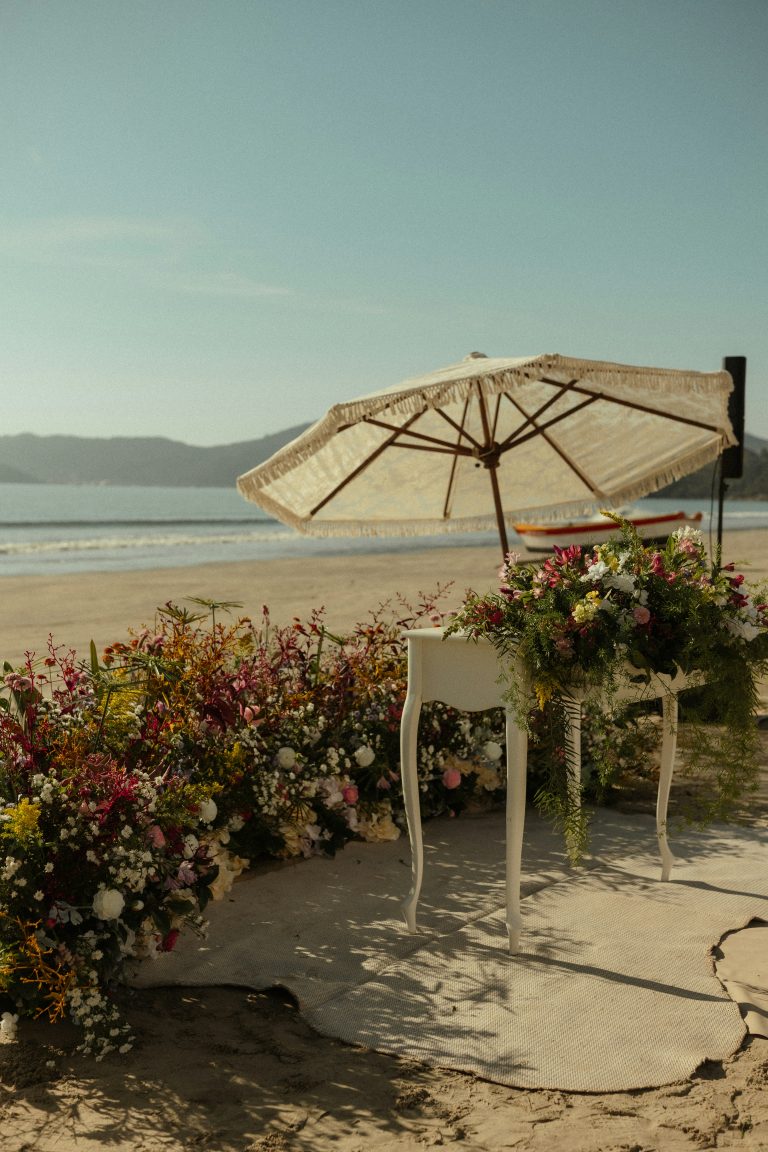
    One of the greatest advantages of a beach wedding is that nature already provides the wow factor.

    Rather than competing with the scenery, lean into natural textures like linen, timber, rattan, glass and locally sourced florals. Neutral palettes inspired by sand, shells and ocean blues continue to dominate coastal weddings, creating a timeless look that complements the landscape instead of overwhelming it.

    6. Prioritise guest comfort

    Beautiful views won’t matter if guests are uncomfortable.

    Offer chilled water before the ceremony, provide fans or parasols on hot days and consider cosy blankets if temperatures are likely to drop after sunset. If elderly guests or anyone with mobility concerns will be attending, ensure there are accessible pathways or boardwalks to the ceremony space.

    Small touches like a shoe station or flip-flops for dancing can make a surprisingly big difference.

    7. Think beyond traditional catering

    Beach locations often come with logistical limitations, so your menu should suit the environment.

    Fresh seasonal ingredients, seafood, grazing tables and lighter dishes work well outdoors, while signature cocktails, mocktails and local wines add a personalised touch at the reception. If alcohol isn’t permitted on the beach itself, host your drinks and reception at a nearby licensed venue with ocean views.

    8. Protect the shoreline

    Sustainability has become one of the defining themes of modern weddings, and beach celebrations offer plenty of opportunities to tread lightly.

    Swap traditional confetti for biodegradable petals, rent décor instead of buying single-use items, source seasonal flowers locally and minimise unnecessary waste wherever possible. The less impact your celebration leaves behind, the more beautiful the coastline remains for future couples.

    10. Invest in great sound

    The ocean may provide the soundtrack, but it also creates one of the biggest challenges during a ceremony.

    Waves and wind can make it surprisingly difficult for guests to hear your vows. A professional sound system with discreet lapel microphones ensures everyone shares the moment without shouting over the surf.

    10. Embrace the relaxed atmosphere

    The most memorable beach weddings aren’t necessarily the most elaborate.

    They’re the ones that embrace the setting – barefoot first dances, sunset portraits, intimate guest lists and meaningful moments that feel authentic to the couple. Recent wedding trends continue to move away from overproduced celebrations in favour of thoughtful, experience-led weddings that prioritise connection over perfection.

    The final word

    A beach wedding will always come with a little unpredictability, but that’s part of its charm. With thoughtful planning, a flexible mindset and a respect for the natural surroundings, your seaside celebration can be as seamless as it is spectacular. After all, when the backdrop is the ocean, you don’t need much else to make the moment unforgettable.

    ALSO SEE: Are destination weddings still worth it in 2026?

    Are destination weddings still worth it in 2026?

    Featured image: Alexander Mass / Unsplash 

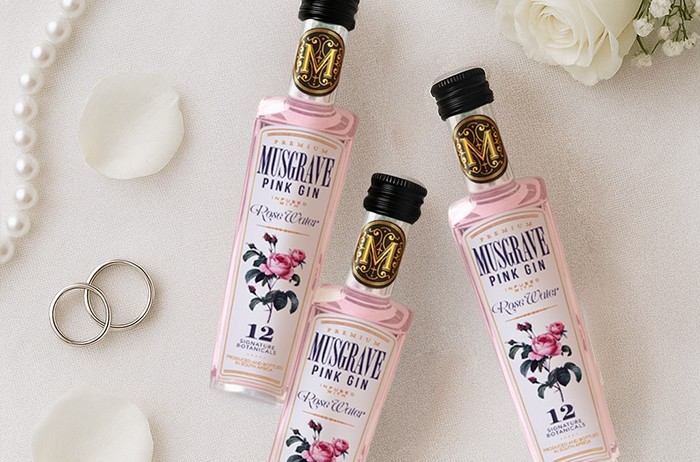
    Musgrave Pink Gin is crafted for life’s most meaningful moments. Infused with rose water and a blend of 12 signature botanicals, this elegant pink gin is celebrated for its delicate floral notes, smooth finish, and refined character - making it a beautiful choice for modern celebrations, intimate gatherings, and unforgettable weddings.  

    To celebrate love and the art of thoughtful wedding details, Musgrave Pink Gin is offering couples the opportunity to win a curated Musgrave Pink Gin wedding prize. Designed to elevate your special day, the prize includes Musgrave Pink Gin 50 ml bottles, perfect as stylish guest gifts or as part of a beautifully curated welcome drink experience.  

    How to enter:

    Contact us on Facebook or Instagram (@musgravespirits) by sending your name and contact details, your wedding venue name, and a short version of your love story.  

    Competition rules:

    The competition is open to South African residents aged 18 years and older. No alcohol may be sold or supplied to persons under the age of 18. Couples will be notified via the contact details provided. Prizes are not transferable and may not be exchanged for cash. Limited to 120 guests.  

    Celebrate beautifully. 
    Celebrate responsibly. 
    Musgrave Pink Gin - Explore the Moment.  

    After months of planning your wedding, your honeymoon should be about celebrating your new chapter together—not worrying about your bank balance.

    The good news? Saving money doesn’t have to mean settling for less. Today’s couples are becoming more intentional with their travel, choosing meaningful experiences over unnecessary extras and finding clever ways to stretch their budgets without sacrificing the romance.

    Here are seven practical ways to make your honeymoon budget work harder.

    1. Book early – but stay flexible

    If you’ve already chosen your destination, booking flights and accommodation several months in advance often unlocks the best rates. But flexibility can be just as valuable.

    Travelling during the shoulder season – the period just before or after peak travel – can mean lower airfares, reduced accommodation costs and fewer crowds, while still offering excellent weather in many destinations. Travel experts continue to recommend shoulder-season travel as one of the easiest ways to reduce honeymoon costs without compromising the experience.

    2. Let your guests contribute to your honeymoon

    Many modern couples are replacing traditional gift registries with honeymoon funds or experience-based registries.

    Instead of receiving duplicate kitchen appliances or décor, guests can contribute towards flights, a sunset cruise, a couples’ spa treatment or even a romantic dinner. It allows loved ones to be part of memories you’ll treasure long after the wedding day. Honeymoon registries continue to grow in popularity as couples prioritise experiences over physical gifts.

    3. Use travel rewards you’ve already earned

    Frequent-flyer miles, airline loyalty programmes and credit card travel rewards can make a significant dent in your honeymoon expenses.

    If you’ve been collecting points while paying for wedding-related purchases, now is the perfect time to cash them in for flights, airport lounge access or hotel stays. Even a partial redemption can free up money for experiences once you arrive.

    4. Skip the expensive extras you’ll barely remember

    It’s easy to be tempted by luxury upgrades simply because they’re labelled as “honeymoon specials”.

    Before saying yes to every add-on, ask yourself whether it genuinely adds value. Champagne on arrival is lovely, but would you rather put that money towards a private excursion, a memorable dinner or an extra night away? Many travel experts suggest choosing one meaningful splurge instead of paying for multiple premium extras.

    5. Consider an all-inclusive stay

    For couples who want to relax without constantly checking prices, an all-inclusive resort can offer excellent value.

    With accommodation, meals and many activities included upfront, you’ll have fewer surprise expenses and a clearer idea of your overall honeymoon budget before you even leave home. It’s also a simple way to avoid overspending once you’re in holiday mode.

    6. Look closer to home

    An unforgettable honeymoon doesn’t have to involve a long-haul flight.

    South Africa and neighbouring destinations offer world-class safari lodges, wine estates, luxury beach escapes and boutique hotels that deliver all the romance – often at a fraction of the cost of overseas travel. Local honeymoons are becoming increasingly popular for couples looking to maximise both value and quality.

    7. Budget for the little things

    Flights and accommodation usually get all the attention, but smaller costs can quickly add up.

    Airport transfers, resort fees, gratuities, travel insurance, mobile data, excursions and souvenirs should all be factored into your honeymoon budget from the beginning. Building in a small contingency fund can help you enjoy your trip without unexpected financial stress.

    Love doesn’t have to come with a luxury price tag

    The most memorable honeymoons aren’t defined by five-star price tags—they’re shaped by shared experiences. Whether you’re sipping coffee in a mountain village, watching the sunset from a beach or enjoying a candlelit dinner after a day of exploring, thoughtful planning allows you to focus on what matters most: celebrating your first adventure as newlyweds together.

    Because the best honeymoon isn’t necessarily the most expensive one – it’s the one you’ll never stop talking about.

    ALSO SEE: Visa-free honeymoon destinations South African couples will love

    Visa-free honeymoon destinations South African couples will love

    Featured image: Amanda Sixsmith / Unsplash 

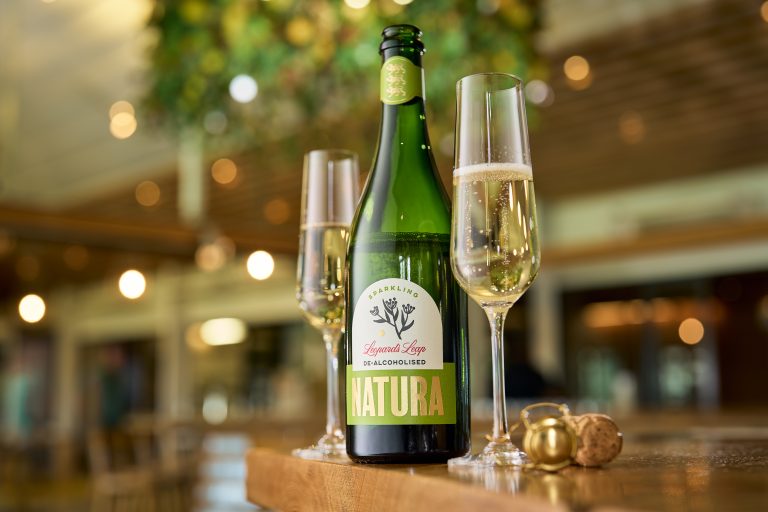
    Sometimes – even though we very much want to be part of the celebration – we have to abstain from alcohol. Does this mean you can’t be part of the toast? Not anymore! The  Leopard’s Leap Natura De-alcoholised Sparkling is a celebratory choice of crisp and refreshing tropical fruit flavours and an integrated palate. Made from Chenin Blanc grapes, it is a total delight on its own and an outstanding partner at the dinner table. This versatile bubble is not only bursting with flavour, but like the Natura Classic Red and White, it is health-conscious, low in calories, vegan-friendly and ideal for a responsible, everyday quality lifestyle.

    This exciting trio gives wine lovers a delightful alternative for adding quality to life during those occasions or in those moments where alcohol can or should not be consumed. Versatile, health-conscious and delicious, this de-alcoholised range is made from traditional alcoholic wines from which the alcohol has been extracted to leave no more than 0.5% abv.

    The Natura Classic White is a blend of Chenin Blanc and Muscat. Crisp and refreshing with tropical fruit flavours on the nose, the palate is juicy and beautifully integrated. Delightful on its own as an aperitif, it is also a lovely partner to delicate soups and all kinds of salads and seafood.

    A blend of Cabernet Sauvignon and Cinsaut, the Natura Classic Red intrigues with ripe red berries and sweet spice on the nose while the palate follows through with a smooth mouthfeel and lingering aftertaste. Delightful on its own and an outstanding and versatile partner on the dinner table.

    Winter weddings have often played second fiddle to spring and summer celebrations, but that’s changing fast. Across South Africa, more couples are choosing cooler months for their big day, thanks to lower venue costs, cosy styling opportunities and a chance to embrace the season rather than fight it.

    According to Corné Alberts, National Marketing Manager at ANEW Hotels & Resorts, winter weddings continue to grow in popularity as couples look for celebrations that feel warm, intimate and memorable.

    If you’re planning a cold-weather “I do”, these are the biggest winter wedding trends in South Africa to keep on your radar.

    1. Tailored groom style is a hit

    For years, bridal fashion has dominated the spotlight, but winter is giving grooms their own fashion moment.

    Expect plenty of textured tweeds, tailored waistcoats, earthy colour palettes and classic English countryside-inspired styling. Think timeless rather than trendy, with accessories like pocket watches, patterned ties and flat caps adding personality without feeling over the top.

    The cooler weather also makes layering practical, allowing grooms to stay comfortable while looking polished throughout the day.

    2. Long-sleeve wedding dresses are having a moment

    Winter is the perfect excuse to wear a long-sleeved wedding dress without overheating.

    Delicate lace sleeves remain a favourite, while detachable sleeves are becoming increasingly popular for brides wanting two looks in one. They provide extra warmth during the ceremony before easily being removed for the reception and dancing later in the evening.

    It’s a practical trend that’s especially useful in regions where temperatures drop quickly after sunset.

    3. Midweek weddings continue to save couples money

    One of the biggest benefits of getting married in winter? Your budget stretches further.

    Many venues and suppliers offer lower rates from Monday to Thursday, allowing couples to spend more on the parts of the wedding that matter most to them. That could mean upgrading the menu, investing in beautiful floral arrangements, extending the honeymoon or simply reducing overall costs.

    Some couples are even splitting celebrations across several days, hosting the legal ceremony during the week before celebrating with family and friends over the weekend.

    4. Rich winter colour palettes replace all-white decor

    Winter weddings are embracing colour in a big way.

    Instead of traditional white-on-white styling, expect to see:

    • Burgundy
    • Deep plum
    • Forest green
    • Burnt terracotta
    • Warm neutrals

    Seasonal flowers also help bring these palettes to life. Proteas and fynbos are naturally in season during winter, making them both beautiful and cost-effective choices for South African weddings.

    5. Cosy details become part of the decor

    Guest comfort is becoming just as important as aesthetics.

    Rather than simply decorating a venue, couples are creating warm, inviting spaces with thoughtful touches such as:

    • Fireplaces and fire pits
    • Cosy lounge areas
    • Baskets of blankets
    • Candlelight
    • Warm welcome drinks

    These additions naturally encourage guests to gather, chat and linger throughout the celebration.

    6. Matcha and chai stations replace signature cocktails

    While cocktails aren’t disappearing completely, warm drinks are becoming a popular addition to winter wedding receptions.

    Coffee carts remain a favourite, but couples are also introducing:

    • Matcha lattes
    • Chai tea stations
    • Hot chocolate bars
    • Glühwein or mulled wine
    • Traditional Old Brown Sherry as a nostalgic South African welcome drink

    It’s a simple way to keep guests warm while adding another memorable detail to the day.

    7. Potjie pots are replacing traditional buffets

    Winter menus naturally lean towards comforting food, and the humble potjie is making a big comeback.

    Instead of light summer dishes, couples are opting for hearty favourites like:

    • Butternut soup served with fresh sourdough
    • Slow-cooked lamb potjie
    • Vegetable potjie
    • Fragrant curries
    • Rich desserts served warm

    Cooking over an open fire also creates a relaxed atmosphere, encouraging guests to gather around while dinner is prepared.

    8. Winter weather can be surprisingly reliable

    Although the Western Cape’s rainy season requires a backup plan, many inland regions enjoy dry, crisp winter days with clear blue skies.

    Couples marrying in Gauteng, the Free State, North West and parts of KwaZulu-Natal often choose winter specifically for its more predictable weather.

    For Cape weddings, umbrellas are becoming both a practical necessity and a stylish wedding favour should the weather decide to make an appearance.

    9. Winter weddings pair perfectly with romantic honeymoons

    Many couples are embracing the contrast of a cosy winter wedding followed by a sunny honeymoon overseas.

    Popular European destinations like Italy, Spain and Greece are enjoying their summer months while South Africa experiences winter, making July and August ideal for combining a local wedding with warm-weather travel abroad.

    Others are leaning into the season entirely, choosing luxury lodges with fireplaces, mountain cabins or spa retreats for a slower, more intimate honeymoon closer to home.

    Winter weddings are here to stay

    Winter weddings are no longer simply the budget-friendly alternative. They’re becoming a style choice in their own right.

    From dramatic colour palettes and comforting food to thoughtful guest experiences and timeless fashion, embracing the season can create a celebration that feels both personal and unforgettable.

    If you’re planning your wedding during South Africa’s cooler months, working with the season rather than against it could be the secret to creating a day your guests will remember long after the last dance.

    ALSO SEE: Before you book anything: The wedding planning order experts swear by

    Before you book anything: The wedding planning order experts swear by

    Feature image: Unsplash

    Wedding budgets have a way of growing quietly. One upgraded menu. A few extra centrepieces. Another twenty guests because “we can’t leave them out.” Before long, couples find themselves spending thousands on details they barely notice on the day or remember afterwards.

    The good news? Most wedding regrets follow familiar patterns.

    Three experienced South African wedding planners shared the expenses couples most commonly wish they’d approached differently, along with the investments that consistently create a more memorable celebration.

    1.Oversized guest lists

    Almost every planner agrees: guest lists are where budgets disappear fastest. Louise from Runaway Romance says many couples later regret inviting distant relatives, acquaintances or colleagues simply because they felt obligated.

    “Just because you went to their wedding doesn’t mean you have to return the favour.”

    A smaller guest list doesn’t just reduce catering costs. It also lowers expenses across the board – from furniture hire and stationery to flowers, favours and beverages.

    Current wedding trends continue to favour more intimate celebrations where couples can spend quality time with the people who matter most.

    2. Wedding favours that guests leave behind

    Personalised gifts can seem like a thoughtful finishing touch, but planners say they’re often one of the least memorable expenses.

    Melissa from Pretty in Stains says elaborate favours frequently remain on reception tables at the end of the evening.

    Instead of spending hundreds – or thousands – on keepsakes, that budget could be redirected towards something guests actually experience, whether that’s exceptional food, live entertainment or an unforgettable dance floor.

    3.Decorative details over meaningful experiences

    Pinterest-worthy styling certainly has its place, but it’s easy to prioritise aesthetics over atmosphere.

    Melissa says thoughtful lighting, excellent food, quality entertainment and professional photography generally leave a far bigger impression than adding another decorative installation.

    Modern weddings are becoming increasingly experience-driven, with couples focusing on how the celebration feels rather than simply how it photographs.

    4. Imported flowers that only last a day

    Luxurious floral installations remain a popular trend, but they’re also one of the easiest areas for costs to escalate.

    Louise recommends thinking carefully before investing heavily in imported blooms that are discarded after a single day.

    Seasonal, locally sourced flowers often achieve a similarly beautiful result while reducing costs – and many couples are now choosing arrangements that can be donated or taken home after the celebration.

    5. Large bridal parties

    More bridesmaids often mean more dresses, hair appointments, makeup, gifts and transport.

    Louise says some couples later realise they would have preferred keeping their bridal party smaller and giving close friends different roles throughout the day instead.

    A more intimate wedding party also tends to simplify logistics and reduce planning stress.

    6. Chasing social media trends

    Wedding inspiration is more accessible than ever, but planners warn that endless scrolling can quickly become expensive.

    Louise says spending too much time on Instagram, TikTok and Pinterest often creates confusion as couples continuously change direction or try to recreate trends that don’t suit them.

    Rebecca Glen, founder of The Wedding Fairy, believes many couples spend money on traditions simply because they feel they should.

    “If something doesn’t reflect who you are or doesn’t add to the experience you want to create, it’s worth questioning whether it’s necessary at all.”

    7. Designing before planning

    Choosing flowers, colour palettes and décor before finalising the bigger decisions can lead to costly changes later.

    Melissa recommends establishing a realistic budget before anything else, followed by securing your venue, date and key suppliers.

    Rebecca agrees, noting that design naturally evolves throughout the planning process and is best tackled once the logistical foundations are firmly in place.

    8. Choosing vendors based on price alone

    Everyone loves a bargain – but your wedding isn’t always the place to chase the cheapest quote. All three planners stress the importance of looking beyond beautiful Instagram feeds.

    Communication, professionalism, backup plans, reviews and reliability are often better indicators of the experience you’ll receive.

    As Melissa points out, the way a supplier communicates from your very first enquiry often says more than their portfolio alone.

    9. Skipping photography and videography

    While decorative elements fade, your memories become more valuable over time.

    Melissa recalls one groom who insisted a videographer was non-negotiable after losing his father at a young age.

    His parents’ wedding film had become one of the few moving memories he still had of them together. Stories like these are why planners consistently recommend prioritising photography and videography over temporary décor upgrades.

    10. Spending to impress instead of spending intentionally

    Perhaps the biggest regret isn’t one particular purchase – it’s spending money to meet other people’s expectations. Guest pressure, family opinions and social media can easily distract couples from what actually matters.

    Rebecca says there is no perfect wedding budget formula.

    “The key is to prioritise what genuinely matters to you as a couple and give yourself permission to skip anything that doesn’t. Nothing is truly compulsory.”

    As South African weddings continue shifting towards smaller celebrations, boutique venues, destination weekends and experience-led planning, intentional spending is becoming one of the biggest luxury trends of all.

    What today’s couples are choosing instead

    Across the industry, planners are noticing a clear change in priorities. Couples are increasingly investing in immersive guest experiences rather than oversized celebrations. Smaller guest lists, boutique venues, destination weekends, signature cocktails, meaningful food experiences and longer celebrations are replacing the pressure to create a wedding that simply looks expensive online.

    Many are also choosing intimate legal ceremonies followed by larger celebrations later, while others are embracing elopements that allow them to redirect their budget towards travel or a dream honeymoon.

    The common thread isn’t spending less – it’s spending with purpose.

    More than a budget

    Every wedding will have expenses that matter deeply to one couple and not at all to another. The secret isn’t following someone else’s checklist – it’s knowing what will still feel meaningful years after the flowers have wilted and the trends have faded. When every decision reflects your priorities rather than outside expectations, your budget naturally starts working harder for the memories that truly last.

    ALSO SEE: The wedding planning apps every modern couple should know about 

    The wedding planning apps every modern couple should know about

    Featured image: Zeynep / Pexels

    At QWABI Private Game Reserve, a wedding begins long before the ceremony itself. It starts in the quiet of the Waterberg – in the shift of pace, the openness of the landscape and the time spent together before anything is said or done.

    Set within a private Big Five reserve in the UNESCO Waterberg Biosphere, QWABI offers a setting that feels expansive and uninterrupted. The horizon stretches endlessly, wildlife moves freely through the terrain, and the rhythm of the bush gently takes over. Here, celebrations are not confined to a single moment – they unfold gradually, guided by the place as much as by the people within it.

    With two lodges set within the reserve, the experience naturally accommodates different energies. LETAMO brings a sense of ease for families and groups, where shared spaces and flowing moments create a lively, connected atmosphere. BABOHI, reserved for adults only, offers something quieter – more contained, more intimate, where the focus shifts inward and every detail feels considered.

    Together, they allow a wedding to take on its own pace.

    Days unfold by experience rather than schedule. Early mornings begin with game drives, where the landscape reveals itself slowly – soft light, distant movement, the quiet anticipation of what might appear next. Afternoons stretch into golden hour, where time seems to loosen its hold and conversations carry on without interruption.

    By the time the ceremony arrives, there is already a sense of connection to each other and to the setting itself.

    Ceremonies are framed by the natural surroundings rather than designed around them. Open plains, distant mountains and uninterrupted views become part of the moment, creating a backdrop that feels grounded and cinematic. The landscape speaks for itself.

    From there, the celebration moves seamlessly into evening.

    Long tables set under open skies; soft lantern light and the distant sounds of the bush create an atmosphere that feels both intimate and expansive. It’s a setting where celebration and stillness exist side by side – where laughter, conversation and quiet pauses all carry equal meaning.

    Throughout it all, QWABI’s team remains present in a way that feels supportive rather than directive. The focus is on allowing the experience to unfold naturally – ensuring every detail is in place, while leaving space for the unexpected moments that make a wedding truly personal.

    What sets a wedding at QWABI apart is not just the setting, but the sense of continuity it creates.

    The experience extends beyond the ceremony into the days surrounding it – slow mornings, shared game drives, time spent together in a place that encourages presence. It becomes less about a single day and more about a series of moments that build into something lasting.

    At its core, QWABI offers a wedding that takes its cue from the environment – by space, by time and by the quiet presence of the African wilderness. It is a beginning that doesn’t feel staged but lived. One that belongs entirely to the people within it.

    One minute you’re admiring a ring on your finger. The next, everyone wants to know the date, the venue, the dress, the flowers, the guest list and whether you’ve chosen your first dance song.

    Slow down. Getting engaged is a milestone in its own right, not simply the starting line for wedding planning. Yet it’s remarkable how quickly the excitement of saying “yes” can be replaced by a never-ending stream of questions.

    “So… when’s the wedding?” For some couples, the answer comes easily. They’ve already been planning for months. Others would rather sit in this new chapter for a while before diving into spreadsheets, budgets and seating plans. And that’s more than okay.

    Your engagement deserves its own moment

    Think about it. The proposal itself is a story you’ll probably tell for decades. Maybe it happened on a mountain after an exhausting hike. Perhaps it was during a weekend away, over breakfast at home, or completely unexpectedly while walking the dog. Maybe everything went according to plan. Or maybe absolutely nothing did.

    Those imperfect moments often become the best stories. Long after the wedding photos have been framed, you’ll still laugh about the ring almost falling into the ocean, someone accidentally interrupting the proposal, or how nervous your partner was that they could barely get the words out. It’s worth taking the time to enjoy that chapter before rushing into the next one.

    There isn’t a deadline

    Social media can make it feel as though engagements follow a strict timeline. Announcement photos. Venue booked. Dress shopping. Countdown begins.

    Real life doesn’t work like that. Some couples marry within months. Others stay engaged for several years. Neither is more “correct” than the other.

    There are countless reasons why you might want to wait before planning a wedding. Maybe you’re saving for the celebration you really want. Perhaps you’ve just bought a home or are focused on your careers. There could be family commitments, health concerns or a new baby on the way. Or maybe there isn’t a reason at all.

    Maybe you’re simply enjoying being engaged. That’s reason enough.

    Weddings are expensive

    Let’s be honest. Weddings aren’t cheap. For many South African couples, planning a wedding also means saving for one. Rushing into deposits and big decisions before you’re financially comfortable can add unnecessary pressure to what’s supposed to be an exciting time.

    Waiting a year — or even longer — doesn’t make your engagement any less meaningful. If anything, it gives you time to plan the day you actually want, rather than the day you feel pressured to have.

    Set the pace together

    One of the best things you can do early on is decide, as a couple, what works for you.

    If you’re choosing to wait before planning, let people know politely but confidently. A simple “We’re enjoying being engaged for now, and we’ll share our plans when we’re ready” is often enough. Setting those boundaries now can make the entire wedding-planning journey feel a little less overwhelming later.

    Don’t skip this chapter

    It’s easy to think of an engagement as the bit between dating and getting married. But it deserves celebrating too.

    Go on dates. Take engagement photos if you want to. Wear the ring proudly. Tell your proposal story for the hundredth time.

    Dream about the future without feeling like every conversation has to end with a colour palette or venue tour. The wedding will come. For now, enjoy the fact that you’ve found your person. The planning can wait.

    ALSO SEE: Old soul, new sparkle: How modern couples are reimagining heirloom engagement rings

    Old soul, new sparkle: How modern couples are reimagining heirloom engagement rings

    Feature image: Unsplash

    The excitement of getting engaged often comes with one unavoidable question: Where do we even begin?

    Between Pinterest boards, TikTok trends and endless Instagram inspiration, it’s easy to jump straight into choosing colour palettes or saving floral installations before you’ve even decided on a venue. But according to experienced wedding planners, the most successful weddings rarely start with aesthetics – they start with a plan.

    Whether you’re dreaming of an intimate celebration or a lavish weekend affair, getting the order right from the beginning can save you money, reduce unnecessary stress and make every decision that follows feel far more intentional. Here’s how the experts recommend approaching wedding planning.

    Take a moment to enjoy being engaged

    It may sound counterproductive, but one of the first pieces of advice from planners is to simply – pause.

    Rebecca Glen, founder and lead planner at The Wedding Fairy, encourages couples to enjoy this chapter before diving headfirst into logistics.

    “The first step is actually to pause and enjoy being engaged. That season is short, and it’s worth taking it in before jumping straight into logistics.”

    Wedding planning can easily become a months-long project filled with deadlines and decisions. Giving yourselves space to celebrate this milestone before opening spreadsheets and comparing venues can make the journey feel far more enjoyable.

    Start with your budget – not your Pinterest board

    Every planner interviewed agreed on one thing: the budget should come first. Before browsing venues or saving inspiration online, sit down together and decide what you’re realistically comfortable spending, how many guests you’d like to invite and which parts of the day matter most to you.

    Melissa from Pretty in Stains says this conversation creates the foundation for every decision that follows.

    “Before looking at venues or Pinterest boards, couples should establish what they’re comfortable spending, who they genuinely want to celebrate with, and what matters most to them as a couple.”

    Social media has made luxury weddings more accessible than ever – but not necessarily more attainable. Without a realistic budget, it’s easy to fall in love with ideas that simply don’t fit your finances.

    If you’re hiring a planner, book them early

    If a wedding planner is part of your vision, don’t leave them until later. Both Louise from Runaway Romance and Rebecca Glen recommend making this one of your very first bookings.

    A planner doesn’t simply organise suppliers – they help shape the entire planning process. From setting realistic budgets and timelines to recommending trusted vendors and managing expectations, involving them early can prevent costly mistakes later.

    Secure your venue before anything else

    Once your budget and guest count are established, it’s time to find your venue.

    Your venue determines far more than just where you’ll celebrate – it influences your wedding date, guest capacity, style, catering options and even which suppliers are available. Booking the venue first also gives you a confirmed date, allowing the rest of your planning to fall into place.

    Lock in your priority suppliers

    Some suppliers can only take on one wedding a day – and they’re often booked months, if not years, in advance. Photography and videography consistently top planners’ priority lists, but they’re not the only professionals couples should secure early.

    Louise from Runaway Romance says one supplier is surprisingly overlooked.

    “People often leave the marriage officer too late – they’re the most important vendor because without them you’re not legally married.”

    Once your venue is confirmed, prioritise booking your:

    • Marriage officer or officiant
    • Photographer
    • Videographer
    • Hair and makeup artists
    • Wedding planner (if you haven’t already)

    Everything else can usually follow afterwards.

    Leave the décor decisions until later

    One of the biggest planning mistakes? Choosing flowers, décor and styling too early. As exciting as mood boards can be, planners say design naturally evolves throughout the planning process. Your tastes may change, seasonal flower availability can shift and trends come and go.

    Rebecca Glen explains that design is far easier to tackle once the major logistical decisions have already been finalised.

    Similarly, Louise advises against locking in floral choices too early, noting that seasonal availability and pricing often change.

    Think about experiences – not just aesthetics

    While beautiful décor photographs well, it’s rarely what couples remember most after the wedding. Instead, planners are seeing a noticeable shift towards experience-driven celebrations, where guest connection takes priority over extravagant styling.

    Melissa from Pretty in Stains says today’s couples are increasingly choosing smaller guest lists and creating meaningful experiences rather than simply focusing on how the wedding looks. That also changes where your budget has the greatest impact.

    Instead of spending thousands on elaborate wedding favours that guests often leave behind, planners recommend investing in exceptional food, entertainment, photography, videography and thoughtful touches that create lasting memories.

    Melissa recalls one groom who refused to compromise on hiring a videographer because one of the few moving memories he had of his late father was his parents’ wedding film.

    “Some investments become more valuable with time.”

    Keep your guest list intentional

    If there’s one expense planners repeatedly hear couples question afterwards, it’s an unnecessarily large guest list. Many people feel obligated to invite distant relatives, old acquaintances or colleagues simply because they attended someone else’s wedding.

    Louise says many former clients later wished they’d kept their celebrations smaller and more personal, redirecting that money towards experiences like an unforgettable honeymoon, meaningful food and drink moments or personalised guest experiences.

    Smaller guest lists also allow couples to spend more intentionally on the people who matter most.

    Don’t plan a wedding for social media

    Across all three planners, one theme emerged repeatedly: don’t let trends dictate your wedding. Whether it’s the latest TikTok aesthetic, viral reception trend or Pinterest-perfect tablescape, today’s trends can quickly become tomorrow’s dated photos.

    Instead, planners encourage couples to focus on authenticity. Rebecca believes every decision should support the experience you genuinely want to create – not what you think your wedding should look like online.

    Melissa echoes this sentiment, “Keep your marriage as your north star.”

    Whenever a decision feels overwhelming, ask yourselves one simple question: Does this reflect who we are as a couple?

    If the answer is yes, you’re probably making the right choice.

    Choose your suppliers carefully

    Instagram portfolios only tell part of the story. Every planner emphasised the importance of reading reviews, meeting suppliers beforehand and paying attention to how they communicate from the very first enquiry.

    Good suppliers don’t simply send a quote – they ask questions, understand your priorities and offer guidance throughout the process.

    If possible, arrange engagement shoots, hair and makeup trials, food tastings or floral mock-ups before making final commitments. Sometimes, how someone works is just as important as the work itself.

    The bottom line

    Wedding planning doesn’t have to feel overwhelming. Starting with the right foundations – your budget, priorities, guest list and trusted suppliers – makes every decision afterwards far easier.

    The biggest takeaway from the experts isn’t about following a perfect checklist or chasing every trend. It’s about creating a celebration that reflects your relationship, feels authentic to the two of you and leaves space to actually enjoy the journey.

    Long after the flowers have wilted and the décor has been packed away, the moments you’ll treasure most are the ones that felt unmistakably yours.

    ALSO SEE: The wedding planning decisions that cause the most tension (and how to handle them) 

    The wedding planning decisions that cause the most tension (and how to handle them)

    Featured image: Pinterest
    Every bride dreams of luminous skin, flawless makeup and hair that looks effortlessly healthy from the first photograph to the last dance. Yet in the months leading up to a wedding, many women notice their hair behaving differently. Increased shedding, reduced volume, lacklustre strands or increased breakage are common concerns—and often arrive at the very time confidence matters most.

    While there is no single cause of hair thinning or increased hair shedding, understanding the science behind healthy hair allows brides to make informed choices about the products they use every day. Increasingly, experts recognise that healthy-looking hair begins not with a quick fix, but with consistent scalp care supported by scientifically selected cosmetic ingredients.

    Why does hair seem to shed more during stressful periods?

    Hair follicles continuously cycle through three distinct phases: the active growth phase (anagen), a short transitional phase (catagen) and the resting or shedding phase (telogen). At any given time, approximately 85–90% of scalp hairs are actively growing, while the remainder are naturally progressing towards shedding.¹

    Emotional stress, significant life events, changes in diet, rapid weight loss, illness, hormonal fluctuations and sleep disruption can all influence this natural cycle. In some individuals, a greater proportion of hair follicles may enter the telogen phase simultaneously, resulting in increased shedding approximately two to three months later—a phenomenon known as telogen effluvium.²

    Fortunately, for many women this is temporary, and maintaining a healthy scalp environment while minimising hair fibre damage can support the appearance of fuller, healthier-looking hair as new growth emerges through the normal hair cycle.

    Healthy hair starts with a healthy scalp

    Just as healthy skin relies on a balanced skin barrier, healthy-looking hair begins with a well-maintained scalp.

    Daily exposure to styling products, environmental pollutants, excess sebum and hard water minerals can accumulate on the scalp over time. These deposits may leave hair feeling heavier, duller and more difficult to manage. Gentle yet effective cleansing removes this build-up while preserving the scalp’s natural moisture balance.

    The new Fresh Cell Shampoo formulation boasts mild sulphate-free surfactants, including Sodium Lauroyl Sarcosinate, Sodium Cocoyl Isethionate and Lauryl Glucoside, which cleanse effectively while helping to minimise unnecessary stripping of the scalp’s natural lipids.³

    The formulation is further supported by ingredients selected for their recognised cosmetic benefits.

    Niacinamide (Vitamin B3) is increasingly used in advanced scalp care formulations for its role in supporting the skin barrier and improving scalp condition. A healthy scalp barrier contributes to improved moisture balance and overall scalp comfort.⁴

    Panthenol (Pro-Vitamin B5) is one of cosmetic science’s most extensively studied conditioning ingredients. It penetrates the hair shaft, improves moisture retention, enhances shine and elasticity and reduces the appearance of surface damage, leaving hair softer and more resilient to everyday grooming.⁵

    Salicylic Acid provides gentle exfoliation of the scalp by helping remove excess sebum and accumulated surface debris. Maintaining a clean scalp environment is recognised as an important component of overall scalp care and may improve the performance of cosmetic conditioning systems applied during regular washing.⁶

    Hydrolysed Pea Protein forms a lightweight protective film over the hair fibre, helping reduce moisture loss while improving tensile properties and the perception of thicker, fuller hair. Protein-based cosmetic ingredients are widely used to improve hair strength and reduce breakage associated with repeated styling.⁷

    Botanical science meets modern cosmetic formulation

    Fresh Cell Shampoo and Conditioner also incorporate a carefully selected blend of botanical extracts traditionally associated with scalp conditioning and antioxidant support.

    Extracts of Green Tea (Camellia sinensis), Rosemary (Rosmarinus officinalis), Centella asiatica, Houttuynia cordata and Mugwort (Artemisia vulgaris) are rich in naturally occurring polyphenols and antioxidant compounds that help protect cosmetic formulations while contributing to scalp conditioning. Although research into individual botanicals continues to evolve, these ingredients are widely valued within cosmetic science for supporting scalp comfort and maintaining healthy-looking hair.⁸–¹²

    The accompanying Fresh Cell Conditioner complements this approach by focusing on protecting the hair fibre itself.

    Conditioning agents such as Dimethicone, Amodimethicone and Dimethiconol smooth the hair cuticle, reducing friction between individual strands. This decreases combing forces, improves shine and helps minimise mechanical breakage during brushing and styling.¹³

    Natural emollients including Batana Oil, Argan Oil and Glycerin replenish moisture, soften the hair fibre and improve manageability, while botanical extracts including Tea Tree, Rooibos, Chamomile, Lemongrass and Olive Leaf provide additional scalp-conditioning benefits.

    Why consistency matters

    Hair grows slowly—on average around one centimetre per month—and the complete hair growth cycle extends over several years.¹ As a result, cosmetic haircare products should be viewed as part of a long-term daily routine rather than an overnight solution.

    Clinical studies investigating cosmetic shampoos containing ingredients such as niacinamide, panthenol and salicylic acid have demonstrated that measurable improvements in hair parameters generally become more apparent after several months of consistent use rather than a few weeks.¹⁴

    Regular cleansing maintains a healthier scalp environment, while repeated conditioning protects the hair fibre against cumulative damage from heat styling, UV exposure, colouring and daily grooming.

    A smarter alternative to costly interventions

    Modern consumers are increasingly seeking effective, science-led haircare without immediately turning to expensive salon programmes or invasive procedures.

    Fresh Cell Shampoo and Conditioner offer a practical, everyday approach built around thoughtfully selected cosmetic ingredients with established roles in scalp care, hair conditioning and fibre protection.

    For brides preparing for one of the most memorable days of their lives, healthy hair is not created overnight—it is cultivated through months of good habits, informed choices and products designed to work with the biology of the hair and scalp. Because when the foundations are healthy, confidence follows naturally—and that is the most beautiful finishing touch any bride can wear.

    Where Can You Purchase Fresh Cell?

    To find your nearest stockist, visit www.freshcellshampoo.co.za and use the Find a Stockist locator to discover a retailer in your area. Fresh Cell is available nationwide through selected dermatologists, aesthetic practitioners and authorised stockists.