• Tag

    alternative weddings

    Browsing

    For years, weddings followed a familiar formula: separate mornings, formal entrances, endless group photos, a three-course dinner, cake cutting, sparkler exit. Beautiful? Sure. Necessary? Not always.

    The modern wedding landscape looks different now.

    Today’s couples are building celebrations around how they want the day to feel – calmer, more intentional, more connected and often a lot more fun. Personalisation isn’t just a trend anymore; it’s become the standard. Couples are choosing experiences over expectations and reworking traditions to fit real life instead of forcing themselves into a template.

    If you’ve ever found yourself saying, “Do we actually have to do that?” – this is your permission slip.

    1. Start the day together instead of apart

    One of the biggest mindset shifts happening in weddings? Couples are reclaiming the hours before the ceremony.

    Instead of spending the entire morning separated, more couples are choosing shared breakfasts, private coffee moments, handwritten letters or even getting ready in the same space.

    It softens the nerves and reminds you what the day is actually about: the two of you.

    Not every wedding needs a dramatic aisle reveal.

    2. Make your guest list smaller – and your experience bigger

    Bigger doesn’t automatically mean better.

    Couples are trimming guest lists and redirecting that budget into things guests genuinely remember: exceptional food, immersive styling, upgraded entertainment, meaningful details and more quality time with the people who matter.

    Fewer people often means:

    • More meaningful conversations
    • Better food and drinks
    • Less logistical stress
    • More room for unexpected moments

    3. Read your vows privately first

    Public vows aren’t for everyone.

    Private vow readings are becoming increasingly popular for couples who want emotional intimacy without performing for a crowd.

    Read them during a first look. Exchange letters before the ceremony. Keep the ceremony itself shorter and lighter.

    Sometimes the most meaningful moments happen off-stage.

    4. Ditch the rigid timeline

    Who decided weddings needed to run like military operations?

    Some of the most memorable celebrations right now look completely different:

    • Sunrise ceremonies followed by brunch
    • Long-table lunches instead of formal dinners
    • Cocktail-style receptions
    • Weekend-long celebrations
    • Shorter weddings that end before midnight

    The best schedule is the one that matches your energy – not tradition.

    5. Do your portraits before the ceremony

    This one is practical and underrated.

    Getting portraits and family photos done early means you actually get to attend your own cocktail hour.

    You’ll spend less time disappearing for staged shots and more time living the moments you paid for.

    Photography trends are also moving toward documentary-style coverage and authentic interaction over endless posing.

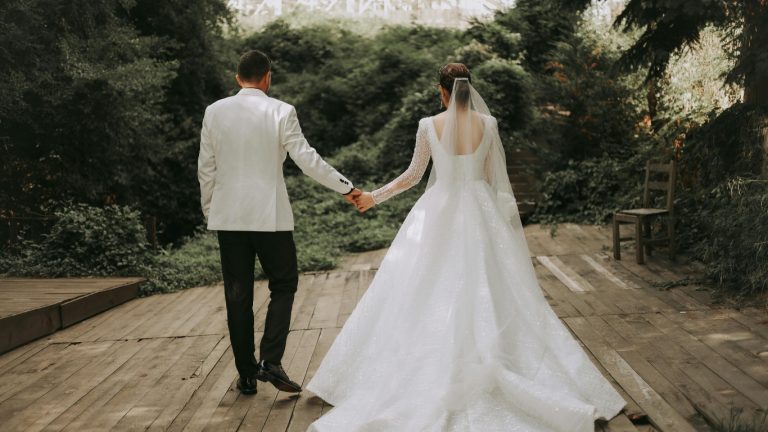
    6. Walk down the aisle together

    There’s no rule that says one person has to wait while the other makes an entrance.

    Walking in together feels symbolic, modern and surprisingly emotional – a visible reminder that this is something you’re entering as equals.

    7. Replace formal dining with something people actually talk about later

    Formal plated dinners will always have their place.

    But experience-led dining is becoming one of the strongest wedding shifts for 2026:

    • Food stations
    • Shared feasts
    • Grazing tables
    • Interactive dessert moments
    • Late-night comfort food
    • Family-style service

    Guests remember how they felt – and food plays a huge role in that.

    8. Stop treating photos like a checklist

    You probably don’t need 47 family combinations.

    Couples are becoming more selective and prioritising candid moments instead of marathon photo sessions.

    Choose the portraits that matter and then get back to your party.

    9. Skip the wedding party if it doesn’t fit

    Not everyone wants bridesmaids, matching outfits or group chats with 14 opinions.

    Your wedding party can be:

    • One person
    • Mixed gender
    • Family only
    • Children only
    • Nobody at all

    There’s no prize for making things harder.

    10. Create experiences instead of entertainment

    Think less “scheduled fun” and more moments people discover.

    Ideas guests genuinely love:

    • Audio guestbooks
    • Tattoo stations
    • Espresso bars
    • Board game lounges
    • Personal trivia moments
    • Interactive food experiences
    • Curated playlists built by guests

    Community conversations around modern weddings consistently point to comfort, meaning and interaction outperforming traditional formalities.

    11. Consider separating the legal ceremony from the celebration

    More couples are choosing to handle paperwork separately and keep their wedding day emotionally focused.

    It removes admin, pressure and timing constraints – especially if you want a highly personalised ceremony.

    12. End the night your way

    No sparkler exit. No forced afterparty. No staying until 2am because weddings “should”.

    Order burgers.
    Open champagne in bed.
    Sit together and replay your favourite moments.

    You don’t need a grand finale if the whole day already felt unforgettable.

    The final dance

    The best weddings in 2026 aren’t the ones breaking traditions for shock value.

    They’re the ones asking better questions.

    Does this feel like us?
    Will we remember this?
    Will our guests enjoy this?

    Because once the flowers are packed up and the dress is hanging in the wardrobe, what stays isn’t whether you followed every wedding rule.

    It’s whether the day felt unmistakably yours.

    ALSO SEE: 7 Fun-loving wedding ideas to move your wedding from traditional to funtastic 

    7 Fun-loving wedding ideas to move your wedding from traditional to funtastic

    Featured image: Yusuf Rendecioglu art / Pexels
    For years, weddings came with an unspoken assumption: someone else would help pay. Parents would contribute. Family would step in. There’d be a generous envelope somewhere in the mix. But for many modern couples, that’s no longer the reality.

    More couples are self-funding their celebrations entirely, navigating rising living costs, saving for homes, paying off debt, or simply choosing financial independence over family contributions. And while social media still serves up destination weekends and floral installations the size of small houses, the truth is this: a meaningful wedding doesn’t require someone else’s bank account.

    It requires intention. Here’s how to build a wedding budget that works in real life – without sacrificing the experience.

    Start with your actual number – not your Pinterest number

    Before opening a single venue tab, decide what you can comfortably spend. Not what you could stretch to. Not what you hope relatives might offer. Not what couples online claim they spent (while forgetting to mention the free venue and gifted photography).

    Wedding planning communities increasingly recommend setting a budget based only on money that already exists or can realistically be saved before the date. Any outside contribution becomes a bonus, not part of the plan.

    One simple framework:

    • Current savings allocated to the wedding
    • Monthly amount you can realistically save
    • Timeline until the wedding date
    • Emergency buffer (non-negotiable)

    That total becomes your wedding budget – everything else adjusts around it.

    Build your budget backwards

    Most couples budget forwards (“Let’s see what things cost”). Instead, budget backwards.

    Example: Wedding budget: R120,000

    Allocate:

    • Venue + catering: 40–50%
    • Photography + video: 10–15%
    • Fashion + beauty: 10%
    • Décor + florals: 10%
    • Entertainment: 5–10%
    • Stationery + extras: 5%
    • Contingency fund: 10%

    The contingency category matters more than people expect. Wedding forums repeatedly show couples being caught by delivery fees, service charges, upgrades and last-minute additions rather than their original bookings.

    Pick your three “worth-it” categories

    This is where couples save thousands, choose the three things that matter most.

    Maybe:

    • Incredible photography
    • Exceptional food
    • Fashion moments

    Or:

    • Live music
    • A dream venue
    • Guest experience

    Everything outside those priorities gets simplified. The fastest way to overspend is trying to make every category your “must-have”. Wedding budgeting experts consistently point to priorities – not hacks – as the biggest money saver.

    Guest count is your biggest budget lever

    This one isn’t glamorous, but it’s true. Every extra guest affects:

    • catering
    • seating
    • rentals
    • stationery
    • drinks
    • venue size
    • staffing

    A smaller guest list doesn’t automatically mean less celebration – it often creates more room for the things couples actually care about. Even online wedding communities repeatedly point to guest count as the single biggest cost driver.

    Stop treating “wedding” as a venue category

    Traditional venues are beautiful, but they’re not the only option.

    Restaurants, boutique spaces, gardens, family properties, rooftop venues and weekday celebrations continue to gain traction because they remove layers of logistical costs.

    Ask: Would this space still feel right if nobody called it a wedding venue? If yes, it’s worth considering.

    DIY selectively (not emotionally)

    DIY is often marketed as the budget solution. Reality? Time has value too.

    Skip DIY for:

    • Anything requiring technical skill
    • Anything time-sensitive
    • Anything that creates stress

    Consider DIY for:

    • Signage
    • Welcome tables
    • Favours
    • Guest books
    • Smaller décor moments

    The goal isn’t doing everything yourself; it’s doing the things that actually add meaning.

    Don’t finance a single day at the expense of your next chapter

    This may be the least romantic advice in the article – and possibly the most important. A wedding is one day. Your financial life together continues the next morning.

    There’s growing conversation among couples around creating celebrations that feel aligned with their future goals instead of borrowing against them.

    If choosing fewer guests, simpler flowers or a shorter reception protects your future plans, that isn’t settling. That’s building a marriage with the same care you planned the wedding.

    The bottom line

    Not having a “Bank of Mom and Dad” budget doesn’t mean settling for less. It means creating a celebration that reflects your reality – and your priorities.

    Because the weddings people remember most rarely come down to imported flowers or custom dance floors.

    They remember the energy, the people, the food, the moments and how it all felt. And none of those things require someone else paying the bill.

    ALSO SEE: DIY floral seating chart 

    DIY floral seating chart

    Featured image: Angel Ayala / Pexels

    There’s a quiet shift happening in the wedding world – and it’s not about décor trends or dress silhouettes. It’s about the day itself. 

    More couples are considering weekday weddings to stretch budgets, secure dream venues, and avoid peak-season pressure. But while the idea sounds practical on paper, the reality is a little more layered. 

    So, are weekday weddings smart planning, or just inconvenient for everyone involved? 

    Let’s break it down properly. 

    Why couples are choosing weekday weddings

    1. Better pricing and more flexibility

    One of the biggest drivers behind weekday weddings is cost. Venues, photographers, planners, and even some décor suppliers often offer lower rates from Monday to Thursday compared to peak weekend bookings. 

    For couples working with tighter budgets (or simply wanting more value for money), this can be a game-changer. It may also open doors to suppliers or venues that are usually fully booked on weekends. 

    1. More availability for top vendors

    If you’ve ever tried booking a sought-after wedding photographer or venue on a Saturday in peak season, you already know the struggle. 

    Weekdays often come with better availability, which means less compromise and more freedom to choose your dream team. 

    1. Less competition, more breathing room

    Weekday weddings tend to feel less rushed. Venues may be quieter, staff less stretched, and timelines slightly more flexible. 

    For couples who want a more intimate or relaxed atmosphere, this can enhance the experience. 

    The inconvenient truth: guest availability

    This is where weekday weddings get complicated. 

    1. Work commitments are real

    The biggest challenge is simple: most guests work Monday to Friday. Attending a weekday wedding often requires taking leave, which isn’t always possible – especially for guests travelling from out of town or those with limited annual leave. 

    This can directly impact attendance numbers, no matter how much people love you. 

    1. Travel and accommodation pressure

    A weekday wedding often means guests must plan extra carefully: 

    • Taking additional leave days  
    • Booking accommodation mid-week  
    • Arranging childcare or work coverage  

    This adds friction that weekend weddings don’t usually have. 

    1. The “early exit” effect

    Even when guests do attend, weekday weddings can feel shorter. People may leave earlier to prepare for work the next day, which can affect the energy of the reception. 

    The social balancing act

    Weekday weddings aren’t inherently “good” or “bad” – they just require more intentional communication. 

    If you’re considering one, transparency becomes everything: 

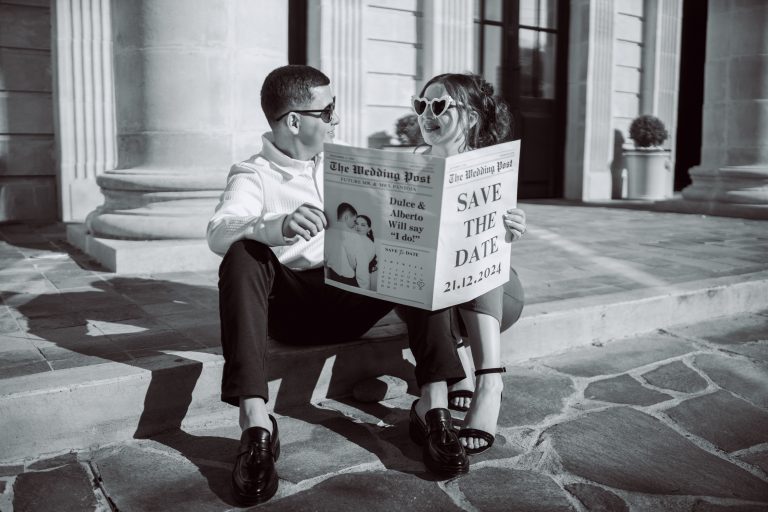
    • Send save-the-dates early  
    • Be clear about timing expectations  
    • Consider local vs travelling guest dynamics  
    • Don’t assume attendance is guaranteed  

    A weekday wedding works best when couples are realistic about their guest list and priorities. 

    So… are weekday weddings worth it?

    Here’s the honest answer: it depends on what matters more to you. 

    If your priority is budget control, vendor availability, and a more intimate feel – weekday weddings can be incredibly smart.  If your priority is a full guest list, high-energy celebration, and maximum convenience for everyone – weekends still win. 

    There’s no wrong choice, only trade-offs. 

    The key is being honest about what kind of wedding you want and what your guests can realistically give. 

    Final thought

    Weekday weddings aren’t just a scheduling decision – they’re a reflection of priorities. 

    And in modern wedding planning, that’s really what everything comes down to: choosing what matters most and letting go of what doesn’t. 

    ALSO SEE: Are destination weddings still worth it in 2026? 

    Are destination weddings still worth it in 2026?

    Featured image: Phát Võ Hồ Tấn / Pexels

    For decades, weddings followed a familiar script: a towering cake, a bouquet toss, speeches, a first dance, a predictable order of events. But now, couples are stepping boldly away from tradition and into something far more personal: no-rules weddings.

    From skipping the cake entirely to ditching outdated rituals, the modern couple is rewriting what a wedding should look like — and the result is more authentic, intimate, and joy-filled celebrations than ever before.

    The Rise of the “Do-It-Your-Way” Wedding

    Today’s couples are no longer planning weddings to please tradition or society. Instead, they’re designing experiences that reflect who they are, their love story, their lifestyle, their values.

    Why the shift?

    • Weddings are more personal and intentional post-pandemic.

    • Budgets are tighter and couples don’t want to spend on traditions that don’t resonate.

    • Social media showcases flexibility, inspiring couples to tailor their own unique day.

    • Cultural blending in African and global weddings encourages creativity instead of strict norms.

    The result is a beautifully liberating trend: weddings with fewer rules and more meaning.

    The Cake Is Out, Dessert Bars Are In

    Remember when the wedding cake was a non-negotiable centrepiece? Not anymore. Many modern couples are:

    • swapping cake for grazing tables,

    • offering mini-dessert stations,

    • choosing ice-cream carts,

    • or skipping dessert altogether and going straight to the party.

    Some still love a symbolic cake, but it’s no longer mandatory and definitely no longer expected.

    Goodbye Bouquet Toss, Hello Meaningful Moments

    The bouquet toss has officially lost its appeal for many brides, especially those who feel it singles people out or interrupts the vibe.

    Instead, brides are choosing moments that feel more intentional, such as:

    • gifting the bouquet to their mother or grandmother,

    • honouring a lost loved one,

    • or skipping the bouquet moment entirely.

    Love isn’t a performance and couples are embracing that truth.

    Ceremony Structures Are Changing Too

    Forget the old order of events. The new wedding looks like whatever the couple chooses:

    • A sunrise ceremony

    • A four-hour lunch wedding

    • A cocktail-only celebration

    • A weekend-long festival-style event

    • A courthouse elopement followed by a rooftop after-party

    Weddings in 2025 are less about timing and more about energy, comfort, and connection.

    Guests Want Experience, Not Formality

    Today’s wedding guests are not looking for stiff traditions or long formal speeches. They want to feel part of the celebration.

    Couples are delivering that through:

    • interactive food stations

    • live artists

    • personalised playlists

    • digital guestbooks

    • content creators capturing candid moments

    • no assigned seating

    • relaxed dress codes

    A wedding is no longer a ceremony you attend — it’s an experience you join.

    Personal Values Are Taking Centre Stage

    One of the biggest reasons couples are breaking the rules? Values.

    More weddings are incorporating:

    • sustainability

    • cultural fusion

    • modern gender-neutral traditions

    • charity donations instead of favours

    • handwritten vows

    • pet-friendly ceremonies

    These aren’t trends — they’re reflections of how people live and love in 2025.

    Smaller Guest Lists, Bigger Meaning

    Micro-weddings, elopements, and intimate ceremonies continue to rise because couples want to prioritise:

    • quality over quantity

    • emotional connection

    • reduced costs

    • reduced pressure

    • time with the people who matter

    Whether it’s 20 guests or 200, the experience is being designed around closeness — not obligation.

    Freedom Creates Magic

    The beauty of the no-rules wedding?
    It allows couples to focus on what really matters:

    A celebration of commitment, connection, and joy, without the pressure of perfection.

    Every choice becomes an opportunity to express personality rather than to satisfy expectation. Every detail becomes intentional. And the wedding day becomes more memorable because it feels real.

    Tradition will always have a place for couples who cherish it. But in 2025, the world of weddings is shifting toward freedom, creativity, and individuality.

    Whether a couple chooses to skip the cake, ditch the bouquet toss, throw out the timeline, or blend cultural elements in a way that feels unique, there’s only one rule that matters:

    If it doesn’t feel like you, you don’t have to do it.

    Weddings are being reinvented and it’s the most refreshing trend yet.

    Featured Image: Canva

    Themed weddings have grown in popularity over the years. From movies to books to decades, there is no end to the possibilities. But what about holidays? The month of October is spooky season because of the popular holiday Halloween, and some Halloween fans are taking their love for this spooky holiday to the next level.

    If you’re a big Halloween fan, here is some inspiration to throw your own Halloween-themed wedding.

    Fashion:
    Black dresses go well with a Halloween wedding theme. Think black lace and tulle for an edgy yet romantic finish. Princess cuts give a traditional look, but the black fabric still makes it spooky. It’s a perfect juxtaposition for Halloween.


    View this post on Instagram


    A post shared by Jess Kriska (@jesskriska) on

    Decor:
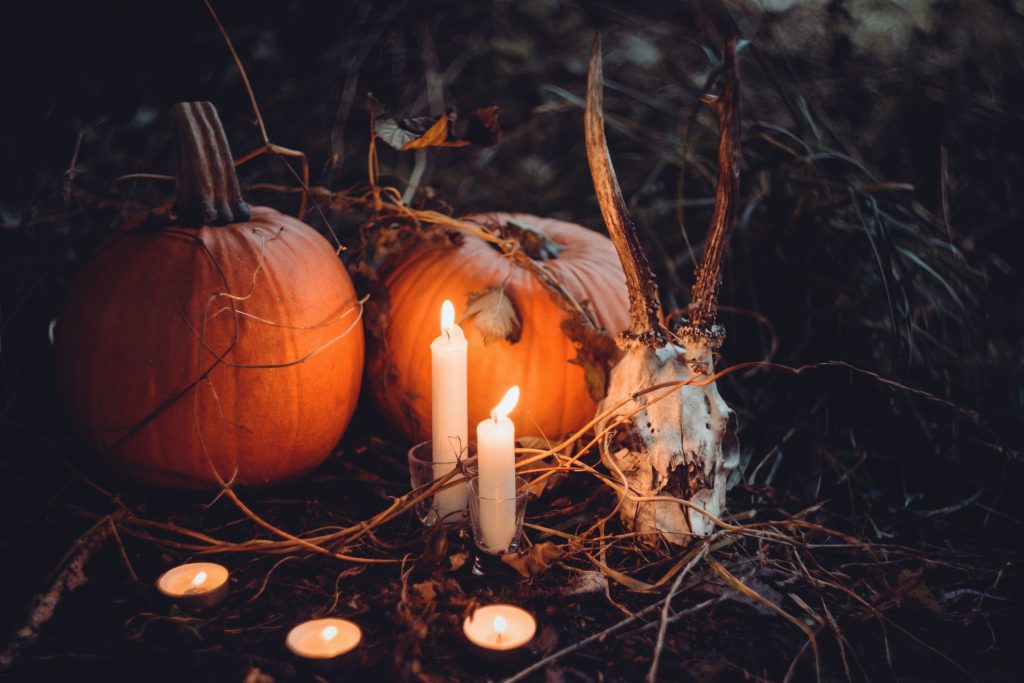
    Decor truly pulls a wedding together. Make use of lots of fabric like mesh, tulle and velvet, as well as candles and dried/dead flowers to create a dark and spooky yet elegant atmosphere. Gold finishes provide an antique look perfect for Halloween. Add fake skulls and dried twigs to complete the look.


    View this post on Instagram


    A post shared by Nikkita Palmer (@nikkitapdesigns) on

    Cake:
    Black cakes adorned with Halloween-themed imagery work best for these kinds of weddings. Think skulls, spiderwebs and dead flowers. For an extra touch, choose a red-velvet or black velvet cake.


    View this post on Instagram


    A post shared by Stefani Pollack (@cupcakeproject) on

    Photography:
    As with any wedding, you’ll want some iconic photography to preserve your memories. Props will greatly add to your images. Make use of fake skulls, face paint, pumpkins, candles, mist and smoke bombs to create a spooky atmosphere.


    View this post on Instagram


    A post shared by By Dia (@idias_kuwait) on

    Picture: Pexels