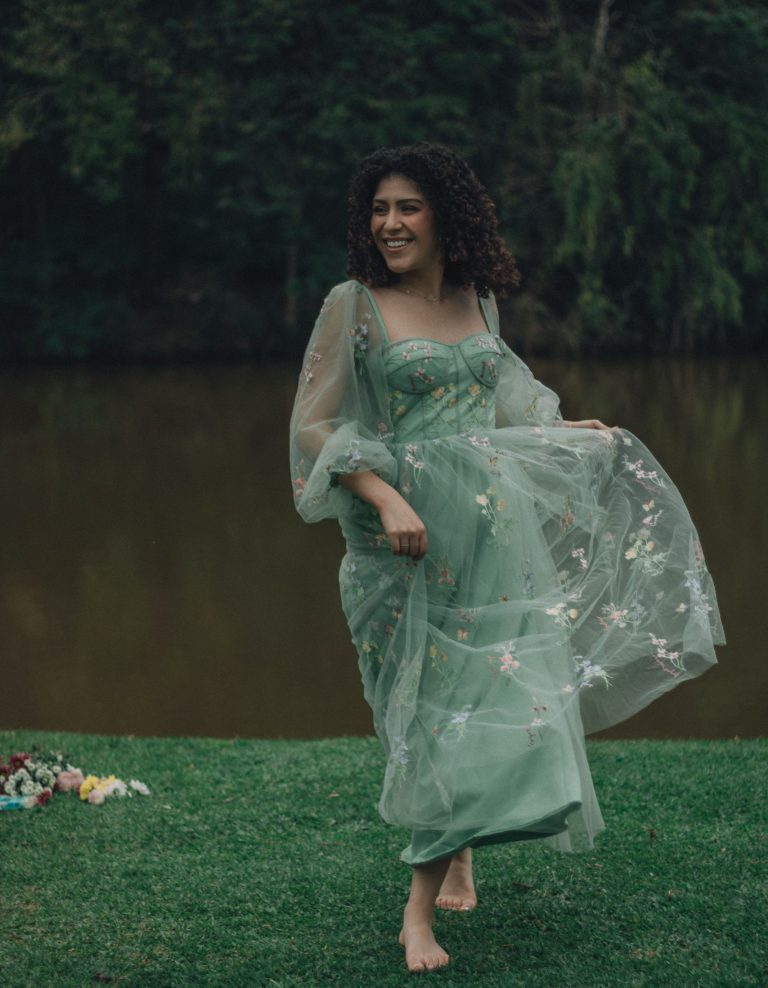
Wedding dresses are a huge part of the big day. So much effort and money goes into the wedding gown to ensure that the blushing bride looks her best. After making your way down the aisle and turning heads, what can you do with your gown? Get creative with your wedding dress after the big day.
Not sure what the wedding guest dress code means exactly? Here are some guidelines from black tie to garden party weddings.
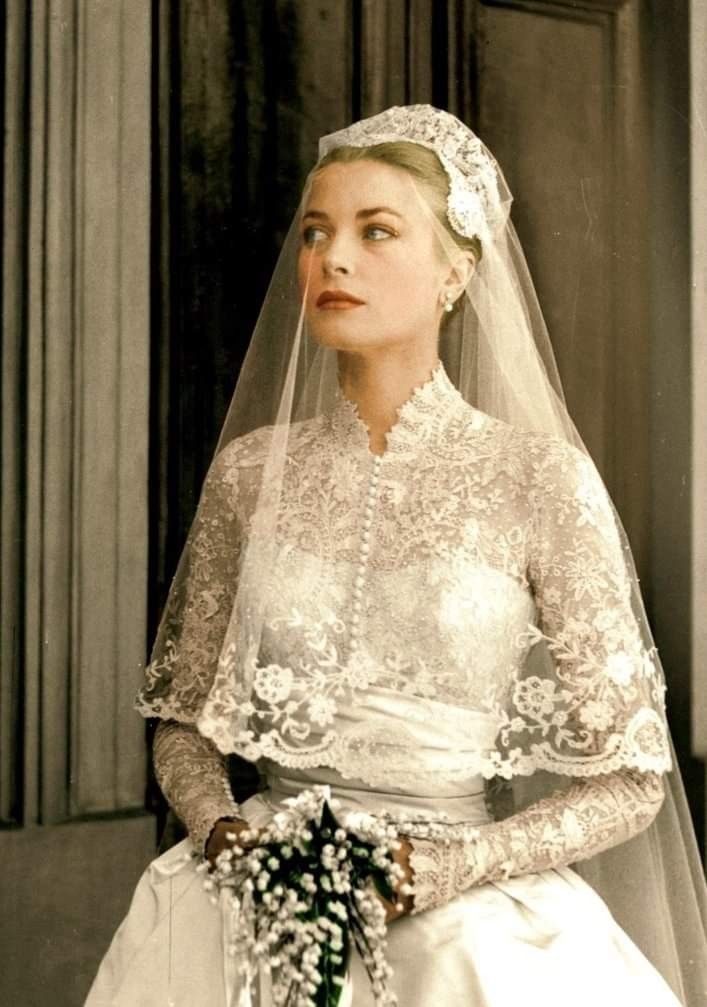
From Grace Kelly to Audrey Hepburn, high-neck wedding dresses have been a celebrity favourite for decades.
This style is classic and demure yet packs a punch. It also lends itself to a Victorian-inspired look. For brides wanting a more modest look on their big day, a high-neck gown offers coverage without compromising on style.
Here are a few ways to pull off this trend:
View this post on Instagram
Feature image: Unsplash
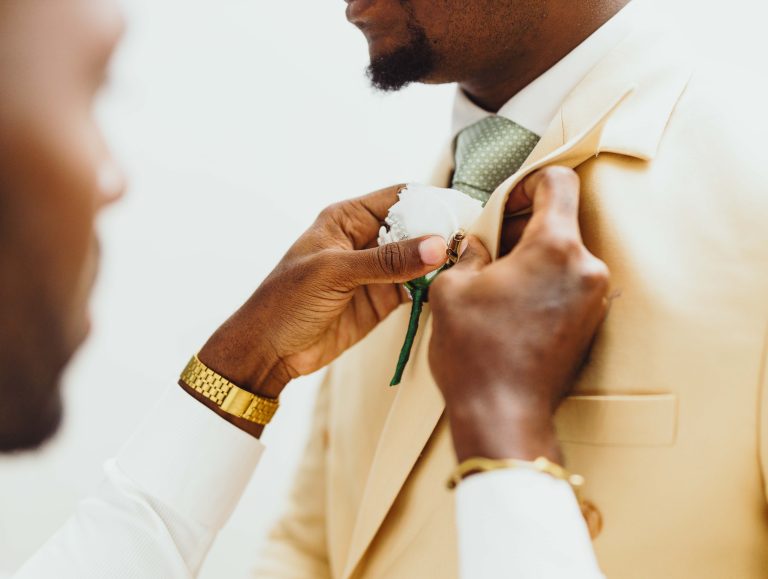
Bow ties are a classic option that will add the finishing touch to your wedding day outfit. As dashing as they are, the sophisticated embellishment is a bit tricky to pull off. If you’re unsure and want to pull off the tasteful look yourself, here’s how to tie a bow tie on your wedding day, or any other day you want to look extra dapper:
View this post on Instagram
Step by step
Choose a great bow tie
Black is a classic colour to choose but if your wedding vibe allows for it, consider opting for a funky colour, pattern or material.
Sizing
To ensure you get that dashing and sophisticated look, adjust the bow tie according to your neck size. Ask a sales assistant to measure your neck when purchasing a bow tie. There should be an adjustable slider or a hook and holes that will allow you to make the bow tie bigger or smaller.
View this post on Instagram
How to tie
The most popular choice is the butterfly bow tie.
First place your bow tie around your neck facing up. Make sure that the right side is shorter than the left. Your left end is A and the right end is B.
Move A over to the right. It will be across from B. It should form an X shape.
Move A under B and bring it up through the neck loop.
You can now fold B towards the right and finally to the left, which will then create the bow shape.
The A side can now move straight down over the middle section (the bow shape)
A can be folded towards the chest.
Pinch the fold.
You need to push A through the loop behind B.
Finally, pull on the folded parts which will tighten it. Adjust the bow tie to be balanced on both sides.
ALSO SEE: How to pack for your honeymoon
Feature image: Unsplash
The Golden Globes 2026 once again proved that red carpets and wedding aisles aren’t worlds apart. From sculptural couture gowns that could effortlessly double as modern wedding dresses to sharply tailored suiting offering fresh inspiration for grooms and groomsmen alike, this year’s looks were a masterclass in ceremony-worthy style. Add in fashion-forward moments perfect for bridesmaids and wedding party outfits, and it’s clear: Hollywood’s biggest night delivered no shortage of ideas for couples planning a celebration that feels both timeless and of-the-moment.
While many of these show-stopping dresses weren’t designed in traditional bridal shades, their silhouettes, textures and detailing translate beautifully into white, ivory and soft neutral palettes , making them perfect reference points for brides, bridesmaids and wedding parties seeking fashion-forward inspiration with lasting appeal.


ALSO SEE: Looking for wedding hairstyle inspo for all hair lengths? We’ve got you covered
Looking for wedding hairstyle inspo for all hair lengths? We’ve got you covered
Featured image: Golden Globes/Instagram
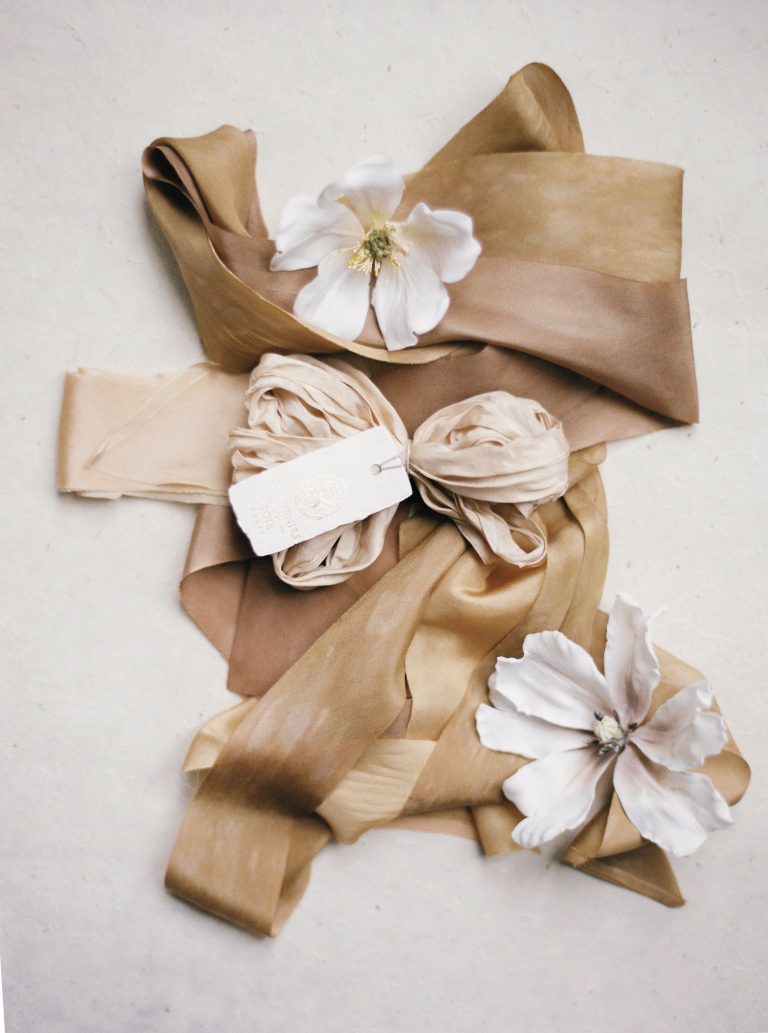
Soft neutrals will always have a place in weddings, but 2025 has welcomed a richer shade into the spotlight. Chocolate brown has emerged as a key wedding colour trend. Now, we must admit, brown wasn’t at the top of our list of favourite colours, but seeing how it has been used at weddings made us fall in love a little.
Why chocolate brown works for weddings
Chocolate brown strikes a rare balance. It feels warm without overpowering a palette and refined without feeling cold. As a wedding colour trend, it offers something different while still photographing beautifully and ageing well over time.
It also complements a wide range of skin tones and transitions effortlessly between seasons, making it a strong choice for couples wanting to move beyond predictable whites and beiges without committing to bold colour.
Bridesmaid dresses in chocolate brown

Bridesmaid dresses are one of the easiest and most impactful ways to incorporate this wedding colour trend. Chocolate brown is flattering, wearable and instantly cohesive, whether styled in matching gowns or mixed silhouettes.
Satin and silk elevate the shade for more formal celebrations, while chiffon and matte fabrics soften the look for relaxed settings. Paired with gold jewellery, natural makeup and neutral bouquets, the result feels polished but unfussy.
Using chocolate brown in wedding decor
In decor, chocolate brown works best as a grounding layer rather than the main focus. Table linens, runners or napkins in warm brown tones add depth when paired with white crockery, candlelight and natural textures.
For ceremonies, subtle brown accents through wood elements, fabric details or earthy floral arrangements help anchor the space. Keeping lighter tones like ivory or blush in the mix ensures the overall look remains fresh and inviting.
Stationery and styling details

This wedding colour trend shines in the details. Chocolate brown adds richness to stationery through textured paper, warm ink tones or wax seals, setting a refined tone from the first impression.
It also translates beautifully into styling touches such as signage, cake detailing or groom accessories like brown leather shoes or belts, creating cohesion without feeling overly styled.
Colours that pair well with chocolate brown
Part of chocolate brown’s appeal lies in its versatility. Paired with cream or stone, it creates a timeless, neutral palette. Blush and dusty rose add softness, while olive green, terracotta or black introduce a more contemporary edge.
Metallic accents like gold or bronze lift the palette further, adding warmth and subtle contrast without overpowering the look.
ALSO SEE: 7 Wedding artists who turn weddings into works of art
Feature image: Show Me Your Mumu/Pinterest
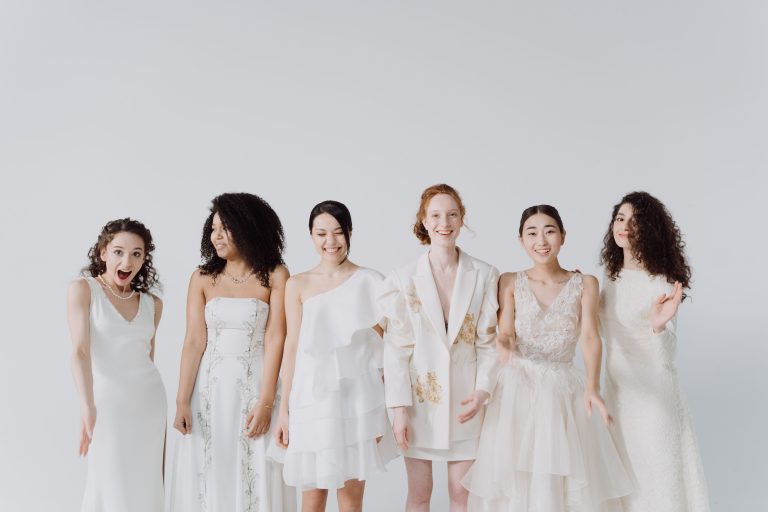
When it comes to wedding-fashion in 2025 and beyond, one of the most powerful developments is inclusivity. It’s no longer enough for bridal style to cater only to “traditional” gowns and tuxes; the focus is shifting to attire that honours all genders, body sizes, styles and identities. For your wedding magazine site, this topic allows you to speak to a broad audience, brides, grooms, non-binary celebrants, plus-size couples, and style-forward individuals who want their attire to reflect who they are.
This article will walk through why inclusive wedding fashion matters, the key trends to watch, how couples can make inclusive choices (especially in the South African / African context), and practical tips for planning and shopping, so you can offer your readers both inspiration and actionable guidance.
Why Inclusive Fashion Matters
-
Representation counts. As one expert put it when discussing size inclusivity: “Being inclusive means to honour and represent bodies of all shapes and sizes.”
-
Traditional bridal markets have often ignored non-binary identities, curvy bodies, petite frames or people outside the gender binary. According to one article from Vogue: “The majority of designs cater to brides and grooms who adhere to the gender binary.”
-
Inclusive fashion sends a message: you belong, you matter, you deserve to feel beautiful and true to yourself.
-
For a wedding magazine website: this topic resonates because it intersects with fashion, culture, identity and the modern moment, ideal for stylish editorial features and how-to guides.
Key Trends in Inclusive Wedding Attire
1. Gender-Neutral & Androgynous Looks
-
Celebrants are choosing tailored suits, tuxedos, jumpsuits, or gown/blazer hybrids rather than traditional binary styles.
-
Vogue notes that designers are offering trousers, skirts and dresses for “male bodies” and suits for “female-bodies” – blurring the gender lines in bridal collections.
-
Practical tip: feature designers or boutiques in South Africa who offer gender-neutral options, or highlight how to tailor classic pieces for inclusive looks.
2. Size Inclusivity
-
According to Brides.com, the challenge isn’t only offering larger sizes, but letting those larger‐size clients try on purpose-designed pieces with their bodies and proportions in mind. Brides
-
It’s not just about sizing up a sample; it’s about fit, tailoring, representation in imagery, and the shopping experience.
-
On your site: Show real South African brides/grooms across the size spectrum, highlight boutiques offering extended sizes, talk about tailoring and customisation.
3. Style Freedom & Self-Expression
-
Many couples are moving beyond the “white dress / black tux” paradigm: colour, texture, pattern, bold silhouettes are in.
-
For inclusive fashion, this means each person’s outfit can reflect their identity, culture or aesthetic — not just what’s expected.
-
Especially for African weddings: consider how local culture (prints, textiles, colours) can be fused into inclusive attire.
How to Make Inclusive Choices: A Game Plan for Couples
Step 1: Define your “authentic style”
-
Ask: How do I feel most like “me”? Do I gravitate towards traditionally feminine dresses, sharply tailored suits, or something in between?
-
Create a mood board-style list: silhouettes, colours, fabrics, accessories that reflect your identity.
Step 2: Research inclusive vendors
-
Look for bridal/boutique shops that carry extended sizes and gender-neutral pieces.
-
Ask about sample sizes available for try-on (especially important for larger sizes).
-
For gender-neutral attire: ask about bespoke tailoring, mixing suits with skirts/trousers/blazers, custom hybrids.
Step 3: Fit & tailoring matter
-
Regardless of size or gender identity, a good fit makes the outfit feel you.
-
For curves, small frames, or non-binary bodies: ask for adjustments in design (waist placement, chest fit, length).
-
For non-traditional silhouettes: ensure the fabric, proportions and finishing reflect your body in the way you want to be seen.
Step 4: Coordinate (don’t match) with partner & wedding party
-
Inclusive fashion is not about forcing everyone into one mold. Instead: let each person feel free to express themselves while still visually supporting the union.
-
Example: One partner wears a tailored suit in deep emerald, the other a flowing skirt-set in the same hue — shared colour, different form.
Step 5: Use your platform to show diversity
-
If you’re writing for a wedding magazine: include images of diverse bodies, styles, cultures.
-
Include tips for readers: where to shop in South Africa, how to ask the right questions at a boutique, what to do if you can’t find exactly what you want (e.g., bespoke, custom alterations).
Inclusive Fashion in the South African & African Context
-
Highlight local designers and boutiques offering inclusive sizing and gender-neutral tailoring.
-
Reflect cultural identity: prints, textiles, local craftsmanship can be integrated into inclusive outfits (e.g., traditional African prints in bespoke suits or gowns).
-
Consider climate and setting: if marrying in Cape Town, Joburg, or elsewhere in Africa, fabric choice, comfort and mobility matter. Inclusive fashion shouldn’t sacrifice comfort.
-
Provide lists of resources: where to rent, where to custom-make, inclusive shops in major cities (Johannesburg, Cape Town, Durban) and also spotlight regional/cultural artisans.
Inclusive wedding fashion is more than a trend. It’s part of a deeper shift in how weddings express identity, authenticity and love. When couples feel free to choose attire that truly reflects them regardless of gender, size or tradition, the celebration becomes richer, more meaningful and more memorable.
Featured Image: Canva
Shoes are possibly one of the most crucial features of an ensemble, especially when stepping out and revelling in the affair that is your bestie’s wedding.
If you’ve been raking your brain and scrolling through online catalogues to figure out what shoe you’ll be sporting to bring together the perfect wedding ensemble, here are the top three shoes that are a must, as told by stylist, Rojaun Devos!
Knee-high boot
A knee-high is one of the shoes that simply make every and any outfit look better. Make sure it is a good length and that you give enough room for your legs to breathe. An investment is definitly a leather or suede pair as these are timeless and will never go out of style, and it also offers the perfect option for a winter wedding.

A nude heel
Nude is a classic colour, timeless and definitely a must-have when it comes to heels. Sometimes we have to go to work events or even dinner parties which doesn’t always call for pops of colour or anything that is too much of a statement, so it’s the perfect purchase if you’re looking to splurge but still get your money’s worth outside of being a guest at your friend’s wedding.

The pump
This is the perfect shoe for gals that absolutely hate wearing heels… but, desperate times, call for desperate measures, and pumps are the perfect balance between both words. What we love about this style is that it can go from day to night in a second. Simply swap your jeans for an elegant slip dress, and voila!

Feature Image:
I’m sure we’ve all had a moment where we’ve sniggered at the fact that our friend got a matching tattoo with their significant other. Opinions on getting matching couple tattoos have the ability to divide a room, but no matter you’re thoughts, these inked memories have gained notoriety in recent years thanks to celebrities such as Joe Jonas and Sophie Turner.
Along with popularity, getting matching tattoos can be a great way to creatively express a lifetime commitment. So, before you say “I do”, here are a few matching tattoos to get – all in the name of love.
Coordinates
Coordinates all the way to your heart, maybe? In this case, you and your SO could get matching coordinates that lead all the way to where you first met. It’s a beautiful sentiment that you’ll never get tired of looking at.
View this post on Instagram
Self-Portrait
Not everyone will be keen on getting their bride or groom’s face inked on their body but for those brave enough, it can be a great way to skip the cheesy quotes. Sticking to a minimalist design may help you to feel a bit braver, especially with this line tattoo.
View this post on Instagram
Beyond Time and Space
The great thing about matching tattoos is the fact that they don’t actually have to be matching. Grab a design that complements each other, similar to this spaceship and solar system tattoos.
View this post on Instagram
Always
“Always” is a word you’ve probably uttered as you’ve gazed into your significant other’s eyes. There’s nothing simpler than a scripted tattoo, and it’s less painful too – bonus!
View this post on Instagram
Handwritten Love Note
Is there anything more romantic than a handwritten love note? Take it a step further and get your SO’s tattooed onto your skin, it can be a wonderful message that carries a deeper meaning.
View this post on Instagram
A Memorable Date
You’ll probably never forget the day that you tied the knot, but to commemorate the occasion, why not add the date so that you know neither of you will ever forget.
View this post on Instagram
Feature Image: Melissa Marshall