• Tag

    advice for couples

    Browsing

    There’s a version of wedding planning that exists online where every decision feels effortless. The moodboards match, the budgets magically stretch and nobody’s aunt suddenly remembers three cousins who “must” be invited.

    Reality? It’s usually a little messier.

    For most couples, wedding planning isn’t where relationships fall apart – it’s where communication patterns become impossible to ignore. The pressure of money, expectations, timelines and trying to create a meaningful day can turn even small decisions into emotional negotiations.

    And according to wedding professionals, that’s completely normal.

    We spoke to a wedding planner about the biggest points of tension couples experience during planning – and more importantly, what actually helps.

    The guest list battle: when numbers become emotional

    If there’s one disagreement almost every planner sees coming, it’s this one. Guest lists sound practical until they stop being practical.

    Suddenly, every name carries emotion, obligation, family politics and budget implications.

    “Guest lists and budgets are by far the biggest areas of tension,” our wedding planner explains.

    “A lot of couples start with a vision that doesn’t quite match their budget, or a guest list that continues to grow every time someone mentions another family member or colleague.”

    Wedding experts consistently point to guest count as one of the biggest drivers of overall wedding cost because it affects almost every category – venue, catering, décor, rentals and logistics.

    What tends to work:

    • Create a non-negotiables list together before involving family
    • Decide on a guest cap early
    • Categorise guests into priority tiers
    • Agree upfront on plus-one rules and family allocations

    The question worth returning to: If we remove everyone else’s expectations – what matters most to us?

    Because once couples agree on priorities, decisions become significantly easier.

    Budget disagreements: the wedding you imagined vs the wedding you’re funding

    Budget conversations rarely start with numbers; they usually start with vision. One person imagines an elevated destination-style celebration. The other wants financial breathing room after the honeymoon.

    That disconnect can quietly create resentment. Recent wedding research shows couples are becoming more intentional with spending, moving away from “bigger is better” and prioritising experience, meaning and financial sustainability instead.

    The planner’s advice?

    • Come back to shared values.
    • If photography matters more than florals – spend there.
    • If food matters more than entertainment – shift accordingly.

    A wedding budget isn’t just a spreadsheet. It’s a reflection of priorities.

    Family expectations: the pressure nobody warns you about

    Families can bring love, support – and opinions. Especially when financial contributions enter the conversation.

    Parents may have different ideas about traditions, guest numbers or what a wedding should look like. And while compromise has its place, trying to make everyone happy usually leaves couples feeling disconnected from their own celebration.

    “Our wedding planner says the couples who navigate this best are the ones who continually come back to one question: ‘What matters most to us?’”

    Boundaries become easier when expectations are discussed early, that doesn’t mean excluding people.

    It means creating clarity, because a wedding should feel like an extension of the couple – not a committee decision.

    The vendor trust issue: why too much research can become the problem

    There’s a point in wedding planning where information stops being helpful. Today’s couples have endless access to reviews, TikTok opinions and Pinterest inspiration – but that can create decision fatigue.

    “If I had to give couples one golden rule,” our planner says, “it would be this: trust the professionals you’ve chosen.”

    Too often, couples spend months researching only to second-guess every decision after booking.

    The result?

    • Stress.
    • Micromanagement.
    • And less enjoyment of the engagement period.

    Choose suppliers whose work genuinely aligns with your vision. Communicate clearly and allow the experts to do what they do best.

    How to spot vendor red flags before booking

    One of the biggest planning mistakes?

    Booking purely based on aesthetics.

    Beautiful Instagram feeds don’t automatically mean strong communication, organisation or wedding-day execution.

    Our planner recommends couples ask:

    • How long have you worked in weddings?
    • Can I see recent reviews?
    • What does your communication process look like?
    • What happens if timelines shift?
    • What’s included – and what isn’t?

    Red flags to watch:

    • Slow responses
    • Vague contracts
    • Avoiding practical questions
    • Overpromising without realistic delivery timelines

    Clear expectations now prevent difficult conversations later.

    The couples who enjoy wedding planning most usually aren’t the couples who control everything

    They’re the ones who stay connected to each other and remain focused on the point. Who make decisions based on their future together – not social media, not pressure and not perfection.

    Wedding planning will probably bring disagreements; that isn’t the warning sign.

    Learning how to move through them together might be one of the most valuable parts of the process.

    ALSO SEE: Hidden wedding costs couples forget to budget for 

    Hidden wedding costs couples forget to budget for

    Featured image: Lilen Diaz / Pexels

    Your wedding bouquet is one of the few details you physically carry through one of the biggest days of your life.

    It’s in your photographs. It’s in your vows. It sits beside you at dinner, appears in quiet moments while getting ready, and somehow becomes part of the memory itself.

    And then… a week later? Most bouquets wilt.

    But a growing number of couples are choosing not to let that happen.

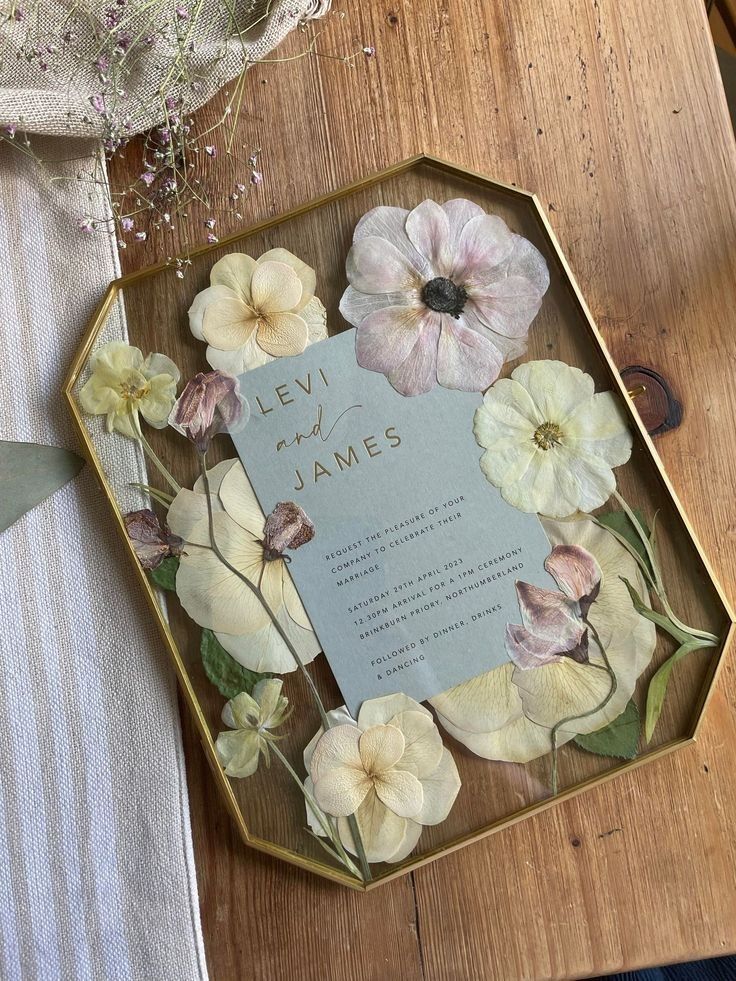
    Pressed flower preservation – transforming wedding blooms into framed botanical artwork – is becoming one of the most meaningful post-wedding keepsakes globally, and South African brides are starting to embrace it too. Instead of preserving flowers in a box or drying them upside down, bouquets are carefully pressed, arranged and framed into pieces designed to live on your walls for decades.

    Why pressed flower art is having a moment

    Wedding trends have shifted dramatically over the past few years.

    Couples are spending more intentionally – choosing fewer throwaway details and investing in meaningful heirloom pieces instead. Pressed floral art fits perfectly into that mindset.

    Unlike resin preservation (which some couples note can yellow over time), pressed floral artwork creates a lighter, gallery-style finish that feels timeless and easier to style in modern homes. Community conversations around bouquet preservation also show increasing preference for pressed pieces because they display beautifully and feel less bulky than traditional keepsakes.

    The appeal is simple:

    • It becomes actual artwork rather than storage
    • You preserve a real piece of your wedding day
    • Every frame is entirely unique
    • It doubles as meaningful home décor

    How wedding flower preservation actually works

    Professional pressed flower preservation is more involved than simply placing blooms inside a book.

    Studios carefully deconstruct bouquets bloom by bloom, remove moisture through controlled pressing and drying, then rebuild the arrangement into a custom composition before sealing it behind archival-grade glass.

    Most preservation artists recommend receiving flowers within 24–72 hours after the wedding, while blooms are still fresh. Timing matters more than most couples realise.

    A few flowers press especially beautifully:

    • Spray roses
    • Garden roses
    • Cosmos
    • Daisies
    • Delphinium
    • Lisianthus
    • Sweet peas

    Thicker blooms (like some orchids or calla lilies) may require specialised handling or alternative preservation methods.

    Can you press your bouquet yourself?

    Absolutely — if you’re patient. The basic process looks like this:

    1. Separate the bouquet – Remove blooms individually instead of pressing the bouquet whole.

    2. Air-dry first – Fresh flowers often hold too much moisture. Allow blooms to rest before pressing.

    3. Layer properly – Use absorbent paper with even pressure between layers.

    4. Wait it out – Depending on bloom type and climate, pressing can take one to two weeks.

    5. Design before framing – Arrange first, glue second. Pressed floral composition is where the magic happens.

    If you’re emotionally attached to the bouquet though? Consider outsourcing. There’s no redo button.

    South African studios that can preserve your wedding flowers for you

    Forget Me Not (Pty) Ltd

    A preservation-led studio creating custom botanical keepsakes and floral artworks.

    • Location: Randburg, Johannesburg
    • Estimated pricing: From approximately R2,500–R8,000+ depending on frame size and complexity (confirm directly for custom quotations)
    • Contact: +27 68 849 4639 / [email protected]
    • Website:  ForgetMeNotTM
    • Best for: Couples wanting bespoke framed floral keepsakes.

    LOULOU Flower Studio

    Known primarily for floral design, with bespoke floral artistry and preservation conversations increasingly becoming part of the offering space.

    • Location: Pinelands, Cape Town
    • Estimated pricing: Custom quote basis (expect premium floral art pricing depending on scale)
    • Contact: +27 83 781 3148 / [email protected]
    • Website: LoulouFlowerStudio
    • Best for: Couples wanting floral design expertise translated into keepsake art.

    VELT designs

    A floral-focused creative studio producing highly design-conscious botanical work.

    • Location: V&A Waterfront, Cape Town
    • Estimated pricing: Bespoke commissions; approximately R3,000–R10,000+ depending on artwork scope
    • Contact: +27 81 333 3077 / [email protected]
    • Website: VELT
    • Best for: Modern couples who want their bouquet to become statement interior décor.

    Belle En Rose Resin

    While known for resin preservation, this is worth considering if you love preserving florals in artistic formats beyond traditional pressing.

    • Location: South Africa
    • Estimated pricing: From approximately R2,000+ depending on piece type
    • Contact: +27 71 213 6484 / [email protected]
    • Website: BelleEnRoseResin
    • Best for: Couples exploring alternative bouquet preservation styles.

    Before you hand over your bouquet: what preservation artists wish couples knew

    • Tell your florist beforehand that you plan to preserve the bouquet.
    • Keep stems in water after the wedding.
    • Avoid leaving flowers in direct sunlight.
    • Refrigerate rather than freeze if preservation won’t happen immediately.
    • Book your preservation artist before the wedding date where possible.

    Your flowers won’t stay exactly the same – colours soften, petals shift and time leaves its own signature – but that’s also part of the beauty.

    The takeaway

    Your wedding flowers were never meant to last forever.

    But the feeling attached to them can.

    Pressed flower art turns something fleeting into something you’ll pass every day in your hallway, bedroom or home office – a quiet reminder that one beautiful day actually happened.

    And years later, that frame may end up becoming one of the few wedding details that still lives with you.

    ALSO SEE: Flowers in season for winter weddings: The best cold-weather blooms for bouquets and décor 

    Flowers in season for winter weddings: The best cold-weather blooms for bouquets and décor

    Featured image: Pinterest

    Winter weddings have quietly become one of South Africa’s most underrated trends – and honestly, it makes sense. Softer light, richer textures, dramatic landscapes and often better value. But if you’re saying “I do” during the cooler months, your honeymoon deserves just as much thought.

    The good news? South Africa doesn’t really do winter the way most places do.

    From fireside safari suites and vineyard escapes to coastal retreats that feel completely removed from real life, winter might actually be one of the most romantic times to honeymoon locally.

    Here’s where to go.

    Greater Kruger: For the couple who wants luxury, wildlife and zero decisions

    Location: Mpumalanga & Limpopo

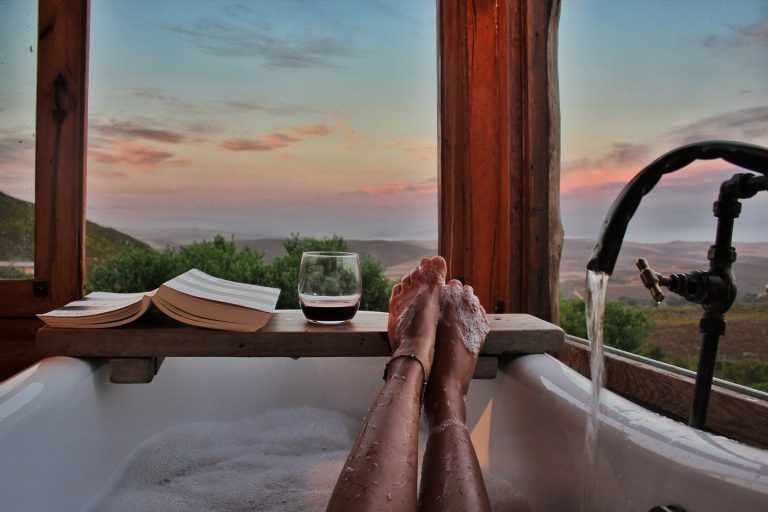
    If your honeymoon mood board includes outdoor bathtubs, sunset game drives and wine under a blanket of stars – safari season is winter season.

    Between May and September, vegetation thins out, wildlife becomes easier to spot and days stay pleasantly mild. Safari specialists consistently rank South Africa’s dry season as one of the best periods for game viewing.

    Many luxury lodges also build in honeymoon extras – think private dinners, spa treatments and stay-longer offers.

    Estimated cost:
    • Mid-range safari: From approximately R5 500–R9 000 per couple per night
    • Luxury honeymoon packages: From approximately R15 000–R50 000+ per night depending on inclusions

    Best for:
    Luxury lovers, once-in-a-lifetime trips, adventure couples

    Booking contacts:

    Franschhoek: For the couple who wants wine, wellness and slow mornings

    Location: Western Cape

    If your ideal honeymoon looks less “bucket-list adventure” and more “we accidentally stayed in our robes until noon,” Franschhoek remains undefeated.

    Winter transforms the valley into something moodier and more intimate: fireplaces, red wine, mist over the mountains and fewer crowds than peak summer.

    Many boutique hotels offer seasonal packages during winter, making luxury feel slightly more attainable.

    Estimated cost:
    • Boutique stays: From R3 500–R8 000 per night
    • Luxury estates: From R8 000–R20 000+ per night

    Best for:
    Foodies, design lovers, luxury without leaving the province

    Booking contacts:

    The Garden route: For couples who want a bit of everything

    Location: Mossel Bay to Storms River

    Can’t commit to one honeymoon style? Don’t.

    The Garden Route still wins because you can combine beaches, forest cabins, wine stops, luxury lodges and road-trip energy in one itinerary.

    Winter means quieter roads, dramatic ocean views and better accommodation availability.

    Suggested route:
    George → Wilderness → Knysna → Plettenberg Bay

    Estimated cost:
    • Self-drive honeymoon: Around R12 000–R30 000 for 4–5 days excluding flights
    • Luxury stays: R4 000–R12 000+ per night

    Best for:
    Couples who get bored staying in one place

    Booking contacts:

    Hermanus: For ocean views and cosy coastal romance

    Location: Western Cape

    There’s something unexpectedly romantic about the coast in winter.

    Hermanus becomes quieter, moodier and deeply cinematic this time of year. Add cliff walks, seafood lunches and boutique hotels with fireplaces and suddenly summer doesn’t seem necessary.

    Bonus: If your timing overlaps, whale season starts building momentum from winter into spring.

    Estimated cost:
    • Guesthouses: From R2 500 per night
    • Luxury hotels: From R5 000–R10 000+ per night

    Best for:
    Minimalists, food lovers, couples who want to switch off

    Booking contacts:

    The Drakensberg: For cabin-core couples

    Location: KwaZulu-Natal

    If your dream honeymoon includes mountain views, fireplaces and disappearing off grid for a few days, the Drakensberg deserves more attention.

    Winter days stay crisp and clear, making hiking and outdoor experiences especially beautiful. Expect fewer crowds, incredible scenery and accommodation designed around slowing down.

    Estimated cost:
    • Boutique mountain stays: R2 500–R7 000 per night
    • Luxury lodges: R7 000–R15 000+ per night

    Best for:
    Nature lovers, unplugged escapes, honeymooners avoiding airports

    Booking contacts:

    Final thoughts

    There’s something wildly underrated about a South African winter honeymoon.

    You trade crowds for intimacy, summer heat for fireplaces, and overbooked resorts for slower, more intentional experiences.

    Whether that looks like tracking wildlife at sunrise, ordering another bottle in Franschhoek or watching waves crash from a warm hotel room – winter proves that romance doesn’t need tropical weather to feel unforgettable.

    And if there’s one honeymoon planning tip worth keeping? Stay longer in fewer places. Your honeymoon shouldn’t feel like another itinerary.

    ALSO SEE: Pack less, honeymoon better: The only honeymoon checklist you actually need 

    Pack less, honeymoon better: The only honeymoon checklist you actually need

    Featured image: Taryn Elliott / Pexels 

    There are certain wedding moments guests remember forever.

    The way the aisle felt when the doors opened. That pause before the vows. The moment everyone unexpectedly ended up on the dance floor.

    And more often than not? Music is carrying all of it.

    For years, wedding entertainment sat in the background of planning spreadsheets – somewhere between flowers and seating charts. But modern couples are changing that. Across South Africa and globally, live music is becoming less of an add-on and more of a defining part of the experience itself.

    Whether it’s a stripped-back acoustic ceremony, a roaming saxophonist at cocktail hour or a full reception band that turns dinner into a concert moment, couples are investing in atmosphere over tradition.

    Here’s why.

    Live music creates moments – not just sound

    Playlists are convenient. Live music is emotional.

    There’s something undeniably powerful about hearing a song performed in real time. It feels more intimate, more cinematic and more connected to what’s happening in front of you.

    That’s exactly why live entertainment continues to grow in popularity: it changes the atmosphere instantly and creates a stronger guest experience throughout the day.

    Think:

    • A solo vocalist during guest arrival
    • Acoustic guitar for the ceremony
    • Jazz during cocktail hour
    • A high-energy band for the reception
    • A DJ takeover later in the evening

    The goal isn’t to fill every second with noise – it’s to create rhythm across the day.

    Couples are becoming more intentional with their music choices

    One of the biggest wedding shifts right now is that couples are no longer choosing music because it feels “wedding appropriate.”

    They’re choosing what feels like them.

    Across 2026 wedding trends, personalised entertainment is replacing one-size-fits-all wedding formulas. Couples are increasingly booking performers they genuinely listen to, creating curated ceremony soundtracks and building experiences around songs that actually mean something.

    Translation: less generic love ballads, more personality.

    If your relationship soundtrack includes indie folk, Afro-house, jazz, amapiano, old-school R&B or acoustic pop covers – lean into it.

    The biggest live music trends couples are booking right now

    1. Modern songs with a classical twist

    String quartets aren’t going anywhere – they’re just getting cooler.

    Couples are increasingly booking instrumental versions of modern songs instead of traditional ceremony music. Think cinematic arrangements of contemporary favourites that still feel elegant.

    1. The DJ + live musician combo

    This might be the sweet spot.

    One of the fastest-growing formats combines the energy of live performance with the flexibility of a DJ – imagine saxophone over dance tracks, live percussion during reception sets or a vocalist joining your evening party.

    1. Daytime entertainment is getting more attention

    Cocktail hour is no longer dead space.

    Couples are investing more in daytime atmosphere because guests actually spend most of the celebration outside of the dance floor portion of the evening. Acoustic sets, roaming musicians and live background entertainment are becoming major guest-experience upgrades.

    What does live wedding music actually cost in South Africa?

    Budget matters – but there’s more flexibility than most couples expect.

    Current South African wedding entertainment pricing typically looks something like this:

    • Ceremony musician: approximately R3,000 – R10,000
    • DJ: approximately R5,000 – R25,000
    • Live reception band: approximately R15,000 – R45,000+
    • Band + DJ combination: approximately R20,000 – R50,000+

    You don’t need all of it. Sometimes one incredible live moment delivers more impact than booking entertainment for the entire day.

    Before you book: ask these questions

    Live entertainment can elevate a wedding – but only if logistics are sorted.

    Ask:

    • What equipment is included?
    • Does the venue allow live sound?
    • Are breaks covered with playlists or a DJ?
    • Is setup included?
    • Can they learn custom songs?
    • How much space do performers need?
    • Is backup power available?

    Because nothing kills the vibe faster than silence while cables get untangled.

    The final note

    The weddings people talk about years later rarely hinge on whether the napkins matched the flowers.

    They remember how it felt.

    Live music has a way of turning ordinary moments into scenes people replay in their heads long after the last dance. And in an era where weddings are becoming more personal, more immersive and more experience-driven, that feels less like a luxury – and more like one of the smartest places to invest.

    If you’re deciding where to splurge, ask yourself one question:

    What do you want your wedding to sound like?

    ALSO SEE: Hidden wedding costs couples forget to budget for 

    Hidden wedding costs couples forget to budget for

    Featured image: Pinterest

    For years, weddings followed a familiar formula: separate mornings, formal entrances, endless group photos, a three-course dinner, cake cutting, sparkler exit. Beautiful? Sure. Necessary? Not always.

    The modern wedding landscape looks different now.

    Today’s couples are building celebrations around how they want the day to feel – calmer, more intentional, more connected and often a lot more fun. Personalisation isn’t just a trend anymore; it’s become the standard. Couples are choosing experiences over expectations and reworking traditions to fit real life instead of forcing themselves into a template.

    If you’ve ever found yourself saying, “Do we actually have to do that?” – this is your permission slip.

    1. Start the day together instead of apart

    One of the biggest mindset shifts happening in weddings? Couples are reclaiming the hours before the ceremony.

    Instead of spending the entire morning separated, more couples are choosing shared breakfasts, private coffee moments, handwritten letters or even getting ready in the same space.

    It softens the nerves and reminds you what the day is actually about: the two of you.

    Not every wedding needs a dramatic aisle reveal.

    2. Make your guest list smaller – and your experience bigger

    Bigger doesn’t automatically mean better.

    Couples are trimming guest lists and redirecting that budget into things guests genuinely remember: exceptional food, immersive styling, upgraded entertainment, meaningful details and more quality time with the people who matter.

    Fewer people often means:

    • More meaningful conversations
    • Better food and drinks
    • Less logistical stress
    • More room for unexpected moments

    3. Read your vows privately first

    Public vows aren’t for everyone.

    Private vow readings are becoming increasingly popular for couples who want emotional intimacy without performing for a crowd.

    Read them during a first look. Exchange letters before the ceremony. Keep the ceremony itself shorter and lighter.

    Sometimes the most meaningful moments happen off-stage.

    4. Ditch the rigid timeline

    Who decided weddings needed to run like military operations?

    Some of the most memorable celebrations right now look completely different:

    • Sunrise ceremonies followed by brunch
    • Long-table lunches instead of formal dinners
    • Cocktail-style receptions
    • Weekend-long celebrations
    • Shorter weddings that end before midnight

    The best schedule is the one that matches your energy – not tradition.

    5. Do your portraits before the ceremony

    This one is practical and underrated.

    Getting portraits and family photos done early means you actually get to attend your own cocktail hour.

    You’ll spend less time disappearing for staged shots and more time living the moments you paid for.

    Photography trends are also moving toward documentary-style coverage and authentic interaction over endless posing.

    6. Walk down the aisle together

    There’s no rule that says one person has to wait while the other makes an entrance.

    Walking in together feels symbolic, modern and surprisingly emotional – a visible reminder that this is something you’re entering as equals.

    7. Replace formal dining with something people actually talk about later

    Formal plated dinners will always have their place.

    But experience-led dining is becoming one of the strongest wedding shifts for 2026:

    • Food stations
    • Shared feasts
    • Grazing tables
    • Interactive dessert moments
    • Late-night comfort food
    • Family-style service

    Guests remember how they felt – and food plays a huge role in that.

    8. Stop treating photos like a checklist

    You probably don’t need 47 family combinations.

    Couples are becoming more selective and prioritising candid moments instead of marathon photo sessions.

    Choose the portraits that matter and then get back to your party.

    9. Skip the wedding party if it doesn’t fit

    Not everyone wants bridesmaids, matching outfits or group chats with 14 opinions.

    Your wedding party can be:

    • One person
    • Mixed gender
    • Family only
    • Children only
    • Nobody at all

    There’s no prize for making things harder.

    10. Create experiences instead of entertainment

    Think less “scheduled fun” and more moments people discover.

    Ideas guests genuinely love:

    • Audio guestbooks
    • Tattoo stations
    • Espresso bars
    • Board game lounges
    • Personal trivia moments
    • Interactive food experiences
    • Curated playlists built by guests

    Community conversations around modern weddings consistently point to comfort, meaning and interaction outperforming traditional formalities.

    11. Consider separating the legal ceremony from the celebration

    More couples are choosing to handle paperwork separately and keep their wedding day emotionally focused.

    It removes admin, pressure and timing constraints – especially if you want a highly personalised ceremony.

    12. End the night your way

    No sparkler exit. No forced afterparty. No staying until 2am because weddings “should”.

    Order burgers.
    Open champagne in bed.
    Sit together and replay your favourite moments.

    You don’t need a grand finale if the whole day already felt unforgettable.

    The final dance

    The best weddings in 2026 aren’t the ones breaking traditions for shock value.

    They’re the ones asking better questions.

    Does this feel like us?
    Will we remember this?
    Will our guests enjoy this?

    Because once the flowers are packed up and the dress is hanging in the wardrobe, what stays isn’t whether you followed every wedding rule.

    It’s whether the day felt unmistakably yours.

    ALSO SEE: 7 Fun-loving wedding ideas to move your wedding from traditional to funtastic 

    7 Fun-loving wedding ideas to move your wedding from traditional to funtastic

    Featured image: Yusuf Rendecioglu art / Pexels

    For years, weddings came with an unspoken assumption: someone else would help pay. Parents would contribute. Family would step in. There’d be a generous envelope somewhere in the mix. But for many modern couples, that’s no longer the reality.

    More couples are self-funding their celebrations entirely, navigating rising living costs, saving for homes, paying off debt, or simply choosing financial independence over family contributions. And while social media still serves up destination weekends and floral installations the size of small houses, the truth is this: a meaningful wedding doesn’t require someone else’s bank account.

    It requires intention. Here’s how to build a wedding budget that works in real life – without sacrificing the experience.

    Start with your actual number – not your Pinterest number

    Before opening a single venue tab, decide what you can comfortably spend. Not what you could stretch to. Not what you hope relatives might offer. Not what couples online claim they spent (while forgetting to mention the free venue and gifted photography).

    Wedding planning communities increasingly recommend setting a budget based only on money that already exists or can realistically be saved before the date. Any outside contribution becomes a bonus, not part of the plan.

    One simple framework:

    • Current savings allocated to the wedding
    • Monthly amount you can realistically save
    • Timeline until the wedding date
    • Emergency buffer (non-negotiable)

    That total becomes your wedding budget – everything else adjusts around it.

    Build your budget backwards

    Most couples budget forwards (“Let’s see what things cost”). Instead, budget backwards.

    Example: Wedding budget: R120,000

    Allocate:

    • Venue + catering: 40–50%
    • Photography + video: 10–15%
    • Fashion + beauty: 10%
    • Décor + florals: 10%
    • Entertainment: 5–10%
    • Stationery + extras: 5%
    • Contingency fund: 10%

    The contingency category matters more than people expect. Wedding forums repeatedly show couples being caught by delivery fees, service charges, upgrades and last-minute additions rather than their original bookings.

    Pick your three “worth-it” categories

    This is where couples save thousands, choose the three things that matter most.

    Maybe:

    • Incredible photography
    • Exceptional food
    • Fashion moments

    Or:

    • Live music
    • A dream venue
    • Guest experience

    Everything outside those priorities gets simplified. The fastest way to overspend is trying to make every category your “must-have”. Wedding budgeting experts consistently point to priorities – not hacks – as the biggest money saver.

    Guest count is your biggest budget lever

    This one isn’t glamorous, but it’s true. Every extra guest affects:

    • catering
    • seating
    • rentals
    • stationery
    • drinks
    • venue size
    • staffing

    A smaller guest list doesn’t automatically mean less celebration – it often creates more room for the things couples actually care about. Even online wedding communities repeatedly point to guest count as the single biggest cost driver.

    Stop treating “wedding” as a venue category

    Traditional venues are beautiful, but they’re not the only option.

    Restaurants, boutique spaces, gardens, family properties, rooftop venues and weekday celebrations continue to gain traction because they remove layers of logistical costs.

    Ask: Would this space still feel right if nobody called it a wedding venue? If yes, it’s worth considering.

    DIY selectively (not emotionally)

    DIY is often marketed as the budget solution. Reality? Time has value too.

    Skip DIY for:

    • Anything requiring technical skill
    • Anything time-sensitive
    • Anything that creates stress

    Consider DIY for:

    • Signage
    • Welcome tables
    • Favours
    • Guest books
    • Smaller décor moments

    The goal isn’t doing everything yourself; it’s doing the things that actually add meaning.

    Don’t finance a single day at the expense of your next chapter

    This may be the least romantic advice in the article – and possibly the most important. A wedding is one day. Your financial life together continues the next morning.

    There’s growing conversation among couples around creating celebrations that feel aligned with their future goals instead of borrowing against them.

    If choosing fewer guests, simpler flowers or a shorter reception protects your future plans, that isn’t settling. That’s building a marriage with the same care you planned the wedding.

    The bottom line

    Not having a “Bank of Mom and Dad” budget doesn’t mean settling for less. It means creating a celebration that reflects your reality – and your priorities.

    Because the weddings people remember most rarely come down to imported flowers or custom dance floors.

    They remember the energy, the people, the food, the moments and how it all felt. And none of those things require someone else paying the bill.

    ALSO SEE: DIY floral seating chart 

    DIY floral seating chart

    Featured image: Angel Ayala / Pexels

    Weddings are expensive – there’s no sugar-coating it. Between venues, catering, attire and décor, costs can quickly spiral beyond what many couples originally planned. But cutting costs doesn’t have to mean sacrificing style.

    In fact, some of the most beautiful weddings today are built around intentional choices rather than extravagant spending. With the rise of intimate celebrations, personalised experiences and sustainability-focused planning, couples are finding creative ways to stretch their budgets while still creating a day that feels luxurious and memorable.

    If you’re looking to save without compromising on the overall aesthetic, these smart wedding budget hacks prove that less spending doesn’t have to mean less impact.

    1. Choose an off-peak wedding date

    Saturday weddings during peak wedding season often come with premium pricing. Opting for a Friday, Sunday or even a weekday wedding can significantly reduce venue and supplier costs while giving guests something unique to look forward to.

    1. Consider a restaurant wedding

    Many stylish restaurants already offer beautiful interiors, furniture, lighting and experienced catering teams. This means fewer décor rentals and vendor costs while still delivering an elevated guest experience.

    1. Host a backyard celebration

    Backyard weddings continue to trend thanks to their intimate atmosphere and flexibility. With thoughtful styling, a family garden can feel just as magical as a traditional venue.

    1. Keep your guest list intentional

    One of the biggest drivers of wedding costs is guest count. Fewer guests means lower catering, seating, stationery and beverage expenses. Focus on inviting the people who genuinely matter.

    1. Skip the traditional wedding cake

    A small display cake paired with sheet cakes served behind the scenes can save hundreds while still delivering those picture-perfect cake-cutting moments.

    1. Ask talented friends and family for help

    If you have a friend who is a baker, makeup artist, photographer, florist or graphic designer, consider whether they’d be willing to contribute their expertise as a wedding gift.

    Just ensure expectations are clearly communicated beforehand.

    1. DIY your wedding signage

    Modern minimalist signage is easier than ever to create using design platforms like Canva and affordable local printing services.

    1. Repurpose ceremony flowers

    Move ceremony arrangements to the reception space after the vows. Floral arches, aisle arrangements and plinth flowers can all enjoy a second life.

    1. Choose seasonal blooms

    Imported flowers can dramatically increase floral budgets. Seasonal, locally sourced flowers often look fresher and more abundant while costing less.

    1. Rent instead of buy

    From décor items to lounge furniture and even designer wedding dresses, rentals allow couples to achieve a luxury look without the luxury price tag.

    1. Send digital save-the-dates

    Digital invitations and save-the-dates have become increasingly popular. They’re cost-effective, eco-friendly and easy to manage.

    1. Limit your wedding party

    Fewer bridesmaids and groomsmen means lower spending on gifts, bouquets, transport and attire coordination.

    1. Choose statement over quantity

    Rather than filling a venue with countless décor elements, focus your budget on one or two standout moments, such as a dramatic ceremony backdrop or striking tablescape.

    1. Buy a pre-loved wedding dress

    The second-hand bridal market has grown significantly, offering designer gowns at a fraction of their original price.

    1. Consider sample sales

    Bridal boutiques regularly host sample sales where brides can find luxury gowns at heavily discounted prices.

    1. Simplify your menu

    Guests often remember delicious food more than elaborate food presentations. A thoughtfully curated menu can feel just as special as a lavish multi-course affair.

    1. Skip individual wedding favours

    Many couples are moving away from traditional favours altogether. If you’d still like to thank guests, consider one meaningful edible gift rather than multiple small items.

    1. Use candles strategically

    Few décor elements create atmosphere as effectively as candlelight. Candles can instantly elevate a space while costing considerably less than extensive floral installations.

    1. Opt for a smaller bouquet

    The trend towards understated bridal bouquets isn’t just stylish—it also helps reduce floral costs.

    1. Hire newer suppliers

    Talented emerging photographers, content creators and planners often charge less while building their portfolios.

    Always review their previous work before booking.

    1. Book an all-inclusive venue

    Venues that include catering, furniture, staffing and coordination can often offer better overall value than sourcing each service separately.

    1. Choose one signature cocktail

    Instead of a fully stocked premium bar, offering one or two signature drinks can help manage beverage costs while adding personality.

    1. Embrace minimalist stationery

    Clean, elegant designs often require fewer printing techniques and embellishments while still looking sophisticated.

    1. Share transport where possible

    Group transport for guests or the wedding party can reduce logistics expenses while simplifying the day.

    1. Buy décor from marketplace groups

    Many couples sell wedding décor after their celebrations. Purchasing pre-loved items can result in substantial savings.

    1. Use content creators instead of extra camera crews

    Wedding content creators have become increasingly popular for capturing behind-the-scenes moments and social-ready footage at a lower price point than adding additional videography coverage.

    1. Focus on guest experience, not trends

    Not every viral wedding trend needs to make it onto your wedding checklist. Invest in elements that genuinely enhance your celebration rather than chasing fleeting aesthetics.

    1. Prioritise what matters most

    Before booking anything, identify the three elements that matter most to you as a couple. Allocate more budget there and scale back elsewhere.

    This ensures your spending aligns with your priorities rather than outside expectations.

    A beautiful wedding isn’t measured by its price tag

    The most memorable weddings aren’t necessarily the most expensive – they’re the ones that feel personal, intentional and true to the couple celebrating. By making strategic decisions and focusing on what truly matters, you can create a wedding that feels effortlessly elegant without stretching your budget beyond its limits. After all, luxury isn’t always about spending more; it’s about spending wisely.

    ALSO SEE: Up, up and away! DIY balloon wedding arch 

    Up, up and away! DIY balloon wedding arch

    Featured image: merwak. raw / Pexels

    There’s something poetic about the final moments of a wedding.

    Long after the vows have been exchanged, the speeches have wrapped and the dance floor has emptied, your grand getaway becomes the closing scene – the moment guests remember driving home and the one that often ends up in the final frames of your wedding album.

    Yet strangely, it’s also one of the most overlooked parts of wedding planning.

    Back in the day, a decorated getaway car and a handful of tied-on tins felt like enough. Today’s couples are approaching their exits differently. The trend isn’t necessarily bigger or louder – it’s more intentional, more personal and designed to feel like an extension of the celebration rather than an afterthought.

    Here’s how to leave your wedding in a way that feels unforgettable.

    Match the exit to the energy of your day

    The most memorable exits aren’t random. A black-tie city wedding may call for a vintage car moment under glowing streetlights, while a vineyard celebration might feel better suited to a lantern-lit walk through the vines.

    Think of your exit as the final sentence of your wedding story. If your celebration leaned playful and social, your send-off should feel high-energy. If your day felt intimate and romantic, choose something quieter and cinematic.

    The goal isn’t to impress guests – it’s to create emotional continuity.

    Reimagine the classic getaway car

    The vintage car exit remains timeless for a reason. But couples are styling them differently now: personalised signage, monochrome ribbon details, florals that mirror the tablescape and editorial-style photography that feels more fashion campaign than tradition.

    For destination weddings, local transport is becoming part of the storytelling too – whether that’s a coastal vehicle, a retro bus or something tied to the setting itself.

    Your transport doesn’t need to be extravagant. It just needs to feel considered.

    The sparkler exit still works – but smarter

    Few wedding moments photograph as beautifully as a sparkler tunnel. But today’s couples are making practical adjustments: longer sparklers for timing, coordinated guest positioning and designated organisers to keep the moment smooth instead of chaotic.

    Before committing, confirm venue policies and fire restrictions. And if flames aren’t practical? There are alternatives.

    Think:

    • Bubbles
    • Ribbon wands
    • Glow sticks
    • Biodegradable confetti
    • Dried flower petals
    • Streamers

    Eco-conscious send-offs are becoming increasingly popular, especially as couples prioritise lower-waste celebrations.

    The private last dance is quietly becoming the luxury move

    One of the most talked-about shifts in modern weddings isn’t actually an exit at all. It’s the private last dance.

    Once guests move outside to prepare for the send-off, couples stay behind for one final song together in an empty reception space – no cameras in your face, no hosting duties, no timeline pressure. Just a minute to absorb what just happened.

    It feels cinematic. And for couples who spent months planning, it creates something rare on the wedding day: stillness.

    Outfit changes are changing the getaway moment too

    The rise of second bridal looks has created a whole new category of grand exits.

    Mini dresses, tailored white sets, sleek satin silhouettes and comfortable statement shoes are increasingly becoming the final look of the night – especially for couples heading into after-parties.

    Your exit outfit doesn’t need to replace your dress. It simply gives your wedding a final chapter.

    Remember: your guests want a moment, not a production

    Interestingly, couples are moving away from exits that feel performative and towards moments that feel emotionally memorable. Weddings in 2026 are leaning into experiences that prioritise connection over spectacle.

    That means the best getaway isn’t necessarily fireworks.

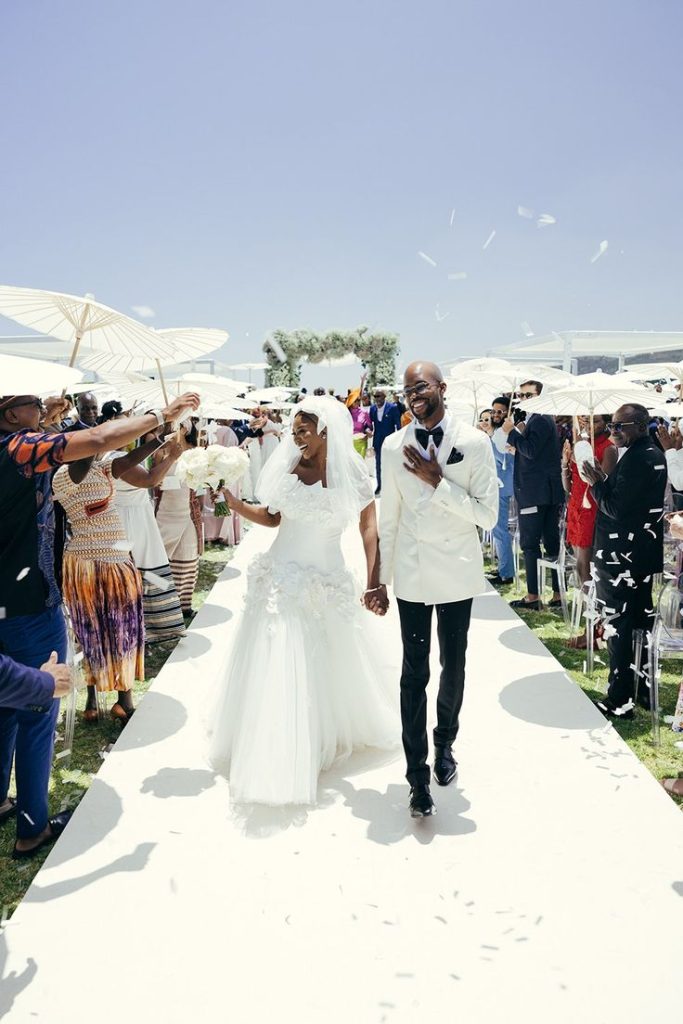
    Sometimes it’s walking hand in hand through your favourite people while they cheer. Sometimes it’s sneaking away quietly. Sometimes it’s one final dance before the lights come up.

    The final send-off

    You spend months thinking about how to arrive – but how you leave deserves equal attention.

    Your grand getaway is more than transport. It’s the final feeling your guests take home and your first moment stepping into married life together.

    Make it feel like an ending worth remembering.

    ALSO SEE: Ten creative ways to exit your wedding 

    Ten creative ways to exit your wedding

    Feature image: Pinterest