• Category

    Budget & Financial Planning

    Category

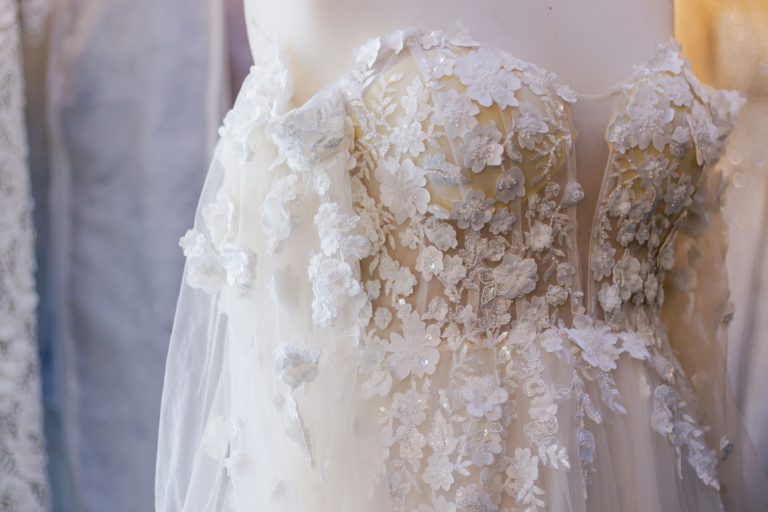
    Your wedding dress isn’t just another line item on your budget – it’s the emotional centrepiece of your entire wedding story. But in South Africa right now, brides are asking a very practical question alongside the emotional one: Do I buy it… or do I hire it?

    And the answer isn’t as simple as it used to be.

    With bridal fashion evolving, budgets shifting, and more flexible options available than ever before, the decision now sits somewhere between sentiment, strategy, and style.

    Here’s how to figure out what actually makes sense for you in 2026.

    What it really costs in South Africa right now

    Before you decide, you need clarity on pricing – because the gap between buying and hiring isn’t always as wide as people think.

    Recent South African bridal market insights show:

    • Buying a new wedding dress: ± R14,000 – R60,000+ depending on designer, fabric, and detail
    • Average boutique gowns: around R13,000 – R30,000
    • Pre-loved/sample dresses: from ± R6,500 – R15,000
    • Hiring a dress: typically around R14,000 – R22,000 (sometimes up to 75% of retail value)

    Here’s the truth most brides only realise later: hiring is not always the “cheap option” – it’s often just the “short-term option.”

    Buying your wedding dress: the emotional investment

    Buying a dress is about ownership – but also control.

    Why brides choose to buy:

    • Full freedom for custom alterations and fit
    • Ability to preserve it as a keepsake or heirloom
    • More styling options (especially for modern trends like detachable sleeves or second looks)
    • Ability to resell or rewear for future events

    In 2026, we’re also seeing a shift toward multi-use bridal gowns – dresses designed with removable elements so brides can transform their look from ceremony to reception without changing outfits entirely.

    The reality check:

    • Higher upfront cost
    • Alterations and cleaning add extra budget
    • Storage and preservation become your responsibility

    Buying makes sense when your dress is part of your identity – not just your outfit.

    Hiring your wedding dress: the practical luxury option

    Hiring has evolved a lot. It’s no longer “basic budget brides only” – it’s now a structured bridal service, often with designer gowns available.

    Why brides choose to hire:

    • Lower upfront commitment
    • Access to designer or luxury gowns at a fraction of retail price
    • No storage or preservation stress after the wedding
    • Cleaning often included

    But here’s what you need to know:

    • Alterations are usually limited
    • You’re restricted by availability and booking dates
    • Costs can still climb to 50–75% of retail price

    Hiring works best when you prioritise convenience over long-term ownership.

    The 2026 bridal shift: why this decision is changing

    Bridal fashion is no longer just about tradition it’s about identity.

    Across global and South African bridal trends, we’re seeing:

    • A rise in personalised, fashion-forward gowns
    • More brides choosing pre-loved and sustainable options
    • A move away from rigid “white only” tradition into soft tones and expressive silhouettes
    • Increased demand for versatile dresses that can transform during the day

    In other words: brides are no longer choosing between “buy or hire” in a vacuum they’re choosing how much permanence they want in a fashion moment that is increasingly expressive and fluid.

    So… how do you actually decide?

    Ask yourself these 4 questions:

    1. Do I want to keep my dress after the wedding?

    If yes → buying is your lane.

    1. Is my priority budget flexibility or long-term value?

    If short-term ease matters more → hiring works.

    1. Do I want full control over fit and design?

    If yes → buying wins by a mile.

    1. Will I regret not owning it?

    Be honest here – this is usually the deciding factor.

    Final thought

    There is no “correct” choice anymore only what aligns with your priorities, your budget, and the story you want your wedding to tell.

    Some brides want a dress they can keep forever. Others want a designer moment without long-term responsibility.

    Both are valid. What matters is choosing intentionally, not emotionally pressured or financially rushed.

    ALSO SEE: Transforming your mom’s wedding dress 

    Transforming your mom’s wedding dress

    Featured image: Rewan Ahmed / Pexels

    Wedding planning has come a long way from colour-coded binders and endless spreadsheets. While traditional planning methods still have their place, today’s couples are increasingly turning to digital tools to keep everything organised, connected, and accessible from anywhere. 

    From managing guest lists and RSVPs to tracking budgets, sharing inspiration, and communicating with vendors, the right app can make planning feel significantly less overwhelming. The key is knowing which tools are actually worth downloading. 

    Here are some of the wedding planning apps helping couples stay on top of every detail. 

    The Knot

    One of the most recognised names in the wedding industry, The Knot remains a favourite for couples looking for an all-in-one planning platform. The app combines planning checklists, budgeting tools, guest management, wedding websites, and vendor discovery in a single space. Recent updates have also introduced AI-powered recommendations to help couples find vendors and inspiration that align with their style and budget.  

    Best for: 

    • Vendor discovery 
    • Planning timelines 
    • Wedding websites 
    • Budget management 

    Zola

    For couples who prefer a clean, streamlined experience, Zola continues to be one of the most user-friendly wedding planning platforms available. The app combines guest list management, budgeting tools, wedding websites, registries, and vendor searches in one easy-to-navigate dashboard. Industry experts continue to rank it among the strongest all-in-one planning solutions available.  

    Best for: 

    • Wedding websites 
    • Registry management 
    • Guest lists 
    • Budget tracking 

    Joy

    Joy has become particularly popular among couples focused on guest experience. The platform offers digital invitations, RSVP tracking, personalised guest schedules, virtual guest books, and shared photo galleries where guests can upload images from the celebration. Its modern design and intuitive interface make it a standout option for couples who want their guests to stay informed and engaged throughout the wedding journey.  

    Best for: 

    • Guest communication 
    • Digital invitations 
    • Photo sharing 
    • Wedding websites 

    Wedding Wire

    When it comes to researching vendors, WeddingWire remains one of the most useful resources available. Couples can browse reviews, compare suppliers, explore venue options, and connect directly with wedding professionals through the platform. Many couples use WeddingWire alongside another planning app, using it primarily as a research and vendor discovery tool.  

    Best for: 

    • Vendor research 
    • Reviews and recommendations 
    • Venue discovery 
    • Wedding planning inspiration 

    Notion

    Not technically a wedding app, but increasingly popular among modern couples, Notion offers complete flexibility for those who want to customise every aspect of their planning process. From budget trackers and seating plans to vendor contracts and mood boards, it can be tailored to suit virtually any wedding style or planning approach. Wedding experts continue to recommend it for couples who want greater control over their planning system. 

    Best for: 

    • Custom planning systems 
    • Collaborative planning 
    • Budget tracking 
    • Document storage 

    Google Sheets

    Sometimes simplicity wins. Shared spreadsheets remain one of the most widely used wedding planning tools, particularly for managing budgets, guest lists, payment schedules, and vendor comparisons. Many couples combine Google Sheets with dedicated wedding apps for a planning system that balances flexibility with convenience. (Plan A Wedding) 

    Best for: 

    • Budget management 
    • Guest lists 
    • Vendor comparisons 
    • Collaborative planning 

    The rise of AI-powered wedding planning

    One of the biggest shifts in wedding planning right now is the growing use of artificial intelligence. Couples are increasingly using AI tools to organise budgets, build timelines, generate planning checklists, draft wedding website copy, and streamline communication with vendors. Industry research suggests that more than half of couples planning weddings have already incorporated AI into some part of their planning journey.  

    While technology can certainly save time, wedding professionals continue to emphasise that the most meaningful elements of a celebration – personal stories, emotional moments, and creative decision-making – still benefit from a human touch.  

    The bottom line

    No single app will magically plan your wedding for you. The best approach is finding a combination of tools that suits your planning style, whether that’s a comprehensive platform like The Knot or Zola, a guest-focused option like Joy, or a customised setup using Notion and Google Sheets. 

    ALSO SEE: 7 Wedding artists who turn weddings into works of art

    7 Wedding artists who turn weddings into works of art

    Featured image: thecactusena / Pexels

    Weddings are joyous, meaningful events, but they can also be resource-intensive. As couples increasingly seek to align their celebrations with their values, sustainable weddings are becoming not just a trend, but a deeply personal statement. In South Africa, where biodiversity, natural beauty, and community are central, the opportunity to craft an eco-friendly “I do” is rich.

    This guide will walk you through how to plan a zero-waste or low-impact wedding in SA (eco stationery, floral reuse, composting, local sourcing, etc.), introduce you to sustainable vendors and venues, and provide a green checklist to keep you on track.

    Why Go Green? The Case for Sustainable Weddings

    • Traditional weddings generate significant waste—single-use décor, imported flowers, excess food, printed materials, transport, etc.

    • A thoughtful, constrained approach can reduce carbon footprint, support local communities, and leave a positive legacy.

    • In South Africa, “small is the new big” is part of the sustainable shift: focusing on meaningful, intentional touches over sheer scale.

    • It’s also increasingly a differentiator: venues, vendors, and guests are more open (and enthusiastic) to sustainable practices.

    How to Plan a Zero-Waste (or Low-Waste) SA Wedding

    Here’s a roadmap, phase by phase, with strategies specific to South Africa.

    A. Early Planning: Foundations of Sustainability

    Define your green vision & priorities
    Decide which elements matter most—waste reduction, local sourcing, charity donations, zero single-use plastics—and communicate that to all vendors.

    Budget realistically for “green premium”
    Some eco options cost more (e.g. compostable tableware, artisanal stationery), but others—like reduced décor spending or digital invites—can save money.

    Select a venue with green practices
    Choose venues that are nature-friendly or have sustainable infrastructure (rainwater harvesting, solar, off-grid capacity). For instance, iconic estates like Boschendal operate as a working farm with regenerative practices. 
    Green venues in SA are rising—check lists like “Going Green – Top Green Venues in South Africa” for options.

    Group your guest list around location
    Reduce travel emissions by inviting people from a concentrated region or offering shared transport. Venues nearer to the bulk of guests help.

    B. Paper & Stationery: Eco Invitations & Communication

    • Go digital where possible: e-invites, wedding websites, digital save-the-dates. Many elevated digital platforms now mimic printed suites.

    • If you use paper, choose recycled, FSC-certified, or seed/plantable paper. South African suppliers may offer these—ask locally.

    • Use water-based or plant-derived inks, and design multifunctional cards (invite + RSVP + map) to reduce inserts.

    • Don’t overproduce: print minimal extra for keepsakes; rely on digital backups.

    C. Florals, Foliage & Reusables

    Work with sustainable florists
    In South Africa, florists like Hannah Whitehead / Artisan Events are vocal about sustainable floral design: local, seasonal blooms, biodegradable mechanics (not floral foam), and repurposing leftover blooms.

    Use indigenous, seasonal blooms
    Proteas, fynbos, local wildflowers, succulents, medicinal herbs—flowers that grow in SA in season will reduce transport and support local growers.

    Repurpose & reuse arrangements

    • Use potted plants (herbs, succulents, small trees): guests can take them home or you can replant/donate.

    • After the ceremony, transform altar arrangements to reception décor or donate to schools, hospitals, communities.

    • Choose containers that can be reused, rented, or returned—vases, jars, wooden crates, vintage vessels.

    • Avoid floral foam; use wire, reusable mechanics, or biodegradable alternatives.

    Consider dried, preserved or dried-green elements
    Grasses, seed pods, dried protea, preserved foliage, dried palm leaves—all make compelling, sustainable décor that can last as keepsakes.

    D. Catering & Food Waste Management

    Choose local, seasonal, ethically sourced menus
    Ask your caterer to use farms nearby, support small producers, and reduce dependence on imported goods. Brahman Hills, for example, embraces a farm-to-table philosophy.

    Offer plant-forward or vegetarian options
    Plant-based dishes generally have lower environmental impact. Even reducing meat portions or focusing on seasonal veggies helps.

    Portioning & just-in-time food
    Work with caterers to avoid huge excess. Use tasting menus, scaled portions, and final guest counts.

    Composting & waste separation

    • Partner with a waste management / composting service or ensure your venue can separate organics, recyclables, and general waste.

    • Compost leftover food and floral waste.

    • Encourage guests to take leftovers, where permitted.

    Avoid single-use packaging
    No plastic straws, single-use bottles, or polystyrene packaging. Use glass, reusable dispensers, or biodegradable options.

    E. Décor, Linens & Rentals

    • Rent, borrow, reuse décor elements (linens, lighting, props, furniture).

    • Use vintage, secondhand, or upcycled items: old frames, mirrors, signage.

    • Opt for biodegradable or compostable décor (e.g., natural fiber linens, jute, sisal).

    • Ask vendors: “What happens to this item after the wedding?” and require reuse where possible.

    F. Attire, Favours & Gifts

    • Consider rental, preloved or sustainable-design gowns/suits.

    • Bridesmaids & groomsmen: use multi-purpose outfits or pieces they can wear again.

    • Favours: eco-friendly gifts like seeds, beeswax wraps, plantable items, local artisan goods. Brahman Hills, for example, features this in its green weddings advice.

    • Gift registry: focus on sustainable or ethical homeware, or charitable registry options.

    South Africa Sustainable & Green Vendor Spotlight

    Here are real local examples you can explore or draw inspiration from. (Use these as leads; always vet details in your region.)

    Vendor / Venue Location / Notes What Makes Them Green / Sustainable
    Earthware South Africa (nationwide) They sell compostable tableware made from fallen palm leaves. Their products decompose in about 60 days.
    Boschendal Estate Western Cape A working farm and wine estate with regenerative farming, connecting weddings with nature and promoting sustainability.
    The Greenhouse Café Gauteng Eco-elegance venue that uses seasonal produce, natural materials, and integrates with natural surroundings.
    Garden Route / Artisan Events – Hannah Whitehead Garden Route region Known for writing about sustainable floral design and using local indigenous blooms.
    Green / “Going Green” Venues in SA Various (Wellington, Franschhoek, KZN, Pretoria) Examples include Babylonstoren (farm garden + organic produce), Kraak in Wellington, Wingrove Valley, Intundla (bush style with organic garden, worm farms), etc.
    Sustainable Decor & Event Suppliers Varies Many local decor/rental companies are beginning to introduce reusable, eco-friendly options per trends in SA wedding coverage.

    If you tell me your city or province (Cape Town, Johannesburg, Durban, etc.), I can help you find sustainable vendors close to you.

    Green Wedding Timeline & Checklist

    Stage Eco Action Items
    12+ months out Define sustainability goals; share with vendors; start sourcing reusable/rental décor; choose venue; map guest geography.
    9–6 months out Book eco vendors; finalize menu; choose floral strategy; secure rental décor; design eco stationery.
    4–3 months out Print minimal, order compostable tableware; confirm waste disposal/compost service; run floral trial for sustainable designs.
    1 month out Final guest count; coordinate waste streams; confirm delivery logistics; remind guests of green guidelines.
    Day-of & After Waste separation, composting, donation of decor/flowers; residual clean-up; send thank-you notes (e- or recycled).

    Quick Checklist Highlights:

    • Venue that supports green practices

    • Local, sustainable catering

    • Digital or eco stationery

    • Florals: local, reused, potted, composted

    • Rentals & reusables over new purchases

    • Waste separation & composting

    • Sustainable attire & favours

    Challenges & Tips: Making It Practical

    • Not everything needs to be zero: Even small sustainable choices (avoiding plastic, composting) make a difference.

    • Vendor education: Some vendors may be unfamiliar. Share your values, offer resources, and allow flexibility.

    • Budget trade-offs: Prioritize where eco impact is highest (food, décor, waste) and reduce elsewhere.

    • Backup plans: E.g., in case of rain, have compostable covers or indoor space in mind.

    • Communication with guests: Include a line in your invitations/website about your green goals (“We are aiming for zero waste—please support by …”).

    • Track & reflect: After the wedding, measure what worked/what didn’t, and share your eco story (helps future couples and vendors).

    Sample Green Wedding Story (Illustration)

    To illustrate, here’s how one South African couple made their wedding eco:

    • Venue: Boschendal estate (farm & regenerative site)

    • Stationery: Digital invite + seed paper menu cards

    • Florals: Local proteas, fynbos, repurposed ceremony arrangement moved to reception

    • Décor: Rented wooden crates, vintage bottles, reused signage

    • Catering: Seasonal, locally sourced menu, composting of food waste

    • Tableware: Earthware palm-leaf compostables

    • Favours: Beeswax wraps, potted succulents

    • Waste: On-site separation + composting service

    The result? A beautiful, meaningful celebration with minimal waste and a strong sustainability narrative.

    Closing Thoughts & Call to Action

    An eco, green, sustainable wedding is more than a checklist—it’s a reflection of your values, your respect for place, and your love extended into action. In South Africa, you have a rich palette of indigenous beauty, local craftsmanship, and communities ready to co-create a wedding that’s deeply personal and planet-positive.

    Featured Image: Canva

    When planning your wedding in South Africa, one of the key decisions is whether to buy or hire suits for the groom and groomsmen. Both options have their advantages and costs, and the best choice depends on your budget, style preferences, and how often you anticipate wearing the suit again.

    Buying a Tailored Suit

    Pros:

    • Custom fit tailored to your measurements.

    • Personalized fabric and style choices.

    • Long-term investment for future events.

    Cons:

    • Higher upfront cost.

    • May require additional alterations.

    Cost:

    • A 2-piece suit from a reputable tailor like Kale & Co Bespoke starts at R15,500, excluding VAT.

    • Tailored suits from brands such as The Tux Tailor and Tip Top Tailor are available from R5,500 to R6,000.

    Hiring a Suit

    Pros:

    • Lower upfront cost.

    • No need for storage or maintenance.

    • Ideal for one-time events.

    Cons:

    • Limited customization options.

    • May not fit as perfectly as a tailored suit.

    Cost:

    • Suit hire prices range from R550 to R1,590, depending on the package and accessories included.

    Cost Comparison

    Option Starting Price (ZAR) Customization Ideal For
    Buying R5,500 – R18,500 High Frequent wear
    Hiring R550 – R1,590 Low One-time events

    Which Option is Right for You?

    • Buy a suit if you plan to attend multiple formal events or want a personalized fit and style.

    • Hire a suit if you’re looking for a cost-effective solution for a single event without the need for long-term storage.

    Local Suit Hire and Tailoring Options

    • Mr Suit Hire: Offers a range of suits for hire starting from R550.

    • The Dress Suit: Provides complete outfit hire packages, including suit, shirt, waistcoat, cravat, hanky, and cuff links for R1,590.

    • Kale & Co Bespoke: Specializes in high-end tailored suits starting from R15,500.

    • The Tux Tailor: Offers tailored suits from R5,500.

    Choosing between buying and hiring a suit depends on your personal preferences, budget, and how often you anticipate wearing the suit again. Consider the long-term value of owning a tailored suit versus the immediate cost savings of hiring. Whichever option you choose, ensure it aligns with your wedding vision and personal style.

    Featured Image: Canva

    Embrace the “Quiet Luxury” Aesthetic

    Quiet luxury is all about refined elegance, not showy branding or over-the-top details. Think neutral palettes (ivory, cream, blush), simple yet elegant invites, monogrammed napkins, and professional yet understated music. It’s a sophisticated vibe you can recreate with thoughtful details, not mega budgets.

    Let the Venue Do the Heavy Lifting

    Instead of renting castles or private estates, opt for a naturally stunning venue, botanical gardens, historic homes, or scenic wine country spots. These backdrops come camera-ready, reducing decoration needs dramatically.

    Time It Smartly

    Booking your wedding midweek (Thursday or Sunday) or during off-seasons (like winter) can save you 20–40% on venue, vendor, and catering costs.

    Channel Celebrity Trends on a Budget

    From GroomsDay’s roundup of celeb-inspired elements:

    • Bridal scarves/capes – vintage lace or thrifted styles

    • Colorful reception outfit – rent or find on consignment

    • DIY photobooth – rent a selfie mirror or create props with friends

    • Pampas grass and mismatched rugs aisle – great for boho flair without high cost

    Decor That Feels Luxe, but Is Cost-Conscious

    • Use designer rentals: mirrors, vases, or stands to elevate every table

    • Leverage candlelight and minimalistic floral runners, big impact, small price

    • Swap heavy floral centerpieces for sustainable greenery like potted plants, do double duty as décor and keepsakes

    Prioritize and Pare Down

    • Make a list of essentials vs. nice-to-haves vs. skip-it items to direct your spending wisely

    • Keep your guest list tight, micro or intimate weddings not only cut costs but feel far more curated

    Fashion That Looks Luxe (for Less)

    • Consider sample sales, pre-owned gowns (on platforms like Still White), or dress rentals

    • Let bridesmaids select their own dresses within a defined palette, or opt for renting to reduce excess cost

    Food, Drinks & Catering Smart Moves

    • Choose brunch, food trucks, or a buffet over plated dinners to cut expenses

    • If allowed, bring your own alcohol or serve only select options like wine and signature cocktails

    • Consider family-style service (think celebrity Lea Michele) to keep it communal yet cost-effective.

    Capture the Day Without Overspending

    • Hire a talented emerging photographer for just a few key hours.

    • Encourage guests to share their photos using a wedding hashtag for candid coverage at no extra cost.

    Add Luxe Touches That Don’t Break the Bank

    • Incorporate simple but upscale gestures: a welcome drink station, printed timelines, scented towels, or personalized nameplates, they feel elevated but cost very little.

    • Reduce duration: A well-planned two-day affair can deliver romance and depth without the expense of a multi-day extravaganza

    Quick Comparison: Celeb Style vs. Budget Reality

    Element High-Cost Celebrity Version Budget-Friendly “Quiet Luxury” Version
    Venue Private island or estate Botanical garden, historic home, wine venue
    Decor 5 truckloads of florals, designer pieces Minimal florals, rented mirrors, candlelight
    Guest List Large, expansive Micro or intimate gathering
    Fashion Designer gown, bridesmaids outfitted Sample sale, rental, mix-and-match dresses
    Catering Full plated service, bar, lavish cuisine Buffet/food truck, BYOB, family-style
    Photography Full-day with lead pros Short coverage, photobooth, guest sharing
    Added Luxe Touches Fireworks, choreographed entertainment Signature drinks, playlists, name targets

    You can have a wedding that feels like it belongs on the red carpet without spending millions. The magic comes from thoughtful styling, clever choices, and curating a memorable experience that reflects you. Your photos will look effortlessly elegant, your guests will feel cherished, and your story will shine far beyond the spending.

    Featured Image: Canva

    Planning a wedding is an exciting journey, but it can also be overwhelming. One of the first decisions you’ll face is whether to plan your wedding yourself or hire a professional wedding planner. Each approach has its advantages and challenges. This guide will help you weigh the pros and cons, provide insights into effective wedding planning, and offer a basic budget plan to get you started.

    Pros and Cons: DIY Wedding Planning vs. Hiring a Wedding Planner

    DIY Wedding Planning

    Sourced: Pixels

    Pros:

    • Cost Savings: Planning your own wedding can save you money, as you won’t need to pay for a wedding planner’s services.

    • Creative Control: You have the freedom to personalize every detail, from the theme to the decor, ensuring the wedding reflects your unique style.

    • Hands-On Experience: Managing the planning process allows you to learn and grow as a couple, strengthening your teamwork skills.

    Cons:

    • Time-Consuming: Wedding planning requires a significant time investment, which can be challenging if you have a busy schedule.

    • Stress and Pressure: Handling all the details can be stressful, especially as the wedding day approaches.

    • Limited Expertise: Without professional experience, you might overlook important details or face challenges in vendor negotiations.

    Hiring a Wedding Planner

    Sourced: Pixels

    Pros:

    • Expert Guidance: Wedding planners bring professional experience, helping you navigate the complexities of wedding planning.

    • Vendor Connections: Planners often have established relationships with vendors, potentially securing better deals and reliable services.

    • Stress Reduction: With a planner handling logistics, you can focus on enjoying your engagement and the lead-up to your big day.

    Cons:

    • Additional Cost: Hiring a planner is an added expense, which might strain your budget.

    • Less Personal Control: You may have to compromise on certain aspects to align with the planner’s suggestions or availability.

    Wedding Planning Insights and Tips

    • Start Early: Begin planning at least 12 months in advance to ensure ample time for decision-making and coordination.

    • Set a Realistic Budget: Determine how much you’re willing to spend and allocate funds to different categories accordingly.

    • Choose an Off-Peak Date: Selecting a wedding date during off-peak seasons or weekdays can lead to cost savings. (The Budget Savvy Bride)

    • Limit the Guest List: Reducing the number of guests can significantly decrease costs for catering, seating, and favors.

    • DIY Decor: Consider creating your own decorations or opting for minimalistic designs to save money.

    Basic Wedding Budget Breakdown

    Here’s a general guide to how you might allocate your wedding budget:

    Category Percentage of Total Budget
    Venue 40%
    Catering 20%
    Attire (Bride & Groom) 10%
    Photography/Videography 10%
    Entertainment 5%
    Flowers & Decor 5%
    Stationery 3%
    Miscellaneous 7%

    Note: These percentages are approximate and can be adjusted based on your priorities and preferences.

    Deciding between planning your own wedding and hiring a wedding planner depends on your budget, time, and desire for control. If you have the time and enjoy organizing, a DIY approach can be rewarding. However, if you prefer to reduce stress and benefit from professional expertise, hiring a planner might be the best choice.

    Featured Image: Pixels