• Tag

    wedding finances

    Browsing

    For years, weddings came with an unspoken assumption: someone else would help pay. Parents would contribute. Family would step in. There’d be a generous envelope somewhere in the mix. But for many modern couples, that’s no longer the reality.

    More couples are self-funding their celebrations entirely, navigating rising living costs, saving for homes, paying off debt, or simply choosing financial independence over family contributions. And while social media still serves up destination weekends and floral installations the size of small houses, the truth is this: a meaningful wedding doesn’t require someone else’s bank account.

    It requires intention. Here’s how to build a wedding budget that works in real life – without sacrificing the experience.

    Start with your actual number – not your Pinterest number

    Before opening a single venue tab, decide what you can comfortably spend. Not what you could stretch to. Not what you hope relatives might offer. Not what couples online claim they spent (while forgetting to mention the free venue and gifted photography).

    Wedding planning communities increasingly recommend setting a budget based only on money that already exists or can realistically be saved before the date. Any outside contribution becomes a bonus, not part of the plan.

    One simple framework:

    • Current savings allocated to the wedding
    • Monthly amount you can realistically save
    • Timeline until the wedding date
    • Emergency buffer (non-negotiable)

    That total becomes your wedding budget – everything else adjusts around it.

    Build your budget backwards

    Most couples budget forwards (“Let’s see what things cost”). Instead, budget backwards.

    Example: Wedding budget: R120,000

    Allocate:

    • Venue + catering: 40–50%
    • Photography + video: 10–15%
    • Fashion + beauty: 10%
    • Décor + florals: 10%
    • Entertainment: 5–10%
    • Stationery + extras: 5%
    • Contingency fund: 10%

    The contingency category matters more than people expect. Wedding forums repeatedly show couples being caught by delivery fees, service charges, upgrades and last-minute additions rather than their original bookings.

    Pick your three “worth-it” categories

    This is where couples save thousands, choose the three things that matter most.

    Maybe:

    • Incredible photography
    • Exceptional food
    • Fashion moments

    Or:

    • Live music
    • A dream venue
    • Guest experience

    Everything outside those priorities gets simplified. The fastest way to overspend is trying to make every category your “must-have”. Wedding budgeting experts consistently point to priorities – not hacks – as the biggest money saver.

    Guest count is your biggest budget lever

    This one isn’t glamorous, but it’s true. Every extra guest affects:

    • catering
    • seating
    • rentals
    • stationery
    • drinks
    • venue size
    • staffing

    A smaller guest list doesn’t automatically mean less celebration – it often creates more room for the things couples actually care about. Even online wedding communities repeatedly point to guest count as the single biggest cost driver.

    Stop treating “wedding” as a venue category

    Traditional venues are beautiful, but they’re not the only option.

    Restaurants, boutique spaces, gardens, family properties, rooftop venues and weekday celebrations continue to gain traction because they remove layers of logistical costs.

    Ask: Would this space still feel right if nobody called it a wedding venue? If yes, it’s worth considering.

    DIY selectively (not emotionally)

    DIY is often marketed as the budget solution. Reality? Time has value too.

    Skip DIY for:

    • Anything requiring technical skill
    • Anything time-sensitive
    • Anything that creates stress

    Consider DIY for:

    • Signage
    • Welcome tables
    • Favours
    • Guest books
    • Smaller décor moments

    The goal isn’t doing everything yourself; it’s doing the things that actually add meaning.

    Don’t finance a single day at the expense of your next chapter

    This may be the least romantic advice in the article – and possibly the most important. A wedding is one day. Your financial life together continues the next morning.

    There’s growing conversation among couples around creating celebrations that feel aligned with their future goals instead of borrowing against them.

    If choosing fewer guests, simpler flowers or a shorter reception protects your future plans, that isn’t settling. That’s building a marriage with the same care you planned the wedding.

    The bottom line

    Not having a “Bank of Mom and Dad” budget doesn’t mean settling for less. It means creating a celebration that reflects your reality – and your priorities.

    Because the weddings people remember most rarely come down to imported flowers or custom dance floors.

    They remember the energy, the people, the food, the moments and how it all felt. And none of those things require someone else paying the bill.

    ALSO SEE: DIY floral seating chart 

    DIY floral seating chart

    Featured image: Angel Ayala / Pexels
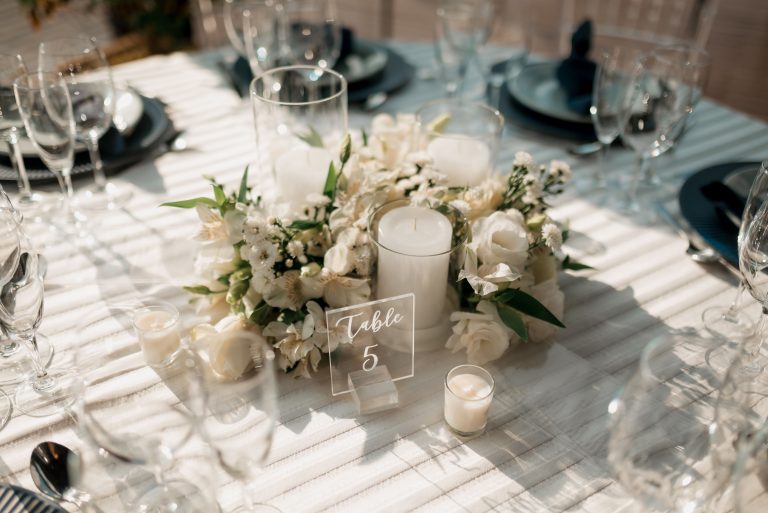
    When planning a wedding, it’s often the little details that bring the entire celebration together – and your table décor plays a huge role in creating the atmosphere. But with rising wedding costs, couples are becoming more intentional about where they spend their budget, proving that you don’t need extravagant floral arrangements to create a stunning reception.

    The latest wedding décor trends are moving towards thoughtful, personal and sustainable choices. Instead of oversized centrepieces that compete for attention, couples are choosing designs that feel romantic, effortless and meaningful.

    Whether you’re planning a garden wedding, an elegant ballroom celebration or an intimate dinner, these affordable wedding centrepiece ideas will help you create beautiful tables without compromising on style.

     Let candles do the talking

    There’s a reason candlelit receptions continue to be a wedding favourite – they instantly create warmth, romance and a luxury feel.

    A collection of taper candles, tea lights or glass candle holders can transform a table without the price tag of elaborate floral installations. Mix different heights and styles for a layered look that feels intentional.

    For a modern aesthetic, pair candles with simple greenery or neutral-toned flowers. For a more romantic look, add soft linen textures and warm lighting.

    Budget tip: Buy candles in bulk and use reusable holders that can double as décor throughout your home after the wedding.

    Choose greenery over expensive blooms

    Florals are often one of the biggest décor expenses, but greenery can create just as much impact.

    Popular wedding styles are embracing organic, nature-inspired designs with foliage such as eucalyptus, olive branches, ferns and seasonal greenery. These arrangements feel fresh, elegant and timeless.

    A simple greenery runner down the centre of a table paired with candles can create a beautiful tablescape without needing dozens of flowers.

    Use seasonal flowers

    Working with seasonal flowers is one of the easiest ways to keep floral costs manageable.

    Flowers that are naturally available during your wedding season are usually more affordable and easier for florists to source. They also tend to complement the overall feeling of the season – think soft blooms for spring, rich textures for winter and bright arrangements for summer celebrations.

    Ask your florist which locally grown flowers are available around your wedding date. A talented florist can create something stunning within your budget.

    Repurpose your ceremony flowers

    One of the smartest ways to maximise your décor budget is making your flowers work harder.

    Ceremony arrangements, welcome signage flowers and aisle décor can often be moved into your reception space after the ceremony. This gives your guests the feeling of a fully styled venue while allowing you to get more value from the same pieces.

    Speak to your planner or venue beforehand so there is a clear plan for moving arrangements safely.

    Add personal touches instead of expensive extras

    Some of the most memorable centrepieces are not the most expensive – they are the ones that tell your story.

    Consider adding:

    • Polaroid photos of your relationship
    • Handwritten table notes
    • Mini menu cards
    • Family heirloom pieces
    • Personalised name cards
    • Small favours incorporated into the table setting

    These details create a more intimate experience for guests and make the décor feel uniquely yours.

    Embrace minimalist centrepieces

    Minimalist wedding décor has become increasingly popular, with couples choosing clean tablescapes that feel modern and sophisticated.

    A single statement vase, a few carefully chosen flowers, and beautiful table linen can often create more impact than a crowded table.

    The key is focusing on quality over quantity – one intentional detail can stand out more than many competing elements.

    Think beyond traditional flowers

    Centrepieces don’t have to be floral arrangements.

    Creative alternatives include:

    • Fruit-filled bowls for Mediterranean-inspired weddings
    • Books and candles for romantic vintage themes
    • Glassware with floating candles
    • Potted herbs or plants
    • Dried flowers and pampas-inspired textures
    • Seasonal décor elements

    These options can add personality while keeping costs realistic.


    View this post on Instagram


    A post shared by SA Weddings (@saweddings)

    Hire, borrow or DIY where it makes sense

    Not every décor item needs to be purchased.

    Many couples are choosing décor hire services for items like:

    • Candle holders
    • Vases
    • Chargers
    • Table numbers
    • Decorative stands

    This reduces waste and avoids spending money on items you may never use again.

    For crafty couples, simple DIY touches like painted table numbers or personalised signage can add charm without a large budget.

    Final thoughts

    A beautiful wedding table doesn’t come down to how much you spend – it comes down to how thoughtfully each element is chosen.

    The most memorable centrepieces are the ones that reflect your wedding style, your story and the atmosphere you want your guests to experience. With the right combination of candles, greenery, seasonal details and personal touches, you can create a reception space that feels elegant, romantic and completely you –

    without overspending.

    ALSO SEE: Budget-friendly wedding favours you can DIY 

    Budget-friendly wedding favours you can DIY

    Featured image: Jonathan Borba / Pexels

    You’ve found the venue, booked the photographer, chosen the dress, and created what feels like a solid wedding budget. Then the invoices start rolling in. 

    For many couples, it’s not the big-ticket items that derail their budget – it’s the smaller expenses hidden between the lines of contracts, forgotten until the last minute, or simply never discussed during the planning process. Industry experts consistently note that these overlooked costs can add thousands to a wedding budget if they’re not accounted for early. 

    The good news? A little awareness goes a long way. 

    Here are the hidden wedding costs couples most commonly forget to budget for – and how to avoid nasty surprises. 

    Alterations and tailoring

    Many brides budget for their dress but forget that the final fit often comes at an additional cost. 

    Whether it’s hemming a gown, adding sleeves, adjusting straps, or creating a bustle, alterations are rarely included in the purchase price. The same applies to suits and tuxedos, which often require tailoring to achieve the perfect fit. 

    Budget tip: Set aside around 10–15% of your attire budget specifically for alterations and last-minute adjustments.

    Hair and makeup trials

    Your wedding day glam isn’t usually the only beauty appointment you’ll pay for. 

    Most professional hair and makeup artists recommend a trial before the wedding, allowing you to test your look and make any changes ahead of the big day. These sessions are often charged separately from the wedding-day service. 

    Budget tip: Ask upfront whether trials are included in your quoted package.

    Vendor meals

    Photographers, videographers, coordinators, DJs, and musicians often spend the entire day working your wedding. Many contracts require that you provide a meal for vendors who are on-site during reception hours. 

    With multiple vendors present, this can quickly become a significant expense that many couples overlook. 

    Budget tip: Include vendor meals in your final catering numbers from the beginning.

    Delivery, setup and breakdown fees

    The floral quote might look reasonable – until delivery and installation are added. 

    The same goes for furniture rentals, décor items, signage, lighting installations, and catering equipment. Many suppliers charge separately for transportation, setup, collection, and post-event breakdown services. 

    Budget tip: Always ask vendors for an all-inclusive quote before signing a contract.

    Overtime charges

    Weddings rarely run exactly according to schedule. 

    A delayed ceremony, extended speeches, or an energetic dance floor can mean your photographer, DJ, venue staff, or coordinator are required to stay longer than originally contracted. Overtime fees can accumulate surprisingly quickly. 

    Budget tip: Build a small contingency fund into your budget for timeline-related extensions.

    Corkage and cake-cutting fees

    Bringing your own wine may seem like a money-saving move, but some venues charge corkage fees for every bottle served. 

    Similarly, venues may charge an additional fee to cut and plate a wedding cake that wasn’t supplied by their in-house catering team. These charges often appear deep within venue contracts and can easily be missed. 

    Budget tip: Review venue policies carefully before finalising food and beverage plans.

    Invitations, postage and stationery extras

    Couples often remember to budget for invitations but overlook everything that comes with them. 

    Save-the-dates, RSVP cards, envelopes, wax seals, welcome signs, seating charts, menus, table numbers, thank-you cards, and postage costs can add up faster than expected. Wedding planning communities consistently rank stationery-related expenses among the most commonly forgotten budget items. 

    Budget tip: Create a separate stationery category rather than lumping everything into one line item.

    Marriage licence and legal paperwork

    It may not be the most glamorous part of wedding planning, but making your marriage legal often comes with fees. 

    Depending on your location, costs can include marriage licences, registration fees, officiant expenses, and certified copies of your marriage certificate. 

    Budget tip: Research local requirements early to avoid last-minute expenses.

    Transportation and accommodation extras

    Many couples remember their getaway vehicle but forget about transport for the bridal party, family members, or guests staying off-site. 

    Parking fees, shuttle services, late-night transport, and accommodation for out-of-town family can all impact the final budget. 

    Budget tip: Map out everyone’s movements on the day to identify potential transport costs before they arise. 

    Gratuities and service charges

    One of the biggest budget surprises often comes at the end. 

    Service charges, staff fees, and gratuities may not be included in the initial quote from caterers, venues, beauty professionals, or entertainment vendors. Couples frequently underestimate just how much these additional charges can add to the final bill. 

    Budget tip: Check contracts carefully and clarify whether gratuities are included before signing.

    The ultimate hidden cost: forgetting the buffer

    Perhaps the most overlooked line item of all is the emergency fund. 

    Wedding experts generally recommend setting aside an additional 10–15% of your total budget to cover unexpected expenses, last-minute upgrades, or costs that inevitably appear during the planning process. 

    Because no matter how organised you are, there will almost always be something you didn’t see coming. 

    A realistic wedding budget isn’t just about planning for what you know you’ll spend – it’s about preparing for what you haven’t thought of yet. And when those unexpected costs do pop up, you’ll be glad you left yourself a little breathing room. 

    ALSO SEE: Important questions to ask your wedding vendors 

    Important questions to ask your wedding vendors

    Featured image: Mikhail Nilov / Pexels 

    The first year of marriage is always marital bliss, especially when you have heaps of debt behind your name. While there’s nothing wrong with dreaming up the perfect wedding – bells and whistles included – walking down the aisle doesn’t have to mean walking straight into wedding debt.

    Overspending on your wedding day may just cancel out the marital bliss everyone enthusiastically talks about. According to a 2019 study by LendingTree concluded that 45% of newlyweds between the ages of 18 and 53 went into debt to pay for the wedding. And with many South African couples paying between R80 000 – R120 000, as per Standard Bank, it’s no surprise why.

    While getting married can be an expensive business, sometimes it helps to stop and think before making a big purchase on Kim Kardashian-esque flower wall.

    Trade debt for memories 

    Sometimes it’s easy to get caught up in the tasks and balance sheets of planning a wedding, but it’s important to remember why everyone is really attending your wedding – love. The food, DJ, wedding photographer, and signature drink are just the cherry on top of your love and commitment cake, and it’s important to keep this at the centre of your planning.

    Get on the same page

    According to the same 2019 study, nearly 76% of newlyweds who reported they went into debt also stated they argued over wedding-related expenses. The remedy? Bridal couples need to get on the same page when determining what they’re spending their hard-earned cash on. Creating a wedding budget and discussing expense details are two ways for avid debt collectors. If you’re looking to splurge on an open bar, make sure you’re both comfortable with how long it will be “open,” what liquor will be available, and what the total will come to.

    Stick to your boundaries

    We’ve all heard the phrase: “keeping up with the Joneses,” but sometimes it’s okay to watch them cruise on by. Planning a wedding can feel overwhelming which can easily lead to bridal couples listening to the opinions of others. A great way to avoid being swayed by friends and family members and what they’d like to see at your wedding is by writing down a list of wedding priorities that are important to you and your partner. Consider what is “worth-it” and what is “non-negotiable,” this will provide you with a better foundation with which to smile and say “no, thank you.”

    ALSO SEE: 5 Breathtaking allergy-friendly florals to add to your wedding!

    5 Breathtaking allergy-friendly florals to add to your wedding!

    Feature Image: Pinterest


    Every bride and groom attempts to make their wedding day as dreamy as possible. Unfortunately, going all out by having the biggest cake and wedding venue can sometimes feel as though it’s costing you an arm and a leg.

    If you’re looking to save money but don’t know where to cut costs, here are a few genius ideas:

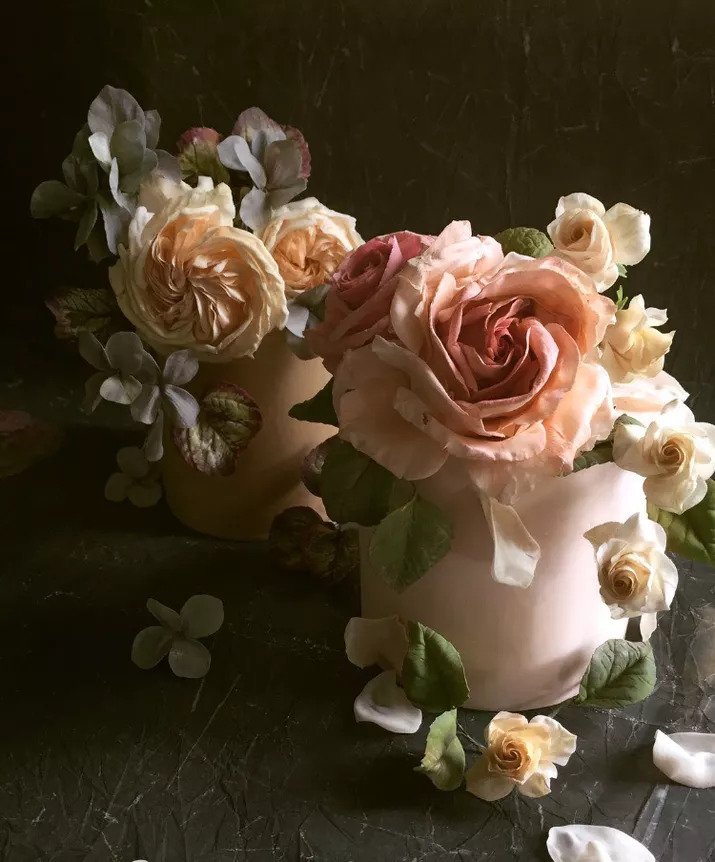
    One-tiered wedding cakes are the way to go

    Picture: Maggie Austin Cakes

    When it comes to cake, bigger isn’t always better. More and more couples are ditching the extravagant three-tiered wedding cakes for something simpler. One-tiered desserts can be just as breathing-taking as their bigger counterparts and a smaller display can always be made a bit more eye-catching with a dessert bar.

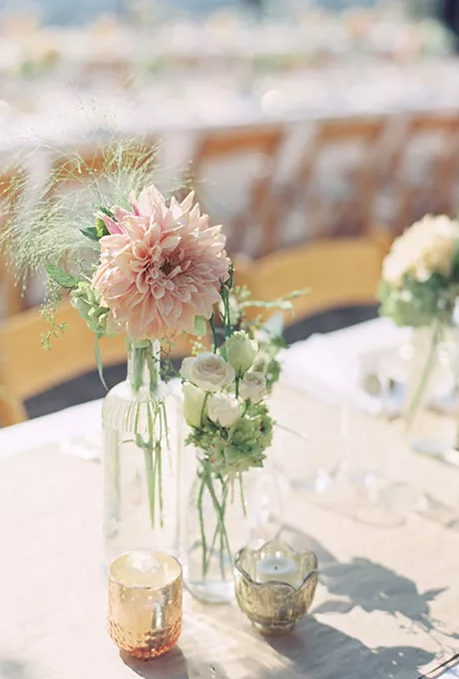
    Who needs a centrepiece?

    Picture: Michelle Boyd Photography

    No really… who does? Ditch the massive centrepieces and opt for something more demure… budget-friendly bud holders. Make it extra special by choosing a flower that has a special meaning; perhaps the romantic rose or beautiful tulip? No matter which flowers you choose to display, slim bud holders will make this a lot more affordable.

    Get fruity…

    Picture: Pinterest

    If bud holders are just too simple for you, go all out by taking the organic approach. Grab lemons, apples, oranges, or your favourite fruit, and sprinkle them with flower petals. Take things up a notch by adding gold fruit!

    Opt for an elegant buffet

    Picture: Pinterest

    We’ve never heard anyone complain when presented with a delicious and abundant buffet. Opting for a wedding buffet to keep your guests satisfied could help you save money in the long run, including staffing costs.

    Take a chance on photography talent

    Picture: Pinterest

    It’s no secret that wedding photographers can be quite pricey, especially those that have established themselves. A great way to save on costs is to seek out a photographer that’s talented but trying to make a name for themselves. Who knows? You may have the next Annie Leibovitz photographing your wedding.

    Invest in a wedding website

    Picture: Pinterest

    This is a cute and paperless way to let guests know they’re invited to your upcoming nuptials! It’s also a great way to save money with a wedding website costing R1000 – depending on who you choose to create your website. Provide guests with all relevant information in one place, including, wedding details, rehearsal details and RSVP options.

    No need for top-shelf liquor 

    While there’s nothing with wanting to serve your guests the best liquor out there, sometimes it helps to cut down on costs by cutting down on brand names. Do your guests really need Johnnie Walker Gold.

    Feature Image: Jana Williams Photography