
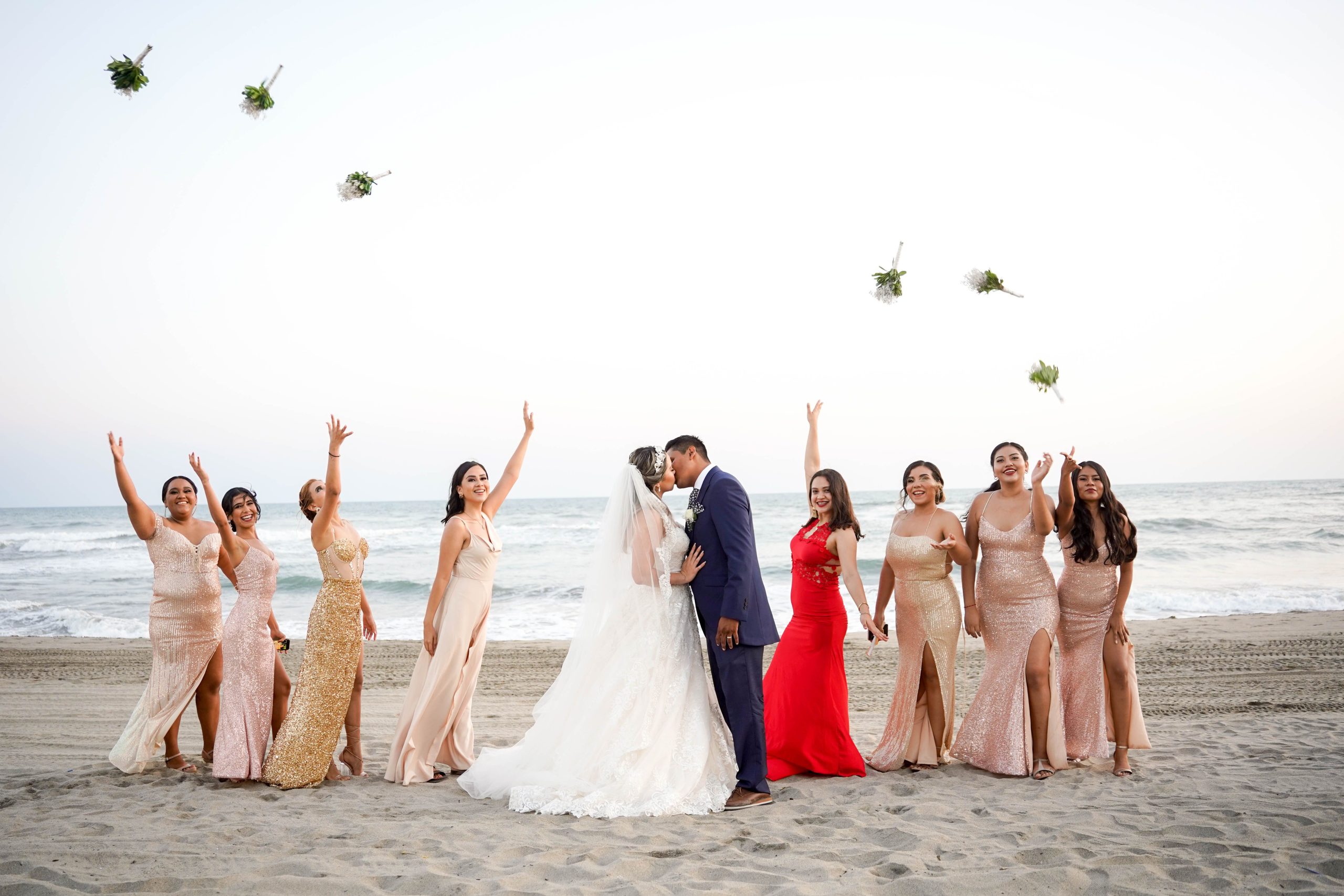
For decades, wedding parties followed a familiar formula: bridesmaids stood beside the bride, groomsmen stood beside the groom, everyone wore matching outfits, and the numbers on each side were perfectly balanced.
Today, that picture looks very different.
Modern couples are increasingly choosing wedding parties that reflect their real relationships rather than tradition. From mixed-gender bridal parties and uneven numbers to “bridesmen”, “groomswomen” and even no bridal party at all, wedding celebrations are becoming more personal, inclusive and authentic than ever before. Industry experts note that couples are placing greater emphasis on meaningful connections and less on following outdated wedding rules.
Why couples are moving away from tradition
At the heart of the trend is a simple idea: people want the people they love most standing beside them, regardless of gender, titles or expectations.
As weddings become more personalised, couples are questioning long-standing traditions that no longer fit their lives. Rather than choosing attendants based on convention, they’re choosing them based on genuine support, friendship and family bonds. This shift has contributed to the growing popularity of mixed-gender wedding parties and alternative attendant roles.
For many couples, it also removes unnecessary pressure. The expectation of matching numbers, identical outfits and rigid bridal party duties can feel restrictive in an era where individuality is celebrated.
Bridesmen, groomswomen and mixed-gender wedding parties
One of the most visible changes is the rise of mixed-gender wedding parties.
It’s becoming increasingly common to see a bride’s brother serving as her “Man of Honour” or a groom’s sister standing beside him as his “Best Woman”. Couples are choosing the people who matter most to them instead of assigning roles based on gender.
The result often feels more genuine and representative of modern friendships and family dynamics.
Styling these wedding parties has also evolved. Rather than forcing everyone into matching attire, many couples are creating cohesive looks through colour palettes, fabrics or accessories while allowing each person to wear something that suits their personality and comfort level.
The decline of perfectly matching bridal parties
The era of identical bridesmaid dresses and uniform groomsmen attire is steadily fading.
Wedding planners report that couples are gravitating towards a more editorial, fashion-forward aesthetic that allows attendants to express their individual style. Instead of everyone wearing the same outfit, bridal parties are often dressed in complementary colours, varying silhouettes or coordinated textures.
The trend not only creates more visually interesting wedding photos but also helps attendants feel comfortable and confident throughout the day.
Smaller bridal parties are becoming the norm
Another major shift is the move towards smaller wedding parties.
According to recent wedding industry reporting, bridal parties have become noticeably smaller as couples seek to reduce costs, simplify logistics and focus on their closest relationships. Wedding professionals say today’s couples are less concerned with large entourages and more interested in creating meaningful experiences.
Smaller bridal parties can also ease the financial burden often associated with being a bridesmaid or groomsman, from attire and travel costs to pre-wedding celebrations.
The rise of the “no bridal party” wedding
Perhaps the boldest departure from tradition is the growing number of couples who are skipping the bridal party entirely.
Wedding planners have identified the “no wedding party” approach as one of the most significant wedding trends in recent years. Rather than having attendants stand beside them during the ceremony, couples are inviting their closest friends and family to participate in other meaningful ways throughout the celebration.
Friends may still join the couple while getting ready, participate in speeches, witness the marriage licence or feature in special photographs, but without the formal titles and responsibilities traditionally associated with bridesmaids and groomsmen.
For some couples, this approach creates a more intimate atmosphere while eliminating the stress of choosing who makes the cut.
What this trend says about modern weddings
The rise of non-traditional bridal parties reflects a broader shift happening across the wedding industry.
Couples are increasingly prioritising authenticity over obligation. Whether that means having a bridesman, a groomswoman, mismatched attire, uneven numbers or no bridal party at all, today’s weddings are less about following a prescribed formula and more about telling a personal story.
Ultimately, the most memorable weddings aren’t defined by tradition. They’re defined by the people who stand beside you – whatever title they happen to have.
WeddingETC’s take
If there’s one wedding trend that’s here to stay, it’s personalisation. Non-traditional bridal parties allow couples to celebrate the relationships that have genuinely shaped their lives, rather than squeezing those relationships into outdated categories.
Whether you’re planning a mixed-gender wedding party, choosing a single best friend to stand beside you or skipping attendants altogether, the modern approach is refreshingly simple: make the day feel like yours.
ALSO SEE: Standing by Her Side: The Role of the Maid of Honor & Bridesmaids
Standing by Her Side: The Role of the Maid of Honor & Bridesmaids
Featured image: Francisco Sanchez / Pexels

Comments are closed.