• Tag

    wedding advice

    Browsing

    For decades, wedding parties followed a familiar formula: bridesmaids stood beside the bride, groomsmen stood beside the groom, everyone wore matching outfits, and the numbers on each side were perfectly balanced.

    Today, that picture looks very different.

    Modern couples are increasingly choosing wedding parties that reflect their real relationships rather than tradition. From mixed-gender bridal parties and uneven numbers to “bridesmen”, “groomswomen” and even no bridal party at all, wedding celebrations are becoming more personal, inclusive and authentic than ever before. Industry experts note that couples are placing greater emphasis on meaningful connections and less on following outdated wedding rules.

    Why couples are moving away from tradition

    At the heart of the trend is a simple idea: people want the people they love most standing beside them, regardless of gender, titles or expectations.

    As weddings become more personalised, couples are questioning long-standing traditions that no longer fit their lives. Rather than choosing attendants based on convention, they’re choosing them based on genuine support, friendship and family bonds. This shift has contributed to the growing popularity of mixed-gender wedding parties and alternative attendant roles.

    For many couples, it also removes unnecessary pressure. The expectation of matching numbers, identical outfits and rigid bridal party duties can feel restrictive in an era where individuality is celebrated.

    Bridesmen, groomswomen and mixed-gender wedding parties

    One of the most visible changes is the rise of mixed-gender wedding parties.

    It’s becoming increasingly common to see a bride’s brother serving as her “Man of Honour” or a groom’s sister standing beside him as his “Best Woman”. Couples are choosing the people who matter most to them instead of assigning roles based on gender.

    The result often feels more genuine and representative of modern friendships and family dynamics.

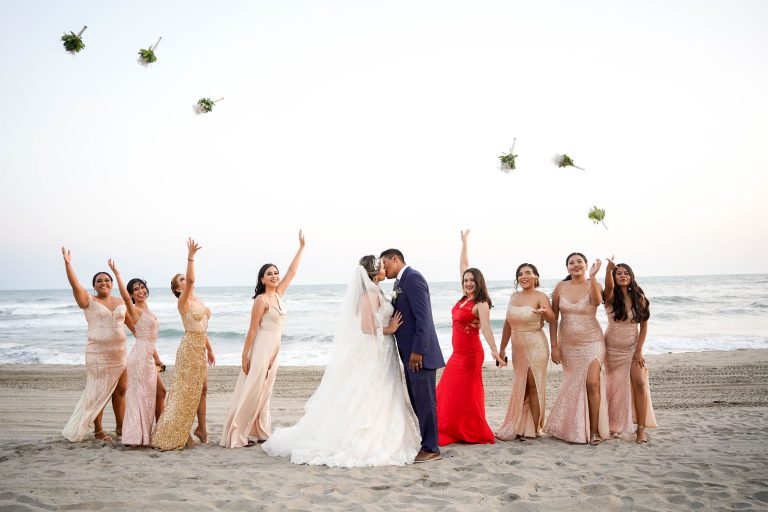
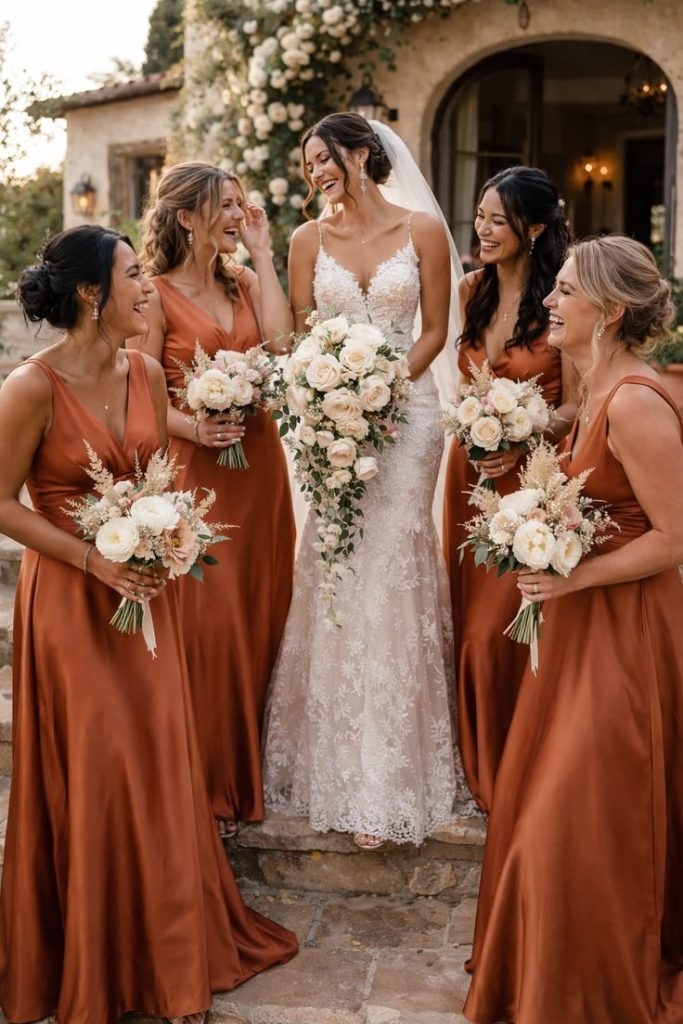
    Styling these wedding parties has also evolved. Rather than forcing everyone into matching attire, many couples are creating cohesive looks through colour palettes, fabrics or accessories while allowing each person to wear something that suits their personality and comfort level.

    The decline of perfectly matching bridal parties

    The era of identical bridesmaid dresses and uniform groomsmen attire is steadily fading.

    Wedding planners report that couples are gravitating towards a more editorial, fashion-forward aesthetic that allows attendants to express their individual style. Instead of everyone wearing the same outfit, bridal parties are often dressed in complementary colours, varying silhouettes or coordinated textures.

    The trend not only creates more visually interesting wedding photos but also helps attendants feel comfortable and confident throughout the day.

    Smaller bridal parties are becoming the norm

    Another major shift is the move towards smaller wedding parties.

    According to recent wedding industry reporting, bridal parties have become noticeably smaller as couples seek to reduce costs, simplify logistics and focus on their closest relationships. Wedding professionals say today’s couples are less concerned with large entourages and more interested in creating meaningful experiences.

    Smaller bridal parties can also ease the financial burden often associated with being a bridesmaid or groomsman, from attire and travel costs to pre-wedding celebrations.

    The rise of the “no bridal party” wedding

    Perhaps the boldest departure from tradition is the growing number of couples who are skipping the bridal party entirely.

    Wedding planners have identified the “no wedding party” approach as one of the most significant wedding trends in recent years. Rather than having attendants stand beside them during the ceremony, couples are inviting their closest friends and family to participate in other meaningful ways throughout the celebration.

    Friends may still join the couple while getting ready, participate in speeches, witness the marriage licence or feature in special photographs, but without the formal titles and responsibilities traditionally associated with bridesmaids and groomsmen.

    For some couples, this approach creates a more intimate atmosphere while eliminating the stress of choosing who makes the cut.

    What this trend says about modern weddings

    The rise of non-traditional bridal parties reflects a broader shift happening across the wedding industry.

    Couples are increasingly prioritising authenticity over obligation. Whether that means having a bridesman, a groomswoman, mismatched attire, uneven numbers or no bridal party at all, today’s weddings are less about following a prescribed formula and more about telling a personal story.

    Ultimately, the most memorable weddings aren’t defined by tradition. They’re defined by the people who stand beside you – whatever title they happen to have.

    WeddingETC’s take

    If there’s one wedding trend that’s here to stay, it’s personalisation. Non-traditional bridal parties allow couples to celebrate the relationships that have genuinely shaped their lives, rather than squeezing those relationships into outdated categories.

    Whether you’re planning a mixed-gender wedding party, choosing a single best friend to stand beside you or skipping attendants altogether, the modern approach is refreshingly simple: make the day feel like yours.

    ALSO SEE: Standing by Her Side: The Role of the Maid of Honor & Bridesmaids 

    Standing by Her Side: The Role of the Maid of Honor & Bridesmaids

    Featured image: Francisco Sanchez / Pexels

    You’ve found the venue, booked the photographer, chosen the dress, and created what feels like a solid wedding budget. Then the invoices start rolling in. 

    For many couples, it’s not the big-ticket items that derail their budget – it’s the smaller expenses hidden between the lines of contracts, forgotten until the last minute, or simply never discussed during the planning process. Industry experts consistently note that these overlooked costs can add thousands to a wedding budget if they’re not accounted for early. 

    The good news? A little awareness goes a long way. 

    Here are the hidden wedding costs couples most commonly forget to budget for – and how to avoid nasty surprises. 

    Alterations and tailoring

    Many brides budget for their dress but forget that the final fit often comes at an additional cost. 

    Whether it’s hemming a gown, adding sleeves, adjusting straps, or creating a bustle, alterations are rarely included in the purchase price. The same applies to suits and tuxedos, which often require tailoring to achieve the perfect fit. 

    Budget tip: Set aside around 10–15% of your attire budget specifically for alterations and last-minute adjustments.

    Hair and makeup trials

    Your wedding day glam isn’t usually the only beauty appointment you’ll pay for. 

    Most professional hair and makeup artists recommend a trial before the wedding, allowing you to test your look and make any changes ahead of the big day. These sessions are often charged separately from the wedding-day service. 

    Budget tip: Ask upfront whether trials are included in your quoted package.

    Vendor meals

    Photographers, videographers, coordinators, DJs, and musicians often spend the entire day working your wedding. Many contracts require that you provide a meal for vendors who are on-site during reception hours. 

    With multiple vendors present, this can quickly become a significant expense that many couples overlook. 

    Budget tip: Include vendor meals in your final catering numbers from the beginning.

    Delivery, setup and breakdown fees

    The floral quote might look reasonable – until delivery and installation are added. 

    The same goes for furniture rentals, décor items, signage, lighting installations, and catering equipment. Many suppliers charge separately for transportation, setup, collection, and post-event breakdown services. 

    Budget tip: Always ask vendors for an all-inclusive quote before signing a contract.

    Overtime charges

    Weddings rarely run exactly according to schedule. 

    A delayed ceremony, extended speeches, or an energetic dance floor can mean your photographer, DJ, venue staff, or coordinator are required to stay longer than originally contracted. Overtime fees can accumulate surprisingly quickly. 

    Budget tip: Build a small contingency fund into your budget for timeline-related extensions.

    Corkage and cake-cutting fees

    Bringing your own wine may seem like a money-saving move, but some venues charge corkage fees for every bottle served. 

    Similarly, venues may charge an additional fee to cut and plate a wedding cake that wasn’t supplied by their in-house catering team. These charges often appear deep within venue contracts and can easily be missed. 

    Budget tip: Review venue policies carefully before finalising food and beverage plans.

    Invitations, postage and stationery extras

    Couples often remember to budget for invitations but overlook everything that comes with them. 

    Save-the-dates, RSVP cards, envelopes, wax seals, welcome signs, seating charts, menus, table numbers, thank-you cards, and postage costs can add up faster than expected. Wedding planning communities consistently rank stationery-related expenses among the most commonly forgotten budget items. 

    Budget tip: Create a separate stationery category rather than lumping everything into one line item.

    Marriage licence and legal paperwork

    It may not be the most glamorous part of wedding planning, but making your marriage legal often comes with fees. 

    Depending on your location, costs can include marriage licences, registration fees, officiant expenses, and certified copies of your marriage certificate. 

    Budget tip: Research local requirements early to avoid last-minute expenses.

    Transportation and accommodation extras

    Many couples remember their getaway vehicle but forget about transport for the bridal party, family members, or guests staying off-site. 

    Parking fees, shuttle services, late-night transport, and accommodation for out-of-town family can all impact the final budget. 

    Budget tip: Map out everyone’s movements on the day to identify potential transport costs before they arise. 

    Gratuities and service charges

    One of the biggest budget surprises often comes at the end. 

    Service charges, staff fees, and gratuities may not be included in the initial quote from caterers, venues, beauty professionals, or entertainment vendors. Couples frequently underestimate just how much these additional charges can add to the final bill. 

    Budget tip: Check contracts carefully and clarify whether gratuities are included before signing.

    The ultimate hidden cost: forgetting the buffer

    Perhaps the most overlooked line item of all is the emergency fund. 

    Wedding experts generally recommend setting aside an additional 10–15% of your total budget to cover unexpected expenses, last-minute upgrades, or costs that inevitably appear during the planning process. 

    Because no matter how organised you are, there will almost always be something you didn’t see coming. 

    A realistic wedding budget isn’t just about planning for what you know you’ll spend – it’s about preparing for what you haven’t thought of yet. And when those unexpected costs do pop up, you’ll be glad you left yourself a little breathing room. 

    ALSO SEE: Important questions to ask your wedding vendors 

    Important questions to ask your wedding vendors

    Featured image: Mikhail Nilov / Pexels 

    Winter weddings have a way of feeling like they belong in a storybook. There’s a quiet kind of magic to the season that’s difficult to replicate at any other time of year. It invites people to slow down, draw closer and savour each moment a little more deeply. While summer celebrations often steal the spotlight, winter offers something softer and undeniably romantic – the kind of beauty that lingers long after the day has passed.

    The setting plays an important role in creating this atmosphere. Across South Africa, many venues find that winter naturally lends itself to a more intimate style of celebration, with indoor spaces, crackling fireplaces and cosy gathering areas encouraging guests to spend more time together.

    One of the most beautiful things about a winter wedding is how it naturally brings people closer. Guest lists often feel more intentional and personal, creating a sense that every person in the room truly matters. In that closeness, something special happens. Conversations linger longer, laughter feels warmer and shared moments become even more meaningful. It’s not about scale; it’s about presence. Every embrace, every glance and every toast feels more heartfelt because nothing is rushed.

    Indoor ceremony spaces also take on added significance during winter weddings. The contrast between the cold outdoors and a warm, welcoming interior creates a sense of intimacy that encourages guests to be fully present during the ceremony. There is a comforting feeling of enclosure, as though the world outside has gently faded away. The focus shifts inward – to the couple, the vows being exchanged and the people gathered to witness a deeply personal moment.

    Beyond the wedding day itself, accommodation can play an important role in shaping the overall experience. Rather than guests arriving for a few hours and heading home, overnight stays allow celebrations to unfold at a gentler pace. Families and friends have more time to connect, whether over a relaxed breakfast, a stroll through the gardens or a late-night conversation long after the formalities have ended.

    This growing preference for wedding weekends has made destination venues particularly appealing, especially in winter when the focus naturally shifts towards comfort, connection and shared experiences. In the KwaZulu-Natal Midlands, Granny Mouse Country House & Spa offers exactly this sense of retreat, with accommodation that allows couples and their guests to settle in and truly savour the occasion rather than rush through it.

    There is also a certain romance in the slower pace of winter. Without the pressure of long daylight hours or outdoor scheduling, everything feels a little softer. The day unfolds gently, allowing couples to absorb each moment as it comes. There is space to pause before walking down the aisle, to breathe in the stillness before saying “I do”, and to hold onto each second just a little longer.

    Ultimately, winter weddings are not about grand gestures or extravagant displays. They are about connection. About closeness. About the kind of romance that doesn’t need to be loud to be unforgettable. With its combination of cosy interiors, countryside surroundings and charming accommodation, Granny Mouse Country House & Spa is one example of how winter weddings can transform a special day into a memorable shared experience.

    To find out more, contact the team at [email protected] and start planning your perfect winter wedding celebration.

    ALSO SEE: Wow-worthy winter wedding dresses

    Wow-worthy winter wedding dresses

    Feature image and information supplied by MyWord PR & Communications.

    Somewhere between the champagne tower and the sparkler exit, the wedding reception outfit change became a thing. Not just for celebrities or luxury weddings either – suddenly brides everywhere are slipping into feather-trimmed minis, satin slips and crystal-covered party dresses halfway through the evening.

    And honestly? We get the appeal.

    After hours of posing, greeting guests and navigating stairs in a gown that weighs approximately the same as a small child, changing into something lighter sounds less like vanity and more like survival. But with weddings becoming increasingly curated for content, the second-look trend also raises a fair question: is this genuinely practical… or are we just adding another expensive “must-have” to an already overwhelming day?

    The answer sits somewhere in the middle.

    Why brides are loving the second-look trend

    Reception outfit changes are having a major moment because weddings themselves are becoming more personalised and less rigid. According to wedding trend experts, 2026 weddings are leaning heavily into intentionality and self-expression rather than tradition for tradition’s sake.

    That shift naturally extends to fashion.

    For some brides, the ceremony dress is about drama and romance – the cathedral veil, the structured corset, the train that glides beautifully down the aisle. The reception look, though, is where personality comes out. Think playful minis, sleek satin gowns, tailored bridal suits or even sneakers paired with sequins.

    And practically speaking? It makes sense.

    Many modern bridal gowns are stunning, but not necessarily designed for six hours of dancing, hugging relatives and sprinting across the venue because your MC disappeared before speeches. Brides online consistently mention comfort, mobility and wanting to actually enjoy the party as the biggest reasons they opted for a second outfit.

    There’s also the photography factor. Reception looks photograph differently – often more editorial, more relaxed and more fashion-forward. A structured ceremony gown creates timeless portraits, while a reception outfit captures movement and energy.

    Essentially, brides are treating their wedding like chapters instead of one long aesthetic.

    But here’s the part nobody really talks about

    A second outfit can quietly double the stress.

    Because now you’re sourcing two bridal looks. Two sets of alterations. Two pairs of shoes. Possibly two hairstyles depending on the vibe shift. And if timelines aren’t planned properly, outfit changes can actually pull you away from the very reception you spent months planning. There’s also the financial reality.

    Wedding fashion trends in 2026 are undeniably more fashion-focused, with brides increasingly investing in multiple “moments” throughout the day. But not every wedding budget has room for a second custom look that might only be worn for two hours.

    And truthfully? Sometimes the pressure to have a reception dress feels less about practicality and more about social media expectations.

    Not every wedding needs a dramatic reveal moment. In fact, one recent viral wedding clip sparked debate after a bride’s second-look entrance barely registered with guests who were busy eating and talking. Brutal? Slightly. But also, a reminder that guests care far more about the atmosphere than outfit logistics.

    The smarter alternative brides are choosing

    Interestingly, some brides are moving away from full outfit changes altogether and opting for transformable gowns instead. Think detachable overskirts, removable sleeves, dramatic capes or convertible trains.

    You still get the “two looks” effect without disappearing for 20 minutes midway through dinner.

    It also feels more aligned with where bridal fashion is heading overall: versatility over excess. Bridal trends for 2026 are less about performing luxury and more about making choices that genuinely improve the experience.

    And honestly, that’s probably the healthiest shift the wedding industry could make.

    So… worth it?

    If changing outfits will make you feel more comfortable, confident or free enough to fully enjoy your reception? Absolutely worth it.

    If you’re only considering it because TikTok convinced you every bride needs a sparkly mini dress reveal? Probably not.

    Your guests will remember the energy of your wedding long before they remember whether you wore one outfit or three. The best bridal styling decisions are usually the ones rooted in practicality, personality and feeling like yourself – not just recreating a Pinterest board in real life.

    Because at the end of the day, the real flex is actually enjoying your wedding. Not surviving it in shapewear and regret.

    ALSO SEE: Non-white wedding dresses are no longer a bridal taboo

    Non-white wedding dresses are no longer a bridal taboo

    Featured image: Aynura Berdyyeva / Pexels 

    Alongside all the beauty of an autumn or winter wedding comes one unpredictable guest: rain. And while a few drops might make for dreamy photos, a full-on downpour can quickly turn “I do” into “what now?”

    The good news? A little foresight goes a long way. With the right backup plan, your wedding can feel just as magical — if not more so — no matter what the skies decide.

    Start with a Plan B (and actually love it)
    A backup plan shouldn’t feel like a compromise. Whether it’s a marquee, a covered veranda, or an indoor space at your venue, choose an option you genuinely love. That way, if the weather turns, it does not feel like a like a last-minute scramble.

    Think soft draping, warm lighting, and layered textures that echo your original vision. Done right, your “Plan B” can feel just as considered and beautiful as your outdoor setup.

    Tents, but make them chic
    If you’re set on an outdoor celebration, a tent is your best insurance policy. But forget the standard white marquee — today’s options are anything but basic. Clear-roof tents let in that moody autumn sky (minus the rain), while sailcloth tents bring a romantic feel.


    View this post on Instagram


    A post shared by Cape Tents (@capetents)

    Lean into the season
    Instead of fighting the weather, embrace it. Autumn and winter are the perfect excuse for thoughtful touches that double as practical solutions — think plush blankets for guests, warm welcome drinks like mulled wine or spiced cider, and even a basket of umbrellas that match your colour palette.

    Have a timeline that can flex
    Weather doesn’t always follow a schedule, so build a little breathing room into yours. If there’s a chance of showers, consider moving key moments like your ceremony earlier in the day, or be open to shifting things slightly if needed.

    Work closely with your planner or venue coordinator — they’ve likely handled this before and can guide the flow without disrupting the mood.

    Communicate with your suppliers
    From your photographer to your florist, your suppliers should be looped into your backup plan from the start. Photographers, in particular, can help you identify covered spots for portraits or suggest creative alternatives that still capture the essence of your day.

    Florists can also advise on blooms that hold up better in cooler, damp conditions.

    Footwear matters more than you think
    Those delicate heels might look beautiful, but damp grass and soft ground can be unforgiving. Consider a second pair of shoes (stylish flats, boots, or block heels) that will keep you comfortable and confident, whatever the terrain.

    The same goes for your bridal party — a heads-up here can save a lot of wobbling down the aisle.

    ALSO SEE: Wedding dress inspo for autumn and winter brides

    Wedding dress inspo for autumn and winter brides

    Feature image: Pexels

    When deciding on an MC for a wedding, many opt for their closest and loudest friends to lead the day. However, being the Master of ceremonies is a top job, and not everyone is cut out for it.

    If you’ve been asked to MC but you’re a bit nervous, fear not. All you need is some pre-planning and a lot of courage. Here are some tips to make sure you are on top of your game come wedding day.

    Fewer laughs, more sentimentality

    Weddings are all about sentimentality, so why not lean into it? Of course, you want to get guests laughing but humour is subjective, and some jokes will likely fail. This is why its best to be sincere and focus on the love of the bridal couple.

    Get the names right

    The most crucial rule with MCing is to get your facts right. There are many people involved in a wedding, and it’s easy to get things wrong if you’re not careful. Make sure you know how to pronounce the names and surnames of everyone giving a toast – you don’t want to offend your bestie’s new father-in-law!

    Custom-build your speech

    Don’t just turn to Google to write your speech and recycle the same tired jokes people have come to expect from weddings. Instead, spend some time thinking about what you’re going to say and get creative. It will help if you focus on the couple. Identify what is unique about them and their relationship, and then create something special based on that. 

    Keep an eye on the programme

    It’s always better to have a plan or programme of events written down to guide you on the day. Even if you know everything you need to say off by heart, having it written down will help to reassure you when your task begins. The running order and timing are extremely important. It is your job as MC to ensure that the guests are never left waiting for something, or that the food does not come out 20 minutes before it should be served. Know your schedule and keep to it.

    Be interactive

    Read through your speech as often as you can before you take the stage. This will ensure that you don’t spend the entire time looking down at a script. It will give you a chance to interact with the audience and make sure you use that shining personality that the bride and groom love about you! Remember, however, that you don’t have to stick strictly to your speech.

    Most importantly, no matter what happens, try to relax and enjoy the day. Just because you’re working the day, doesn’t mean you can’t have fun!

    ALSO SEE: Your guide to the perfect wedding seating plan

    Your guide to the perfect wedding seating plan

    Feature image: Pexels

    Finalising your guest list is where wedding planning starts to feel very real  (and very personal). Between budgets, venue limits and family expectations, deciding who gets a plus-one can quickly become one of the trickiest parts of the process.

    The good news? There’s no one-size-fits-all rule. With a clear approach (and a little confidence), you can make decisions that feel fair, thoughtful and aligned with your vision for the day.

    What is a wedding plus-one, really?

    A “plus-one” simply means a guest is invited to bring someone along — usually a partner, but sometimes a date or companion. It’s a lovely gesture, but not a requirement for every guest.

    Start with your non-negotiables

    Before diving into individual decisions, get clear on your limitations:

    • Budget: Every extra guest affects catering, seating and rentals
    • Venue capacity: Space will naturally cap your numbers
    • Wedding style: A large, lively celebration vs an intimate gathering

    Once you know your boundaries, it becomes much easier to make consistent calls.

    Who should get a plus-one?

    While every wedding is different, there are a few widely accepted guidelines that help keep things fair and respectful.

    Couples in committed relationships

    If a guest is married, engaged or in a long-term relationship, it’s generally expected to include their partner, even if you’ve never met them. It acknowledges their relationship as a meaningful part of their life.

    Your bridal party

    Your inner circle has likely shown up for every fitting, plan and pre-wedding moment. Offering them a plus-one is a simple but meaningful way to say thank you.

    Guests travelling or coming solo

    If someone is travelling far or won’t know many people at your wedding, allowing them to bring a guest can make the experience far more comfortable and enjoyable.

    Close friends and immediate family

    For your nearest and dearest, a plus-one can feel like a natural extension of their invite, even if they’re not in a serious relationship.

    Who doesn’t necessarily need one?

    This is where it gets a little more flexible and where your discretion comes in.

    Guests in casual or new relationships

    If someone has only recently started dating, you’re not obligated to extend a plus-one. You can always reassess closer to the wedding if things become more serious.

    Singles who know plenty of guests

    If your friend group overlaps or your family is tight-knit, solo guests are unlikely to feel alone — meaning a plus-one isn’t essential.

    Coworkers or distant connections

    If you’re inviting colleagues or acquaintances, it’s perfectly acceptable to keep the invite limited. Just make sure you’re consistent across the group.

    The golden rule: be consistent

    If there’s one thing that avoids awkward conversations, it’s consistency.

    For example:

    • All married and cohabiting couples get a plus-one
    • Only the bridal party receives one regardless of relationship status
    • Or, no plus-ones beyond serious relationships

    Whatever you decide, apply it across the board. It makes your choices easier to explain and easier for guests to accept.

    How to make it clear on your invitations

    Your invitation should do the talking for you.

    • Named guest only? That person is invited solo
    • “And Guest”? They have a plus-one
    • Both names listed? You’re inviting a specific couple

    You can also clarify your policy on your wedding website to avoid any confusion (or last-minute requests).

    When you can’t offer everyone a plus-one

    If your guest list is tight, don’t feel guilty. It’s completely acceptable to limit plus-ones, especially if you’re prioritising intimacy or working within a strict budget.

    If guests ask, a kind and honest response goes a long way: “We would have loved to include everyone, but due to venue limitations, we’ve had to keep things quite intimate.”

    ALSO SEE: Wedding guest dress code explained

    Wedding guest dress code… explained

    Feature image: Pexels

    One of the most difficult parts of planning your wedding food is deciding whether you want a buffet or plated meal. We’ve laid out the pros and cons so you can easily decide what’s best for you.

    A PLATED MEAL

    The facts

    A plated meal is the more traditional meal option, where your guests are each served three courses, plus canapés before the reception. Caterers will usually give guests an option of two to three main meals (with a vegetarian option as one of them).

    The pros

    All of your guests get their food at the same time. Since you know what everyone is eating, caterers will only buy for that amount of people, which makes it a more cost-effective option. You can also plan the entertainment – dancing, speeches and any surprises – in-between each course.

    The cons

    It needs more waitstaff, which can get expensive (if your wedding package includes servers, however, this won’t be a concern). And more than likely, you and your partner will choose options based on what you love to eat, which may not appeal to everyone.

    A BUFFET

    The facts

    Self-serve stations are set up. You can also hire servers to stand behind each warmer and dish up for the guests, which tends to be more hygienic and controlled. It is the non-traditional, more casual catering option.

    The pros

    Fewer servers will be needed and you can cut catering costs. You will also be able to serve more food options – which is a good idea, considering all the allergies, diets and intolerances guests may have. It encourages guests to mingle and chat, creating a relaxing atmosphere before party time.

    The cons

    Whether tables take turns heading up to the buffet or a long line forms, your guests will have to queue and wait for their food. If the buffet is not included in your catering package, you will have to rent the tables, linen, serving platters and warmers, which can be costly. People will always dish up more if they serve themselves, and caterers know this – the extra food purchased will beef up your catering bill. Guests milling around carrying plates laden with food may not bring the sense of elegance to the occasion that most couples would like.

    ALSO SEE: Wedding ceremony tips to know before you walk down the aisle

    Wedding ceremony tips to know before you walk down the aisle

    Feature image: Unsplash

    You’ve planned the seating chart, chosen the perfect playlist and said yes to the dress, but have you thought about what actually happens during your ceremony?

    Your wedding ceremony is one of the most photographed, emotional and memorable parts of the day. It’s also the part that most brides don’t rehearse properly. These wedding ceremony tips for brides will help you feel calm, confident and completely present from the moment you step into the aisle to your first kiss as newlyweds.

    Walk slower than you think you should

    Then slow it down again.

    Adrenaline will make everything feel like it’s happening in fast forward. Walking slowly not only gives your photographer time to capture those once in a lifetime moments, but it also allows you to actually take in the people, the music and your partner waiting at the end of the aisle.

    If you feel like you’re walking too slowly, you’re probably walking at the perfect pace.

    Carry your bouquet at your belly button

    It sounds oddly specific, but it makes a huge difference in photos.

    Holding your bouquet too high can hide the detailing on your dress and make your shoulders look tense. Hold it low, around your belly button, with the flowers facing outward. This helps your posture look more relaxed and keeps your neckline and bodice visible.

    Hold hands and lock eyes

    It might feel natural to look around at your guests, your parents or even your officiant, but the most meaningful place to look is right at each other.

    Holding hands throughout the ceremony grounds you, calms your nerves and keeps you emotionally connected. It also looks incredibly romantic in photos.

    Hold the kiss

    When it’s time for that “you may now kiss” moment, don’t rush it.

    Go in for the kiss and hold it while you both count to three in your heads. This gives your photographer enough time to capture the moment properly and prevents that blink and you miss it situation.

    Pause before you walk back down the aisle

    Once you’re officially married, take a second before turning to walk back up the aisle.

    Celebrate. Smile at your guests. Steal another kiss if you want to. That pause creates some of the most joyful and genuine photos of the day.

    Pause halfway down the aisle on your way out

    Your recessional is your very first moment as a married couple.

    As you walk back down the aisle together after the ceremony, stop halfway for a quick kiss or celebratory moment. It gives your guests something special to cheer for and creates one of the happiest photo opportunities of the entire day.

    Practise standing together

    It sounds simple, but knowing how to stand comfortably next to each other matters more than you think.

    Angle your bodies slightly toward one another rather than standing stiffly forward. It feels more natural and looks more intimate during the ceremony.

    Don’t forget to breathe

    Deep breaths will keep you calm and help prevent shaky voices during your vows.

    If you feel overwhelmed, gently squeeze your partner’s hand and take a slow breath together.

    ALSO SEE: High-neck wedding dresses we love

    High-neck wedding dresses we love

    Feature image: Jakob Owens/Unsplash