• Tag

    planning tips

    Browsing

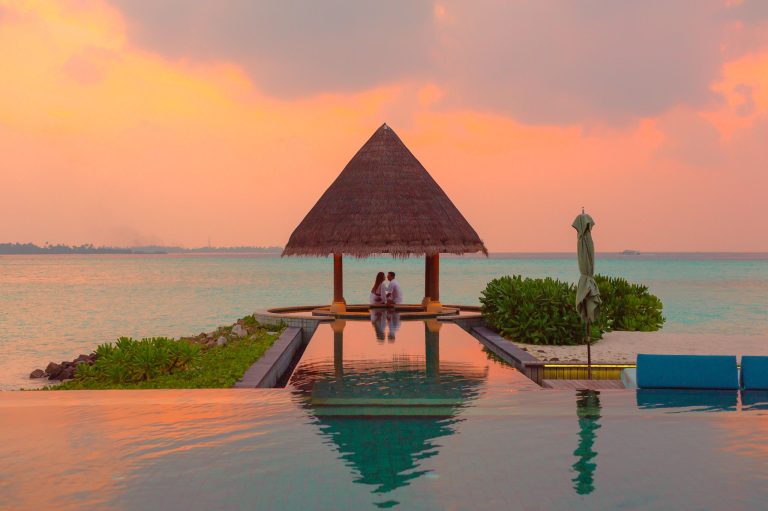
    There’s something undeniably romantic about winter. The crisp air, golden sunsets, cozy evenings and slower pace create the perfect atmosphere for one of life’s biggest questions: Will you marry me?

    While summer proposals often steal the spotlight, winter offers something equally special –  intimacy. Think candlelit dinners, mountain views, fireplace moments, misty landscapes and unforgettable getaways made for two.

    Modern proposals are becoming less about grand gestures for the sake of spectacle and more about creating a moment that feels personal, intentional and true to the couple’s story.

    Whether you’re planning a private proposal or a once-in-a-lifetime destination moment, these winter proposal ideas are guaranteed to inspire.

    A romantic mountain escape

    Few settings feel as magical as the mountains during winter. Imagine waking up somewhere quiet, surrounded by dramatic landscapes, spending the day exploring together and ending it with a proposal as the sun sets behind the peaks.

    For South African couples, winter mountain escapes offer the perfect balance of adventure and romance.

    Think:

    • A cozy cabin with a fireplace
    • A private picnic overlooking the mountains
    • A sunrise proposal after a weekend away
    • A surprise photographer capturing the moment

    Destinations like the Drakensberg or a winter escape in the Cederberg create naturally breathtaking backdrops.

    A wine estate proposal in the Cape Winelands

    There’s a reason the Cape Winelands remain one of South Africa’s most romantic destinations. Winter brings a different kind of charm – quieter vineyards, misty mornings, roaring fireplaces and intimate dinners.

    A winter proposal idea: Book a weekend away, arrange a private wine tasting, and pop the question among the vines or after a candlelit dinner.

    The beauty of a wine estate proposal is that the experience doesn’t end with the “yes” – it becomes an entire engagement celebration.

    Popular areas include:

    • Franschhoek
    • Stellenbosch
    • Constantia

    The cozy fireplace proposal

    Not every unforgettable proposal needs a dramatic location. Sometimes the most meaningful moments happen somewhere private.

    A winter-inspired at-home proposal can be just as beautiful:

    • Transform your home with candles and flowers
    • Recreate your first date
    • Cook your partner’s favourite meal
    • Create a timeline of your relationship through photos
    • End the evening with the ring and a heartfelt speech

    The focus is not the production – it’s the story behind it.

    A beach proposal (with a winter twist)

    Winter beaches have a quiet beauty that summer crowds often take away.

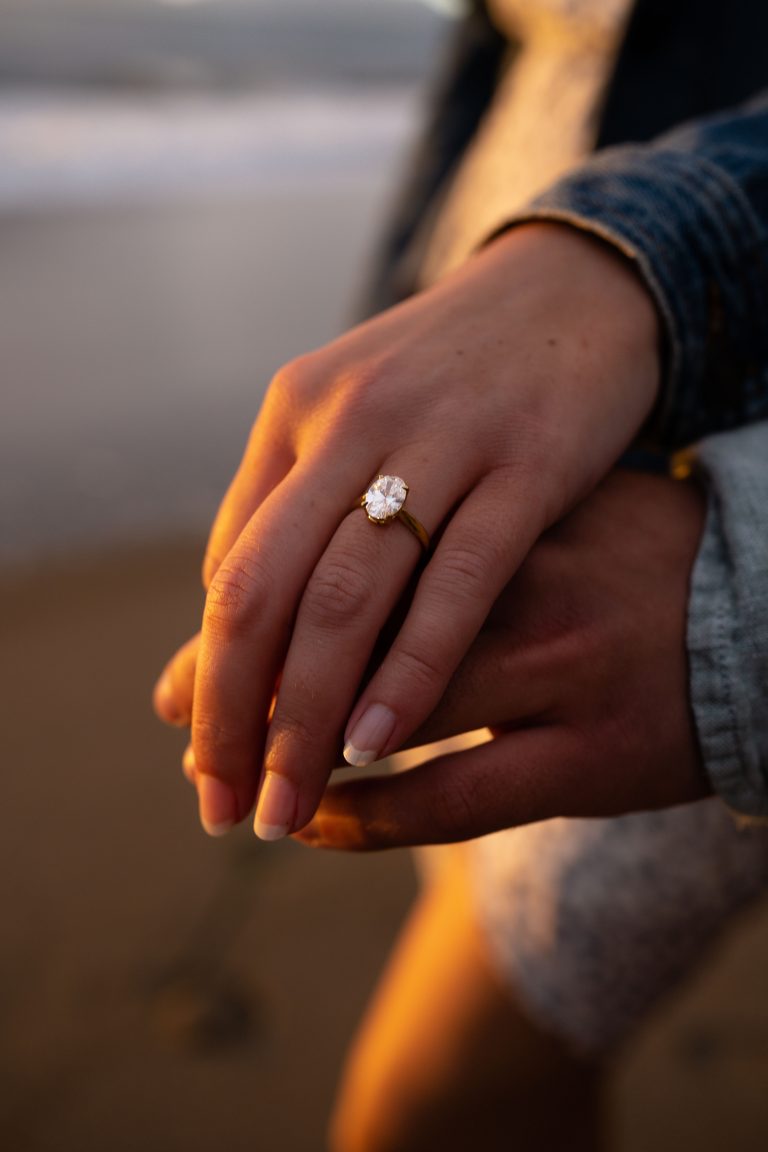
    A windswept coastline, dramatic skies and an empty beach can create a cinematic proposal moment.

    Consider:

    • A sunrise walk
    • A blanket picnic overlooking the ocean
    • A hidden beach location
    • A surprise photographer waiting nearby

    For Cape Town couples, locations along the coastline can offer unforgettable winter scenery without needing an international trip.

    A destination proposal abroad

    For couples who love travelling, a winter proposal abroad turns the engagement into an entire adventure.

    Some romantic winter proposal destinations include:

    • Paris, France: Classic, timeless and effortlessly romantic. Winter brings fewer crowds and a magical city atmosphere.
    • Iceland: For couples wanting something extraordinary, Iceland’s landscapes and northern lights create a once-in-a-lifetime backdrop.
    • Venice, Italy: Quiet canals, candlelit dinners and old-world charm make winter in Venice feel like stepping into a love story.
    • A European Christmas market escape: Cities like Vienna or Prague offer fairytale streets, festive lights and romantic winter experiences.

    The “just us” proposal

    One of the biggest shifts in modern proposals is choosing authenticity over performance. Couples are increasingly planning moments that reflect who they are – whether that means a private dinner, an adventurous getaway or a sentimental location that holds meaning.

    Ask yourself:

    • Are they someone who loves attention or privacy?
    • Would they prefer a crowd or a quiet moment?
    • Is there a place that already tells your story?

    The best proposal location is not always the most famous one – it’s the one that feels like yours.

    Final Thoughts

    A winter proposal has a special kind of magic. It’s slower, more intimate and filled with opportunities to create a moment that feels completely personal.

    Whether it happens beside a fireplace, overlooking a mountain range or during a once-in-a-lifetime getaway, the most memorable proposals are the ones that tell your love story.

    Because the perfect proposal isn’t about creating a picture-perfect moment – it’s about creating the moment you’ll both remember forever.

    ALSO SEE: 8 Romantic engagement ideas to help you pop the question! 

    8 Romantic engagement ideas to help you pop the question!

    Featured image: Pavel Danilyuk / Pexels

    One of the first questions many brides ask after setting a wedding date is surprisingly simple: When should I start shopping for my wedding dress?

    The answer? Probably sooner than you think.

    While it may be tempting to leave dress shopping until closer to the big day, modern bridal fashion operates on timelines that can stretch for months. Between finding the one, ordering, shipping, fittings and alterations, a wedding gown often takes far longer to arrive than brides expect. Industry experts generally recommend beginning the process between 9 and 12 months before the wedding, with some designer and custom gowns requiring even longer lead times.

    The good news? Knowing the timeline upfront can help you avoid unnecessary stress and make the dress-shopping experience far more enjoyable.

    The Ideal timeline: 12 months before the wedding

    If your wedding is a year away, you’re in the sweet spot.

    Starting your search around the 12-month mark gives you plenty of time to explore different silhouettes, visit bridal boutiques, compare designers and make decisions without feeling rushed. It also allows for production delays, shipping times and alterations that may arise later in the process. Experts increasingly recommend shopping between 12 and 18 months before the wedding, especially if you’re considering a designer gown, customisations or a made-to-order dress.

    At this stage, focus on inspiration, budgeting and understanding what styles make you feel most confident.

    9–10 months before: Time to say yes to the dress

    Once you’ve found your gown, aim to place your order around 8 to 10 months before the wedding. Most made-to-order dresses require several months for production and delivery, with many designers quoting lead times of four to six months or longer.

    Ordering within this window ensures you’ll have access to a wider range of styles, sizes and customisation options while avoiding costly rush fees.

    2–3 months before: Alterations begin

    Even the most perfectly chosen dress usually needs some tailoring.

    Most bridal alteration specialists recommend beginning fittings approximately eight to ten weeks before the wedding. This allows enough time for adjustments to hems, bodices, sleeves, trains and bustles, as well as multiple fitting appointments if necessary.

    Remember to bring your wedding shoes and undergarments to every fitting to ensure the final result is flawless.

    What if your wedding is less than six months away?

    Don’t panic.

    While a shorter timeline may limit your options, many brides successfully find beautiful gowns with just a few months to spare. Off-the-rack dresses, sample sales, ready-to-wear collections and certain local designers can often accommodate tighter deadlines. Some retailers also offer expedited production services, although additional fees may apply.

    The key is to be upfront about your wedding date from your very first appointment so consultants can guide you toward realistic options.

    Trends are changing how brides shop

    Today’s brides are approaching dress shopping differently than previous generations. Personalisation, versatility and sustainability are shaping bridal fashion in 2026, with many brides opting for convertible gowns, detachable elements, vintage-inspired pieces and even pre-loved dresses. Others are choosing multiple outfits for different parts of the celebration, from the ceremony to the after-party.

    These choices can affect your timeline too, making early planning even more valuable.

    Your wedding dress timeline at a glance

    12–18 months before: Start researching styles and booking bridal appointments.
    9–12 months before: Choose and order your dress.
    8–10 weeks before: Begin alterations and fittings.
    1–2 weeks before: Final fitting and collection.
    Wedding Day: Step into your dream dress with confidence.

    The final stitch

    Finding your wedding dress should feel exciting, not stressful. By starting early, you give yourself the freedom to explore, dream and make decisions without pressure. Whether you’re falling for a couture masterpiece, a modern minimalist gown or a vintage-inspired treasure, the best dress is the one that makes you feel unmistakably like yourself.

    And when it comes to timing? The earlier you start, the more options you’ll have waiting at the end of the aisle.

    ALSO SEE: Practical tips to find your perfect wedding gown 

    Practical tips to find your perfect wedding gown

    Featured image: Los Muertos Crew / Pexels

    Winter weddings have their own kind of magic – cosy celebrations, dramatic skies, candlelit receptions and romantic escapes. But when it comes to the honeymoon, many couples dream of trading chilly mornings for sunshine, sandy beaches and somewhere that feels completely removed from everyday life.

    The good news? A warm international honeymoon doesn’t have to mean an unrealistic luxury getaway. For South African couples, there are plenty of destinations where the weather is beautiful during our winter months (June to August), while still offering options across different budgets.

    Whether you’re looking for barefoot island romance, a cultural adventure, or a relaxing beach escape, these are some of the best warm winter honeymoon destinations to consider.

    Mauritius: The classic romantic island escape

    Mauritius remains one of the most popular honeymoon destinations for South Africans – and for good reason.

    Just a short flight away, this tropical island offers turquoise waters, white-sand beaches, luxury resorts and a relaxed island atmosphere. During South Africa’s winter months, Mauritius enjoys cooler, drier weather, making it ideal for couples wanting sunshine without extreme humidity.

    What makes Mauritius especially appealing is that it works for different honeymoon styles. Couples can opt for all-inclusive resorts and spa experiences, or explore local restaurants, waterfalls, markets and scenic viewpoints.

    Best for: Beach lovers, first-time international travellers, couples wanting convenience
    Budget tip: Look beyond peak resort areas and consider boutique stays or self-catering options for better value.

    Thailand: Tropical romance without the luxury price tag

    For couples wanting an exotic honeymoon experience, Thailand offers incredible value.

    From island escapes in Phuket and Krabi to cultural experiences in Bangkok and northern Thailand, couples can create a honeymoon that feels luxurious without spending like a luxury destination.

    Thailand is especially appealing for South Africans because accommodation, food and experiences can be surprisingly affordable compared to many island destinations.

    Think private beach dinners, island hopping, massages, incredible food and sunset views – all while keeping costs manageable.

    Best for: Adventurous couples, food lovers, couples wanting luxury on a budget
    Budget tip:
    Travel slightly outside peak tourist areas for better accommodation deals.

    Zanzibar: An affordable island honeymoon close to home

    For couples who want island romance without a long-haul flight, Zanzibar is one of the easiest warm-weather escapes from South Africa.

    With its tropical beaches, spice markets, historic streets and laid-back island energy, Zanzibar offers a honeymoon experience that feels exotic while remaining relatively accessible.

    The island has everything from luxury beachfront resorts to affordable boutique hotels, making it easier to plan according to your budget.

    Best for: Beach escapes, shorter honeymoons, couples wanting value
    Budget tip: Combine a few nights in Stone Town with beach accommodation for a more affordable and varied trip.

    Mozambique: A romantic beach escape closer to home

    If you want that “private island honeymoon” feeling without travelling too far, Mozambique is worth considering.

    Destinations such as Vilanculos and Bazaruto Archipelago offer untouched beaches, warm waters and incredible marine experiences.

    Winter is one of the best times to visit Mozambique, with sunny weather and excellent conditions for snorkelling, diving and exploring the coastline.

    Best for: Couples wanting privacy, beaches and slow island living
    Budget tip: Look at smaller guesthouses and boutique stays rather than only luxury resorts.

    Bali: Wellness, romance and adventure

    Bali continues to attract honeymooners who want more than just a beach holiday.

    From jungle villas in Ubud to beach sunsets in Seminyak, Bali offers a mix of romance, culture, wellness and adventure.

    South African couples can enjoy everything from private pool villas and couples’ massages to waterfalls, temples and incredible dining experiences.

    Best for: Couples wanting a honeymoon with experiences and relaxation
    Budget tip: Bali offers some of the best value luxury accommodation in the world.

    Cape Verde: A different kind of island honeymoon

    For couples looking for somewhere less expected, Cape Verde is a beautiful option.

    Located off the coast of West Africa, Cape Verde offers year-round sunshine, sandy beaches and a more relaxed atmosphere than some of the world’s busier honeymoon islands.

    It is especially appealing for couples who want an easy beach holiday with fewer crowds.

    Best for: Relaxed beach honeymoons and couples wanting something different
    Budget tip: Package deals can often make Cape Verde more affordable compared to other island destinations.

    Egypt: History, luxury and sunshine

    Egypt might not be the first-place couples think of for a honeymoon, but it offers a unique combination of romance, adventure and value.

    Resort areas such as Sharm El Sheikh and Hurghada offer warm winter weather, beautiful beaches and all-inclusive resorts, while couples can also add unforgettable experiences like visiting ancient landmarks.

    Best for: Couples wanting culture alongside relaxation
    Budget tip: All-inclusive resorts can help manage honeymoon spending.

    How to choose the right winter honeymoon destination

    Before booking, consider:

    • Your travel budget: Flights are often the biggest expense, so factor in the full cost – not just accommodation.
    • The type of honeymoon you want: A quiet island escape feels very different from a city-and-adventure honeymoon.
    • Travel time: After months of wedding planning, some couples prefer a destination with shorter flights and easier logistics.
    • The season: Always check weather patterns before booking. “Winter” in one destination can mean completely different things elsewhere.

    Final thoughts

    Your honeymoon doesn’t have to be the most expensive trip you’ve ever taken to feel unforgettable. The best honeymoon destinations are the ones that allow you to slow down, celebrate your new chapter and create memories together.

    Whether it’s Mauritius beaches, Thailand adventures, Zanzibar sunsets or a romantic Mozambique escape, there are plenty of warm winter honeymoon destinations that suit South African couples – and every kind of love story.

    ALSO SEE: Spa retreats in South Africa for honeymoons, bachelorettes and pre-wedding escapes 

    Spa retreats in South Africa for honeymoons, bachelorettes and pre-wedding escapes

    Featured image: Didi Lecatompessy / Pexels

    For decades, wedding parties followed a familiar formula: bridesmaids stood beside the bride, groomsmen stood beside the groom, everyone wore matching outfits, and the numbers on each side were perfectly balanced.

    Today, that picture looks very different.

    Modern couples are increasingly choosing wedding parties that reflect their real relationships rather than tradition. From mixed-gender bridal parties and uneven numbers to “bridesmen”, “groomswomen” and even no bridal party at all, wedding celebrations are becoming more personal, inclusive and authentic than ever before. Industry experts note that couples are placing greater emphasis on meaningful connections and less on following outdated wedding rules.

    Why couples are moving away from tradition

    At the heart of the trend is a simple idea: people want the people they love most standing beside them, regardless of gender, titles or expectations.

    As weddings become more personalised, couples are questioning long-standing traditions that no longer fit their lives. Rather than choosing attendants based on convention, they’re choosing them based on genuine support, friendship and family bonds. This shift has contributed to the growing popularity of mixed-gender wedding parties and alternative attendant roles.

    For many couples, it also removes unnecessary pressure. The expectation of matching numbers, identical outfits and rigid bridal party duties can feel restrictive in an era where individuality is celebrated.

    Bridesmen, groomswomen and mixed-gender wedding parties

    One of the most visible changes is the rise of mixed-gender wedding parties.

    It’s becoming increasingly common to see a bride’s brother serving as her “Man of Honour” or a groom’s sister standing beside him as his “Best Woman”. Couples are choosing the people who matter most to them instead of assigning roles based on gender.

    The result often feels more genuine and representative of modern friendships and family dynamics.

    Styling these wedding parties has also evolved. Rather than forcing everyone into matching attire, many couples are creating cohesive looks through colour palettes, fabrics or accessories while allowing each person to wear something that suits their personality and comfort level.

    The decline of perfectly matching bridal parties

    The era of identical bridesmaid dresses and uniform groomsmen attire is steadily fading.

    Wedding planners report that couples are gravitating towards a more editorial, fashion-forward aesthetic that allows attendants to express their individual style. Instead of everyone wearing the same outfit, bridal parties are often dressed in complementary colours, varying silhouettes or coordinated textures.

    The trend not only creates more visually interesting wedding photos but also helps attendants feel comfortable and confident throughout the day.

    Smaller bridal parties are becoming the norm

    Another major shift is the move towards smaller wedding parties.

    According to recent wedding industry reporting, bridal parties have become noticeably smaller as couples seek to reduce costs, simplify logistics and focus on their closest relationships. Wedding professionals say today’s couples are less concerned with large entourages and more interested in creating meaningful experiences.

    Smaller bridal parties can also ease the financial burden often associated with being a bridesmaid or groomsman, from attire and travel costs to pre-wedding celebrations.

    The rise of the “no bridal party” wedding

    Perhaps the boldest departure from tradition is the growing number of couples who are skipping the bridal party entirely.

    Wedding planners have identified the “no wedding party” approach as one of the most significant wedding trends in recent years. Rather than having attendants stand beside them during the ceremony, couples are inviting their closest friends and family to participate in other meaningful ways throughout the celebration.

    Friends may still join the couple while getting ready, participate in speeches, witness the marriage licence or feature in special photographs, but without the formal titles and responsibilities traditionally associated with bridesmaids and groomsmen.

    For some couples, this approach creates a more intimate atmosphere while eliminating the stress of choosing who makes the cut.

    What this trend says about modern weddings

    The rise of non-traditional bridal parties reflects a broader shift happening across the wedding industry.

    Couples are increasingly prioritising authenticity over obligation. Whether that means having a bridesman, a groomswoman, mismatched attire, uneven numbers or no bridal party at all, today’s weddings are less about following a prescribed formula and more about telling a personal story.

    Ultimately, the most memorable weddings aren’t defined by tradition. They’re defined by the people who stand beside you – whatever title they happen to have.

    WeddingETC’s take

    If there’s one wedding trend that’s here to stay, it’s personalisation. Non-traditional bridal parties allow couples to celebrate the relationships that have genuinely shaped their lives, rather than squeezing those relationships into outdated categories.

    Whether you’re planning a mixed-gender wedding party, choosing a single best friend to stand beside you or skipping attendants altogether, the modern approach is refreshingly simple: make the day feel like yours.

    ALSO SEE: Standing by Her Side: The Role of the Maid of Honor & Bridesmaids 

    Standing by Her Side: The Role of the Maid of Honor & Bridesmaids

    Featured image: Francisco Sanchez / Pexels

    A beautiful wedding day doesn’t happen by chance. Behind every seamless ceremony, perfectly timed sunset photo, and packed dance floor is one thing most guests never see: a well-planned wedding timeline.

    While it may not be the most glamorous part of wedding planning, your timeline is the framework that keeps everything moving smoothly. It ensures vendors know where to be, gives your photographer enough time to capture key moments, and helps you stay present rather than worrying about what’s happening next.

    The good news? Building a wedding timeline doesn’t have to be complicated.

    Start with the non-negotiables

    Before you schedule anything else, identify the fixed points of your day. These are the moments that can’t easily move and will form the backbone of your timeline.

    These typically include:

    • Ceremony start time
    • Venue access time
    • Reception start time
    • Dinner service
    • Sunset (especially for outdoor weddings and golden-hour portraits)
    • Venue closing time

    Wedding planners recommend building your timeline around these anchor points first before filling in the details. This approach creates a realistic framework rather than trying to squeeze important moments into an already crowded schedule.

    Work backwards from the ceremony

    One of the biggest mistakes couples make is underestimating how long getting ready actually takes.

    Hair and makeup are often the first events to run behind schedule, which can create a domino effect throughout the day. Experts recommend building your morning timeline by working backwards from the ceremony and allowing extra time for delays.

    For example, if your ceremony begins at 3pm:

    • 2:30pm – Arrive at venue
    • 2:00pm – Get dressed
    • 12:00pm – Hair and makeup
    • 11:00am – Photographer arrives for detail shots
    • 10:00am – Wedding party preparations begin

    Starting earlier than you think you need to, creates breathing room and helps keep the morning calm.

    Decide whether you’re having a first look

    A first look can significantly impact your timeline.

    For couples choosing a first look, many portraits, bridal party photos, and even some family photos can happen before the ceremony. This often means spending more time with guests during cocktail hour instead of disappearing for photographs.

    If you’re skipping the first look, you’ll need to reserve additional time immediately after the ceremony for:

    • Couple portraits
    • Family formals
    • Bridal party photographs

    This can take anywhere from 60 to 90 minutes depending on the size of your wedding party and family.

    Schedule photography with intention

    Photography often determines the flow of the entire day.

    Professional photographers consistently advise couples to discuss timelines well in advance and ask exactly how much time is needed for:

    • Couple portraits
    • Family photographs
    • Bridal party images
    • Detail shots
    • Sunset portraits

    Rather than guessing, let your photographer guide these timing decisions. They know how long each session realistically takes and can help prevent rushed photos or missed moments.

    Don’t forget golden hour, either. The hour before sunset offers some of the most flattering natural light of the day and is worth reserving 10 to 15 minutes for if possible.

    Build buffer time into everything

    If there’s one piece of advice nearly every planner and photographer agrees on, it’s this: add buffer time.

    A timeline without flexibility leaves no room for reality.

    Hair and makeup may run late. A family member may be hard to find for photos. Traffic might take longer than expected. Small delays are normal, but buffer time prevents them from affecting the rest of the day.

    As a general rule:

    • Add 15 to 30 minutes between major events
    • Add extra travel time between locations
    • Allow additional time for family portraits
    • Schedule short breaks for touch-ups, refreshments, and regrouping

    Think of buffer time as insurance for your timeline.

    Keep your reception flowing

    Most successful receptions follow a natural rhythm that keeps guests engaged while allowing plenty of time for celebrating.

    A typical reception flow includes:

    1. Cocktail hour
    2. Grand entrance
    3. First dance
    4. Dinner service
    5. Speeches and toasts
    6. Parent dances
    7. Cake cutting
    8. Open dancing
    9. Late-night snack or send-off

    While every couple will customise this order to suit their celebration, having a clear structure helps vendors coordinate seamlessly behind the scenes.

    Share the timeline with everyone

    Your timeline only works if everyone has it.

    At least two weeks before the wedding, distribute a final version to:

    • Photographer
    • Videographer
    • Planner or coordinator
    • Caterer
    • Florist
    • DJ or band
    • MC
    • Bridal party

    When everyone is working from the same schedule, communication improves and the day runs far more smoothly.

    The bottom line

    The best wedding timelines aren’t packed down to the minute. They’re realistic, flexible, and designed around your priorities.

    Start with your non-negotiable moments, build backwards, trust your vendors’ expertise, and leave plenty of room for the unexpected. When the logistics are taken care of, you’ll be free to focus on what truly matters: celebrating one of the most meaningful days of your life.

    ALSO SEE: 5 Ways to practice self care while planning your wedding

    5 Ways to practice self care while planning your wedding

    Featured image: www.kaboompics.com / Pexels

    When it comes to planning wedding flowers, timing matters more than many couples realise. Choosing blooms that are naturally in season often means fresher arrangements, better quality flowers, improved availability and, in some cases, a more budget-friendly floral bill. For winter weddings, that doesn’t mean sacrificing beauty. In fact, some of the most romantic and striking blooms of the year thrive during the colder months.  

    Whether you’re dreaming of a soft, garden-inspired bouquet or dramatic floral installations, these winter flowers deserve a place on your mood board. 

    Why choose seasonal winter flowers?

    Seasonal flowers are often at their peak during the months they naturally bloom, resulting in stronger stems, better longevity and more vibrant blooms. Choosing flowers that are readily available during winter can also reduce the need for imported varieties, making them a more sustainable option. 

    The good news? Winter offers an abundance of elegant flowers that work beautifully for bridal bouquets, ceremony décor and reception styling. 

    Ranunculus

    If there is one flower synonymous with winter romance, it’s the ranunculus. Known for its layers of delicate, paper-thin petals, this bloom adds texture, softness and luxury to any arrangement. 

    Available in shades ranging from ivory and blush to deep burgundy and apricot, ranunculus pairs beautifully with almost every wedding aesthetic, from classic and romantic to modern and minimalist. They’re particularly popular in bridal bouquets thanks to their impressive vase life and luxurious appearance.  


    Anemones

    Anemones have become a favourite among modern couples for good reason. Their striking dark centres contrast beautifully against crisp white, blush or jewel-toned petals, creating instant visual impact. 

    Perfect for monochromatic winter palettes or dramatic black-and-white wedding themes, anemones add sophistication and contemporary elegance to bouquets and centrepieces. They’re naturally in season during the cooler months, making them an ideal winter choice.  


    Amaryllis

    For couples who love statement florals, amaryllis delivers drama in the best way possible. 

    These large, trumpet-shaped blooms command attention and work beautifully in both bouquets and large-scale installations. Available in white, blush, coral and rich red hues, amaryllis can create everything from classic winter elegance to festive seasonal glamour.  


    Tulips

    Timeless and effortlessly chic, tulips remain a winter favourite for weddings. 

    Their sleek shape and clean lines make them particularly popular for minimalist wedding styles, while their wide colour range means they can be incorporated into almost any palette. White tulips create a fresh, modern look, while blush and pastel shades offer a softer, romantic feel. 


    Freesias

    One of South Africa’s most beloved flowers, freesias bring both beauty and fragrance to winter wedding florals. 

    Their delicate blooms and sweet scent make them a wonderful addition to bouquets, table arrangements and ceremony flowers. They blend beautifully with roses, ranunculus and tulips, adding movement and texture to arrangements.  


    Camellias

    Camellias offer an understated elegance that feels perfectly suited to winter weddings. 

    Known for their symmetrical petals and romantic appearance, they work beautifully in classic bouquets and sophisticated tablescapes. Their soft pinks, creams and whites pair effortlessly with winter-inspired colour palettes.  


    Hellebores

    Often called the “winter rose”, hellebores have become increasingly sought after for their unique shape and muted colour palette. 

    Available in shades of cream, dusty pink, mauve and deep plum, these blooms bring a soft, organic feel to winter floral designs and pair beautifully with greenery and textured foliage.  


    Winter greenery that elevates every arrangement

    Flowers may be the stars of the show, but winter greenery deserves just as much attention. 

    Eucalyptus remains a firm favourite among florists for its versatility and scent, while evergreen foliage, pine, ferns and silvery foliage can add depth, texture and seasonal charm to bouquets and décor installations. These elements help create lush arrangements while enhancing the overall winter aesthetic.  

    The final bloom

    Winter weddings have a quiet elegance all their own and choosing flowers that naturally flourish during the colder months is one of the easiest ways to embrace the season. From romantic ranunculi’s and striking anemones to fragrant freesias and dramatic amaryllis, winter offers no shortage of beautiful options for couples looking to create unforgettable floral moments. 

    The result? Fresh, seasonal arrangements that feel perfectly in tune with the magic of a winter celebration. 

    ALSO SEE: Locally loved flowers for your wedding bouquet

    Locally loved flowers for your wedding bouquet

    Featured image: Lewis Ashton / Pexels

    A wedding dress may be the star of the show, but in 2026, it’s the accessories that are stealing the spotlight.

    This year’s bridal fashion trends are all about individuality. Brides are moving away from the traditional “one-look-fits-all” approach and embracing accessories that reflect their personality, wedding style and even their heritage. Whether you’re planning a sophisticated city celebration, a relaxed vineyard wedding or a destination affair, the right accessories can transform your entire bridal look.

    Here are the wedding accessories trending right now – and why we can’t get enough of them.

    Statement headpieces are having a major moment

    For decades, the veil was considered the ultimate bridal accessory. While veils aren’t going anywhere, 2026 brides are giving them some competition.

    Bridal Fashion Week runways have been filled with fashion-forward headpieces, from pillbox hats and fascinators to embellished caps, sculptural headbands and dramatic floral crowns. Brides are increasingly choosing statement headwear to create a look that feels editorial, modern and uniquely their own.

    The beauty of this trend is its versatility. A sleek city bride might opt for a structured hat, while a romantic garden bride could embrace oversized floral detailing or pearl-adorned headbands.

    Veils are becoming more personal

    If you’re planning to wear a veil, expect to see much more than traditional tulle this year.

    Personalised veils are one of the biggest bridal accessory trends of 2026. Think embroidered initials, meaningful dates, handwritten vows stitched into the fabric or delicate floral appliqués that complement your wedding theme.

    We’re also seeing a rise in coloured veils, lace-edged designs and dramatic cape-style veils that double as a statement piece during the ceremony.

    The result? A veil that feels like an extension of your story rather than simply another bridal tradition.

    Pearlcore is replacing traditional sparkle

    While crystals and rhinestones will always have a place in bridal fashion, pearls are quickly becoming the accessory of choice for modern brides.

    From oversized pearl earrings and layered necklaces to pearl-embellished hair accessories and gloves, this trend brings a softer, more sophisticated feel to bridal styling.

    What makes pearls especially appealing is their timelessness. They photograph beautifully, complement virtually every gown silhouette and can easily become heirloom pieces after the wedding.

    For brides who love classic elegance with a contemporary twist, pearlcore is the trend to watch.

    Bridal gloves are back

    One accessory that has made a surprising return? Gloves.

    Inspired by Old Hollywood glamour and high-fashion bridal runways, bridal gloves have become one of the most talked-about accessories of 2026. From sheer opera-length styles to delicate lace versions and pearl-detailed designs, gloves instantly elevate even the simplest gown.

    They’re particularly popular for formal weddings and evening celebrations, adding a touch of drama without overwhelming the overall look.

    Bold jewellery is replacing the “less is more” approach

    Minimal jewellery had a long reign in bridal fashion, but 2026 is ushering in a more expressive era.

    Statement earrings, sculptural necklaces and architectural jewellery are being paired with everything from sleek satin gowns to romantic lace dresses. Rather than disappearing into the background, bridal jewellery is now designed to stand out.

    The key is balance. Brides are choosing one hero piece – whether that’s dramatic earrings, a bold cuff or an eye-catching necklace- and allowing it to become part of the overall styling story.

    Detachable accessories offer multiple looks

    Why choose one bridal look when you can have two?

    Transformable accessories are becoming increasingly popular among brides who want a ceremony look and a reception look without purchasing a second dress.

    Detachable overskirts, removable sleeves, cape veils, statement bows and interchangeable straps allow brides to refresh their look throughout the day while staying within budget.

    It’s practical, stylish and perfect for brides who want maximum impact from a single gown.

    Neck scarves and bridal bows are the unexpected trend

    One of the most fashion-forward bridal trends emerging in 2026 is the use of scarves and oversized bows as statement accessories.

    Silk neck scarves bring a touch of vintage glamour, while dramatic bows are appearing everywhere – from hairstyles and veils to gown backs and detachable accessories.

    These details feel playful, modern and effortlessly chic, making them ideal for brides who want something a little different.

    Comfortable statement shoes are winning

    Brides are no longer sacrificing comfort for style.

    Instead of sky-high heels, we’re seeing embellished flats, pearl-detailed sandals, chic block heels and fashion-forward bridal sneakers taking centre stage. Comfort has become a priority, particularly for destination weddings and all-day celebrations.

    The best part? Many of these shoes can easily be worn again after the wedding day.

    The biggest trend? Authenticity

    If there’s one thing that defines bridal accessories in 2026, it’s personal expression.

    Today’s brides aren’t choosing accessories because tradition says they should. They’re choosing pieces that reflect their personality, complement their wedding aesthetic and make them feel like the best version of themselves.

    Whether that’s a pearl-covered headband, a dramatic veil, a pair of statement gloves or a vintage-inspired hat, the most stylish accessory this year is confidence.

    Final thoughts

    The wedding accessories trending right now prove that bridal style is becoming more individual than ever before. From fashion-forward headwear and personalised veils to pearlcore jewellery and transformable accessories, 2026 is all about creating a look that feels distinctly yours.

    Because when it comes to bridal fashion, the most memorable details are often the finishing touches.

    ALSO SEE: 2016 Make-up trends we’re loving (and recreating) in 2026

    2016 Make-up trends we’re loving (and recreating) in 2026

    Featured image: Anna Frolova / Pexels

    We all know how stressful planning a wedding can be, making wedding planning burnout a very real possibility. Whether you’re trying not to pull out your hair as wedding costs skyrocket or you’re obsessing over every little detail to ensure that everything goes the way you’ve pictured it, feeling overwhelmed is guaranteed to happen if you’re not careful.

    Thankfully, this isn’t something new and there are endless resources to help the modern bridal couple looking to keep costs and anxiety low.