• Tag

    planning advice

    Browsing

    For years, weddings followed a familiar formula: separate mornings, formal entrances, endless group photos, a three-course dinner, cake cutting, sparkler exit. Beautiful? Sure. Necessary? Not always.

    The modern wedding landscape looks different now.

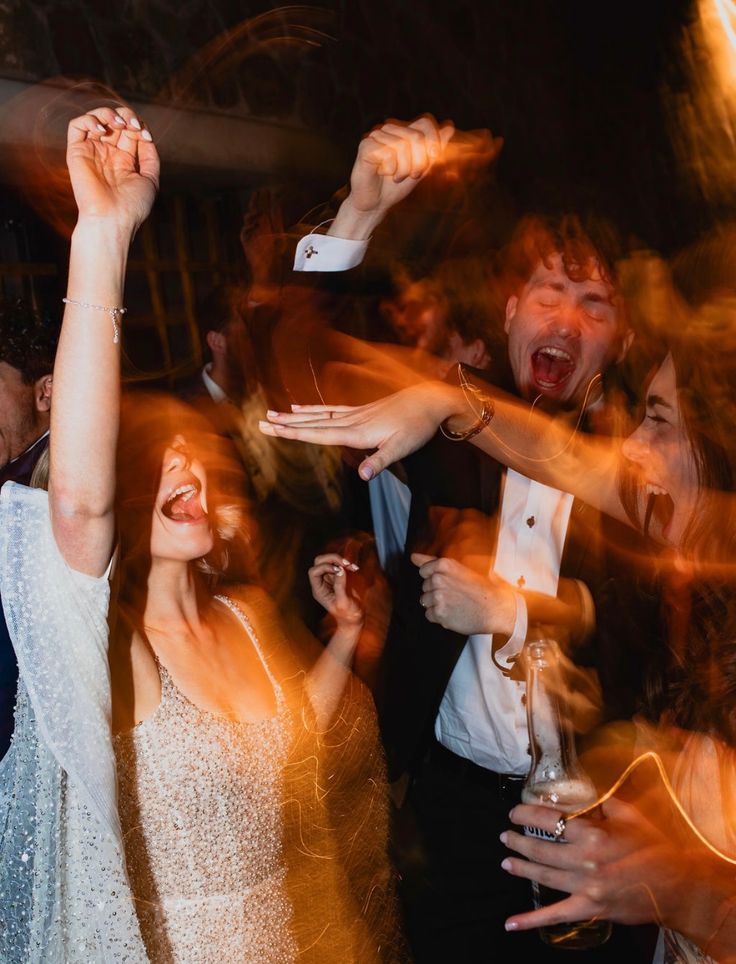
    Today’s couples are building celebrations around how they want the day to feel – calmer, more intentional, more connected and often a lot more fun. Personalisation isn’t just a trend anymore; it’s become the standard. Couples are choosing experiences over expectations and reworking traditions to fit real life instead of forcing themselves into a template.

    If you’ve ever found yourself saying, “Do we actually have to do that?” – this is your permission slip.

    1. Start the day together instead of apart

    One of the biggest mindset shifts happening in weddings? Couples are reclaiming the hours before the ceremony.

    Instead of spending the entire morning separated, more couples are choosing shared breakfasts, private coffee moments, handwritten letters or even getting ready in the same space.

    It softens the nerves and reminds you what the day is actually about: the two of you.

    Not every wedding needs a dramatic aisle reveal.

    2. Make your guest list smaller – and your experience bigger

    Bigger doesn’t automatically mean better.

    Couples are trimming guest lists and redirecting that budget into things guests genuinely remember: exceptional food, immersive styling, upgraded entertainment, meaningful details and more quality time with the people who matter.

    Fewer people often means:

    • More meaningful conversations
    • Better food and drinks
    • Less logistical stress
    • More room for unexpected moments

    3. Read your vows privately first

    Public vows aren’t for everyone.

    Private vow readings are becoming increasingly popular for couples who want emotional intimacy without performing for a crowd.

    Read them during a first look. Exchange letters before the ceremony. Keep the ceremony itself shorter and lighter.

    Sometimes the most meaningful moments happen off-stage.

    4. Ditch the rigid timeline

    Who decided weddings needed to run like military operations?

    Some of the most memorable celebrations right now look completely different:

    • Sunrise ceremonies followed by brunch
    • Long-table lunches instead of formal dinners
    • Cocktail-style receptions
    • Weekend-long celebrations
    • Shorter weddings that end before midnight

    The best schedule is the one that matches your energy – not tradition.

    5. Do your portraits before the ceremony

    This one is practical and underrated.

    Getting portraits and family photos done early means you actually get to attend your own cocktail hour.

    You’ll spend less time disappearing for staged shots and more time living the moments you paid for.

    Photography trends are also moving toward documentary-style coverage and authentic interaction over endless posing.

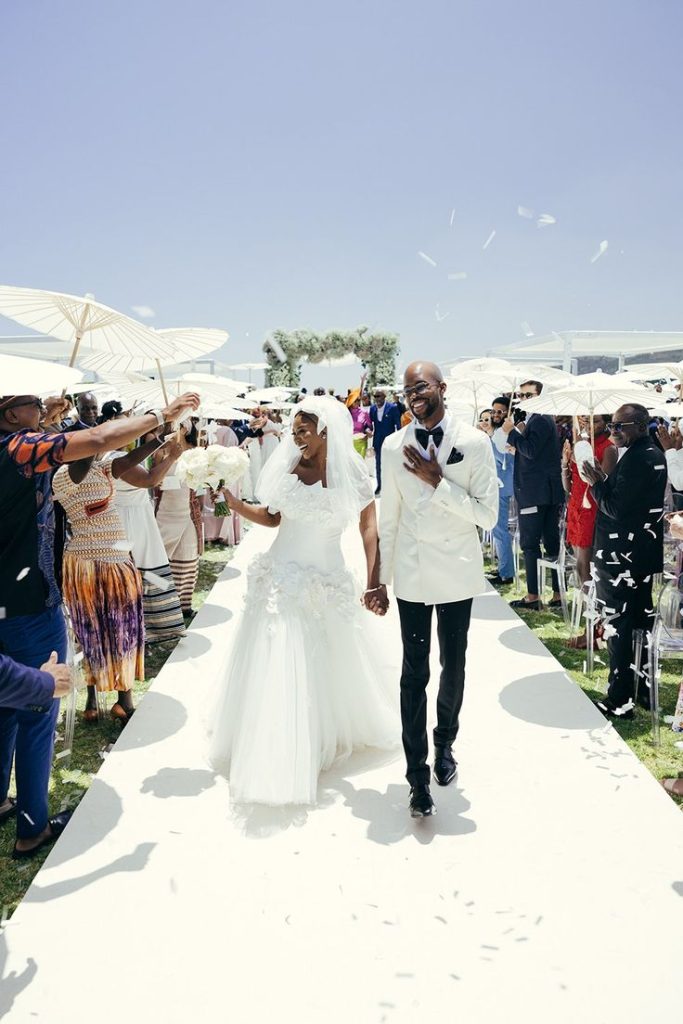
    6. Walk down the aisle together

    There’s no rule that says one person has to wait while the other makes an entrance.

    Walking in together feels symbolic, modern and surprisingly emotional – a visible reminder that this is something you’re entering as equals.

    7. Replace formal dining with something people actually talk about later

    Formal plated dinners will always have their place.

    But experience-led dining is becoming one of the strongest wedding shifts for 2026:

    • Food stations
    • Shared feasts
    • Grazing tables
    • Interactive dessert moments
    • Late-night comfort food
    • Family-style service

    Guests remember how they felt – and food plays a huge role in that.

    8. Stop treating photos like a checklist

    You probably don’t need 47 family combinations.

    Couples are becoming more selective and prioritising candid moments instead of marathon photo sessions.

    Choose the portraits that matter and then get back to your party.

    9. Skip the wedding party if it doesn’t fit

    Not everyone wants bridesmaids, matching outfits or group chats with 14 opinions.

    Your wedding party can be:

    • One person
    • Mixed gender
    • Family only
    • Children only
    • Nobody at all

    There’s no prize for making things harder.

    10. Create experiences instead of entertainment

    Think less “scheduled fun” and more moments people discover.

    Ideas guests genuinely love:

    • Audio guestbooks
    • Tattoo stations
    • Espresso bars
    • Board game lounges
    • Personal trivia moments
    • Interactive food experiences
    • Curated playlists built by guests

    Community conversations around modern weddings consistently point to comfort, meaning and interaction outperforming traditional formalities.

    11. Consider separating the legal ceremony from the celebration

    More couples are choosing to handle paperwork separately and keep their wedding day emotionally focused.

    It removes admin, pressure and timing constraints – especially if you want a highly personalised ceremony.

    12. End the night your way

    No sparkler exit. No forced afterparty. No staying until 2am because weddings “should”.

    Order burgers.
    Open champagne in bed.
    Sit together and replay your favourite moments.

    You don’t need a grand finale if the whole day already felt unforgettable.

    The final dance

    The best weddings in 2026 aren’t the ones breaking traditions for shock value.

    They’re the ones asking better questions.

    Does this feel like us?
    Will we remember this?
    Will our guests enjoy this?

    Because once the flowers are packed up and the dress is hanging in the wardrobe, what stays isn’t whether you followed every wedding rule.

    It’s whether the day felt unmistakably yours.

    ALSO SEE: 7 Fun-loving wedding ideas to move your wedding from traditional to funtastic 

    7 Fun-loving wedding ideas to move your wedding from traditional to funtastic

    Featured image: Yusuf Rendecioglu art / Pexels

    When it comes to wedding beauty, inspiration boards are no longer built around trends alone – they’re built around moments.

    The kind that makes you immediately screenshot the dress, zoom into the glam and send it straight to the group chat.

    Celebrity bridal makeup has become less about dramatic transformations and more about elevated versions of personal style: luminous skin, soft sculpting, modern romance and beauty that still feels recognisable years later.

    Whether your mood is old Hollywood, effortless glow or polished soft glam, these celebrity-inspired bridal makeup looks deserve a spot on your wedding Pinterest board.

    For the bride who wants timeless romance: Sofia Richie Grainge

    If one bridal beauty look defined the modern era of wedding makeup, this was it.

    Sofia Richie Grainge’s wedding glam became an instant reference point for brides everywhere – and for good reason. Fresh skin, softly defined eyes, brushed brows and understated nude lips created a look that felt expensive without trying too hard.

    Why it works:

    • Minimal contour
    • Luminous complexion
    • Neutral eye definition
    • Satin-finish lips

    Perfect for:
    Classic weddings, European-inspired venues and brides wearing structured gowns.


    View this post on Instagram


    A post shared by Sofia Richie Grainge (@sofiagrainge)

    For the bride who wants quiet luxury: Priyanka Chopra Jonas

    Priyanka’s bridal beauty struck the balance between timeless and statement-making.

    Her makeup paired radiant skin with softly sculpted features and enough definition to stand up against elaborate fashion moments without overwhelming them.

    Steal the look:

    • Warm bronzed tones
    • Defined lashes
    • Soft highlight
    • Long-wear complexion products

    Ideal for brides planning multi-day celebrations.


    View this post on Instagram


    A post shared by Priyanka (@priyankachopra)

    For the bride who loves effortless glamour: Hailey Bieber

    Hailey’s beauty aesthetic continues to dominate bridal mood boards – and her wedding-era makeup helped cement the “clean girl bride” movement.

    Think healthy skin, subtle warmth and barely-there enhancement.

    Key details:

    • Dewy base
    • Cream blush
    • Feathered brows
    • Glossy nude lips

    This works especially well for outdoor weddings and destination ceremonies.


    View this post on Instagram


    A post shared by Hailey Rhode Bieber (@haileybieber)

    For the bride who wants old-Hollywood elegance: Nicola Peltz Beckham

    Nicola’s bridal glam proved that classic doesn’t mean predictable.

    Softly sculpted skin, subtle definition and beautifully balanced features created a polished bridal finish that feels just as relevant today.

    Try:

    • Soft matte skin
    • Defined but natural eyes
    • Neutral blush
    • Classic lip tones

    Pair with:
    Cathedral veils and clean silhouettes.

    For the bride who wants modern minimalism: Kourtney Kardashian Barker

    Not every bride wants traditional beauty.

    Kourtney embraced a moodier, fashion-forward bridal look with stronger eye definition and less emphasis on ultra-glowy skin.

    Take inspiration through:

    • Statement liner
    • Controlled glow
    • Natural lips
    • Sleek hair pairings

    Ideal for city weddings or fashion-led ceremonies.

    For the bride who wants royal-level polish: Meghan Markle

    Meghan’s bridal makeup remains one of the most requested references for makeup artists.

    The secret? Skin that still looked like skin.

    Her look focused on soft warmth, subtle eye enhancement and allowing natural features – including freckles – to remain visible.

    The takeaway:
    Bridal makeup doesn’t have to cover you to elevate you.


    View this post on Instagram


    A post shared by Meghan, Duchess of Sussex (@meghan)

    Before you book your bridal glam

    Celebrity inspiration should guide your beauty choices – not replace your own features.

    Save references with:

    • Similar skin tone
    • Similar eye shape
    • Similar wedding setting
    • Similar dress aesthetic

    Your makeup artist’s job isn’t to recreate someone else’s face – it’s to translate the feeling of the look onto yours.

    Final thoughts

    Celebrity bridal beauty may fill our feeds, but the reason these looks stay memorable isn’t because they’re flawless – it’s because they feel considered.

    Sofia’s glow, Meghan’s softness, Hailey’s barely-there polish – none of these brides disappeared behind their makeup. Their beauty choices worked because they complemented the overall vision, not competed with it.

    Take inspiration from the celebrity moments you love, but treat them as a starting point, not a blueprint. The most striking bridal makeup isn’t the trendiest look in the room – it’s the one that makes you feel instantly like yourself the second you catch your reflection.

    And years from now, that’s the detail that will still feel timeless.

    ALSO SEE: How to Have a Celebrity-Style Wedding Without Spending Millions 

    How to Have a Celebrity-Style Wedding Without Spending Millions

    Featured image: Pinterest

    There’s something poetic about the final moments of a wedding.

    Long after the vows have been exchanged, the speeches have wrapped and the dance floor has emptied, your grand getaway becomes the closing scene – the moment guests remember driving home and the one that often ends up in the final frames of your wedding album.

    Yet strangely, it’s also one of the most overlooked parts of wedding planning.

    Back in the day, a decorated getaway car and a handful of tied-on tins felt like enough. Today’s couples are approaching their exits differently. The trend isn’t necessarily bigger or louder – it’s more intentional, more personal and designed to feel like an extension of the celebration rather than an afterthought.

    Here’s how to leave your wedding in a way that feels unforgettable.

    Match the exit to the energy of your day

    The most memorable exits aren’t random. A black-tie city wedding may call for a vintage car moment under glowing streetlights, while a vineyard celebration might feel better suited to a lantern-lit walk through the vines.

    Think of your exit as the final sentence of your wedding story. If your celebration leaned playful and social, your send-off should feel high-energy. If your day felt intimate and romantic, choose something quieter and cinematic.

    The goal isn’t to impress guests – it’s to create emotional continuity.

    Reimagine the classic getaway car

    The vintage car exit remains timeless for a reason. But couples are styling them differently now: personalised signage, monochrome ribbon details, florals that mirror the tablescape and editorial-style photography that feels more fashion campaign than tradition.

    For destination weddings, local transport is becoming part of the storytelling too – whether that’s a coastal vehicle, a retro bus or something tied to the setting itself.

    Your transport doesn’t need to be extravagant. It just needs to feel considered.

    The sparkler exit still works – but smarter

    Few wedding moments photograph as beautifully as a sparkler tunnel. But today’s couples are making practical adjustments: longer sparklers for timing, coordinated guest positioning and designated organisers to keep the moment smooth instead of chaotic.

    Before committing, confirm venue policies and fire restrictions. And if flames aren’t practical? There are alternatives.

    Think:

    • Bubbles
    • Ribbon wands
    • Glow sticks
    • Biodegradable confetti
    • Dried flower petals
    • Streamers

    Eco-conscious send-offs are becoming increasingly popular, especially as couples prioritise lower-waste celebrations.

    The private last dance is quietly becoming the luxury move

    One of the most talked-about shifts in modern weddings isn’t actually an exit at all. It’s the private last dance.

    Once guests move outside to prepare for the send-off, couples stay behind for one final song together in an empty reception space – no cameras in your face, no hosting duties, no timeline pressure. Just a minute to absorb what just happened.

    It feels cinematic. And for couples who spent months planning, it creates something rare on the wedding day: stillness.

    Outfit changes are changing the getaway moment too

    The rise of second bridal looks has created a whole new category of grand exits.

    Mini dresses, tailored white sets, sleek satin silhouettes and comfortable statement shoes are increasingly becoming the final look of the night – especially for couples heading into after-parties.

    Your exit outfit doesn’t need to replace your dress. It simply gives your wedding a final chapter.

    Remember: your guests want a moment, not a production

    Interestingly, couples are moving away from exits that feel performative and towards moments that feel emotionally memorable. Weddings in 2026 are leaning into experiences that prioritise connection over spectacle.

    That means the best getaway isn’t necessarily fireworks.

    Sometimes it’s walking hand in hand through your favourite people while they cheer. Sometimes it’s sneaking away quietly. Sometimes it’s one final dance before the lights come up.

    The final send-off

    You spend months thinking about how to arrive – but how you leave deserves equal attention.

    Your grand getaway is more than transport. It’s the final feeling your guests take home and your first moment stepping into married life together.

    Make it feel like an ending worth remembering.

    ALSO SEE: Ten creative ways to exit your wedding 

    Ten creative ways to exit your wedding

    Feature image: Pinterest

    For years, wedding photography was all about polished perfection. Every detail was curated, every frame colour-graded, every candid moment somehow still looked planned.

    Now? Couples are deliberately inviting a little chaos back in.

    Disposable cameras – yes, the plastic, flash-heavy relics of the late ‘90s and early 2000s – are making an unexpected return to modern weddings. But this comeback isn’t about rejecting professional photography. It’s about adding something many couples feel has quietly disappeared: surprise.

    Because in an era where every guest has a camera in their pocket, it turns out the photos people treasure most are often the ones nobody planned.

    Why disposable cameras are suddenly everywhere again

    The return of disposable cameras fits into a broader wedding shift happening right now: less perfection, more personality.

    Wedding photography trends for 2026 continue to lean toward movement, grain, candid storytelling and imagery that feels emotionally real rather than editorially flawless. Couples are embracing motion blur, direct flash and nostalgic visual textures that feel more memory than magazine.

    Disposable cameras slot neatly into that mood.

    Placed on reception tables, tucked into welcome bags or handed out during cocktail hour, they invite guests to become part of documenting the day instead of simply consuming it.

    And there’s something unexpectedly romantic about not knowing what’s on the roll.

    The appeal? Imperfect photos feel more personal

    Film’s resurgence isn’t really about vintage aesthetics alone.

    It’s about perspective.

    Professional photographers capture the big moments beautifully – the walk down the aisle, the portraits, the speeches. Disposable cameras capture the rest: your cousin teaching your gran a TikTok dance, someone stealing extra cake, the blurry joy of the dance floor.

    Those photos feel different because they are.

    Industry reporting shows that couples are increasingly drawn to imagery that feels human and lived-in over technically perfect. Analog photography continues gaining traction because of its warmth, grain and emotional texture.

    Even guest-generated content is becoming a bigger part of wedding storytelling, creating an archive that complements – rather than replaces – professional galleries.

    Before you buy 20 camera – know what you’re signing up for

    There’s one detail Pinterest boards rarely mention: disposable cameras aren’t always the budget-friendly option they appear to be.

    By the time couples factor in purchasing, developing and scanning film, costs can climb quickly. Results are also unpredictable – especially indoors or in low light where disposable cameras tend to struggle.

    Experts suggest treating them as an add-on experience rather than your primary photography plan. Many couples are now using a hybrid approach: professional photography for the hero moments, with disposable cameras reserved for cocktail hour, guest tables or after-parties.

    A few simple rules help:

    • Use built-in flash indoors
    • Leave short instructions at each table
    • Limit cameras to high-energy areas
    • Add a collection box so cameras don’t disappear
    • Expect surprises (and a few unusable shots)

    Because honestly? That’s part of the charm.

    The new luxury might actually be imperfection

    For so long, weddings chased the idea of looking flawless.

    But the return of disposable cameras suggests something different: couples want their weddings to feel remembered, not manufactured.

    Not every frame needs to be crisp. Not every moment needs to be content.

    Sometimes the best wedding photos are the ones slightly out of focus – but impossible to forget.

    ALSO SEE: The wedding guest etiquette rules everyone secretly wishes people followed

    The wedding guest etiquette rules everyone secretly wishes people followed

    Featured image:  cottonbro studio / Pexels 

    There’s a certain point in wedding planning where romance quietly exits the room and spreadsheets move in. Guest lists stretch. Venue capacities shrink. Budgets become suspiciously personal.

    And somewhere between trimming cousins and calculating canapé costs, many couples find themselves asking the question they never thought they’d need to ask: Can you invite someone to the ceremony… but not the reception?

    Short answer? Yes – but proceed thoughtfully. Because while modern weddings have become far more flexible, guest feelings still matter.

    First things first: what’s actually considered acceptable?

    Traditionally, wedding etiquette has long held one simple rule: if someone is invited to witness the ceremony, they should also be invited to celebrate at the reception. The reverse, however, is increasingly common.

    Translation? A private ceremony followed by a larger celebration is generally easier for guests to understand than inviting people to the vows and not the party.

    That said, weddings in 2026 don’t follow one template anymore. Couples are choosing intimacy, intention and practicality over outdated expectations.

    When a ceremony-only guest list actually makes sense

    Your ceremony venue has limited capacity

    Historic chapels, destination venues, family homes and religious spaces often come with strict numbers.

    If your dream ceremony seats 40 but your reception venue accommodates 120, splitting the guest list can feel less like exclusion and more like logistics.

    You want the vows to feel deeply personal

    For some couples, the ceremony feels sacred and intimate.

    They want parents, siblings and closest friends present – then open the celebration afterwards.

    Think: private “I do”, public celebration.

    Cultural or religious traditions shape the day

    Many weddings already divide attendance naturally across events.

    Some ceremonies are family-focused while larger receptions become the community celebration.

    Budget realities are doing the talking

    Reception costs add up quickly.

    Meals, drinks, staffing and décor often mean each additional guest has a real financial impact.

    And honestly? Couples shouldn’t feel pressured into hosting beyond their means.

    Where things get tricky

    Inviting guests to the ceremony and excluding them from the reception can feel more personal.

    Guests often interpret the reception as the hospitality portion of the day.

    In other words:

    • Ceremony only = “Come watch.”
    • Reception = “Come celebrate with us.”

    That doesn’t mean ceremony-only invitations are wrong – but they do require extra care.

    If you’re going this route, ask yourself:

    • Is there a genuine reason?
    • Is the decision consistent?
    • Would I feel okay receiving this invitation?

    If the answer becomes uncomfortable, it’s worth rethinking.

    How to do it without hurting feelings

    Be crystal clear on invitations

    Confusion creates awkwardness.

    If someone is invited to only one part of the day, their invitation should reflect exactly that – no assumptions, no vague wording.

    Avoid obvious “tiers”

    Guests compare notes more than couples think.

    Randomly separating friendship groups or inviting one half of established couples to different portions can feel uncomfortable.

    Don’t overexplain

    You don’t owe everyone a budget breakdown.

    A simple:

    “We’re keeping the ceremony intimate but would love to celebrate with you afterwards”

    usually lands better than paragraphs of justification.

    Make reception-only guests feel included

    If guests won’t witness the ceremony, bring the story into the reception.

    Play a short video, share vows in speeches, display ceremony photos, or recreate a meaningful moment.

    People remember how they felt – not whether they saw the legal paperwork.

    The modern wedding verdict

    The truth? There’s no universal guest-list formula anymore.

    Private ceremonies. Reception-only invitations. Multi-day celebrations. Intimate legal weddings followed by bigger parties.

    It’s all fair game.

    The goal isn’t pleasing everyone.

    It’s making choices that feel intentional, communicating them clearly, and creating an experience where every guest feels wanted – not ranked.

    Because people rarely remember whether they attended the vows. They remember whether they felt invited into the joy.

    ALSO SEE: How to navigate an intimate wedding guest list when you have a big family 

    How to navigate an intimate wedding guest list when you have a big family

    Featured image:  Pavel Danilyuk / Pexels

    Sometimes the reception isn’t where the real celebration begins. For years, weddings followed a familiar script: ceremony, speeches, dinner, dancing, farewell.

    Now? Couples are extending the celebration – and the wedding after-party is becoming one of the most talked-about moments of the day.

    If you’ve been seeing brides swapping gowns for mini dresses, surprise late-night snack drops, neon dance floors and “meet us downstairs after” invites all over your feed, you’re not imagining it. Wedding after-parties have moved from celebrity-only territory into mainstream wedding planning.

    But what exactly is a wedding after-party, who is it for, and is it something every couple actually needs?

    First things first: what is a wedding after-party?

    A wedding after-party is a second celebration that happens immediately after the formal reception ends.

    Think less structured timelines and formal speeches – and more relaxed outfits, favourite playlists, close friends and one final chance to celebrate without the pressure of hosting.

    Typically, couples move from their main venue to a more casual setting and continue with a smaller guest list. Common choices include hotel lounges, rooftop bars, private suites, restaurants, bonfire setups or even transformed sections of the reception venue itself.

    The energy shifts from wedding reception to actual party.

    So… who actually does wedding after-parties?

    Short answer: more couples than you think.

    Traditionally, after-parties were more common among destination weddings, celebrity weddings and couples hosting multi-day celebrations.

    Now, planners are seeing couples across budgets prioritise guest experience over rigid wedding traditions. Instead of adding more ceremony details or formal reception extras, many are redirecting energy toward creating memorable social moments later in the evening.

    The couples most likely to love an after-party tend to be:

    • Couples with younger guest lists
    • Destination wedding couples
    • Couples whose venue has strict end times
    • Hosts who want time with friends after formal obligations
    • Pairs who prefer intimate moments over structured reception schedules

    That said – and this part matters – not every wedding needs one.

    If your reception naturally runs late or your guest list includes lots of travelling families and older guests, extending the night can sometimes feel unnecessary.

    Why couples are obsessed with them right now

    There’s one recurring theme showing up in 2026 wedding trends: intentional celebrations.

    Couples want weddings that feel like them – not weddings built from obligation.

    And after-parties create space for exactly that.

    A few of the biggest shifts we’re seeing:

    • Outfit changes are becoming a moment

    Reception gowns are giving way to sequins, minis, tailored suits, sneakers and party looks designed for movement and personality.

    • Late-night food is replacing formal dessert moments

    Think sliders, pizza slices, tacos, milkshakes or nostalgic comfort food stations instead of another plated course.

    • The vibe matters more than perfection

    Speakeasy lounges, silent discos, neon lighting, beach bonfires and curated playlists are replacing over-produced reception timelines.

    • Guests want connection – not another formal programme

    Community conversations and planners alike point to guests loving after-parties because conversations become easier and the atmosphere feels more relaxed.

    Wedding after-party etiquette: the unspoken rules

    Before you add one to your Pinterest board, here’s what couples should know:

    • Not everyone needs to be invited.
    • Keep locations close (walking distance is ideal).
    • Communicate clearly if it’s invitation-only.
    • Don’t over-plan – simplicity wins.
    • If guests are travelling, consider transport.
    • Remember: the couple still needs energy left to enjoy it.

    The best after-parties aren’t usually the biggest.

    They’re the ones that feel effortless.

    Final dance: should you have one?

    A wedding after-party isn’t a requirement – and it definitely isn’t a measure of how fun your wedding is.

    But for couples who want a little more time, a little less structure and one last memory before the night ends?

    It might just become everyone’s favourite part of the celebration.

    Because sometimes the best wedding photos happen after the shoes come off.

    ALSO SEE: Reception games that break the ice (and bring the party)

    Reception games that break the ice (and bring the party)

    Featured image: Pinterest

    Forget bigger – proposals are getting more personal

    There was a time when grand gestures ruled proposal season: flash mobs, crowded restaurants, and moments designed to go viral.

    But lately? Couples are changing the script.

    Today’s proposals feel more intentional, more collaborative and far more reflective of the relationship itself. Think meaningful locations over expensive setups, private moments over public performances, and experiences that feel authentic rather than overly curated. Proposal planners, engagement studies and real couples are all pointing to the same thing: the proposal isn’t becoming less romantic – it’s becoming more personal.

    Here are the proposal trends showing up everywhere right now.

    1. The rise of the “quiet proposal”

    Big public proposals haven’t disappeared – but they’re no longer the default.

    One of the biggest shifts we’re seeing is couples choosing intimacy over spectacle. At-home proposals, sunrise walks, private dinners and meaningful everyday locations are replacing highly staged public moments.

    The focus? Creating space for genuine emotion instead of performance.

    And surprisingly, this isn’t making proposals feel smaller – it’s making them feel more memorable.

    2. Proposal photography is no longer optional

    Once reserved for weddings, professional proposal photography and videography have become part of the engagement moment itself.

    But couples aren’t only booking photographers anymore – they’re hiring content creators to capture behind-the-scenes footage, candid reactions and short-form social content.

    The goal isn’t perfection.

    It’s preserving the feeling.

    From hidden photographers to cinematic reels and same-day engagement shoots, documenting the “yes” moment has become part of the experience.

    3. Destination proposals are having a major moment

    Weekend escapes are becoming the new proposal venue.

    Whether it’s a coastal retreat, an international city break or a bucket-list destination, couples are turning engagements into experiences they’ll remember long after the ring selfie.

    Proposal planning companies have also reported growing demand for curated destination moments – from private dinners to styled proposal setups abroad.

    4. Couples are planning the engagement together

    The surprise isn’t disappearing – it’s evolving.

    More couples are openly discussing timelines, ring styles and expectations before the proposal happens.

    For many, the proposal details remain a surprise while the decision to get engaged becomes mutual.

    That collaborative approach is becoming increasingly normal and, for many couples, far less stressful.

    5. Personalisation is becoming the luxury detail

    The most memorable proposals right now aren’t necessarily the most expensive.

    They’re the ones built around meaning.

    We’re seeing sentimental locations, recreated first dates, custom playlists, handwritten letters, family heirlooms, private concerts and details that only make sense to the couple involved.

    The trend isn’t “extra”.

    It’s deeply personal.

    6. Engagements are becoming part of a bigger celebration

    Another growing trend? The proposal isn’t ending with the ring.

    Couples are extending the moment with post-proposal dinners, surprise celebrations, engagement weekends and curated experiences that turn one question into an entire memory.

    Think: proposal → celebration → content → engagement shoot.

    One moment, multiple memories.

    The takeaway: There’s no “right” way to propose anymore

    If proposal trends have taught us anything, it’s this: the most unforgettable proposals aren’t necessarily the loudest.

    They’re the ones that feel recognisable to the people living them.

    Because the best proposals don’t look like everyone else’s.

    They look like your story.

    ALSO SEE: Cape Town’s most romantic proposal spots for an unforgettable Engagement 

    Cape Town’s most romantic proposal spots for an unforgettable Engagement

    Featured image: Marko Klaric / Pexels

    There’s something undeniably romantic about winter. The crisp air, golden sunsets, cozy evenings and slower pace create the perfect atmosphere for one of life’s biggest questions: Will you marry me?

    While summer proposals often steal the spotlight, winter offers something equally special –  intimacy. Think candlelit dinners, mountain views, fireplace moments, misty landscapes and unforgettable getaways made for two.

    Modern proposals are becoming less about grand gestures for the sake of spectacle and more about creating a moment that feels personal, intentional and true to the couple’s story.

    Whether you’re planning a private proposal or a once-in-a-lifetime destination moment, these winter proposal ideas are guaranteed to inspire.

    A romantic mountain escape

    Few settings feel as magical as the mountains during winter. Imagine waking up somewhere quiet, surrounded by dramatic landscapes, spending the day exploring together and ending it with a proposal as the sun sets behind the peaks.

    For South African couples, winter mountain escapes offer the perfect balance of adventure and romance.

    Think:

    • A cozy cabin with a fireplace
    • A private picnic overlooking the mountains
    • A sunrise proposal after a weekend away
    • A surprise photographer capturing the moment

    Destinations like the Drakensberg or a winter escape in the Cederberg create naturally breathtaking backdrops.

    A wine estate proposal in the Cape Winelands

    There’s a reason the Cape Winelands remain one of South Africa’s most romantic destinations. Winter brings a different kind of charm – quieter vineyards, misty mornings, roaring fireplaces and intimate dinners.

    A winter proposal idea: Book a weekend away, arrange a private wine tasting, and pop the question among the vines or after a candlelit dinner.

    The beauty of a wine estate proposal is that the experience doesn’t end with the “yes” – it becomes an entire engagement celebration.

    Popular areas include:

    • Franschhoek
    • Stellenbosch
    • Constantia

    The cozy fireplace proposal

    Not every unforgettable proposal needs a dramatic location. Sometimes the most meaningful moments happen somewhere private.

    A winter-inspired at-home proposal can be just as beautiful:

    • Transform your home with candles and flowers
    • Recreate your first date
    • Cook your partner’s favourite meal
    • Create a timeline of your relationship through photos
    • End the evening with the ring and a heartfelt speech

    The focus is not the production – it’s the story behind it.

    A beach proposal (with a winter twist)

    Winter beaches have a quiet beauty that summer crowds often take away.

    A windswept coastline, dramatic skies and an empty beach can create a cinematic proposal moment.

    Consider:

    • A sunrise walk
    • A blanket picnic overlooking the ocean
    • A hidden beach location
    • A surprise photographer waiting nearby

    For Cape Town couples, locations along the coastline can offer unforgettable winter scenery without needing an international trip.

    A destination proposal abroad

    For couples who love travelling, a winter proposal abroad turns the engagement into an entire adventure.

    Some romantic winter proposal destinations include:

    • Paris, France: Classic, timeless and effortlessly romantic. Winter brings fewer crowds and a magical city atmosphere.
    • Iceland: For couples wanting something extraordinary, Iceland’s landscapes and northern lights create a once-in-a-lifetime backdrop.
    • Venice, Italy: Quiet canals, candlelit dinners and old-world charm make winter in Venice feel like stepping into a love story.
    • A European Christmas market escape: Cities like Vienna or Prague offer fairytale streets, festive lights and romantic winter experiences.

    The “just us” proposal

    One of the biggest shifts in modern proposals is choosing authenticity over performance. Couples are increasingly planning moments that reflect who they are – whether that means a private dinner, an adventurous getaway or a sentimental location that holds meaning.

    Ask yourself:

    • Are they someone who loves attention or privacy?
    • Would they prefer a crowd or a quiet moment?
    • Is there a place that already tells your story?

    The best proposal location is not always the most famous one – it’s the one that feels like yours.

    Final Thoughts

    A winter proposal has a special kind of magic. It’s slower, more intimate and filled with opportunities to create a moment that feels completely personal.

    Whether it happens beside a fireplace, overlooking a mountain range or during a once-in-a-lifetime getaway, the most memorable proposals are the ones that tell your love story.

    Because the perfect proposal isn’t about creating a picture-perfect moment – it’s about creating the moment you’ll both remember forever.

    ALSO SEE: 8 Romantic engagement ideas to help you pop the question! 

    8 Romantic engagement ideas to help you pop the question!

    Featured image: Pavel Danilyuk / Pexels

    Long, flowing locks have traditionally dominated bridal beauty inspiration, but today’s brides are proving that short hair is every bit as versatile, romantic and wedding-worthy.

    Whether you’re rocking a pixie cut, a classic bob, a textured lob or a sleek crop, there are countless ways to elevate your look for the aisle. In fact, short hair often allows statement accessories, facial features and dress details to take centre stage in a way that longer styles sometimes don’t.

    If you’re planning your wedding and wondering how to style shorter strands, consider this your inspiration guide.

    The modern pixie

    A pixie cut exudes confidence and sophistication. For weddings, subtle styling can make all the difference. Soft texture, polished volume or a side-swept fringe instantly transforms the look into something celebration-ready.

    Pair the style with pearl hairpins, crystal clips or a delicate bridal headband for an effortlessly elegant finish. Brides wanting a fashion-forward aesthetic can also embrace a sleek, sculpted pixie paired with statement earrings.

    The timeless bridal bob

    The bob remains one of the most versatile short hairstyles for brides. Whether worn straight, softly curled or tucked behind one ear, it offers endless styling opportunities.

    Loose waves create a romantic feel, while a sleek glass-hair finish lends itself beautifully to contemporary weddings. Adding a decorative comb, embellished barrette or veil positioned low at the back of the head can complete the look without overwhelming it.

    Soft Hollywood waves

    Short hair and glamour go hand in hand. Hollywood-inspired waves work beautifully on chin-length bobs and lobs, creating a timeless silhouette reminiscent of old-world elegance.

    This hairstyle pairs particularly well with structured gowns, satin fabrics and classic wedding aesthetics. A side part and subtle shine spray help enhance the polished finish.

    Textured and effortless

    Not every bridal hairstyle needs to look perfectly polished. Many modern brides are embracing natural texture and movement, creating a relaxed yet refined appearance.

    Think tousled waves, soft bends and intentionally undone styling. This approach works especially well for outdoor celebrations, garden weddings and destination ceremonies where an effortless aesthetic feels right at home.

    Half-up styles for shorter lengths

    Many brides assume half-up hairstyles are reserved for long hair, but shorter cuts can achieve the look too.

    Sections around the crown can be pinned back to create volume and shape while allowing the remaining hair to frame the face. The result feels romantic, practical and incredibly photogenic.

    Adding small floral accents or delicate pearl details can enhance the bridal effect without feeling overdone.

    Statement accessories take centre stage

    One of the biggest advantages of short hair is how beautifully it showcases accessories.

    Bridal headbands, birdcage veils, pearl-encrusted clips, crystal combs and fresh flowers become focal points rather than competing with long strands. Oversized bows have also emerged as a major bridal trend, adding a playful yet elegant touch to shorter styles.

    For minimalist brides, a single statement piece is often all that’s needed.

    Embracing natural curls

    Brides with naturally curly or coily short hair have no shortage of stunning options.

    Defined curls create beautiful volume and texture while celebrating natural beauty. Floral accents, jeweled pins and delicate crowns can be incorporated seamlessly into the hairstyle without compromising curl definition.

    The key is working with, rather than against, your natural texture.

    The sleek and sophisticated look

    For brides who favour clean lines and modern styling, sleek short hair can create a striking wedding-day look.

    A deep side part, glossy finish and carefully placed accessory offer understated elegance. This style pairs exceptionally well with contemporary bridal fashion and architectural gown designs.

    Choosing the right style for your wedding

    The best bridal hairstyle isn’t determined by hair length – it’s determined by your personal style, dress, venue and comfort level.

    A beachside celebration may call for effortless texture, while a formal ballroom wedding could suit polished waves or a sleek finish. Most importantly, your hairstyle should feel like an elevated version of yourself rather than something entirely unfamiliar.

    Short hair may be shorter in length, but when it comes to bridal possibilities, it’s anything but limited.

    ALSO SEE: Keep your hair healthy on your summer honeymoon 

    Keep your hair healthy on your summer honeymoon

    Featured image: Anastasia Nagibina / Pexels