
• Tag

    bridal party roles

    Browsing

    For decades, wedding parties followed a familiar formula: bridesmaids stood beside the bride, groomsmen stood beside the groom, everyone wore matching outfits, and the numbers on each side were perfectly balanced.

    Today, that picture looks very different.

    Modern couples are increasingly choosing wedding parties that reflect their real relationships rather than tradition. From mixed-gender bridal parties and uneven numbers to “bridesmen”, “groomswomen” and even no bridal party at all, wedding celebrations are becoming more personal, inclusive and authentic than ever before. Industry experts note that couples are placing greater emphasis on meaningful connections and less on following outdated wedding rules.

    Why couples are moving away from tradition

    At the heart of the trend is a simple idea: people want the people they love most standing beside them, regardless of gender, titles or expectations.

    As weddings become more personalised, couples are questioning long-standing traditions that no longer fit their lives. Rather than choosing attendants based on convention, they’re choosing them based on genuine support, friendship and family bonds. This shift has contributed to the growing popularity of mixed-gender wedding parties and alternative attendant roles.

    For many couples, it also removes unnecessary pressure. The expectation of matching numbers, identical outfits and rigid bridal party duties can feel restrictive in an era where individuality is celebrated.

    Bridesmen, groomswomen and mixed-gender wedding parties

    One of the most visible changes is the rise of mixed-gender wedding parties.

    It’s becoming increasingly common to see a bride’s brother serving as her “Man of Honour” or a groom’s sister standing beside him as his “Best Woman”. Couples are choosing the people who matter most to them instead of assigning roles based on gender.

    The result often feels more genuine and representative of modern friendships and family dynamics.

    Styling these wedding parties has also evolved. Rather than forcing everyone into matching attire, many couples are creating cohesive looks through colour palettes, fabrics or accessories while allowing each person to wear something that suits their personality and comfort level.

    The decline of perfectly matching bridal parties

    The era of identical bridesmaid dresses and uniform groomsmen attire is steadily fading.

    Wedding planners report that couples are gravitating towards a more editorial, fashion-forward aesthetic that allows attendants to express their individual style. Instead of everyone wearing the same outfit, bridal parties are often dressed in complementary colours, varying silhouettes or coordinated textures.

    The trend not only creates more visually interesting wedding photos but also helps attendants feel comfortable and confident throughout the day.

    Smaller bridal parties are becoming the norm

    Another major shift is the move towards smaller wedding parties.

    According to recent wedding industry reporting, bridal parties have become noticeably smaller as couples seek to reduce costs, simplify logistics and focus on their closest relationships. Wedding professionals say today’s couples are less concerned with large entourages and more interested in creating meaningful experiences.

    Smaller bridal parties can also ease the financial burden often associated with being a bridesmaid or groomsman, from attire and travel costs to pre-wedding celebrations.

    The rise of the “no bridal party” wedding

    Perhaps the boldest departure from tradition is the growing number of couples who are skipping the bridal party entirely.

    Wedding planners have identified the “no wedding party” approach as one of the most significant wedding trends in recent years. Rather than having attendants stand beside them during the ceremony, couples are inviting their closest friends and family to participate in other meaningful ways throughout the celebration.

    Friends may still join the couple while getting ready, participate in speeches, witness the marriage licence or feature in special photographs, but without the formal titles and responsibilities traditionally associated with bridesmaids and groomsmen.

    For some couples, this approach creates a more intimate atmosphere while eliminating the stress of choosing who makes the cut.

    What this trend says about modern weddings

    The rise of non-traditional bridal parties reflects a broader shift happening across the wedding industry.

    Couples are increasingly prioritising authenticity over obligation. Whether that means having a bridesman, a groomswoman, mismatched attire, uneven numbers or no bridal party at all, today’s weddings are less about following a prescribed formula and more about telling a personal story.

    Ultimately, the most memorable weddings aren’t defined by tradition. They’re defined by the people who stand beside you – whatever title they happen to have.

    WeddingETC’s take

    If there’s one wedding trend that’s here to stay, it’s personalisation. Non-traditional bridal parties allow couples to celebrate the relationships that have genuinely shaped their lives, rather than squeezing those relationships into outdated categories.

    Whether you’re planning a mixed-gender wedding party, choosing a single best friend to stand beside you or skipping attendants altogether, the modern approach is refreshingly simple: make the day feel like yours.

    ALSO SEE: Standing by Her Side: The Role of the Maid of Honor & Bridesmaids 

    Standing by Her Side: The Role of the Maid of Honor & Bridesmaids

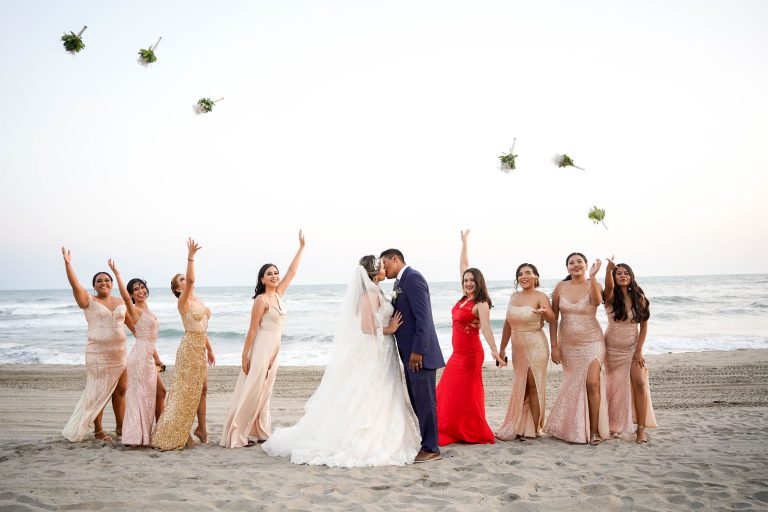
    Featured image: Francisco Sanchez / Pexels
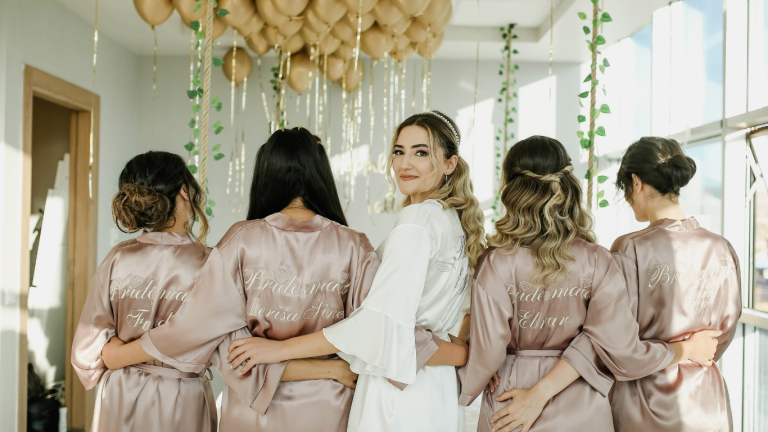
    When a bride asks her closest friends or family members to stand by her side, she isn’t just inviting them to look beautiful in matching dresses, she’s inviting them into one of the most meaningful support roles in her wedding journey. The roles of the maid of honor and bridesmaids remain rooted in tradition, yet they’ve adapted to modern needs, expectations, and challenges. In this article, we’ll explore what these roles truly mean today, what’s expected before, during, and after the big day, and tips for both bride and bridal party to make the experience fulfilling (and fun).

    The Difference Between the Maid of Honor & Bridesmaids

    • The maid of honor (or matron of honor, if married) is the lead among the bridal attendants, the bride’s primary support person, organizer, go-between, and often the point person for logistics and emotional support.

    • Bridesmaids serve as the bride’s supportive team: helping with tasks, being present emotionally, assisting on wedding day logistics, and sharing the load.

    • In many modern weddings, the bride will clarify in advance how involved she wants her maid or bridesmaids to be — heavy coordination or lighter “on-call” help.

    • Whether or not the maid of honor is older, married, or otherwise, the title is a matter of role, not ranking.

    Core Responsibilities: Before, On & After the Wedding

    To make this practical, here’s a breakdown of duties across timelines, highlighting what’s often expected of the maid of honor and what bridesmaids might do alongside her.

    Before the Wedding

    Maid of Honor:

    • Serve as the bride’s confidante and emotional anchor: check in regularly, listen, relieve stress.

    • Lead communication among the bridal party: set up group chats, share timelines, collect availability and budgets.

    • Coordinate or host pre-wedding events: bridal shower, bachelorette party, or bridal weekend.

    • Assist in vendor meetings, décor decisions, stationery, seating charts, based on the bride’s needs.

    • Help bridesmaids with logistical tasks, such as dress fittings, accessory coordination, and deadlines.

    Bridesmaids:

    • Be responsive, reliable, and proactive: help when asked, volunteer for tasks.

    • Attend dress fittings, share opinions sensitively, help with alterations or styling support.

    • Contribute towards shared costs (shower, travel, accommodation) transparently and respectfully.

    • Help with crafts, DIY décor, favors, and logistical preparations as needed.

    On the Wedding Day

    Maid of Honor:

    • Produce an “emergency kit” (safety pins, tissues, sewing kit, stain wipes, pain reliever).

    • Manage the schedule: keep everyone on time, liaise with vendors, act as a point of contact.

    • Assist the bride with her dress, veil, train, bustle, jewelry, and other day-of needs.

    • Hold the bridal bouquet during the ceremony, carry essentials (phone, tissues), coordinate with the officiant or coordinator.

    • Sign as a witness on the marriage license (if required) and deliver gifts & cards to secure spots.

    • Give a toast or speech at the reception: heartfelt, concise, balanced between sincerity and celebration.

    Bridesmaids:

    • Help escort guests, assist with seating, and be welcoming presence.

    • Aid in photo coordination: helping position dresses, holding bouquets, and arranging bridal party.

    • Be available for quick fixes: fix stray hair, help with makeup, lend a hand backstage.

    • Help maneuver dresses in restrooms, bustle skirts at reception, assist with logistics like ushering.

    • Stay alert: watch the bride’s comfort, hydration, food, and emotional needs.

    After the Wedding

    Maid of Honor:

    • Help collect, transport, and deliver gifts, cards, décor returns, and items.

    • Assist with thank-you notes or aid the bride with vendor follow-ups.

    • Be a friend in the weeks after: help her settle post-wedding fatigue, document memories, share photos.

    Bridesmaids:

    • Offer to help with logistics (returns, clean-up, photo sharing).

    • Celebrate with her in quieter moments, send photos, reminisce, stay in touch.

    Tips for a Strong, Healthy Bridal Party Relationship

    1. Set expectations early
      Right after asking someone to be a bridesmaid or maid of honor, have an honest conversation about what the role entails and how involved the bride wants them to be. This avoids misunderstandings. Brides+1

    2. Respect boundaries
      Some brides want full support, others prefer to retain control. Let the bride define and delegate tasks instead of assuming.

    3. Be communicative and transparent
      When budgets, travel, or timing constraints arise, speak up early. It’s okay to decline certain tasks if it’s burdensome, better to do fewer things well than overcommit.

    4. Plan in small teams
      The maid of honor doesn’t have to do everything alone — divide tasks among bridesmaids. This keeps morale high and reduces burnout.

    5. Be a calming influence
      Emotions run high in wedding planning. Be the voice of reason, a sounding board, and a stress-buffer for the bride.

    6. Celebrate together
      Take breaks, have fun with the bride, and enjoy the journey. The best memories often come from behind-the-scenes laughter and bonding.

    To be maid of honor or a bridesmaid is more than a title, it’s a promise to care, to support, and to stand by the bride through excitement, stress, and magic. When the roles are handled with clarity, respect, and teamwork, they don’t just help the wedding run smoothly, they deepen friendships and create memories that last far beyond the aisle.

    Featured Image: Canva