• Tag

    Featured

    Browsing

    Your wedding photos are one of the very few things that last long after the cake is eaten, the flowers wilt and the dance floor clears. Long after the wedding day itself, your photographs become the memories you return to again and again – so choosing the right photographer matters more than most couples realise.

    And no, it’s not just about finding someone with a beautiful Instagram feed.

    The right wedding photographer should understand your vision; make you feel comfortable in front of the camera and know how to capture the in-between moments just as beautifully as the big ones. From editing styles to contracts and chemistry, here’s what to look for before you book.

    Start with photography style first

    Before you even enquire, figure out what style of photography you’re naturally drawn to. This immediately helps narrow down your options and prevents you from booking someone whose work doesn’t align with your vision.

    Some of the most popular wedding photography styles include:

    • Editorial: Fashion-forward, polished and dramatic
    • Documentary/photojournalistic: Candid storytelling with minimal posing
    • Fine art: Soft, romantic and light-filled
    • Traditional: Classic posed portraits and structured moments
    • Dark and moody: Rich tones with cinematic editing
    • Lifestyle: Relaxed, natural and emotion-focused

    A common mistake couples make is choosing a photographer based purely on popularity rather than consistency in style. If you love bright, airy images but book someone known for dark, contrast-heavy edits, you’ll likely feel disappointed later.

    Your photographer’s editing style becomes the visual language of your memories — choose one that genuinely feels like you.

    Look beyond Instagram

    Instagram is helpful for discovering photographers, but it shouldn’t be the deciding factor.

    Social media usually showcases only the highlight reel: perfect lighting, curated poses and the best images from dozens of weddings. What you actually need to see is a full wedding gallery.

    Ask potential photographers to share at least one or two complete galleries so you can evaluate:

    • Consistency throughout the day
    • Indoor and low-light photography
    • Ceremony coverage
    • Family portraits
    • Reception and dance floor shots
    • Emotional storytelling
    • Editing consistency across hundreds of images

    A photographer who shoots beautifully at golden hour but struggles in dim reception lighting may not be the right fit.

    Personality matters more than you think

    You’ll spend more time with your photographer on your wedding day than almost anyone else – sometimes even more than your partner.

    That’s why personality fit is incredibly important. Your photographer should make you feel:

    • Comfortable
    • Calm
    • Seen
    • Directed without feeling awkward
    • Relaxed in front of the camera

    If every interaction feels rushed, cold or transactional during the consultation stage, pay attention to that feeling.

    The best wedding photographers know how to manage timelines, handle stress quietly and create an atmosphere where couples can be present instead of performing for the camera.

    Decide what moments matter most to you

    Every couple prioritises different things.

    For some, it’s emotional candid moments. For others, it’s fashion-focused portraits, family photos or cultural traditions. Being clear about your priorities helps you find someone who naturally captures those moments well.

    Ask yourself:

    • Do we want mostly candid photos or more direction?
    • Are detail shots important to us?
    • Do we care about dramatic couple portraits?
    • Will there be cultural or religious traditions that need understanding?
    • Do we want film photography included?
    • Is video coverage equally important?

    The clearer your expectations are, the easier it becomes to find the right match.

    Read reviews carefully

    Reviews often reveal things portfolios can’t. Pay attention to repeated comments about:

    • Communication
    • Punctuality
    • Professionalism
    • Turnaround times
    • Calmness under pressure
    • Ability to manage family dynamics
    • Reliability on the wedding day

    If multiple reviews mention poor communication or delayed galleries, don’t ignore the pattern.

    A beautiful portfolio means very little if the overall experience leaves couples stressed.

    Understand exactly what’s included

    Wedding photography packages can vary massively, so don’t assume every photographer offers the same thing.

    Before signing anything, clarify:

    • Hours of coverage
    • Second shooter inclusion
    • Number of edited images
    • Sneak peeks
    • Turnaround time
    • Travel fees
    • Engagement shoots
    • Albums or prints
    • Raw image policies
    • Overtime rates

    And yes – read the contract properly.

    It may not be glamorous, but understanding cancellation policies, backup equipment procedures and delivery timelines can save you major frustration later.

    Don’t choose based on price alone

    Wedding photography is one of the few investments that increases in emotional value over time.

    While budget obviously matters, choosing the cheapest option purely to save money can backfire quickly – especially if experience, professionalism or consistency are lacking.

    That said, expensive doesn’t automatically mean better either.

    Focus on finding someone whose work, communication style and experience genuinely align with your priorities.

    Because at the end of the day, the “perfect” wedding photos aren’t just technically beautiful — they should feel like your relationship, your energy and your story.

    Trust your instinct

    Sometimes the right photographer simply feels right.

    You connect naturally, their work resonates emotionally and you can picture them being part of your wedding day without adding stress or pressure.

    That instinct matters. Your photographer isn’t just documenting your wedding – they’re shaping how you’ll remember it for decades to come.

    Choose someone who captures not only how your wedding looked, but how it felt.

    The right photographer captures more than just photos

    Finding the right wedding photographer isn’t about chasing trends or booking the person with the biggest following. It’s about finding someone who understands your story, your energy and the moments that matter most to you.

    The best wedding photos aren’t always the perfectly posed ones – they’re the images that transport you back to a feeling, a laugh, a glance or a moment you didn’t even realise was being captured.

    And when you find a photographer who can do that? That’s when the magic happens.

    ALSO SEE: 12 South African wedding photographers every couple should know

    12 South African wedding photographers every couple should know

    Featured image: Josh Withers / Pexels 
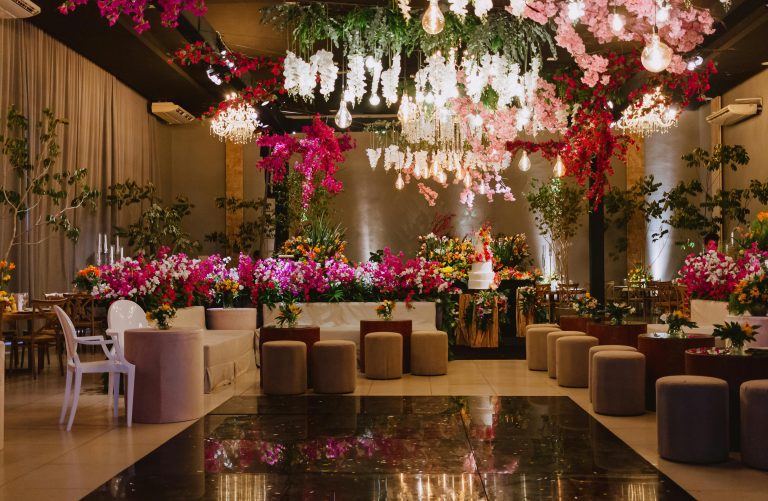
    Your venue is not just a backdrop. It shapes your budget, your guest experience, your timeline, your décor decisions and – if we’re being honest – your stress levels too. 

    And while it’s easy to fall in love with sweeping vineyard views or a dramatic ballroom ceiling, the prettiest venue in your saved folder can quickly become a logistical nightmare if you don’t ask the right questions upfront. 

    In 2026, couples are becoming far more intentional about venue selection. Flexibility, sustainability, weather contingency plans, accessibility and transparent pricing are now just as important as aesthetics. Experts are also seeing a rise in all-in-one venues, intimate guest experiences and multipurpose spaces that can seamlessly transition from ceremony to after-party. 

    So, before you put down a deposit or sign a contract, here are the questions every couple should ask first.

    What exactly is included in the venue fee?

    This is the question that separates the “reasonable” venue from the one quietly draining your budget. 

    Some venues include tables, chairs, glassware, staff, generators, lighting and coordination. Others hand you an empty space and charge extra for every little thing. Ask for a detailed breakdown of what’s actually included – in writing. 

    And don’t forget to ask about: 

    • Setup and breakdown 
    • Cleaning fees 
    • Security 
    • Corkage 
    • Cake-cutting fees 
    • Service charges 
    • VAT 

    Those “small extras” add up frighteningly fast.

    Are there any hidden costs we should know about?

    A venue may look affordable on paper until overtime fees, mandatory staffing costs or vendor restrictions enter the chat. 

    Ask: 

    • What happens if the wedding runs late? 
    • Are there penalties for extending the reception? 
    • Are gratuities included? 
    • Is there a minimum spend requirement? 
    • Are there seasonal pricing changes? 

    Transparency matters. If a venue feels vague about pricing, take that seriously. 

    What’s the real guest capacity?

    Not the “squeezed in shoulder-to-shoulder” number. The realistic one. 

    A venue may technically hold 200 guests, but once you add a dance floor, DJ booth, stage, dessert table and lounge seating, the space can feel cramped very quickly. 

    Ask the venue to show you examples of layouts for guest counts similar to yours.

    Is there a weather backup plan?

    This one is non-negotiable – especially for outdoor weddings. 

    Even if you’re getting married in the middle of summer, weather can still humble you. Ask: 

    • Is there an indoor backup option? 
    • Is tenting available? 
    • Who organises the weather contingency plan? 
    • Is the backup space included in the price? 
    • Will the backup still comfortably fit your guest count? 

    And here’s the important part: if you hate the backup option, do not book the venue hoping the weather will magically cooperate.

    What are the venue’s vendor policies?

    Some venues allow complete flexibility. Others require you to use their preferred caterers, florists or DJs. 

    Neither option is necessarily bad – but you need to know before booking. 

    Ask: 

    • Can we bring our own vendors?
    • Are outside vendors charged additional fees?
    • Do vendors need insurance?
    • What time can vendors access the venue for setup?

    This becomes especially important if you already have suppliers you love.

    Is the venue accessible for all guests?

    Couples are paying far more attention to accessibility in 2026 – and rightly so. 

    Think beyond aesthetics and consider your actual guests: 

    • Is there wheelchair access? 
    • Are there accessible bathrooms? 
    • Is parking nearby? 
    • Are elderly guests able to move around comfortably? 
    • Is the terrain manageable in heels? 

    A stunning mountaintop venue loses its charm very quickly if half your guests struggle to reach it.

    What happens if our guest count changes?

    Because it probably will. 

    Ask about: 

    • Minimum guest requirements 
    • Final headcount deadlines 
    • Pricing adjustments 
    • Whether the layout can be modified if numbers increase or decrease 

    Flexible venues tend to make the planning process far less stressful.

    How private is the venue?

    This is becoming a much bigger consideration for modern couples. 

    Some venues host multiple weddings simultaneously, while others remain open to the public during events. 

     Ask: 

    • Will there be another wedding happening at the same time? 
    • Are any areas shared? 
    • Are there public guests nearby? 
    • Is a full venue buyout possible? 

    Privacy affects everything from photos to the overall atmosphere.

    What are the timing and noise restrictions?

    Nothing kills the mood like being told to lower the music at 9pm. 

    Ask: 

    • What time does the reception need to end? 
    • Are there noise restrictions? 
    • Is there an after-party option? 
    • How early can setup begin? 
    • How late can vendors collect equipment? 

    This matters more than couples initially realise – especially if you want a proper dance floor moment.

    What does the lighting actually look like at night? 

    A venue can look dreamy at noon and completely different after sunset. 

    Visit the venue at the same time of day your wedding will take place if possible. Pay attention to: 

    • Natural lighting 
    • Sunset direction 
    • Reception lighting 
    • Outdoor visibility 
    • Generator or backup power options 

    Your photographer will thank you.

    What accommodation and transport options are nearby?

    Your venue experience doesn’t end once the reception does. 

    Ask: 

    • Are there nearby hotels or guesthouses? 
    • Is transport available? 
    • Is parking sufficient? 
    • Are there shuttle options for guests? 

    Destination-style weddings and weekend wedding experiences are still incredibly popular, so convenience matters.

    How sustainable is the venue?

    Sustainability is no longer a “nice extra” for many couples – it’s becoming an expectation. 

    Ask whether the venue: 

    • Uses energy-efficient systems 
    • Has recycling practices 
    • Sources local produce 
    • Minimises food waste 
    • Offers reusable décor or furniture options 

    Eco-conscious weddings continue to shape venue trends in 2026, particularly among younger couples wanting a more intentional celebration. 

    What’s written in the cancellation or postponement policy?

    Not the fun question. Still one of the most important. 

    Read the contract carefully and ask: 

    • Is the deposit refundable? 
    • What happens if we postpone? 
    • What qualifies as force majeure? 
    • Can the date be transferred? 
    • What happens if the venue cancels? 

    If anything feels unclear, ask for clarification before signing. 

    Choose a venue that feels right – not just one that looks good

    Because the truth is, your venue sets the tone for everything that follows. It’s where your memories will unfold, where your people will gather, and where the atmosphere of your entire celebration begins to take shape. 

    So yes – fall in love with the architecture, the views and the candlelit reception spaces. But don’t ignore the practical questions in the process. A venue should not only photograph beautifully; it should make your wedding day feel seamless, comfortable and genuinely reflective of you as a couple. 

    The right venue won’t leave you second-guessing every detail. It will give you clarity, confidence and the freedom to enjoy the experience you’ve spent months planning. 

    And honestly? That peace of mind is worth just as much as the aesthetic. 

    ALSO SEE: Enchanting Wedding Venues Across South Africa: From Vineyards to Safari

    Enchanting Wedding Venues Across South Africa: From Vineyards to Safari

    Featured image: Dhemer Gonçalves / Pexels

    Love stories in the entertainment industry don’t always stand the test of time, which is why fans are celebrating alongside former 7de Laan stars Denver Vraagom and Ingrid Paulus Vraagom as they mark an incredible 21 years of marriage.

    The beloved couple, who tied the knot in 2005, continue to show that lasting love, friendship and commitment can thrive both on and off screen. Over the years, they’ve built a beautiful family together and remain one of South Africa’s most admired entertainment couples.

    Denver and Ingrid share two daughters, Skye and Hannah Elizabeth, and have often spoken warmly about family life. Their journey together has resonated with many fans who have followed their careers since their television heyday.

    Ingrid is best known for her role as Vanessa Meintjies on the iconic Afrikaans soapie 7de Laan. She has also appeared in productions such as Elke Skewe Pot 2 and the television series Sterk Skemer. Denver, meanwhile, became a household name through his role as Sheldon Adams on 7de Laan, before going on to enjoy a successful career across film, television and voice work.

    His acting credits include films such as Liefling – Die Movie, Mr Bones 2 and Poena is Koning. Beyond acting, Denver has also worked extensively as a copywriter, director and voice artist in the entertainment industry.

    Ahead of their anniversary, Denver took to social media to pay tribute to Ingrid in a heartfelt post that melted hearts online. Reflecting on their relationship, he praised his wife for standing by him through life’s ups and downs and thanked her for making him a father. The actor shared how much he appreciates Ingrid as a partner, mother and friend, adding that he loves the life they’ve built together over the past two decades.


    View this post on Instagram


    A post shared by Denver S Vraagom (@denver_vraagom)

    Fans and fellow celebrities flooded the comments section with congratulatory messages, celebrating the couple’s enduring bond and wishing them many more happy years together.

    ALSO SEE: Sue Duminy shares her engagement news

    Sue Duminy shares her engagement news

    Feature image: Denver Vraagom/Instagram

    We all know how stressful planning a wedding can be, making wedding planning burnout a very real possibility. Whether you’re trying not to pull out your hair as wedding costs skyrocket or you’re obsessing over every little detail to ensure that everything goes the way you’ve pictured it, feeling overwhelmed is guaranteed to happen if you’re not careful.

    Thankfully, this isn’t something new and there are endless resources to help the modern bridal couple looking to keep costs and anxiety low.

    Few wedding decisions spark debate quite like the kid-free wedding conversation. For some couples, an adults-only celebration feels obvious. For others, the idea comes with guilt, pressure or the fear of upsetting family members. 

    And honestly? Neither side is wrong. 

    Modern weddings are becoming increasingly intentional, with couples prioritising atmosphere, budget and personal experience over tradition for tradition’s sake. That shift has made child-free weddings far more common – and far more socially acceptable than they once were.  But just because it’s acceptable doesn’t mean it’s automatically right for your wedding. 

    The real question isn’t “Will people be offended?”

    It’s: What kind of celebration are you actually trying to create? 

    Be honest about the vibe you want

    A formal black-tie reception with candlelit tables, flowing champagne and a dance floor that carries into the early hours feels very different to a relaxed family-centred garden wedding where children running barefoot through the grass adds to the charm. 

    Neither is superior. They’re simply different experiences. Many couples opt for adults-only weddings because they want: 

    • A quieter ceremony  
    • A more elevated or formal atmosphere  
    • A late-night party environment  
    • Fewer logistical complications  
    • A smaller guest count  
    • More flexibility in the budget  

    And realistically, children do affect the flow of a wedding day. Crying during vows, early guest departures, overwhelmed parents and venue restrictions are all practical considerations – not personal attacks on parenthood.  

    At the same time, if your dream wedding centres around family, community and generational connection, excluding children may leave the celebration feeling emotionally incomplete. This decision is less about etiquette and more about alignment. 

    Your budget matters more than people admit

    Weddings in 2026 are trending toward intentional guest lists and more intimate experiences. And the reality is: children still count toward catering, seating, venue capacity and staffing. 

    When you’re paying premium per-head costs, adding 20 children can significantly impact your budget – sometimes at the expense of inviting other adults you genuinely want there. That doesn’t make you selfish. It makes you financially aware. 

    Couples are increasingly moving away from the pressure to accommodate everyone equally, especially when they’re funding weddings themselves. Still, if many of your VIP guests are parents of young children, a child-free wedding may also mean more declined invitations. That’s the trade-off many couples underestimate. 

    You cannot ask people to leave their children behind and resent them for being unable to attend. Both things have to coexist fairly. 

    Consider your venue before making the decision

    Sometimes the venue decides for you. Luxury estates, wine farms, rooftop venues and smaller boutique spaces often aren’t particularly child-friendly to begin with. Think open water features, breakable décor, steep staircases or receptions designed entirely around adult dining experiences. 

    On the flip side, destination weddings and weekend weddings can become difficult for parents if childcare options are limited.  The most practical approach is to assess: 

    • Safety  
    • Space  
    • Timing  
    • Noise levels  
    • Accessibility  
    • Whether children would realistically enjoy the experience  

    Because children being invited and children having a good time are not necessarily the same thing. Ironically, many kids don’t even enjoy adult-heavy weddings unless there are activities or other children around.  

    There’s also a middle ground

    A kid-free wedding doesn’t have to mean an anti-child wedding. 

    Many couples are now choosing hybrid approaches, including: 

    • Children at the ceremony only  
    • Immediate family children only  
    • Babies under 1 allowed  
    • Kids invited until a certain hour  
    • On-site childcare or kids’ tables  
    • Flower girls and ring bearers included, but no additional children  

    This tends to work best when the boundaries are clear and consistently applied. Because once exceptions start appearing randomly, things can get messy fast. 

    The biggest mistake couples make? Avoiding clarity

    If you decide to go child-free, own the decision politely and confidently.  Don’t bury it in tiny invitation text. Don’t make guests guess. And definitely don’t change the rules midway through planning because you feel pressured. 

    Clear communication matters far more than perfection. 

    Modern wedding etiquette increasingly supports adults-only weddings when they’re communicated respectfully. But guests are also allowed to decline if childcare, travel or finances make attendance difficult. 

    That’s not disrespect either. A wedding invitation is not a summons. 

    So… is a kid-free wedding right for you?

    If your ideal wedding feels intimate, editorial, late-night, highly curated or adult-focused, then yes – a child-free celebration may genuinely suit your vision. 

    If your happiest moments involve big family tables, children dancing badly to ABBA and cousins running around while aunties gossip near the dessert table, then including kids may actually make the day feel more like you. 

    The answer isn’t hidden in etiquette trends or internet debates.  It’s in whether the atmosphere you’re creating reflects your relationship honestly. 

    Because the best weddings (kid-free or not) are the ones that feel intentional rather than performative. 

    ALSO SEE: Kid-friendly wedding favours little ones will love

    Kid-friendly wedding favours little ones will love

    Featured image: Alexander Mass / Pexels

    There are few wedding-day moments as intimate as standing across from the person you love while someone guides you into your next chapter. And yet, when couples begin planning, the officiant is often treated like a last-minute booking rather than one of the most important decisions of the entire celebration.

    The truth? Your officiant sets the tone for the ceremony. They carry the energy of the room, calm nerves, direct emotion, and shape the experience your guests will remember long after the dance floor empties.

    Whether you’re planning a deeply traditional nikah, a modern garden ceremony, or something beautifully unconventional, finding the right officiant matters more than most couples realise.

    Here’s how to choose one that feels genuinely aligned with you.

    Decide what kind of ceremony you actually want

    Before you begin searching, ask yourselves one question: What do we want this ceremony to feel like?

    Do you picture something spiritual and faith-led? Romantic and relaxed? Short and simple? Emotional and story-driven? Formal and elegant? The answer will immediately narrow down the kind of officiant you need.

    Some couples want an officiant who feels warm and conversational, while others prefer someone more traditional and structured. Neither is wrong – but choosing someone whose style clashes with your vision can make the ceremony feel disconnected from the rest of the day.

    Your ceremony should feel like an extension of your relationship, not a script being read at you.

    Personality fit matters more than couples expect

    A technically qualified officiant is one thing. A good emotional fit is another entirely.

    You’ll be sharing vulnerable moments with this person. They’ll be speaking about your relationship in front of your closest friends and family. If the chemistry feels awkward, overly performative, or impersonal during your first conversation, trust that instinct.

    The right officiant should make you feel comfortable almost immediately. You should leave the meeting feeling calmer – not more stressed.

    Pay attention to whether they:

    • Listen well
    • Ask thoughtful questions
    • Respect your boundaries and beliefs
    • Understand your dynamic as a couple
    • Feel adaptable rather than overly rehearsed

    Because the best ceremonies never feel copy-and-pasted.

    Don’t ignore the legal side

    Romance aside, there’s paperwork involved – and this is where couples sometimes get caught out.

    In South Africa, your officiant must be legally authorised to solemnise marriages if you want the legal ceremony handled on the day itself. Some couples choose to do the legal signing separately and have a symbolic ceremony afterwards, which opens up more flexibility.

    Either way, clarify:

    • Whether they are legally registered
    • What documents are required
    • Whether they handle submissions to Home Affairs
    • If there are additional fees for travel or administration
    • Sorting out the logistics early prevents unnecessary stress later.
    • Ask to hear or read past ceremonies

    A polished Instagram page doesn’t always translate into a meaningful ceremony.

    Ask if they can share excerpts from previous ceremonies, testimonials, or videos. This gives you a better sense of their speaking style, pacing, warmth, and ability to hold a room emotionally.

    You’re looking for authenticity – not someone trying to go viral during your vows.

    Make space for personalisation

    The most memorable ceremonies are usually the ones that feel deeply personal.

    Maybe that means including cultural traditions, bilingual vows, a moment of prayer, family involvement, poetry, or a retelling of your love story that actually sounds like you. A good officiant will help shape those details naturally instead of forcing you into a rigid format.

    And if you’re a couple who hates being the centre of attention? Tell them. A skilled officiant knows how to create emotional impact without making the ceremony feel uncomfortable or theatrical.

    Don’t leave it too late

    Popular officiants book out months – sometimes more than a year – in advance, especially during peak wedding season.

    Once you’ve secured your venue and date, start researching officiants alongside your photographer and planner. Waiting until the final stretch often means settling for whoever is available instead of someone who genuinely fits your vision.

    Final thoughts

    Flowers wilt. Table settings get packed away. Even the smallest details guests swore they’d remember eventually blur together.

    But the ceremony? That stays with people.

    The right officiant doesn’t just conduct your wedding – they anchor it. They create the emotional heartbeat of the day and help turn a beautiful event into a meaningful memory.

    So, take your time. Ask questions. Trust your instincts. And choose someone who makes standing at the altar feel a little less nerve-wracking and a lot more like coming home.

    ALSO SEE: How to be the best wedding MC

    How to be the best wedding MC

    Featured image: Caleb Oquendo / Pexels

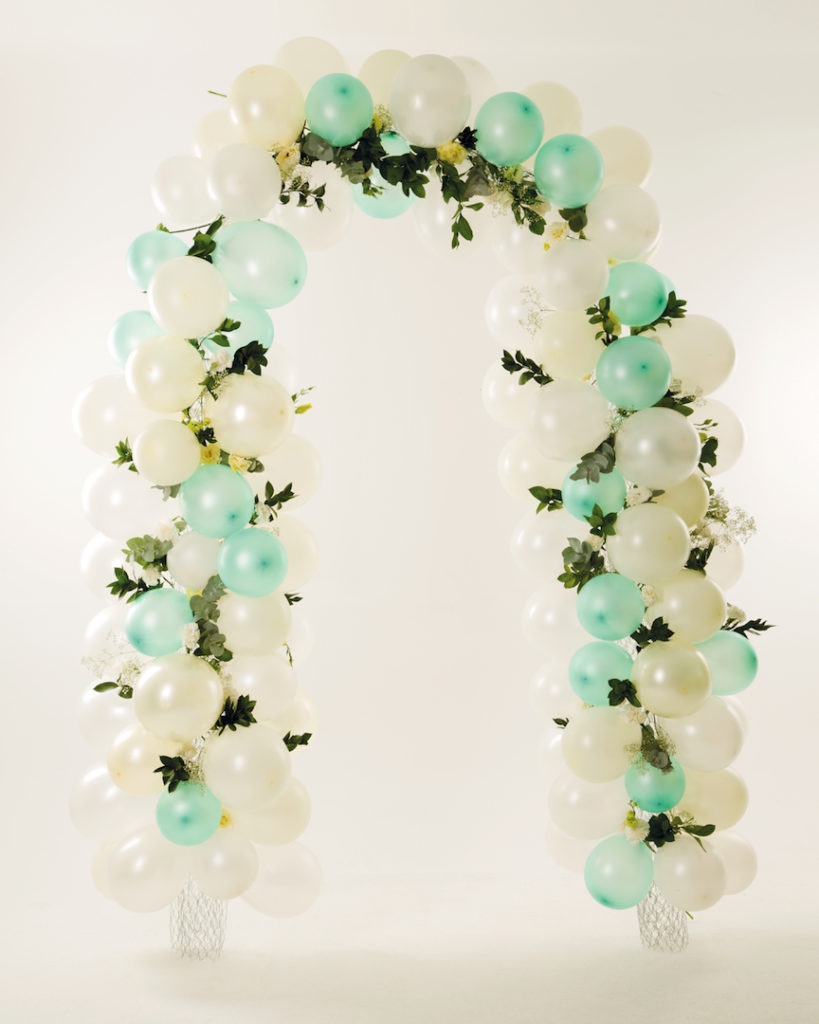
    Say your I-dos under this fresh, fun balloon wedding arch. Prepare the wire structure and balloons the day before, then just add greenery in the morning.

    WHAT YOU’LL NEED

    6 m chicken wire
    Florist’s wire
    Wooden rods or fishing line
    Florist’s foam
    Balloons
    Flowers and leaves

    INSTRUCTIONS

    Step 1

    Roll your chicken wire lengthways into a tube and bend in the centre to create an arch. Keep the arch together by tying florist’s wire at intervals along it.

    Step 2

    If the arch is going outside, use sturdy wooden rods or poles to stand it upright. Insert one end of each rod into the ground at least 20 cm deep. Place the bottom ends of the arch over the rods and secure with florist’s wire. If the arch will be placed indoors, suspend it from the ceiling with fishing line.

    Step 3

    Insert bits of damp florist’s foam into the arch, ensuring they are hidden.

    Step 4

    Blow up as many balloons as you like (we used 150) and attach to the arch using florist’s wire.

    Step 5

    Insert your flowers and leaves into the foam, using florist’s wire to hold them in place.

    Step 6

    Cover any exposed florist’s foam with balloons or flowers.

    ALSO SEE: How to make your own flower petal confetti

    How to make your own flower petal confetti

    Somewhere between the champagne tower and the sparkler exit, the wedding reception outfit change became a thing. Not just for celebrities or luxury weddings either – suddenly brides everywhere are slipping into feather-trimmed minis, satin slips and crystal-covered party dresses halfway through the evening.

    And honestly? We get the appeal.

    After hours of posing, greeting guests and navigating stairs in a gown that weighs approximately the same as a small child, changing into something lighter sounds less like vanity and more like survival. But with weddings becoming increasingly curated for content, the second-look trend also raises a fair question: is this genuinely practical… or are we just adding another expensive “must-have” to an already overwhelming day?

    The answer sits somewhere in the middle.

    Why brides are loving the second-look trend

    Reception outfit changes are having a major moment because weddings themselves are becoming more personalised and less rigid. According to wedding trend experts, 2026 weddings are leaning heavily into intentionality and self-expression rather than tradition for tradition’s sake.

    That shift naturally extends to fashion.

    For some brides, the ceremony dress is about drama and romance – the cathedral veil, the structured corset, the train that glides beautifully down the aisle. The reception look, though, is where personality comes out. Think playful minis, sleek satin gowns, tailored bridal suits or even sneakers paired with sequins.

    And practically speaking? It makes sense.

    Many modern bridal gowns are stunning, but not necessarily designed for six hours of dancing, hugging relatives and sprinting across the venue because your MC disappeared before speeches. Brides online consistently mention comfort, mobility and wanting to actually enjoy the party as the biggest reasons they opted for a second outfit.

    There’s also the photography factor. Reception looks photograph differently – often more editorial, more relaxed and more fashion-forward. A structured ceremony gown creates timeless portraits, while a reception outfit captures movement and energy.

    Essentially, brides are treating their wedding like chapters instead of one long aesthetic.

    But here’s the part nobody really talks about

    A second outfit can quietly double the stress.

    Because now you’re sourcing two bridal looks. Two sets of alterations. Two pairs of shoes. Possibly two hairstyles depending on the vibe shift. And if timelines aren’t planned properly, outfit changes can actually pull you away from the very reception you spent months planning. There’s also the financial reality.

    Wedding fashion trends in 2026 are undeniably more fashion-focused, with brides increasingly investing in multiple “moments” throughout the day. But not every wedding budget has room for a second custom look that might only be worn for two hours.

    And truthfully? Sometimes the pressure to have a reception dress feels less about practicality and more about social media expectations.

    Not every wedding needs a dramatic reveal moment. In fact, one recent viral wedding clip sparked debate after a bride’s second-look entrance barely registered with guests who were busy eating and talking. Brutal? Slightly. But also, a reminder that guests care far more about the atmosphere than outfit logistics.

    The smarter alternative brides are choosing

    Interestingly, some brides are moving away from full outfit changes altogether and opting for transformable gowns instead. Think detachable overskirts, removable sleeves, dramatic capes or convertible trains.

    You still get the “two looks” effect without disappearing for 20 minutes midway through dinner.

    It also feels more aligned with where bridal fashion is heading overall: versatility over excess. Bridal trends for 2026 are less about performing luxury and more about making choices that genuinely improve the experience.

    And honestly, that’s probably the healthiest shift the wedding industry could make.

    So… worth it?

    If changing outfits will make you feel more comfortable, confident or free enough to fully enjoy your reception? Absolutely worth it.

    If you’re only considering it because TikTok convinced you every bride needs a sparkly mini dress reveal? Probably not.

    Your guests will remember the energy of your wedding long before they remember whether you wore one outfit or three. The best bridal styling decisions are usually the ones rooted in practicality, personality and feeling like yourself – not just recreating a Pinterest board in real life.

    Because at the end of the day, the real flex is actually enjoying your wedding. Not surviving it in shapewear and regret.

    ALSO SEE: Non-white wedding dresses are no longer a bridal taboo

    Non-white wedding dresses are no longer a bridal taboo

    Featured image: Aynura Berdyyeva / Pexels 

    Wedding favours are having a quieter, more intentional moment — and thank-you shortbread biscuits are leading the way. Delicate, nostalgic, and effortlessly elegant, these buttery treats add a personal touch to your celebration while giving guests something genuinely memorable to take home. Whether beautifully boxed, ribbon-tied, or displayed alongside your reception décor, shortbread biscuits are proof that the sweetest details are often the simplest.

    WHAT YOU’LL NEED
    250g butter, at room temperature
    ½ cup caster sugar, plus extra to dust
    1 vanilla pod, seeds only
    2 cups flour
    ½ cup cornflour
    Custom-made rubber stamps
    Biscuit cutters

    METHOD
    1. Have your rubber stamps made with the greetings of your choice (you can order stamps from rubberstampsa.co.za).
    2. Preheat oven to 160°C and grease a 20 cm baking tray.
    3. Beat the butter until soft, then beat in the caster sugar and vanilla seeds until light and fluffy. Mix in the rest of the ingredients to form a stiff dough.
    4. Roll the dough out on the baking tray so you don’t have to move it afterwards and cut them with your cookie cutters. Stamp each one with your rubber stamp.
    5. Bake for 30 minutes, or until golden. Remove from the oven and immediately dust with caster sugar.
    6. Carefully remove the shortbread fingers from the tray and transfer to a wire rack to cool before serving.
    7. Once they’ve cooled completely, you can put your biscuits in gift boxes or tie them up with cellophane and a pretty ribbon.

    In a world of elaborate wedding trends and over-the-top details, there’s something undeniably charming about a buttery shortbread biscuit wrapped with intention. Equal parts nostalgic and thoughtful, these sweet treats prove that wedding favours don’t need to be extravagant to leave a lasting impression. Sometimes, the most memorable gestures are the simplest ones – made with love, shared with gratitude, and enjoyed one crumb at a time.

    ALSO SEE: Budget-friendly wedding favours you can DIY

    Budget-friendly wedding favours you can DIY

    Featured image: Kristina Paukshtite / Pexels

    A proposal should be well planned and deliberately thought out. We’re sure you’ve imagined yours before. Who hasn’t? Perhaps you saw the movie The Wedding Singer, which led you to crave a public display. Maybe you watched Leap Year, and the proposal on the ocean-side cliff led you to consider something more private.

    It’s also possible that you’re not sure if you (or your partner) would prefer a public or private proposal. Consider the pros and cons of a public proposal to help you make the final decision.

    Pros: 

    – It will be an event to remember 

    The public gesture will play like a movie in your partners head for years and years to come. It will likely be one of their fondest memories.

    A public proposal also makes it easier for you to catch the moment on video or in a series of photographs. Arrange for a friend or family member to secretly record everything as it happens, and make it a moment that lasts forever.

    – You can get other loved ones involved 

    Sharing this special moment with people who care dearly about you (and your partner) can make it feel extremely special. You’ll get to celebrate your engagement with your loved ones as it happens. On top of that, you can share the planning and preparations for the proposal with everyone you’re inviting to relieve some of the pressure.

    – It will be easier to spread the news 

    If your proposal is public, everyone you care about will either be there when it happens or will find out very soon after. You won’t have to spend a day calling everyone with the good news.

    Cons: 

    – Might not go as planned 

    If you’ve been together for a long time, and you’ve spoken about marriage, then this shouldn’t be too much of a worry. However, there is always the chance that your partner says no. In public, a “no” will feel so much worse.

    On a similar note, you cannot control the environment around you. You could get caught in bad weather, your big question may be drowned out by noise, and other people may try to get involved unexpectedly.

    – Unnecessary pressure

    You could be putting unnecessary pressure on your partner to say yes, when they aren’t sure they’re ready to. They may feel more comfortable in a private setting to ask you to discuss the proposal and the way forward, but in public they can’t really do that.

    You’ll also be putting a lot of pressure on yourself. A public proposal takes a lot of organizing and co-ordinating. If you’re not good under pressure, perhaps you should go for something more manageable.

    – Expenses can pile up 

    If you’re really going big, like writing “will you marry me” in the sky, you may have to spend quite a bit of money. You’ll have to decide if it’s worth it, because that money may be better spent on the wedding itself.

    The most important thing to consider about a public proposal is what will be most comfortable for you and your significant other. If you don’t mind the attention and pressure, and the big gesture and fanfare has always been something you wanted, then go for it!

    ALSO SEE: Engagement ring care tips to keep your sparkler looking new

    Engagement ring care tips to keep your sparkler looking new

    Feature image: BimbaPro/Pexels