• Author

    Bianca Muller

    Browsing

    There’s one specific wedding moment that never really gets old: the confetti toss. Dried flower petals as confetti is surprisingly easy to make yourself. Plus, it turns something fleeting into something personal, especially if the flowers come from your garden, your bouquet, or a place that means something to you.

    Here’s how to do it properly, without overcomplicating things:

    Why flower petal confetti works so well

    Petal confetti has become a wedding favourite for good reason. It looks softer in photos and it’s biodegradable.

    It’s also:

    • More sustainable than paper confetti
    • Easy to make in bulk
    • Naturally colour-customisable
    • Far more “organic” in movement when thrown

    And if you plan it right, it can even become part of your wedding prep ritual: a slow, satisfying DIY in the weeks leading up to the day.

    The best flowers to use (and how they behave when dried)

    Not all petals dry equally well. Some hold their colour beautifully, while others fade or become too brittle. The trick is choosing flowers that dry flat, light, and still visually interesting.

    Roses (the classic)

    Drying time: 1–3 weeks

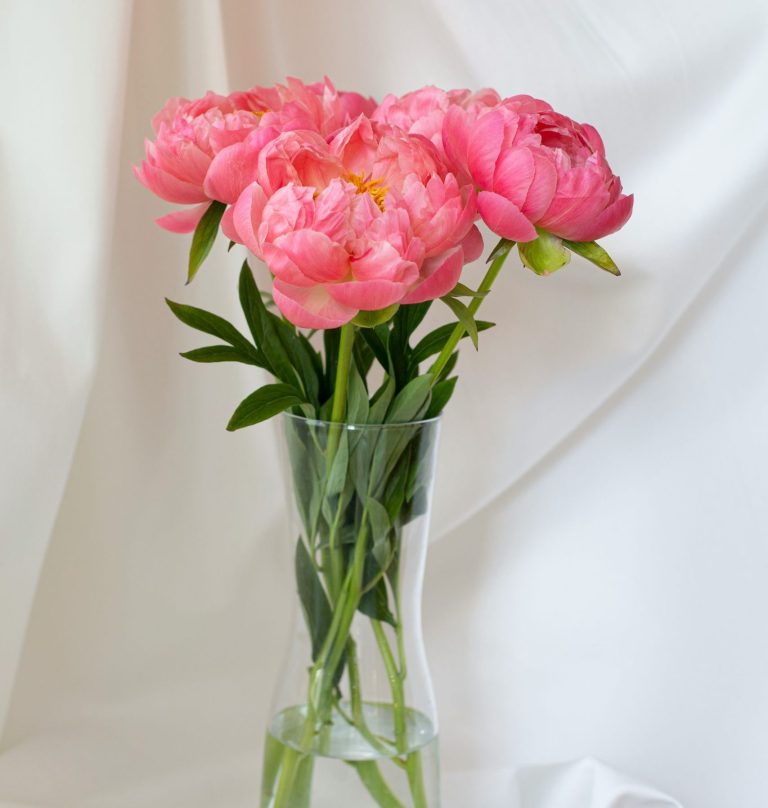
    Roses are the go-to for a reason. They dry well, hold their shape, and keep a romantic softness that works in almost any colour palette.

    • Best for: blush, white, red, and peach tones
    • Tip: separate petals before drying for faster results
    • Result: soft, slightly curled petals with great colour retention

    Lavender (for texture and scent)

    Drying time: 1–2 weeks

    Lavender brings something extra — not just colour, but fragrance and texture.

    • Best for: rustic, countryside, or Provence-inspired weddings
    • Dries quickly and cleanly
    • Keeps its shape better than most petals

    Marigolds (for bold colour)

    Drying time: 1–2 weeks

    If you want confetti that shows up in photos, marigolds are a strong choice.

    • Bright oranges and yellows stay vibrant
    • Petals dry flat and lightweight
    • Ideal for summer weddings, especially in warm climates

    Hydrangeas (for softness and volume)

    Drying time: 2–3 weeks

    Hydrangeas don’t behave like traditional petals — they dry into delicate fragments that add softness and fullness.

    • Best used in pastel or muted palettes
    • Colours soften slightly when dried
    • Adds a “cloud-like” effect to confetti mixes

    Bougainvillea (a South African favourite)

    Drying time: 1–2 weeks

    Bougainvillea is practically made for confetti.

    • Naturally vibrant pinks, purples, and reds
    • Dries quickly in warm, dry air
    • Thin petals that flutter beautifully when thrown

    Delphinium (for cooler tones)

    Drying time: 2–3 weeks

    Delphinium brings in those softer blues and purples that are often hard to find in dried flowers.

    • Elegant and delicate
    • Works well in coastal or garden weddings
    • Needs gentle handling once dried

    How to dry the petals (the simple way)

    There’s no need for fancy equipment. Air drying works best and keeps the colour intact.

    1. Pick flowers early in the morning when they’re freshest
    2. Gently remove petals from stems
    3. Spread them out in a single layer on baking paper or a mesh tray
    4. Keep them in a cool, dry, shaded space
    5. Turn them every few days so they dry evenly

    Avoid direct sunlight, as it tends to bleach petals and make colours dull.

    Store your dried petals in paper bags or breathable containers until the wedding day.

    ALSO SEE: Locally loved flowers for your wedding bouquet

    Locally loved flowers for your wedding bouquet

    Feature image: Ksenia Chernaya/Pexels

    Wedding dresses have always been a reflection of their time. Bridal fashion has shifted with culture, politics, and pop-culture icons shaping what brides wear down the aisle. Here’s how the look of “the modern bride” has evolved decade by decade.

    1920s: Flapper-inspired glamour and beaded detail

    The 1920s bride embraced freedom in silhouette and movement. Waistlines dropped, fabrics softened, and dresses took on a loose, straight shape that felt modern for the time.

    Intricate beadwork, embroidery, and lace detailing defined the era, adding texture and elegance. Brides often completed the look with statement headpieces (think tiaras, floral accents, and decorative hairpins), usually paired with a soft, flowing veil.


    View this post on Instagram


    A post shared by Vintage minds (@vintage_minds0)

    1930s: Elegant silhouettes and Hollywood-inspired

    By the 1930s, wedding dresses became more refined and understated. Influenced by Hollywood glamour, brides favoured long, streamlined silhouettes with subtle waist definition.

    Satin and silk were popular fabrics, often styled with long sleeves and minimal embellishment. Soft detailing like embroidery or appliqué added sophistication, while dramatic “shower bouquets” (long, trailing floral arrangements) became a signature bridal accessory.


    View this post on Instagram


    A post shared by Pomona & Flora (@pomonayflora)

    1940s: Wartime simplicity and practical bridalwear

    The 1940s brought practicality into bridal fashion. With wartime restrictions and limited resources, many brides wore suits, borrowed dresses, or reworked garments they already owned.

    Looks were simple and functional, with little decoration. Even so, brides still added meaningful details like veils, corsages, or small floral touches to signal the occasion and elevate everyday pieces.


    View this post on Instagram


    A post shared by Ula (@lulu_from_honolulu)

    1950s: Full skirts, cinched waists and fairytale glamour

    After the war, bridal fashion returned to grandeur. The 1950s bride embraced feminine, structured silhouettes with fitted bodices and full, voluminous skirts.

    Inspired by Hollywood icons and Dior’s “New Look,” dresses were often dramatic and ultra-feminine. Tea-length gowns also gained popularity, layered with petticoats, lace, satin, and structured detailing that created a distinctly romantic feel.

    1960s: Mod minis, structured dresses and style experimentation

    The 1960s brought contrast. Early in the decade, brides favoured structured gowns with clean lines, high necklines, and shorter veils, often influenced by Jacqueline Kennedy’s timeless elegance.

    As the decade progressed, fashion became more experimental. Mini dresses, bold silhouettes, and even coloured gowns emerged. Flower crowns, headbands, and natural styling began replacing traditional veils.


    View this post on Instagram


    A post shared by Country Rebel (@countryrebel)

    1970s: Boho brides, bell sleeves and relaxed silhouettes

    The 1970s bridal look was relaxed, expressive, and deeply influenced by bohemian style. Flowing fabrics, bell sleeves, and soft silhouettes defined the decade.

    Brides moved away from traditional formality, often opting for hats, ribbons, or loose natural hair instead of veils. Some even chose tailored suits or unconventional white ensembles, embracing individuality over tradition.


    View this post on Instagram


    A post shared by @daughterofthe70s

    1980s: Statement sleeves, volume and maximalist bridal fashion

    The 1980s was the era of “more is more.” Bridal gowns became dramatic with puffed sleeves, full skirts, and long cathedral trains.

    Lace, taffeta, and structured fabrics dominated, while oversized silhouettes created a bold, high-impact look. Influenced heavily by royal weddings and pop culture, this decade defined the iconic “princess bride” aesthetic.


    View this post on Instagram


    A post shared by VintageDreams80s (@vintageddreams80s)

    1990s: Minimalist silhouettes and sleek bridalwear

    The go-big-or-go-home trend seeped over into the 90s. However, as we drew closer to the 2000s, it shifted toward simplicity. Brides embraced clean lines, understated elegance, and pared-back silhouettes.

    Slip dresses, satin fabrics, and fitted gowns became popular, often paired with minimal accessories. The focus moved away from volume and embellishment and toward effortless, modern refinement.


    View this post on Instagram


    A post shared by vintage bridal (@bridal.iconic)

    2000s: Strapless gowns and structured glamour

    The early 2000s were defined by strapless wedding dresses. Corset-style bodices, crystal embellishments, and full skirts dominated bridal fashion.

    As the decade progressed, designs began to soften, with more classic and vintage-inspired gowns entering the mainstream alongside the still-popular structured silhouettes.


    View this post on Instagram


    A post shared by Elissar Bridal (@elissarbridal)

    2010s–present: Modern minimalism and personalised bridal style

    Today’s bridal fashion is less about following a single trend and more about personal expression. Minimalist gowns, lace sleeves, and modern tailoring all sit side by side.

    Brides are now choosing looks that reflect their personality, whether that’s sleek and simple, vintage-inspired, fashion-forward, or dramatically detailed. The modern wedding dress is no longer defined by one rule, but by individuality.


    View this post on Instagram


    A post shared by Reema Molla (@reema.molla)

    ALSO SEE: Wedding dress inspo for autumn and winter brides

    Wedding dress inspo for autumn and winter brides

    Feature image: Pexels

    You do not need to spend your entire wedding budget on one pair of shoes you will wear for a few hours. These days, budget-friendly bridal shoes are proving that style, comfort and affordability can absolutely go hand in hand.

    There are plenty of bridal shoes under R600 that look just as dreamy walking down the aisle as they do styled with jeans, dresses or tailored pants long after the wedding day is over. Because honestly, if you can rewear your wedding accessories after the big day, that is a win.

    We rounded up beautiful bridal shoes under R600 that are wedding-worthy, wearable beyond the aisle and proof that looking chic on your big day does not have to cost an arm, a leg or your two front teeth.

    Tori Satin 9cm Heel With Netted Trim Court Shoe, R550, Lamara Paris

    bridal shoes

    Pointy Slingback Kitten Heels, R459, Foschini

    bridal shoes

    Jayna Block Ankle Strap Heel, R519, Superbalist

    bridal shoes

    Rasa Embroidered Slingback Pointed 4.5cm Heel, R500, Lamara Paris

    wedding shoes

    Peeptoe Ankle Tie Heels, R499, Foschini

    wedding shoe

    Misty Block 9cm Heel Open Waist Cross Over Belts Glitter, R499, Lamara Paris

    Women’s Iconography Strappy Block Heel, R599, BASH

    Mesh And Beaded Shoe With Ankle Strap, R550, Queenspark

    ALSO SEE: Non-white wedding dresses are no longer a bridal taboo

    Non-white wedding dresses are no longer a bridal taboo

    Feature image: Pexels

    Being asked to officiate a wedding is a pretty big deal. Whether it’s your best friend, your cousin or a sibling tying the knot, being chosen to lead one of the most important moments in someone’s life is equal parts exciting, emotional and slightly terrifying.

    Before you panic-Google “how to marry people”, here’s what you need to know. From legal requirements to speech tips, these are the most important tips for officiating a marriage without turning the ceremony into a rambling TED Talk.

    First things first: Can anyone officiate a wedding in South Africa?

    This is where things get a little tricky.

    In South Africa, not just anyone can legally officiate a marriage. To legally marry a couple, you need to be an authorised marriage officer registered with the Department of Home Affairs.

    This usually includes:

    • Religious leaders
    • Certain government officials
    • Designated marriage officers

    So if your friend asks you to officiate their wedding, you technically cannot legally sign the marriage documents unless you’re officially registered and authorised.

    So what do couples usually do?

    A lot of modern couples choose to split the legal and ceremonial parts of the wedding.

    This means:

    • The legal paperwork is done separately through a registered marriage officer or at Department of Home Affairs
    • Then a friend or family member leads the symbolic ceremony on the wedding day itself

    Honestly? Guests usually never even notice the difference. It allows couples to have a more personal, relaxed and meaningful ceremony led by someone who actually knows them.

    Tips for officiating a marriage without freezing up

    Get the vibe right

    Before you write a single word, chat to the couple properly.

    Ask them:

    • Do they want funny, emotional or formal?
    • Are there religious or cultural traditions involved?
    • Do they want guests to laugh, cry or both?
    • Are there any topics or inside jokes to avoid?

    Some couples want a light-hearted ceremony with personality. Others want something more traditional and sentimental. Your job is to set the tone.

    Start with a strong opening

    The first few lines matter more than you think.

    You do not need to sound like a movie narrator or a royal announcer. Keep it warm and natural.

    Tell their story

    One of the best tips for officiating a marriage is remembering that the ceremony is about the couple, not your stand-up comedy debut.

    Share:

    • How they met
    • What makes their relationship special
    • Small moments that show who they are together
    • Why the people around them love them

    Avoid:

    • Embarrassing stories
    • Ex drama
    • Overly private details
    • Anything that could make grandparents uncomfortable

    If you’re using humour, keep it light and inclusive.

    Include personal touches

    This is where a friend or family member officiating can really shine.

    You can include:

    • Personal vows
    • Readings or poems
    • Cultural traditions
    • A moment of silence for loved ones
    • Guest participation
    • A ring warming ceremony

    Practice more than you think you need to

    Even confident public speakers get nervous at weddings.

    Read your script out loud multiple times before the day. Timing, pacing and pronunciation feel very different in your head compared to saying them aloud in front of 100 people and a crying flower girl.

    A few practical tips:

    • Print your speech out
    • Use larger font sizes
    • Speak slower than normal
    • Pause after emotional moments
    • Keep water nearby
    • Don’t wing it completely

    How long should the ceremony speech be?

    Shorter is usually better.

    Most wedding ceremonies sit comfortably between 15 and 30 minutes depending on:

    • Vows
    • Readings
    • Rituals
    • Religious elements

    If you’re leading a non-religious ceremony, aim for meaningful rather than marathon-length.

    Nobody wants to hear you speaking longer than the reception speeches.

    What should you actually say during the ceremony?

    Most ceremonies follow a simple structure:

    1. Welcome guests
    2. Introduce the couple’s story
    3. Share thoughts about marriage or love
    4. Move into vows
    5. Exchange rings
    6. Official declaration
    7. The kiss
    8. Final introduction of the married couple

    You don’t need fancy language. You just need sincerity.

    ALSO SEE: Nail your wedding speech

    Nail your wedding speech

    Feature image: Pexels

    A beautiful wedding is built through thoughtful details, trusted suppliers and thorough planning.

    This Sunday, 24 May 2026, couples are invited to the annual Brahman Hills Bridal Expo in the Midlands. It’s a day designed to make wedding planning feel a little less overwhelming and a lot more exciting. Bringing together some of the industry’s leading suppliers, creatives and wedding experts under one roof, the expo offers couples the chance to move from saved Pinterest boards to real-life planning.

    From dreamy decor and elegant gowns to cakes, photographers, entertainment and ceremony specialists, the expo is packed with inspiration for every part of the big day. More importantly, it’s an opportunity to meet the people behind the brands, ask questions, compare ideas and start piecing together a wedding that feels personal, intentional and beautifully put together.

    “Couples want a wedding that reflects who they are, but they also want peace of mind knowing every detail will be handled with care,” says Onwaba Gonyora, Director at Brahman Hills and wedding expert. “The Brahman Hills Bridal Expo brings that together by connecting couples with trusted suppliers, practical advice and a beautiful setting where ideas can truly come to life.”

    Guests can expect a strong line-up of wedding suppliers, including Enhle Creatives, Magic Thyme, Nxeleshians, Obsessive Cupcake Disorder, Cake House, Posh Events, Weddings by Jackie, Real Beats Entertainment, DJ Ash, DJ Marcel, Conway Photography, Legacy Studios, Photos by Chene, MPMSA Photo, Mawande Kheswa Imaging, Black T Artistry, House of Kym, CC Designs, Dream Ceremonies, Wedding Celebrant, Weddings by Reg Courtney, Mystical Pyrotechnics, Chris Jenkins Saxophonist, Gifts by Rue and Jesus Is King Luxury Gifting Collective.

    The Bridal Expo takes place from 10:00 to 15:00, with tickets priced at R50 per person. Food and drinks will also be available throughout the day.

    Whether you’re newly engaged or busy finalising the finer details, the expo offers more than just inspiration. It’s a chance to connect with experts, discover new ideas and take the next step towards a wedding day that feels meaningful, seamless and uniquely yours.

    To buy tickets, visit Quicket

    ALSO SEE: Upcoming bridal expos & wedding events across South Africa

    Upcoming bridal expos & wedding events across South Africa

    There was a time when walking down the aisle in anything other than crisp ivory or bridal white would have caused a few gasps from the front row. But modern brides are rewriting the rulebook.

    Why brides are choosing a non-white wedding dress

    The rise of the non-white wedding dress says a lot about where weddings are headed in general. Brides are moving away from tradition for tradition’s sake and leaning into choices that feel a bit more authentic and emotionally connected to their personalities.

    For some, white simply does not feel flattering. For others, it feels too expected.

    A soft sage gown may suit a nature-loving bride far more than bright white ever could. A champagne dress can feel timeless yet warmer against certain skin tones. A black wedding dress might perfectly suit a fashion-forward city celebration. And then there are brides who simply want the freedom to wear colour because they adore it.

    The colours brides are loving right now


    View this post on Instagram


    A post shared by PEW (@peachessenceweddings)

    The beauty of a colour wedding dress is that there are no limits. Some brides choose the subtlest hint of colour, while others embrace dramatic statement shades.

    Popular options include:

    • Soft blush pink
    • Champagne and nude tones
    • Dusty blue
    • Sage green
    • Lilac and lavender
    • Floral appliqué gowns
    • Ombre detailing
    • Black wedding dresses
    • Gold or metallic finishes
    • Rich jewel tones for winter weddings

    Which brides tend to choose colourful wedding dresses?

    Interestingly, colourful wedding dresses are no longer reserved for unconventional weddings only.

    You will often spot non-white gowns at:

    • Garden weddings
    • Destination weddings
    • Intimate weddings
    • Art-inspired weddings
    • Modern city weddings
    • Second marriages
    • Fashion-forward luxury weddings
    • Cultural fusion celebrations

    They also appeal to brides who:

    • Love fashion
    • Want standout wedding photos
    • Feel disconnected from strict traditions
    • Want a dress they may realistically rewear
    • Prefer individuality over convention

    And perhaps most importantly, many brides choosing non-white gowns say the dress simply feels more like them.

    Nervous about going fully colourful? Start subtly


    View this post on Instagram


    A post shared by Amy Mair Couture (@amy_mair_couture)

    Not every bride wants a bright pink ballgown — and that is perfectly fine.

    If you love the idea of a non-white wedding dress but still want something timeless, consider:

    • Champagne instead of white
    • Floral embroidery over ivory
    • A soft blush underlayer
    • Coloured gloves or a cape
    • A pastel overskirt
    • Delicate blue or silver detailing
    • A dramatic second reception dress

    ALSO SEE: High-neck wedding dresses we love

    High-neck wedding dresses we love

    Feature image: Unsplash

    Some proposals are beautiful. Some are emotional. And then there are the rare ones that somehow belong to everyone who witnesses them.

    Aqib and Laiqah’s engagement at Maiden’s Cove in Cape Town has become one of South Africa’s most talked-about love stories. Sure, the romantic setting played a role, but it’s also because of what unfolded around them: a spontaneous, overwhelming wave of celebration from complete strangers.

    The moment was captured by photographer Bianca Asher, who later shared the full behind-the-scenes story on her blog. What was meant to be an intimate seaside proposal quickly turned into something far more unexpected, eventually gaining more than 64 000 likes on Instagram and becoming a powerful example of Ubuntu in action.

    When Aqib reached out to me a few months ago to plan his proposal I don’t think either of us could have imagined how everything would unfold. We went back and forth on location ideas – with the main focus being on a beautiful backdrop and catching Laiqah’s reaction. When I arrived at Maiden’s Cove I saw a lot of tour busses and even more people, which was not in the plan of a quiet proposal shoot. Aqib and Laiqah were down the road at Plato grabbing coffees as the decoy plan to go on a walk for the proposal. I was in comms with Aqib and tentatively changing the location to somewhere quieter, but as I was waiting the crowds dispersed around the cove. When he messaged to let me know he was a few minutes out – I just asked a handful of students who were directly in my shot if they wouldn’t mind moving for a few minutes while I captured the moment. They were really excited and asked if they could watch and I said of course, just act natural. I don’t know exactly what happened but I’m assuming a few texts were sent out to other students who were there and as Aqib dropped to his knee – these huge cheers broke out behind us. It was the most incredible moment of Ubuntu and celebration between strangers.

    Instead of the usual quiet anticipation that surrounds a proposal shoot, the cove erupted into cheers as Aqib dropped to one knee, turning an already emotional moment into a shared celebration between strangers, students, tourists and passersby.

    I’m getting goosebumps just typing out what happened. It’s hard to explain how beautiful it is when a community comes together to celebrate strangers. I’ve been capturing proposals for years and I love being part of the best days of people’s lives – but this was something I’ll never forget. There’s nothing like the incredible spirit of South African’s coming together to celebrate joy. Everyone is asking for an invite to the wedding so it seems like we’ll need a stadium to pull this off. It would be incredible to keep this good cause going and raise funds for charities while celebrating their love. If any brands and vendors are keen to get involved – reach out in the comments or email me.

    The reaction online has been just as warm as the moment itself, with South Africans embracing Aqib and Laiqah as “their” couple.

    At its heart, this proposal story is a reminder of how quickly strangers can become a community when something real and joyful unfolds in front of them. And in this case, that joy happened to be two people saying yes to forever, framed by the Atlantic Ocean and a chorus of unexpected cheers.

    Couples are moving away from rigid traditions and Pinterest-perfect pressure, choosing instead to create celebrations that actually feel like them.

    Here are the biggest wedding micro trends set to define 2026.

    Tiny guest lists are becoming the norm

    One of the clearest shifts for 2026? Couples are trimming their guest lists dramatically.

    Instead of inviting every distant cousin, old school friend, and obligatory plus-one, many couples are choosing to celebrate with only their nearest and dearest. Smaller weddings not only feel more intimate, but they also allow couples to spend quality time with every guest rather than rushing through quick greetings all night.

    There’s also the budget factor. With wedding costs continuing to rise, many couples would rather host 40 people beautifully than stretch their budget across 150 guests they barely see.

    Other priorities are winning over huge weddings

    Another major shift? Couples are prioritising what comes after the wedding day.

    Instead of pouring every cent into a single event, many are scaling back on decor, guest numbers, or extravagant formalities so they can invest in a dream honeymoon, a home deposit, renovations, or future financial goals.

    For some, that means a chic courthouse wedding followed by two weeks in Italy. For others, it’s a backyard celebration that makes room in the budget for safari lodges, island escapes, or finally buying furniture that isn’t “temporary.”

    There’s a growing understanding that the wedding is one day, but the marriage, honeymoon memories, and home life last much longer.

    Smaller ceremonies, bigger celebrations

    Long, formal ceremonies are slowly falling out of favour. Many couples are now opting for intimate vow exchanges — sometimes completely private — before inviting guests to join them purely for the celebration afterwards.

    Rather than spending an hour seated through formalities, guests arrive straight into the atmosphere: cocktails flowing, music playing, candles glowing, and food stations already open.

    Multi-day weddings are becoming more relaxed

    Interestingly, while guest lists are shrinking, many celebrations are stretching over an entire weekend — just in a far less formal way.

    Think welcome pizzas the night before, a wedding day that feels like a dinner party, and a relaxed poolside brunch the next morning. It’s less “packed itinerary” and more quality time with the people closest to you.

    Destination weddings within South Africa are also playing into this trend, with couples turning wine farms, coastal cottages, bush lodges, and countryside escapes into full weekend experiences.

    One statement ring instead of two

    Traditional engagement ring and wedding band pairings are slowly being replaced by one standout piece.

    Rather than stacking multiple rings, many couples are investing in a single ring they genuinely want to wear every day.

    Wedding cakes are getting weird

    Minimal white tiered cakes are making way for cakes that look more like sculptural art pieces.

    Couples are leaning into textured icing, unusual shapes, metallic finishes, asymmetrical layers, vintage piping, oversized bows, and cakes inspired by everything from candle wax to retro desserts.

    Some couples are even skipping traditional cakes entirely in favour of giant tiramisus, croquembouches, crème brûlée towers, pavlovas, or nostalgic desserts with elevated presentation.

    Candles are outshining flowers

    Florals will always have a place at weddings, but they’re no longer the main character.

    Couples are creating moodier, more layered tablescapes with candles, fruit, vintage decor pieces, coloured glassware, interesting ceramics, and personal objects taking centre stage. The overall look feels less like a styled shoot and more like an incredibly beautiful dinner party.

    Mismatched table settings are especially popular, adding warmth and personality to receptions.

    And candle-heavy receptions? They photograph beautifully.

    Traditional gift registries are fading away

    Formal wedding registries are quietly losing favour, especially among couples who already live together before marriage.

    Instead of asking for cookware or matching serving spoons, many couples are opting for honeymoon contributions, charitable donations, personalised keepsakes, experiences, or meaningful locally made gifts.

    ALSO SEE: 5 Magical wedding venues in the heart of Gauteng

    5 Magical wedding venues in the heart of Gauteng

    Feature image: Pexels

    While your ring may be built to last a lifetime, it still needs a bit of love along the way. Proper engagement ring care isn’t just about keeping it shiny for Instagram photos. It’s also about protecting a piece of jewellery that carries enormous sentimental value.

    Luckily, a few smart habits can help keep your sparkler safe, secure and dazzling for years to come.

    Take it off more often than you think

    It might feel strange removing your engagement ring after getting used to wearing it every day, but there are certain situations where it’s much safer off your finger than on it.

    Heavy lifting at the gym, gardening, cleaning with harsh chemicals and even sleeping can put unnecessary pressure on the setting and metal. Over time, this can loosen prongs, scratch the band or cause tiny stones to fall out without you even noticing.

    When you shouldn’t wear your engagement ring

    Your engagement ring is designed for everyday wear, but there are some situations where jewellers strongly recommend taking it off.

    At the gym

    Weights, resistance machines and even certain yoga poses can bend bands, loosen stones and scratch metal. Pavé settings are especially vulnerable during workouts because tiny diamonds can shift under pressure.

    In the shower

    Soap, shampoo and conditioner create buildup that leaves stones looking dull and cloudy. There’s also the very real possibility of your ring slipping off and disappearing down the drain.

    While cleaning

    Household cleaning products often contain harsh chemicals that can damage metals and gemstones over time. Bleach and chlorine are particularly harsh on jewellery.

    At the beach or pool

    Cold water causes fingers to shrink, making rings easier to lose without noticing. Sand can also scratch metal and get trapped underneath settings, while chlorine and salt water may weaken certain metals over time.

    While sleeping

    Sleeping with your ring on can create unnecessary wear from friction against bedding, and overnight swelling can sometimes make rings uncomfortable or difficult to remove.

    During gardening or DIY projects

    Soil, tools and rough surfaces can easily scratch or dent your ring, while dirt buildup underneath stones can dull sparkle surprisingly quickly.

    When applying skincare or beauty products

    Lotions, oils, sunscreen, perfume and fake tan can all leave residue behind that affects shine. It’s best to put your ring on after finishing your beauty routine.

    During certain holidays or travel

    Adventure holidays, hiking trips and busy tourist destinations can increase the risk of damage, loss or theft. Some brides-to-be choose to wear a travel ring instead for peace of mind.

    If there’s ever doubt, jewellers tend to follow one simple rule: if an activity could scratch, loosen, bend or expose your ring to chemicals, it’s safer off your finger than on it.

    Put your ring on last

    When getting ready, your engagement ring should be the finishing touch.

    Perfume, hairspray, fake tan, moisturiser and makeup can leave residue on your stone over time, dulling its sparkle much faster than you’d expect. Jewellery experts often recommend applying all beauty products first and slipping your ring on just before heading out the door.

    Keep a ring dish nearby

    One of the easiest engagement ring care habits to adopt? Ring dishes.

    Place one next to your bed, another in the bathroom and maybe even one in the kitchen. Having designated safe spots around your home means you’re far less likely to leave your ring balanced precariously on a sink edge or wrapped in a tissue somewhere.

    And yes, everyone thinks they’ll remember where they put it. Until they don’t.

    Clean your ring regularly

    Even the most brilliant diamond can start looking dull thanks to lotions, soap, makeup, sunscreen and the natural oils on your hands.

    Thankfully, you don’t need anything fancy for at-home engagement ring care. A small bowl of warm water with a drop of mild dish soap works perfectly. Let the ring soak for a few minutes, then gently clean around the setting with a soft toothbrush before drying it with a lint-free cloth.

    A gentle clean every few weeks can make a noticeable difference to your ring’s sparkle.

    Book professional check-ups

    Just like your car needs a service, your engagement ring benefits from a professional once-over too.

    Jewellers can check that the prongs are still secure, inspect the setting for wear and professionally polish the metal to restore its shine. Tiny issues that you might never notice yourself can often be caught early before they become expensive problems.

    If your ring suddenly starts snagging on jerseys, blankets or towels, don’t ignore it. That can sometimes be a sign that the claws or prongs have lifted slightly and need attention.

    Know your metal

    Different metals require slightly different care.

    White gold rings, for example, are usually coated in rhodium plating to achieve that bright silvery finish. Over time, the plating naturally wears away and may need refreshing every few years.

    Make sure your ring actually fits properly

    A ring that’s too loose is risky, while one that’s too tight can become uncomfortable and difficult to remove.

    Finger sizes naturally fluctuate throughout the year depending on temperature, lifestyle changes and even hydration levels. In colder weather especially, fingers can shrink enough for rings to slip off more easily.

    If your ring constantly spins, slides or feels uncomfortably snug, it may be worth visiting a jeweller for resizing or sizing beads.

    Proper engagement ring care starts with making sure your ring fits securely in the first place.

    Consider jewellery insurance

    It’s not the most glamorous part of being engaged, but insuring your ring can save a lot of stress later on.

    Insurance can help cover theft, accidental damage or loss, particularly if you travel often or wear your ring daily. Many jewellers provide valuation certificates that make the process much easier.

    It’s also smart to keep clear photographs of your ring, along with any certificates or valuation documents, in a safe place.

    Hopefully you’ll never need it — but having that peace of mind is worth it.

    Not all gemstones are created equal

    While diamonds are famously durable, other gemstones require a gentler approach.

    Emeralds, opals, pearls and softer stones can be more vulnerable to knocks, heat, chemicals and even sudden temperature changes. If your engagement ring features a coloured gemstone, it’s worth asking your jeweller about the best cleaning and care methods specifically for that stone.

    Don’t panic about taking it off

    There’s an old superstition that removing your engagement ring is somehow “bad luck”. Thankfully, that’s exactly what it is: a superstition.

    Looking after your ring properly doesn’t say anything about your relationship. If anything, careful engagement ring care simply means you want this sentimental piece to stay beautiful for decades to come.

    ALSO SEE: (Don’t) put a ring on it

    (Don’t) put a ring on it

    Feature image: Pexels

    It looks like love is officially in the air for Char Carrie. The rising Suidooster star sparked engagement speculation over the weekend after sharing a heartfelt post with partner Joshua Adams on 10 May.

    The actress posted a carousel of romantic images alongside the simple caption: “let’s get married” — but it was the sparkling ring on her left hand that immediately caught fans’ attention.

    Although Carrie has yet to publicly confirm the engagement in an official statement, social media users were quick to flood the comments with congratulatory messages, with many convinced the actress had just shared her engagement news on social media.


    View this post on Instagram


    A post shared by Char Carrie (@chxr_cxrrie)

    For many South Africans, Carrie has become one of the fresh faces bringing warmth and humour to Suidooster through her role as Angie Jantjies. The outspoken, bubbly character quickly became a fan favourite.

    And if the comments section is anything to go by, fans are more than ready to celebrate alongside them.

    Congratulations appear to be in order for the happy couple.

    Neels van Jaarsveld reportedly ties the knot

    Feature image: Char Carrie/Instagram