
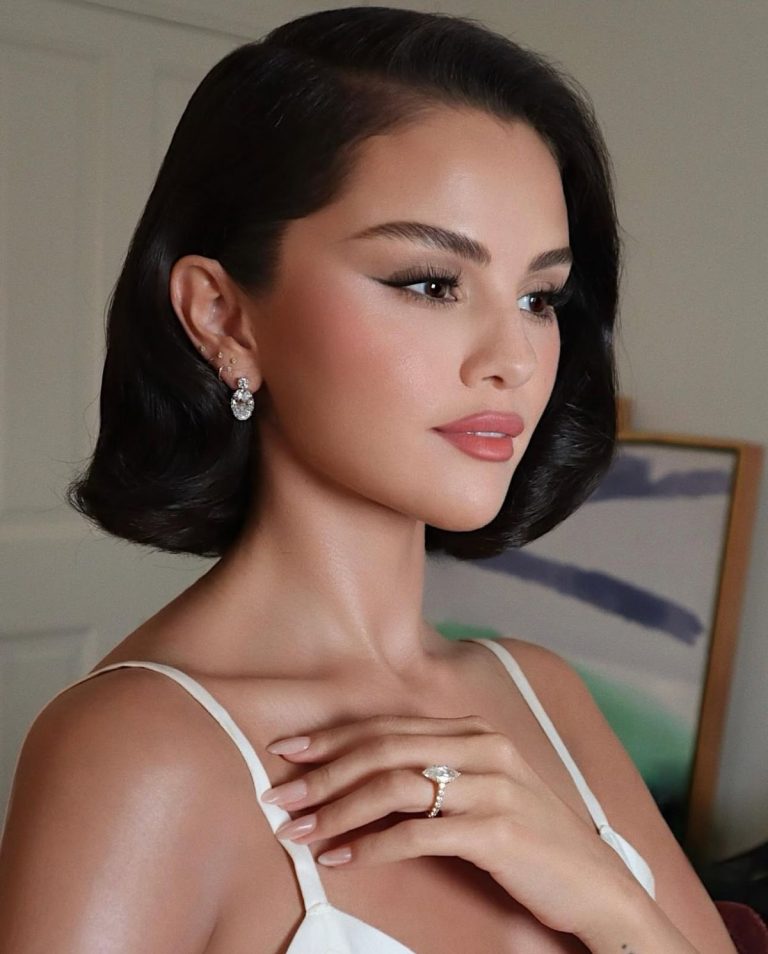
When it comes to wedding beauty, inspiration boards are no longer built around trends alone – they’re built around moments.
The kind that makes you immediately screenshot the dress, zoom into the glam and send it straight to the group chat.
Celebrity bridal makeup has become less about dramatic transformations and more about elevated versions of personal style: luminous skin, soft sculpting, modern romance and beauty that still feels recognisable years later.
Whether your mood is old Hollywood, effortless glow or polished soft glam, these celebrity-inspired bridal makeup looks deserve a spot on your wedding Pinterest board.
For the bride who wants timeless romance: Sofia Richie Grainge
If one bridal beauty look defined the modern era of wedding makeup, this was it.
Sofia Richie Grainge’s wedding glam became an instant reference point for brides everywhere – and for good reason. Fresh skin, softly defined eyes, brushed brows and understated nude lips created a look that felt expensive without trying too hard.
Why it works:
- Minimal contour
- Luminous complexion
- Neutral eye definition
- Satin-finish lips
Perfect for:
Classic weddings, European-inspired venues and brides wearing structured gowns.
View this post on Instagram
For the bride who wants quiet luxury: Priyanka Chopra Jonas
Priyanka’s bridal beauty struck the balance between timeless and statement-making.
Her makeup paired radiant skin with softly sculpted features and enough definition to stand up against elaborate fashion moments without overwhelming them.
Steal the look:
- Warm bronzed tones
- Defined lashes
- Soft highlight
- Long-wear complexion products
Ideal for brides planning multi-day celebrations.
View this post on Instagram
For the bride who loves effortless glamour: Hailey Bieber
Hailey’s beauty aesthetic continues to dominate bridal mood boards – and her wedding-era makeup helped cement the “clean girl bride” movement.
Think healthy skin, subtle warmth and barely-there enhancement.
Key details:
- Dewy base
- Cream blush
- Feathered brows
- Glossy nude lips
This works especially well for outdoor weddings and destination ceremonies.
View this post on Instagram
For the bride who wants old-Hollywood elegance: Nicola Peltz Beckham
Nicola’s bridal glam proved that classic doesn’t mean predictable.
Softly sculpted skin, subtle definition and beautifully balanced features created a polished bridal finish that feels just as relevant today.
Try:
- Soft matte skin
- Defined but natural eyes
- Neutral blush
- Classic lip tones
Pair with:
Cathedral veils and clean silhouettes.
View this post on Instagram
For the bride who wants modern minimalism: Kourtney Kardashian Barker
Not every bride wants traditional beauty.
Kourtney embraced a moodier, fashion-forward bridal look with stronger eye definition and less emphasis on ultra-glowy skin.
Take inspiration through:
- Statement liner
- Controlled glow
- Natural lips
- Sleek hair pairings
Ideal for city weddings or fashion-led ceremonies.
View this post on Instagram
For the bride who wants royal-level polish: Meghan Markle
Meghan’s bridal makeup remains one of the most requested references for makeup artists.
The secret? Skin that still looked like skin.
Her look focused on soft warmth, subtle eye enhancement and allowing natural features – including freckles – to remain visible.
The takeaway:
Bridal makeup doesn’t have to cover you to elevate you.
View this post on Instagram
Before you book your bridal glam
Celebrity inspiration should guide your beauty choices – not replace your own features.
Save references with:
- Similar skin tone
- Similar eye shape
- Similar wedding setting
- Similar dress aesthetic
Your makeup artist’s job isn’t to recreate someone else’s face – it’s to translate the feeling of the look onto yours.
Final thoughts
Celebrity bridal beauty may fill our feeds, but the reason these looks stay memorable isn’t because they’re flawless – it’s because they feel considered.
Sofia’s glow, Meghan’s softness, Hailey’s barely-there polish – none of these brides disappeared behind their makeup. Their beauty choices worked because they complemented the overall vision, not competed with it.
Take inspiration from the celebrity moments you love, but treat them as a starting point, not a blueprint. The most striking bridal makeup isn’t the trendiest look in the room – it’s the one that makes you feel instantly like yourself the second you catch your reflection.
And years from now, that’s the detail that will still feel timeless.
ALSO SEE: How to Have a Celebrity-Style Wedding Without Spending Millions
How to Have a Celebrity-Style Wedding Without Spending Millions
Featured image: Pinterest
Celebrity relationships may be built under brighter lights and bigger headlines, but every now and then, a love story cuts through the noise and sticks with us. Whether…
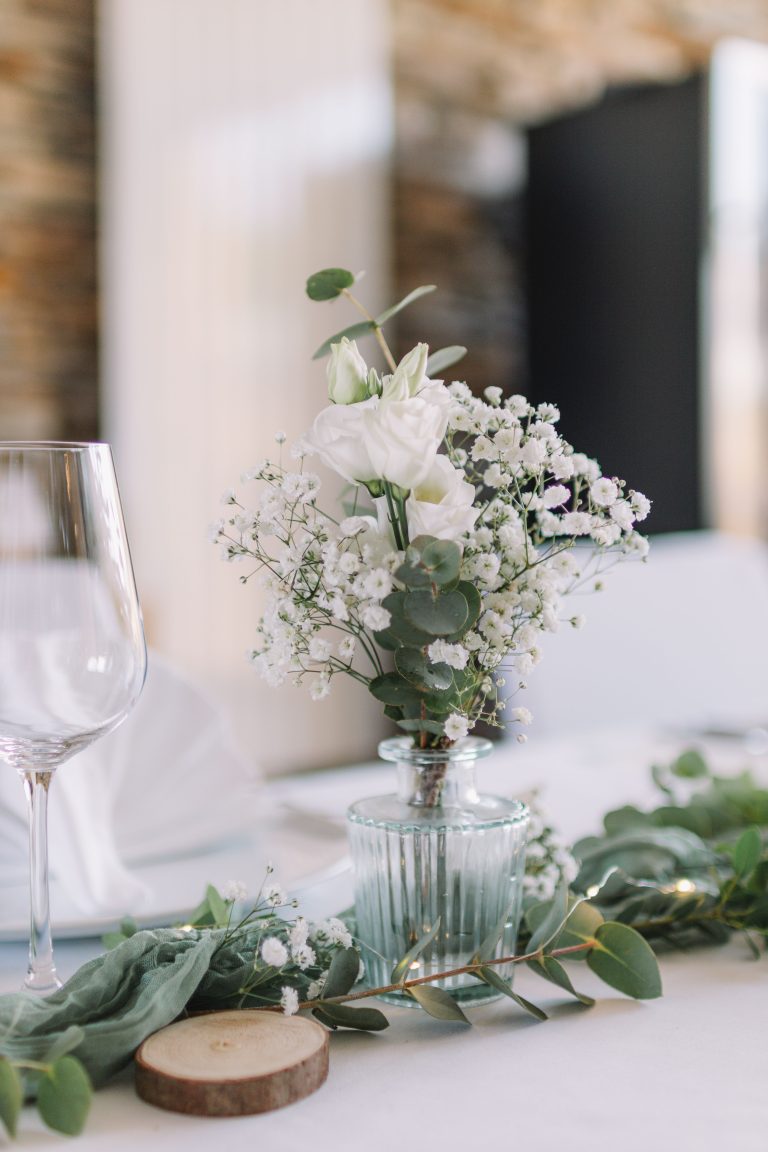
Weddings are expensive – there’s no sugar-coating it. Between venues, catering, attire and décor, costs can quickly spiral beyond what many couples originally planned. But cutting costs doesn’t have to mean sacrificing style.
In fact, some of the most beautiful weddings today are built around intentional choices rather than extravagant spending. With the rise of intimate celebrations, personalised experiences and sustainability-focused planning, couples are finding creative ways to stretch their budgets while still creating a day that feels luxurious and memorable.
If you’re looking to save without compromising on the overall aesthetic, these smart wedding budget hacks prove that less spending doesn’t have to mean less impact.
- Choose an off-peak wedding date
Saturday weddings during peak wedding season often come with premium pricing. Opting for a Friday, Sunday or even a weekday wedding can significantly reduce venue and supplier costs while giving guests something unique to look forward to.
- Consider a restaurant wedding
Many stylish restaurants already offer beautiful interiors, furniture, lighting and experienced catering teams. This means fewer décor rentals and vendor costs while still delivering an elevated guest experience.
- Host a backyard celebration
Backyard weddings continue to trend thanks to their intimate atmosphere and flexibility. With thoughtful styling, a family garden can feel just as magical as a traditional venue.
- Keep your guest list intentional
One of the biggest drivers of wedding costs is guest count. Fewer guests means lower catering, seating, stationery and beverage expenses. Focus on inviting the people who genuinely matter.
- Skip the traditional wedding cake
A small display cake paired with sheet cakes served behind the scenes can save hundreds while still delivering those picture-perfect cake-cutting moments.
- Ask talented friends and family for help
If you have a friend who is a baker, makeup artist, photographer, florist or graphic designer, consider whether they’d be willing to contribute their expertise as a wedding gift.
Just ensure expectations are clearly communicated beforehand.
- DIY your wedding signage
Modern minimalist signage is easier than ever to create using design platforms like Canva and affordable local printing services.
- Repurpose ceremony flowers
Move ceremony arrangements to the reception space after the vows. Floral arches, aisle arrangements and plinth flowers can all enjoy a second life.
- Choose seasonal blooms
Imported flowers can dramatically increase floral budgets. Seasonal, locally sourced flowers often look fresher and more abundant while costing less.
- Rent instead of buy
From décor items to lounge furniture and even designer wedding dresses, rentals allow couples to achieve a luxury look without the luxury price tag.
- Send digital save-the-dates
Digital invitations and save-the-dates have become increasingly popular. They’re cost-effective, eco-friendly and easy to manage.
- Limit your wedding party
Fewer bridesmaids and groomsmen means lower spending on gifts, bouquets, transport and attire coordination.
- Choose statement over quantity
Rather than filling a venue with countless décor elements, focus your budget on one or two standout moments, such as a dramatic ceremony backdrop or striking tablescape.
- Buy a pre-loved wedding dress
The second-hand bridal market has grown significantly, offering designer gowns at a fraction of their original price.
- Consider sample sales
Bridal boutiques regularly host sample sales where brides can find luxury gowns at heavily discounted prices.
- Simplify your menu
Guests often remember delicious food more than elaborate food presentations. A thoughtfully curated menu can feel just as special as a lavish multi-course affair.
- Skip individual wedding favours
Many couples are moving away from traditional favours altogether. If you’d still like to thank guests, consider one meaningful edible gift rather than multiple small items.
- Use candles strategically
Few décor elements create atmosphere as effectively as candlelight. Candles can instantly elevate a space while costing considerably less than extensive floral installations.
- Opt for a smaller bouquet
The trend towards understated bridal bouquets isn’t just stylish—it also helps reduce floral costs.
- Hire newer suppliers
Talented emerging photographers, content creators and planners often charge less while building their portfolios.
Always review their previous work before booking.
- Book an all-inclusive venue
Venues that include catering, furniture, staffing and coordination can often offer better overall value than sourcing each service separately.
- Choose one signature cocktail
Instead of a fully stocked premium bar, offering one or two signature drinks can help manage beverage costs while adding personality.
- Embrace minimalist stationery
Clean, elegant designs often require fewer printing techniques and embellishments while still looking sophisticated.
- Share transport where possible
Group transport for guests or the wedding party can reduce logistics expenses while simplifying the day.
- Buy décor from marketplace groups
Many couples sell wedding décor after their celebrations. Purchasing pre-loved items can result in substantial savings.
- Use content creators instead of extra camera crews
Wedding content creators have become increasingly popular for capturing behind-the-scenes moments and social-ready footage at a lower price point than adding additional videography coverage.
- Focus on guest experience, not trends
Not every viral wedding trend needs to make it onto your wedding checklist. Invest in elements that genuinely enhance your celebration rather than chasing fleeting aesthetics.
- Prioritise what matters most
Before booking anything, identify the three elements that matter most to you as a couple. Allocate more budget there and scale back elsewhere.
This ensures your spending aligns with your priorities rather than outside expectations.
A beautiful wedding isn’t measured by its price tag
The most memorable weddings aren’t necessarily the most expensive – they’re the ones that feel personal, intentional and true to the couple celebrating. By making strategic decisions and focusing on what truly matters, you can create a wedding that feels effortlessly elegant without stretching your budget beyond its limits. After all, luxury isn’t always about spending more; it’s about spending wisely.
ALSO SEE: Up, up and away! DIY balloon wedding arch
Featured image: merwak. raw / Pexels
The ring bearer may have one small job on your wedding day, but that doesn’t mean they can’t make a big impression. While the traditional pageboy carrying a…
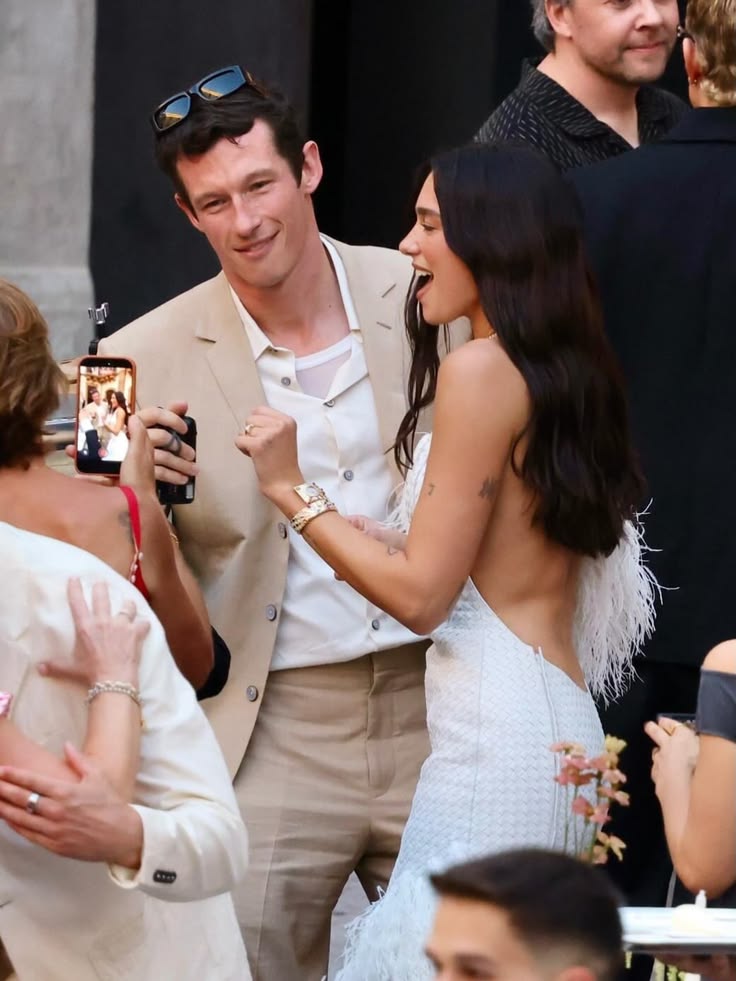
For weeks, bridal fashion watchers had theories.
Would she lean into old-Hollywood glamour? Go minimalist? Choose something rebellious? And now the mystery has finally been solved.
After keeping her main wedding look under wraps, Dua Lipa has revealed the couture gown she wore to marry Callum Turner during their Sicily wedding celebrations – and it feels less like a celebrity bridal moment and more like a preview of where wedding fashion is headed next.
Shared in newly released wedding photographs, the bride stepped into the ceremony wearing a custom feather-and-crystal embellished couture gown by CHANEL, designed by Matthieu Blazy. According to fashion reports, the dress marks the first bridal haute couture creation by Blazy for a friend of the house – immediately placing it among the most talked-about celebrity bridal looks of the year.
The gown featured a dramatic open back, delicate hand embroidery, a feather-dusted train and an embroidered veil that moved somewhere between vintage romance and modern couture theatre. Reports state the craftsmanship included hundreds of thousands of hand-applied embellishments and thousands of hours of atelier work.
But beyond the couture spectacle, the dress taps into something bigger happening in bridal right now.
Bridal maximalism is officially back
After years of clean silhouettes and quiet luxury dominating mood boards, brides are beginning to embrace texture again – feathers, dimensional embellishment, statement veils and gowns that feel designed for photographs as much as the ceremony itself.
Lipa’s bridal wardrobe across the wedding weekend reflected that shift.
For the civil ceremony in London, she opted for a structured white skirt suit. Then came a custom feathered welcome-party look in Sicily, before closing with the couture ceremony gown and a softer lace brunch aesthetic. Each outfit felt distinct but connected through one idea: bridal dressing no longer needs to live inside one aesthetic.
And perhaps that’s what makes this wedding resonate.
It wasn’t about choosing between classic and cool, dramatic and wearable, timeless and trend-forward. It was all of it.
The bridal details worth stealing
Not the couture budget – just the ideas.
- Statement texture instead of heavy volume
- A dramatic veil paired with a cleaner silhouette
- Bridal accessories that feel intentional, not overloaded
- Multiple fashion moments across the wedding weekend
- Couture-inspired embellishment used in a modern way
Expect to see feathers, ornate embroidery and fashion-house styling influence bridal collections well beyond celebrity weddings.
View this post on Instagram
A dress reveal – and a bridal mood shift
Celebrity weddings often influence trends, but every now and then one arrives at exactly the right moment.
Dua Lipa’s wedding dress feels like that moment.
Not because brides will suddenly start ordering couture gowns stitched with thousands of feathers – but because it reminds us that bridal fashion can still feel expressive, unexpected and a little cinematic.
And if the biggest wedding of the year is anything to go by, understated may finally be sharing the spotlight.
ALSO SEE: Dua Lipa’s wedding look proves the bridal skirt suit is so on trend
Dua Lipa’s wedding look proves the bridal skirt suit is so on trend
Featured image: Pinterest
There’s something poetic about the final moments of a wedding. Long after the vows have been exchanged, the speeches have wrapped and the dance floor has emptied, your…
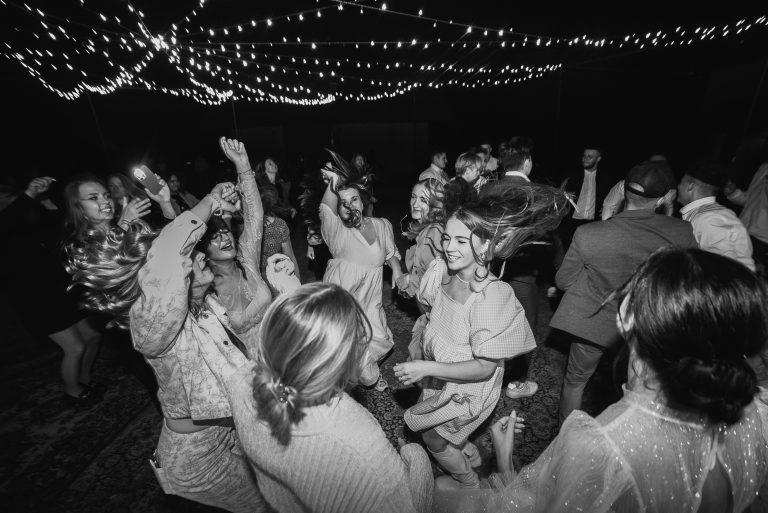
There are few wedding planning decisions that spark as much quiet panic as this one: do you invite colleagues?
Because unlike family (complicated) or friends (usually obvious), colleagues sit in that strange in-between space. You see them every day. They know your coffee order, your deadlines, your fiancé’s name and, somehow, the entire timeline of your seating chart drama.
But does surviving quarterly meetings together earn someone a seat at your wedding?
Short answer: not necessarily.
Modern wedding etiquette has shifted away from obligation and toward intentionality – and when it comes to colleagues, couples are increasingly choosing connection over courtesy invites.
First question: Are they colleagues or are they actually your friends?
Wedding planners and etiquette experts agree that the easiest test is surprisingly simple: would you still see this person if one of you changed jobs tomorrow?
If the answer is yes – dinners, birthdays, weekends, voice notes outside office hours – then they’re probably more than a colleague.
If your relationship exists entirely between Teams notifications and lunch breaks, they may not automatically belong on the guest list.
Weddings are becoming smaller, more personalised and often more expensive per guest. That’s changed how couples approach invitations.
If you invite one colleague, do you have to invite everyone?
Thankfully, no. One of the biggest misconceptions around wedding etiquette is that inviting one colleague means inviting the entire department.
Experts consistently say selective invites are acceptable – as long as your reasoning is consistent and relationship-based rather than political.
Some examples that generally make sense:
- You regularly socialise outside work
- They’ve become part of your life beyond the office
- They’ve supported major moments in your relationship
- You genuinely want them there (not because you feel bad)
What tends to create tension? Inviting based on hierarchy, favour or workplace optics.
Ceremony only? Reception only? Both?
This is where things get interesting. There’s no rule saying colleagues must attend your entire wedding day – but how you divide invitations matters.
Reception-only invites have become more accepted, especially when couples want an intimate ceremony followed by a bigger celebration. Wedding etiquette generally supports inviting additional guests to the reception without extending ceremony invitations.
That said, inviting someone to the ceremony but excluding them from the reception tends to feel less natural in modern etiquette circles.
If your goal is inclusion without expanding your most intimate moments, a reception invitation can be a thoughtful middle ground.
And what about your boss?
You’re under absolutely no obligation to invite your boss.
That decision should depend entirely on your actual relationship and workplace culture – not titles. Some couples invite managers who’ve become mentors or close friends; others keep work and personal life completely separate. Both are normal.
The workplace rule nobody talks about
If everyone is not invited, don’t turn the office into wedding central.
Multiple etiquette experts point to this as the easiest way to avoid awkwardness: keep guest-list discussions private, don’t hand out invitations at desks and avoid making non-invited colleagues front-row witnesses to every planning update.
Because the truth is: most people understand limited guest lists. What people tend to remember is how included – or excluded – they felt in the lead-up.
Your guest list, your rules (with a little grace)
There’s something strangely emotional about deciding who gets invited to witness your wedding day. And colleagues can make that decision even murkier – because work relationships don’t always fit neatly into “friend” or “not friend”.
But your wedding doesn’t need to become a performance of fairness. You don’t owe invitations because of office proximity, shared deadlines or years spent in the same Slack channel. Equally, you don’t need to justify inviting the colleague who became family somewhere between coffee runs and Monday meetings.
The best guest lists rarely look balanced on paper – they feel right in the room.
So, whether your colleagues make the ceremony, the reception, both or neither, ask yourself one question: When you look back at the photo’s years from now, will you be glad they were there?
That answer is usually clearer than you think.
ALSO SEE: Thoughtful & Trendy Wedding Favour Ideas Your Guests Will Love
Thoughtful & Trendy Wedding Favour Ideas Your Guests Will Love
Featured image: Amar Preciado / Pexels