
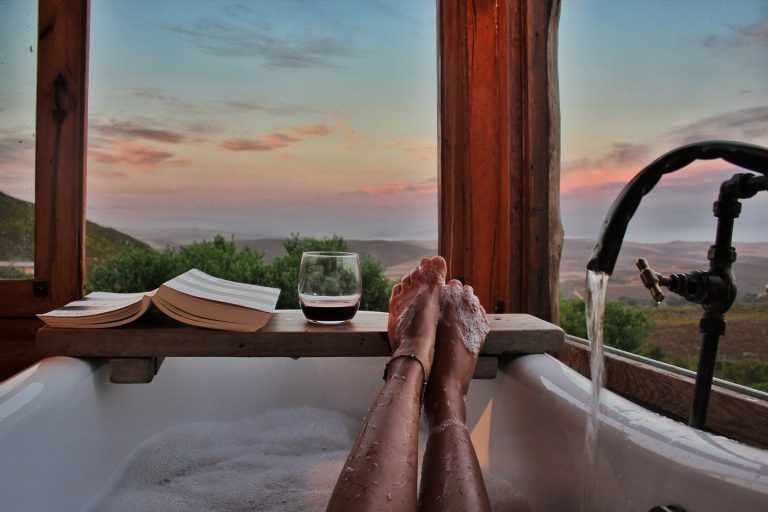
Winter weddings have quietly become one of South Africa’s most underrated trends – and honestly, it makes sense. Softer light, richer textures, dramatic landscapes and often better value. But if you’re saying “I do” during the cooler months, your honeymoon deserves just as much thought.
The good news? South Africa doesn’t really do winter the way most places do.
From fireside safari suites and vineyard escapes to coastal retreats that feel completely removed from real life, winter might actually be one of the most romantic times to honeymoon locally.
Here’s where to go.
Greater Kruger: For the couple who wants luxury, wildlife and zero decisions
Location: Mpumalanga & Limpopo
If your honeymoon mood board includes outdoor bathtubs, sunset game drives and wine under a blanket of stars – safari season is winter season.
Between May and September, vegetation thins out, wildlife becomes easier to spot and days stay pleasantly mild. Safari specialists consistently rank South Africa’s dry season as one of the best periods for game viewing.
Many luxury lodges also build in honeymoon extras – think private dinners, spa treatments and stay-longer offers.
Estimated cost:
• Mid-range safari: From approximately R5 500–R9 000 per couple per night
• Luxury honeymoon packages: From approximately R15 000–R50 000+ per night depending on inclusions
Best for:
Luxury lovers, once-in-a-lifetime trips, adventure couples
Booking contacts:
- Kapama Private Game Reserve
Website: Kapama Private Game Resort
Contact info: +27 15 793 8700 / [email protected] - RiverBend Collection (Addo Safari Honeymoon Suite)
Website: River Bend Collection
Contact info: +27 (0)42 011 0128 / [email protected]
Franschhoek: For the couple who wants wine, wellness and slow mornings
Location: Western Cape
If your ideal honeymoon looks less “bucket-list adventure” and more “we accidentally stayed in our robes until noon,” Franschhoek remains undefeated.
Winter transforms the valley into something moodier and more intimate: fireplaces, red wine, mist over the mountains and fewer crowds than peak summer.
Many boutique hotels offer seasonal packages during winter, making luxury feel slightly more attainable.
Estimated cost:
• Boutique stays: From R3 500–R8 000 per night
• Luxury estates: From R8 000–R20 000+ per night
Best for:
Foodies, design lovers, luxury without leaving the province
Booking contacts:
- La Residence
Website: The Royal Portfolio
Contact info: +27 21 876 4100 / [email protected] - Le Quartier Français
Website: Le Quartier Francais
Contact info: +27 21 492 2222 / [email protected]
The Garden route: For couples who want a bit of everything
Location: Mossel Bay to Storms River
Can’t commit to one honeymoon style? Don’t.
The Garden Route still wins because you can combine beaches, forest cabins, wine stops, luxury lodges and road-trip energy in one itinerary.
Winter means quieter roads, dramatic ocean views and better accommodation availability.
Suggested route:
George → Wilderness → Knysna → Plettenberg Bay
Estimated cost:
• Self-drive honeymoon: Around R12 000–R30 000 for 4–5 days excluding flights
• Luxury stays: R4 000–R12 000+ per night
Best for:
Couples who get bored staying in one place
Booking contacts:
- The Plettenberg Hotel
Website: The Plettenberg Hotel
Contact info: +27 44 533 2030 / [email protected] - Emily Moon River Lodge
Website: Emily Moon River Lodge
Contact info: +27 44 501 2500 / [email protected]
Hermanus: For ocean views and cosy coastal romance
Location: Western Cape
There’s something unexpectedly romantic about the coast in winter.
Hermanus becomes quieter, moodier and deeply cinematic this time of year. Add cliff walks, seafood lunches and boutique hotels with fireplaces and suddenly summer doesn’t seem necessary.
Bonus: If your timing overlaps, whale season starts building momentum from winter into spring.
Estimated cost:
• Guesthouses: From R2 500 per night
• Luxury hotels: From R5 000–R10 000+ per night
Best for:
Minimalists, food lovers, couples who want to switch off
Booking contacts:
- Birkenhead House
Website: The Royal Portfolio
Contact info: +27 28 314 8000 / [email protected] - The Marine Hermanus
Website: The Marine Hotel
Contact info: +27 28 313 1000 / [email protected]
The Drakensberg: For cabin-core couples
Location: KwaZulu-Natal
If your dream honeymoon includes mountain views, fireplaces and disappearing off grid for a few days, the Drakensberg deserves more attention.
Winter days stay crisp and clear, making hiking and outdoor experiences especially beautiful. Expect fewer crowds, incredible scenery and accommodation designed around slowing down.
Estimated cost:
• Boutique mountain stays: R2 500–R7 000 per night
• Luxury lodges: R7 000–R15 000+ per night
Best for:
Nature lovers, unplugged escapes, honeymooners avoiding airports
Booking contacts:
- Cleopatra Mountain Farmhouse
Website: Cleopatra Mountain Farmhouse
Contact info: +27 33 267 7243 / [email protected] - Cathedral Peak Hotel
Website: Cathedral Peak hotel
Contact info: +27 36 488 1888 / [email protected]
Final thoughts
There’s something wildly underrated about a South African winter honeymoon.
You trade crowds for intimacy, summer heat for fireplaces, and overbooked resorts for slower, more intentional experiences.
Whether that looks like tracking wildlife at sunrise, ordering another bottle in Franschhoek or watching waves crash from a warm hotel room – winter proves that romance doesn’t need tropical weather to feel unforgettable.
And if there’s one honeymoon planning tip worth keeping? Stay longer in fewer places. Your honeymoon shouldn’t feel like another itinerary.
ALSO SEE: Pack less, honeymoon better: The only honeymoon checklist you actually need
Pack less, honeymoon better: The only honeymoon checklist you actually need
Featured image: Taryn Elliott / Pexels
There are certain wedding moments guests remember forever. The way the aisle felt when the doors opened. That pause before the vows. The moment everyone unexpectedly ended up…
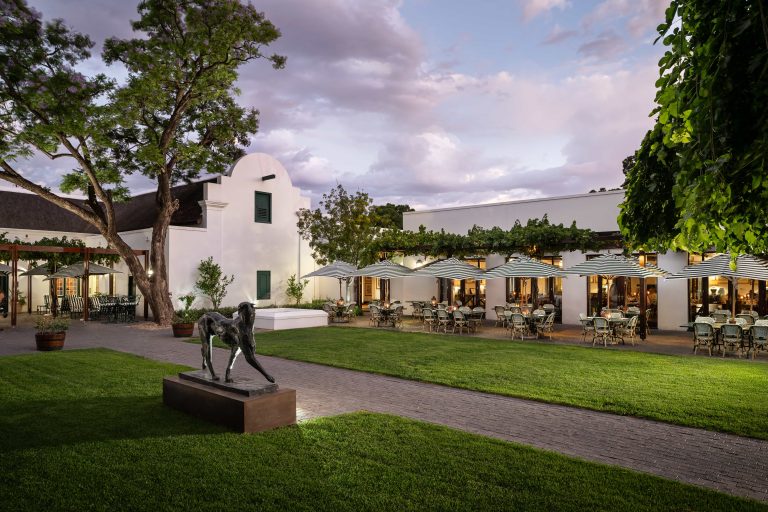
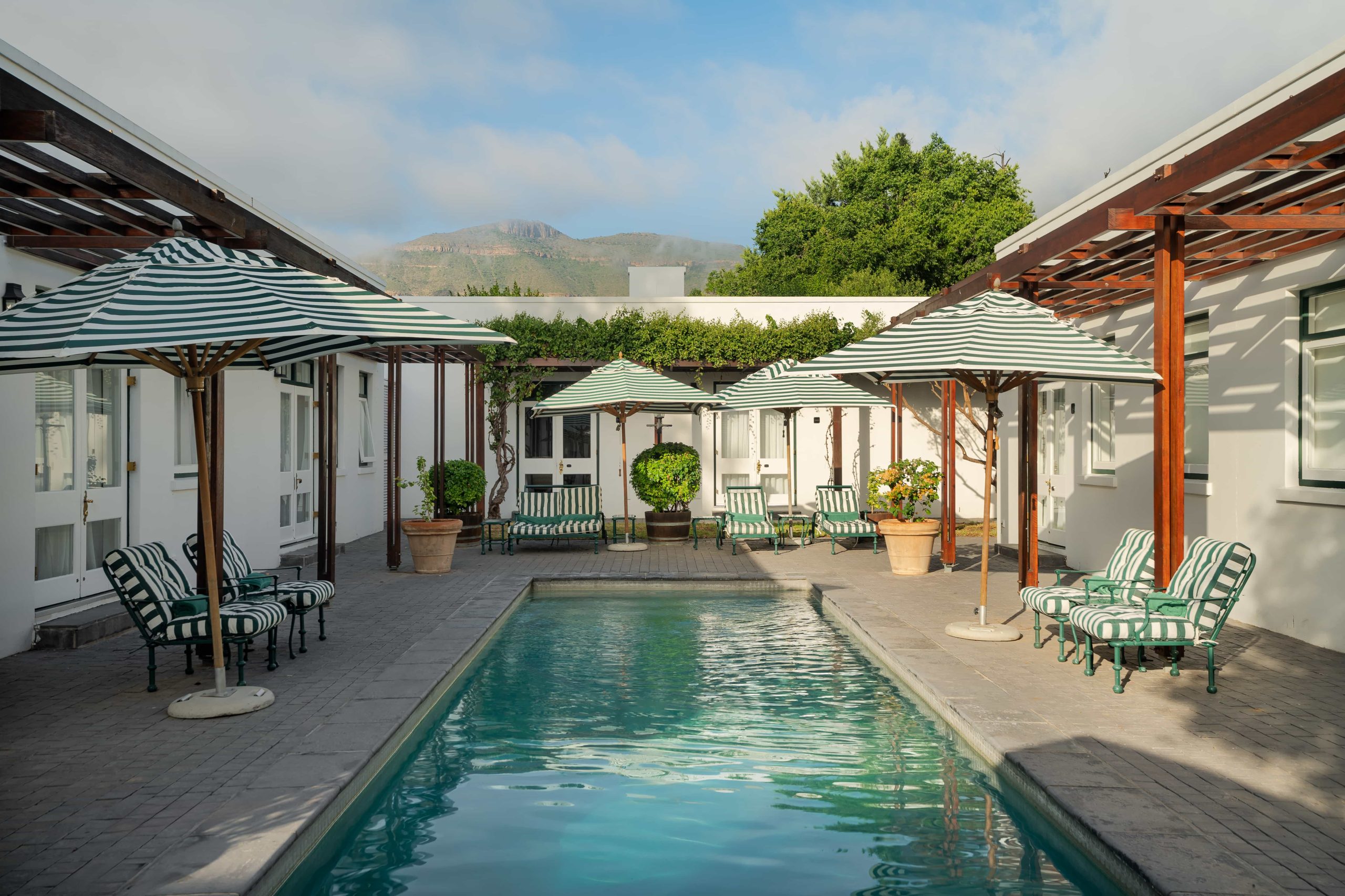
If you’ve been craving a proper break, this is it. Set in the historic town of Graaff-Reinet, Drostdy Hotel blends classic Karoo character with understated luxury. The rooms are thoughtfully designed with local art and heritage touches, while the property itself unfolds into a series of courtyards, pools and quiet corners that make it easy to settle in and stay a while.
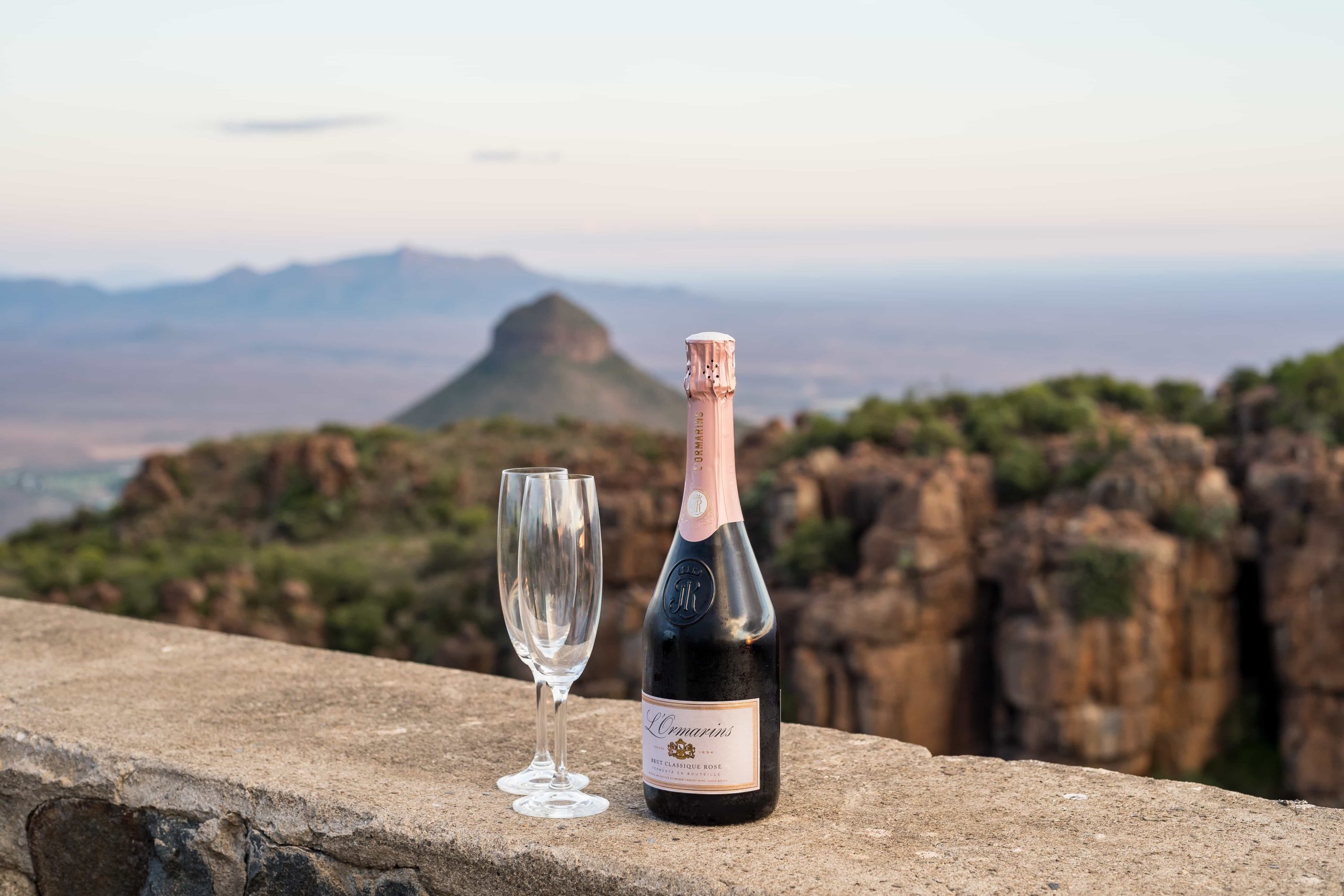
What you’ll win:
- A two-night stay for two at Drostdy Hotel (bed & breakfast)
- A wine-tasting experience
- A 45-minute massage voucher
To enter:
- Follow Wedding Etc and Drostdy Hotel on Instagram.
- Tag a friend in this post on Instagram.
Ts&Cs apply: Valid for 1 year from date of contact. Excludes peak and blackout dates. Subject to availability.
Giveaway closes: 30 September 2026
ALSO SEE: Durban’s most beautiful indoor wedding venues for every kind of celebration
Durban’s most beautiful indoor wedding venues for every kind of celebration
Some love stories begin with a proposal. Others begin generations earlier. For couples looking for meaning over mass production, heirloom engagement rings are becoming one of the most…
For years, weddings came with an unspoken assumption: someone else would help pay. Parents would contribute. Family would step in. There’d be a generous envelope somewhere in the mix. But for many modern couples, that’s no longer the reality.
More couples are self-funding their celebrations entirely, navigating rising living costs, saving for homes, paying off debt, or simply choosing financial independence over family contributions. And while social media still serves up destination weekends and floral installations the size of small houses, the truth is this: a meaningful wedding doesn’t require someone else’s bank account.
It requires intention. Here’s how to build a wedding budget that works in real life – without sacrificing the experience.
Start with your actual number – not your Pinterest number
Before opening a single venue tab, decide what you can comfortably spend. Not what you could stretch to. Not what you hope relatives might offer. Not what couples online claim they spent (while forgetting to mention the free venue and gifted photography).
Wedding planning communities increasingly recommend setting a budget based only on money that already exists or can realistically be saved before the date. Any outside contribution becomes a bonus, not part of the plan.
One simple framework:
- Current savings allocated to the wedding
- Monthly amount you can realistically save
- Timeline until the wedding date
- Emergency buffer (non-negotiable)
That total becomes your wedding budget – everything else adjusts around it.
Build your budget backwards
Most couples budget forwards (“Let’s see what things cost”). Instead, budget backwards.
Example: Wedding budget: R120,000
Allocate:
- Venue + catering: 40–50%
- Photography + video: 10–15%
- Fashion + beauty: 10%
- Décor + florals: 10%
- Entertainment: 5–10%
- Stationery + extras: 5%
- Contingency fund: 10%
The contingency category matters more than people expect. Wedding forums repeatedly show couples being caught by delivery fees, service charges, upgrades and last-minute additions rather than their original bookings.
Pick your three “worth-it” categories
This is where couples save thousands, choose the three things that matter most.
Maybe:
- Incredible photography
- Exceptional food
- Fashion moments
Or:
- Live music
- A dream venue
- Guest experience
Everything outside those priorities gets simplified. The fastest way to overspend is trying to make every category your “must-have”. Wedding budgeting experts consistently point to priorities – not hacks – as the biggest money saver.
Guest count is your biggest budget lever
This one isn’t glamorous, but it’s true. Every extra guest affects:
- catering
- seating
- rentals
- stationery
- drinks
- venue size
- staffing
A smaller guest list doesn’t automatically mean less celebration – it often creates more room for the things couples actually care about. Even online wedding communities repeatedly point to guest count as the single biggest cost driver.
Stop treating “wedding” as a venue category
Traditional venues are beautiful, but they’re not the only option.
Restaurants, boutique spaces, gardens, family properties, rooftop venues and weekday celebrations continue to gain traction because they remove layers of logistical costs.
Ask: Would this space still feel right if nobody called it a wedding venue? If yes, it’s worth considering.
DIY selectively (not emotionally)
DIY is often marketed as the budget solution. Reality? Time has value too.
Skip DIY for:
- Anything requiring technical skill
- Anything time-sensitive
- Anything that creates stress
Consider DIY for:
- Signage
- Welcome tables
- Favours
- Guest books
- Smaller décor moments
The goal isn’t doing everything yourself; it’s doing the things that actually add meaning.
Don’t finance a single day at the expense of your next chapter
This may be the least romantic advice in the article – and possibly the most important. A wedding is one day. Your financial life together continues the next morning.
There’s growing conversation among couples around creating celebrations that feel aligned with their future goals instead of borrowing against them.
If choosing fewer guests, simpler flowers or a shorter reception protects your future plans, that isn’t settling. That’s building a marriage with the same care you planned the wedding.
The bottom line
Not having a “Bank of Mom and Dad” budget doesn’t mean settling for less. It means creating a celebration that reflects your reality – and your priorities.
Because the weddings people remember most rarely come down to imported flowers or custom dance floors.
They remember the energy, the people, the food, the moments and how it all felt. And none of those things require someone else paying the bill.
ALSO SEE: DIY floral seating chart
Featured image: Angel Ayala / Pexels
If the idea of a cookie-cutter wedding look feels a little… predictable, you’re not alone. More couples are stepping away from traditional bridalwear rules, not only to create…
For decades, the wedding band has been treated as the “safe” piece of jewellery in the bridal stack: simple, polished, and designed to fade quietly into the background while the engagement ring takes centre stage.
But modern brides are changing the script.
Today’s wedding jewellery trends are leaning less toward convention and more toward self-expression – with textured finishes, sculptural silhouettes, mixed metals, coloured stones and unexpected details making their way onto ring fingers everywhere. Alternative bridal style is becoming less about rebellion and more about creating something that feels deeply personal.
If the idea of a standard gold band leaves you uninspired, these non-traditional wedding band trends might be exactly what you’re looking for.
Sculptural bands that make a statement
Minimalism isn’t disappearing – it’s evolving. Instead of classic flat bands, sculptural rings with organic curves, molten finishes and soft asymmetry are becoming increasingly popular. These styles feel artistic without sacrificing timelessness and work especially beautifully stacked against engagement rings.
Think fluid lines, uneven edges and pieces that look intentionally handcrafted rather than perfectly polished.
Why brides love them:
- They feel elevated without being overly ornate
- They stack beautifully with existing rings
- They stand out while remaining wearable every day
View this post on Instagram
Mixed metals are officially having their moment
Once considered a jewellery faux pas, mixing metals has become one of bridal fashion’s most wearable trends.
Yellow gold paired with platinum. White gold softened with rose gold. Contrasting finishes layered together. The result? A ring stack that feels collected rather than coordinated.
Mixed-metal bands are also practical for brides who already wear jewellery across different tones and don’t want to commit to one finish forever.
View this post on Instagram
Coloured stones are replacing all-diamond everything
Diamonds still dominate, but more brides are introducing colour into their wedding bands. Small accents of sapphires, emeralds, champagne diamonds and even black stones are appearing in wedding stacks for a subtle departure from tradition.
It’s not necessarily about maximalism – sometimes one unexpected stone is enough to completely transform the feel of a ring.
Bonus: coloured details often carry personal symbolism, making the band feel even more meaningful.
View this post on Instagram
Texture is the new sparkle
High-shine finishes are sharing space with something more tactile.
Hammered metal, brushed finishes, engraved details and raw textures are becoming popular among couples looking for jewellery with depth and character.
The appeal is simple: texture catches light differently and feels more individual than a mirror-polished finish. It’s understated, but far from boring.
View this post on Instagram
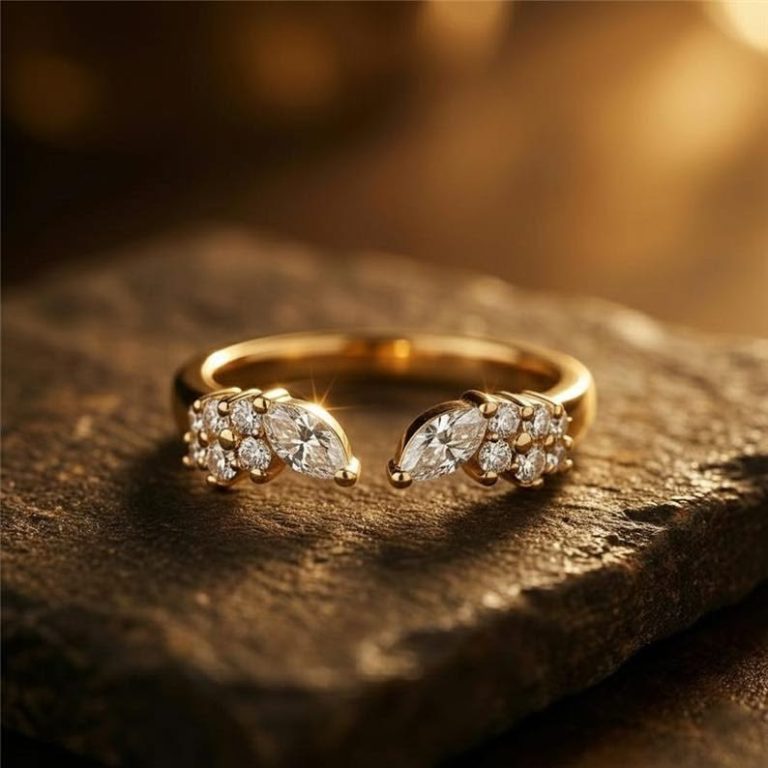
Open bands and negative space designs
For brides who want something contemporary, open bands and negative-space silhouettes continue to gain traction.
These styles create visual interest and can contour naturally around engagement rings with unusual settings.
They’re especially popular among brides who want a stacked look that feels intentional rather than crowded.
View this post on Instagram
Personalisation is becoming the ultimate luxury
The biggest shift in bridal jewellery right now isn’t a specific style – it’s customisation.
Engraved messages, hidden stones, meaningful motifs, heirloom redesigns and bespoke details are turning wedding bands into wearable stories.
Across bridal communities, the strongest sentiment is clear: couples increasingly care less about whether a ring looks traditional and more about whether it feels like them.
View this post on Instagram
Your wedding band doesn’t have to play a supporting role
Your wedding band is one of the few pieces from your wedding day you’ll wear long after the flowers are gone and the photographs are framed. So, if a classic polished band feels right – wear it.
But if texture, colour, sculptural shapes or something entirely unexpected feels more like you, consider this your permission slip.
Tradition is beautiful. Personal style is beautiful too.
ALSO SEE: Busted! 5 Common engagement ring myths debunked
Featured image: Pinterest