
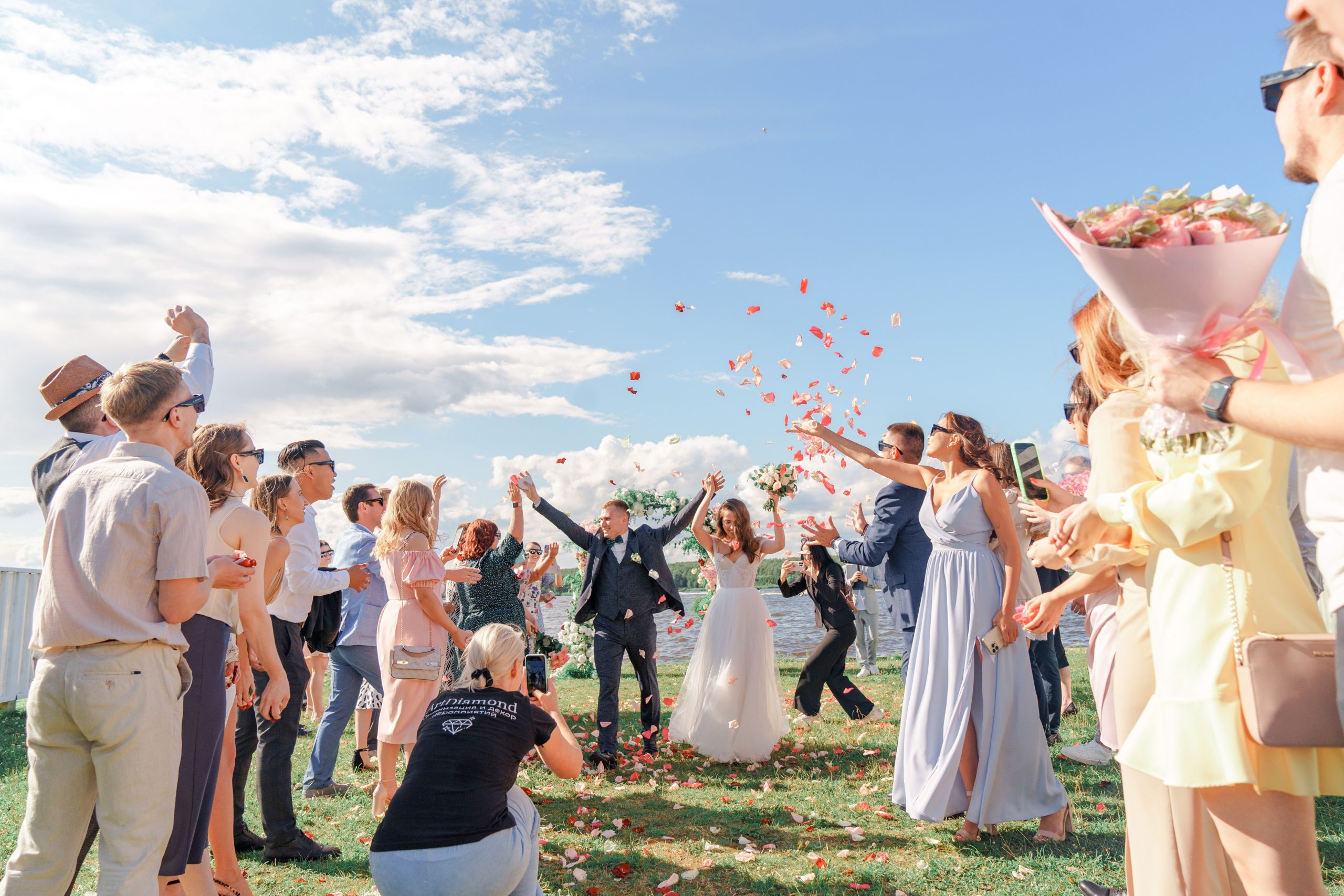
There’s something nobody warns you about weddings: planning one has a way of turning otherwise reasonable people into spreadsheet managers, logistics coordinators and part-time diplomats.
And while couples spend months obsessing over timelines, seating charts and whether peonies are worth the price tag (they usually still say yes), some guests still arrive treating the invitation like a casual group invite.
We’ve entered an era of weddings with more boundaries – and honestly? Most of them make sense.
From RSVP chaos to unsolicited plus-ones and guests posting ceremony content before the couple has even seen their own photos, modern wedding etiquette isn’t about being rigid. It’s about making someone’s once-in-a-lifetime moment feel easier instead of harder.
Here are the wedding guest rules people don’t always say out loud… but definitely wish everyone followed.
-
RSVP like your attendance actually matters (because someone’s budget depends on it)
This is the hill many couples are willing to die on.
Your RSVP isn’t a soft maybe. It isn’t a “I’ll see how I feel that week.” It’s a decision that impacts catering numbers, seating plans, transport, venue capacities and, increasingly, guest experience budgets. Wedding experts continue to rank delayed RSVPs among the biggest frustrations couples face.
If you’re a yes, commit.
If you’re a no, decline graciously.
And if life changes after you RSVP? Communicate early.
Nothing sends planners into silent panic faster than “Oh, I thought you knew I was coming.”
-
Respect the plus-one policy (and stop negotiating your invitation)
Modern weddings are becoming more intentional about guest lists – and for good reason.
Every seat costs money. Every added guest affects floor plans, catering and table dynamics. Couples today are increasingly setting firmer boundaries around who gets invited and who doesn’t.
If your invitation didn’t include a plus-one, don’t ask for one.
And definitely don’t arrive with one.
Your cousin’s situationship, your gym partner or someone you met three Thursdays ago does not automatically qualify.
-
The dress code is not a suggestion
Wedding dress codes exist to help guests feel appropriate – not to ruin your personal style.
If the invitation says black tie, cocktail, garden formal or beach chic, it’s because the couple has built the experience around a certain level of formality.
And while we’re here:
Don’t wear white.
Don’t wear cream.
Don’t wear “it’s technically champagne.”
If people have to squint and ask whether you’re the bride, rethink the outfit.
(Also: weddings are not the place to test your revenge dress.)
-
Put your phone down during the ceremony
Your phone is not the main character.
“Unplugged weddings” continue gaining popularity as couples push back against screens dominating intimate moments. Many couples want guests present – and want photographers to actually capture faces instead of raised phones.
Take the photo later.
Watch the vows with your eyes.
Nobody has ever looked back and wished they spent more time recording someone else’s ceremony vertically.
-
Arrive on time (which actually means early)
If the invitation says 3pm, that’s ceremony start time.
Not “leave the house” time.
Arriving late interrupts vows, distracts guests and creates unnecessary stress. Wedding etiquette experts recommend building in extra time for traffic, parking and venue logistics.
Aim for early.
Worst case? You spend ten peaceful minutes people-watching.
-
Don’t make announcements at someone else’s wedding
No proposals.
No pregnancy reveals.
No engagement announcements.
No “we have exciting news too…”
There are 364 other days available.
This one belongs to the couple.
-
Don’t treat the wedding like a networking event
You are not at a conference.
Yes, weddings bring interesting people together.
No, this is not the time to hand out business cards, pitch your side hustle or spend cocktail hour recruiting clients.
Celebrate. Connect. Leave LinkedIn for Monday.
-
Keep relationship drama at home
Please.
Do not break up.
Do not interrogate your ex.
Do not create a table-side crisis.
Every wedding has at least one emotionally complicated seating arrangement already – don’t add to it.
If something feels heated, step away quietly.
-
Respect “adults only” rules and cultural boundaries
Child-free weddings are increasingly normal and widely accepted – not because couples dislike children, but because weddings have practical limitations.
If children aren’t invited, don’t ask exceptions.
And if you’re attending a wedding outside your own traditions or culture? Lead with curiosity, not commentary.
Different doesn’t mean wrong.
-
Be mindful of alcohol
Open bar does not mean unlimited chaos.
Drink enough to enjoy yourself – not enough to become the family story told at every holiday gathering for the next decade.
Nobody wants to remember your speech more than the vows.
-
Don’t treat wedding content like public property
This one feels especially modern.
Before uploading ceremony clips, tagging locations or posting the first kiss – check whether the couple has shared first.
Some couples want privacy.
Others want to control timing.
And some simply want to experience their own wedding before Instagram does.
-
Leave when the celebration is over
If the lights are up.
The DJ is packing.
The staff are stacking chairs.
It’s time.
The afterparty invitation is either explicit… or it doesn’t exist.
The golden rule?
Every wedding decision costs someone time, money, energy or emotion.
So, if you’re ever unsure how to behave as a guest, ask yourself one question:
Am I making this day easier – or harder?
That’s the etiquette rule that never goes out of style.
ALSO SEE: Be prepared for these expenses if you’re a wedding guest
Featured image: Анна Хазова / Pexels

Comments are closed.