• Category

    Weddings

    Category

    Your wedding cake is more than just a dessert; it’s a centerpiece that reflects your style and sets the tone for your celebration. As we step into 2025, South African couples are embracing diverse cake trends, from sculptural designs to traditional flavors with a modern twist. Whether you’re looking to order a bespoke creation or embark on a DIY adventure, here’s your comprehensive guide to wedding cakes in South Africa this year.

    Trending Wedding Cake Styles in 2025

    1. Sculptural & Artistic Cakes
    Sculptural cakes are making waves in 2025, transforming wedding desserts into edible art. These cakes feature intricate designs, such as floating tiers, marble-inspired textures, and metallic accents, often resembling museum-worthy sculptures. Techniques like acrylic risers and sugar florals are commonly used to achieve these artistic effects. Brides

    Sourced: Pinterest

    2. Square & Geometric Designs
    Square-tiered cakes are gaining popularity for their clean lines and modern aesthetic. Couples are opting for geometric patterns, vibrant colors, and unique shapes to make a bold statement. These cakes are often paired with flavors like lemon-raspberry or red velvet-dulce de leche. Bridebook

    Sourced: Canva

    3. Sheet Cakes with Style
    Sheet cakes are emerging as a practical yet stylish alternative to traditional tiered cakes. They’re easier to transport, withstand heat better, and are simpler to cut. Decorative elements like Lambeth piping, cherries, and personalized messages are used to enhance their appearance. Brides

    Sourced: The Knot

    4. Dome Cakes
    Dome cakes offer a unique and visually striking option for couples seeking a non-traditional dessert. These cakes are often decorated artistically and serve as a showpiece at the wedding. While they may be less expensive than tiered cakes, their size and shape limit the number of servings and flavor options. cakematters.co.za

    Sourced: Instagram

    Wedding Cake Prices in South Africa

    Understanding the cost of wedding cakes is crucial for budgeting. Here’s an overview of typical prices:

    • Single-Tier Cakes:

      • 10cm (12–16 portions): From R520

      • 15cm (16–24 portions): From R660

      • 20cm (40–48 portions): From R865

      • 25cm (48–76 portions): From R1,050

    • Two-Tier Cakes:

    • Three-Tier Cakes:

      • Prices range from R6,360 to R7,084, depending on design and customization. honeybeebaker.co.za

    • Picture Cakes:

      • A5 size (20cm x 15cm): R390

      • A4 size (30cm x 20cm): R680

    • 3D and Shaped Cakes:

      • Prices vary; it’s best to inquire directly with bakers for quotes.

    Note: Prices can vary based on location, complexity, and customization. It’s advisable to request quotes from multiple vendors to compare.

    DIY Wedding Cakes: A Personal Touch

    If you’re considering making your own wedding cake, here are some tips:

    • Start Early: Begin planning and practicing well in advance to ensure you’re comfortable with the process.cakesforafrica.com

    • Choose Simple Designs: Opt for designs that are manageable and within your skill level.

    • Use Quality Ingredients: Ensure you use fresh, high-quality ingredients for the best taste and texture.

    • Consider a Trial Run: Bake a test cake to work out any issues before the big day.

    • Seek Help: Enlist friends or family to assist with decoration and setup.

    DIY cakes can be a cost-effective and meaningful option, especially for smaller weddings.

    Popular Cake Flavors in South Africa

    While traditional flavors like vanilla and chocolate remain popular, couples are exploring unique options to delight their guests. Some trending flavors include:

    • Pink Champagne: A celebratory flavor with a hint of sweetness.

    • Lemon-Raspberry: A refreshing and tangy combination.

    • Grand Marnier: A citrus-flavored cake with a touch of sophistication.

    • Ginger Spice: A warm and aromatic choice, perfect for winter weddings.

    • Banana Foster: A rich and indulgent flavor with caramel notes.

    • Honey-Lavender: A floral and fragrant option for a unique twist.

    Ordering vs. DIY: Which Is Right for You?

    Aspect Ordering a Cake DIY Cake
    Customization High; professional decorators available Limited to your skills and resources
    Cost Higher; varies based on design and size Lower; cost of ingredients and tools
    Time Commitment Minimal; cake is ready for pickup/delivery Significant; requires planning and effort
    Stress Level Lower; professionals handle the details Higher; responsibility on you
    Personal Touch Moderate; some customization possible High; reflects your personal style

    Consider your budget, time, and the level of personalization you desire when making your decision.

    Your wedding cake is a reflection of your personality and style. Whether you choose a traditional tiered cake, a modern sculptural design, or a homemade creation, ensure it aligns with your vision for the day. Remember to consider factors like guest count, flavor preferences, and budget when making your choice. With the right cake, you’ll add a sweet touch to your special day.

    Featured Image: Canva

    When it comes to weddings, every bride dreams of looking flawless as she walks down the aisle. But the big question is: should you do your own makeup or trust a professional stylist? In South Africa, where weddings can range from intimate garden ceremonies to grand luxury affairs, the decision often comes down to budget, confidence, and personal style.

    The Case for Doing Your Own Makeup

    Sourced: Canva

    If you’re someone who feels confident with a makeup brush, doing your own makeup might be a cost-effective and empowering choice.

    Pros:

    • Budget-friendly: Perfect for brides who are cutting costs in 2025’s tighter wedding economy.

    • Personal control: You know exactly what products work for your skin and what look makes you feel beautiful.

    • Practice makes perfect: With trial runs, you can perfect your wedding-day look well in advance.

    Cons:

    • Stress factor: On the morning of your wedding, nerves can make even the steadiest hands shaky.

    • No backup plan: If something goes wrong—like a smudged eyeliner—you may not have time to fix it.

    • Less polished: Even skilled DIY brides may not achieve the long-lasting, camera-ready finish that professionals deliver.

    The Case for Hiring a Professional Stylist

    Sourced: Canva

    Professional makeup artists bring experience, creativity, and calm to your wedding day preparations.

    Pros:

    • Expertise: Trained in working with different skin tones, textures, and wedding-day lighting.

    • Stress-free: You can sit back, relax, and enjoy being pampered while someone else ensures you look radiant.

    • High-quality products: Pros often use premium, long-wear products that keep your makeup intact through tears, heat, and hours of celebration.

    Cons:

    • Cost: Hiring a professional can be pricey, especially for bridal parties.

    • Less control: You’ll need to communicate your preferences clearly to avoid a look that doesn’t feel like “you.”

    • Availability: Popular artists in South Africa get booked months (sometimes years) in advance.

    Finding the Balance

    Many brides are now choosing a hybrid approach, doing their own makeup for pre-wedding events like the bridal shower or rehearsal, and hiring a professional for the big day itself. This way, you save money but still enjoy the polished, stress-free look for your wedding photos and ceremony.

    The choice between doing your own makeup and hiring a professional stylist ultimately depends on your budget, confidence, and vision. Whether you’re a DIY queen or prefer the pampering touch of a pro, what matters most is that you feel like the most beautiful version of yourself on your special day.

    Featured Image: Canva

    Embrace the “Quiet Luxury” Aesthetic

    Quiet luxury is all about refined elegance, not showy branding or over-the-top details. Think neutral palettes (ivory, cream, blush), simple yet elegant invites, monogrammed napkins, and professional yet understated music. It’s a sophisticated vibe you can recreate with thoughtful details, not mega budgets.

    Let the Venue Do the Heavy Lifting

    Instead of renting castles or private estates, opt for a naturally stunning venue, botanical gardens, historic homes, or scenic wine country spots. These backdrops come camera-ready, reducing decoration needs dramatically.

    Time It Smartly

    Booking your wedding midweek (Thursday or Sunday) or during off-seasons (like winter) can save you 20–40% on venue, vendor, and catering costs.

    Channel Celebrity Trends on a Budget

    From GroomsDay’s roundup of celeb-inspired elements:

    • Bridal scarves/capes – vintage lace or thrifted styles

    • Colorful reception outfit – rent or find on consignment

    • DIY photobooth – rent a selfie mirror or create props with friends

    • Pampas grass and mismatched rugs aisle – great for boho flair without high cost

    Decor That Feels Luxe, but Is Cost-Conscious

    • Use designer rentals: mirrors, vases, or stands to elevate every table

    • Leverage candlelight and minimalistic floral runners, big impact, small price

    • Swap heavy floral centerpieces for sustainable greenery like potted plants, do double duty as décor and keepsakes

    Prioritize and Pare Down

    • Make a list of essentials vs. nice-to-haves vs. skip-it items to direct your spending wisely

    • Keep your guest list tight, micro or intimate weddings not only cut costs but feel far more curated

    Fashion That Looks Luxe (for Less)

    • Consider sample sales, pre-owned gowns (on platforms like Still White), or dress rentals

    • Let bridesmaids select their own dresses within a defined palette, or opt for renting to reduce excess cost

    Food, Drinks & Catering Smart Moves

    • Choose brunch, food trucks, or a buffet over plated dinners to cut expenses

    • If allowed, bring your own alcohol or serve only select options like wine and signature cocktails

    • Consider family-style service (think celebrity Lea Michele) to keep it communal yet cost-effective.

    Capture the Day Without Overspending

    • Hire a talented emerging photographer for just a few key hours.

    • Encourage guests to share their photos using a wedding hashtag for candid coverage at no extra cost.

    Add Luxe Touches That Don’t Break the Bank

    • Incorporate simple but upscale gestures: a welcome drink station, printed timelines, scented towels, or personalized nameplates, they feel elevated but cost very little.

    • Reduce duration: A well-planned two-day affair can deliver romance and depth without the expense of a multi-day extravaganza

    Quick Comparison: Celeb Style vs. Budget Reality

    Element High-Cost Celebrity Version Budget-Friendly “Quiet Luxury” Version
    Venue Private island or estate Botanical garden, historic home, wine venue
    Decor 5 truckloads of florals, designer pieces Minimal florals, rented mirrors, candlelight
    Guest List Large, expansive Micro or intimate gathering
    Fashion Designer gown, bridesmaids outfitted Sample sale, rental, mix-and-match dresses
    Catering Full plated service, bar, lavish cuisine Buffet/food truck, BYOB, family-style
    Photography Full-day with lead pros Short coverage, photobooth, guest sharing
    Added Luxe Touches Fireworks, choreographed entertainment Signature drinks, playlists, name targets

    You can have a wedding that feels like it belongs on the red carpet without spending millions. The magic comes from thoughtful styling, clever choices, and curating a memorable experience that reflects you. Your photos will look effortlessly elegant, your guests will feel cherished, and your story will shine far beyond the spending.

    Featured Image: Canva

    Every bride dreams of a flawless wedding day, but the reality is that unexpected hiccups happen. From sudden beauty mishaps to décor glitches, even the best-laid plans can hit a bump. The good news? Brides around the world have tried-and-tested quick fixes that can turn potential disasters into barely noticeable blips. Here are 7 last-minute wedding day hacks that brides swear by to save the day.

    1. The Emergency Kit is Your Best Friend

    Sourced: Canva

    Think of it as your bridal survival bag. Stock it with safety pins, fashion tape, painkillers, a mini sewing kit, blotting papers, and clear nail polish (perfect for stopping runs in tights or even sealing loose threads). Many brides say this little kit has saved them more times than they can count.

    Why it matters:
    Unexpected stains, loose buttons, or fashion mishaps? You’re covered and your day stays on track.

    2. Double-Sided Tape for Dress and Décor

    Sourced: Canva

    If a bridesmaid’s strap won’t stay in place or a centerpiece looks unstable, double-sided tape comes to the rescue. Brides also use it for sticking down veils on a windy day or securing shoes that are slightly too loose. It’s a tiny item that can save you from big headaches.

    Why it matters:
    Unexpected rain or heat can ruin your outfit, but a little prep ensures you’re still picture-perfect.

    3. Baby Powder for Stains and Sweat

    Sourced: Canva

    From makeup smudges to underarm sweat, baby powder can be a miracle worker. Dab it lightly on oily stains or sprinkle it on inner thighs to prevent chafing if the weather is hot. It’s an old-school trick, but brides still swear by it.

    4. White Chalk for Dress Emergencies

    Sourced: Canva

    Spilled wine or a makeup smudge on your gown? White chalk can cover small stains instantly until you can get it professionally cleaned. It’s an easy, inexpensive hack that blends well with most fabrics.

    5. Backup Flats for Dancing

    Sourced: Canva

    Heels look stunning but can feel like torture after a few hours. Brides who slipped a pair of cute flats or sandals under their sweetheart table say it saved their night and their feet. No one notices under the gown, and you’ll be free to dance until dawn.

    6. Straws for Sip-Safe Makeup

    Sourced: Canva

    Smudged lipstick right before photos is every bride’s nightmare. Keep straws nearby so you can sip without ruining your makeup. Many brides say this one tiny habit kept their lipstick photo-ready all day.

    7. A Point Person for the Chaos

    Sourced: Canva

    Your maid of honor, a trusted friend, or even your wedding planner can be your go-to fixer. Hand them your phone and your emergency kit so you can focus on enjoying your day. Brides say having a “wedding day captain” ensures small hiccups never reach the bride’s radar.

    At the end of the day, weddings are about love, not perfection. But with these clever last-minute hacks, you can smooth over the unexpected and keep your celebration stress-free. Brides who’ve been there promise: it’s these little tricks that often make the biggest difference.

    Featured Image: Canva

    South African summers (December–March) are notorious for intense sun and coastal winds, with daytime temperatures often hitting 30–40 °C. Without thoughtful planning, fresh wedding blooms like roses, peonies or tulips wilt, sometimes within just 30 minutes under direct sun.

    That’s why 2025 bridal couples (and their florists!) are shifting to heat-tolerant, indigenous blooms, which stay vibrant even through al fresco ceremonies and midday receptions.

    Step 1: Why Choose Indigenous Flowers?

    • Drought-savvy & durable: Indigenous florals like proteas, brunia, and ericas evolved in South Africa’s fynbos and savannah–perfect for dry summer days.

    Sourced: Canva
    • Beautifully local: Rich texture & fragrant foliage tie in your wedding with Cape Town’s natural heritage, no imported blooms needed.

    Sourced: Canva
    • Year-round availability: Many species bloom in late winter through early summer (June–Dec), ideal for planning December-January weddings.

    “Our protea flower arrangements are designed to honour the natural beauty and cultural heritage of South Africa… We source only the finest blooms directly from local farms in Cape Town.”
    —Fabulous Flowers & Gifts, Cape Town Fabulous Flowers and Gifts

    Step 2: Proteas – The Hero of Heat‑Resistant Wedding Florals

    What makes proteas perfect for summer weddings:

    • Incredibly hardy – king protea and pincushion types tolerate strong coastal winds and resist wilting in heat.

    • Long vase life – with proper conditioning, proteas can last 14–16 days, often outlasting the weekend festivities (Ode à la Rose).

    • A sculptural statement – choice of blazing fuchsia, creamy pinks, and deep burgundy, adding instant drama to bouquets or aisle markers.

    “I love the contrast of the indigenous, soft‑stemmed flowers and the South African protea, with their hard, woody stems which protect them in high heat.”
    —Stems Of Windsor, florist based in Cape Town (Instagram July 2025)

    Quick Protea planning chart

    Protea Type Recommended Use Design Tip
    King Protea Bridal bouquet focal point One stem + eucalyptus + a “halo” of ruscus
    Pincushion Protea Bridesmaids’ bouquets, boutonnières Clustered with waxflower or brunia
    Sugarbush Protea Ceremony backdrop, statement centerpieces Mix with fynbos stems and dried grasses

    Eligible heat-resilient extras:

    • Succulents (e.g. aloe blooms) and senecio, plus lavender, gerbera daisies, and bougainvillea, which hold water long under sun (Black Tulip Flowers Oman).

    Sourced: Canva
    • Hard foliage like eucalyptus, olive, or gum leaves, perfect for filler or structural support.

    Sourced: Canva
    • Dried accents, pampas grass, bleached ruscus, or bunny-tail grasses, to boost volume and extend on-day endurance.

    Sourced: Canva

    Florist best practices:

    1. Keep arrangements in shaded or temperature-controlled areas ahead of time.

    2. Use water tubes for all hand-held blooms and floral sealant on large blooms.

    3. Chill (not freeze!) bouquets before ceremony, avoids condensation on petals.

    4. Update water in centerpieces right before guest arrival.

    Real-Wedding Mini Inspiration: Two South African Gems in 2025

    Venues where indigenous blooms shine:

    • Fynbos Estate, Swartland (≈ 1 hour from Cape Town): Set amid vineyards & natural fynbos gardens, this venue hosts exclusively one wedding a weekend. Ideal for florals that echo the landscape, from protea bridal bouquets to sage-scented ceremony arches under olive trees (ynbosestate.co.za).

    • Simbavati Fynbos on Sea, Overberg Coast: A destination venue framed by indigenous coastal fynbos. Ideal for intimate sunset ceremonies styled with drifting pampas grass, king protea altar designs, and native succulents in driftwood containers (simbavati.com).

    Couple – Johan & Mareli (Cape Winelands, Jan 2025): “We knew we wanted proteas after scouting Fynbos Estate, we tied pincushion proteas into our bouquets and centerpieces, paired with olive and succulents. The blooms didn’t fade even under the 32 °C afternoon sun!”

    Easy‐to‐Follow Eco + Budget Tips

    • Book local growers instead of imported floral services (usually 40% cheaper).

    • Repurpose ceremony décor at reception, altar arches make unique photo backdrops and escort table floral holders.

    • Potted proteas as live centerpieces allow guests to take home a plant (or you can donate extras to community gardens post‑event).

    Why This Trend Isn’t Going Anywhere in 2025

    • Climate resilience – heat‑resistant indigenous florals reduce spoilage and avoid hot-day panic (like wilted roses).

    • Sustainability – no plastic packaging, fewer water miles, and support for Cape flora biodiversity.

    • Timelessness – proteas age well, sometimes drying into lasting keepsakes long after petals fade.

    Tips for Planning Your Florals in 2025

    • Book florists early (3–6 months): Summer months sell out quickly.

    • Share your venue name early, many florists coordinate with site crews (arch erectors, décor teams) for power, vases, and shade.

    • Ask for a formal sample arrangement, most studios like Alison’s Flowers or Fabulous Flowers offer tabletop mock-ups to show bloom placement and water-supply setup (alisonsflowers.co.za),(Fabulous Flowers and Gifts).

    • Request a post-wedding care guide (lucky brides get tips on preserving Proteas, repotting potted centrepieces).

    In South Africa’s summer heat of 2025, flowers don’t have to wilt. By choosing heat‑tough, indigenous blooms led by proteas and designing with clever hydration practices, your wedding can bloom all day. Whether you’re in the Winelands’ fynbos or coastal dunes, your florals can reflect the season, support local ecosystems, and stay fresh enough to flourish late into the evening.

    Featured Image: Canva
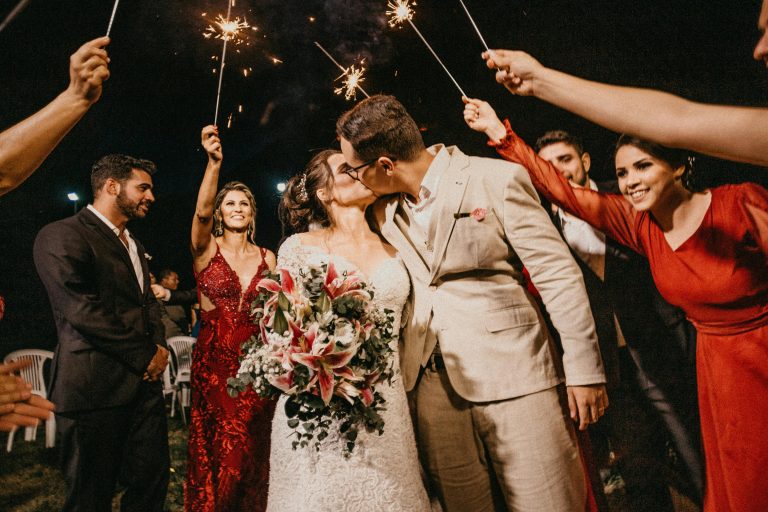
    Gone are the days when weddings in South Africa meant hundreds of guests and sprawling venues. In 2025, many couples are reshaping their expectations, prioritising intimacy, authenticity, and sustainability. Micro‑weddings, with guest lists under 50, are on the rise. Surveys like The Knot Worldwide’s reveal that 48% of couples are considering this option, climbing to 57% among those already engaged (The Knot Worldwide). Locally, wedding planners in Cape Town and Johannesburg report more requests for boutique vineyard ceremonies and private estate celebrations over traditional ballrooms.

    Yet, traditional weddings remain powerful, rooted in rich cultural heritage, multi-day celebrations, and the involvement of extended family. Whether you’re debating a micro ceremony or a grand celebration, it’s less about right or wrong and more about what represents your love story best.

    What Is a Micro‑Wedding?

    Micro‑weddings in South Africa typically feature 10 to 50 guests, often held at boutique vineyards, private gardens, luxury guesthouses or even family estates. These weddings emphasize meaningful interactions, with every detail carefully curated: personalised vows, bespoke cocktails, intimate seating, or handcrafted favours.

    Industry reports in SA highlight that micro‑weddings with a luxe twist (featuring custom cocktails, live cooking stations, bespoke stationery, and elevated décor) are especially in demand (Hidden Gems Venues). Local planners in Cape Town confirm couples love venues like boutique wine estates in Stellenbosch, Paarl, or boutique hotels in Franschhoek.

    Celebrants also note that micro‑weddings lend themselves to immersive experiences, think live caricature artists, private mixologists crafting cocktails, or small interactive food stations, enriching every moment with luxury despite a smaller budget.

    The Traditional South African Wedding

    Traditional weddings in SA often feature 100+ guests, involving extended families, cultural rituals, and multi-day festivities. They remain particularly prevalent within Zulu, Indian, Afrikaans, and other cultural communities. These ceremonies typically involve religious services, traditional attire, and large venue rentals such as hotels, church halls or large safari lodges.

    For example, Avianto in Gauteng and The Forum Embassy Hill in Cape Town or safari lodges like Zulu Nyala remain popular choices. These venues offer multi-function capacity and cultural flexibility. While these events are often more expensive, costing R150,000–R500,000+, they reflect deep cultural connections and communal celebration.

    Even large religious ceremonies continue across SA: for instance, the International Pentecost Holiness Church in Heidelberg recently hosted a mass wedding for around 3,000 participants, some entering polygamous customary marriages, an extreme example of tradition upheld at scale (apnews.com).

    Cost Comparison: Savings vs Splurge

    In South Africa, micro‑weddings typically cost between R40,000–R120,000, thanks to smaller catering, rental, décor and guestlist management. Many couples splurge instead on high‑end photography, fine dining or bespoke décor to maintain luxury within budget.

    Traditional weddings can range from R150,000 to over R500,000, especially when guest numbers exceed 150, venues require large halls or marquees, and cultural rites require multiple events such as wine ceremonies or separate receptions.

    With micro‑weddings, savings are found in reduced scale, but couples still invest in quality. For instance, luxury food stations, featuring local produce and interactive elements like build‑your‑own sushi or braai‑style cooking, often dominate guest experiences, even in intimate settings (Hidden Gems Venues),(Dear Diary).

    Emotional & Social Considerations

    A micro‑wedding’s intimacy can deepen connection, but may also strain family expectations. Some planners note that couples often wrestle with limiting the guest list: deciding which friends or extended relatives to invite can be emotional. As one planning guide puts it, micro‑weddings “offer intimate connections and cost savings but limit guest participation” while larger weddings welcome entire communities, with added complexity (Dear Diary).

    Many SA planners report that micro‑weddings appeal to couples prioritising mindfulness and authenticity over tradition. Families may push for larger gatherings, but couples are increasingly finding ways to compromise, for example, hosting a separate, smaller post‑wedding party for extended family or streaming their ceremony virtually.

    Legal & Logistical Differences

    Legal marriage requirements with Home Affairs remain unchanged regardless of scale. However, micro‑weddings often simplify logistics dramatically: fewer vendors, straightforward seating and layout needs, and reduced exposure to problems like load-shedding. Private venues often don’t require extensive event permits, so planning becomes more streamlined.

    What SA Couples Are Choosing in 2025

    National and global data point toward rising interest in micro‑weddings: international reports show 48%–57% of engaged couples leaning this way (The Knot Worldwide). In South Africa, planners in Cape Town and Johannesburg confirm this especially in eco-conscious, boutique-centric areas.

    Different regions trend differently: in Cape Town, eco-luxe micro‑weddings held at vineyards or boutique estates are especially popular. In Gauteng, hybrid models, small ceremonies followed by larger receptions or streamed events are gaining traction. In Durban, traditional Indian and Zulu weddings remain strong, often resisting the micro‑trend given cultural importance of broader familial gathering.

    What Feels Right for You

    There’s no right or wrong when choosing between micro‑weddings and traditional celebrations in South Africa. It’s about balancing your vision, budget, and cultural or family values. Micro‑weddings offer intimacy, personalization, and cost control, ideal for meaningful moments. Traditional large-scale celebrations offer cultural richness, community involvement, and a communal experience.

    Talk with your partner and planner about what matters most, guest experience, meaningful traditions or financial flexibility. Consider hybrid options or post‑event celebrations to satisfy everyone. Above all, your wedding should reflect your story, not tradition by default.

    Featured Image: Pixels

    Proposal & Engagement: Tradition Meets Modernity

    In South African Muslim communities especially in Cape Town a formal proposal typically unfolds with the groom visiting the bride’s father to seek her hand. The bride’s consent has the final say, reinforcing both familial respect and individual choice.

    Indian Muslim families often mark this step with a mangla ceremony, a gathering where the groom arrives and engagement gifts and sweets are presented. The bride sits on a stage, and her acceptance is often symbolized through jewelry, received either by herself or placed by the groom’s female relatives.

    Pre-Wedding Celebrations: Henna, Heritage & Harmony

    • Mehndi Night: A festive and deeply cultural affair, especially among Cape Malay and Indian Muslim communities. Female relatives and friends gather for singing, drumming, intricate henna designs, and traditional treats like koesisters, boeber, tassies, biryani, and gulab jamun.

    Sourced: Unsplashed
    • Thika Ceremony: Common among Indian Muslims, this pre-nikah practice symbolizes mutual blessing and respect between the families.

    Nikah: A Sacred Contract of Union

    • Ceremony Essentials: The nikah is the Islamic marriage contract, often held in a mosque or family home and officiated by an Imam. It requires the presence of witnesses, the bride’s guardian (wali), and the exchange of mahr (dowry), reflecting commitment and respect.

    Sourced: Canva
    • Cultural Nuances: In some cases, the bride remains at home while the nikah ceremony proceeds elsewhere, her absence doesn’t diminish the bond once established. After the formal vows, they may exchange rings or share an intimate moment.

    Receptions (Walima): Feasts of Faith & Family

    • Purpose & Religious Significance: The Walima is a sunnah, a celebratory feast to announce the marriage publicly and ideally held after consummation. In the Western Cape, however, it’s commonly hosted on the wedding day, regardless of consummation timing.

    Sourced: Canva
    • Variations by Community: Indian Muslim weddings typically feature a single reception, while Cape Malay families may host two: one after the nikah and another later in the day.

    • Venue & Atmosphere: Unlike extravagant venues, many South African Muslim families opt for local halls or familiar settings for ease and comfort. Luncheon receptions are common, though Cape Malay weddings may include both lunch and dinner feasts.

    Sourced: Canva

    Rukhsati & Cultural Rituals: Farewell with Reverence

    In Cape Malay tradition, the bride’s departure occurs with deep emotion and ritual:

    • After initial festivities, the bride is escorted off the stage by a female delegation called the Hadjies, carrying a shawl placed over her shoulders.

    • Guests recite Salawaat (praises for the Prophet ﷺ) as she leaves, transitioning into married life with prayers and blessings.

    Legal Recognition & Registration: Protecting Marriage Rights

    • Historical Context: Muslim nikah ceremonies historically lacked recognition under South African civil law, often leaving couples unprotected in matters of inheritance, divorce, or property (De Rebus).

    • Legal Progress:

      • 2020 Ruling: The Supreme Court of Appeal ruled that non-recognition was unconstitutional, prompting reforms (Fairbridges Wertheim Becker).

      • Imams as Marriage Officers: Accredited ulama can now register marriages directly with the Department of Home Affairs, enabling official certification of Muslim marriages and aligning them with civil law (Jamiatul Ulama KZN).

      • 2024 Milestone: The Department of Home Affairs began officially recognizing nikah marriages, allowing full civil validation, and even retroactive marriage certificate issuance (fwdeklerk.org).

    • Documentation Requirements: To register the marriage, couples generally need their nikah certificate, IDs, details of the mahr, and affidavits from both spouses and witnesses. A small registration fee applies, with processing taking up to five days (aljama.co.za).

    Attire & Modesty: Reflecting Faith and Culture

    • Cultural Dress: Brides often choose attire that blends modesty with cultural motifs, Cape Malay brides may don lace and satin gowns, while Indian Muslim brides might wear vibrant lehengas or saris, rich in beadwork and embroidery.

    Sourced: Canva
    Sourced: Canva
    • Mosque Etiquette for Guests:

      “Make-up would be fine but probably nothing too bold… you’ll need to remove your shoes… borrow an abaya and scarf for the mosque”

    • Gender Separation and Modesty: While some ceremonies maintain gender separation with curtains or designated areas, it’s not mandatory. Guests are encouraged to dress modestly in line with Islamic values

    Guest Attire for South African Muslim Weddings: A Detailed Guide

    Let’s explore what guests should wear to a South African Muslim wedding, blending local cultural flair with respect for religious tradition.

    Modesty at the Core

    Islamic tradition emphasizes modesty, referred to as haya which translates into how one dresses at such events. Here’s what to keep in mind:

    • Women should wear outfits that cover shoulders, chest, and legs. Avoid revealing or skin-tight clothes. Modest dresses or skirts that fall below the knee, paired with long sleeves or shawls, are ideal.

    • Men are expected to wear formal or semi-formal attire, think long-sleeved shirts with trousers, or even traditional wear if available.

    • Head coverings: If the ceremony, like the Nikah is held in a mosque or a religious setting, women (and even some men) should cover their heads. Carrying a scarf or shawl is highly recommended.

    A guest shared:

    “In the mosque you’ll need to remove your shoes… borrow an abaya and scarf for the mosque.”

    Colour & Styles

    • Avoid wearing black, white, or red:

      • Black can be associated with mourning.

      • White may be reserved for the bride or seen as inappropriate in some communities.

      • Red might also be reserved for the bride in certain cultures (e.g., South Asian).

    • Recommended colours include jewel tones such as emeralds, teals, purples, golds, dusty pinks, and vibrant pastels, celebratory without overshadowing the couple.

    Cultural Inspiration & Local Flair

    South African Muslim weddings often reflect both Cape Malay and Indian Muslim cultural influences. Guests may embrace:

    • Cape Malay aesthetics, with soft gowns and lace detailing paired with delicate wraps, as seen in the inspiration photo above.

    • Indian Muslim styling, featuring lehengas, anarkalis, or embroidered salwar kameez in vibrant or pastel hues, balanced with modest coverage and layered sensibly.

    Practical Tips for Comfort & Respect

    • Shoes: Easy-to-remove footwear like flats or mules is ideal, especially if part of the ceremony takes place on prayer carpets or the mosque floor.

    • Accessorize thoughtfully:

      • Women may add jewelry or bangles, but keep it refined so as not to outshine the bride.

      • For head coverings, delicate scarves or South African “doeks” (optional) can add elegance and cultural connection.

    Community Etiquette & Departure

    Gentle reminders:

    • Dress to honour the culture and religion of the wedding, South African Muslim ceremonies value both tradition and warmth.

    • Guests tend to dress modestly throughout not only during religious segments.

    Guest Role Men’s Attire Women’s Attire Style & Colors
    Nikah / Mosque Portion Long sleeves, formal shirt or traditional attire Long sleeves, covered legs; optional head covering Jewel or pastel tones, modest styles
    Reception / Walima Suits or cultural dress Embellished outfits (lehenga, kaftan) with modest coverage Bright colors, tasteful bling
    Footwear Easy-to-remove shoes Flats, low heels or closed shoes Practical yet elegant
    Accessories Minimal jewelry Delicate accessories, optional scarves/headwraps Reflect cultural aesthetics thoughtfully

    South African Muslim weddings, particularly in Cape Town, beautifully blend Islamic values with local cultural identities. From meaningful rituals like the mangla and Mehndi, to the solemn nikah, joyous walima, and poignant rukhsati, each moment is filled with faith, family, and community. And with evolving legal frameworks now recognizing nikah marriages officially, couples can enjoy both religious fulfillment and civil protection.

    Featured Image: Canva
    Dreaming of an ocean‑front “I do” in 2025? Here’s a brutally honest breakdown of Western Cape vs KwaZulu‑Natal venues so you can make an informed decision (before thousands go on décor and sneaky permit fees).

    The Beach Wedding Dream vs. Coastal Reality

    A beach wedding calls to mind barefoot brides, sunset walkways, and soft ocean breezes. It’s Instagram‑perfect in concept, relaxed, romantic, budget‑smart.

    But anyone who’s run sand through a pair of heels knows the beach bar vibe doesn’t come without thorny logistics:

    • Permits & bylaws: Most public beaches require municipal approval. (No permit = no ceremony.)

    • Weather surprises: gusty wind on the Atlantic side or humidity and bugs on the Indian Ocean coast.

    • Noise & privacy issues: waves drown out sound, and public beaches = unpredictable foot traffic.

    • Vendor challenges: transporting gear across dunes, generator needs, and finding reliable local teams.

    So let’s dig into the two leading coastal provinces where most couples are drawn for their “wedding‑day forever” shots… and sometimes, one too many course corrections.

    Western Cape Coastal Venues: Gorgeous, but Demanding

    📍 Popular Picks

    Camps Bay, Llandudno, Noordhoek, Hermanus‑area beaches like Grotto, and Paternoster Coast make the top list due to dramatic mountain‑by‑sea views and upscale nearby venues.

    Sourced: thebayhotel.com
    • The Bay Hotel in Camps Bay, for example, offers a full beach‑wedding package including beach gazebo, planner, photographer, but enforces strict no‑alcohol policies on the public sand area and helps with permits from the City of Cape Town. (thebayhotel.com)

    Sourced: @stm_travel
    • Camps Bay Retreat Boutique requires exclusive property booking and no more than ~50 guests on the actual sand strand for exclusivity.(campsbayretreat.com)

    Sourced: campsbayretreat.com

    Pros

    1. Photogenic vistas: Table Mountain backdrop + wide white sand—perfect light, year‑round.

    2. Reliable vendors: Cape Town is wedding‑central in SA; planning companies, photographers, caterers, transport and packing are premium and plentiful.

    3. More settled flow of guests: Domestic/international flights into Cape Town more frequent and accessible.

    4. Cool, dry summers: Most weddings held between late October and early April for warm sun and minimal rain.

    Cons

    1. Wind worries: The notorious Cape Doctor can roar through midday; March–April may offer calmer weather but still requires contingency.

    2. Cold Atlantic Ocean: Most people in Turks or floaties once snapping toes. Swimming is not the highlight.

    3. Permit hurdles: You’ll need a permit for most public beaches; costs vary from R 300 – R 6 000+, must be filed at least one week in advance; no guarantee of exclusivity.

    4. Premium pricing: High demand means bookings open a year in advance and prices rise sharply during December – January.

    What to Consider

    • Latest Cape Town bylaws require environmental & noise clearance for weddings above 50 guests.

    • Access for elderly/elderly‑mobility guests can be tricky on dunes. Many vendors offer beach‑accessible walkways and portable platforms, ask in venue tours.

    KwaZulu‑Natal Coastal Venues: Warm, Lush and Season‑Sensitive

    📍 Well‑Known Spots

    Umhlanga Beach (Oyster Box, Umhlanga Rocks Hotel), Ballito (Salt Rock, Sala Beach House, Baron Beach House), Southbroom, Zinkwazi Beach, and Kosi Bay are popular for their tropical backdrops and warmer water.

    Sourced: Facebook Baron Beach House
    • Oyster Box Hotel offers classic ocean‑front ceremonies with Indian Ocean breezes and wedding planners behind the scenes. Reviews like:

    “If you’re thinking of getting married at OBH, do it, it’s a once in a lifetime experience … Ginny Eslick is the best wedding planner ever.” (tripadvisor.com)

    Sourced: X @Mamu_Travel
    • Baron Beach House in Umhlanga prides itself on being “relaxed without being rustic… upmarket without being pretentious. We marry ‘ballgowns and flip flops’” for the boho‑beach vibe it delivers  (theumhlangamagazine.co.za).

    Sourced: Facebook Baron Beach House

    Pros

    1. Indian Ocean heat: Seawater typically registers ~23–27 °C → great for photos, guests and babes alike.

    2. Tropical greenery & flowers: Indoor/outdoor venue lines fade in lush coastal trees and modern beachfront resorts.

    3. Year‑round warmth: Mild winters (16–24 °C average in May–September; Durban rainfall ~56 mm to ~35 mm).

    4. Lower baseline pricing: Still cheaper than Cape Town premium—even resort‑tier hotels like Ballito stretch staff rates predictably lower. saltrockbeach.co.zasalabeach.co.za.

    Cons

    1. Humidity + bugs: December through February days can reach 28–32 °C highs with high humidity. Mosquitoes and sand flies may appear in beachfront evenings.

    2. Rain risk: KZN’s rainy season peaks between November and April (November ~102 mm average in Durban)
      responsiblevacation.com, weather-and-climate.com.

    3. Occasional storms: Cyclonic activity in coastal KZN can force disruptions in January or early February.

    4. Infrastructure hiccups: While sustained load‑shedding has dropped by 2025 (!), outages remain possible during peak summer demand, backup generator planning is smart.

    5. Vendor variety: Fewer specialist planners or photographers compared to Cape Town, though most resorts partner with local suppliers.

    What to Consider

    • Durban eThekwini municipality requires a wedding permit for public beachfront ceremonies (though many resorts use private beachfront areas), and offshore marine parks (e.g. iSimangaliso) require 10 working days for permit processing, no permits issued in high‑season summer school holidays
      isimangaliso.com.

    • Some venues cut power out of necessity too, ask how much generator backup you’ll need in March/April.

    • Transport: King Shaka Airport (Durban) to Ballito/Umhlanga takes 30–40 min by car. For smaller towns like Zinkwazi or Kosi Bay, budget a 3–4‑hour transfer by road.

    Key Practical Considerations

    Consideration Western Cape (Cape Town region) KwaZulu‑Natal Coast
    Permits & Authority City of Cape Town (1 week+) – public beaches cost R 300–R₶ 6000. For protected areas (SANParks), submit to SANParks as well Pink Book Weddingscapetown.gov.za EThekwini Municipality (public sites). iSimangaliso and other nature reserves need 10 working days permit, not accepted during school holidays isimangaliso.com
    Best Weather Timing Late Oct–Apr (warm, lower rain), calmest Mar–Apr; Oct and Nov shoulder season special rates Pink Book Weddings May–Sep is warmest + driest, but hotel‑rates rise. Summer (Nov‑Apr) hotter/rainy, plan indoor or shade back‑up
    Guest Access Flights into Cape Town, superb infrastructure, many pet‑friendly and large‑hotel options Flights to Durban, then limited connections north, Ballito/Umhlanga are well served
    Vendors & Services Virtually unlimited planners, photographers, cake bakers, rentals Resort packages help; fewer standalone vendors, early booking advised
    Backup Plan Mandatory due to wind/rain risks, tents or indoor backup essential Backup for late‑season storms and electricity drops is recommended
    Budget Expectation Higher per‑head costs during peak season; downward in Mar/Apr Generally better value; all‑inclusive packages with minimal add‑ons
    Water & Climate Atlantic waters ~16–20 °C; windy; photos at golden hour more forgiving Indian Ocean ~23–27 °C; humid; glowing foliage; richer florals, insects possible

    What Real Couples Have to Say

    “If you’re thinking of getting married at OBH, do it, it’s a once‑in‑a‑lifetime experience … Ginny Eslick is the best wedding planner ever.”
    — Oyster Box Hotel reviewer (TripAdvisor), seen winter 2024 tripadvisor.com

    “We are relaxed without being rustic, we are upmarket without being pretentious. We marry ‘ballgowns and flip flops’ … boho beach chic.”
    — The Umhlanga Magazine reviewing Baron Beach House weddings, April 2025 Nubian Bride+1facebook.com+1

    “Marriage officer here. March and April are good in Cape Town—not too hot, not too windy. Still, every couple should budget for alternative venue.”
    — Reddit user, r/capetown (August 2024 thread consulted in spring 2025) reddit.com

    Those sentiments echo our guide: both regions sparkle, but each offers reality checks of its own.

    Who Wins the Coastal Wedding Battle?

    There’s no single winner, just the best fit for your vision, season, and priorities.

    • Chic, polished, and cooler – The Western Cape is ideal if you’ve got a tight timeline (Oct–Apr), want designer coastal views, strong infrastructure, and cold‑water photography magic. Just prepare for stricter permitting and possible wind.

    • Warm, vibrant, and tropical – KZN delivers lush scenery, beach‑swimming comfort, and budget flexibility, particularly if you pick winter (May–September) for drier air and better rates.

    Often couples choose Cape Town for dramatic landscape shots plus honeymoon stays at vineyards nearby, and KZN if they want tropical wedding brunches and swimming guests. Keep your season in mind: marrying in peak summer (Dec–Jan) increases rain risk in KZN, while in Cape Town, December is crowded and windy.

    Best Tips for Any Beach‑side Couple

    1. Lock in your venue 9–12 months ahead, peak summers sell out early in both regions.

    2. Apply for wedding permits ASAP, especially earlier in school‑holiday season.

    3. Plan a backup (tiers of plan A, B and C: canopy → tent → indoor hall).

    4. Beach‑proof your attire & décor, use wind‑rated décor, shoes, and lighting.

    5. Ask about electricity and backups, winter 2025 promises low load‑shedding risk, but summer surges and storms still carry outage potential.

    6. Visit the beach sites at the planned ceremony hour, preferably at high season, to feel wind/sound/lighting dynamics.

    Final Take

    • Western Cape = sweeping vistas, crisp weather (if timed well), and seamless vendor support.

    • KwaZulu‑Natal = warm water, lush vibes, and better baseline pricing, but be prepared for humidity and rain.

    Your beach wedding should feel dreamy, not disappointing. Visit in person if you can, envision midday and sunset hours, and align your venue with your guest‑comfort goals and finances. With planning and smart timing, both options can deliver a breathtaking coastal wedding experience.

    Featured Image: Canva
    Why Written Contracts Are Essential

    In South Africa, verbal agreements are rarely enforceable, you need written contracts for clarity and legal recourse. Whether it’s your venue, caterer, photographer, or DJ, any paid vendor should provide a detailed contract. If they don’t, ask for one, no matter how informal or small the service, because a signature agreement helps everyone stay accountable. (pagelschulenburg.co.za) (poplaw.co.za)

    Legal Foundations: South African Contract Law

    South African contracts are governed by principles ensuring consensus ad idem (mutual agreement), capacity, legality, certain terms, and lawful obligations. If any of these are missing, say the scope is vague or a party was coerced—the contract could be voidable or unenforceable. This underscores the need for crystal‑clear, fair and mutually understood agreements with your vendors.

    Key Clauses Every Vendor Contract Should Include

    Here’s a checklist to keep your contracts watertight:

    ● Scope of Services

    Spell out exactly what you’re paying for: how many hours the vendor works, guest cover for catering, number of edited photos, etc. Clear scope = fewer misunderstandings.

    ● Payment Terms

    Your contract should state deposit amounts, payment milestones, due dates, and refund rules. Avoid unfair penalty clauses that could negate your right to cancel, which the Consumer Protection Act prohibits nvraw.co.za.

    ● Cancellation & Postponement Policy

    Under the CPA, consumers have a right to cancel fixed‑term agreements with 20 business days’ notice and only a reasonable cancellation charge, not a punitive penalty ( vandeventersla). If a vendor fails to deliver services when and where agreed, you may cancel without penalty and reclaim payment (with interest) (The National Consumer Commission.)

    ● Force Majeure

    Include events outside your control, like load‑shedding, civil unrest, or weather as valid grounds for postponement without breach.

    ● Performance Timeline

    When will you receive your wedding photo album or video? Define delivery deadlines in the contract so expectations are formal.

    ● Liability & Insurance

    Ensure vendors carry insurance for property damage, injury, or equipment loss. Liability limits should be fair, not unlimited waiver clauses (which the CPA might regard as unfair) (avianto.co.za)

    ● Dispute Resolution

    Most couples prefer mediation or arbitration. Avoid hidden clauses that require international arbitration or unreasonable legal forums.

    Flagging Red Flags: What to Avoid

    Keep an eye out for these red flags:

    • Terms like “TBD”, “depending on availability”, or vague wording

    • No provision for refunds or cancellation

    • Oral guarantees not confirmed in writing

    • Surprise fees e.g. overtime, travel, hidden service costs

    • Liability waivers that try to exempt the vendor from all obligations, even in the event of negligence

    Be bold, ask vendors to edit or clarify contract language before you sign.

    Statutory Protections Under South African Law

    Consumer Protection Act (CPA)

    The CPA mandates fair, transparent terms, and prohibits unfair penalties and banned clauses (Section 51) such as waivers of statutory rights (ashersons.co.za). If a vendor cancels or fails to perform as contracted, you’re entitled to reimbursement or remedy.

    POPIA (Privacy Law)

    Photographers and videographers must comply with the Protection of Personal Information Act, especially if they intend to publish your wedding photos for marketing. Be sure to include explicit consent clauses around use and distribution of your personal data and images.

    Practical Tips to Stay in Control

    • Always keep copies of all contracts, emails, quotes and receipts in a dedicated folder or digital tracker.

    • After verbal conversations, send an email summary and ask the vendor to confirm in writing.

    • If any clause feels unfair, especially around cancellation, liability, or usage rights, negotiate it or seek legal advice.

    • For larger budgets, consider hiring a wedding planner or a lawyer to review major contracts.

    South African‑Specific Considerations in 2025

    • Load-shedding: Confirm whether the vendor provides backup power (e.g., generator) or services will be affected.

    • Liquor Licenses: If you’re hosting a venue that requires a license, ensure your vendor handles permits and compliance.

    • Cultural & Traditional Ceremonies: Ensure your vendors understand and accommodate your customs—this should be explicitly included in the contract.

    Expert Tip:

    “Contracts are about more than money, they’re about memory. If it’s not in writing, it doesn’t exist in law.”
    SA wedding planner


    “I always tell couples, if it’s not in writing, it doesn’t count. Contracts are not just about protecting your money, but your memories.”
    Zanele Moyo, Johannesburg-based wedding planner

    Wrapping Up: Protect Your Wedding Day with a Solid Contract

    Even amidst the romance, a wedding is a formal business transaction. A strong contract protects your vision, your budget, and your rights. As you finalize your vendor lineup, focus on clarity, fairness, and documentation and never settle for verbal promises alone.

    Featured Image: Pixels

    Most people who enter reality competitions naturally want to be winners (whether the prize is love, money or both) but sometimes winning the way we thought we wanted is far from the only way to win.

    The Bachelor SA runner-up, Bridget Marshall found her own Prince Charming after the show, and she said ‘I do’ recently!

    Marshall was the runner-up and never got the final rose in the season finale with Marc Buckner. The season 2 runner-up had her fairy tale dreams shattered when she lost to Marisia van Wyk back in 2020 when the season was televised but little did she know that this was a blessing in disguise.

    She later went on to meet Kobus de Kock, a former Rugby player who would become her now husband. The wedding announcement came out of the blue but fans were truly happy that she got her happily ever after. The two wed in August and Bridget stunned her guests in two breathtaking gowns.

    In a recent Instagram post she shared that: 

    “The way I felt when my Bridal look came together – PRICELESS. My dream of what I wanted from when I was a little girl came to life.”

    Her gorgeous gowns came from The Wedding Boutique and they couldn’t have done better at bringing out the natural beauty she already has. The couple wed in the picturesque valleys of Stellenbosch at a gorgeous wine estate. Friends, loved ones and fans on socials could not get enough of the images shared on Marshall’s Instagram.

    SA’s Bachelorette Qiniso Van Damme said “LOVE YOUR DRESS!!!!!” and yes, she included 5 exclamation marks which only emphasises that this bride looked like an absolute princess.

    We wish the couple all the best on their future together and many more fairy tale moments to come!


    Also see: 

    Keeping things cheap with these budget-friendly wedding trends

    Images: @bridge5m/ Instagram

    Author: Rojaun Devos