• Category

    Weddings

    Category

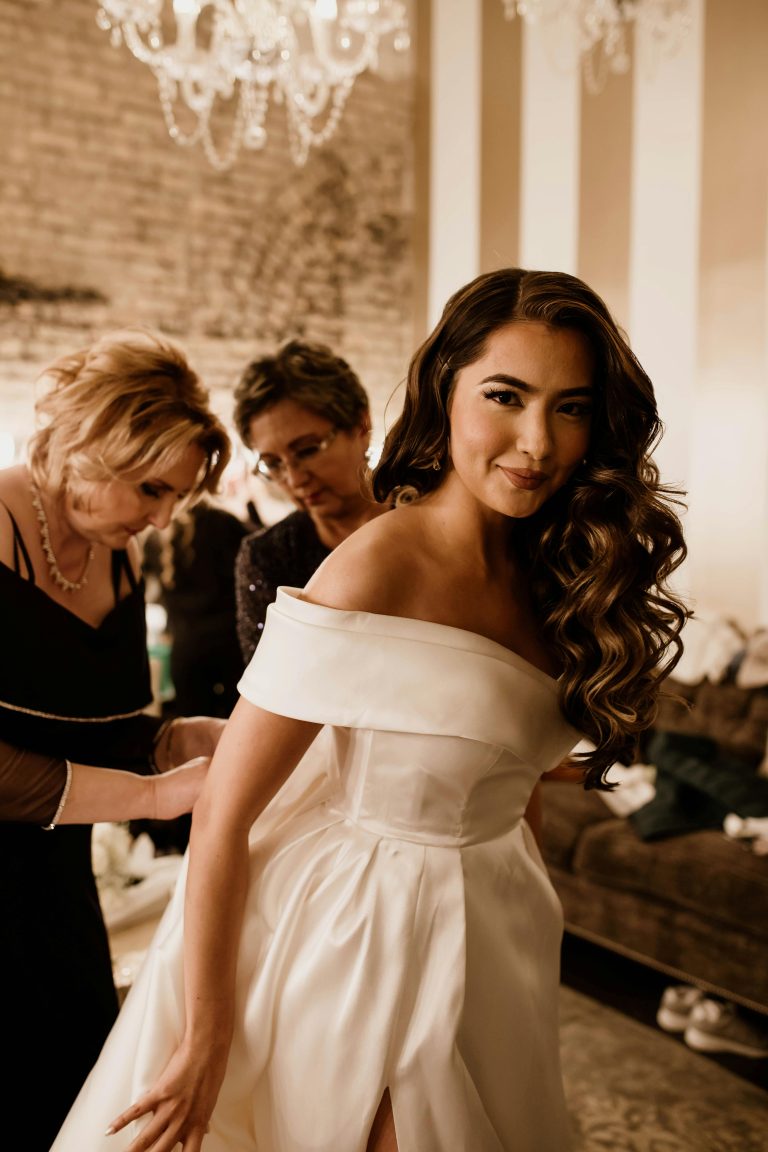
    Somewhere between the champagne tower and the sparkler exit, the wedding reception outfit change became a thing. Not just for celebrities or luxury weddings either – suddenly brides everywhere are slipping into feather-trimmed minis, satin slips and crystal-covered party dresses halfway through the evening.

    And honestly? We get the appeal.

    After hours of posing, greeting guests and navigating stairs in a gown that weighs approximately the same as a small child, changing into something lighter sounds less like vanity and more like survival. But with weddings becoming increasingly curated for content, the second-look trend also raises a fair question: is this genuinely practical… or are we just adding another expensive “must-have” to an already overwhelming day?

    The answer sits somewhere in the middle.

    Why brides are loving the second-look trend

    Reception outfit changes are having a major moment because weddings themselves are becoming more personalised and less rigid. According to wedding trend experts, 2026 weddings are leaning heavily into intentionality and self-expression rather than tradition for tradition’s sake.

    That shift naturally extends to fashion.

    For some brides, the ceremony dress is about drama and romance – the cathedral veil, the structured corset, the train that glides beautifully down the aisle. The reception look, though, is where personality comes out. Think playful minis, sleek satin gowns, tailored bridal suits or even sneakers paired with sequins.

    And practically speaking? It makes sense.

    Many modern bridal gowns are stunning, but not necessarily designed for six hours of dancing, hugging relatives and sprinting across the venue because your MC disappeared before speeches. Brides online consistently mention comfort, mobility and wanting to actually enjoy the party as the biggest reasons they opted for a second outfit.

    There’s also the photography factor. Reception looks photograph differently – often more editorial, more relaxed and more fashion-forward. A structured ceremony gown creates timeless portraits, while a reception outfit captures movement and energy.

    Essentially, brides are treating their wedding like chapters instead of one long aesthetic.

    But here’s the part nobody really talks about

    A second outfit can quietly double the stress.

    Because now you’re sourcing two bridal looks. Two sets of alterations. Two pairs of shoes. Possibly two hairstyles depending on the vibe shift. And if timelines aren’t planned properly, outfit changes can actually pull you away from the very reception you spent months planning. There’s also the financial reality.

    Wedding fashion trends in 2026 are undeniably more fashion-focused, with brides increasingly investing in multiple “moments” throughout the day. But not every wedding budget has room for a second custom look that might only be worn for two hours.

    And truthfully? Sometimes the pressure to have a reception dress feels less about practicality and more about social media expectations.

    Not every wedding needs a dramatic reveal moment. In fact, one recent viral wedding clip sparked debate after a bride’s second-look entrance barely registered with guests who were busy eating and talking. Brutal? Slightly. But also, a reminder that guests care far more about the atmosphere than outfit logistics.

    The smarter alternative brides are choosing

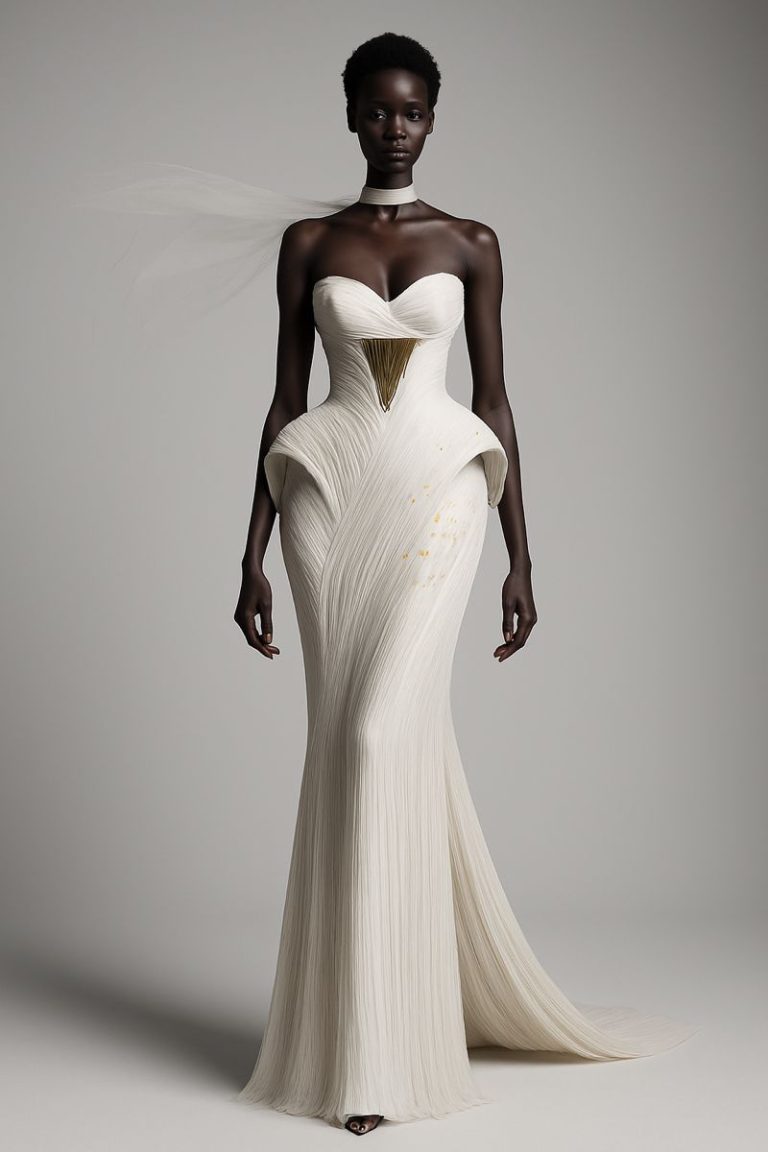
    Interestingly, some brides are moving away from full outfit changes altogether and opting for transformable gowns instead. Think detachable overskirts, removable sleeves, dramatic capes or convertible trains.

    You still get the “two looks” effect without disappearing for 20 minutes midway through dinner.

    It also feels more aligned with where bridal fashion is heading overall: versatility over excess. Bridal trends for 2026 are less about performing luxury and more about making choices that genuinely improve the experience.

    And honestly, that’s probably the healthiest shift the wedding industry could make.

    So… worth it?

    If changing outfits will make you feel more comfortable, confident or free enough to fully enjoy your reception? Absolutely worth it.

    If you’re only considering it because TikTok convinced you every bride needs a sparkly mini dress reveal? Probably not.

    Your guests will remember the energy of your wedding long before they remember whether you wore one outfit or three. The best bridal styling decisions are usually the ones rooted in practicality, personality and feeling like yourself – not just recreating a Pinterest board in real life.

    Because at the end of the day, the real flex is actually enjoying your wedding. Not surviving it in shapewear and regret.

    ALSO SEE: Non-white wedding dresses are no longer a bridal taboo

    Non-white wedding dresses are no longer a bridal taboo

    Featured image: Aynura Berdyyeva / Pexels 

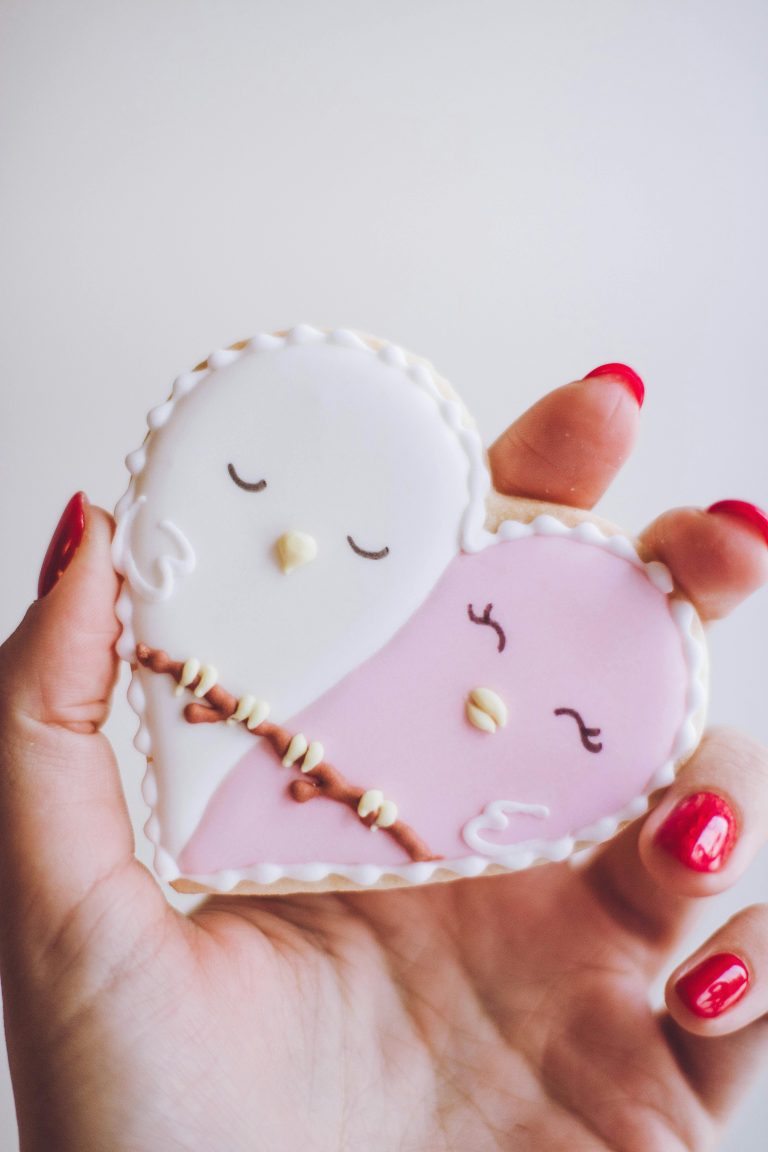
    Wedding favours are having a quieter, more intentional moment — and thank-you shortbread biscuits are leading the way. Delicate, nostalgic, and effortlessly elegant, these buttery treats add a personal touch to your celebration while giving guests something genuinely memorable to take home. Whether beautifully boxed, ribbon-tied, or displayed alongside your reception décor, shortbread biscuits are proof that the sweetest details are often the simplest.

    WHAT YOU’LL NEED
    250g butter, at room temperature
    ½ cup caster sugar, plus extra to dust
    1 vanilla pod, seeds only
    2 cups flour
    ½ cup cornflour
    Custom-made rubber stamps
    Biscuit cutters

    METHOD
    1. Have your rubber stamps made with the greetings of your choice (you can order stamps from rubberstampsa.co.za).
    2. Preheat oven to 160°C and grease a 20 cm baking tray.
    3. Beat the butter until soft, then beat in the caster sugar and vanilla seeds until light and fluffy. Mix in the rest of the ingredients to form a stiff dough.
    4. Roll the dough out on the baking tray so you don’t have to move it afterwards and cut them with your cookie cutters. Stamp each one with your rubber stamp.
    5. Bake for 30 minutes, or until golden. Remove from the oven and immediately dust with caster sugar.
    6. Carefully remove the shortbread fingers from the tray and transfer to a wire rack to cool before serving.
    7. Once they’ve cooled completely, you can put your biscuits in gift boxes or tie them up with cellophane and a pretty ribbon.

    In a world of elaborate wedding trends and over-the-top details, there’s something undeniably charming about a buttery shortbread biscuit wrapped with intention. Equal parts nostalgic and thoughtful, these sweet treats prove that wedding favours don’t need to be extravagant to leave a lasting impression. Sometimes, the most memorable gestures are the simplest ones – made with love, shared with gratitude, and enjoyed one crumb at a time.

    ALSO SEE: Budget-friendly wedding favours you can DIY

    Budget-friendly wedding favours you can DIY

    Featured image: Kristina Paukshtite / Pexels

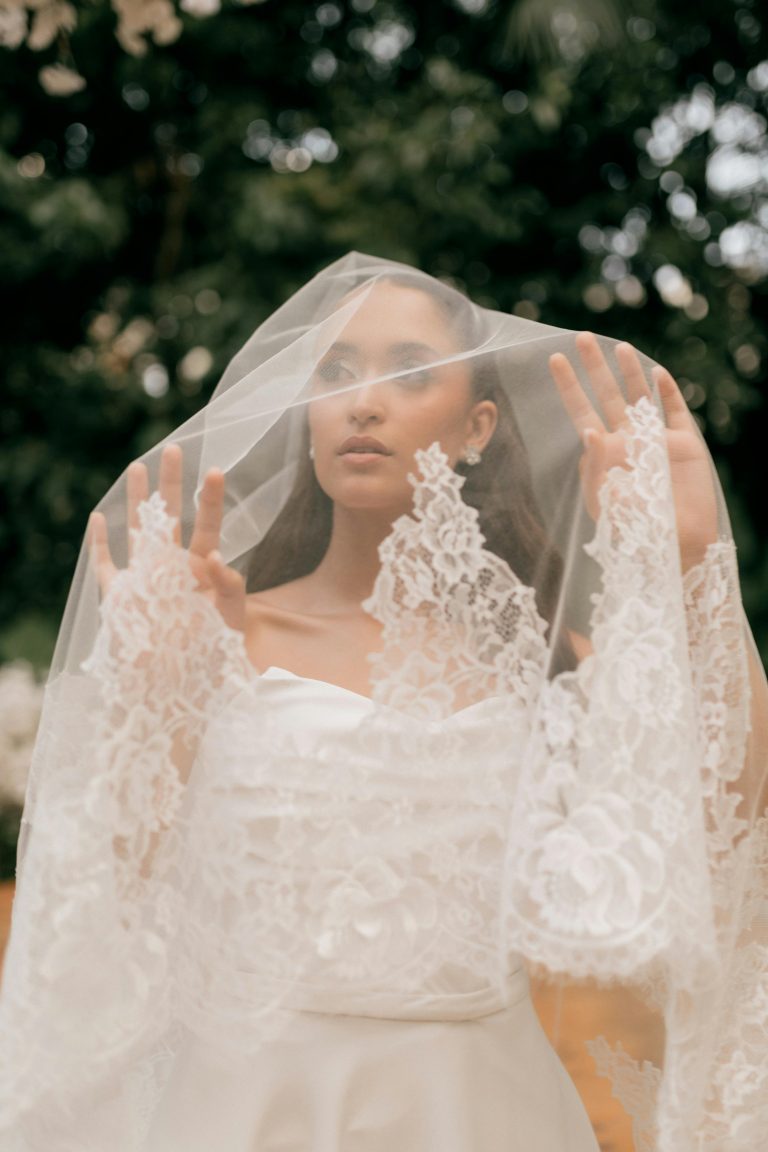
    For years, the wedding veil played supporting actress to the dress. In 2026? It’s officially the main character.

    Brides are no longer treating veils as a last-minute accessory tossed on during fittings “just to complete the look.” Instead, veils are becoming deeply personal style statements – dramatic, editorial, romantic and, in many cases, entirely custom. Across recent bridal fashion weeks, designers leaned heavily into expressive accessories, proving that bridal styling is moving towards individuality rather than tradition for tradition’s sake.

    From pearl embellishments to mantilla lace and ultra-minimalist tulles, here are the veil trends dominating 2026 weddings.

    Pearl veils are still having a major moment

    If there’s one trend refusing to leave the bridal chat, it’s pearls.

    But in 2026, pearl veils feel softer and more refined than the heavily embellished versions we saw a few years ago. Designers are favouring delicate scattered pearls across sheer tulle for a barely-there shimmer that catches beautifully in photographs and candlelight.

    The appeal? Versatility.

    Pearl veils pair effortlessly with minimalist satin gowns, but they also add texture to clean silhouettes without competing against intricate dresses. Brides are increasingly using the veil itself as the statement piece instead of relying on heavily embellished gowns.

    Cathedral veils are getting even more dramatic

    Cathedral veils remain one of the biggest bridal trends of the year, with extra-long lengths, pooling tulle and oversized silhouettes dominating bridal editorials and runway collections. What’s changed is how brides are styling them.

    Instead of pairing dramatic veils with equally dramatic gowns, many brides are choosing sleek crepe or mikado dresses and letting the veil create the impact. The contrast between clean tailoring and romantic movement feels modern, expensive and editorial.

    Honestly? This is one of the smartest styling shifts happening in bridal fashion right now. A simple gown with a breathtaking veil, photographs far more timelessly than an overly embellished dress-and-accessories combination fighting for attention.

    Lace-edged veils are making a comeback

    Lace never really disappears from bridal fashion, but 2026 is bringing back softer, more intentional lace detailing – especially on veils.

    We’re seeing:

    • Scalloped lace trims
    • Botanical embroidery
    • Delicate floral appliqué
    • Mantilla-inspired lace framing

    The overall aesthetic feels romantic and heirloom-inspired rather than overly traditional. Spanish-style mantilla veils in particular are quietly becoming one of the most fashion-forward bridal choices for 2026, especially for brides wanting a softer, old-world elegance.

    Minimalist veils are becoming more refined

    At the same time, minimalist brides are doubling down on simplicity. Raw-cut edges, ultra-fine illusion tulle and lightweight single-layer veils are everywhere right now.

    The goal is movement rather than volume. These veils float instead of drape, creating an effortless softness that works beautifully for modern city weddings, destination ceremonies and fashion-forward brides who want elegance without excess.

    Interestingly, bridal communities online are also steering brides with highly detailed gowns towards cleaner veils to avoid overwhelming the overall look.

    Vintage-inspired veils are rising again

    Bridal fashion’s current obsession with nostalgia is spilling into accessories too. Birdcage veils, Juliet caps and bandeau-inspired styles are all resurfacing for brides wanting something unconventional yet timeless.

    These styles are especially popular for:

    • Civil ceremonies
    • Reception outfit changes
    • Fashion-focused weddings
    • Intimate city celebrations

    The overall vibe feels less “traditional bride” and more editorial fashion moment – which fits perfectly with 2026’s broader bridal trend cycle focused on personality and individuality.

    Personalised veils are becoming non-negotiable

    Customisation might be the defining bridal trend of 2026 overall.

    More brides are adding:

    • Embroidered initials
    • Wedding dates
    • Meaningful phrases
    • Custom lace placements
    • Bespoke colours
    • Family-inspired details

    Celebrity weddings have also fuelled the rise of highly personalised veils, with dramatic embroidered storytelling becoming increasingly aspirational for brides wanting emotional significance woven into their look.

    Bows, soft structure and sculptural styling are trending

    2026 bridal fashion is leaning heavily into femininity again, and veils are following suit. Soft sculptural tulle, oversized bows and layered volume are increasingly appearing across bridal collections and runway styling.

    The result feels playful yet couture-inspired – especially when paired with sleek dresses or minimalist silhouettes.

    For brides wanting a fashion-forward bridal look without committing to a trend-heavy gown, this is an easy way to add personality while keeping the overall look timeless.

    The biggest bridal veil trend of 2026? Intention

    If bridal fashion in 2026 has made one thing clear, it’s this: veils are no longer an afterthought. Whether it’s a dramatic cathedral veil trailing behind a minimalist gown, delicate pearl embellishments catching the light, or a vintage-inspired birdcage moment for the fashion bride, veils have become one of the defining style elements of the modern bridal look.

    And perhaps that’s why they feel so exciting again.

    Brides are moving away from the pressure to look “traditionally bridal” and leaning into styling choices that feel personal, fashion-led and emotionally resonant instead. The veil is no longer just there to complete the outfit – it’s there to transform it.

    In 2026, the veil isn’t playing supporting actress anymore. It’s stealing the entire scene.

    ALSO SEE: Looking for the perfect wedding dress? Here are a few tips to find the one

    Looking for the perfect wedding dress? Here are a few tips to find ‘the one’

    Featured image: Alexander Mass / Pexels 

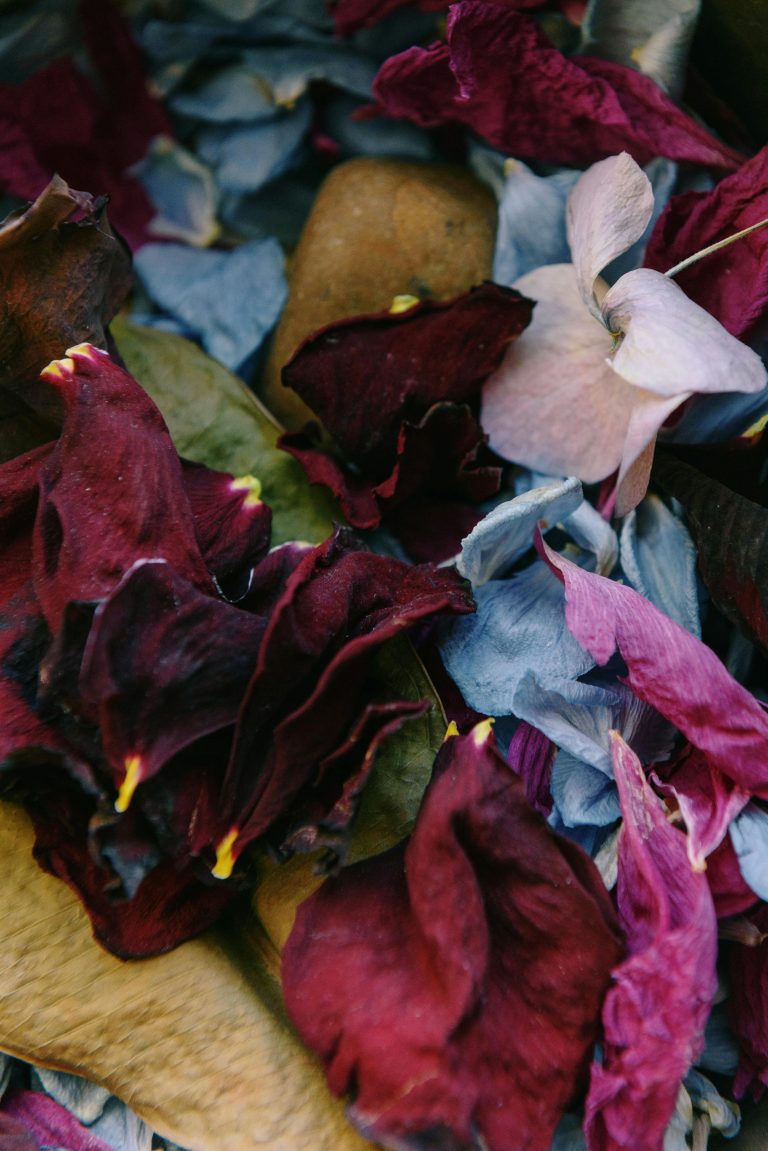
    There’s one specific wedding moment that never really gets old: the confetti toss. Dried flower petals as confetti is surprisingly easy to make yourself. Plus, it turns something fleeting into something personal, especially if the flowers come from your garden, your bouquet, or a place that means something to you.

    Here’s how to do it properly, without overcomplicating things:

    Why flower petal confetti works so well

    Petal confetti has become a wedding favourite for good reason. It looks softer in photos and it’s biodegradable.

    It’s also:

    • More sustainable than paper confetti
    • Easy to make in bulk
    • Naturally colour-customisable
    • Far more “organic” in movement when thrown

    And if you plan it right, it can even become part of your wedding prep ritual: a slow, satisfying DIY in the weeks leading up to the day.

    The best flowers to use (and how they behave when dried)

    Not all petals dry equally well. Some hold their colour beautifully, while others fade or become too brittle. The trick is choosing flowers that dry flat, light, and still visually interesting.

    Roses (the classic)

    Drying time: 1–3 weeks

    Roses are the go-to for a reason. They dry well, hold their shape, and keep a romantic softness that works in almost any colour palette.

    • Best for: blush, white, red, and peach tones
    • Tip: separate petals before drying for faster results
    • Result: soft, slightly curled petals with great colour retention

    Lavender (for texture and scent)

    Drying time: 1–2 weeks

    Lavender brings something extra — not just colour, but fragrance and texture.

    • Best for: rustic, countryside, or Provence-inspired weddings
    • Dries quickly and cleanly
    • Keeps its shape better than most petals

    Marigolds (for bold colour)

    Drying time: 1–2 weeks

    If you want confetti that shows up in photos, marigolds are a strong choice.

    • Bright oranges and yellows stay vibrant
    • Petals dry flat and lightweight
    • Ideal for summer weddings, especially in warm climates

    Hydrangeas (for softness and volume)

    Drying time: 2–3 weeks

    Hydrangeas don’t behave like traditional petals — they dry into delicate fragments that add softness and fullness.

    • Best used in pastel or muted palettes
    • Colours soften slightly when dried
    • Adds a “cloud-like” effect to confetti mixes

    Bougainvillea (a South African favourite)

    Drying time: 1–2 weeks

    Bougainvillea is practically made for confetti.

    • Naturally vibrant pinks, purples, and reds
    • Dries quickly in warm, dry air
    • Thin petals that flutter beautifully when thrown

    Delphinium (for cooler tones)

    Drying time: 2–3 weeks

    Delphinium brings in those softer blues and purples that are often hard to find in dried flowers.

    • Elegant and delicate
    • Works well in coastal or garden weddings
    • Needs gentle handling once dried

    How to dry the petals (the simple way)

    There’s no need for fancy equipment. Air drying works best and keeps the colour intact.

    1. Pick flowers early in the morning when they’re freshest
    2. Gently remove petals from stems
    3. Spread them out in a single layer on baking paper or a mesh tray
    4. Keep them in a cool, dry, shaded space
    5. Turn them every few days so they dry evenly

    Avoid direct sunlight, as it tends to bleach petals and make colours dull.

    Store your dried petals in paper bags or breathable containers until the wedding day.

    ALSO SEE: Locally loved flowers for your wedding bouquet

    Locally loved flowers for your wedding bouquet

    Feature image: Ksenia Chernaya/Pexels

    South African bridal fashion is entering a new era – one that feels more fashion-forward, intentional and globally relevant than ever before. Brides are leaning into individuality, craftsmanship and locally made luxury, and our bridal designers are more than rising to the occasion.

    From dramatic couture moments to sleek minimalist silhouettes, these are the local bridal designers we think every 2026 bride should have on her radar.

    Vonvé Bridal Couture

    Known for clean lines, modern silhouettes and understated elegance, Vonvé Bridal Couture continues to be a favourite among brides looking for timeless gowns with a contemporary edge. Their designs strike that rare balance between simplicity and statement-making – ideal for the bride who wants to feel effortlessly chic on her wedding day.

    Expect structured fabrics, flattering tailoring and gowns that photograph beautifully from every angle.


    View this post on Instagram


    A post shared by Nina Wernicke (@ninawernicke)

    Scalo

    If your bridal mood board leans fashion-editorial, Scalo deserves your attention. The brand has become synonymous with couture craftsmanship and dramatic silhouettes that still feel refined and wearable.

    From sculptural details to luxurious textures, Scalo’s bridal designs feel made for the modern bride who wants a runway-worthy moment without losing the romance of traditional bridalwear.


    View this post on Instagram


    A post shared by S C A L O® (@scalodesigner)

    Orapeleng Modutle

    Orapeleng Modutle continues to blur the lines between fashion and art with bridal designs that feel bold, feminine and deeply luxurious. Known for impeccable structure and couture-level detailing, his gowns are perfect for brides wanting something unforgettable.

    There’s a confidence to every design – the kind that turns a wedding dress into the centerpiece of the entire celebration.


    View this post on Instagram


    A post shared by OM Style Avenue (@orapelengmodutle)

    Elbeth Gillis

    Few local bridal designers balance timeless elegance and modern craftsmanship quite like Elbeth Gillis. Known for beautifully tailored gowns, luxurious fabrics and a distinctly refined aesthetic, her designs have earned recognition both locally and internationally.

    There’s a softness and sophistication to every collection that feels especially relevant for 2026 brides leaning towards understated luxury. From romantic silhouettes to couture-inspired finishes, Elbeth Gillis gowns embody the kind of quiet confidence many modern brides are gravitating towards right now.


    View this post on Instagram


    A post shared by Elbeth Gillis (@elbethgillis)

    La Belle Mariée Bridal Couture

    La Belle Mariée Bridal Couture is all about refined romance and modern bridal elegance. Known for intricate detailing, luxurious fabrics and beautifully structured silhouettes, the brand continues to appeal to brides who want something both timeless and fashion-forward.

    There’s a softness in their design language, but it never feels simple – every gown carries a sense of intention, craftsmanship and understated luxury. For 2026 brides leaning into elevated, feminine bridal style, La Belle Mariée Bridal Couture is firmly one to watch.

    The future of bridal fashion is local

    There’s something incredibly special about wearing a gown designed close to home – especially when South African bridal talent is producing work that rivals international fashion houses. As more brides move towards intentional shopping and personalised wedding experiences, local bridal designers are becoming the heart of modern bridal fashion.

    Whether your style leans minimalist, couture or romantic, one thing is clear: South African bridal fashion is only getting more exciting.

    ALSO SEE: 2026 Met Gala bridal fashion trends we’re already obsessed with

    2026 Met Gala bridal fashion trends we’re already obsessed with

    Featured image: Pinterest

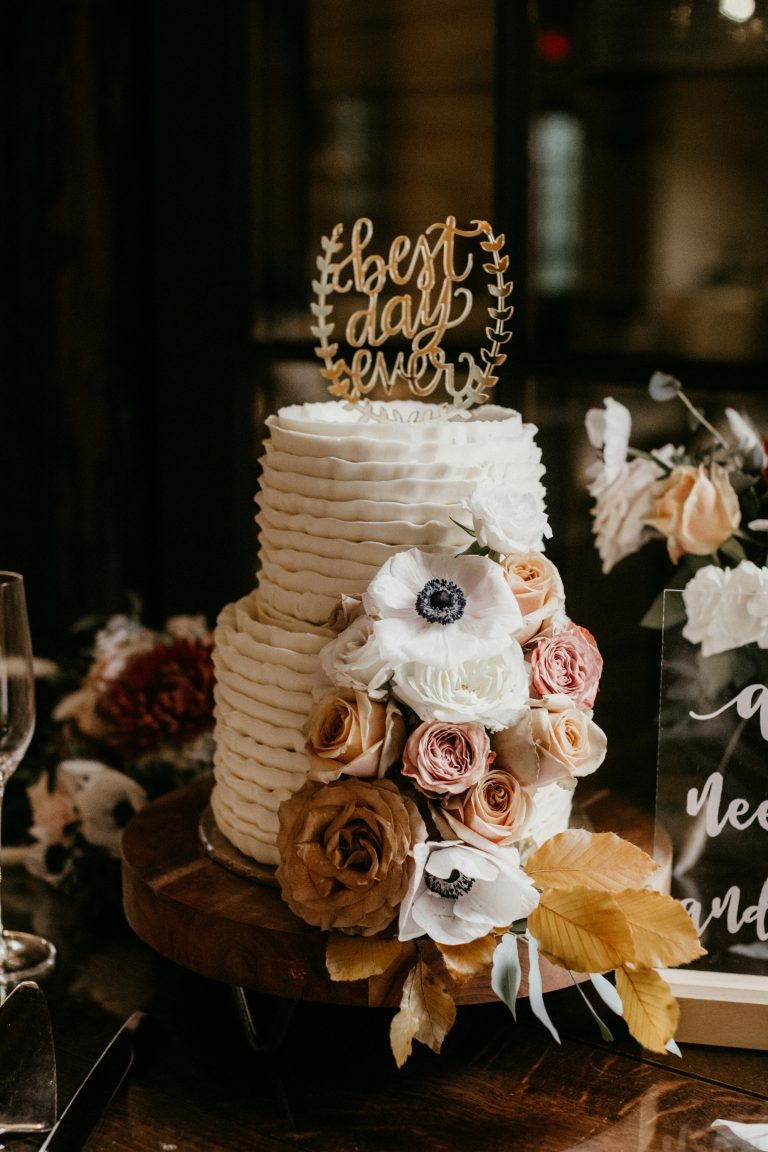
    Your wedding cake topper doesn’t have to be the typically dressed bride and groom. Make use of different objects to symbolise your love for each other or your personalities.


    View this post on Instagram


    A post shared by Blossom Events (@blossomeventsnyc)


    View this post on Instagram


    Hello wedding season! ????This is my absolute fave time of the year for my little business. I love working with couples on the small details to make your special day even more personal. My hand lettered toppers are one of my favourite to make and are definitely a firm favourite with you guys! ??? • • • • #notonthehighstreet #partyshop#creativehappylife#prettysquares#smallbusinesslove#thehandmadeparade #thehappynow#smallbusinesslove #creativebusiness#etsyseller #etsyuk#creativelifehappylife#handletteredwedding#makersmovement#smallbusinesslove#mycreativebiz #handsandhustle#smallbiz#pursuepretty#makeyousmilestyle #thehappynow #etsywedding#etsyweddings #weddingdecor #weddingstyling#gettingmarried#marthastewartweddings#weddingcaketoppers #caketoppers#allherglory

    A post shared by Fun Party & Wedding Decor (@allherglorydesigns) on


    View this post on Instagram


    // F * C K Y E S //⠀⠀⠀⠀⠀⠀⠀⠀⠀ ⠀⠀⠀⠀⠀⠀⠀⠀⠀ How about that on you Wedding Cake ? ⠀⠀⠀⠀⠀⠀⠀⠀⠀ ~⠀⠀⠀⠀⠀⠀⠀⠀⠀ I think this cheeky little cake topper is awesome… It proves that sometimes cool beats romance…⠀⠀⠀⠀⠀⠀⠀⠀⠀ ~⠀⠀⠀⠀⠀⠀⠀⠀⠀ ~⠀⠀⠀⠀⠀⠀⠀⠀⠀ Also Loving this awesome image from one of the talented @blondearmy ‘s styled shoot. ⠀⠀⠀⠀⠀⠀⠀⠀⠀ ~⠀⠀⠀⠀⠀⠀⠀⠀⠀ #weddings #marriage #weddingdecor #weddinginspiration #weddingplanning #weddingcake #weddingcakes #weddingcakeideas #weddingcakedesign #weddingcakesideas #weddingcaketopper #weddingcakerock #weddingcakepops #weddingcakeinspo #weddingcakegoals #weddingcakestand

    A post shared by The Little Paper Shop (@littlepapershopdesigns) on


    View this post on Instagram


    A post shared by Courtney (@nookknacksshop)


    View this post on Instagram


    How adorable is this cake topper?! He proposed in Paris. They both love their cat. This is super sweet. ?

    A post shared by Maggie J Photography (@maggiejphotography) on


    View this post on Instagram


    A post shared by Enjoy-Cakes (@enjoycakesnl)


    View this post on Instagram


    A post shared by Bellecaketoppers (@bellecaketoppers_)


    View this post on Instagram


    Cartolina dall’Arizona. Non sono molto brava con le parole, storie e sentimenti mi viene più semplice raccontarli con fil di ferro e pinze. Brittany e Ruben desideravano un cake topper che parlasse di loro, volevano ricordare quando in tandem avevano affrontato la ripida collina di San Francisco e attraversato il Golden Gate Bridge scoprendo di essere fatti l’uno per l’altra. Avevano capito di saper pedalare allo stesso ritmo, incoraggiandosi in salita e godendo insieme del vento che accarezza il viso durante la discesa, avevano compreso di sapersi aspettare. Scoperto di avere gli stessi valori e la stessa meta. #raccontostorie #conunsemplicefildiferro #lebianchemargherite #weddingcaketopper #caketopper #weddingcake #weddingcakeideas #weddingdetail #bike

    A post shared by ?? ??????? ?????????? (@lebianchemargherite) on

    ALSO SEE: Romantic red wedding cakes that steal the spotlight

    Romantic red wedding cakes that steal the spotlight

    Feature image: Pexels

    Incorporating Mzansi flavour into your wedding is a lovely way to pay homage to your country or family. Whatever your heritage, here are some of the best ways to stay proudly South African on your big day.

    1. A sense of ceremony

    Are there poems, quotes or vows that are particular to your heritage or culture? Incorporate them into your ceremony and make sure to emphasise them in your programme. You could even elaborate on the origin and history of the words you include or ask whoever is marrying you to add these anecdotes as well.

    2. Your attire

    Is there a specific colour or print that has meaning in your family? Try and include it in a subtle way, for example, maybe a hairpin, brooch, pocket square or even a pair of shoes in a colour or pattern that represents your particular heritage.

    3. The food

    How about serving welcome drinks infused with flavours of well-known South African herbs and plants? Think buchu gin, geranium cordial, rooibos iced tea … the options are endless. And when it comes to food, traditional doesn’t have to mean boring. There are many ways you can transform much-loved homestyle dishes – from bredie to braai – into appetising, intricate canapés and sophisticated mains.

    4. Flowers & decor

    South Africa is blessed with an abundance of unique, exquisite flora. Instead of trying to get hold of exotic plants and flowers, try using indigenous, seasonal ones that are found in your hometown. Proteas, strelitzias and succulents can look striking paired with simple greenery, and will be a much more cost-effective option too! Consider texture as well: wooden, woven or African-print table runners and underplates work well when combined with minimalist elements.

    5. The music

    A wedding playlist is very personal and should include songs from some of your favourite moments together. Add a little twist by including a traditional song somewhere in the playlist – whether it be during your first dance or when people are grooving on the dance floor later.

    Celebrate your love, the Mzansi way

    At the heart of it all, adding a touch of Mzansi flair to your wedding is about celebrating where you come from and the people who helped shape your story. Whether it’s through music, food, fashion or meaningful traditions, these local touches create a wedding that feels warm, personal and unmistakably South African. The beauty of a Mzansi-inspired celebration is that there are no strict rules — just moments that honour your culture, your love story and the joy of bringing people together.

    ALSO SEE: 7 Fun-loving wedding ideas to move your wedding from traditional to funtastic

    7 Fun-loving wedding ideas to move your wedding from traditional to funtastic

    Featured image : Pinterest

    Some movie proposals are so iconic, they live rent-free in our heads long after the credits roll. Whether they’re grand, emotional, awkwardly charming or beautifully simple, these scenes continue to inspire hopeless romantics everywhere.

    From classic rom-coms to unforgettable love stories, here are 10 of the best movie proposals ever captured on screen.

    1. Love Actually (2003)

    There are grand gestures, and then there’s Jamie proposing to Aurelia in broken Portuguese while an entire village follows behind him.

    What makes this proposal unforgettable isn’t the spectacle – it’s the effort. They barely speak the same language, yet they choose each other anyway. It’s messy, heartfelt and ridiculously romantic.

    Why we still love it: It proves that love doesn’t need perfect words to be understood.

    2. Bridget Jones: Edge of Reason (2004)

    After endless misunderstandings and emotional chaos, Mark Darcy finally proposes to Bridget in the most fitting way possible: awkwardly, sincerely and completely in love.

    It’s not polished or over-the-top, but that’s exactly why it works. Their love story feels real – flaws, quirks and all.

    Why we still love it: Because imperfect love stories often feel the most believable.

    3. Sex and the City (2008)

    After a failed wedding and years of emotional back-and-forth, Big finally gives Carrie the proposal she deserves. No flashy crowd. No dramatic interruption.

    Just a quiet, intimate moment in a beautiful penthouse apartment – complete with the iconic blue Manolo Blahniks.

    Why we still love it: Sometimes the second chance is the real love story.

    4. Walk the Line (2005)

    Johnny Cash asking June Carter to marry him on stage in front of a live audience is equal parts romantic and chaotic.

    After repeatedly refusing his proposals throughout the film, June finally says yes in front of a cheering crowd.

    Why we still love it: It’s bold, emotional and completely unforgettable.

    5. The Proposal (2009)

    Yes, the movie is literally called The Proposal, but Andrew’s final declaration is what truly steals the show. After their fake engagement slowly turns into real love, his proposal is surprisingly soft and vulnerable.

    “Marry me… because I’d like to date you.” Honestly? One of the most underrated proposal lines in rom-com history.

    Why we still love it: The best proposals often feel deeply personal rather than performative.

    6. He’s just not that into you (2009)

    Neil and Beth’s relationship spends most of the movie debating whether marriage actually matters. Then comes the proposal hidden inside a pair of cargo pants she hates.

    Unexpected? Yes. Weirdly sweet? Also yes.

    Why we still love it: It feels grounded, authentic and refreshingly low-key.

    7. About Time (2013)

    Tim waking Mary up to casually ask her to marry him somehow becomes one of the softest and most intimate proposal scenes ever filmed.

    There’s no audience, no elaborate planning and no dramatic speech. Just two people completely certain about each other.

    Why we still love it: It captures how love often lives in the quiet moments.

    8. Sweet Home Alabama (2002)

    This film gives us two wildly different proposal styles. On one hand, there’s the glamorous Tiffany & Co. proposal in New York. On the other, there’s Jake’s sweet childhood proposal to Melanie.

    Both are romantic in completely different ways – proving there’s no single formula for the perfect proposal.

    Why we still love it: It balances luxury fantasy with nostalgic, small-town romance.

    9. Crazy Rich Asians (2018)

    Nick’s proposal to Rachel aboard a plane is elegant, emotional and deeply symbolic. After everything they’ve been through, he chooses love over expectation – and proposes with his mother’s emerald ring.

    It’s visually stunning, but the emotional payoff is what truly lands.

    Why we still love it: The proposal feels earned after such a powerful emotional journey

    10. The Notebook (2004)

    Was there ever any doubt this would make the list? Noah’s proposal to Allie is pure cinematic romance: rain-soaked, emotional and dramatic in the best possible way.

    Their love story may be messy and complicated, but the intensity of their connection remains unforgettable.

    Why we still love it: It’s one of the most iconic romance movie moments of all time.

    The real reason we love movie proposals so much

    Movie proposals are rarely realistic – and that’s part of the appeal. They give us a heightened version of love filled with perfect timing, emotional speeches and cinematic music cues.

    But beneath all the drama, the best proposal scenes usually come down to one thing: emotional sincerity.

    Whether it’s a grand public declaration or a quiet moment between two people, the proposals we remember most are the ones that feel genuine.

    And honestly? That’s probably what makes a real-life proposal unforgettable too.

    ALSO SEE: How to pull off the perfect destination proposal

    How to pull off the perfect destination proposal

    Featured image: Pinterest

     

    For years, destination weddings were seen as the ultimate modern fairytale: oceanfront vows, multi-day celebrations and Instagram-worthy scenery far away from home. But in 2026, couples are asking a much more practical question – are destination weddings still actually worth it?

    The answer is no longer as straightforward as it used to be. Between rising travel costs, guest fatigue and the growing shift towards intentional weddings, destination celebrations are evolving fast. Yet despite the challenges, they remain incredibly popular – just in a very different form than before.

    Destination weddings aren’t disappearing, they’re getting smaller

    One of the biggest misconceptions about destination weddings is that they’re fading out. In reality, they’re simply becoming more intimate.

    Across wedding trend reports, planners are seeing couples move away from huge overseas guest lists in favour of smaller, experience-focused celebrations with close family and friends only.

    The modern destination wedding is less about showing off and more about creating quality time. Instead of inviting 200 guests, many couples are hosting 30 to 70 people and investing more intentionally in the experience itself – boutique accommodation, curated dinners, welcome events and extended weekends together.

    Ironically, smaller guest lists are making destination weddings feel more luxurious and personal than ever.

    The cost conversation is changing

    The idea that destination weddings are always cheaper than traditional weddings is becoming increasingly outdated. While a smaller guest list can reduce overall costs, destination weddings come with their own financial pressures: travel logistics, accommodation coordination, vendor transport and multi-day hosting expectations.

    According to recent wedding budget breakdowns, destination weddings in 2026 can range anywhere from mid-tier affordability to ultra-luxury pricing depending on the location and guest count.

    At the same time, guests are becoming more vocal about the financial strain of attending weddings that require flights, leave days and expensive accommodation. Online discussions around “wedding guest fatigue” have exploded, with many people admitting they now decline destination weddings due to costs.

    That shift is forcing couples to think more carefully about accessibility, affordability and whether their dream location genuinely works for the people they want there most.

    Guest experience now matters more than aesthetics

    Perhaps the biggest shift in 2026 wedding culture is that couples are prioritising how a wedding feels – not just how it photographs.

    Wedding experts say guest experience has become one of the defining priorities for modern weddings.

    That means destination weddings only really work when logistics are handled thoughtfully. Couples are increasingly choosing destinations with easier travel access, group accommodation options and activities that feel worthwhile for guests making the trip.

    There’s also growing resistance to weddings that unintentionally burden guests financially. Viral social media debates and Reddit threads regularly criticise destination weddings that expect guests to overspend or navigate complicated travel arrangements with little support from the couple.

    In other words: the “worth it” factor often depends less on the destination itself and more on how considerate the planning is.

    Social media changed destination weddings, and couples are noticing

    For years, destination weddings exploded partly because of aspirational wedding content online. Beautiful villas in Italy, beach ceremonies in Bali and cliffside receptions in Greece became part of the modern wedding fantasy.

    But in 2026, there’s noticeable pushback against weddings designed primarily for aesthetics or content creation. Industry reports show couples are leaning towards more authentic, personal celebrations instead of recreating viral Pinterest weddings.

    That doesn’t mean destination weddings are “out.” It simply means couples are becoming more intentional about why they’re choosing them.

    A meaningful location, cultural connection or intimate travel experience now tends to resonate more strongly than choosing a venue purely because it’s trending online.

    So… are destination weddings still worth it?

    For the right couple, absolutely.

    Destination weddings still offer something traditional weddings often struggle to replicate – uninterrupted time with loved ones, immersive experiences and the feeling of stepping away from everyday life completely.

    But in 2026, successful destination weddings require balance. Couples are increasingly expected to think about guest budgets, convenience, genuine experience and not just aesthetics.

    The destination weddings that work best today are the ones rooted in intentionality rather than excess. Smaller guest lists, meaningful locations and carefully considered experiences are replacing the pressure to create the biggest or most extravagant celebration possible.

    And honestly? That shift might be what saves destination weddings from becoming just another passing trend.

    ALSO SEE: Honeymoon in Your Backyard: Luxury Destinations in South Africa That Couples Overlook

    Honeymoon in Your Backyard: Luxury Destinations in South Africa That Couples Overlook

    Feature image: Pinterest

    Wedding dresses have always been a reflection of their time. Bridal fashion has shifted with culture, politics, and pop-culture icons shaping what brides wear down the aisle. Here’s how the look of “the modern bride” has evolved decade by decade.

    1920s: Flapper-inspired glamour and beaded detail

    The 1920s bride embraced freedom in silhouette and movement. Waistlines dropped, fabrics softened, and dresses took on a loose, straight shape that felt modern for the time.

    Intricate beadwork, embroidery, and lace detailing defined the era, adding texture and elegance. Brides often completed the look with statement headpieces (think tiaras, floral accents, and decorative hairpins), usually paired with a soft, flowing veil.


    View this post on Instagram


    A post shared by Vintage minds (@vintage_minds0)

    1930s: Elegant silhouettes and Hollywood-inspired

    By the 1930s, wedding dresses became more refined and understated. Influenced by Hollywood glamour, brides favoured long, streamlined silhouettes with subtle waist definition.

    Satin and silk were popular fabrics, often styled with long sleeves and minimal embellishment. Soft detailing like embroidery or appliqué added sophistication, while dramatic “shower bouquets” (long, trailing floral arrangements) became a signature bridal accessory.


    View this post on Instagram


    A post shared by Pomona & Flora (@pomonayflora)

    1940s: Wartime simplicity and practical bridalwear

    The 1940s brought practicality into bridal fashion. With wartime restrictions and limited resources, many brides wore suits, borrowed dresses, or reworked garments they already owned.

    Looks were simple and functional, with little decoration. Even so, brides still added meaningful details like veils, corsages, or small floral touches to signal the occasion and elevate everyday pieces.


    View this post on Instagram


    A post shared by Ula (@lulu_from_honolulu)

    1950s: Full skirts, cinched waists and fairytale glamour

    After the war, bridal fashion returned to grandeur. The 1950s bride embraced feminine, structured silhouettes with fitted bodices and full, voluminous skirts.

    Inspired by Hollywood icons and Dior’s “New Look,” dresses were often dramatic and ultra-feminine. Tea-length gowns also gained popularity, layered with petticoats, lace, satin, and structured detailing that created a distinctly romantic feel.

    1960s: Mod minis, structured dresses and style experimentation

    The 1960s brought contrast. Early in the decade, brides favoured structured gowns with clean lines, high necklines, and shorter veils, often influenced by Jacqueline Kennedy’s timeless elegance.

    As the decade progressed, fashion became more experimental. Mini dresses, bold silhouettes, and even coloured gowns emerged. Flower crowns, headbands, and natural styling began replacing traditional veils.


    View this post on Instagram


    A post shared by Country Rebel (@countryrebel)

    1970s: Boho brides, bell sleeves and relaxed silhouettes

    The 1970s bridal look was relaxed, expressive, and deeply influenced by bohemian style. Flowing fabrics, bell sleeves, and soft silhouettes defined the decade.

    Brides moved away from traditional formality, often opting for hats, ribbons, or loose natural hair instead of veils. Some even chose tailored suits or unconventional white ensembles, embracing individuality over tradition.


    View this post on Instagram


    A post shared by @daughterofthe70s

    1980s: Statement sleeves, volume and maximalist bridal fashion

    The 1980s was the era of “more is more.” Bridal gowns became dramatic with puffed sleeves, full skirts, and long cathedral trains.

    Lace, taffeta, and structured fabrics dominated, while oversized silhouettes created a bold, high-impact look. Influenced heavily by royal weddings and pop culture, this decade defined the iconic “princess bride” aesthetic.


    View this post on Instagram


    A post shared by VintageDreams80s (@vintageddreams80s)

    1990s: Minimalist silhouettes and sleek bridalwear

    The go-big-or-go-home trend seeped over into the 90s. However, as we drew closer to the 2000s, it shifted toward simplicity. Brides embraced clean lines, understated elegance, and pared-back silhouettes.

    Slip dresses, satin fabrics, and fitted gowns became popular, often paired with minimal accessories. The focus moved away from volume and embellishment and toward effortless, modern refinement.


    View this post on Instagram


    A post shared by vintage bridal (@bridal.iconic)

    2000s: Strapless gowns and structured glamour

    The early 2000s were defined by strapless wedding dresses. Corset-style bodices, crystal embellishments, and full skirts dominated bridal fashion.

    As the decade progressed, designs began to soften, with more classic and vintage-inspired gowns entering the mainstream alongside the still-popular structured silhouettes.


    View this post on Instagram


    A post shared by Elissar Bridal (@elissarbridal)

    2010s–present: Modern minimalism and personalised bridal style

    Today’s bridal fashion is less about following a single trend and more about personal expression. Minimalist gowns, lace sleeves, and modern tailoring all sit side by side.

    Brides are now choosing looks that reflect their personality, whether that’s sleek and simple, vintage-inspired, fashion-forward, or dramatically detailed. The modern wedding dress is no longer defined by one rule, but by individuality.


    View this post on Instagram


    A post shared by Reema Molla (@reema.molla)

    ALSO SEE: Wedding dress inspo for autumn and winter brides

    Wedding dress inspo for autumn and winter brides

    Feature image: Pexels