• Tag

    home-carousel

    Browsing

    We all know how stressful planning a wedding can be, making wedding planning burnout a very real possibility. Whether you’re trying not to pull out your hair as wedding costs skyrocket or you’re obsessing over every little detail to ensure that everything goes the way you’ve pictured it, feeling overwhelmed is guaranteed to happen if you’re not careful.

    Thankfully, this isn’t something new and there are endless resources to help the modern bridal couple looking to keep costs and anxiety low.

    Few wedding decisions spark debate quite like the kid-free wedding conversation. For some couples, an adults-only celebration feels obvious. For others, the idea comes with guilt, pressure or the fear of upsetting family members. 

    And honestly? Neither side is wrong. 

    Modern weddings are becoming increasingly intentional, with couples prioritising atmosphere, budget and personal experience over tradition for tradition’s sake. That shift has made child-free weddings far more common – and far more socially acceptable than they once were.  But just because it’s acceptable doesn’t mean it’s automatically right for your wedding. 

    The real question isn’t “Will people be offended?”

    It’s: What kind of celebration are you actually trying to create? 

    Be honest about the vibe you want

    A formal black-tie reception with candlelit tables, flowing champagne and a dance floor that carries into the early hours feels very different to a relaxed family-centred garden wedding where children running barefoot through the grass adds to the charm. 

    Neither is superior. They’re simply different experiences. Many couples opt for adults-only weddings because they want: 

    • A quieter ceremony  
    • A more elevated or formal atmosphere  
    • A late-night party environment  
    • Fewer logistical complications  
    • A smaller guest count  
    • More flexibility in the budget  

    And realistically, children do affect the flow of a wedding day. Crying during vows, early guest departures, overwhelmed parents and venue restrictions are all practical considerations – not personal attacks on parenthood.  

    At the same time, if your dream wedding centres around family, community and generational connection, excluding children may leave the celebration feeling emotionally incomplete. This decision is less about etiquette and more about alignment. 

    Your budget matters more than people admit

    Weddings in 2026 are trending toward intentional guest lists and more intimate experiences. And the reality is: children still count toward catering, seating, venue capacity and staffing. 

    When you’re paying premium per-head costs, adding 20 children can significantly impact your budget – sometimes at the expense of inviting other adults you genuinely want there. That doesn’t make you selfish. It makes you financially aware. 

    Couples are increasingly moving away from the pressure to accommodate everyone equally, especially when they’re funding weddings themselves. Still, if many of your VIP guests are parents of young children, a child-free wedding may also mean more declined invitations. That’s the trade-off many couples underestimate. 

    You cannot ask people to leave their children behind and resent them for being unable to attend. Both things have to coexist fairly. 

    Consider your venue before making the decision

    Sometimes the venue decides for you. Luxury estates, wine farms, rooftop venues and smaller boutique spaces often aren’t particularly child-friendly to begin with. Think open water features, breakable décor, steep staircases or receptions designed entirely around adult dining experiences. 

    On the flip side, destination weddings and weekend weddings can become difficult for parents if childcare options are limited.  The most practical approach is to assess: 

    • Safety  
    • Space  
    • Timing  
    • Noise levels  
    • Accessibility  
    • Whether children would realistically enjoy the experience  

    Because children being invited and children having a good time are not necessarily the same thing. Ironically, many kids don’t even enjoy adult-heavy weddings unless there are activities or other children around.  

    There’s also a middle ground

    A kid-free wedding doesn’t have to mean an anti-child wedding. 

    Many couples are now choosing hybrid approaches, including: 

    • Children at the ceremony only  
    • Immediate family children only  
    • Babies under 1 allowed  
    • Kids invited until a certain hour  
    • On-site childcare or kids’ tables  
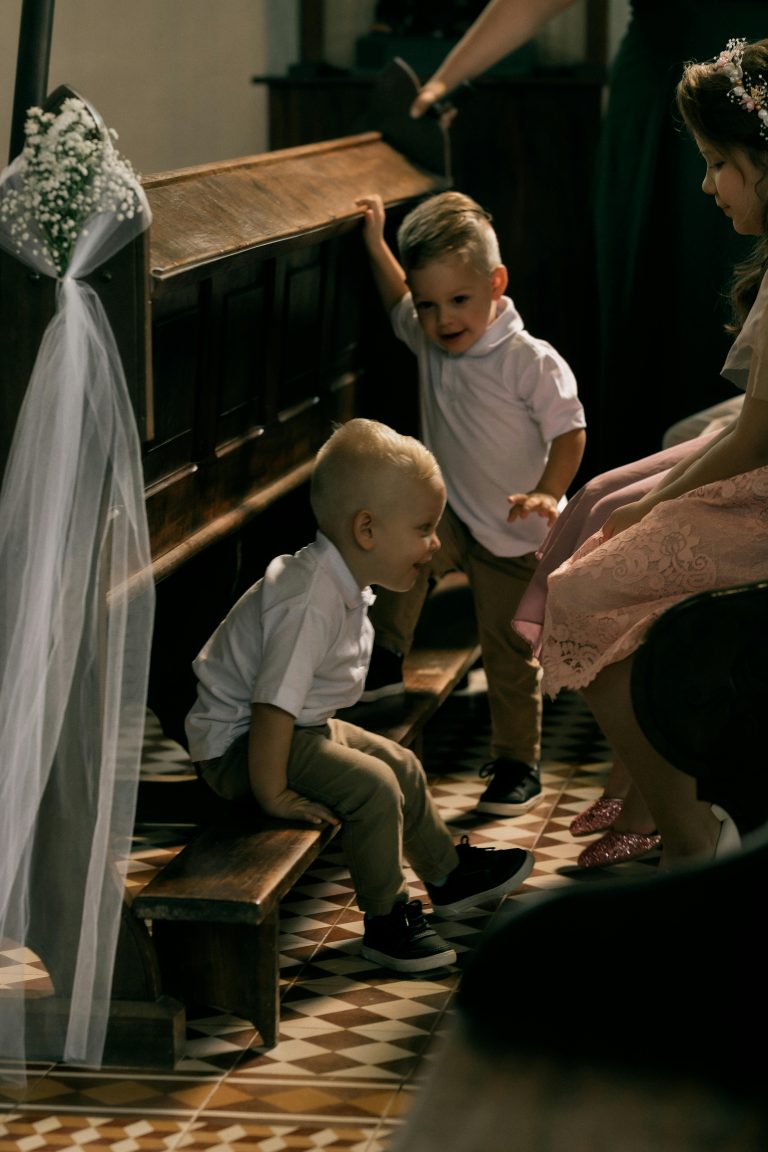
    • Flower girls and ring bearers included, but no additional children  

    This tends to work best when the boundaries are clear and consistently applied. Because once exceptions start appearing randomly, things can get messy fast. 

    The biggest mistake couples make? Avoiding clarity

    If you decide to go child-free, own the decision politely and confidently.  Don’t bury it in tiny invitation text. Don’t make guests guess. And definitely don’t change the rules midway through planning because you feel pressured. 

    Clear communication matters far more than perfection. 

    Modern wedding etiquette increasingly supports adults-only weddings when they’re communicated respectfully. But guests are also allowed to decline if childcare, travel or finances make attendance difficult. 

    That’s not disrespect either. A wedding invitation is not a summons. 

    So… is a kid-free wedding right for you?

    If your ideal wedding feels intimate, editorial, late-night, highly curated or adult-focused, then yes – a child-free celebration may genuinely suit your vision. 

    If your happiest moments involve big family tables, children dancing badly to ABBA and cousins running around while aunties gossip near the dessert table, then including kids may actually make the day feel more like you. 

    The answer isn’t hidden in etiquette trends or internet debates.  It’s in whether the atmosphere you’re creating reflects your relationship honestly. 

    Because the best weddings (kid-free or not) are the ones that feel intentional rather than performative. 

    ALSO SEE: Kid-friendly wedding favours little ones will love

    Kid-friendly wedding favours little ones will love

    Featured image: Alexander Mass / Pexels

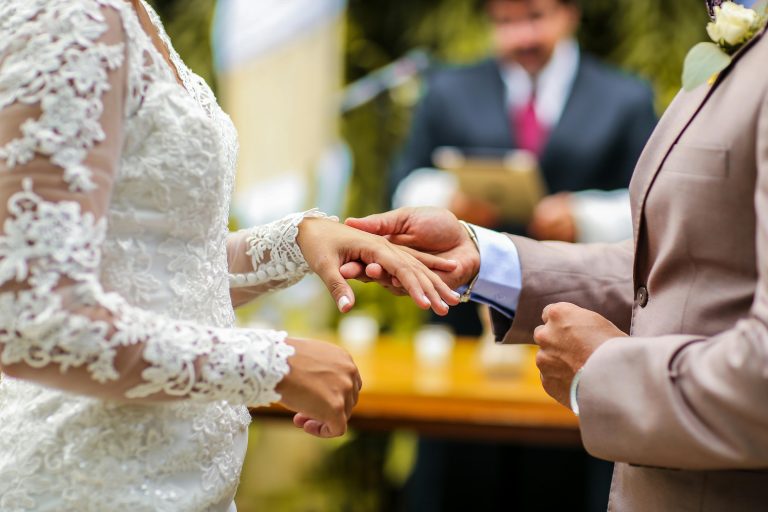
    There are few wedding-day moments as intimate as standing across from the person you love while someone guides you into your next chapter. And yet, when couples begin planning, the officiant is often treated like a last-minute booking rather than one of the most important decisions of the entire celebration.

    The truth? Your officiant sets the tone for the ceremony. They carry the energy of the room, calm nerves, direct emotion, and shape the experience your guests will remember long after the dance floor empties.

    Whether you’re planning a deeply traditional nikah, a modern garden ceremony, or something beautifully unconventional, finding the right officiant matters more than most couples realise.

    Here’s how to choose one that feels genuinely aligned with you.

    Decide what kind of ceremony you actually want

    Before you begin searching, ask yourselves one question: What do we want this ceremony to feel like?

    Do you picture something spiritual and faith-led? Romantic and relaxed? Short and simple? Emotional and story-driven? Formal and elegant? The answer will immediately narrow down the kind of officiant you need.

    Some couples want an officiant who feels warm and conversational, while others prefer someone more traditional and structured. Neither is wrong – but choosing someone whose style clashes with your vision can make the ceremony feel disconnected from the rest of the day.

    Your ceremony should feel like an extension of your relationship, not a script being read at you.

    Personality fit matters more than couples expect

    A technically qualified officiant is one thing. A good emotional fit is another entirely.

    You’ll be sharing vulnerable moments with this person. They’ll be speaking about your relationship in front of your closest friends and family. If the chemistry feels awkward, overly performative, or impersonal during your first conversation, trust that instinct.

    The right officiant should make you feel comfortable almost immediately. You should leave the meeting feeling calmer – not more stressed.

    Pay attention to whether they:

    • Listen well
    • Ask thoughtful questions
    • Respect your boundaries and beliefs
    • Understand your dynamic as a couple
    • Feel adaptable rather than overly rehearsed

    Because the best ceremonies never feel copy-and-pasted.

    Don’t ignore the legal side

    Romance aside, there’s paperwork involved – and this is where couples sometimes get caught out.

    In South Africa, your officiant must be legally authorised to solemnise marriages if you want the legal ceremony handled on the day itself. Some couples choose to do the legal signing separately and have a symbolic ceremony afterwards, which opens up more flexibility.

    Either way, clarify:

    • Whether they are legally registered
    • What documents are required
    • Whether they handle submissions to Home Affairs
    • If there are additional fees for travel or administration
    • Sorting out the logistics early prevents unnecessary stress later.
    • Ask to hear or read past ceremonies

    A polished Instagram page doesn’t always translate into a meaningful ceremony.

    Ask if they can share excerpts from previous ceremonies, testimonials, or videos. This gives you a better sense of their speaking style, pacing, warmth, and ability to hold a room emotionally.

    You’re looking for authenticity – not someone trying to go viral during your vows.

    Make space for personalisation

    The most memorable ceremonies are usually the ones that feel deeply personal.

    Maybe that means including cultural traditions, bilingual vows, a moment of prayer, family involvement, poetry, or a retelling of your love story that actually sounds like you. A good officiant will help shape those details naturally instead of forcing you into a rigid format.

    And if you’re a couple who hates being the centre of attention? Tell them. A skilled officiant knows how to create emotional impact without making the ceremony feel uncomfortable or theatrical.

    Don’t leave it too late

    Popular officiants book out months – sometimes more than a year – in advance, especially during peak wedding season.

    Once you’ve secured your venue and date, start researching officiants alongside your photographer and planner. Waiting until the final stretch often means settling for whoever is available instead of someone who genuinely fits your vision.

    Final thoughts

    Flowers wilt. Table settings get packed away. Even the smallest details guests swore they’d remember eventually blur together.

    But the ceremony? That stays with people.

    The right officiant doesn’t just conduct your wedding – they anchor it. They create the emotional heartbeat of the day and help turn a beautiful event into a meaningful memory.

    So, take your time. Ask questions. Trust your instincts. And choose someone who makes standing at the altar feel a little less nerve-wracking and a lot more like coming home.

    ALSO SEE: How to be the best wedding MC

    How to be the best wedding MC

    Featured image: Caleb Oquendo / Pexels

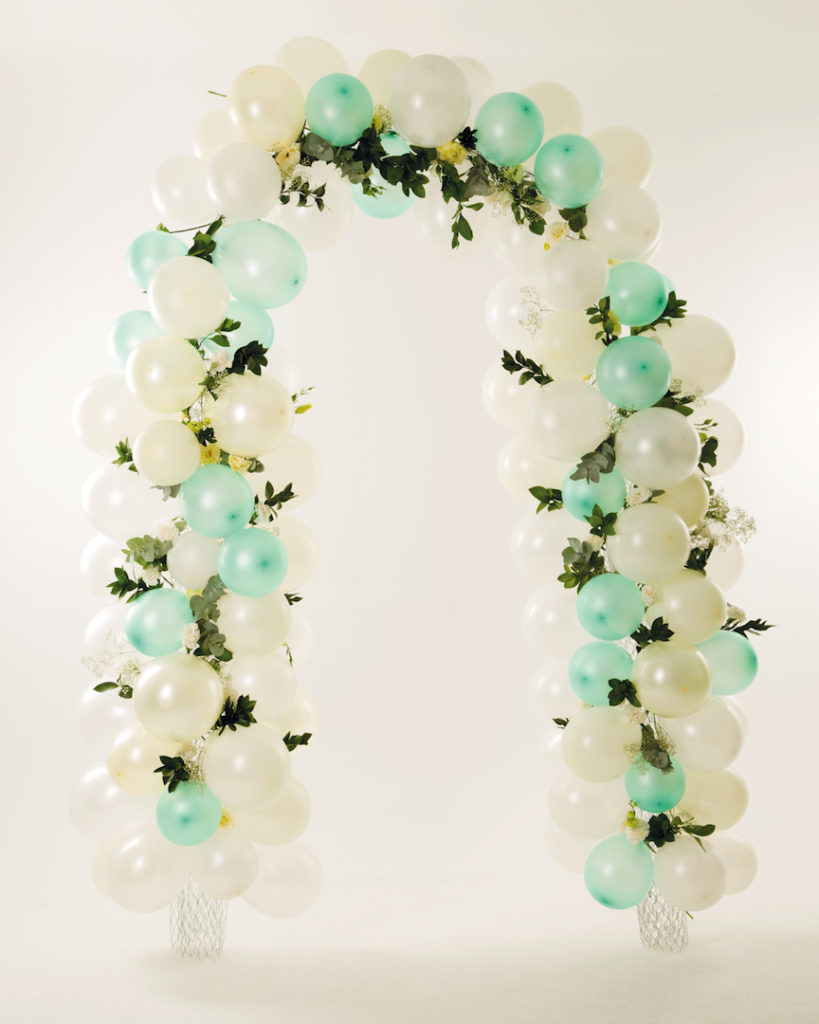
    Say your I-dos under this fresh, fun balloon wedding arch. Prepare the wire structure and balloons the day before, then just add greenery in the morning.

    WHAT YOU’LL NEED

    6 m chicken wire
    Florist’s wire
    Wooden rods or fishing line
    Florist’s foam
    Balloons
    Flowers and leaves

    INSTRUCTIONS

    Step 1

    Roll your chicken wire lengthways into a tube and bend in the centre to create an arch. Keep the arch together by tying florist’s wire at intervals along it.

    Step 2

    If the arch is going outside, use sturdy wooden rods or poles to stand it upright. Insert one end of each rod into the ground at least 20 cm deep. Place the bottom ends of the arch over the rods and secure with florist’s wire. If the arch will be placed indoors, suspend it from the ceiling with fishing line.

    Step 3

    Insert bits of damp florist’s foam into the arch, ensuring they are hidden.

    Step 4

    Blow up as many balloons as you like (we used 150) and attach to the arch using florist’s wire.

    Step 5

    Insert your flowers and leaves into the foam, using florist’s wire to hold them in place.

    Step 6

    Cover any exposed florist’s foam with balloons or flowers.

    ALSO SEE: How to make your own flower petal confetti

    How to make your own flower petal confetti

    Somewhere between the champagne tower and the sparkler exit, the wedding reception outfit change became a thing. Not just for celebrities or luxury weddings either – suddenly brides everywhere are slipping into feather-trimmed minis, satin slips and crystal-covered party dresses halfway through the evening.

    And honestly? We get the appeal.

    After hours of posing, greeting guests and navigating stairs in a gown that weighs approximately the same as a small child, changing into something lighter sounds less like vanity and more like survival. But with weddings becoming increasingly curated for content, the second-look trend also raises a fair question: is this genuinely practical… or are we just adding another expensive “must-have” to an already overwhelming day?

    The answer sits somewhere in the middle.

    Why brides are loving the second-look trend

    Reception outfit changes are having a major moment because weddings themselves are becoming more personalised and less rigid. According to wedding trend experts, 2026 weddings are leaning heavily into intentionality and self-expression rather than tradition for tradition’s sake.

    That shift naturally extends to fashion.

    For some brides, the ceremony dress is about drama and romance – the cathedral veil, the structured corset, the train that glides beautifully down the aisle. The reception look, though, is where personality comes out. Think playful minis, sleek satin gowns, tailored bridal suits or even sneakers paired with sequins.

    And practically speaking? It makes sense.

    Many modern bridal gowns are stunning, but not necessarily designed for six hours of dancing, hugging relatives and sprinting across the venue because your MC disappeared before speeches. Brides online consistently mention comfort, mobility and wanting to actually enjoy the party as the biggest reasons they opted for a second outfit.

    There’s also the photography factor. Reception looks photograph differently – often more editorial, more relaxed and more fashion-forward. A structured ceremony gown creates timeless portraits, while a reception outfit captures movement and energy.

    Essentially, brides are treating their wedding like chapters instead of one long aesthetic.

    But here’s the part nobody really talks about

    A second outfit can quietly double the stress.

    Because now you’re sourcing two bridal looks. Two sets of alterations. Two pairs of shoes. Possibly two hairstyles depending on the vibe shift. And if timelines aren’t planned properly, outfit changes can actually pull you away from the very reception you spent months planning. There’s also the financial reality.

    Wedding fashion trends in 2026 are undeniably more fashion-focused, with brides increasingly investing in multiple “moments” throughout the day. But not every wedding budget has room for a second custom look that might only be worn for two hours.

    And truthfully? Sometimes the pressure to have a reception dress feels less about practicality and more about social media expectations.

    Not every wedding needs a dramatic reveal moment. In fact, one recent viral wedding clip sparked debate after a bride’s second-look entrance barely registered with guests who were busy eating and talking. Brutal? Slightly. But also, a reminder that guests care far more about the atmosphere than outfit logistics.

    The smarter alternative brides are choosing

    Interestingly, some brides are moving away from full outfit changes altogether and opting for transformable gowns instead. Think detachable overskirts, removable sleeves, dramatic capes or convertible trains.

    You still get the “two looks” effect without disappearing for 20 minutes midway through dinner.

    It also feels more aligned with where bridal fashion is heading overall: versatility over excess. Bridal trends for 2026 are less about performing luxury and more about making choices that genuinely improve the experience.

    And honestly, that’s probably the healthiest shift the wedding industry could make.

    So… worth it?

    If changing outfits will make you feel more comfortable, confident or free enough to fully enjoy your reception? Absolutely worth it.

    If you’re only considering it because TikTok convinced you every bride needs a sparkly mini dress reveal? Probably not.

    Your guests will remember the energy of your wedding long before they remember whether you wore one outfit or three. The best bridal styling decisions are usually the ones rooted in practicality, personality and feeling like yourself – not just recreating a Pinterest board in real life.

    Because at the end of the day, the real flex is actually enjoying your wedding. Not surviving it in shapewear and regret.

    ALSO SEE: Non-white wedding dresses are no longer a bridal taboo

    Non-white wedding dresses are no longer a bridal taboo

    Featured image: Aynura Berdyyeva / Pexels 

    Wedding favours are having a quieter, more intentional moment — and thank-you shortbread biscuits are leading the way. Delicate, nostalgic, and effortlessly elegant, these buttery treats add a personal touch to your celebration while giving guests something genuinely memorable to take home. Whether beautifully boxed, ribbon-tied, or displayed alongside your reception décor, shortbread biscuits are proof that the sweetest details are often the simplest.

    WHAT YOU’LL NEED
    250g butter, at room temperature
    ½ cup caster sugar, plus extra to dust
    1 vanilla pod, seeds only
    2 cups flour
    ½ cup cornflour
    Custom-made rubber stamps
    Biscuit cutters

    METHOD
    1. Have your rubber stamps made with the greetings of your choice (you can order stamps from rubberstampsa.co.za).
    2. Preheat oven to 160°C and grease a 20 cm baking tray.
    3. Beat the butter until soft, then beat in the caster sugar and vanilla seeds until light and fluffy. Mix in the rest of the ingredients to form a stiff dough.
    4. Roll the dough out on the baking tray so you don’t have to move it afterwards and cut them with your cookie cutters. Stamp each one with your rubber stamp.
    5. Bake for 30 minutes, or until golden. Remove from the oven and immediately dust with caster sugar.
    6. Carefully remove the shortbread fingers from the tray and transfer to a wire rack to cool before serving.
    7. Once they’ve cooled completely, you can put your biscuits in gift boxes or tie them up with cellophane and a pretty ribbon.

    In a world of elaborate wedding trends and over-the-top details, there’s something undeniably charming about a buttery shortbread biscuit wrapped with intention. Equal parts nostalgic and thoughtful, these sweet treats prove that wedding favours don’t need to be extravagant to leave a lasting impression. Sometimes, the most memorable gestures are the simplest ones – made with love, shared with gratitude, and enjoyed one crumb at a time.

    ALSO SEE: Budget-friendly wedding favours you can DIY

    Budget-friendly wedding favours you can DIY

    Featured image: Kristina Paukshtite / Pexels

    A proposal should be well planned and deliberately thought out. We’re sure you’ve imagined yours before. Who hasn’t? Perhaps you saw the movie The Wedding Singer, which led you to crave a public display. Maybe you watched Leap Year, and the proposal on the ocean-side cliff led you to consider something more private.

    It’s also possible that you’re not sure if you (or your partner) would prefer a public or private proposal. Consider the pros and cons of a public proposal to help you make the final decision.

    Pros: 

    – It will be an event to remember 

    The public gesture will play like a movie in your partners head for years and years to come. It will likely be one of their fondest memories.

    A public proposal also makes it easier for you to catch the moment on video or in a series of photographs. Arrange for a friend or family member to secretly record everything as it happens, and make it a moment that lasts forever.

    – You can get other loved ones involved 

    Sharing this special moment with people who care dearly about you (and your partner) can make it feel extremely special. You’ll get to celebrate your engagement with your loved ones as it happens. On top of that, you can share the planning and preparations for the proposal with everyone you’re inviting to relieve some of the pressure.

    – It will be easier to spread the news 

    If your proposal is public, everyone you care about will either be there when it happens or will find out very soon after. You won’t have to spend a day calling everyone with the good news.

    Cons: 

    – Might not go as planned 

    If you’ve been together for a long time, and you’ve spoken about marriage, then this shouldn’t be too much of a worry. However, there is always the chance that your partner says no. In public, a “no” will feel so much worse.

    On a similar note, you cannot control the environment around you. You could get caught in bad weather, your big question may be drowned out by noise, and other people may try to get involved unexpectedly.

    – Unnecessary pressure

    You could be putting unnecessary pressure on your partner to say yes, when they aren’t sure they’re ready to. They may feel more comfortable in a private setting to ask you to discuss the proposal and the way forward, but in public they can’t really do that.

    You’ll also be putting a lot of pressure on yourself. A public proposal takes a lot of organizing and co-ordinating. If you’re not good under pressure, perhaps you should go for something more manageable.

    – Expenses can pile up 

    If you’re really going big, like writing “will you marry me” in the sky, you may have to spend quite a bit of money. You’ll have to decide if it’s worth it, because that money may be better spent on the wedding itself.

    The most important thing to consider about a public proposal is what will be most comfortable for you and your significant other. If you don’t mind the attention and pressure, and the big gesture and fanfare has always been something you wanted, then go for it!

    ALSO SEE: Engagement ring care tips to keep your sparkler looking new

    Engagement ring care tips to keep your sparkler looking new

    Feature image: BimbaPro/Pexels 

    Getting engaged is an incredible moment that both you and your partner will never forget and will want to share with the world. In the digital age, social media is the way to go for engagement announcements but don’t rely on a basic post, get creative with it!

    1. Plain and simple

    A straightforward way to announce your engagement is to show off the star of the show: your sparkling engagement ring! Have your soon-to-be husband pose in the background for an extra detail.

    2. Picture pawfect

    Including your furry friends in your engagement post could deliver an adorable result. Dress them up and include them in your engagement shoot to have them share their humans’ exciting news. After all, dogs are a (wo)man’s best friend!

    3. Include the family

    If you and your partner have kids include them in your engagement post to make it a special family affair. Have them share the news by posing with your ring or props, or even wearing clothing items that sport sayings such as ‘Mom and Dad are getting married!’

    4. Share it

    Get personal with your engagement post by adding in details about you and your partner. Do you have a favorite movie? Why not make a movie poster as your engagement post. Are you or your significant other artistic? Why not make a doodle depicting the proposal to share on social media. You could also make a collage of all your treasured moments together. For example a movie ticket from your first date and all the mementos you have collected throughout your time together.

    Instagram’s Story feature is also a creative way to announce your engagement. You could make a series of stories depicting you and your partner’s love journey that led to the engagement or have fun with the Boomerang feature or some filters on your Instagram Story.

    5. Hold a shoot

    You can never go wrong with a traditional, timeless engagement shoot. These photos will never go out of style and will be a moment in time captured that you can cherish forever. You could have the engagement shoot at a place which is special for you and your partner, like the restaurant where you had your first date, or if you both love the outdoors, the beach or forest. You can also try to hire a photographer or even set up a hidden camera yourself to capture the exact moment you or your partner proposes. These photos will depict the shock, joy and excitement you felt during the proposal and take you back to the special moment when you look at them later.

    6. Have a party

    If you prefer to not share your exciting news on social media, why not have an engagement party with your family and close friends to make your special announcement. Sharing your happiness and excitement with your family and friends while being surrounded by good food, wine and loads of love is a joyous occasion. If you have a date set for your wedding you can also send out save-the-dates to announce your engagement if you want to avoid a social media post. It will be a lovely surprise for your friends and family to receive a save-the-date!

    In the end it is not about the engagement post or the amount of likes you receive on said post, but rather about you and your partner, the two lovebirds. Have fun and get creative with your engagement posts but let the main focus remain on the love you and your partner share.

    ALSO SEE: How to choose the perfect engagement ring shape

    How to choose the perfect engagement ring shape

    By: Larissa Vermeulen

    Picture: Unsplash

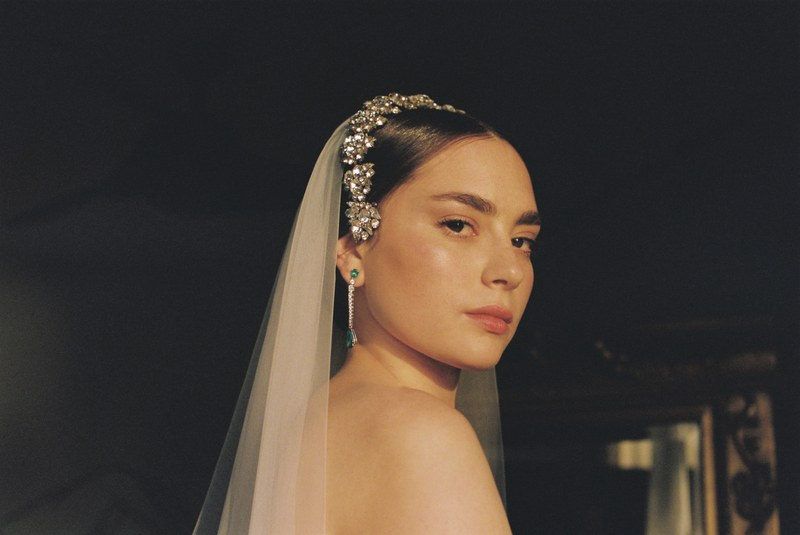
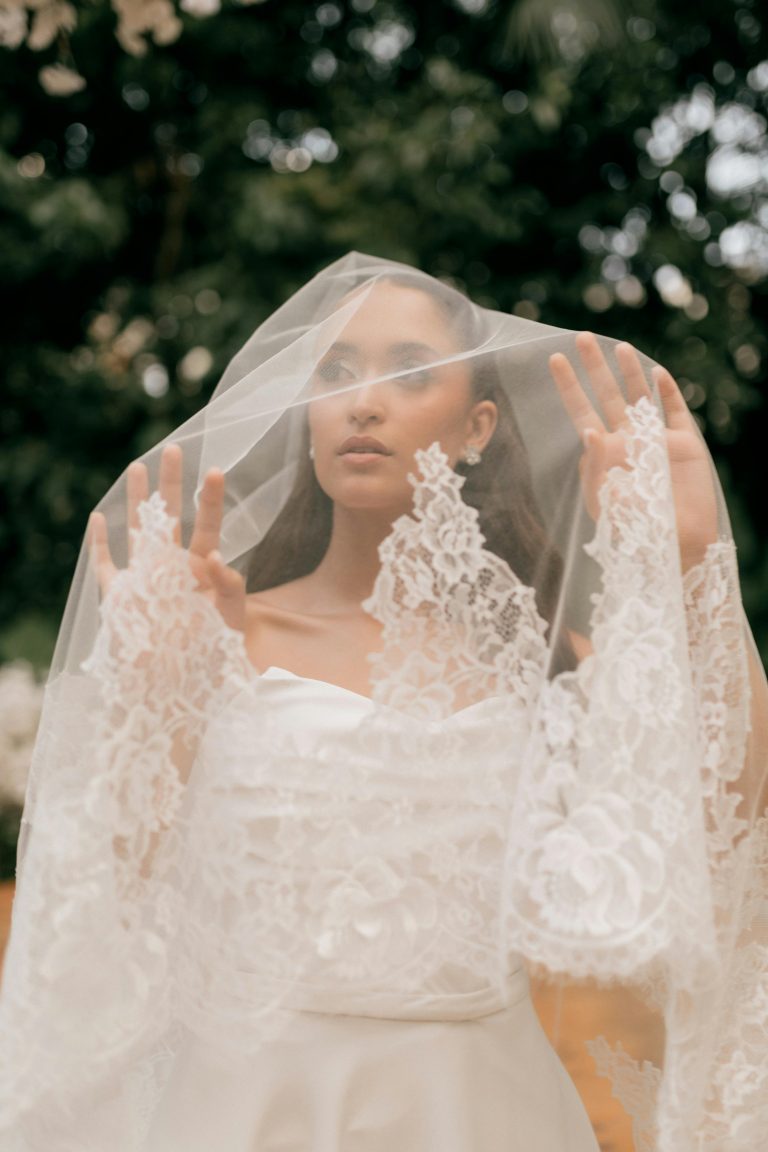
    For years, the wedding veil played supporting actress to the dress. In 2026? It’s officially the main character.

    Brides are no longer treating veils as a last-minute accessory tossed on during fittings “just to complete the look.” Instead, veils are becoming deeply personal style statements – dramatic, editorial, romantic and, in many cases, entirely custom. Across recent bridal fashion weeks, designers leaned heavily into expressive accessories, proving that bridal styling is moving towards individuality rather than tradition for tradition’s sake.

    From pearl embellishments to mantilla lace and ultra-minimalist tulles, here are the veil trends dominating 2026 weddings.

    Pearl veils are still having a major moment

    If there’s one trend refusing to leave the bridal chat, it’s pearls.

    But in 2026, pearl veils feel softer and more refined than the heavily embellished versions we saw a few years ago. Designers are favouring delicate scattered pearls across sheer tulle for a barely-there shimmer that catches beautifully in photographs and candlelight.

    The appeal? Versatility.

    Pearl veils pair effortlessly with minimalist satin gowns, but they also add texture to clean silhouettes without competing against intricate dresses. Brides are increasingly using the veil itself as the statement piece instead of relying on heavily embellished gowns.

    Cathedral veils are getting even more dramatic

    Cathedral veils remain one of the biggest bridal trends of the year, with extra-long lengths, pooling tulle and oversized silhouettes dominating bridal editorials and runway collections. What’s changed is how brides are styling them.

    Instead of pairing dramatic veils with equally dramatic gowns, many brides are choosing sleek crepe or mikado dresses and letting the veil create the impact. The contrast between clean tailoring and romantic movement feels modern, expensive and editorial.

    Honestly? This is one of the smartest styling shifts happening in bridal fashion right now. A simple gown with a breathtaking veil, photographs far more timelessly than an overly embellished dress-and-accessories combination fighting for attention.

    Lace-edged veils are making a comeback

    Lace never really disappears from bridal fashion, but 2026 is bringing back softer, more intentional lace detailing – especially on veils.

    We’re seeing:

    • Scalloped lace trims
    • Botanical embroidery
    • Delicate floral appliqué
    • Mantilla-inspired lace framing

    The overall aesthetic feels romantic and heirloom-inspired rather than overly traditional. Spanish-style mantilla veils in particular are quietly becoming one of the most fashion-forward bridal choices for 2026, especially for brides wanting a softer, old-world elegance.

    Minimalist veils are becoming more refined

    At the same time, minimalist brides are doubling down on simplicity. Raw-cut edges, ultra-fine illusion tulle and lightweight single-layer veils are everywhere right now.

    The goal is movement rather than volume. These veils float instead of drape, creating an effortless softness that works beautifully for modern city weddings, destination ceremonies and fashion-forward brides who want elegance without excess.

    Interestingly, bridal communities online are also steering brides with highly detailed gowns towards cleaner veils to avoid overwhelming the overall look.

    Vintage-inspired veils are rising again

    Bridal fashion’s current obsession with nostalgia is spilling into accessories too. Birdcage veils, Juliet caps and bandeau-inspired styles are all resurfacing for brides wanting something unconventional yet timeless.

    These styles are especially popular for:

    • Civil ceremonies
    • Reception outfit changes
    • Fashion-focused weddings
    • Intimate city celebrations

    The overall vibe feels less “traditional bride” and more editorial fashion moment – which fits perfectly with 2026’s broader bridal trend cycle focused on personality and individuality.

    Personalised veils are becoming non-negotiable

    Customisation might be the defining bridal trend of 2026 overall.

    More brides are adding:

    • Embroidered initials
    • Wedding dates
    • Meaningful phrases
    • Custom lace placements
    • Bespoke colours
    • Family-inspired details

    Celebrity weddings have also fuelled the rise of highly personalised veils, with dramatic embroidered storytelling becoming increasingly aspirational for brides wanting emotional significance woven into their look.

    Bows, soft structure and sculptural styling are trending

    2026 bridal fashion is leaning heavily into femininity again, and veils are following suit. Soft sculptural tulle, oversized bows and layered volume are increasingly appearing across bridal collections and runway styling.

    The result feels playful yet couture-inspired – especially when paired with sleek dresses or minimalist silhouettes.

    For brides wanting a fashion-forward bridal look without committing to a trend-heavy gown, this is an easy way to add personality while keeping the overall look timeless.

    The biggest bridal veil trend of 2026? Intention

    If bridal fashion in 2026 has made one thing clear, it’s this: veils are no longer an afterthought. Whether it’s a dramatic cathedral veil trailing behind a minimalist gown, delicate pearl embellishments catching the light, or a vintage-inspired birdcage moment for the fashion bride, veils have become one of the defining style elements of the modern bridal look.

    And perhaps that’s why they feel so exciting again.

    Brides are moving away from the pressure to look “traditionally bridal” and leaning into styling choices that feel personal, fashion-led and emotionally resonant instead. The veil is no longer just there to complete the outfit – it’s there to transform it.

    In 2026, the veil isn’t playing supporting actress anymore. It’s stealing the entire scene.

    ALSO SEE: Looking for the perfect wedding dress? Here are a few tips to find the one

    Looking for the perfect wedding dress? Here are a few tips to find ‘the one’

    Featured image: Alexander Mass / Pexels 

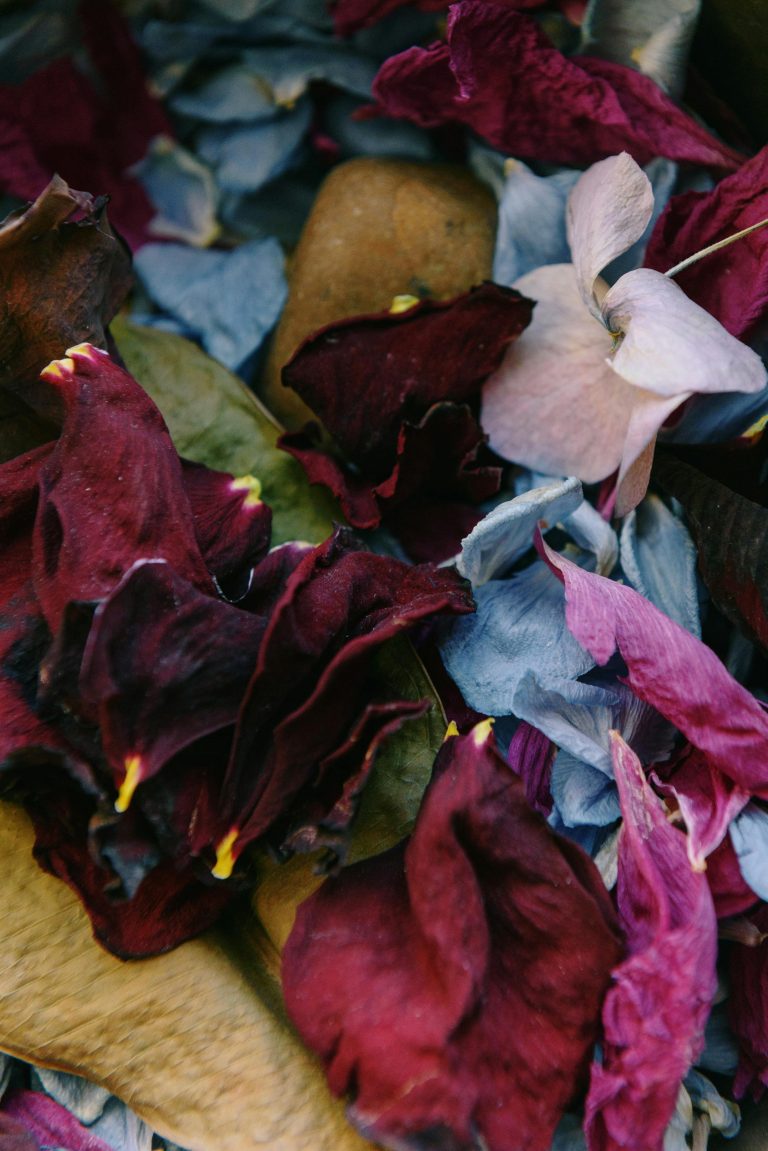
    There’s one specific wedding moment that never really gets old: the confetti toss. Dried flower petals as confetti is surprisingly easy to make yourself. Plus, it turns something fleeting into something personal, especially if the flowers come from your garden, your bouquet, or a place that means something to you.

    Here’s how to do it properly, without overcomplicating things:

    Why flower petal confetti works so well

    Petal confetti has become a wedding favourite for good reason. It looks softer in photos and it’s biodegradable.

    It’s also:

    • More sustainable than paper confetti
    • Easy to make in bulk
    • Naturally colour-customisable
    • Far more “organic” in movement when thrown

    And if you plan it right, it can even become part of your wedding prep ritual: a slow, satisfying DIY in the weeks leading up to the day.

    The best flowers to use (and how they behave when dried)

    Not all petals dry equally well. Some hold their colour beautifully, while others fade or become too brittle. The trick is choosing flowers that dry flat, light, and still visually interesting.

    Roses (the classic)

    Drying time: 1–3 weeks

    Roses are the go-to for a reason. They dry well, hold their shape, and keep a romantic softness that works in almost any colour palette.

    • Best for: blush, white, red, and peach tones
    • Tip: separate petals before drying for faster results
    • Result: soft, slightly curled petals with great colour retention

    Lavender (for texture and scent)

    Drying time: 1–2 weeks

    Lavender brings something extra — not just colour, but fragrance and texture.

    • Best for: rustic, countryside, or Provence-inspired weddings
    • Dries quickly and cleanly
    • Keeps its shape better than most petals

    Marigolds (for bold colour)

    Drying time: 1–2 weeks

    If you want confetti that shows up in photos, marigolds are a strong choice.

    • Bright oranges and yellows stay vibrant
    • Petals dry flat and lightweight
    • Ideal for summer weddings, especially in warm climates

    Hydrangeas (for softness and volume)

    Drying time: 2–3 weeks

    Hydrangeas don’t behave like traditional petals — they dry into delicate fragments that add softness and fullness.

    • Best used in pastel or muted palettes
    • Colours soften slightly when dried
    • Adds a “cloud-like” effect to confetti mixes

    Bougainvillea (a South African favourite)

    Drying time: 1–2 weeks

    Bougainvillea is practically made for confetti.

    • Naturally vibrant pinks, purples, and reds
    • Dries quickly in warm, dry air
    • Thin petals that flutter beautifully when thrown

    Delphinium (for cooler tones)

    Drying time: 2–3 weeks

    Delphinium brings in those softer blues and purples that are often hard to find in dried flowers.

    • Elegant and delicate
    • Works well in coastal or garden weddings
    • Needs gentle handling once dried

    How to dry the petals (the simple way)

    There’s no need for fancy equipment. Air drying works best and keeps the colour intact.

    1. Pick flowers early in the morning when they’re freshest
    2. Gently remove petals from stems
    3. Spread them out in a single layer on baking paper or a mesh tray
    4. Keep them in a cool, dry, shaded space
    5. Turn them every few days so they dry evenly

    Avoid direct sunlight, as it tends to bleach petals and make colours dull.

    Store your dried petals in paper bags or breathable containers until the wedding day.

    ALSO SEE: Locally loved flowers for your wedding bouquet

    Locally loved flowers for your wedding bouquet

    Feature image: Ksenia Chernaya/Pexels