• Category

    Engagements

    Category

    Planning a wedding is supposed to be exciting. But between comparing venues, answering vendor emails, managing a budget, navigating family opinions and saving approximately 4,000 Pinterest screenshots, it can quickly start to feel like another full-time job. And that is exactly why wedding planning self-care matters.

    The pressure surrounding modern weddings has changed considerably. Social media gives couples endless inspiration, but it can also create a constant stream of comparison, while the growing number of wedding-related events and decisions can make the lead-up feel more like a marathon than a celebration. Current wedding coverage has also highlighted the financial and emotional pressure couples are facing, with budget concerns and the sheer volume of planning tasks becoming significant sources of stress.

    The answer is not to become perfectly zen overnight. It is about making sure your own wellbeing does not disappear somewhere between the seating chart and the final RSVP.

    Here are five ways to look after yourself while planning your wedding.

    1. Feed yourself properly, not just your Pinterest board

    Wedding planning can make food an afterthought. You have a venue meeting at lunch, a dress fitting after work and suddenly it is 8pm and you have survived the day on coffee and half a sandwich.

    Then there is the pressure to change your body before the wedding. The idea that a bride needs to lose weight, follow a restrictive diet or completely transform her appearance before walking down the aisle is still far too common. Experts have warned that wedding-related appearance pressure can contribute to body dissatisfaction and unhealthy eating behaviours. Your wedding is not a deadline for becoming a different person.

    Instead, focus on eating regularly and giving your body the fuel it needs. A balanced diet, with a variety of nutritious foods, supports both physical and mental wellbeing, while regularly skipping meals or following extreme diets is unlikely to make the planning process any easier. The World Health Organization includes healthy eating as part of everyday self-care and wellbeing.

    Keep easy snacks around for busy planning days, make time for proper meals and, most importantly, do not let the pursuit of a certain wedding-day aesthetic take priority over feeling well. Your dress should fit you. You should not have to shrink yourself to fit the dress.

    2. Give yourself permission to step away

    There is always something else to do. Another email to answer. Another quote to compare. At some point, you need to close the laptop.

    Taking regular breaks is not a sign that you are falling behind. It is part of managing stress. The NHS recommends making time for relaxation, exercise and activities you enjoy, while the APA also highlights the role that meaningful breaks can play in restoring energy and wellbeing.

    Try introducing a wedding-free evening each week. No spreadsheets.  No checking whether your florist has replied. Go for dinner, watch a film, read a book or take a bath. Sit on the couch and talk to your partner about literally anything other than the wedding.

    And if social media is making you feel as though your wedding is not good enough, step away from it. Inspiration is useful until it becomes comparison. You do not need to recreate someone else’s venue, flowers, dress, tablescape or honeymoon to have a beautiful wedding.

    3. Move your body because it feels good, not because you have a wedding dress to fit into

    Exercise often gets pulled into the wedding conversation for all the wrong reasons. There is nothing wrong with wanting to feel strong, energised or confident on your wedding day. But exercise does not need to become punishment for eating dessert or another item on your list of things you need to “fix” before the big day.

    Movement can simply be a way to clear your head. A walk after dinner, a Pilates class, a gym session, swimming, yoga or dancing around your living room all count. Regular physical activity has well-established benefits for mental wellbeing and can help reduce symptoms of anxiety and depression. The WHO also recommends physical activity as part of a healthy lifestyle.

    Better yet, make it something you can enjoy together. Put your phones away and go for a walk with your partner. It gives you time to reconnect without another wedding decision sitting between you. Because sometimes the best wedding planning meeting is the one where you discuss absolutely nothing about the wedding.

    4. Protect your mental space

    Feeling stressed while planning a wedding does not automatically mean something is wrong. You are organising a major event, making financial decisions and, in many cases, navigating a whole collection of family expectations at the same time.

    But there is a difference between being temporarily overwhelmed and feeling like the stress is taking over your everyday life. Pay attention to how you are feeling. If you are constantly anxious, struggling to sleep, becoming unusually irritable or finding that wedding planning is affecting your ability to enjoy your relationship or daily life, it is worth taking a step back.

    Small tools can help. Breathing exercises, mindfulness, movement, adequate sleep and talking to someone you trust are all recognised ways of supporting wellbeing and managing stress. And there is no prize for handling everything alone.

    If you are struggling, speak to a mental health professional. Asking for support does not mean you are not coping. Sometimes it simply means you have decided that your wellbeing deserves the same attention as every other part of your wedding.

    5. Make time for the people and relationship that existed before the wedding

    This one is easy to forget. When you become engaged, suddenly everything revolves around the wedding. Even date night somehow turns into a discussion about the catering menu.

    Do not let the wedding swallow your relationship. Make plans that have nothing to do with getting married. Go for coffee. Have dinner. Take a day trip. Cook together. See your friends. Have Sunday lunch with your family. Do something ridiculous that would never make it onto your wedding itinerary.

    Social connection is an important part of mental wellbeing, providing emotional support and helping people maintain a sense of belonging. It can also help to delegate.

    You do not have to personally answer every question, chase every RSVP and solve every tiny wedding problem. If your bridesmaids, family members, partner or wedding planner offer to take something off your plate, let them. The wedding is a shared celebration. The planning does not have to be a one-person job.

    The bottom line

    Your wedding should be something you look forward to, not something you have to survive. There will probably be stressful moments. A vendor will send an email that makes your blood pressure rise. Someone will have an opinion about your guest list. You may change your mind about the flowers approximately seventeen times. That is all part of it.

    But somewhere between the spreadsheets, fittings and Pinterest boards, remember that you are still a person who needs to eat, sleep, move, rest, laugh and spend time with the people you love. The most important thing you are planning is not a perfect wedding. It is a marriage and a life together.

    So protect your peace along the way. Your future self will thank you for it.

    ALSO SEE: Relaxing bachelorette party ideas for the chilled bride

    Relaxing bachelorette party ideas for the chilled bride

    Feature Image: Pexels
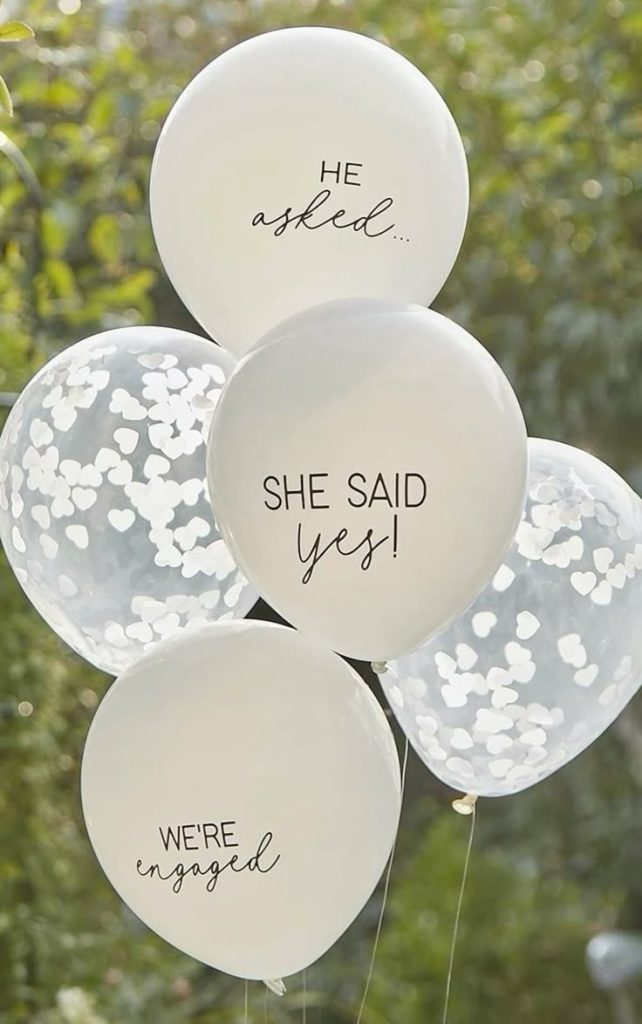
    You’ve got the ring, you’ve said yes and you’ve probably told everyone who will listen. Now comes the fun part: celebrating. An engagement party is the first opportunity to gather your favourite people together before the wedding planning really gets underway. And while the traditional engagement party still has its place, couples are increasingly choosing celebrations that feel more personal, relaxed and reflective of who they are.

    In fact, the latest wedding trends are moving away from one-size-fits-all celebrations in favour of experiences that feel intentional and individual. Pinterest’s 2026 Wedding Trends Report points to low-key pre-wedding soirées and celebrations shaped around personality, while Wedding ETC’s own 2026 wedding coverage has highlighted the growing preference for intimacy, personalisation and meaningful experiences.

    So, if a formal dinner with a predictable playlist isn’t quite your thing, here are 10 engagement party ideas worth considering.

    1.Host an elevated backyard picnic

    You don’t need a fancy venue to throw a beautiful engagement party. Turn your garden, courtyard or even a spacious backyard into an intimate picnic setting with low tables, cushions, fresh flowers, candles and plenty of good food. A grazing table or shared platters can keep things relaxed while still making the celebration feel special.

    The trick is to make the setting feel intentional rather than simply putting a few blankets on the grass. Think layered textures, beautiful glassware, seasonal flowers and a playlist that feels like you.

    It is also a great option for couples who want something intimate without spending a fortune on a venue.

    2. Plan a garden dinner

    If you love the idea of an outdoor celebration but want something a little more polished, take the party outside after dark.

    A long table dressed with candles, flowers and beautiful tableware can create a romantic setting without requiring excessive décor. Add string lights overhead, serve a relaxed dinner and let the evening unfold naturally.

    This also taps into the wider move towards dinner-party-style celebrations. Rather than focusing on formal programming, couples are increasingly putting food, conversation and quality time with their guests at the centre of the experience.

    3. Have a wine and cheese tasting

    For the couple who would rather spend the evening eating and drinking than playing awkward party games, this one’s for you. Host a wine and cheese evening at home, at a wine farm or at a private venue and create a tasting experience around a few of your favourite varieties.

    You could ask a local wine expert to guide the tasting, pair wines with South African cheeses and add seasonal fruit, charcuterie and freshly baked bread to the table.

    For a South African engagement, this is particularly fitting. A Winelands setting gives you a naturally beautiful backdrop, but you could just as easily recreate the experience at home.

    4. Make it a brunch

    Who says an engagement party needs to happen at night? A daytime celebration can be just as memorable, and brunch gives you plenty of room to play with the menu. Think pastries, pancakes, fresh fruit, breakfast boards, good coffee and a celebratory toast.

    You could host it at home, book a beautiful restaurant or take over a garden space for a relaxed morning with family and friends.

    Brunch is also a practical option for couples who want to celebrate without turning the engagement party into an entire weekend event. Engagement party inspiration increasingly includes daytime celebrations such as brunches and picnic lunches, proving there is no longer a strict formula for when these parties should happen.

    5. Recreate your first date

    This one is less about the décor and more about the story. Think back to your first date and use it as the inspiration for the engagement party.

    If you met at a particular restaurant, recreate the menu. If your first date involved takeaway and a movie, lean into that. If you bonded over a particular cuisine, build the evening around it. The best engagement parties do not necessarily have the biggest budgets. They have details that mean something to the couple.

    And that is increasingly the direction celebrations are heading in: personal details that tell a story rather than generic décor chosen simply because it looks good online.

    6. Throw a themed dinner party

    A theme does not have to mean matching costumes and novelty decorations. Instead, build the entire evening around somewhere you love.

    A Mediterranean-inspired dinner, an Italian summer soirée, a 1970s-inspired dinner party or even a celebration inspired by your favourite holiday destination can give the event a strong identity without making it feel like a children’s birthday party.

    Think themed food, music, cocktails or mocktails, stationery and décor. The key is restraint. Choose a concept and let a few thoughtful details carry it.

    7. Plan a sunset celebration

    South Africa has no shortage of beautiful sunsets, so why not make one the backdrop to your engagement party?

    Find a venue, garden, rooftop, beachside location or private outdoor space with a view and plan the celebration around golden hour.

    Keep the décor relatively simple and let the location do most of the work. Add candles or warm lighting once the sun goes down, serve drinks and canapés, and create a playlist that takes the evening from sunset into night. It is a particularly good option for couples who want something that feels special without overproducing the event.

    8. Turn it into a games night

    If your relationship is built on competition, laughter and a little friendly chaos, embrace it.

    Set up lawn games, board games, card games or a couple’s trivia competition based on your relationship. You could even create a quiz about the couple and see which family member or friend knows you best.

    This works especially well for smaller gatherings because it gives guests something to do beyond eating and making conversation. Just don’t make the games so complicated that your guests feel like they’ve accidentally arrived at a corporate team-building exercise.

    9. Host an at-home celebration

    There is something wonderfully intimate about celebrating at home. You could cook together, order your favourite food, create a cocktail or mocktail menu, put together a playlist of songs that mean something to you and invite only your closest family and friends.

    An at-home engagement party also gives you more freedom to personalise the space. Display photographs from your relationship, recreate moments from your story or create a memory table featuring little details from your life together.

    This kind of celebration fits neatly into the broader shift towards smaller, more intentional gatherings. Current wedding trends increasingly favour authenticity and meaningful details over creating an event purely for appearances.

    10. Plan an experience instead of a party

    Perhaps the biggest shift of all is that your engagement party doesn’t actually have to look like a traditional party.

    Book a boat day. Plan a weekend away. Organise a cooking class. Go glamping. Arrange a private picnic. Host a pottery workshop. Spend the day at a wine farm. Organise a sunset hike followed by dinner.

    If you and your partner have a shared hobby or favourite activity, build the celebration around it. The point is not to recreate somebody else’s Pinterest board. It is to celebrate your relationship in a way that feels recognisably yours.

    The bottom line

    Your engagement party does not need to be another box to tick before the wedding.

    It can be a backyard dinner with your closest people, a boozy brunch, a sunset picnic, a weekend away or an elaborate celebration with everyone you love. There are no hard rules anymore, and that is exactly what makes planning one so much fun.

    The best engagement party ideas are ultimately the ones that tell your story. So forget about what an engagement party is supposed to look like. Think about how you want the celebration to feel, who you want beside you and what you and your partner genuinely enjoy doing together.

    Then build the party around that. After all, this is the first celebration of your future together. It should feel like you.

    ALSO SEE: Not all diamonds wear the same: How to choose an engagement ring that actually suits your hand 

    Not all diamonds wear the same: How to choose an engagement ring that actually suits your hand

    Featured image: Pinterest

    One minute you’re admiring a ring on your finger. The next, everyone wants to know the date, the venue, the dress, the flowers, the guest list and whether you’ve chosen your first dance song.

    Slow down. Getting engaged is a milestone in its own right, not simply the starting line for wedding planning. Yet it’s remarkable how quickly the excitement of saying “yes” can be replaced by a never-ending stream of questions.

    “So… when’s the wedding?” For some couples, the answer comes easily. They’ve already been planning for months. Others would rather sit in this new chapter for a while before diving into spreadsheets, budgets and seating plans. And that’s more than okay.

    Your engagement deserves its own moment

    Think about it. The proposal itself is a story you’ll probably tell for decades. Maybe it happened on a mountain after an exhausting hike. Perhaps it was during a weekend away, over breakfast at home, or completely unexpectedly while walking the dog. Maybe everything went according to plan. Or maybe absolutely nothing did.

    Those imperfect moments often become the best stories. Long after the wedding photos have been framed, you’ll still laugh about the ring almost falling into the ocean, someone accidentally interrupting the proposal, or how nervous your partner was that they could barely get the words out. It’s worth taking the time to enjoy that chapter before rushing into the next one.

    There isn’t a deadline

    Social media can make it feel as though engagements follow a strict timeline. Announcement photos. Venue booked. Dress shopping. Countdown begins.

    Real life doesn’t work like that. Some couples marry within months. Others stay engaged for several years. Neither is more “correct” than the other.

    There are countless reasons why you might want to wait before planning a wedding. Maybe you’re saving for the celebration you really want. Perhaps you’ve just bought a home or are focused on your careers. There could be family commitments, health concerns or a new baby on the way. Or maybe there isn’t a reason at all.

    Maybe you’re simply enjoying being engaged. That’s reason enough.

    Weddings are expensive

    Let’s be honest. Weddings aren’t cheap. For many South African couples, planning a wedding also means saving for one. Rushing into deposits and big decisions before you’re financially comfortable can add unnecessary pressure to what’s supposed to be an exciting time.

    Waiting a year — or even longer — doesn’t make your engagement any less meaningful. If anything, it gives you time to plan the day you actually want, rather than the day you feel pressured to have.

    Set the pace together

    One of the best things you can do early on is decide, as a couple, what works for you.

    If you’re choosing to wait before planning, let people know politely but confidently. A simple “We’re enjoying being engaged for now, and we’ll share our plans when we’re ready” is often enough. Setting those boundaries now can make the entire wedding-planning journey feel a little less overwhelming later.

    Don’t skip this chapter

    It’s easy to think of an engagement as the bit between dating and getting married. But it deserves celebrating too.

    Go on dates. Take engagement photos if you want to. Wear the ring proudly. Tell your proposal story for the hundredth time.

    Dream about the future without feeling like every conversation has to end with a colour palette or venue tour. The wedding will come. For now, enjoy the fact that you’ve found your person. The planning can wait.

    ALSO SEE: Old soul, new sparkle: How modern couples are reimagining heirloom engagement rings

    Old soul, new sparkle: How modern couples are reimagining heirloom engagement rings

    Feature image: Unsplash

    Forget bigger – proposals are getting more personal

    There was a time when grand gestures ruled proposal season: flash mobs, crowded restaurants, and moments designed to go viral.

    But lately? Couples are changing the script.

    Today’s proposals feel more intentional, more collaborative and far more reflective of the relationship itself. Think meaningful locations over expensive setups, private moments over public performances, and experiences that feel authentic rather than overly curated. Proposal planners, engagement studies and real couples are all pointing to the same thing: the proposal isn’t becoming less romantic – it’s becoming more personal.

    Here are the proposal trends showing up everywhere right now.

    1. The rise of the “quiet proposal”

    Big public proposals haven’t disappeared – but they’re no longer the default.

    One of the biggest shifts we’re seeing is couples choosing intimacy over spectacle. At-home proposals, sunrise walks, private dinners and meaningful everyday locations are replacing highly staged public moments.

    The focus? Creating space for genuine emotion instead of performance.

    And surprisingly, this isn’t making proposals feel smaller – it’s making them feel more memorable.

    2. Proposal photography is no longer optional

    Once reserved for weddings, professional proposal photography and videography have become part of the engagement moment itself.

    But couples aren’t only booking photographers anymore – they’re hiring content creators to capture behind-the-scenes footage, candid reactions and short-form social content.

    The goal isn’t perfection.

    It’s preserving the feeling.

    From hidden photographers to cinematic reels and same-day engagement shoots, documenting the “yes” moment has become part of the experience.

    3. Destination proposals are having a major moment

    Weekend escapes are becoming the new proposal venue.

    Whether it’s a coastal retreat, an international city break or a bucket-list destination, couples are turning engagements into experiences they’ll remember long after the ring selfie.

    Proposal planning companies have also reported growing demand for curated destination moments – from private dinners to styled proposal setups abroad.

    4. Couples are planning the engagement together

    The surprise isn’t disappearing – it’s evolving.

    More couples are openly discussing timelines, ring styles and expectations before the proposal happens.

    For many, the proposal details remain a surprise while the decision to get engaged becomes mutual.

    That collaborative approach is becoming increasingly normal and, for many couples, far less stressful.

    5. Personalisation is becoming the luxury detail

    The most memorable proposals right now aren’t necessarily the most expensive.

    They’re the ones built around meaning.

    We’re seeing sentimental locations, recreated first dates, custom playlists, handwritten letters, family heirlooms, private concerts and details that only make sense to the couple involved.

    The trend isn’t “extra”.

    It’s deeply personal.

    6. Engagements are becoming part of a bigger celebration

    Another growing trend? The proposal isn’t ending with the ring.

    Couples are extending the moment with post-proposal dinners, surprise celebrations, engagement weekends and curated experiences that turn one question into an entire memory.

    Think: proposal → celebration → content → engagement shoot.

    One moment, multiple memories.

    The takeaway: There’s no “right” way to propose anymore

    If proposal trends have taught us anything, it’s this: the most unforgettable proposals aren’t necessarily the loudest.

    They’re the ones that feel recognisable to the people living them.

    Because the best proposals don’t look like everyone else’s.

    They look like your story.

    ALSO SEE: Cape Town’s most romantic proposal spots for an unforgettable Engagement 

    Cape Town’s most romantic proposal spots for an unforgettable Engagement

    Featured image: Marko Klaric / Pexels

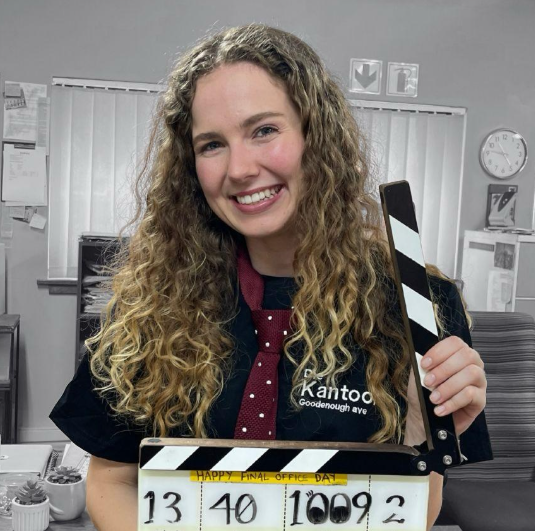
    What started as an ordinary anniversary hike in the Western Cape turned into a moment Daniah de Villiers will likely never forget. The Die Kantoor actress thought she was heading out for a relaxed walk with her partner, but instead walked straight into a carefully planned surprise proposal.

    By the end of the trail, her longtime partner Joshua Farrer had turned an everyday outdoor moment into something far more meaningful (and very emotional).

    A proposal that didn’t go exactly to plan

    Behind the scenes, the proposal wasn’t as effortless as it may have looked. According to Farrer, there were a few close calls while planning the surprise. Timing had to be carefully managed, and keeping everything under wraps wasn’t always easy.

    On top of that, the Western Cape weather added its own unpredictability to the day. Grey skies came and went, shifting the mood and forcing a bit of flexibility in the plan. Still, despite the uncertainty, everything eventually aligned at the right moment.


    View this post on Instagram


    A post shared by Joshua Farrer (@joshua_farrer)

    Why the Western Cape keeps delivering these moments

    It’s not hard to understand why so many proposals happen in the Western Cape. The landscapes do a lot of the work — mountains, trails, and that ever-changing light that makes everything feel a little more cinematic than real life.

    This engagement fits right into that setting.

    ALSO SEE: What every bride-to-be should know about white gold engagement rings

    What every bride-to-be should know about white gold engagement rings

    Feature image: Daniah de Villiers/Instagram

    For decades, diamonds came with one assumed origin story: deep beneath the earth, formed over billions of years, mined, cut and eventually slipped onto someone’s finger.

    Now? That story has changed.

    Lab-grown diamonds have moved from niche alternative to mainstream choice – especially among engaged couples who are thinking differently about value, ethics and what forever actually looks like. Recent industry reports suggest lab-grown stones now make up a significant and growing share of engagement ring purchases globally, driven largely by younger buyers prioritising value and customisation.

    But despite all the conversation online, one question remains surprisingly difficult to answer:

    If they look the same, what are you really paying for?

    To cut through the marketing noise, we spoke to Yazeed, an experienced jeweller currently consulting for Harris Jewellers in Canal Walk and Platandia in the V&A Waterfront, to get an insider’s view on how the industry – and couples – are changing.

    First things first: are lab-grown diamonds actually real?

    Short answer: yes. This is probably the biggest misconception that still exists.

    Lab-grown diamonds are not cubic zirconia or imitation stones. They are chemically, physically and optically diamonds – made from crystallised carbon under controlled conditions rather than formed underground over billions of years. They’re graded using the same quality principles buyers already know: cut, colour, clarity and carat.

    According to Yazeed: “Previous years consumers were of the opinion that lab diamonds are fake due to natural diamond producers spreading false information. With the growth of social media, people became informed as to what constitutes a diamond.”

    That shift in awareness has changed buying behaviour dramatically.

    Why more couples are choosing lab-grown

    When asked how consumer attitudes have evolved over the last 12–18 months, Yazeed didn’t hesitate.

    “The younger generation have been more readily accepting of lab-grown diamonds.”

    His reasoning reflects what’s happening globally: rising living costs, changing priorities and a stronger focus on getting more for your money. Industry data shows that lab-grown diamonds continue to cost substantially less than equivalent natural stones, allowing couples to prioritise size, quality or custom design without dramatically increasing spend.

    And that’s where things get interesting. Because while price is often the headline – it isn’t always the deciding factor.

    Beyond price: what buyers should actually care about

    According to Yazeed, certification matters more than origin. “As long as the lab diamond is independently certified by a world-renowned lab such as GIA or IGI then, just like natural diamonds, consumers should focus on colour, clarity and cut.”

    That advice reflects a growing shift in how jewellers guide clients.

    The conversation isn’t necessarily lab versus natural anymore.

    It’s becoming:

    Which stone gives you the experience, symbolism and practical outcome you want?

    Natural diamonds still carry emotional appeal for buyers who value rarity, geological history and stronger long-term value retention.

    Lab-grown appeals to couples who care more about design freedom, visible quality and stretching a budget further.

    The sustainability conversation isn’t as simple as social media makes it seem

    Few topics create stronger opinions than sustainability. Lab-grown diamonds are often positioned as the more environmentally conscious option because they avoid mining and concerns around land disruption and labour practices.

    Yazeed explains: “It basically comes down to what you as the consumer consider to be better for the environment long term.”

    He points to concerns around mining impact, resource extraction and industry concentration versus lab-grown production models that offer greater scalability and accessibility. That said, sustainability isn’t entirely black and white.

    Lab-grown production still requires energy-intensive processes, while many natural diamond producers have increased transparency and environmental commitments in recent years.

    Translation? Marketing shouldn’t make the decision for you. Your values should.

    So, what would a jeweller recommend?

    If a couple walked in with the same budget and no strong preference?

    Yazeed’s answer was refreshingly honest.

    “At the end of the day it does come down to budget… but bearing in mind the consumer can get a far bigger and better specification lab diamond in terms of colour, clarity and cut compared to natural, the choice still rests with what they feel comfortable buying.”

    And that might be the most useful takeaway of all. Because choosing an engagement ring isn’t a test.

    You don’t get extra points for tradition. You don’t get bonus points for practicality. You’re choosing something deeply personal.

    Some couples want the story of something formed naturally over billions of years.

    Others want the freedom to go bigger, bolder or redirect the savings into a honeymoon, a home deposit or simply life together. Neither choice is wrong.

    The right diamond isn’t the one the internet tells you to buy, It’s the one that feels like your version of forever.

    Expert insight provided by Yazeed, experienced jeweller currently consulting for Harris Jewellers (Canal Walk) and Platandia. 

    ALSO SEE: Engagement ring care tips to keep your sparkler looking new 

    Engagement ring care tips to keep your sparkler looking new

    Featured image: The Glorious Studio / Pexels

    There’s something undeniably romantic about winter. The crisp air, golden sunsets, cozy evenings and slower pace create the perfect atmosphere for one of life’s biggest questions: Will you marry me?

    While summer proposals often steal the spotlight, winter offers something equally special –  intimacy. Think candlelit dinners, mountain views, fireplace moments, misty landscapes and unforgettable getaways made for two.

    Modern proposals are becoming less about grand gestures for the sake of spectacle and more about creating a moment that feels personal, intentional and true to the couple’s story.

    Whether you’re planning a private proposal or a once-in-a-lifetime destination moment, these winter proposal ideas are guaranteed to inspire.

    A romantic mountain escape

    Few settings feel as magical as the mountains during winter. Imagine waking up somewhere quiet, surrounded by dramatic landscapes, spending the day exploring together and ending it with a proposal as the sun sets behind the peaks.

    For South African couples, winter mountain escapes offer the perfect balance of adventure and romance.

    Think:

    • A cozy cabin with a fireplace
    • A private picnic overlooking the mountains
    • A sunrise proposal after a weekend away
    • A surprise photographer capturing the moment

    Destinations like the Drakensberg or a winter escape in the Cederberg create naturally breathtaking backdrops.

    A wine estate proposal in the Cape Winelands

    There’s a reason the Cape Winelands remain one of South Africa’s most romantic destinations. Winter brings a different kind of charm – quieter vineyards, misty mornings, roaring fireplaces and intimate dinners.

    A winter proposal idea: Book a weekend away, arrange a private wine tasting, and pop the question among the vines or after a candlelit dinner.

    The beauty of a wine estate proposal is that the experience doesn’t end with the “yes” – it becomes an entire engagement celebration.

    Popular areas include:

    • Franschhoek
    • Stellenbosch
    • Constantia

    The cozy fireplace proposal

    Not every unforgettable proposal needs a dramatic location. Sometimes the most meaningful moments happen somewhere private.

    A winter-inspired at-home proposal can be just as beautiful:

    • Transform your home with candles and flowers
    • Recreate your first date
    • Cook your partner’s favourite meal
    • Create a timeline of your relationship through photos
    • End the evening with the ring and a heartfelt speech

    The focus is not the production – it’s the story behind it.

    A beach proposal (with a winter twist)

    Winter beaches have a quiet beauty that summer crowds often take away.

    A windswept coastline, dramatic skies and an empty beach can create a cinematic proposal moment.

    Consider:

    • A sunrise walk
    • A blanket picnic overlooking the ocean
    • A hidden beach location
    • A surprise photographer waiting nearby

    For Cape Town couples, locations along the coastline can offer unforgettable winter scenery without needing an international trip.

    A destination proposal abroad

    For couples who love travelling, a winter proposal abroad turns the engagement into an entire adventure.

    Some romantic winter proposal destinations include:

    • Paris, France: Classic, timeless and effortlessly romantic. Winter brings fewer crowds and a magical city atmosphere.
    • Iceland: For couples wanting something extraordinary, Iceland’s landscapes and northern lights create a once-in-a-lifetime backdrop.
    • Venice, Italy: Quiet canals, candlelit dinners and old-world charm make winter in Venice feel like stepping into a love story.
    • A European Christmas market escape: Cities like Vienna or Prague offer fairytale streets, festive lights and romantic winter experiences.

    The “just us” proposal

    One of the biggest shifts in modern proposals is choosing authenticity over performance. Couples are increasingly planning moments that reflect who they are – whether that means a private dinner, an adventurous getaway or a sentimental location that holds meaning.

    Ask yourself:

    • Are they someone who loves attention or privacy?
    • Would they prefer a crowd or a quiet moment?
    • Is there a place that already tells your story?

    The best proposal location is not always the most famous one – it’s the one that feels like yours.

    Final Thoughts

    A winter proposal has a special kind of magic. It’s slower, more intimate and filled with opportunities to create a moment that feels completely personal.

    Whether it happens beside a fireplace, overlooking a mountain range or during a once-in-a-lifetime getaway, the most memorable proposals are the ones that tell your love story.

    Because the perfect proposal isn’t about creating a picture-perfect moment – it’s about creating the moment you’ll both remember forever.

    ALSO SEE: 8 Romantic engagement ideas to help you pop the question! 

    8 Romantic engagement ideas to help you pop the question!

    Featured image: Pavel Danilyuk / Pexels

    White gold engagement rings have become one of the most popular choices for brides. They offer a beautiful alternative to traditional yellow gold and often a more affordable option than platinum.

    But what is white gold really? And what should you know if your engagement ring is made from it? Before you commit to a lifetime of sparkle, here’s everything worth understanding.

    What is white gold?

    Despite what the name suggests, white gold is not naturally white. White gold is actually an alloy – a blend of pure yellow gold mixed with white metals such as palladium, silver, nickel, or manganese. This combination lightens the gold’s natural yellow tone and creates a cooler, more silvery base colour.

    However, even after alloying, white gold is still not bright white. That’s where the final step comes in: most white gold jewellery is plated with a rare metal called rhodium. This rhodium coating gives white gold its signature mirror-like finish—the crisp, icy shine most people associate with engagement rings.

    Why white gold is so popular for engagement rings

    White gold has earned its place as a bridal favourite for a few key reasons:

    1. It enhances diamonds beautifully

    The cool tone of white gold helps diamonds appear brighter and more colourless, making it an ideal setting for engagement rings where the stone is the star.

    2. It’s more affordable than platinum

    White gold offers a similar look to platinum but at a lower price point, making it an attractive option for couples working within a budget.

    3. It’s versatile and modern

    Its neutral tone pairs effortlessly with both warm and cool skin tones and suits a wide range of ring styles—from vintage-inspired designs to minimalist solitaires.

    What to know before choosing white gold for your engagement ring

    Before you fall in love with the sparkle, there are a few practical things worth keeping in mind.

    1. It requires maintenance

    Unlike platinum, white gold is not “set and forget.” Regular rhodium re-plating is part of its long-term care.

    Over time, the rhodium plating naturally wears away, revealing the slightly warmer, pale yellow tone of the gold underneath. This is completely normal and happens faster depending on how often the ring is worn and your daily activities.

    To restore its original shine, white gold rings need to be re-plated with rhodium every 12–24 months on average.

    2. It can show wear over time

    With daily wear, especially on engagement rings, you may notice thinning of the plating, small scratches, or a slightly warmer tone emerging.

    3. Nickel sensitivity matters

    Some white gold alloys contain nickel, which can cause irritation for those with sensitive skin. If this is a concern, ask your jeweller for nickel-free options such as palladium-based white gold.

    How to care for a white gold engagement ring

    A little care goes a long way in keeping white gold looking its best.

    Gentle cleaning at home

    Use warm water, mild soap, and a soft toothbrush to gently clean your ring. Avoid harsh chemicals or abrasive materials.

    Remove during heavy activity

    Take your ring off during activities like gym workouts, gardening, or cleaning to reduce scratches and wear.

    Regular professional check-ups

    Have your ring inspected and cleaned by a jeweller once or twice a year. This is usually when rhodium re-plating can be done if needed.

    Store it safely

    When not wearing your ring, keep it in a soft pouch or lined jewellery box to avoid unnecessary scratching.

    ALSO SEE: Engagement ring care tips to keep your sparkler looking new

    Engagement ring care tips to keep your sparkler looking new