
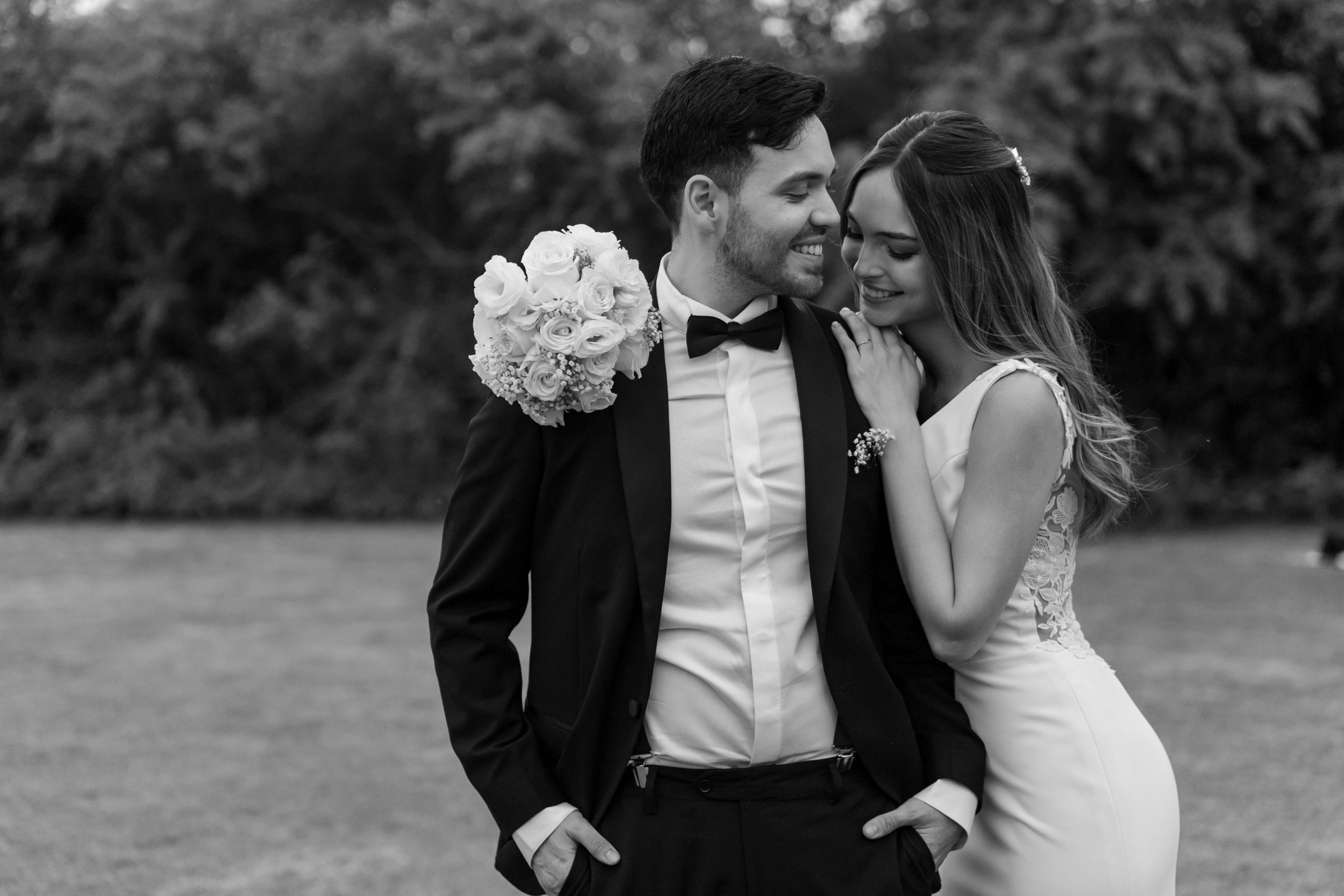
There’s a version of wedding planning that exists online where every decision feels effortless. The moodboards match, the budgets magically stretch and nobody’s aunt suddenly remembers three cousins who “must” be invited.
Reality? It’s usually a little messier.
For most couples, wedding planning isn’t where relationships fall apart – it’s where communication patterns become impossible to ignore. The pressure of money, expectations, timelines and trying to create a meaningful day can turn even small decisions into emotional negotiations.
And according to wedding professionals, that’s completely normal.
We spoke to a wedding planner about the biggest points of tension couples experience during planning – and more importantly, what actually helps.
The guest list battle: when numbers become emotional
If there’s one disagreement almost every planner sees coming, it’s this one. Guest lists sound practical until they stop being practical.
Suddenly, every name carries emotion, obligation, family politics and budget implications.
“Guest lists and budgets are by far the biggest areas of tension,” our wedding planner explains.
“A lot of couples start with a vision that doesn’t quite match their budget, or a guest list that continues to grow every time someone mentions another family member or colleague.”
Wedding experts consistently point to guest count as one of the biggest drivers of overall wedding cost because it affects almost every category – venue, catering, décor, rentals and logistics.
What tends to work:
- Create a non-negotiables list together before involving family
- Decide on a guest cap early
- Categorise guests into priority tiers
- Agree upfront on plus-one rules and family allocations
The question worth returning to: If we remove everyone else’s expectations – what matters most to us?
Because once couples agree on priorities, decisions become significantly easier.
Budget disagreements: the wedding you imagined vs the wedding you’re funding
Budget conversations rarely start with numbers; they usually start with vision. One person imagines an elevated destination-style celebration. The other wants financial breathing room after the honeymoon.
That disconnect can quietly create resentment. Recent wedding research shows couples are becoming more intentional with spending, moving away from “bigger is better” and prioritising experience, meaning and financial sustainability instead.
The planner’s advice?
- Come back to shared values.
- If photography matters more than florals – spend there.
- If food matters more than entertainment – shift accordingly.
A wedding budget isn’t just a spreadsheet. It’s a reflection of priorities.
Family expectations: the pressure nobody warns you about
Families can bring love, support – and opinions. Especially when financial contributions enter the conversation.
Parents may have different ideas about traditions, guest numbers or what a wedding should look like. And while compromise has its place, trying to make everyone happy usually leaves couples feeling disconnected from their own celebration.
“Our wedding planner says the couples who navigate this best are the ones who continually come back to one question: ‘What matters most to us?’”
Boundaries become easier when expectations are discussed early, that doesn’t mean excluding people.
It means creating clarity, because a wedding should feel like an extension of the couple – not a committee decision.
The vendor trust issue: why too much research can become the problem
There’s a point in wedding planning where information stops being helpful. Today’s couples have endless access to reviews, TikTok opinions and Pinterest inspiration – but that can create decision fatigue.
“If I had to give couples one golden rule,” our planner says, “it would be this: trust the professionals you’ve chosen.”
Too often, couples spend months researching only to second-guess every decision after booking.
The result?
- Stress.
- Micromanagement.
- And less enjoyment of the engagement period.
Choose suppliers whose work genuinely aligns with your vision. Communicate clearly and allow the experts to do what they do best.
How to spot vendor red flags before booking
One of the biggest planning mistakes?
Booking purely based on aesthetics.
Beautiful Instagram feeds don’t automatically mean strong communication, organisation or wedding-day execution.
Our planner recommends couples ask:
- How long have you worked in weddings?
- Can I see recent reviews?
- What does your communication process look like?
- What happens if timelines shift?
- What’s included – and what isn’t?
Red flags to watch:
- Slow responses
- Vague contracts
- Avoiding practical questions
- Overpromising without realistic delivery timelines
Clear expectations now prevent difficult conversations later.
The couples who enjoy wedding planning most usually aren’t the couples who control everything
They’re the ones who stay connected to each other and remain focused on the point. Who make decisions based on their future together – not social media, not pressure and not perfection.
Wedding planning will probably bring disagreements; that isn’t the warning sign.
Learning how to move through them together might be one of the most valuable parts of the process.
ALSO SEE: Hidden wedding costs couples forget to budget for
Featured image: Lilen Diaz / Pexels

Comments are closed.