• Tag

    SA wedding planning

    Browsing

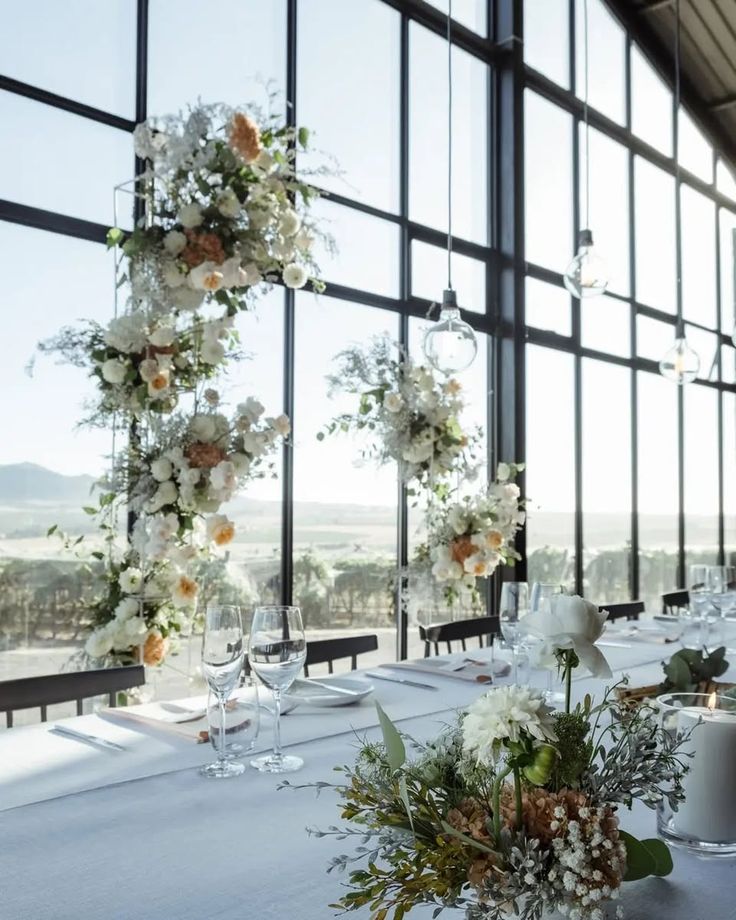
    Durban knows how to throw a wedding – but if there’s one thing local couples know too well, it’s that weather can change plans faster than a seating chart can. Which is exactly why indoor wedding venues are having a moment.

    From grand ballrooms and elegant blank-canvas spaces to hidden gems that work beautifully for intimate celebrations, indoor venues offer the kind of predictability that still feels magical. Think air-conditioning, backup power, flexible styling and spaces that photograph beautifully regardless of what’s happening outside.

    If you’re venue hunting in Durban and dreaming of a celebration that feels polished, practical and unforgettable, here are some indoor wedding venues worth adding to your shortlist.

    1.  Sky Venue – For city glamour and ocean views

    Perched within Durban’s beachfront hotel strip, this venue is ideal for couples wanting a polished, hotel-style wedding without leaving the city.

    Location: Southern Sun Elangeni & Maharani, Snell Parade, Durban
    Estimated pricing: From approximately R45 000–R90 000+ depending on guest count, catering and package selection
    Best for: Elegant receptions, destination weddings, formal evening celebrations
    Contact: +27 31 362 1300 / [email protected]
    Website:  Southern Sun Elangeni & Maharani

    Why we love it: The indoor setting means uninterrupted celebrations, while the beachfront location delivers that iconic Durban feeling without relying on outdoor weather.

    2. The Stamford – For couples who want a blank canvas

    One of Durban’s more versatile event spaces, this venue works especially well for couples who already have a strong décor vision.

    Location: Greyville, Durban
    Estimated pricing: Around R20 000–R45 000 venue hire (varies by guest count and inclusions)
    Best for: Modern weddings, cultural celebrations, custom décor concepts
    Contact: +27 67 577 9326 / [email protected]
    Website: The Stamford

    Why we love it: Spacious interiors, full air-conditioning and flexibility make this one a strong option for couples wanting to build the wedding around their own aesthetic.

    3. 20 On Barham – For intimate luxury

    If your Pinterest board is filled with understated elegance and garden-party energy (without depending entirely on the outdoors), this Westville favourite deserves attention.

    Location: Westville, Durban
    Estimated pricing: Approximately R35 000–R75 000+ depending on package and guest count
    Best for: Boutique weddings, refined receptions, intimate celebrations
    Contact: +27 31 465 1716 / [email protected]
    Website: 20 On Barham 

    Why we love it: It feels intimate without feeling small – something increasingly popular with modern Durban couples.

    4. The Bond Shed – For industrial-chic weddings

    Warehouse-inspired spaces continue trending and this one delivers a more contemporary wedding atmosphere.

    Location: Point Waterfront, Durban
    Estimated pricing: Around R30 000–R70 000+ depending on setup requirements
    Best for: Editorial-style weddings, contemporary receptions, statement décor
    Contact: +27 63 887 9865 / [email protected]
    Website: The Bond Shed

    Why we love it: High ceilings and a clean architectural backdrop make décor transformations feel dramatic.


    View this post on Instagram


    A post shared by The Bond Shed (@thebondshed_events)

    5. Nour Venues – For modern celebrations with elevated styling

    This venue has been quietly building a reputation among couples wanting a polished indoor setup.

    Location: Durban North
    Estimated pricing: Approximately R25 000–R60 000+ depending on package
    Best for: Nikah celebrations, receptions, contemporary weddings
    Contact: +27 72 677 7770 / [email protected]
    Website: Nour Venues

    Why we love it: It already carries a styled-event feel, which can reduce décor pressure elsewhere in the budget.


    View this post on Instagram


    A post shared by Nour Venues (@nourvenues)

    6. The Venue Shongweni – Shongweni Valley – For couples wanting countryside romance indoors

    Technically outside central Durban but firmly worth the drive.

    Location: 1 Bushbuck Rd Outer West Durban 3701
    Estimated pricing: Approximately R45 000–R85 000+ depending on season and package
    Best for: Couples wanting indoor comfort with scenic surroundings
    Contact: +27 64 908 9556 / [email protected]
    Website: The Venue Shongweni

    Why we love it: It gives destination wedding energy without asking guests to travel too far.

    What Durban couples should ask before booking

    Before paying a deposit, ask:

    • Is backup power included?
    • Is there air-conditioning?
    • Are tables, chairs and staffing included?
    • Is catering in-house or external?
    • What happens in case of weather disruptions?
    • Is setup and breakdown included in venue hire?

    Note: Durban wedding venue pricing changes quickly depending on season, guest count and package inclusions – so treat these as realistic starting estimates and always request a formal quotation before committing.

    Choosing a Space that Holds the Day

    Indoor wedding venues in Durban aren’t just a practical backup plan – they’re what give you control in a city where weather, timelines and logistics don’t always play along. But beyond that, they shape the atmosphere of your entire day.

    The right space won’t just “host” your wedding. It will hold it – the noise, the nerves, the laughter, the soft in-between moments you don’t plan for but remember most.

    So instead of asking which venue is the most impressive, ask which one still feels like you when the room is full, the music is playing, and everything else fades out for a second.

    That’s the one worth booking.

    ALSO SEE: City Chic: The Most Beautiful Urban Wedding Venues Across South Africa 

    City Chic: The Most Beautiful Urban Wedding Venues Across South Africa

    Featured image: Pinterest
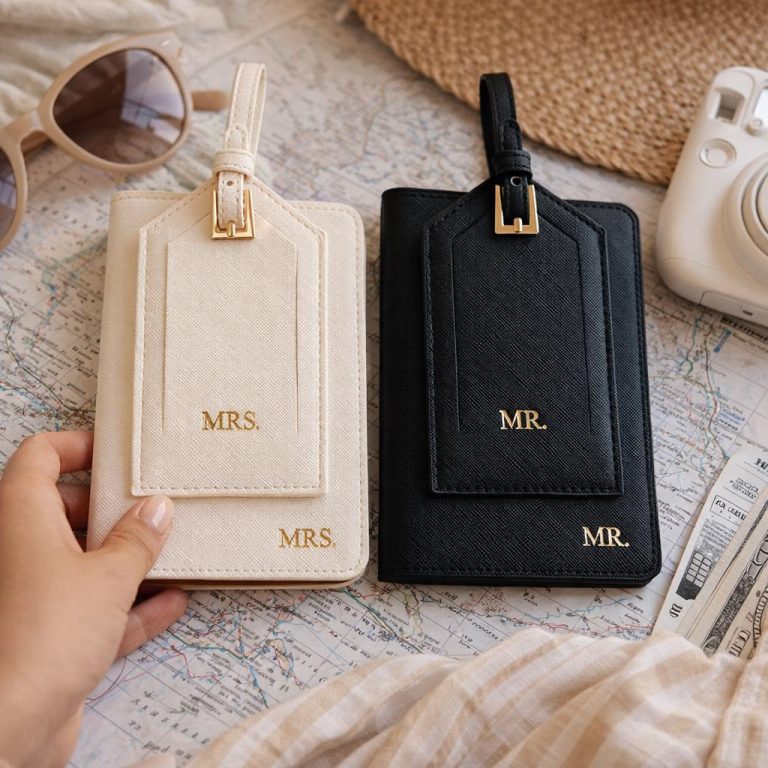
    There’s something deeply romantic about a honeymoon that doesn’t begin with embassy appointments, document checklists and “awaiting approval” emails.

    After months (or years) of planning a wedding, many couples are craving ease. Enter: visa-free travel.

    For South African passport holders, there are still plenty of dreamy destinations where love can take centre stage – without applying for a visa beforehand. While entry rules can change and travellers should always double-check requirements before departure, these destinations remain among the most attractive and accessible honeymoon options right now.

    From Indian Ocean luxury to island escapes and safari romance, here’s where to honeymoon without the paperwork stress.

    1. Mauritius – The classic honeymoon that never goes out of style

    If there’s one destination that understands honeymoon energy, it’s Mauritius.

    Think turquoise lagoons, adults-only resorts, sunset catamaran cruises and slow mornings that somehow turn into beachside dinners.

    It’s close enough to South Africa to avoid brutal travel days, but far enough to feel like a proper escape.

    Why couples love it:

    • Beachfront luxury without long-haul exhaustion
    • Spa experiences and private dining
    • Incredible mix of relaxation and adventure
    • Easy direct flights from South Africa

    Visa: Visa-free for South Africans (up to 90 days)

    Estimated honeymoon cost (7 nights for two):

    • Flights: R12,000–R20,000
    • Mid-range stay: R18,000–R35,000
    • Luxury resort: R45,000–R90,000+
    • Estimated total: R35,000–R110,000+

    Worth booking if: You want effortless luxury and maximum honeymoon feeling.

    2. Seychelles – For couples who want barefoot luxury

    If your Pinterest board is full of white sand, granite boulders and impossibly blue water, Seychelles deserves attention.

    It feels exclusive without needing a visa process – which honestly makes it even more attractive.

    Spend your days island-hopping, snorkelling or simply disappearing into a beachfront villa.

    Why couples love it:

    • Quiet, intimate atmosphere
    • World-famous beaches
    • Incredible honeymoon photography moments
    • High-end resorts with privacy

    Visa: Visa-free for South Africans (visitor permit issued on arrival subject to entry requirements)

    Estimated honeymoon cost (7 nights for two):

    • Flights: R15,000–R25,000
    • Accommodation: R25,000–R70,000
    • Activities & dining: R10,000–R20,000
    • Estimated total: R50,000–R115,000+

    Worth booking if: You want luxury that feels cinematic.

    3. Thailand – For the couple that wants more than one honeymoon in one trip

    Thailand keeps showing up on honeymoon lists for good reason.

    You can split your trip between islands, city energy and wellness escapes – and somehow still stay within budget.

    Do Phuket for beaches, Krabi for romance or Koh Samui if you want honeymoon-resort energy.

    Why couples love it:

    • Excellent value for money
    • Incredible food scene
    • Luxury experiences at lower prices
    • Beaches + culture in one trip

    Visa: Visa-free for South Africans

    Estimated honeymoon cost (10 nights for two):

    • Flights: R18,000–R30,000
    • Hotels: R15,000–R40,000
    • Food + experiences: R8,000–R18,000
    • Estimated total: R40,000–R85,000

    Worth booking if: You want the honeymoon to feel packed with memories.

    4. Mozambique – For the couple who wants paradise closer to home

    Underrated? Absolutely.

    Mozambique delivers crystal water, island escapes and beach lodges without requiring intercontinental flights.

    Bazaruto and Vilanculos remain favourites for couples wanting something luxurious but less expected.

    Why couples love it:

    • Shorter travel time
    • Romantic beachfront stays
    • Great for honeymoon budgets
    • Ocean experiences and dhow cruises

    Visa: Visa-free for South Africans (up to 30 days)

    Estimated honeymoon cost (5–7 nights for two):

    • Flights/transport: R6,000–R12,000
    • Accommodation: R12,000–R35,000
    • Activities: R5,000–R10,000
    • Estimated total: R25,000–R55,000

    Worth booking if: You want island energy without long-haul costs.

    5. Botswana – For the safari honeymoon couple

    Not every honeymoon needs an infinity pool.

    Botswana is for couples who want candlelit dinners under stars, private game drives and moments that feel wildly romantic.

    Luxury safari honeymoons are becoming increasingly popular among South African newlyweds.

    Why couples love it:

    • Luxury lodges
    • Bucket-list safari experiences
    • Incredible privacy
    • Something completely different

    Visa: Visa-free for South Africans (up to 90 days)

    Estimated honeymoon cost (5 nights for two):

    • Flights/transfers: R8,000–R18,000
    • Lodge stay: R25,000–R80,000
    • Estimated total: R40,000–R110,000+

    Worth booking if: Your dream honeymoon includes sunsets and safari silhouettes.

    Before you book: Visa-free doesn’t mean document-free

    Visa-free travel still comes with requirements. Most destinations still ask for:

    • A passport valid for at least six months
    • Return or onward tickets
    • Accommodation confirmation
    • Proof of sufficient funds
    • Travel insurance (sometimes mandatory)

    Because the only thing that should surprise you on honeymoon… is the room upgrade.

    Your passport might already be enough.

    Your honeymoon should feel effortless

    The truth is that your honeymoon doesn’t have to begin with paperwork and embassy appointments. Some of the most beautiful escapes available to South African couples are already within reach – whether that looks like barefoot luxury in Mauritius, island-hopping in Thailand, or sunsets on safari in Botswana.

    Because after months of planning seating charts, budgets and timelines, your honeymoon should feel simple.

    Less admin. More romance.

    And maybe the hardest decision you make after saying “I do” – is choosing where to go first.

    ALSO SEE: How to pick your honeymoon destination

    How to pick your honeymoon destination

    Featured image: Pinterest

    Some wedding regrets are expensive. Others only show up months later when you’re scrolling through your gallery thinking: Wait… did we never take a photo of that?

    Because while everyone remembers the first kiss, confetti toss and dramatic sunset portraits, the photos couples often treasure most are usually the quieter, less obvious moments.

    Wedding photographers consistently say the same thing: couples rarely regret taking too many photos – they regret forgetting the meaningful ones.

    Before you finalise your shot list, save this.

    1. The moment before everything begins

    There’s something cinematic about the anticipation before the ceremony – but more importantly, it captures emotions you won’t recreate later.

    Think:

    • The dress hanging up
    • Your suit being buttoned
    • Final makeup touches
    • Deep breaths
    • Last hugs before walking out

    Those in-between moments often become emotional favourites because they capture who you were before becoming newlyweds.

    2. A photo with every immediate family member (yes, individually)

    This sounds obvious until timelines run tight.

    One of the biggest wedding photo regrets couples report is realising afterward they never got a proper photo with a parent, sibling, grandparent or child.

    Create a short family list beforehand and assign someone to gather people quickly.

    Future you will be grateful.

    3. Your guests arriving and interacting before the ceremony

    You planned the flowers, stationery and seating for months – but the energy before the ceremony often disappears undocumented.

    Capture:

    • Guests greeting each other
    • People reading signage
    • Kids running around
    • Quiet anticipation

    These photos tell the story of the day, not just the highlights.

    4. A full-room photo before guests enter

    Reception styling gets a few minutes of perfection before people sit down.

    Don’t forget:

    • Tablescapes
    • Place settings
    • Candles lit
    • Floral installations
    • Wide-angle room shots

    This is especially important if décor was a major investment.

    5. The reaction photos during your vows

    Most couples focus on getting the kiss.

    The real magic?
    Everyone watching.

    Ask your photographer to capture:

    • Parents’ reactions
    • Friends crying
    • Guests laughing
    • Your partner’s face while you speak

    These often become the most emotional images in the gallery.

    6. A proper photo of your hands and rings

    Tiny detail. Huge regret.

    Hands appear in more wedding photos than couples realise – and your rings deserve more than one close-up.

    Get:

    • Ring shots before the ceremony
    • Natural hand moments
    • Close-ups during vows

    7. The “we actually got married” just-married moment

    Not posed portraits.

    That first minute after the ceremony.

    The walking.
    The laughing.
    The “did that really just happen?” expression.

    Some photographers call this the emotional exhale – and it often produces the most natural images of the day.

    8. Your outfit from the back

    You’ll probably have dozens of front-facing portraits.

    But details people often forget:

    • Veil length
    • Dress train
    • Suit tailoring
    • Buttons
    • Embellishments

    Especially if you spent months choosing the outfit.

    9. A private couple portrait away from everyone

    Take 10–15 minutes.

    No bridal party.
    No phones.
    No audience.

    Those quieter portraits often feel the most intimate because they capture the only part of the day that truly belongs to the two of you.

    10. Photos with the people who helped make the day happen

    Not vendors – your people.

    The friend who fixed your veil.
    The sibling who held everything together.
    The aunt who coordinated family.
    The parent who quietly carried the stress.

    These photos age beautifully.

    11. Movement shots

    Perfection is overrated.

    Ask for:

    • Walking
    • Twirling
    • Laughing
    • Dancing
    • Running through confetti

    Movement creates photographs that feel lived in instead of staged.

    12. The final photo of the night

    Everyone remembers the entrance. Almost nobody remembers the ending.

    Whether it’s a sparkler exit, empty dance floor, takeaway coffee or one last quiet hug – take one final image.

    Because endings deserve documenting too.

    The takeaway:

    Your wedding gallery shouldn’t just show what your wedding looked like.

    It should remind you what it felt like.

    And the photos couples regret forgetting are almost never the dramatic ones – they’re usually the moments that seemed too ordinary to capture at the time.

    ALSO SEE: 12 South African wedding photographers every couple should know 

    12 South African wedding photographers every couple should know

    Featured image: Isaac Naph / Pexels

    For decades, diamonds came with one assumed origin story: deep beneath the earth, formed over billions of years, mined, cut and eventually slipped onto someone’s finger.

    Now? That story has changed.

    Lab-grown diamonds have moved from niche alternative to mainstream choice – especially among engaged couples who are thinking differently about value, ethics and what forever actually looks like. Recent industry reports suggest lab-grown stones now make up a significant and growing share of engagement ring purchases globally, driven largely by younger buyers prioritising value and customisation.

    But despite all the conversation online, one question remains surprisingly difficult to answer:

    If they look the same, what are you really paying for?

    To cut through the marketing noise, we spoke to Yazeed, an experienced jeweller currently consulting for Harris Jewellers in Canal Walk and Platandia in the V&A Waterfront, to get an insider’s view on how the industry – and couples – are changing.

    First things first: are lab-grown diamonds actually real?

    Short answer: yes. This is probably the biggest misconception that still exists.

    Lab-grown diamonds are not cubic zirconia or imitation stones. They are chemically, physically and optically diamonds – made from crystallised carbon under controlled conditions rather than formed underground over billions of years. They’re graded using the same quality principles buyers already know: cut, colour, clarity and carat.

    According to Yazeed: “Previous years consumers were of the opinion that lab diamonds are fake due to natural diamond producers spreading false information. With the growth of social media, people became informed as to what constitutes a diamond.”

    That shift in awareness has changed buying behaviour dramatically.

    Why more couples are choosing lab-grown

    When asked how consumer attitudes have evolved over the last 12–18 months, Yazeed didn’t hesitate.

    “The younger generation have been more readily accepting of lab-grown diamonds.”

    His reasoning reflects what’s happening globally: rising living costs, changing priorities and a stronger focus on getting more for your money. Industry data shows that lab-grown diamonds continue to cost substantially less than equivalent natural stones, allowing couples to prioritise size, quality or custom design without dramatically increasing spend.

    And that’s where things get interesting. Because while price is often the headline – it isn’t always the deciding factor.

    Beyond price: what buyers should actually care about

    According to Yazeed, certification matters more than origin. “As long as the lab diamond is independently certified by a world-renowned lab such as GIA or IGI then, just like natural diamonds, consumers should focus on colour, clarity and cut.”

    That advice reflects a growing shift in how jewellers guide clients.

    The conversation isn’t necessarily lab versus natural anymore.

    It’s becoming:

    Which stone gives you the experience, symbolism and practical outcome you want?

    Natural diamonds still carry emotional appeal for buyers who value rarity, geological history and stronger long-term value retention.

    Lab-grown appeals to couples who care more about design freedom, visible quality and stretching a budget further.

    The sustainability conversation isn’t as simple as social media makes it seem

    Few topics create stronger opinions than sustainability. Lab-grown diamonds are often positioned as the more environmentally conscious option because they avoid mining and concerns around land disruption and labour practices.

    Yazeed explains: “It basically comes down to what you as the consumer consider to be better for the environment long term.”

    He points to concerns around mining impact, resource extraction and industry concentration versus lab-grown production models that offer greater scalability and accessibility. That said, sustainability isn’t entirely black and white.

    Lab-grown production still requires energy-intensive processes, while many natural diamond producers have increased transparency and environmental commitments in recent years.

    Translation? Marketing shouldn’t make the decision for you. Your values should.

    So, what would a jeweller recommend?

    If a couple walked in with the same budget and no strong preference?

    Yazeed’s answer was refreshingly honest.

    “At the end of the day it does come down to budget… but bearing in mind the consumer can get a far bigger and better specification lab diamond in terms of colour, clarity and cut compared to natural, the choice still rests with what they feel comfortable buying.”

    And that might be the most useful takeaway of all. Because choosing an engagement ring isn’t a test.

    You don’t get extra points for tradition. You don’t get bonus points for practicality. You’re choosing something deeply personal.

    Some couples want the story of something formed naturally over billions of years.

    Others want the freedom to go bigger, bolder or redirect the savings into a honeymoon, a home deposit or simply life together. Neither choice is wrong.

    The right diamond isn’t the one the internet tells you to buy, It’s the one that feels like your version of forever.

    Expert insight provided by Yazeed, experienced jeweller currently consulting for Harris Jewellers (Canal Walk) and Platandia

    ALSO SEE: Engagement ring care tips to keep your sparkler looking new 

    Engagement ring care tips to keep your sparkler looking new

    Featured image: The Glorious Studio / Pexels

    For years, wedding colour palettes played it safe – endless beige, muted blush and “timeless neutrals” that started blending into one another.

    But this season? Couples are bringing colour back.

    Not in a loud, chaotic way – but in a richer, more intentional way. Wedding palettes are becoming warmer, moodier and more personal, with couples choosing colours that create atmosphere rather than simply match décor.

    If you’re planning your big day (or building a Pinterest board that changes weekly), these are the wedding colours set to dominate the season.

    1. Sage green & soft stone: the new neutral

    If there’s one colour refusing to leave the wedding group chat, it’s sage green.

    But this season’s version feels more elevated than the sage-overload of previous years. Instead of pairing it with crisp white and stopping there, couples are layering tonal greens with warm stone, ivory, oatmeal and textured natural finishes.

    Think:

    • Organic floral installations
    • Linen-heavy tablescapes
    • Garden-inspired ceremonies
    • Bridesmaid dresses in mixed green tones
    • Soft candlelight over high-contrast décor

    The result? Romantic without trying too hard.

    WeddingETC tip: Add antique gold accents and layered florals to keep sage from feeling overdone.

    1. Butter yellow: the unexpected bridal favourite

    Soft yellow is quietly becoming the cool-girl wedding colour of the season.

    Butter yellow sits somewhere between classic cream and playful pastel — warm, optimistic and surprisingly elegant. Brides are using it for florals, bridesmaid dresses, stationery and sunset receptions.

    It works especially beautifully for:

    • Summer weddings
    • Coastal celebrations
    • Garden venues
    • Modern editorial aesthetics

    Pair it with ivory, champagne, soft olive or muted blue for a polished finish.

    WeddingETC tip: If full yellow feels intimidating, introduce it through florals, menus or reception details instead.

    1. Cherry red & deep burgundy: romance gets dramatic

    After years of whisper-soft palettes, bold reds are making a serious comeback.

    Not bright Valentine’s Day red – think cherry, merlot, oxblood and rich burgundy.

    This palette creates depth instantly and photographs beautifully, especially in candlelit spaces.

    Where we’re seeing it:

    • Bridal bouquets
    • Statement floral runners
    • Velvet details
    • Fashion-forward bridesmaid looks
    • Luxe black-and-red receptions

    WeddingETC tip: Balance rich reds with cream, espresso or soft pink instead of stark white.

    1. Mocha mousse & warm earth tones

    Warm browns are officially having their wedding moment.

    Influenced by the rise of earthy luxury and fashion’s obsession with edible-inspired tones, mocha, caramel, terracotta and mushroom neutrals are becoming the sophisticated alternative to grey and cool taupe.

    This palette feels:

    • Expensive without being flashy
    • Modern but timeless
    • Minimal while still feeling warm

    Perfect for:

    • Destination weddings
    • Autumn celebrations
    • Editorial city weddings
    • Couples who want neutral without looking plain

    WeddingETC tip: Mix matte textures with glass and metallic finishes to stop earth tones from falling flat.

    1. Jewel tones: colour with confidence

    Minimalism isn’t disappearing – but maximalist colour is definitely pushing back.

    Emerald, deep plum, sapphire and forest green are showing up in layered, luxurious wedding design.

    Instead of using one statement shade, couples are building full colour stories with contrast and texture.

    Expect to see:

    • Saturated florals
    • Coloured glassware
    • Tonal bridesmaid styling
    • Dramatic evening receptions

    WeddingETC tip: Keep the venue neutral and let colour do the heavy lifting.

    The takeaway?

    This season’s wedding colours aren’t about following one aesthetic.

    They’re softer where needed, bolder where it counts and rooted in personality over perfection.

    Translation: if your dream palette isn’t trending yet – use it anyway.

    ALSO SEE: Wedding Fashion: Mini Dresses, Gender‑Neutral Looks & Bold Colour 

    Wedding Fashion: Mini Dresses, Gender‑Neutral Looks & Bold Colour

    Featured image: Eugenia Remark / Pexels

    One of the first questions many brides ask after setting a wedding date is surprisingly simple: When should I start shopping for my wedding dress?

    The answer? Probably sooner than you think.

    While it may be tempting to leave dress shopping until closer to the big day, modern bridal fashion operates on timelines that can stretch for months. Between finding the one, ordering, shipping, fittings and alterations, a wedding gown often takes far longer to arrive than brides expect. Industry experts generally recommend beginning the process between 9 and 12 months before the wedding, with some designer and custom gowns requiring even longer lead times.

    The good news? Knowing the timeline upfront can help you avoid unnecessary stress and make the dress-shopping experience far more enjoyable.

    The Ideal timeline: 12 months before the wedding

    If your wedding is a year away, you’re in the sweet spot.

    Starting your search around the 12-month mark gives you plenty of time to explore different silhouettes, visit bridal boutiques, compare designers and make decisions without feeling rushed. It also allows for production delays, shipping times and alterations that may arise later in the process. Experts increasingly recommend shopping between 12 and 18 months before the wedding, especially if you’re considering a designer gown, customisations or a made-to-order dress.

    At this stage, focus on inspiration, budgeting and understanding what styles make you feel most confident.

    9–10 months before: Time to say yes to the dress

    Once you’ve found your gown, aim to place your order around 8 to 10 months before the wedding. Most made-to-order dresses require several months for production and delivery, with many designers quoting lead times of four to six months or longer.

    Ordering within this window ensures you’ll have access to a wider range of styles, sizes and customisation options while avoiding costly rush fees.

    2–3 months before: Alterations begin

    Even the most perfectly chosen dress usually needs some tailoring.

    Most bridal alteration specialists recommend beginning fittings approximately eight to ten weeks before the wedding. This allows enough time for adjustments to hems, bodices, sleeves, trains and bustles, as well as multiple fitting appointments if necessary.

    Remember to bring your wedding shoes and undergarments to every fitting to ensure the final result is flawless.

    What if your wedding is less than six months away?

    Don’t panic.

    While a shorter timeline may limit your options, many brides successfully find beautiful gowns with just a few months to spare. Off-the-rack dresses, sample sales, ready-to-wear collections and certain local designers can often accommodate tighter deadlines. Some retailers also offer expedited production services, although additional fees may apply.

    The key is to be upfront about your wedding date from your very first appointment so consultants can guide you toward realistic options.

    Trends are changing how brides shop

    Today’s brides are approaching dress shopping differently than previous generations. Personalisation, versatility and sustainability are shaping bridal fashion in 2026, with many brides opting for convertible gowns, detachable elements, vintage-inspired pieces and even pre-loved dresses. Others are choosing multiple outfits for different parts of the celebration, from the ceremony to the after-party.

    These choices can affect your timeline too, making early planning even more valuable.

    Your wedding dress timeline at a glance

    12–18 months before: Start researching styles and booking bridal appointments.
    9–12 months before: Choose and order your dress.
    8–10 weeks before: Begin alterations and fittings.
    1–2 weeks before: Final fitting and collection.
    Wedding Day: Step into your dream dress with confidence.

    The final stitch

    Finding your wedding dress should feel exciting, not stressful. By starting early, you give yourself the freedom to explore, dream and make decisions without pressure. Whether you’re falling for a couture masterpiece, a modern minimalist gown or a vintage-inspired treasure, the best dress is the one that makes you feel unmistakably like yourself.

    And when it comes to timing? The earlier you start, the more options you’ll have waiting at the end of the aisle.

    ALSO SEE: Practical tips to find your perfect wedding gown 

    Practical tips to find your perfect wedding gown

    Featured image: Los Muertos Crew / Pexels

    The confetti has settled, the honeymoon photos have been posted, and your wedding dress is finally back from the cleaners. But before you fully slip into married life, there’s one final task on your newlywed to-do list: the paperwork.

    While it may not be nearly as exciting as planning your big day, taking care of important administrative updates can save you a significant amount of time and frustration later. From obtaining the correct marriage certificate to updating your banking details and beneficiaries, here’s everything South African newlyweds should tick off after saying “I do.”

    Start with your marriage certificate

    Once your marriage has been registered, you’ll receive a handwritten marriage certificate from your marriage officer. This serves as immediate proof of marriage, but many couples later require an official certificate from the Department of Home Affairs for legal and administrative purposes.

    An official marriage certificate may be required when:

    • Applying for visas
    • Updating bank records
    • Registering on medical aid
    • Purchasing property jointly
    • Changing a surname
    • Handling estate or insurance matters

    If you anticipate international travel, immigration applications or legal processes abroad, it is worth requesting the appropriate certificate from Home Affairs as soon as possible.

    Decide what you’re doing about your surname

    One of the first questions many newlyweds face is whether to change their surname, keep their existing surname or adopt a double-barrelled surname.

    South African law allows spouses to choose how they wish their surname to be recorded following marriage. The choice is entirely personal and there is no legal requirement to change your surname after getting married.

    If you do decide to update your surname, you’ll need to ensure that the change is reflected across all your official documents and accounts. This often becomes the most time-consuming part of the post-wedding admin process.

    Apply for a new ID if necessary

    If your surname has changed, you’ll need to apply for a new South African ID document or Smart ID card reflecting your updated details. Your marriage certificate will usually be required as supporting documentation.

    This is an important step because many other institutions will require your updated ID before processing changes to their own records.

    Check your passport before booking international travel

    Planning a honeymoon abroad? Make sure the name on your passport matches your travel bookings.

    If you’ve changed your surname, consider whether you need to update your passport immediately or wait until after upcoming travel plans. Mismatched names across documents can create unnecessary complications when travelling internationally.

    Update your bank accounts

    One of the most commonly forgotten tasks is updating your banking information.

    Contact your bank to update:

    • Personal details
    • Surname changes
    • Joint account information (if applicable)
    • Debit orders linked to your account

    You’ll typically need your updated ID and marriage certificate when making these changes.

    Review your medical aid and insurance policies

    Marriage is a good opportunity to reassess your healthcare and insurance coverage.

    Remember to update:

    • Medical aid membership
    • Life insurance beneficiaries
    • Gap cover policies
    • Short-term insurance policies
    • Income protection cover

    Failing to update beneficiary details can create unnecessary complications in the future.

    Revisit your will

    This is perhaps the least romantic item on the list – but arguably one of the most important.

    Major life events, including marriage, should prompt a review of your will and estate planning documents. If you already have a will, ensure it reflects your current wishes and circumstances. If you don’t have one yet, now is the ideal time to create one.

    Update your employer records

    Notify your employer’s HR department of any changes to your marital status or surname.

    This may affect:

    • Payroll records
    • Pension and provident funds
    • Group life cover
    • Emergency contact details
    • Employee benefits

    A quick update now can prevent future administrative headaches.

    Don’t forget your digital paperwork

    In today’s world, some of your most important records live online.

    Take a few minutes to update:

    • SARS details
    • Investment accounts
    • Loyalty programmes
    • Subscription services
    • Utility accounts
    • Mobile phone contracts

    While these updates may seem minor, keeping your information consistent across platforms can save a surprising amount of frustration later.

    Create a newlywed admin folder

    One of the smartest things you can do after getting married is create a dedicated digital folder containing:

    • Marriage certificate copies
    • Certified documents
    • Updated identification
    • Insurance paperwork
    • Medical aid records
    • Beneficiary forms

    Trust us – future you will be grateful.

    The best weddings are built on thoughtful planning, and the same can be said for married life. Once the last champagne glass has been cleared and the thank-you notes have been sent, taking care of these essential updates will help ensure a smooth transition into your next chapter as a married couple.

    After all, a strong marriage isn’t only about celebrating milestones – it’s also about laying the foundations for the future you’ll build together.

    ALSO SEE: Already married? Have a wifelorette! 

    Already married? Have a wifelorette!

    Featured image: Hugo Martínez / Pexels

    When it comes to creating unforgettable wedding atmospheres, few understand the transformative power of flowers quite like The Duke and Duchess Florist.

    Founded in 1997 by Gerrit van Niekerk Reis, the Cape Town-based floral studio has spent nearly three decades turning wedding visions into breathtaking realities. From intimate ceremonies to lavish celebrations, Gerrit and his team have become known for creating floral experiences that are elegant, timeless and deeply personal.

    A journey rooted in creativity

    Interestingly, Gerrit’s path into floristry wasn’t a traditional one. Growing up in Pretoria, he began his career as an Identikit artist for the South African Police before joining the SABC as a Drama Specialist in 1987. But by the mid-90s, a new adventure was calling.

    “Flower arranging had long been a personal passion, a hobby that offered both artistic freedom and fulfilment,” he explains.

    That passion eventually blossomed into The Duke and Duchess Florist, which officially opened its doors in September 1997. Early contracts with prominent Cape Town hotels helped establish the business, but weddings quickly became one of its greatest loves.

    Why weddings?

    For Gerrit, weddings have always held a special kind of magic.

    “I have been fascinated by brides and weddings from a very young age. There is just something extraordinary about being given a blank canvas and the opportunity to create something truly magical.”

    It’s this ability to transform spaces, evoke emotion and tell a couple’s unique story through flowers that continues to inspire him almost 30 years later.

    A signature style that’s timelessly romantic

    Ask Gerrit to describe his signature aesthetic and the answer is beautifully simple: elegant, romantic and timeless.

    “My signature floral style is elegant, romantic and timeless, with a strong emphasis on creating atmosphere and emotion.”

    Rather than simply decorating a venue, he believes flowers should enhance the entire wedding experience – creating a feeling that guests remember long after the last dance.

    The wedding flower trends couples can’t get enough of

    According to Gerrit, today’s couples are moving away from rigid, structured arrangements and embracing florals that feel abundant, immersive and deeply personal.

    Some of the biggest trends include:

    • Garden-inspired floral designs overflowing with movement and texture
    • Romantic floral meadows replacing traditional aisle décor
    • Hanging floral installations and statement floral clouds
    • Soft, nature-inspired colour palettes
    • Mono-floral statements using a single bloom in abundance
    • Candlelit tablescapes paired with lush floral runners
    • Sustainable floristry and locally sourced flowers
    • Personalised floral storytelling

    “Perhaps the strongest trend is personalisation. Couples are selecting flowers with sentimental meaning, incorporating blooms from family gardens, or choosing designs inspired by places, memories and cultural traditions.”

    The colours dominating wedding florals right now

    While white and green remain enduring favourites, couples are increasingly embracing warmer, more nuanced palettes.

    Think:

    • Ivory and champagne
    • Blush and dusty rose
    • Peach and soft apricot
    • Terracotta and mocha
    • Burgundy and plum
    • Butter yellow and chocolate brown

    One trend Gerrit is particularly excited about is layered monochromatic colour palettes, where varying shades of the same colour create depth, texture and sophistication.

    Cape Town’s floral treasures

    Working in the Western Cape provides access to some truly remarkable blooms.

    Among Gerrit’s favourites are:

    • Indigenous fynbos
    • King Proteas
    • Blushing Brides
    • Seasonal spring bulbs
    • Locally grown garden roses

    “I love incorporating local and seasonal blooms whenever possible, as they bring a unique sense of place to a wedding and often offer exceptional freshness and value.”

    These flowers not only look stunning but also help create weddings that feel authentically South African.

    The biggest mistake couples make

    If there’s one piece of advice Gerrit wishes every couple understood, it’s this: don’t become too attached to specific flowers.

    “The biggest floral mistake is becoming too focused on specific flowers instead of the overall design.”

    Instead, he encourages couples to focus on the atmosphere they want to create. Guests are far more likely to remember how a wedding felt than whether a particular flower variety was used.

    A wedding he’ll never forget

    Of all the weddings he’s designed, one remains especially memorable.

    The Tollman wedding at the Twelve Apostles Hotel featured oversized floral installations, thousands of rose petals and a breathtaking ceremony arch covered entirely in roses.

    Then came a moment that felt almost magical.

    “As guests gathered and the ceremony commenced, dozens of white butterflies appeared seemingly from nowhere.”

    It was a moment that perfectly captured what Gerrit loves most about wedding floristry – creating experiences that feel extraordinary.

    Floral advice for overwhelmed couples

    With endless inspiration available online, it’s easy for couples to feel overwhelmed. Gerrit’s advice is refreshingly straightforward:

    “My advice is to start with the feeling you want to create rather than the flowers themselves.”

    Whether that feeling is romantic, modern, glamorous or garden-inspired, a clear vision allows an experienced florist to guide the rest.

    The Duke and Duchess difference

    Nearly three decades after opening his doors, Gerrit’s passion for weddings remains unchanged.

    From romantic floral meadows and candlelit tablescapes to breathtaking installations and bespoke floral storytelling, The Duke and Duchess Florist continues to create weddings that feel deeply personal, effortlessly elegant and truly unforgettable.

    For couples searching for florals that are as meaningful as they are beautiful, The Duke and Duchess Florist offers far more than flowers – they create atmosphere, emotion and memories that last a lifetime.

    Vendor Details

    ALSO SEE: Important questions to ask your wedding vendors

    Important questions to ask your wedding vendors

    Information and feature image supplied by Gerrit van Niekerk Reis, The Duke and Duchess florist

    When it comes to planning wedding flowers, timing matters more than many couples realise. Choosing blooms that are naturally in season often means fresher arrangements, better quality flowers, improved availability and, in some cases, a more budget-friendly floral bill. For winter weddings, that doesn’t mean sacrificing beauty. In fact, some of the most romantic and striking blooms of the year thrive during the colder months.  

    Whether you’re dreaming of a soft, garden-inspired bouquet or dramatic floral installations, these winter flowers deserve a place on your mood board. 

    Why choose seasonal winter flowers?

    Seasonal flowers are often at their peak during the months they naturally bloom, resulting in stronger stems, better longevity and more vibrant blooms. Choosing flowers that are readily available during winter can also reduce the need for imported varieties, making them a more sustainable option. 

    The good news? Winter offers an abundance of elegant flowers that work beautifully for bridal bouquets, ceremony décor and reception styling. 

    Ranunculus

    If there is one flower synonymous with winter romance, it’s the ranunculus. Known for its layers of delicate, paper-thin petals, this bloom adds texture, softness and luxury to any arrangement. 

    Available in shades ranging from ivory and blush to deep burgundy and apricot, ranunculus pairs beautifully with almost every wedding aesthetic, from classic and romantic to modern and minimalist. They’re particularly popular in bridal bouquets thanks to their impressive vase life and luxurious appearance.  


    Anemones

    Anemones have become a favourite among modern couples for good reason. Their striking dark centres contrast beautifully against crisp white, blush or jewel-toned petals, creating instant visual impact. 

    Perfect for monochromatic winter palettes or dramatic black-and-white wedding themes, anemones add sophistication and contemporary elegance to bouquets and centrepieces. They’re naturally in season during the cooler months, making them an ideal winter choice.  


    Amaryllis

    For couples who love statement florals, amaryllis delivers drama in the best way possible. 

    These large, trumpet-shaped blooms command attention and work beautifully in both bouquets and large-scale installations. Available in white, blush, coral and rich red hues, amaryllis can create everything from classic winter elegance to festive seasonal glamour.  


    Tulips

    Timeless and effortlessly chic, tulips remain a winter favourite for weddings. 

    Their sleek shape and clean lines make them particularly popular for minimalist wedding styles, while their wide colour range means they can be incorporated into almost any palette. White tulips create a fresh, modern look, while blush and pastel shades offer a softer, romantic feel. 


    Freesias

    One of South Africa’s most beloved flowers, freesias bring both beauty and fragrance to winter wedding florals. 

    Their delicate blooms and sweet scent make them a wonderful addition to bouquets, table arrangements and ceremony flowers. They blend beautifully with roses, ranunculus and tulips, adding movement and texture to arrangements.  


    Camellias

    Camellias offer an understated elegance that feels perfectly suited to winter weddings. 

    Known for their symmetrical petals and romantic appearance, they work beautifully in classic bouquets and sophisticated tablescapes. Their soft pinks, creams and whites pair effortlessly with winter-inspired colour palettes.  


    Hellebores

    Often called the “winter rose”, hellebores have become increasingly sought after for their unique shape and muted colour palette. 

    Available in shades of cream, dusty pink, mauve and deep plum, these blooms bring a soft, organic feel to winter floral designs and pair beautifully with greenery and textured foliage.  


    Winter greenery that elevates every arrangement

    Flowers may be the stars of the show, but winter greenery deserves just as much attention. 

    Eucalyptus remains a firm favourite among florists for its versatility and scent, while evergreen foliage, pine, ferns and silvery foliage can add depth, texture and seasonal charm to bouquets and décor installations. These elements help create lush arrangements while enhancing the overall winter aesthetic.  

    The final bloom

    Winter weddings have a quiet elegance all their own and choosing flowers that naturally flourish during the colder months is one of the easiest ways to embrace the season. From romantic ranunculi’s and striking anemones to fragrant freesias and dramatic amaryllis, winter offers no shortage of beautiful options for couples looking to create unforgettable floral moments. 

    The result? Fresh, seasonal arrangements that feel perfectly in tune with the magic of a winter celebration. 

    ALSO SEE: Locally loved flowers for your wedding bouquet

    Locally loved flowers for your wedding bouquet

    Featured image: Lewis Ashton / Pexels

    Winter weddings have a way of feeling like they belong in a storybook. There’s a quiet kind of magic to the season that’s difficult to replicate at any other time of year. It invites people to slow down, draw closer and savour each moment a little more deeply. While summer celebrations often steal the spotlight, winter offers something softer and undeniably romantic – the kind of beauty that lingers long after the day has passed.

    The setting plays an important role in creating this atmosphere. Across South Africa, many venues find that winter naturally lends itself to a more intimate style of celebration, with indoor spaces, crackling fireplaces and cosy gathering areas encouraging guests to spend more time together.

    One of the most beautiful things about a winter wedding is how it naturally brings people closer. Guest lists often feel more intentional and personal, creating a sense that every person in the room truly matters. In that closeness, something special happens. Conversations linger longer, laughter feels warmer and shared moments become even more meaningful. It’s not about scale; it’s about presence. Every embrace, every glance and every toast feels more heartfelt because nothing is rushed.

    Indoor ceremony spaces also take on added significance during winter weddings. The contrast between the cold outdoors and a warm, welcoming interior creates a sense of intimacy that encourages guests to be fully present during the ceremony. There is a comforting feeling of enclosure, as though the world outside has gently faded away. The focus shifts inward – to the couple, the vows being exchanged and the people gathered to witness a deeply personal moment.

    Beyond the wedding day itself, accommodation can play an important role in shaping the overall experience. Rather than guests arriving for a few hours and heading home, overnight stays allow celebrations to unfold at a gentler pace. Families and friends have more time to connect, whether over a relaxed breakfast, a stroll through the gardens or a late-night conversation long after the formalities have ended.

    This growing preference for wedding weekends has made destination venues particularly appealing, especially in winter when the focus naturally shifts towards comfort, connection and shared experiences. In the KwaZulu-Natal Midlands, Granny Mouse Country House & Spa offers exactly this sense of retreat, with accommodation that allows couples and their guests to settle in and truly savour the occasion rather than rush through it.

    There is also a certain romance in the slower pace of winter. Without the pressure of long daylight hours or outdoor scheduling, everything feels a little softer. The day unfolds gently, allowing couples to absorb each moment as it comes. There is space to pause before walking down the aisle, to breathe in the stillness before saying “I do”, and to hold onto each second just a little longer.

    Ultimately, winter weddings are not about grand gestures or extravagant displays. They are about connection. About closeness. About the kind of romance that doesn’t need to be loud to be unforgettable. With its combination of cosy interiors, countryside surroundings and charming accommodation, Granny Mouse Country House & Spa is one example of how winter weddings can transform a special day into a memorable shared experience.

    To find out more, contact the team at [email protected] and start planning your perfect winter wedding celebration.

    ALSO SEE: Wow-worthy winter wedding dresses

    Wow-worthy winter wedding dresses

    Feature image and information supplied by MyWord PR & Communications.