• Tag

    SA wedding planning

    Browsing

    For years, wedding colour palettes played it safe – endless beige, muted blush and “timeless neutrals” that started blending into one another.

    But this season? Couples are bringing colour back.

    Not in a loud, chaotic way – but in a richer, more intentional way. Wedding palettes are becoming warmer, moodier and more personal, with couples choosing colours that create atmosphere rather than simply match décor.

    If you’re planning your big day (or building a Pinterest board that changes weekly), these are the wedding colours set to dominate the season.

    1. Sage green & soft stone: the new neutral

    If there’s one colour refusing to leave the wedding group chat, it’s sage green.

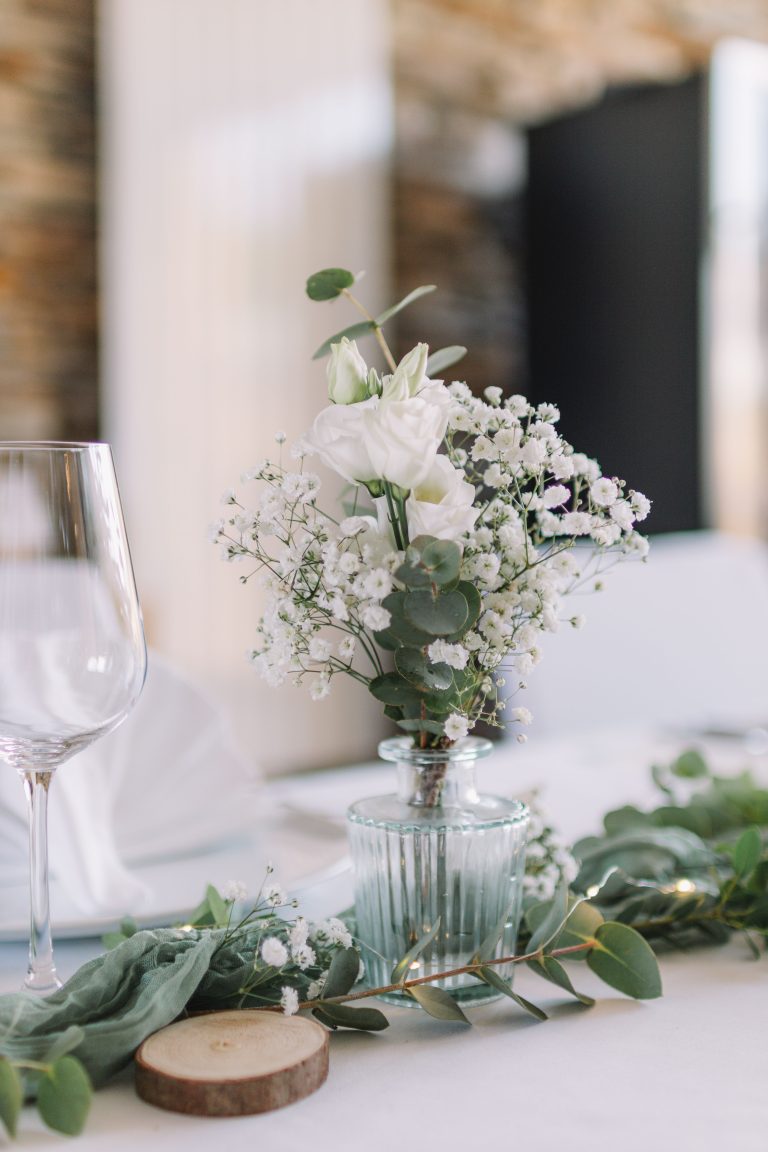
    But this season’s version feels more elevated than the sage-overload of previous years. Instead of pairing it with crisp white and stopping there, couples are layering tonal greens with warm stone, ivory, oatmeal and textured natural finishes.

    Think:

    • Organic floral installations
    • Linen-heavy tablescapes
    • Garden-inspired ceremonies
    • Bridesmaid dresses in mixed green tones
    • Soft candlelight over high-contrast décor

    The result? Romantic without trying too hard.

    WeddingETC tip: Add antique gold accents and layered florals to keep sage from feeling overdone.

    1. Butter yellow: the unexpected bridal favourite

    Soft yellow is quietly becoming the cool-girl wedding colour of the season.

    Butter yellow sits somewhere between classic cream and playful pastel — warm, optimistic and surprisingly elegant. Brides are using it for florals, bridesmaid dresses, stationery and sunset receptions.

    It works especially beautifully for:

    • Summer weddings
    • Coastal celebrations
    • Garden venues
    • Modern editorial aesthetics

    Pair it with ivory, champagne, soft olive or muted blue for a polished finish.

    WeddingETC tip: If full yellow feels intimidating, introduce it through florals, menus or reception details instead.

    1. Cherry red & deep burgundy: romance gets dramatic

    After years of whisper-soft palettes, bold reds are making a serious comeback.

    Not bright Valentine’s Day red – think cherry, merlot, oxblood and rich burgundy.

    This palette creates depth instantly and photographs beautifully, especially in candlelit spaces.

    Where we’re seeing it:

    • Bridal bouquets
    • Statement floral runners
    • Velvet details
    • Fashion-forward bridesmaid looks
    • Luxe black-and-red receptions

    WeddingETC tip: Balance rich reds with cream, espresso or soft pink instead of stark white.

    1. Mocha mousse & warm earth tones

    Warm browns are officially having their wedding moment.

    Influenced by the rise of earthy luxury and fashion’s obsession with edible-inspired tones, mocha, caramel, terracotta and mushroom neutrals are becoming the sophisticated alternative to grey and cool taupe.

    This palette feels:

    • Expensive without being flashy
    • Modern but timeless
    • Minimal while still feeling warm

    Perfect for:

    • Destination weddings
    • Autumn celebrations
    • Editorial city weddings
    • Couples who want neutral without looking plain

    WeddingETC tip: Mix matte textures with glass and metallic finishes to stop earth tones from falling flat.

    1. Jewel tones: colour with confidence

    Minimalism isn’t disappearing – but maximalist colour is definitely pushing back.

    Emerald, deep plum, sapphire and forest green are showing up in layered, luxurious wedding design.

    Instead of using one statement shade, couples are building full colour stories with contrast and texture.

    Expect to see:

    • Saturated florals
    • Coloured glassware
    • Tonal bridesmaid styling
    • Dramatic evening receptions

    WeddingETC tip: Keep the venue neutral and let colour do the heavy lifting.

    The takeaway?

    This season’s wedding colours aren’t about following one aesthetic.

    They’re softer where needed, bolder where it counts and rooted in personality over perfection.

    Translation: if your dream palette isn’t trending yet – use it anyway.

    ALSO SEE: Wedding Fashion: Mini Dresses, Gender‑Neutral Looks & Bold Colour 

    Wedding Fashion: Mini Dresses, Gender‑Neutral Looks & Bold Colour

    Featured image: Eugenia Remark / Pexels

    One of the first questions many brides ask after setting a wedding date is surprisingly simple: When should I start shopping for my wedding dress?

    The answer? Probably sooner than you think.

    While it may be tempting to leave dress shopping until closer to the big day, modern bridal fashion operates on timelines that can stretch for months. Between finding the one, ordering, shipping, fittings and alterations, a wedding gown often takes far longer to arrive than brides expect. Industry experts generally recommend beginning the process between 9 and 12 months before the wedding, with some designer and custom gowns requiring even longer lead times.

    The good news? Knowing the timeline upfront can help you avoid unnecessary stress and make the dress-shopping experience far more enjoyable.

    The Ideal timeline: 12 months before the wedding

    If your wedding is a year away, you’re in the sweet spot.

    Starting your search around the 12-month mark gives you plenty of time to explore different silhouettes, visit bridal boutiques, compare designers and make decisions without feeling rushed. It also allows for production delays, shipping times and alterations that may arise later in the process. Experts increasingly recommend shopping between 12 and 18 months before the wedding, especially if you’re considering a designer gown, customisations or a made-to-order dress.

    At this stage, focus on inspiration, budgeting and understanding what styles make you feel most confident.

    9–10 months before: Time to say yes to the dress

    Once you’ve found your gown, aim to place your order around 8 to 10 months before the wedding. Most made-to-order dresses require several months for production and delivery, with many designers quoting lead times of four to six months or longer.

    Ordering within this window ensures you’ll have access to a wider range of styles, sizes and customisation options while avoiding costly rush fees.

    2–3 months before: Alterations begin

    Even the most perfectly chosen dress usually needs some tailoring.

    Most bridal alteration specialists recommend beginning fittings approximately eight to ten weeks before the wedding. This allows enough time for adjustments to hems, bodices, sleeves, trains and bustles, as well as multiple fitting appointments if necessary.

    Remember to bring your wedding shoes and undergarments to every fitting to ensure the final result is flawless.

    What if your wedding is less than six months away?

    Don’t panic.

    While a shorter timeline may limit your options, many brides successfully find beautiful gowns with just a few months to spare. Off-the-rack dresses, sample sales, ready-to-wear collections and certain local designers can often accommodate tighter deadlines. Some retailers also offer expedited production services, although additional fees may apply.

    The key is to be upfront about your wedding date from your very first appointment so consultants can guide you toward realistic options.

    Trends are changing how brides shop

    Today’s brides are approaching dress shopping differently than previous generations. Personalisation, versatility and sustainability are shaping bridal fashion in 2026, with many brides opting for convertible gowns, detachable elements, vintage-inspired pieces and even pre-loved dresses. Others are choosing multiple outfits for different parts of the celebration, from the ceremony to the after-party.

    These choices can affect your timeline too, making early planning even more valuable.

    Your wedding dress timeline at a glance

    12–18 months before: Start researching styles and booking bridal appointments.
    9–12 months before: Choose and order your dress.
    8–10 weeks before: Begin alterations and fittings.
    1–2 weeks before: Final fitting and collection.
    Wedding Day: Step into your dream dress with confidence.

    The final stitch

    Finding your wedding dress should feel exciting, not stressful. By starting early, you give yourself the freedom to explore, dream and make decisions without pressure. Whether you’re falling for a couture masterpiece, a modern minimalist gown or a vintage-inspired treasure, the best dress is the one that makes you feel unmistakably like yourself.

    And when it comes to timing? The earlier you start, the more options you’ll have waiting at the end of the aisle.

    ALSO SEE: Practical tips to find your perfect wedding gown 

    Practical tips to find your perfect wedding gown

    Featured image: Los Muertos Crew / Pexels

    The confetti has settled, the honeymoon photos have been posted, and your wedding dress is finally back from the cleaners. But before you fully slip into married life, there’s one final task on your newlywed to-do list: the paperwork.

    While it may not be nearly as exciting as planning your big day, taking care of important administrative updates can save you a significant amount of time and frustration later. From obtaining the correct marriage certificate to updating your banking details and beneficiaries, here’s everything South African newlyweds should tick off after saying “I do.”

    Start with your marriage certificate

    Once your marriage has been registered, you’ll receive a handwritten marriage certificate from your marriage officer. This serves as immediate proof of marriage, but many couples later require an official certificate from the Department of Home Affairs for legal and administrative purposes.

    An official marriage certificate may be required when:

    • Applying for visas
    • Updating bank records
    • Registering on medical aid
    • Purchasing property jointly
    • Changing a surname
    • Handling estate or insurance matters

    If you anticipate international travel, immigration applications or legal processes abroad, it is worth requesting the appropriate certificate from Home Affairs as soon as possible.

    Decide what you’re doing about your surname

    One of the first questions many newlyweds face is whether to change their surname, keep their existing surname or adopt a double-barrelled surname.

    South African law allows spouses to choose how they wish their surname to be recorded following marriage. The choice is entirely personal and there is no legal requirement to change your surname after getting married.

    If you do decide to update your surname, you’ll need to ensure that the change is reflected across all your official documents and accounts. This often becomes the most time-consuming part of the post-wedding admin process.

    Apply for a new ID if necessary

    If your surname has changed, you’ll need to apply for a new South African ID document or Smart ID card reflecting your updated details. Your marriage certificate will usually be required as supporting documentation.

    This is an important step because many other institutions will require your updated ID before processing changes to their own records.

    Check your passport before booking international travel

    Planning a honeymoon abroad? Make sure the name on your passport matches your travel bookings.

    If you’ve changed your surname, consider whether you need to update your passport immediately or wait until after upcoming travel plans. Mismatched names across documents can create unnecessary complications when travelling internationally.

    Update your bank accounts

    One of the most commonly forgotten tasks is updating your banking information.

    Contact your bank to update:

    • Personal details
    • Surname changes
    • Joint account information (if applicable)
    • Debit orders linked to your account

    You’ll typically need your updated ID and marriage certificate when making these changes.

    Review your medical aid and insurance policies

    Marriage is a good opportunity to reassess your healthcare and insurance coverage.

    Remember to update:

    • Medical aid membership
    • Life insurance beneficiaries
    • Gap cover policies
    • Short-term insurance policies
    • Income protection cover

    Failing to update beneficiary details can create unnecessary complications in the future.

    Revisit your will

    This is perhaps the least romantic item on the list – but arguably one of the most important.

    Major life events, including marriage, should prompt a review of your will and estate planning documents. If you already have a will, ensure it reflects your current wishes and circumstances. If you don’t have one yet, now is the ideal time to create one.

    Update your employer records

    Notify your employer’s HR department of any changes to your marital status or surname.

    This may affect:

    • Payroll records
    • Pension and provident funds
    • Group life cover
    • Emergency contact details
    • Employee benefits

    A quick update now can prevent future administrative headaches.

    Don’t forget your digital paperwork

    In today’s world, some of your most important records live online.

    Take a few minutes to update:

    • SARS details
    • Investment accounts
    • Loyalty programmes
    • Subscription services
    • Utility accounts
    • Mobile phone contracts

    While these updates may seem minor, keeping your information consistent across platforms can save a surprising amount of frustration later.

    Create a newlywed admin folder

    One of the smartest things you can do after getting married is create a dedicated digital folder containing:

    • Marriage certificate copies
    • Certified documents
    • Updated identification
    • Insurance paperwork
    • Medical aid records
    • Beneficiary forms

    Trust us – future you will be grateful.

    The best weddings are built on thoughtful planning, and the same can be said for married life. Once the last champagne glass has been cleared and the thank-you notes have been sent, taking care of these essential updates will help ensure a smooth transition into your next chapter as a married couple.

    After all, a strong marriage isn’t only about celebrating milestones – it’s also about laying the foundations for the future you’ll build together.

    ALSO SEE: Already married? Have a wifelorette! 

    Already married? Have a wifelorette!

    Featured image: Hugo Martínez / Pexels

    When it comes to creating unforgettable wedding atmospheres, few understand the transformative power of flowers quite like The Duke and Duchess Florist.

    Founded in 1997 by Gerrit van Niekerk Reis, the Cape Town-based floral studio has spent nearly three decades turning wedding visions into breathtaking realities. From intimate ceremonies to lavish celebrations, Gerrit and his team have become known for creating floral experiences that are elegant, timeless and deeply personal.

    A journey rooted in creativity

    Interestingly, Gerrit’s path into floristry wasn’t a traditional one. Growing up in Pretoria, he began his career as an Identikit artist for the South African Police before joining the SABC as a Drama Specialist in 1987. But by the mid-90s, a new adventure was calling.

    “Flower arranging had long been a personal passion, a hobby that offered both artistic freedom and fulfilment,” he explains.

    That passion eventually blossomed into The Duke and Duchess Florist, which officially opened its doors in September 1997. Early contracts with prominent Cape Town hotels helped establish the business, but weddings quickly became one of its greatest loves.

    Why weddings?

    For Gerrit, weddings have always held a special kind of magic.

    “I have been fascinated by brides and weddings from a very young age. There is just something extraordinary about being given a blank canvas and the opportunity to create something truly magical.”

    It’s this ability to transform spaces, evoke emotion and tell a couple’s unique story through flowers that continues to inspire him almost 30 years later.

    A signature style that’s timelessly romantic

    Ask Gerrit to describe his signature aesthetic and the answer is beautifully simple: elegant, romantic and timeless.

    “My signature floral style is elegant, romantic and timeless, with a strong emphasis on creating atmosphere and emotion.”

    Rather than simply decorating a venue, he believes flowers should enhance the entire wedding experience – creating a feeling that guests remember long after the last dance.

    The wedding flower trends couples can’t get enough of

    According to Gerrit, today’s couples are moving away from rigid, structured arrangements and embracing florals that feel abundant, immersive and deeply personal.

    Some of the biggest trends include:

    • Garden-inspired floral designs overflowing with movement and texture
    • Romantic floral meadows replacing traditional aisle décor
    • Hanging floral installations and statement floral clouds
    • Soft, nature-inspired colour palettes
    • Mono-floral statements using a single bloom in abundance
    • Candlelit tablescapes paired with lush floral runners
    • Sustainable floristry and locally sourced flowers
    • Personalised floral storytelling

    “Perhaps the strongest trend is personalisation. Couples are selecting flowers with sentimental meaning, incorporating blooms from family gardens, or choosing designs inspired by places, memories and cultural traditions.”

    The colours dominating wedding florals right now

    While white and green remain enduring favourites, couples are increasingly embracing warmer, more nuanced palettes.

    Think:

    • Ivory and champagne
    • Blush and dusty rose
    • Peach and soft apricot
    • Terracotta and mocha
    • Burgundy and plum
    • Butter yellow and chocolate brown

    One trend Gerrit is particularly excited about is layered monochromatic colour palettes, where varying shades of the same colour create depth, texture and sophistication.

    Cape Town’s floral treasures

    Working in the Western Cape provides access to some truly remarkable blooms.

    Among Gerrit’s favourites are:

    • Indigenous fynbos
    • King Proteas
    • Blushing Brides
    • Seasonal spring bulbs
    • Locally grown garden roses

    “I love incorporating local and seasonal blooms whenever possible, as they bring a unique sense of place to a wedding and often offer exceptional freshness and value.”

    These flowers not only look stunning but also help create weddings that feel authentically South African.

    The biggest mistake couples make

    If there’s one piece of advice Gerrit wishes every couple understood, it’s this: don’t become too attached to specific flowers.

    “The biggest floral mistake is becoming too focused on specific flowers instead of the overall design.”

    Instead, he encourages couples to focus on the atmosphere they want to create. Guests are far more likely to remember how a wedding felt than whether a particular flower variety was used.

    A wedding he’ll never forget

    Of all the weddings he’s designed, one remains especially memorable.

    The Tollman wedding at the Twelve Apostles Hotel featured oversized floral installations, thousands of rose petals and a breathtaking ceremony arch covered entirely in roses.

    Then came a moment that felt almost magical.

    “As guests gathered and the ceremony commenced, dozens of white butterflies appeared seemingly from nowhere.”

    It was a moment that perfectly captured what Gerrit loves most about wedding floristry – creating experiences that feel extraordinary.

    Floral advice for overwhelmed couples

    With endless inspiration available online, it’s easy for couples to feel overwhelmed. Gerrit’s advice is refreshingly straightforward:

    “My advice is to start with the feeling you want to create rather than the flowers themselves.”

    Whether that feeling is romantic, modern, glamorous or garden-inspired, a clear vision allows an experienced florist to guide the rest.

    The Duke and Duchess difference

    Nearly three decades after opening his doors, Gerrit’s passion for weddings remains unchanged.

    From romantic floral meadows and candlelit tablescapes to breathtaking installations and bespoke floral storytelling, The Duke and Duchess Florist continues to create weddings that feel deeply personal, effortlessly elegant and truly unforgettable.

    For couples searching for florals that are as meaningful as they are beautiful, The Duke and Duchess Florist offers far more than flowers – they create atmosphere, emotion and memories that last a lifetime.

    Vendor Details

    ALSO SEE: Important questions to ask your wedding vendors

    Important questions to ask your wedding vendors

    Information and feature image supplied by Gerrit van Niekerk Reis, The Duke and Duchess florist

    When it comes to planning wedding flowers, timing matters more than many couples realise. Choosing blooms that are naturally in season often means fresher arrangements, better quality flowers, improved availability and, in some cases, a more budget-friendly floral bill. For winter weddings, that doesn’t mean sacrificing beauty. In fact, some of the most romantic and striking blooms of the year thrive during the colder months.  

    Whether you’re dreaming of a soft, garden-inspired bouquet or dramatic floral installations, these winter flowers deserve a place on your mood board. 

    Why choose seasonal winter flowers?

    Seasonal flowers are often at their peak during the months they naturally bloom, resulting in stronger stems, better longevity and more vibrant blooms. Choosing flowers that are readily available during winter can also reduce the need for imported varieties, making them a more sustainable option. 

    The good news? Winter offers an abundance of elegant flowers that work beautifully for bridal bouquets, ceremony décor and reception styling. 

    Ranunculus

    If there is one flower synonymous with winter romance, it’s the ranunculus. Known for its layers of delicate, paper-thin petals, this bloom adds texture, softness and luxury to any arrangement. 

    Available in shades ranging from ivory and blush to deep burgundy and apricot, ranunculus pairs beautifully with almost every wedding aesthetic, from classic and romantic to modern and minimalist. They’re particularly popular in bridal bouquets thanks to their impressive vase life and luxurious appearance.  


    Anemones

    Anemones have become a favourite among modern couples for good reason. Their striking dark centres contrast beautifully against crisp white, blush or jewel-toned petals, creating instant visual impact. 

    Perfect for monochromatic winter palettes or dramatic black-and-white wedding themes, anemones add sophistication and contemporary elegance to bouquets and centrepieces. They’re naturally in season during the cooler months, making them an ideal winter choice.  


    Amaryllis

    For couples who love statement florals, amaryllis delivers drama in the best way possible. 

    These large, trumpet-shaped blooms command attention and work beautifully in both bouquets and large-scale installations. Available in white, blush, coral and rich red hues, amaryllis can create everything from classic winter elegance to festive seasonal glamour.  


    Tulips

    Timeless and effortlessly chic, tulips remain a winter favourite for weddings. 

    Their sleek shape and clean lines make them particularly popular for minimalist wedding styles, while their wide colour range means they can be incorporated into almost any palette. White tulips create a fresh, modern look, while blush and pastel shades offer a softer, romantic feel. 


    Freesias

    One of South Africa’s most beloved flowers, freesias bring both beauty and fragrance to winter wedding florals. 

    Their delicate blooms and sweet scent make them a wonderful addition to bouquets, table arrangements and ceremony flowers. They blend beautifully with roses, ranunculus and tulips, adding movement and texture to arrangements.  


    Camellias

    Camellias offer an understated elegance that feels perfectly suited to winter weddings. 

    Known for their symmetrical petals and romantic appearance, they work beautifully in classic bouquets and sophisticated tablescapes. Their soft pinks, creams and whites pair effortlessly with winter-inspired colour palettes.  


    Hellebores

    Often called the “winter rose”, hellebores have become increasingly sought after for their unique shape and muted colour palette. 

    Available in shades of cream, dusty pink, mauve and deep plum, these blooms bring a soft, organic feel to winter floral designs and pair beautifully with greenery and textured foliage.  


    Winter greenery that elevates every arrangement

    Flowers may be the stars of the show, but winter greenery deserves just as much attention. 

    Eucalyptus remains a firm favourite among florists for its versatility and scent, while evergreen foliage, pine, ferns and silvery foliage can add depth, texture and seasonal charm to bouquets and décor installations. These elements help create lush arrangements while enhancing the overall winter aesthetic.  

    The final bloom

    Winter weddings have a quiet elegance all their own and choosing flowers that naturally flourish during the colder months is one of the easiest ways to embrace the season. From romantic ranunculi’s and striking anemones to fragrant freesias and dramatic amaryllis, winter offers no shortage of beautiful options for couples looking to create unforgettable floral moments. 

    The result? Fresh, seasonal arrangements that feel perfectly in tune with the magic of a winter celebration. 

    ALSO SEE: Locally loved flowers for your wedding bouquet

    Locally loved flowers for your wedding bouquet

    Featured image: Lewis Ashton / Pexels

    Winter weddings have a way of feeling like they belong in a storybook. There’s a quiet kind of magic to the season that’s difficult to replicate at any other time of year. It invites people to slow down, draw closer and savour each moment a little more deeply. While summer celebrations often steal the spotlight, winter offers something softer and undeniably romantic – the kind of beauty that lingers long after the day has passed.

    The setting plays an important role in creating this atmosphere. Across South Africa, many venues find that winter naturally lends itself to a more intimate style of celebration, with indoor spaces, crackling fireplaces and cosy gathering areas encouraging guests to spend more time together.

    One of the most beautiful things about a winter wedding is how it naturally brings people closer. Guest lists often feel more intentional and personal, creating a sense that every person in the room truly matters. In that closeness, something special happens. Conversations linger longer, laughter feels warmer and shared moments become even more meaningful. It’s not about scale; it’s about presence. Every embrace, every glance and every toast feels more heartfelt because nothing is rushed.

    Indoor ceremony spaces also take on added significance during winter weddings. The contrast between the cold outdoors and a warm, welcoming interior creates a sense of intimacy that encourages guests to be fully present during the ceremony. There is a comforting feeling of enclosure, as though the world outside has gently faded away. The focus shifts inward – to the couple, the vows being exchanged and the people gathered to witness a deeply personal moment.

    Beyond the wedding day itself, accommodation can play an important role in shaping the overall experience. Rather than guests arriving for a few hours and heading home, overnight stays allow celebrations to unfold at a gentler pace. Families and friends have more time to connect, whether over a relaxed breakfast, a stroll through the gardens or a late-night conversation long after the formalities have ended.

    This growing preference for wedding weekends has made destination venues particularly appealing, especially in winter when the focus naturally shifts towards comfort, connection and shared experiences. In the KwaZulu-Natal Midlands, Granny Mouse Country House & Spa offers exactly this sense of retreat, with accommodation that allows couples and their guests to settle in and truly savour the occasion rather than rush through it.

    There is also a certain romance in the slower pace of winter. Without the pressure of long daylight hours or outdoor scheduling, everything feels a little softer. The day unfolds gently, allowing couples to absorb each moment as it comes. There is space to pause before walking down the aisle, to breathe in the stillness before saying “I do”, and to hold onto each second just a little longer.

    Ultimately, winter weddings are not about grand gestures or extravagant displays. They are about connection. About closeness. About the kind of romance that doesn’t need to be loud to be unforgettable. With its combination of cosy interiors, countryside surroundings and charming accommodation, Granny Mouse Country House & Spa is one example of how winter weddings can transform a special day into a memorable shared experience.

    To find out more, contact the team at [email protected] and start planning your perfect winter wedding celebration.

    ALSO SEE: Wow-worthy winter wedding dresses

    Wow-worthy winter wedding dresses

    Feature image and information supplied by MyWord PR & Communications.

    There’s nothing quite like the feeling of freedom that comes with the open road – and there’s no better person to share it with than your new spouse. Just married, chasing adventure with good music, scenic stops, and uninterrupted conversation? That’s honeymoon magic.

    If you’re planning a honeymoon road trip, here are a few things to keep in mind before you hit the highway.

    Avoid Breakdowns and Breakouts

    Before you embark on your journey, make sure your car is properly serviced – especially the filters, fluid levels, brakes, tyres, belts, oil, and water. Check that your tyre pressure is correct and inspect your wiper blades, indicators, brake lights, and headlights.

    If you’re travelling through different climates or remote areas, ensure your vehicle is prepared for changing weather conditions. And if you’re road-tripping during a South African summer, don’t forget to check the air conditioner – nothing kills romance faster than being stuck in traffic in unbearable heat.

    It’s also worth downloading offline maps ahead of time in case signal drops along your route.

    Clean Up, Stock Up

    There’s no better way to begin your honeymoon than in a freshly cleaned car. Turn the pre-trip prep into part of the fun with a quick car wash date before departure.

    Stock up on snacks, padkos, and plenty of water – buying from grocery stores beforehand is usually far cheaper than relying on petrol station convenience stops. Pack blankets and pillows for extra comfort, especially if one of you wants to nap between destinations.

    Finally, don’t skip the emergency kit. Include essentials like:

    • A flashlight and extra batteries
    • Jumper cables
    • A first aid kit
    • Spare tyre and tyre repair kit
    • Portable phone charger or power bank
    • Emergency contact numbers
    • Being over-prepared is always better than being stranded.

    If You’re Renting

    If you’re renting a car, companies like Hertz, Avis, Budget, and Thrifty offer a variety of vehicle options and pickup locations.

    Look out for package deals that combine flights, accommodation, and car rental – they can save you a significant amount on honeymoon costs.

    If you’re renting abroad, check whether your destination requires an International Driving Permit (IDP). It’s also important to note that manual transmission vehicles are still standard in many countries. If you’re used to driving automatic, reserve one well in advance, as availability can be limited and rates are often higher.

    And yes – screenshot or print your booking confirmation. Airport Wi-Fi has a habit of failing exactly when you need it most.

    Are We There Yet?

    Planning the time spent in the car together can be just as important as planning the destinations themselves. A long drive can either become part of the adventure – or feel very, very long.

    Prepare some entertainment ahead of time to keep the energy fun and relaxed. Think curated playlists, nostalgic singalongs, podcasts, audiobooks, or even a few classic road-trip games.

    Here are a few ideas to make the journey more memorable:

    • Car games

    They’re not just for kids. Classics like I Spy or the licence plate game are surprisingly entertaining when the kilometres start blending.

    • Story time

    Take turns reading aloud from a book, sharing funny memories, or even telling each other stories you’ve never heard before.

    • Create an on-the-road scrapbook

    Snap photos of quirky roadside stops, beautiful scenery, and funny moments along the way. The blurry selfies and petrol station coffee runs often become the best memories later.

    • Tunes for the trail

    A good playlist can completely shape the mood of a road trip. Create one together before you leave, blending both your favourites with songs that feel like the start of a new chapter.

    The journey is the honeymoon

    A honeymoon road trip isn’t about rushing from one destination to the next – it’s about the moments in between. The unexpected stops, terrible padkos combinations, inside jokes, scenic detours, and quiet conversations are often the memories that last the longest.

    So, leave a little room for spontaneity, keep your itinerary flexible, and enjoy the ride together. After all, the best love stories rarely stick perfectly to the route.

    ALSO SEE: How to pick your honeymoon destination

    How to pick your honeymoon destination

    Feature image: Pinterest

    Weddings are joyous, meaningful events, but they can also be resource-intensive. As couples increasingly seek to align their celebrations with their values, sustainable weddings are becoming not just a trend, but a deeply personal statement. In South Africa, where biodiversity, natural beauty, and community are central, the opportunity to craft an eco-friendly “I do” is rich.

    This guide will walk you through how to plan a zero-waste or low-impact wedding in SA (eco stationery, floral reuse, composting, local sourcing, etc.), introduce you to sustainable vendors and venues, and provide a green checklist to keep you on track.

    Why Go Green? The Case for Sustainable Weddings

    • Traditional weddings generate significant waste—single-use décor, imported flowers, excess food, printed materials, transport, etc.

    • A thoughtful, constrained approach can reduce carbon footprint, support local communities, and leave a positive legacy.

    • In South Africa, “small is the new big” is part of the sustainable shift: focusing on meaningful, intentional touches over sheer scale.

    • It’s also increasingly a differentiator: venues, vendors, and guests are more open (and enthusiastic) to sustainable practices.

    How to Plan a Zero-Waste (or Low-Waste) SA Wedding

    Here’s a roadmap, phase by phase, with strategies specific to South Africa.

    A. Early Planning: Foundations of Sustainability

    Define your green vision & priorities
    Decide which elements matter most—waste reduction, local sourcing, charity donations, zero single-use plastics—and communicate that to all vendors.

    Budget realistically for “green premium”
    Some eco options cost more (e.g. compostable tableware, artisanal stationery), but others—like reduced décor spending or digital invites—can save money.

    Select a venue with green practices
    Choose venues that are nature-friendly or have sustainable infrastructure (rainwater harvesting, solar, off-grid capacity). For instance, iconic estates like Boschendal operate as a working farm with regenerative practices. 
    Green venues in SA are rising—check lists like “Going Green – Top Green Venues in South Africa” for options.

    Group your guest list around location
    Reduce travel emissions by inviting people from a concentrated region or offering shared transport. Venues nearer to the bulk of guests help.

    B. Paper & Stationery: Eco Invitations & Communication

    • Go digital where possible: e-invites, wedding websites, digital save-the-dates. Many elevated digital platforms now mimic printed suites.

    • If you use paper, choose recycled, FSC-certified, or seed/plantable paper. South African suppliers may offer these—ask locally.

    • Use water-based or plant-derived inks, and design multifunctional cards (invite + RSVP + map) to reduce inserts.

    • Don’t overproduce: print minimal extra for keepsakes; rely on digital backups.

    C. Florals, Foliage & Reusables

    Work with sustainable florists
    In South Africa, florists like Hannah Whitehead / Artisan Events are vocal about sustainable floral design: local, seasonal blooms, biodegradable mechanics (not floral foam), and repurposing leftover blooms.

    Use indigenous, seasonal blooms
    Proteas, fynbos, local wildflowers, succulents, medicinal herbs—flowers that grow in SA in season will reduce transport and support local growers.

    Repurpose & reuse arrangements

    • Use potted plants (herbs, succulents, small trees): guests can take them home or you can replant/donate.

    • After the ceremony, transform altar arrangements to reception décor or donate to schools, hospitals, communities.

    • Choose containers that can be reused, rented, or returned—vases, jars, wooden crates, vintage vessels.

    • Avoid floral foam; use wire, reusable mechanics, or biodegradable alternatives.

    Consider dried, preserved or dried-green elements
    Grasses, seed pods, dried protea, preserved foliage, dried palm leaves—all make compelling, sustainable décor that can last as keepsakes.

    D. Catering & Food Waste Management

    Choose local, seasonal, ethically sourced menus
    Ask your caterer to use farms nearby, support small producers, and reduce dependence on imported goods. Brahman Hills, for example, embraces a farm-to-table philosophy.

    Offer plant-forward or vegetarian options
    Plant-based dishes generally have lower environmental impact. Even reducing meat portions or focusing on seasonal veggies helps.

    Portioning & just-in-time food
    Work with caterers to avoid huge excess. Use tasting menus, scaled portions, and final guest counts.

    Composting & waste separation

    • Partner with a waste management / composting service or ensure your venue can separate organics, recyclables, and general waste.

    • Compost leftover food and floral waste.

    • Encourage guests to take leftovers, where permitted.

    Avoid single-use packaging
    No plastic straws, single-use bottles, or polystyrene packaging. Use glass, reusable dispensers, or biodegradable options.

    E. Décor, Linens & Rentals

    • Rent, borrow, reuse décor elements (linens, lighting, props, furniture).

    • Use vintage, secondhand, or upcycled items: old frames, mirrors, signage.

    • Opt for biodegradable or compostable décor (e.g., natural fiber linens, jute, sisal).

    • Ask vendors: “What happens to this item after the wedding?” and require reuse where possible.

    F. Attire, Favours & Gifts

    • Consider rental, preloved or sustainable-design gowns/suits.

    • Bridesmaids & groomsmen: use multi-purpose outfits or pieces they can wear again.

    • Favours: eco-friendly gifts like seeds, beeswax wraps, plantable items, local artisan goods. Brahman Hills, for example, features this in its green weddings advice.

    • Gift registry: focus on sustainable or ethical homeware, or charitable registry options.

    South Africa Sustainable & Green Vendor Spotlight

    Here are real local examples you can explore or draw inspiration from. (Use these as leads; always vet details in your region.)

    Vendor / Venue Location / Notes What Makes Them Green / Sustainable
    Earthware South Africa (nationwide) They sell compostable tableware made from fallen palm leaves. Their products decompose in about 60 days.
    Boschendal Estate Western Cape A working farm and wine estate with regenerative farming, connecting weddings with nature and promoting sustainability.
    The Greenhouse Café Gauteng Eco-elegance venue that uses seasonal produce, natural materials, and integrates with natural surroundings.
    Garden Route / Artisan Events – Hannah Whitehead Garden Route region Known for writing about sustainable floral design and using local indigenous blooms.
    Green / “Going Green” Venues in SA Various (Wellington, Franschhoek, KZN, Pretoria) Examples include Babylonstoren (farm garden + organic produce), Kraak in Wellington, Wingrove Valley, Intundla (bush style with organic garden, worm farms), etc.
    Sustainable Decor & Event Suppliers Varies Many local decor/rental companies are beginning to introduce reusable, eco-friendly options per trends in SA wedding coverage.

    If you tell me your city or province (Cape Town, Johannesburg, Durban, etc.), I can help you find sustainable vendors close to you.

    Green Wedding Timeline & Checklist

    Stage Eco Action Items
    12+ months out Define sustainability goals; share with vendors; start sourcing reusable/rental décor; choose venue; map guest geography.
    9–6 months out Book eco vendors; finalize menu; choose floral strategy; secure rental décor; design eco stationery.
    4–3 months out Print minimal, order compostable tableware; confirm waste disposal/compost service; run floral trial for sustainable designs.
    1 month out Final guest count; coordinate waste streams; confirm delivery logistics; remind guests of green guidelines.
    Day-of & After Waste separation, composting, donation of decor/flowers; residual clean-up; send thank-you notes (e- or recycled).

    Quick Checklist Highlights:

    • Venue that supports green practices

    • Local, sustainable catering

    • Digital or eco stationery

    • Florals: local, reused, potted, composted

    • Rentals & reusables over new purchases

    • Waste separation & composting

    • Sustainable attire & favours

    Challenges & Tips: Making It Practical

    • Not everything needs to be zero: Even small sustainable choices (avoiding plastic, composting) make a difference.

    • Vendor education: Some vendors may be unfamiliar. Share your values, offer resources, and allow flexibility.

    • Budget trade-offs: Prioritize where eco impact is highest (food, décor, waste) and reduce elsewhere.

    • Backup plans: E.g., in case of rain, have compostable covers or indoor space in mind.

    • Communication with guests: Include a line in your invitations/website about your green goals (“We are aiming for zero waste—please support by …”).

    • Track & reflect: After the wedding, measure what worked/what didn’t, and share your eco story (helps future couples and vendors).

    Sample Green Wedding Story (Illustration)

    To illustrate, here’s how one South African couple made their wedding eco:

    • Venue: Boschendal estate (farm & regenerative site)

    • Stationery: Digital invite + seed paper menu cards

    • Florals: Local proteas, fynbos, repurposed ceremony arrangement moved to reception

    • Décor: Rented wooden crates, vintage bottles, reused signage

    • Catering: Seasonal, locally sourced menu, composting of food waste

    • Tableware: Earthware palm-leaf compostables

    • Favours: Beeswax wraps, potted succulents

    • Waste: On-site separation + composting service

    The result? A beautiful, meaningful celebration with minimal waste and a strong sustainability narrative.

    Closing Thoughts & Call to Action

    An eco, green, sustainable wedding is more than a checklist—it’s a reflection of your values, your respect for place, and your love extended into action. In South Africa, you have a rich palette of indigenous beauty, local craftsmanship, and communities ready to co-create a wedding that’s deeply personal and planet-positive.

    Featured Image: Canva