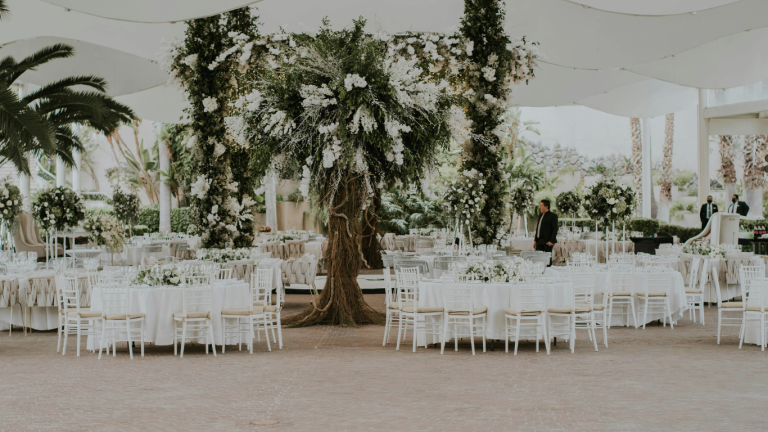
Weddings are joyous, meaningful events, but they can also be resource-intensive. As couples increasingly seek to align their celebrations with their values, sustainable weddings are becoming not just a trend, but a deeply personal statement. In South Africa, where biodiversity, natural beauty, and community are central, the opportunity to craft an eco-friendly “I do” is rich.
This guide will walk you through how to plan a zero-waste or low-impact wedding in SA (eco stationery, floral reuse, composting, local sourcing, etc.), introduce you to sustainable vendors and venues, and provide a green checklist to keep you on track.
Why Go Green? The Case for Sustainable Weddings
-
Traditional weddings generate significant waste—single-use décor, imported flowers, excess food, printed materials, transport, etc.
-
A thoughtful, constrained approach can reduce carbon footprint, support local communities, and leave a positive legacy.
-
In South Africa, “small is the new big” is part of the sustainable shift: focusing on meaningful, intentional touches over sheer scale.
-
It’s also increasingly a differentiator: venues, vendors, and guests are more open (and enthusiastic) to sustainable practices.
How to Plan a Zero-Waste (or Low-Waste) SA Wedding
Here’s a roadmap, phase by phase, with strategies specific to South Africa.
A. Early Planning: Foundations of Sustainability
Define your green vision & priorities
Decide which elements matter most—waste reduction, local sourcing, charity donations, zero single-use plastics—and communicate that to all vendors.
Budget realistically for “green premium”
Some eco options cost more (e.g. compostable tableware, artisanal stationery), but others—like reduced décor spending or digital invites—can save money.
Select a venue with green practices
Choose venues that are nature-friendly or have sustainable infrastructure (rainwater harvesting, solar, off-grid capacity). For instance, iconic estates like Boschendal operate as a working farm with regenerative practices.
Green venues in SA are rising—check lists like “Going Green – Top Green Venues in South Africa” for options.
Group your guest list around location
Reduce travel emissions by inviting people from a concentrated region or offering shared transport. Venues nearer to the bulk of guests help.
B. Paper & Stationery: Eco Invitations & Communication
-
Go digital where possible: e-invites, wedding websites, digital save-the-dates. Many elevated digital platforms now mimic printed suites.
-
If you use paper, choose recycled, FSC-certified, or seed/plantable paper. South African suppliers may offer these—ask locally.
-
Use water-based or plant-derived inks, and design multifunctional cards (invite + RSVP + map) to reduce inserts.
-
Don’t overproduce: print minimal extra for keepsakes; rely on digital backups.
C. Florals, Foliage & Reusables
Work with sustainable florists
In South Africa, florists like Hannah Whitehead / Artisan Events are vocal about sustainable floral design: local, seasonal blooms, biodegradable mechanics (not floral foam), and repurposing leftover blooms.
Use indigenous, seasonal blooms
Proteas, fynbos, local wildflowers, succulents, medicinal herbs—flowers that grow in SA in season will reduce transport and support local growers.
Repurpose & reuse arrangements
-
Use potted plants (herbs, succulents, small trees): guests can take them home or you can replant/donate.
-
After the ceremony, transform altar arrangements to reception décor or donate to schools, hospitals, communities.
-
Choose containers that can be reused, rented, or returned—vases, jars, wooden crates, vintage vessels.
-
Avoid floral foam; use wire, reusable mechanics, or biodegradable alternatives.
Consider dried, preserved or dried-green elements
Grasses, seed pods, dried protea, preserved foliage, dried palm leaves—all make compelling, sustainable décor that can last as keepsakes.
D. Catering & Food Waste Management
Choose local, seasonal, ethically sourced menus
Ask your caterer to use farms nearby, support small producers, and reduce dependence on imported goods. Brahman Hills, for example, embraces a farm-to-table philosophy.
Offer plant-forward or vegetarian options
Plant-based dishes generally have lower environmental impact. Even reducing meat portions or focusing on seasonal veggies helps.
Portioning & just-in-time food
Work with caterers to avoid huge excess. Use tasting menus, scaled portions, and final guest counts.
Composting & waste separation
-
Partner with a waste management / composting service or ensure your venue can separate organics, recyclables, and general waste.
-
Compost leftover food and floral waste.
-
Encourage guests to take leftovers, where permitted.
Avoid single-use packaging
No plastic straws, single-use bottles, or polystyrene packaging. Use glass, reusable dispensers, or biodegradable options.
E. Décor, Linens & Rentals
-
Rent, borrow, reuse décor elements (linens, lighting, props, furniture).
-
Use vintage, secondhand, or upcycled items: old frames, mirrors, signage.
-
Opt for biodegradable or compostable décor (e.g., natural fiber linens, jute, sisal).
-
Ask vendors: “What happens to this item after the wedding?” and require reuse where possible.
F. Attire, Favours & Gifts
-
Consider rental, preloved or sustainable-design gowns/suits.
-
Bridesmaids & groomsmen: use multi-purpose outfits or pieces they can wear again.
-
Favours: eco-friendly gifts like seeds, beeswax wraps, plantable items, local artisan goods. Brahman Hills, for example, features this in its green weddings advice.
-
Gift registry: focus on sustainable or ethical homeware, or charitable registry options.
South Africa Sustainable & Green Vendor Spotlight
Here are real local examples you can explore or draw inspiration from. (Use these as leads; always vet details in your region.)
| Vendor / Venue |
Location / Notes |
What Makes Them Green / Sustainable |
| Earthware |
South Africa (nationwide) |
They sell compostable tableware made from fallen palm leaves. Their products decompose in about 60 days. |
| Boschendal Estate |
Western Cape |
A working farm and wine estate with regenerative farming, connecting weddings with nature and promoting sustainability. |
| The Greenhouse Café |
Gauteng |
Eco-elegance venue that uses seasonal produce, natural materials, and integrates with natural surroundings. |
| Garden Route / Artisan Events – Hannah Whitehead |
Garden Route region |
Known for writing about sustainable floral design and using local indigenous blooms. |
| Green / “Going Green” Venues in SA |
Various (Wellington, Franschhoek, KZN, Pretoria) |
Examples include Babylonstoren (farm garden + organic produce), Kraak in Wellington, Wingrove Valley, Intundla (bush style with organic garden, worm farms), etc. |
| Sustainable Decor & Event Suppliers |
Varies |
Many local decor/rental companies are beginning to introduce reusable, eco-friendly options per trends in SA wedding coverage. |
If you tell me your city or province (Cape Town, Johannesburg, Durban, etc.), I can help you find sustainable vendors close to you.
Green Wedding Timeline & Checklist
| Stage |
Eco Action Items |
| 12+ months out |
Define sustainability goals; share with vendors; start sourcing reusable/rental décor; choose venue; map guest geography. |
| 9–6 months out |
Book eco vendors; finalize menu; choose floral strategy; secure rental décor; design eco stationery. |
| 4–3 months out |
Print minimal, order compostable tableware; confirm waste disposal/compost service; run floral trial for sustainable designs. |
| 1 month out |
Final guest count; coordinate waste streams; confirm delivery logistics; remind guests of green guidelines. |
| Day-of & After |
Waste separation, composting, donation of decor/flowers; residual clean-up; send thank-you notes (e- or recycled). |
Quick Checklist Highlights:
-
Venue that supports green practices
-
Local, sustainable catering
-
Digital or eco stationery
-
Florals: local, reused, potted, composted
-
Rentals & reusables over new purchases
-
Waste separation & composting
-
Sustainable attire & favours
Challenges & Tips: Making It Practical
-
Not everything needs to be zero: Even small sustainable choices (avoiding plastic, composting) make a difference.
-
Vendor education: Some vendors may be unfamiliar. Share your values, offer resources, and allow flexibility.
-
Budget trade-offs: Prioritize where eco impact is highest (food, décor, waste) and reduce elsewhere.
-
Backup plans: E.g., in case of rain, have compostable covers or indoor space in mind.
-
Communication with guests: Include a line in your invitations/website about your green goals (“We are aiming for zero waste—please support by …”).
-
Track & reflect: After the wedding, measure what worked/what didn’t, and share your eco story (helps future couples and vendors).
Sample Green Wedding Story (Illustration)
To illustrate, here’s how one South African couple made their wedding eco:
-
Venue: Boschendal estate (farm & regenerative site)
-
Stationery: Digital invite + seed paper menu cards
-
Florals: Local proteas, fynbos, repurposed ceremony arrangement moved to reception
-
Décor: Rented wooden crates, vintage bottles, reused signage
-
Catering: Seasonal, locally sourced menu, composting of food waste
-
Tableware: Earthware palm-leaf compostables
-
Favours: Beeswax wraps, potted succulents
-
Waste: On-site separation + composting service
The result? A beautiful, meaningful celebration with minimal waste and a strong sustainability narrative.
Closing Thoughts & Call to Action
An eco, green, sustainable wedding is more than a checklist—it’s a reflection of your values, your respect for place, and your love extended into action. In South Africa, you have a rich palette of indigenous beauty, local craftsmanship, and communities ready to co-create a wedding that’s deeply personal and planet-positive.
Featured Image: Canva