• Tag

    home-carousel

    Browsing

    When two people marry and bring children, histories, and family cultures into one new unit, a wedding becomes more than a union of two, it becomes a moment of family creation, redefinition, and embrace. Blended family weddings require extra sensitivity, communication, and intention. In this article, we’ll explore practical advice for honoring traditions, managing expectations, and cultivating healthy relationships as you walk into this new chapter together.

    Understanding the Complexity of Blended Families

    Blending families is not an event; it’s a process. It takes time, grace, and willingness from everyone involved. Some of the challenges that couples commonly face include:

    • Differing parenting styles, rules, and boundaries

    • Grief, loyalty conflicts, and emotional baggage from past relationships

    • Uncertainty from children about their place, voice, or trust

    • Ex-spouse roles and boundaries

    • Expectations from extended families about traditions and rituals

    According to HelpGuide, successful blended families cultivate strong communication, clear boundaries, gradual bonding, and respect for each person’s history.

    Because a wedding symbolizes more than just the couple’s union, it offers a unique chance to begin intentionally crafting a shared identity that honors everyone’s place.

    Merging Traditions & Expectations

    Have open, early conversations

    Before the planning begins, sit down together (and ideally with children, if age-appropriate) to discuss hopes, fears, favorite traditions, and nonnegotiables. Transparency helps avoid surprises later on.

    Questions to explore:

    • Which traditions from each family are most meaningful and why?

    • Are there customs one partner holds sacred that the other may not fully understand?

    • How much involvement do past spouses or biological parents have (if relevant)?

    • How do children want to be involved, do they wish to have roles or tasks?

    Honor both histories (without forcing uniformity)

    You don’t always have to merge everything, sometimes respecting and weaving in elements from both sides is more meaningful than forcing full equality. For instance:

    • Use a unity ritual (sand pouring, puzzle pieces, handprint canvas) that allows each individual—couple and children—to contribute.

    • Include symbolic gestures for children: presenting a medallion, placing their handprint on a canvas, or inviting them to pour sand in their own color.

    • Invite children to walk down the aisle, read a poem or blessing, or play a special role.

    • Create new rituals unique to your blended family, rather than forcing one family’s tradition wholesale. This gives space for ownership and unity.

    Clarify roles, rules & expectations

    Often tension arises when roles are ambiguous. Clarify:

    • Who disciplines or enforces rules, and when?

    • Which household rules are unified, and which may remain separate (e.g. individual freedoms, discipline preferences)?

    • How will decision-making happen (especially regarding children’s schedules, vacations, holidays)?

    • What boundaries exist with ex-partners or external caregivers?

    • How will you allocate “family time,” couple time, and individual time?

    In establishing structure, many blended families find it useful to craft a shared set of values and then translate them into household norms.

    Respect the pace of relationship building

    Acceptance, trust, and real connection rarely happen overnight. Be patient and consistent.

    • Let children adjust at their own pace; don’t force closeness too quickly.

    • Provide intentional one-on-one time with stepchildren or biological children.

    • Show small acts of kindness, listening, affirmation — over time, they build trust.

    • Avoid comparisons between children or overcompensating through favoritism.

    Include the ex(s) wisely & respectfully

    If ex-spouses or co-parents are in the mix, manage communication tactfully:

    • Establish clear boundaries and respectful communication patterns.

    • Keep conflicts out of sight of children and avoid triangulation.

    • Clarify roles during the wedding (if exes attend) so everyone feels respected.

    • If possible, maintain civility and collaboration for the sake of children’s emotional well-being.

    On the Wedding Day: Rituals & Inclusion

    The wedding ceremony is a powerful platform to acknowledge and celebrate your blended family. Some ideas:

    • Use a blended family unity ceremony (colored sand, puzzle, painting, or other ritual) that includes both children and adults.

    • Ask children to read a blessing, poem, or vow.

    • Let children walk you down the aisle or take part in the processional.

    • Make a special family proclamation or blessing during the ceremony that addresses the new family dynamic.

    • Do a grand, unified family entrance or announcement (e.g. “presenting the [your new family name] family”).

    • Take photos that highlight new connections: step-parent with stepchild, siblings, etc.

    These moments signal to children and guests alike that they belong, are valued, and are part of the newly formed family.

    Managing Emotions & Conflict Along the Way

    Blending families is emotionally layered. You’ll want strategies to navigate:

    • Allow for ambivalence — it’s normal for children (or adults) to have conflicting emotions of loyalty, grief, resistance, or fear.

    • Practice active listening — validate feelings, avoid minimizing difficulties.

    • Use “we” language — reinforce the idea that you’re building together, not competing.

    • Seek professional support if tensions escalate — counselors or stepfamily therapists can help mediate or guide transitions.

    • Celebrate small wins: positive interactions, cooperation, shared laughter — note incremental growth.

    • Protect the marriage — schedule couple time, maintain your connection, so you don’t get swallowed entirely by family dynamics.

    Long-Term Success: Building a Thriving Blended Family

    • Keep communication open and regular. Hold family meetings where everyone can voice thoughts.

    • Reassess and adapt rules, roles, and routines as children age or circumstances change.

    • Continue creating shared rituals, holiday norms, and traditions unique to your new family.

    • Nurture relationships respectfully: spend time with each child, celebrate individuality.

    • Model unity and respect — children mirror what they see.

    • Be generous with grace — everyone brings their emotional history; patience and forgiveness go a long way.

    Featured Image: Canva

    Glow from “Yes” to “I Do”: Your Beauty Prep Timeline for Wedding Day Radiance

    Your wedding day will be one of the most photographed days of your life and your beauty prep is the secret behind radiant skin, healthy hair, and flawless nails. The trick is spreading out treatments and habits over time so nothing feels rushed or risky. Below is a thoughtfully paced timeline: 1 year, 6 months, 1 month, and the final stretch, covering skincare, hair, and nails.

    1 Year Before: Lay the Foundation

    Skincare

    • Consult a dermatologist or professional skin therapist to assess skin type, concerns, and plan long-term goals.

    • Begin a consistent daily skincare routine (cleanser, moisturizer, SPF).

    • If desired, start gentle actives (vitamin C, mild retinoids) under expert guidance — give your skin time to adapt.

    • If you’re considering treatments like laser, peels, microneedling, or pigmentation management, this is the phase to start them (many require multiple sessions).

    • Focus on your body’s skin too — exfoliation, hydration for arms, décolletage, legs.

    Hair

    • Evaluate hair health. If you want growth, use deep conditioning, protein treatments, and trim split ends regularly.

    • If planning a major color change or style change, start it now so you have time to adjust.

    • Discuss your wedding hairstyle vision with your stylist and set milestones for color, length, or extensions.

    Nails

    • Begin a strengthening routine (cuticle oil, nail hardeners) if your nails tend to be weak or brittle.

    • Keep up regular manicures/pedicures to maintain shape and condition.

    6 Months Before: Upgrade & Test

    Skincare

    • Lock in your core skincare regimen – the one you’ll carry into the home stretch.

    • Start mid-level treatments: gentle chemical peels, microdermabrasion, or facials every 4–6 weeks.

    • Address issues like pigmentation, texture irregularities, or breakouts with more targeted treatments.

    • Avoid introducing too many new products at once – allow skin to settle.

    Hair

    • If using color, highlights, or balayage, begin the process now so it can settle and adapt.

    • Finalize your hair accessory plan (veils, pins, floral accents) so your stylist knows what you’ll need.

    • Place your order for extensions (if needed) now to ensure they arrive in time.

    • Maintain trims — but avoid drastic chops at this point.

    Nails

    • Do one or more trial manicures / nail style tests to see how designs, shapes, and polishes photograph and hold up.

    • Continue regular care and hydration.

    1 Month Before: No Big Experiments

    Skincare

    • Stop experimenting with new products or strong actives (deep peels, aggressive acids) — you don’t want the risk of irritation too close to the day.

    • Get a final “glow” facial or treatment (hydrating, calming, brightening) with minimal downtime.

    • Emphasize barrier repair, hydration, and soothing masks.

    • If considering injectables (Botox, filler), do them about 3–4 weeks out so any swelling or bruises settle.

    Hair

    • Get your final color / root touch-up so it has time to mellow and look natural.

    • Install extensions (if using) in this window so they settle into the look.

    • Get a final trim or shape — nothing drastic.

    • Use deep conditioning / gloss / shine treatments in the last couple of weeks.

    Nails

    • Schedule your final manicure / pedicure 1–2 days before the main wedding event, this ensures freshness without risk of visible growth or chipping.

    • If using gel, dip, or long-wear polish, they tend to last better, so doing them slightly earlier (1–2 days) is often safe.

    • Avoid harsh cuticle work or aggressive filing so your nails stay healthy.

    Final Stretch: 1–2 Weeks, 1–2 Days, Wedding Day

    1–2 Weeks Before

    • Book a gentle facial (no extractions, no peels).

    • Get a baby trim if desired to freshen ends.

    • Finish teeth whitening or touch-ups, if doing.

    • Confirm all beauty appointments, trials, and logistics.

    1–2 Days Before

    • Final manicure / pedicure (for most, one to two days before is ideal)

    • If you plan to have a spray tan, do it now. Be careful of any treatments that might interfere.

    • Wash hair (if per stylist advice), rest, hydrate, sleep well.

    • Avoid new products or treatments that could cause reactions.

    Wedding Day

    • Stick with your well-tested skin care (gentle cleanser, moisturizer, SPF).

    • Hair & makeup: allow ample time (2–3 hours before) for full glam.

    • Pack a beauty emergency kit: blotting papers, lip color, powder, extra nails or glue, hairpins.

    • Relax, breathe, and trust your prep. You’re going to look stunning.

    Why This Staged Approach Works

    • Time for adjustment & recovery — skin, hair, nails react differently; spacing helps you catch issues early.

    • Minimizes risk — avoids last-minute irritation, breakout, reactions, or hair mishaps.

    • Enables consistent glow — the cumulative effect of regular care is more powerful than a rushed overhaul.

    • Better vendor coordination — gives your esthetician, stylist, nail tech time to align with your vision.

    Sample Summary Table

    Timeframe Skincare Focus Hair Focus Nails Focus
    ~1 Year Out Build foundation, consultations, gentle actives, body care Hair health, trims, plan hairstyle & color Strengthening, conditioning, base routine
    ~6 Months Facials, gentle peels, pigmentation treatments Color transition, trim, plan extensions Trial manicure, maintain strength
    ~1 Month Hydration, barrier care, final treatments, stop new products Final color, install extensions, trim Final manicure ~1–2 days before
    Final Stretch Gentle facials, mask, rest Touch-ups, avoid drastic changes Fresh mani, protective care

    Tips & Precautions

    • Always patch test new products or treatments, especially close to the wedding.

    • Avoid major changes (haircuts, color, aggressive treatments) too close to the date.

    • Communication is key — work with experienced dermatologists, aestheticians, hairstylists and nail artists who understand bridal timelines.

    • Plan buffer days in case any treatment causes irritation or recovery.

    • Prioritize rest, nutrition, hydration — internal health shows in skin, hair, nails.

    • Adjust the timeline earlier if your skin, hair, or nails need more repair or time.

    Featured Image: Canva

    Featured Image Source: Pop Base on X

    Selena Gomez has officially stepped into her next chapter, saying “I do” to music producer Benny Blanco in California on Saturday, September 27. The 33-year-old actress and singer, adored worldwide for her authenticity, stunned in a custom Ralph Lauren creation that blended Hollywood glamour with a modern bridal edge.

    A Dress Fit for a Pop Icon

    Source: Pop Culture 2000’s on X

    Gomez’s gown featured a halter-neck floral detail and a structured bodice, offering both elegance and individuality. Designed exclusively by Ralph Lauren, it was a nod to timeless romance with a touch of boldness that fans have come to expect from her. Blanco, 37, matched the moment in his own Ralph Lauren suit, sealing their fashion-forward vows in coordinated style.

    Hollywood Glamour Meets Classic Romance

    Source: Rare’s Boulevard on X

    Her hair, crafted by stylist Renato Campora, carried echoes of Old Hollywood. Styled into a Marcel wave bob, Gomez’s look had fans online calling her “the modern-day Elizabeth Taylor.” On Instagram, one admirer wrote, “She looks like she just walked out of a 1950s film reel—utter perfection.”

    A Love Story in the Spotlight

    Source: Benny Blanco on Instagram

    The couple’s journey to the altar has been anything but rushed. They confirmed their romance in December 2023, got engaged a year later, and shared their joy with fans on Instagram. Gomez’s caption, “forever begins now..”, instantly trended worldwide, showing the emotional weight of the moment for her supporters.

    Blanco revealed that Gomez co-designed her engagement ring, a dazzling marquise diamond inspired by her song Good For You. It was a symbolic choice, weaving music into the fabric of their love story.

    The Guest List That Broke the Internet

    It wouldn’t be a Selena Gomez wedding without a star-studded guest list. From Taylor Swift to Paris Hilton and Only Murders in the Building co-stars Steve Martin and Martin Short, Hollywood heavyweights reportedly filled the venue. Social media quickly lit up with clips and blurry snapshots, fans speculating on performances and speeches. One viral tweet joked, “Imagine being the DJ at a wedding where Taylor Swift and Benny Blanco are on the dance floor—no pressure.”

    The Road to “I Do”

    Both stars kept most details of the ceremony under wraps, though their pre-wedding celebrations made headlines. Blanco hosted a bachelor weekend in Las Vegas, while Gomez partied with friends in Cabo San Lucas, donning playful white outfits and a cheeky “bride to be” veil.

    In interviews earlier this year, the couple admitted they were hesitant about traditions like a first dance. Gomez laughed off the idea, saying she’d be embarrassed, while Blanco added, “She’s shy.” It’s a refreshingly relatable sentiment in a world of over-the-top celebrity weddings.

    Why This Wedding Resonates

    Source: Benny Blanco on Instagram

    For Gomez’s fans, this wedding feels like a personal victory. Over the years, she has been open about her struggles with health and love. Now, marrying Blanco—who she has called her “best friend”—the moment feels like a story of healing, joy, and new beginnings.

    On TikTok, the hashtag #SelenaWedding racked up millions of views within hours. Fans shared emotional edits of Gomez through the years, set to her ballads, with captions like “She finally got her fairytale.”

    Planning a wedding in South Africa? One of the first big decisions is when. The month you pick affects everything — whether your ceremony is bathed in sunshine or buffeted by rain, whether guests book easily, what you’ll pay for venues, and how flexible vendors are. Here’s a guide by region / province to help you pick the best time in 2025, weighing weather, cost, and venue availability.

    National Overview: Seasons, Costs & Trends

    • Wedding “high season” in much of South Africa tends to run from September through April. These are the warmer months, spring → summer → early autumn.

    • Low-season / off-peak is typically June to August (winter); fewer outdoor options, cooler weather, but often better rates and greater venue availability.

    • Venues often book 12-18 months in advance for popular months (spring / early summer especially).

    • Costs (venue hire, decor, vendors) are higher in peak months. Off-peak months and midweek dates often bring savings.

    Best Wedding Months by Region / Province

    Below is a breakdown of ideal months for getting married, per province or region, along with trade-offs to watch out for.

    Province / Region Weather & Climate Notes Best Months to Marry Considerations (Cost, Venue)
    Western Cape (Cape Town, Winelands, Garden Route) Mediterranean climate: dry, hot summers; wet winters. Summer (Dec-Feb) can have heat & occasional strong winds; winters are cooler & rainier. Spring (September-November) and Autumn / early summer (March-April December) tend to give the best balance, dry, mild, beautiful scenery. Peak demand in summer & around festive season → higher venue & vendor costs. Early booking essential for popular wine estates. Winter weddings feasible but many outdoor venues closed or need backup indoor option.
    Gauteng / Highveld (Johannesburg, Pretoria, Magaliesberg, etc.) Hot, rainy summers (Nov-Mar), and cooler, dry winters (June-August). Sudden thunderstorms often in mid-summer afternoons. Late spring (October-November) and early autumn (March) are excellent: warm but less rain, comfortable evenings. Also May sometimes works as a transition. Summer months risk rain, heat; winter can be quite cold, especially evenings. Venue availability higher in off-peak months; costs lower but heating/warm venue may be needed.
    KwaZulu-Natal (coast & Midlands) Subtropical: warm, humid, and rainy in summer; winter is drier, warm days, cooler nights. Coastal sea influence. Winter (June-August) for coastal venues (dry, more predictable weather), or spring (September-November) for Midlands when hills are green and cooler. Coastal summer weddings risk storms, humidity; winter demand increases for nice weather – so good venues fill up. Costs for travel/accommodation for guests might vary.
    Eastern Cape & Garden Route More variable: coastal humidity, possible rain in summer; inland more heat. Scenic landscapes throughout the year but wetter seasons to avoid. Spring (September-October) and autumn (March-April) are strong picks: landscapes look great, weather milder. Some remote venues have limited options in off-season; transport/weather risks. Booking early imperative for popular coastal or Garden Route spots.
    Free State, Limpopo, North West, Mpumalanga (Interior / bush regions) Marked hot summers, with afternoon thunderstorms; dry winters, cold nights; autumn/spring around temperature transitions. Bush / safari areas may have specific rain windows. Autumn (March-May) is popular: end of rainy summer, lush vegetation; also spring (August-October) for fresh blooms and moderate weather. Summer rains can affect travel/roads, insect prevalence; winter nights cold. Safari or bush venues need to consider access. Costs generally lower off-peak interior but vendor availability may be more limited.
    Northern Cape, Karoo Very hot summers, dry; cold in winter; large daily swings; sparse rainfall. Spring (September-October) and autumn (March-April) are the most comfortable; avoid peak summer heat and winter chill. Venues fewer in remote areas; logistics (travel, accommodation, power) more challenging; rates may fluctuate a lot.

    Cost & Venue Availability: What to Expect

    • Prices for venues in South Africa vary widely. For example, venue hire can range from ~R40,000 to R150,000+ depending on location, type, capacity.

    • Coastal, wine estate, or luxury lodge venues often have premium pricing, particularly in peak summer and festive periods. Off-peak months often bring discounts of 20-40% in some locations.

    • When demand is lower (winter months for many provinces), you’ll often find greater flexibility: lower minimum spends, vendor bundles, more opportunity to negotiate.

    • Vendor availability also follows similar patterns: peak wedding months book out far in advance; off-peak months and weekdays may offer more freedom to choose preferred vendors.

    Tips to Plan Smart: Picking Your Month Wisely

    1. Balance aesthetics with practicalities — Think about what you want in terms of backdrop (green hills, bloom, sea views), daylight hours, sunset times, and how extreme weather (heat, rain, cold) might affect guests’ comfort.

    2. Check venue & vendor calendars early — Especially for popular provinces/venues (Cape Winelands, KwaZulu-Natal coast, etc.). If you are eyeing spring or early summer, reach out 12-18 months ahead.

    3. Consider off-peak or shoulder months — Those months right before/after peak are often less expensive, have better availability, but still very pleasant weather. (E.g. early September, late April, May).

    4. Have a backup plan — For outdoor venues, plan for wet weather (tents, indoor option), and for provinces prone to bursts of rain in summer or cold nights in winter.

    5. Communicate clearly with guests — If you pick a less common time (winter, remote region), ensure guests know about travel season, weather conditions, accommodation options.

    6. Think midweek or less-popular days — If you’re flexible, getting married on a weekday or Sunday, off-peak dates can save considerable cost and give more venue/vendor choices.

    There’s no one “perfect” month that works for everyone in South Africa, it depends on region, personal preferences (outdoor vs indoor, hot vs mild, budget vs luxury), and guest logistics. But with careful thought, you can find a date that gives you beautiful weather, a wonderful setting, good rates, and reliable vendor availability.

    Planning ahead, considering shoulder seasons, and choosing your region wisely go a long way to making your wedding in 2025 not just stunning, but manageable and memorable.

    Feature Image: Canva

    Weddings are no longer just about one big day. Couples are embracing multi-day experiences or weekend getaway weddings that allow more time, deeper connection, and richer storytelling. Instead of squeezing every moment into a single ceremony and reception, the modern wedding becomes an immersive journey, full of intimate events, meaningful downtime, and memorable shared moments with loved ones.

    What’s Driving the Shift Toward Multi-Day & Weekend Celebrations

    • Guest investment and travel: With many guests flying in or travelling long distances, couples are finding that a one-day event feels too fleeting. Stretching the celebration over a weekend, or more, honours that effort.

    • Desire for meaningful moments: More time means more opportunity for authentic connection, relaxed schedules, exploration, and memories that go beyond formalities.

    • Experiential trend: Weddings are becoming less just “ceremony & party” and more “experience” — themed dinners, local culture immersion, wellness, and fun activities before and after the big event.

    • Venues & accommodations: Venues that offer overnight stays and estates that allow weekend access are becoming more popular. The ability to rent a full estate or guesthouse or to host all guests on-site adds cohesion and ease.

    What a Typical Multi-Day Wedding Timeline Looks Like

    While each wedding will be unique, many weekend or multi-day weddings in 2025 follow a format similar to this:

    Day Event Ideas
    Day -1 / Arrival Day / Eve of the Wedding Welcome dinner or cocktails; casual mingling; optional activity like wine tasting, spa evening, sunset stroll or local excursion.
    Day 0 / Wedding Day Ceremony; main reception; often some downtime before or after; evening after-party.
    Day +1 / Post-Wedding Brunch or relaxed morning gathering; optional “recovery” events (pool party, nature walk, group spa); farewells.
    Optional Additional Days Sightseeing, cultural tours, adventure or wellness experiences; optional group activities for guests who stay longer.

    Benefits & Challenges to Consider

    Benefits

    • More intimate connection: Guests have more time to bond; bride & groom can enjoy more moments beyond the rush.

    • Creative variety: Multiple events mean more opportunities for theme changes, styling, performances, decor variations.

    • Greater value for travel: Guests feel their trip was worthwhile, not just a few hours of party but a richer shared experience.

    • Relaxed pacing: Less stress compressing everything into one day; more breathing room for timing, photography, vendor setups.

    Challenges

    • Cost & logistics: More days means more accommodation, food, vendor hours, and travel logistics.

    • Guest fatigue: Some guests may not be able to commit extra days; need to balance with rest and downtime.

    • Higher planning demands: More events = more coordination. It requires a clear itinerary, excellent communication, and contingency planning.

    • Season and location realities: Weather, transport, local infrastructure, venue availability can complicate multi-day setups.

    2025 Trends & Ideas for Weekend Wedding Getaways

    • “Wed-cations” or destination stays: Couples are booking properties or resorts for entire weeks, making the wedding part of a vacation experience.

    • Signature local experiences: Incorporating excursions (vineyards, hikes, cultural tours), local food & artisans into multiple event days.

    • Wellness & rest elements: Yoga, massage, nature time, sunset walks, giving guests moments to recharge.

    • Stylish welcome & farewell events: From casual beach bonfires to formal welcome dinners or elegant brunches the next day.

    • Sustainability & local sourcing: Choosing local vendors, seasonal food, reusable décor, reducing travel footprint as much as possible.

    How to Plan a Seamless Multi-Day Wedding Experience

    1. Define your priorities & guest list early – How many events will you host? Which guests will be invited to each? What are must-have vs optional?

    2. Choose a venue that accommodates lodging & multiple events – Estates, guesthouses, resorts or private properties with enough space and flexibility.

    3. Design a clear itinerary & share it ahead of time – Let guests know dress codes, event times, travel/transportation, and optional activities. A printed or digital program helps.

    4. Think guest comfort – Travel arrangements, lodging comfort, transport between venues, clear signage, rest periods.

    5. Budget accordingly – Include extra days, staff costs, catering, décor, entertainment, travel. Build in buffer for unexpected expenses.

    6. Tell your story across multiple events – Let each event feel connected yet distinct; theme continuity in décor, food, music can help.

    7. Hire vendors who understand the format – Photographers, caterers, planners who have experience with weekend weddings or multi-day events.

    Multi-day weddings and weekend getaways aren’t just trends in 2025, they’re reflections of how couples want their weddings to feel: immersive, meaningful, and shared experiences. When done well, these celebrations honour not only the couple’s love but also the effort of guests, creating memories that stretch beyond a single evening.

    If you’re dreaming of this format, lean into what makes you and your partner unique. Choose location, events, moments that align with your values and story and let the magic unfold over more than just one day.

    Featured Image: Canva

    When a bride asks her closest friends or family members to stand by her side, she isn’t just inviting them to look beautiful in matching dresses, she’s inviting them into one of the most meaningful support roles in her wedding journey. The roles of the maid of honor and bridesmaids remain rooted in tradition, yet they’ve adapted to modern needs, expectations, and challenges. In this article, we’ll explore what these roles truly mean today, what’s expected before, during, and after the big day, and tips for both bride and bridal party to make the experience fulfilling (and fun).

    The Difference Between the Maid of Honor & Bridesmaids

    • The maid of honor (or matron of honor, if married) is the lead among the bridal attendants, the bride’s primary support person, organizer, go-between, and often the point person for logistics and emotional support.

    • Bridesmaids serve as the bride’s supportive team: helping with tasks, being present emotionally, assisting on wedding day logistics, and sharing the load.

    • In many modern weddings, the bride will clarify in advance how involved she wants her maid or bridesmaids to be — heavy coordination or lighter “on-call” help.

    • Whether or not the maid of honor is older, married, or otherwise, the title is a matter of role, not ranking.

    Core Responsibilities: Before, On & After the Wedding

    To make this practical, here’s a breakdown of duties across timelines, highlighting what’s often expected of the maid of honor and what bridesmaids might do alongside her.

    Before the Wedding

    Maid of Honor:

    • Serve as the bride’s confidante and emotional anchor: check in regularly, listen, relieve stress.

    • Lead communication among the bridal party: set up group chats, share timelines, collect availability and budgets.

    • Coordinate or host pre-wedding events: bridal shower, bachelorette party, or bridal weekend.

    • Assist in vendor meetings, décor decisions, stationery, seating charts, based on the bride’s needs.

    • Help bridesmaids with logistical tasks, such as dress fittings, accessory coordination, and deadlines.

    Bridesmaids:

    • Be responsive, reliable, and proactive: help when asked, volunteer for tasks.

    • Attend dress fittings, share opinions sensitively, help with alterations or styling support.

    • Contribute towards shared costs (shower, travel, accommodation) transparently and respectfully.

    • Help with crafts, DIY décor, favors, and logistical preparations as needed.

    On the Wedding Day

    Maid of Honor:

    • Produce an “emergency kit” (safety pins, tissues, sewing kit, stain wipes, pain reliever).

    • Manage the schedule: keep everyone on time, liaise with vendors, act as a point of contact.

    • Assist the bride with her dress, veil, train, bustle, jewelry, and other day-of needs.

    • Hold the bridal bouquet during the ceremony, carry essentials (phone, tissues), coordinate with the officiant or coordinator.

    • Sign as a witness on the marriage license (if required) and deliver gifts & cards to secure spots.

    • Give a toast or speech at the reception: heartfelt, concise, balanced between sincerity and celebration.

    Bridesmaids:

    • Help escort guests, assist with seating, and be welcoming presence.

    • Aid in photo coordination: helping position dresses, holding bouquets, and arranging bridal party.

    • Be available for quick fixes: fix stray hair, help with makeup, lend a hand backstage.

    • Help maneuver dresses in restrooms, bustle skirts at reception, assist with logistics like ushering.

    • Stay alert: watch the bride’s comfort, hydration, food, and emotional needs.

    After the Wedding

    Maid of Honor:

    • Help collect, transport, and deliver gifts, cards, décor returns, and items.

    • Assist with thank-you notes or aid the bride with vendor follow-ups.

    • Be a friend in the weeks after: help her settle post-wedding fatigue, document memories, share photos.

    Bridesmaids:

    • Offer to help with logistics (returns, clean-up, photo sharing).

    • Celebrate with her in quieter moments, send photos, reminisce, stay in touch.

    Tips for a Strong, Healthy Bridal Party Relationship

    1. Set expectations early
      Right after asking someone to be a bridesmaid or maid of honor, have an honest conversation about what the role entails and how involved the bride wants them to be. This avoids misunderstandings. Brides+1

    2. Respect boundaries
      Some brides want full support, others prefer to retain control. Let the bride define and delegate tasks instead of assuming.

    3. Be communicative and transparent
      When budgets, travel, or timing constraints arise, speak up early. It’s okay to decline certain tasks if it’s burdensome, better to do fewer things well than overcommit.

    4. Plan in small teams
      The maid of honor doesn’t have to do everything alone — divide tasks among bridesmaids. This keeps morale high and reduces burnout.

    5. Be a calming influence
      Emotions run high in wedding planning. Be the voice of reason, a sounding board, and a stress-buffer for the bride.

    6. Celebrate together
      Take breaks, have fun with the bride, and enjoy the journey. The best memories often come from behind-the-scenes laughter and bonding.

    To be maid of honor or a bridesmaid is more than a title, it’s a promise to care, to support, and to stand by the bride through excitement, stress, and magic. When the roles are handled with clarity, respect, and teamwork, they don’t just help the wedding run smoothly, they deepen friendships and create memories that last far beyond the aisle.

    Featured Image: Canva

    Weddings are all about striking the balance between tradition and personal expression and in 2025, florals are stepping into the spotlight even more boldly. One of the buzziest new movements? The bridal bag bouquet (also called a bouquet purse or floral bag bouquet). But that’s just the start. From single-flower arrangements to drought-friendly foliage, here’s what’s trending in bridal bouquets this year and how brides can use these ideas to shape their own wedding day magic.

    Why the Bridal Bag Bouquet is Turning Heads

    Traditionally, brides carry a handheld bouquet, but the bridal bag bouquet reinvents that accessory by merging florals with fashion. Think floral arrangements built into or styled like a purse or mini bag. This look blends utility and artistry, making the bouquet feel more like a statement piece than just a floral accessory.

    @dailyideasguy

    💐 Bridal bag bouquets are taking over the global wedding market. 💐 @kalibridal is turning wedding bouquets into handbags — and brides can’t get enough. These purse-shaped flower bouquets look chic, original, and double as a statement accessory for the big day. The trend has gone viral in the bridal niche, with florists already charging premium prices as demand grows. It’s a clever twist on tradition that proves how small design changes can reshape an entire industry. — 🎯 I share clever product and business ideas from around the world. Follow @dailyideasguy for more.

    ♬ original sound – Ranbir Arora

    Benefits and appeal

    • Ease of handling: Many brides feel more comfortable holding a purse than gripping stems, giving photos and movement a more relaxed, elegant effect.

    • Statement accessory: Because it feels couture, a bouquet purse can become a focal point of the bridal ensemble, an intentional, editorial-worthy element.

    • Versatility in design: Florists are experimenting with mixed fabrics, basket bases, structured handles, and sculptural forms.

    • Trend alignment: This concept rides the wave of accessory-hybridization, blending florals and fashion for more modern, fluid wedding styling.

    If you want your bouquet to do double duty, beautify the photos and serve as a wearable art piece, a bridal bag bouquet is a refreshingly bold choice.

    Bouquet Trends: What’s Blooming This Year

    Beyond the bridal bag bouquet, florists and couples are embracing new (and revived) ideas for bouquet design. Here are some of the top bouquet trends to watch and to adapt.

    1. Monofloral & Monobotanical Bouquets

    Using just one type of bloom — for example, all ranunculus, all lilies, or all baby’s breath, gives a clean, modern, and sculptural feel. This approach reduces “noise” and lets a single bloom shine.

    2. Cascading & Oversized Designs

    Drama returns. Bouquets with falling floral vines, trailing greenery, or elongated silhouettes are making a comeback, offering a romantic “waterfall” effect.

    3. Greenery as Hero

    Instead of merely filling gaps, foliage and botanicals are taking center stage. Ivy, mint sprigs, strawberry vines, and lush garlands bring texture, movement, and organic charm.

    4. Texture Over Color

    2025 leans into tactile richness: dried grasses, preserved elements, seed pods, woven wraps, and layered foliage bring depth, even if the color palette stays subtle.

    5. Wild & Garden-Inspired Bouquets

    Bouquets that look as though they were freshly gathered from a meadow, loose, untamed, and full of little surprises continue to charm in 2025.

    6. Sustainable & Eco-Conscious Florals

    Couples increasingly favor locally sourced, seasonal blooms, recycled foliage, and reusable or biodegradable wrappings. Choosing hardier stems or potted plants as keepsakes is also part of the eco shift. +

    7. Bold Color & “Mocha Mousse” Accents

    Expect to see the warm, muted neutral tone “mocha mousse” used as a floral accent in 2025, pairing beautifully with blush, terracotta, and deep greens.

    8. Sculptural & Brutalist Arrangements

    Some florists are pushing boundaries with sharp angles, architectural lines, and a “less is more” sensibility drawn from Brutalist design, blending raw textural contrasts and floral tension.

    How to Choose the Right Bouquet Trend for You

    Here are a few guiding questions to help your readers (brides-to-be) think through which bouquet style suits them best.

    Question Why This Matters Quick Tip
    What is your wedding aesthetic / venue? A more natural garden wedding may suit wild bouquets, while formal ballrooms benefit from sculptural or monofloral simplicity. Match bouquet scale and style to the setting (e.g. cascading in a cathedral, monofloral in a modern hall).
    How much do you want your bouquet to “pop”? If it’s a focal accessory, a bridal bag bouquet or dramatic cascade stands out. If you prefer harmony, go subtle and botanical. Consider whether your dress is already richly detailed, if so, let the bouquet be more minimal.
    Are there logistic or comfort needs? Weight, ease of carrying, longevity, and travel constraints may affect whether you go with a heavy cascading bouquet vs. a lighter monofloral or bag-style piece. Test the bouquet feel during trial, hold it for minutes to see how it feels in movement.
    Is sustainability important to you? If so, prioritize local blooms, reusable components, potted elements, and less “fluff.” Ask florists about their sourcing and request dry elements or potted plants for after the wedding.
    Do you want a keepsake? Some bouquet styles (preserved, dried, potted) transition better into long-term display. Use ribbons, charm holders, or glass vases that can be reused post-wedding.

    Spotlight: How to Work a Bridal Bag Bouquet Into Your Day

    1. Design with structure in mind – The “bag” form often needs a frame or support (e.g. wicker basket, rigid pouch, wire handle) beneath the florals.

    2. Balance volume & profile — Ensure the floral mass doesn’t overwhelm your arm or side profile when walking or posing.

    3. Coordinate with dress textures — Pair with lace, satin, or beadwork in complementary or contrasting floral tones.

    4. Test functionality — Can you rest it on a ledge, hold it comfortably, access pockets inside?

    5. Add personal touches — Use ribbon, charms, heirloom jewelry, or small custom tags to tie it into your story.

    Trends are a starting point, your bouquet should ultimately reflect you. Whether you lean into the experimental glamour of a bridal bag bouquet or prefer the sculptural clarity of a monofloral arrangement, 2025 gives you ample floral freedom. Let your bouquet not just accompany your walk down the aisle — let it whisper your style, your story, and your heart.

    Featured Image: On Fab Day

    Weddings are joyous, but they often come with long to-do lists, overwhelming choices, and emotional ups and downs. For busy couples, taking intentional steps toward wellness, physically, mentally, emotionally can make the journey to “I do” more peaceful, more connected, and more sustainable. Here are well-rounded strategies and tips for staying strong as a pair in 2025.


    1. Pre-Wedding Fitness: Finding Time, Staying Motivated

    Starting early and building a routine that fits both partners is key.

    • Timeline & Progressive Routines
      Experts recommend beginning fitness routines 9-12 months before your wedding if possible. Starting with moderate workouts and gradually increasing intensity gives your body time to adjust without burnout.

    • Mix Cardio, Strength, Flexibility
      Combine strength training (upper body, core, legs), cardio (walks, dance, cycling), and flexibility or mobility work (yoga or stretching). This supports posture, endurance, and energy for long wedding days.

    • Short & Efficient Workouts for Busy Schedules
      Even 20-30 minutes sessions, a few times a week, can make a difference. Short bursts, HIIT style, or structured strength + mobility circuits help maximize results when time is tight.

    • Nutrition & Sleep
      Good routines include consistent sleep, hydration, balanced whole-foods, reducing processed sugar and unhealthy fats. Sleep helps recovery, mood, appearance—skin, energy levels etc.

    • Partner Accountability
      Exercising together, checking in on each other’s progress, perhaps hiring a trainer or following a couple’s workout plan can help both stay motivated.

    Mental Health & Stress-Management

    Wedding planning stresses are real. Tackling mental health head-on helps keep things joyful.

    • Mindfulness & Meditation Practices
      Short daily sessions even 5-10 minutes in breathing, mindfulness meditation or guided imagery can reduce anxiety, improve focus, and help both partners stay present.

    • Communication & Boundaries
      Set up regular check-ins with each other about how you’re feeling (stressed, overwhelmed, excited). Be honest about what help you need. Boundaries around planning, chores, guest communications can prevent resentment.

    • Professional Support When Needed
      Consider couples’ therapy or counseling if you find recurring conflict, anxiety, or depressive feelings. South Africa has registration bodies like HPCSA for counselors/psychologists. Retreats or wellness weekends can also serve as reset moments.

    • Self-Care Rituals
      Build small rituals into your life: evening walks together, regular massages, disconnecting from social media, reading, journaling. These little acts can recharge both mind and relationship.

    Mindfulness & Being Present

    It’s easy to get lost in logistics. Cultivating slow, supportive practices keeps love front and centre.

    • Mindful Planning
      Before each planning session, take a moment together to ground yourselves—deep breaths, check-in: how is each person doing emotionally? Then proceed.

    • Shared Rituals
      Perhaps weekly yoga, meditation, or doing a hobby together as a stress relief. Shared wellness helps bond and reminds both of why you’re getting married.

    • Gratitude Practices
      Each day, share one thing you appreciate about the other or about the process. It can shift mindset away from stress toward enjoyment.

    • Digital Detox Times
      Set times when you’ll avoid wedding-related social media, emails, or group chats. Just as important as outcome planning is maintaining mental rest.

    Sample Plan: A 6-Month Wellness Checklist for Couples

    Time Frame Fitness Action Mental Health / Mindfulness Action
    6-12 months out Establish 3×/week workout routine; try one new physical activity together Begin couple’s meditation; schedule monthly couple check-ins
    3-6 months out Increase strength training; refine diet with more whole foods; ensure rest days Identify stress triggers; consider therapist or counselor sessions if needed; start journaling
    1-2 months out Focus on mobility, posture, relaxation (yoga, stretching) Plan self-care days; reduce external stress; practice gratitude; rest well
    Wedding week Light workouts to stay limber; avoid over-exertion Minimal tech/social media; calming routines; ensure sleep; rituals to ground yourselves before big day

    Why Wellness Matters, Beyond Looking Great

    • Improved energy & stamina for long wedding day events.

    • Better mood regulation: less fighting, more enjoyment of the process.

    • Connecting deeply as a couple, not just planning partners but also emotional supports.

    • Wedding memories richer when anxiety is lower and presence is higher.

    Featured Image: Canva

    Creating meaningful keepsakes is one of the most touching parts of a wedding. In 2025, couples are getting creative, moving away from traditional guestbooks to interactive, visually impactful, and personal memory-making stations. Here are inspiring ideas + tips to bring them to life.

    DIY Photo Booths: Fun, Interactive & Memorable

    Putting together your own photo booth adds both entertainment and keepsakes. Ideas include:

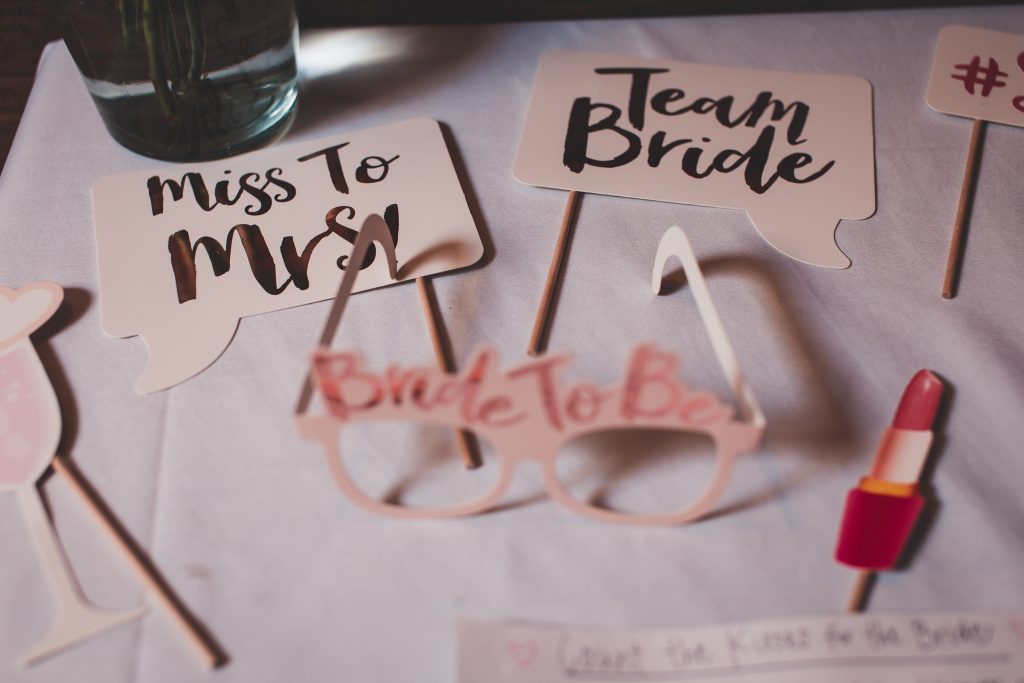
    • Backdrop & Props: Use themes that match your wedding style—rustic wood, floral frames, greenery, vintage frames, or fabric drapes. Props make it playful (hats, signs, masks).

    • Instant Cameras / Polaroids / Instax: Guests take instant prints to stick into a guest book or photo wall. This doubles up with messaging.

    • Remote triggered DSLR or mirror-booth setups: Let guests trigger photos themselves; combine with prints or digital uploads.

    • Photo guestbook combo: After each photo, guests tape/stick the image into a guestbook and add a message. This creates a fun visual diary of the day.

    Guestbook Alternatives: Keepsakes Beyond the Book

    Traditional guestbooks are still lovely—but many couples are choosing alternatives that better reflect their personalities or become artful displays.

    Some ideas:

    • Thumbprint Tree: Guests leave thumbprints as “leaves” on a printed tree, then sign next to them. Makes for a visual piece to display.

    • Jenga Blocks or Building Blocks: Guests write messages on wooden game pieces / blocks. Later you can display or even play with them as a couple.

    • Message / Advice Cards: Provide cards where guests write marriage advice, wishes, or memories. Collect them in a box or display them.

    • Wishing Tree: Guests tie/tag messages onto a tree or branches. Very decorative.

    • Vinyl Record / Board Game / Canvas Art: Use a vinyl record or customised board game, sketch or painting canvases, or other items (tiles, wood panels) that guests sign or decorate.

    Memory Jars & Other Keepsake Containers

    Memory jars are charming and sentimental and can be combined with guestbooks or stand alone.

    • Memory / Advice Jar: Guests write messages or date-night ideas, fold them, drop into a jar. After the wedding, you can draw one message whenever you want a reminder.

    • Postcards in a Jar: Pre-printed postcards; guests write on them and drop them in. Later you can read them on anniversaries.

    • Bottle of Wishes: Similar to a memory jar but with glass bottles, maybe multiple small bottles for different types of messages (humour, love, advice).

    • Artifact Jars: Guests contribute small items (if possible) or tokens related to travel or culture—e.g. pebbles, ribbons, feathers—alongside messages.

    Practical Tips to Make These Ideas Work

    • Set up clearly: Provide pens, tape/glue, props, signs/instructions so guests know what to do.

    • Visibility: Put stations in well-trafficked areas so people don’t miss them (entrance, near food, cocktail area).

    • Durability: Use materials that hold up, thick paper, acid-free paper for guestbooks; permanent markers; protect photo prints if needed.

    • Backup plan for weather (if outdoors).

    • Assign someone to maintain/refill supplies (glue, pens, photo paper).

    Why These Ideas Make a Difference in 2025

    • More personal, interactive experiences are in demand.

    • Guests like doing something fun, not just signing a book.

    • Keepsakes become part of home decor and remind couples daily of that special day.

    • Many of these ideas are budget-friendly yet meaningful.

    Featured Image

    Planning a wedding in 2025? You’re in luck! Technology has revolutionized the wedding planning process, making it more efficient, organized, and enjoyable. From managing guest lists to tracking budgets and creating digital guestbooks, here are the top wedding planning apps and tech tools you should consider.

    Joy: All-in-One Wedding Planning

    Joy is a comprehensive wedding planning platform that offers a suite of tools to help couples manage their big day. Features include customizable wedding websites, RSVP tracking, guest list management, and digital invitations. The app also allows couples to share photos, videos, and updates with their guests, keeping everyone in the loop.

    That’s The One: Professional Planning for Planners

    Designed for professional wedding planners, That’s The One centralizes every aspect of the planning journey. It integrates RSVPs, guest lists, seating charts, budgets, and timelines into one platform, saving planners time and enhancing client satisfaction.

    WeddingHappy: Task Management Made Easy

    WeddingHappy acts as your virtual checklist, keeping track of tasks, deadlines, and appointments. Whether it’s sending out invitations or finalizing your menu, WeddingHappy ensures nothing is overlooked. It’s your personal wedding planner, always ready to guide you through the next step towards saying “I do.”

    WedSites: Precision for the Modern Couple

    WedSites offers a modern approach to wedding planning with tools that include customizable wedding websites, RSVP tracking, and budget calculators. The platform also provides analytics to help couples understand their guest engagement and preferences.

    Partiful: Digital Invitations with a Twist

    Partiful is a digital invitation platform popular among Gen Z for its playful templates and viral meme integration. It allows couples to create engaging invitations and manage RSVPs efficiently, making the process fun and interactive.

    Ramsey’s Wedding Budget Calculator: Financial Planning Simplified

    Ramsey’s Wedding Budget Calculator helps couples set a clear budget and track expenses. The tool categorizes costs, such as attire, entertainment, and gifts, allowing couples to monitor their spending and stay within their financial limits.

    Rompolo: Digital Guestbooks for Lasting Memories

    Rompolo offers digital wedding guestbooks that allow guests to share photos, videos, and heartfelt messages. This creates a lasting keepsake for couples to cherish, capturing memories from their special day.

    Tips for Choosing the Right Wedding Tech Tools

    • Consider Your Needs: Identify the features that are most important to you, such as RSVP tracking, budget management, or guest communication.

    • User-Friendly Interface: Choose apps that are easy to navigate and offer a seamless user experience.

    • Integration Capabilities: Select tools that can integrate with other platforms you use, such as email or calendar apps.

    • Customer Support: Ensure the app provides reliable customer support in case you encounter any issues.

    Featured Image: Pexels