• Tag

    advice

    Browsing

    There’s a quiet shift happening in the wedding world – and it’s not about décor trends or dress silhouettes. It’s about the day itself. 

    More couples are considering weekday weddings to stretch budgets, secure dream venues, and avoid peak-season pressure. But while the idea sounds practical on paper, the reality is a little more layered. 

    So, are weekday weddings smart planning, or just inconvenient for everyone involved? 

    Let’s break it down properly. 

    Why couples are choosing weekday weddings

    1. Better pricing and more flexibility

    One of the biggest drivers behind weekday weddings is cost. Venues, photographers, planners, and even some décor suppliers often offer lower rates from Monday to Thursday compared to peak weekend bookings. 

    For couples working with tighter budgets (or simply wanting more value for money), this can be a game-changer. It may also open doors to suppliers or venues that are usually fully booked on weekends. 

    1. More availability for top vendors

    If you’ve ever tried booking a sought-after wedding photographer or venue on a Saturday in peak season, you already know the struggle. 

    Weekdays often come with better availability, which means less compromise and more freedom to choose your dream team. 

    1. Less competition, more breathing room

    Weekday weddings tend to feel less rushed. Venues may be quieter, staff less stretched, and timelines slightly more flexible. 

    For couples who want a more intimate or relaxed atmosphere, this can enhance the experience. 

    The inconvenient truth: guest availability

    This is where weekday weddings get complicated. 

    1. Work commitments are real

    The biggest challenge is simple: most guests work Monday to Friday. Attending a weekday wedding often requires taking leave, which isn’t always possible – especially for guests travelling from out of town or those with limited annual leave. 

    This can directly impact attendance numbers, no matter how much people love you. 

    1. Travel and accommodation pressure

    A weekday wedding often means guests must plan extra carefully: 

    • Taking additional leave days  
    • Booking accommodation mid-week  
    • Arranging childcare or work coverage  

    This adds friction that weekend weddings don’t usually have. 

    1. The “early exit” effect

    Even when guests do attend, weekday weddings can feel shorter. People may leave earlier to prepare for work the next day, which can affect the energy of the reception. 

    The social balancing act

    Weekday weddings aren’t inherently “good” or “bad” – they just require more intentional communication. 

    If you’re considering one, transparency becomes everything: 

    • Send save-the-dates early  
    • Be clear about timing expectations  
    • Consider local vs travelling guest dynamics  
    • Don’t assume attendance is guaranteed  

    A weekday wedding works best when couples are realistic about their guest list and priorities. 

    So… are weekday weddings worth it?

    Here’s the honest answer: it depends on what matters more to you. 

    If your priority is budget control, vendor availability, and a more intimate feel – weekday weddings can be incredibly smart.  If your priority is a full guest list, high-energy celebration, and maximum convenience for everyone – weekends still win. 

    There’s no wrong choice, only trade-offs. 

    The key is being honest about what kind of wedding you want and what your guests can realistically give. 

    Final thought

    Weekday weddings aren’t just a scheduling decision – they’re a reflection of priorities. 

    And in modern wedding planning, that’s really what everything comes down to: choosing what matters most and letting go of what doesn’t. 

    ALSO SEE: Are destination weddings still worth it in 2026? 

    Are destination weddings still worth it in 2026?

    Featured image: Phát Võ Hồ Tấn / Pexels
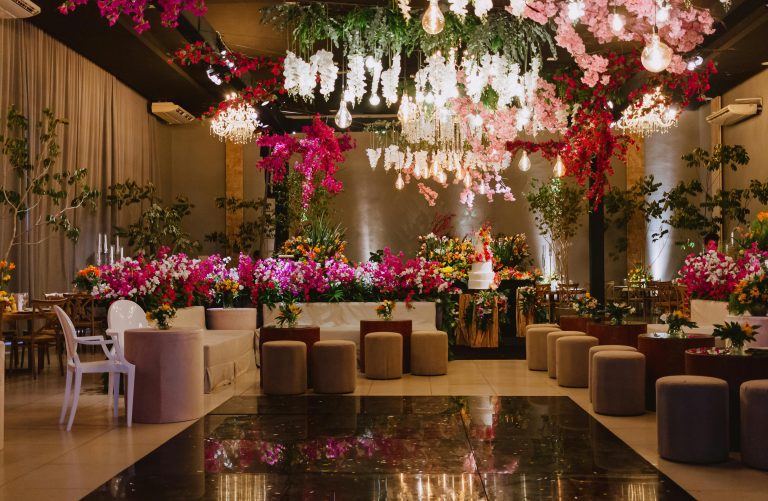
    Your venue is not just a backdrop. It shapes your budget, your guest experience, your timeline, your décor decisions and – if we’re being honest – your stress levels too. 

    And while it’s easy to fall in love with sweeping vineyard views or a dramatic ballroom ceiling, the prettiest venue in your saved folder can quickly become a logistical nightmare if you don’t ask the right questions upfront. 

    In 2026, couples are becoming far more intentional about venue selection. Flexibility, sustainability, weather contingency plans, accessibility and transparent pricing are now just as important as aesthetics. Experts are also seeing a rise in all-in-one venues, intimate guest experiences and multipurpose spaces that can seamlessly transition from ceremony to after-party. 

    So, before you put down a deposit or sign a contract, here are the questions every couple should ask first.

    What exactly is included in the venue fee?

    This is the question that separates the “reasonable” venue from the one quietly draining your budget. 

    Some venues include tables, chairs, glassware, staff, generators, lighting and coordination. Others hand you an empty space and charge extra for every little thing. Ask for a detailed breakdown of what’s actually included – in writing. 

    And don’t forget to ask about: 

    • Setup and breakdown 
    • Cleaning fees 
    • Security 
    • Corkage 
    • Cake-cutting fees 
    • Service charges 
    • VAT 

    Those “small extras” add up frighteningly fast.

    Are there any hidden costs we should know about?

    A venue may look affordable on paper until overtime fees, mandatory staffing costs or vendor restrictions enter the chat. 

    Ask: 

    • What happens if the wedding runs late? 
    • Are there penalties for extending the reception? 
    • Are gratuities included? 
    • Is there a minimum spend requirement? 
    • Are there seasonal pricing changes? 

    Transparency matters. If a venue feels vague about pricing, take that seriously. 

    What’s the real guest capacity?

    Not the “squeezed in shoulder-to-shoulder” number. The realistic one. 

    A venue may technically hold 200 guests, but once you add a dance floor, DJ booth, stage, dessert table and lounge seating, the space can feel cramped very quickly. 

    Ask the venue to show you examples of layouts for guest counts similar to yours.

    Is there a weather backup plan?

    This one is non-negotiable – especially for outdoor weddings. 

    Even if you’re getting married in the middle of summer, weather can still humble you. Ask: 

    • Is there an indoor backup option? 
    • Is tenting available? 
    • Who organises the weather contingency plan? 
    • Is the backup space included in the price? 
    • Will the backup still comfortably fit your guest count? 

    And here’s the important part: if you hate the backup option, do not book the venue hoping the weather will magically cooperate.

    What are the venue’s vendor policies?

    Some venues allow complete flexibility. Others require you to use their preferred caterers, florists or DJs. 

    Neither option is necessarily bad – but you need to know before booking. 

    Ask: 

    • Can we bring our own vendors?
    • Are outside vendors charged additional fees?
    • Do vendors need insurance?
    • What time can vendors access the venue for setup?

    This becomes especially important if you already have suppliers you love.

    Is the venue accessible for all guests?

    Couples are paying far more attention to accessibility in 2026 – and rightly so. 

    Think beyond aesthetics and consider your actual guests: 

    • Is there wheelchair access? 
    • Are there accessible bathrooms? 
    • Is parking nearby? 
    • Are elderly guests able to move around comfortably? 
    • Is the terrain manageable in heels? 

    A stunning mountaintop venue loses its charm very quickly if half your guests struggle to reach it.

    What happens if our guest count changes?

    Because it probably will. 

    Ask about: 

    • Minimum guest requirements 
    • Final headcount deadlines 
    • Pricing adjustments 
    • Whether the layout can be modified if numbers increase or decrease 

    Flexible venues tend to make the planning process far less stressful.

    How private is the venue?

    This is becoming a much bigger consideration for modern couples. 

    Some venues host multiple weddings simultaneously, while others remain open to the public during events. 

     Ask: 

    • Will there be another wedding happening at the same time? 
    • Are any areas shared? 
    • Are there public guests nearby? 
    • Is a full venue buyout possible? 

    Privacy affects everything from photos to the overall atmosphere.

    What are the timing and noise restrictions?

    Nothing kills the mood like being told to lower the music at 9pm. 

    Ask: 

    • What time does the reception need to end? 
    • Are there noise restrictions? 
    • Is there an after-party option? 
    • How early can setup begin? 
    • How late can vendors collect equipment? 

    This matters more than couples initially realise – especially if you want a proper dance floor moment.

    What does the lighting actually look like at night? 

    A venue can look dreamy at noon and completely different after sunset. 

    Visit the venue at the same time of day your wedding will take place if possible. Pay attention to: 

    • Natural lighting 
    • Sunset direction 
    • Reception lighting 
    • Outdoor visibility 
    • Generator or backup power options 

    Your photographer will thank you.

    What accommodation and transport options are nearby?

    Your venue experience doesn’t end once the reception does. 

    Ask: 

    • Are there nearby hotels or guesthouses? 
    • Is transport available? 
    • Is parking sufficient? 
    • Are there shuttle options for guests? 

    Destination-style weddings and weekend wedding experiences are still incredibly popular, so convenience matters.

    How sustainable is the venue?

    Sustainability is no longer a “nice extra” for many couples – it’s becoming an expectation. 

    Ask whether the venue: 

    • Uses energy-efficient systems 
    • Has recycling practices 
    • Sources local produce 
    • Minimises food waste 
    • Offers reusable décor or furniture options 

    Eco-conscious weddings continue to shape venue trends in 2026, particularly among younger couples wanting a more intentional celebration. 

    What’s written in the cancellation or postponement policy?

    Not the fun question. Still one of the most important. 

    Read the contract carefully and ask: 

    • Is the deposit refundable? 
    • What happens if we postpone? 
    • What qualifies as force majeure? 
    • Can the date be transferred? 
    • What happens if the venue cancels? 

    If anything feels unclear, ask for clarification before signing. 

    Choose a venue that feels right – not just one that looks good

    Because the truth is, your venue sets the tone for everything that follows. It’s where your memories will unfold, where your people will gather, and where the atmosphere of your entire celebration begins to take shape. 

    So yes – fall in love with the architecture, the views and the candlelit reception spaces. But don’t ignore the practical questions in the process. A venue should not only photograph beautifully; it should make your wedding day feel seamless, comfortable and genuinely reflective of you as a couple. 

    The right venue won’t leave you second-guessing every detail. It will give you clarity, confidence and the freedom to enjoy the experience you’ve spent months planning. 

    And honestly? That peace of mind is worth just as much as the aesthetic. 

    ALSO SEE: Enchanting Wedding Venues Across South Africa: From Vineyards to Safari

    Enchanting Wedding Venues Across South Africa: From Vineyards to Safari

    Featured image: Dhemer Gonçalves / Pexels

    For years, destination weddings were seen as the ultimate modern fairytale: oceanfront vows, multi-day celebrations and Instagram-worthy scenery far away from home. But in 2026, couples are asking a much more practical question – are destination weddings still actually worth it?

    The answer is no longer as straightforward as it used to be. Between rising travel costs, guest fatigue and the growing shift towards intentional weddings, destination celebrations are evolving fast. Yet despite the challenges, they remain incredibly popular – just in a very different form than before.

    Destination weddings aren’t disappearing, they’re getting smaller

    One of the biggest misconceptions about destination weddings is that they’re fading out. In reality, they’re simply becoming more intimate.

    Across wedding trend reports, planners are seeing couples move away from huge overseas guest lists in favour of smaller, experience-focused celebrations with close family and friends only.

    The modern destination wedding is less about showing off and more about creating quality time. Instead of inviting 200 guests, many couples are hosting 30 to 70 people and investing more intentionally in the experience itself – boutique accommodation, curated dinners, welcome events and extended weekends together.

    Ironically, smaller guest lists are making destination weddings feel more luxurious and personal than ever.

    The cost conversation is changing

    The idea that destination weddings are always cheaper than traditional weddings is becoming increasingly outdated. While a smaller guest list can reduce overall costs, destination weddings come with their own financial pressures: travel logistics, accommodation coordination, vendor transport and multi-day hosting expectations.

    According to recent wedding budget breakdowns, destination weddings in 2026 can range anywhere from mid-tier affordability to ultra-luxury pricing depending on the location and guest count.

    At the same time, guests are becoming more vocal about the financial strain of attending weddings that require flights, leave days and expensive accommodation. Online discussions around “wedding guest fatigue” have exploded, with many people admitting they now decline destination weddings due to costs.

    That shift is forcing couples to think more carefully about accessibility, affordability and whether their dream location genuinely works for the people they want there most.

    Guest experience now matters more than aesthetics

    Perhaps the biggest shift in 2026 wedding culture is that couples are prioritising how a wedding feels – not just how it photographs.

    Wedding experts say guest experience has become one of the defining priorities for modern weddings.

    That means destination weddings only really work when logistics are handled thoughtfully. Couples are increasingly choosing destinations with easier travel access, group accommodation options and activities that feel worthwhile for guests making the trip.

    There’s also growing resistance to weddings that unintentionally burden guests financially. Viral social media debates and Reddit threads regularly criticise destination weddings that expect guests to overspend or navigate complicated travel arrangements with little support from the couple.

    In other words: the “worth it” factor often depends less on the destination itself and more on how considerate the planning is.

    Social media changed destination weddings, and couples are noticing

    For years, destination weddings exploded partly because of aspirational wedding content online. Beautiful villas in Italy, beach ceremonies in Bali and cliffside receptions in Greece became part of the modern wedding fantasy.

    But in 2026, there’s noticeable pushback against weddings designed primarily for aesthetics or content creation. Industry reports show couples are leaning towards more authentic, personal celebrations instead of recreating viral Pinterest weddings.

    That doesn’t mean destination weddings are “out.” It simply means couples are becoming more intentional about why they’re choosing them.

    A meaningful location, cultural connection or intimate travel experience now tends to resonate more strongly than choosing a venue purely because it’s trending online.

    So… are destination weddings still worth it?

    For the right couple, absolutely.

    Destination weddings still offer something traditional weddings often struggle to replicate – uninterrupted time with loved ones, immersive experiences and the feeling of stepping away from everyday life completely.

    But in 2026, successful destination weddings require balance. Couples are increasingly expected to think about guest budgets, convenience, genuine experience and not just aesthetics.

    The destination weddings that work best today are the ones rooted in intentionality rather than excess. Smaller guest lists, meaningful locations and carefully considered experiences are replacing the pressure to create the biggest or most extravagant celebration possible.

    And honestly? That shift might be what saves destination weddings from becoming just another passing trend.

    ALSO SEE: Honeymoon in Your Backyard: Luxury Destinations in South Africa That Couples Overlook

    Honeymoon in Your Backyard: Luxury Destinations in South Africa That Couples Overlook

    Feature image: Pinterest

    There’s nothing quite like the feeling of freedom that comes with the open road – and there’s no better person to share it with than your new spouse. Just married, chasing adventure with good music, scenic stops, and uninterrupted conversation? That’s honeymoon magic.

    If you’re planning a honeymoon road trip, here are a few things to keep in mind before you hit the highway.

    Avoid Breakdowns and Breakouts

    Before you embark on your journey, make sure your car is properly serviced – especially the filters, fluid levels, brakes, tyres, belts, oil, and water. Check that your tyre pressure is correct and inspect your wiper blades, indicators, brake lights, and headlights.

    If you’re travelling through different climates or remote areas, ensure your vehicle is prepared for changing weather conditions. And if you’re road-tripping during a South African summer, don’t forget to check the air conditioner – nothing kills romance faster than being stuck in traffic in unbearable heat.

    It’s also worth downloading offline maps ahead of time in case signal drops along your route.

    Clean Up, Stock Up

    There’s no better way to begin your honeymoon than in a freshly cleaned car. Turn the pre-trip prep into part of the fun with a quick car wash date before departure.

    Stock up on snacks, padkos, and plenty of water – buying from grocery stores beforehand is usually far cheaper than relying on petrol station convenience stops. Pack blankets and pillows for extra comfort, especially if one of you wants to nap between destinations.

    Finally, don’t skip the emergency kit. Include essentials like:

    • A flashlight and extra batteries
    • Jumper cables
    • A first aid kit
    • Spare tyre and tyre repair kit
    • Portable phone charger or power bank
    • Emergency contact numbers
    • Being over-prepared is always better than being stranded.

    If You’re Renting

    If you’re renting a car, companies like Hertz, Avis, Budget, and Thrifty offer a variety of vehicle options and pickup locations.

    Look out for package deals that combine flights, accommodation, and car rental – they can save you a significant amount on honeymoon costs.

    If you’re renting abroad, check whether your destination requires an International Driving Permit (IDP). It’s also important to note that manual transmission vehicles are still standard in many countries. If you’re used to driving automatic, reserve one well in advance, as availability can be limited and rates are often higher.

    And yes – screenshot or print your booking confirmation. Airport Wi-Fi has a habit of failing exactly when you need it most.

    Are We There Yet?

    Planning the time spent in the car together can be just as important as planning the destinations themselves. A long drive can either become part of the adventure – or feel very, very long.

    Prepare some entertainment ahead of time to keep the energy fun and relaxed. Think curated playlists, nostalgic singalongs, podcasts, audiobooks, or even a few classic road-trip games.

    Here are a few ideas to make the journey more memorable:

    • Car games

    They’re not just for kids. Classics like I Spy or the licence plate game are surprisingly entertaining when the kilometres start blending.

    • Story time

    Take turns reading aloud from a book, sharing funny memories, or even telling each other stories you’ve never heard before.

    • Create an on-the-road scrapbook

    Snap photos of quirky roadside stops, beautiful scenery, and funny moments along the way. The blurry selfies and petrol station coffee runs often become the best memories later.

    • Tunes for the trail

    A good playlist can completely shape the mood of a road trip. Create one together before you leave, blending both your favourites with songs that feel like the start of a new chapter.

    The journey is the honeymoon

    A honeymoon road trip isn’t about rushing from one destination to the next – it’s about the moments in between. The unexpected stops, terrible padkos combinations, inside jokes, scenic detours, and quiet conversations are often the memories that last the longest.

    So, leave a little room for spontaneity, keep your itinerary flexible, and enjoy the ride together. After all, the best love stories rarely stick perfectly to the route.

    ALSO SEE: How to pick your honeymoon destination

    How to pick your honeymoon destination

    Feature image: Pinterest

    Choosing a wedding photographer feels almost as important as choosing your life partner – and honestly, it makes sense that it would. Long after the flowers have wilted and the dance floor has emptied, your wedding photos become one of the few ways you get to relive the feeling of the day all over again.

    Beyond beautifully posed portraits, the right photographer knows how to capture emotion, atmosphere and all the in-between moments that often end up meaning the most. Every photographer tells a love story differently. Some lean into cinematic storytelling, others favour documentary-style candids or fashion-inspired portraiture – and finding someone whose style fits your personality and aesthetic can feel a little overwhelming.

    So, we did the deep dive for you. From editorial elegance to warm, emotive storytelling, here are 11 South African wedding photographers we think every couple should have on their radar.

    Wynand Van Der Merwe 

    If cinematic storytelling is your thing, Wynand Van Der Merwe’s work is guaranteed to stop you mid-scroll. His photography feels emotional without trying too hard, balancing modern editorial composition with genuinely intimate moments. The result? Wedding galleries that feel timeless, elegant and incredibly personal. 

    Nathan Prahl-Andresen

    Nathan Prahl-Andresen captures weddings in a way that feels effortless and deeply human. His documentary-style approach focuses less on perfectly posed moments and more on authentic connection, creating imagery that feels natural, cinematic and full of emotion.

    Anandi Kirsten

    With soft tones, romantic composition and a refined editorial edge, Anandi Kirsten’s photography feels both modern and timeless. Her work has a way of making every frame feel intentional while still preserving the emotion and energy of the moment itself.

    Alysha Bannister

    Alysha Bannister’s photography leans into warmth, emotion and storytelling in the most natural way. Her galleries feel relaxed and intimate, capturing not only the big moments but also the smaller details and candid interactions couples often treasure most.


    View this post on Instagram


    A post shared by Captured By Lysh (@capturedbylysh)

    Graeme Deacon 

    Through The Frames Collection, Graeme Deacon brings a polished editorial feel to wedding photography. His work blends striking composition with genuine emotion, resulting in imagery that feels elevated, fashion-forward and effortlessly contemporary. 

    Kayla Otto

    Kayla Otto’s work through Misty Kisses Photography feels soft, romantic and deeply heartfelt. Known for dreamy colour tones and natural light imagery, her photography captures weddings with a warmth that feels both personal and timeless.

    Leon Jiber 

    Bold, cinematic and emotionally immersive – Leon Jiber’s photography has a way of making every wedding feel like a beautifully curated visual story. His editorial-inspired style paired with authentic storytelling creates imagery that feels modern without losing the emotion behind each moment. 

    Louise Meyer 

    Louise Meyer brings a fashion-inspired perspective to wedding photography, blending editorial portraiture with real emotion and connection. Her work feels artistic yet effortless, making every gallery look straight out of a modern bridal campaign. 

    Talita Luff 

    Talita Luff’s work through Inka Photography is filled with emotion, atmosphere and cinematic detail. Her storytelling style captures weddings in a way that feels immersive and intentional, balancing artistry with authenticity beautifully. 

    Lotty H. 

    For couples dreaming of something a little less traditional, Lotty H. specialises in adventurous elopements and intimate destination weddings that feel cinematic, immersive and deeply personal. Her work blends breathtaking landscapes with emotionally driven storytelling, creating imagery that feels equal parts editorial and wildly authentic. 

    • Location:  Cape Town / South Africa-based destination photographer
    • Website: https://lottyh.com/

    Lauren Pretorius 

    For couples drawn to soft, romantic imagery, Lauren Pretorius’ photography delivers exactly that. Her use of natural light and understated composition creates timeless galleries that feel elegant, effortless and emotionally rich. 

    Mary-Anne De Jager 

    Mary-Anne De Jager’s photography focuses on connection, emotion and storytelling in its most authentic form. Her work captures both the energy of celebration and the quieter in-between moments, preserving weddings in a way that feels deeply personal and genuine. 

    Whether you love documentary-style storytelling, editorial portraiture or dreamy romantic imagery, choosing the right wedding photographer ultimately comes down to finding someone whose work feels like you. Because at the end of it all, the best wedding photographs don’t just capture how the day looked — they capture how it felt. 

    ALSO SEE: Things your wedding photographer wish you knew

    Things your wedding photographer wish you knew

    Featured Image: Pinterest


    Your wedding photographs are one of the few tangible reminders you’ll have of your big day. If you haven’t already thought of it, a wedding video will also allow you to watch the day unfold again – bit by bit.

    You’ll relive almost every experience from the recital of your vows to showing off your moves on the dance floor. But don’t settle for just any old chump with a video-camera. A quality videographer does not come cheap and considering your wedding video will last for a lifetime,  you can’t afford to take the time to do your homework.

    If you’re researching potential videographers and are unsure of how to go about picking one, make sure to ask them these important questions.

    How long have you been shooting weddings?

    As with many other professionals, it’s normally the videographers who have the most experience under their belt who you can count on to produce the best results. Being aware that there are no chances for second takes at weddings, a seasoned pro will be prepared to capture all the candid moments on your big day, be able to competently cope with unpredictable mishaps and be sharp enough to spot the heartfelt yet less noticeable moments those still new to the game may miss.

    However, this doesn’t mean you shouldn’t go for someone with less experience. If they’re new to the wedding game but have solid references from other types of shoots, they may still be the perfect option.

    What’s your style of shooting?

    Two main styles can be adopted: cinematic and documentary. A cinematic style, as the name implies, involves using feature-film methods to craft an arty movie. In contrast, a documentary-style involves outlining all the highlights of the event from beginning to end.

    To avoid disappointment, ensure your videographer’s style matches your expectations by watching previous wedding films they’ve shot.

    How does your pricing work?

    Videographers usually require you pay a flat rate based on the number of hours they’ll be shooting. They might also have designed fixed packages that include different products and services for different budgets. Whether your videographer bills you a flat rate or you’re opting for a package, it’s crucial you’re crystal clear on what is and isn’t part of the deal.

    Note: Have any agreement you make with them sent to you in writing so if you’re disappointed with the product after, you have documentation outlining the promises made.

    What does your schedule look like on my wedding date?

    You want your videographer to focus solely on your wedding so make sure they have nothing else planned for that day. Having only one wedding to shoot guarantees your videographer will give you their undivided attention and that they’ll capture every aspect of the occasion they agreed to. Juggling multiple weddings or shoots in one day could mean your videographer does a rushed job.

    Will you be the one shooting my wedding?

    Some videographers work for large studios that commonly take on several projects per day or weekend. When you first make contact, you probably won’t speak to the person who will be filming your wedding. If this is the case, get the contact details of the videographer assigned to you and set up a meeting with them. This will give you the chance to get comfortable with them as well as ask them any pressing questions about their style of shooting.

    Will you be working with an assistant?

    Having an assistant is key because it’ll be challenging or nearly impossible for all the necessary footage to be shot without one. To make your video exciting, it’s best to have certain parts of your wedding and, most of all, your ceremony, shot from varying angles. Keep in mind that having more than three videographers isn’t recommended because they’ll probably end up getting in each other’s way – and possibly your photographer’s too.

    Which photographers have you enjoyed working with?

    Your photographer and videographer will operate as a close-knit team to create valuable footage that’ll last a lifetime. So it’s a huge plus if they’ve had positive experiences with each other before – and even better if they come as a package! If they’ve never worked together, set up a meeting before the wedding to chat about their approach to collaborating as they document the day’s events. If they compete, rather than co-operate, to get shots, it could lead to tension – and terrible photographs and footage.

    Picture: Pexels

    While your ring may be built to last a lifetime, it still needs a bit of love along the way. Proper engagement ring care isn’t just about keeping it shiny for Instagram photos. It’s also about protecting a piece of jewellery that carries enormous sentimental value.

    Luckily, a few smart habits can help keep your sparkler safe, secure and dazzling for years to come.

    Take it off more often than you think

    It might feel strange removing your engagement ring after getting used to wearing it every day, but there are certain situations where it’s much safer off your finger than on it.

    Heavy lifting at the gym, gardening, cleaning with harsh chemicals and even sleeping can put unnecessary pressure on the setting and metal. Over time, this can loosen prongs, scratch the band or cause tiny stones to fall out without you even noticing.

    When you shouldn’t wear your engagement ring

    Your engagement ring is designed for everyday wear, but there are some situations where jewellers strongly recommend taking it off.

    At the gym

    Weights, resistance machines and even certain yoga poses can bend bands, loosen stones and scratch metal. Pavé settings are especially vulnerable during workouts because tiny diamonds can shift under pressure.

    In the shower

    Soap, shampoo and conditioner create buildup that leaves stones looking dull and cloudy. There’s also the very real possibility of your ring slipping off and disappearing down the drain.

    While cleaning

    Household cleaning products often contain harsh chemicals that can damage metals and gemstones over time. Bleach and chlorine are particularly harsh on jewellery.

    At the beach or pool

    Cold water causes fingers to shrink, making rings easier to lose without noticing. Sand can also scratch metal and get trapped underneath settings, while chlorine and salt water may weaken certain metals over time.

    While sleeping

    Sleeping with your ring on can create unnecessary wear from friction against bedding, and overnight swelling can sometimes make rings uncomfortable or difficult to remove.

    During gardening or DIY projects

    Soil, tools and rough surfaces can easily scratch or dent your ring, while dirt buildup underneath stones can dull sparkle surprisingly quickly.

    When applying skincare or beauty products

    Lotions, oils, sunscreen, perfume and fake tan can all leave residue behind that affects shine. It’s best to put your ring on after finishing your beauty routine.

    During certain holidays or travel

    Adventure holidays, hiking trips and busy tourist destinations can increase the risk of damage, loss or theft. Some brides-to-be choose to wear a travel ring instead for peace of mind.

    If there’s ever doubt, jewellers tend to follow one simple rule: if an activity could scratch, loosen, bend or expose your ring to chemicals, it’s safer off your finger than on it.

    Put your ring on last

    When getting ready, your engagement ring should be the finishing touch.

    Perfume, hairspray, fake tan, moisturiser and makeup can leave residue on your stone over time, dulling its sparkle much faster than you’d expect. Jewellery experts often recommend applying all beauty products first and slipping your ring on just before heading out the door.

    Keep a ring dish nearby

    One of the easiest engagement ring care habits to adopt? Ring dishes.

    Place one next to your bed, another in the bathroom and maybe even one in the kitchen. Having designated safe spots around your home means you’re far less likely to leave your ring balanced precariously on a sink edge or wrapped in a tissue somewhere.

    And yes, everyone thinks they’ll remember where they put it. Until they don’t.

    Clean your ring regularly

    Even the most brilliant diamond can start looking dull thanks to lotions, soap, makeup, sunscreen and the natural oils on your hands.

    Thankfully, you don’t need anything fancy for at-home engagement ring care. A small bowl of warm water with a drop of mild dish soap works perfectly. Let the ring soak for a few minutes, then gently clean around the setting with a soft toothbrush before drying it with a lint-free cloth.

    A gentle clean every few weeks can make a noticeable difference to your ring’s sparkle.

    Book professional check-ups

    Just like your car needs a service, your engagement ring benefits from a professional once-over too.

    Jewellers can check that the prongs are still secure, inspect the setting for wear and professionally polish the metal to restore its shine. Tiny issues that you might never notice yourself can often be caught early before they become expensive problems.

    If your ring suddenly starts snagging on jerseys, blankets or towels, don’t ignore it. That can sometimes be a sign that the claws or prongs have lifted slightly and need attention.

    Know your metal

    Different metals require slightly different care.

    White gold rings, for example, are usually coated in rhodium plating to achieve that bright silvery finish. Over time, the plating naturally wears away and may need refreshing every few years.

    Make sure your ring actually fits properly

    A ring that’s too loose is risky, while one that’s too tight can become uncomfortable and difficult to remove.

    Finger sizes naturally fluctuate throughout the year depending on temperature, lifestyle changes and even hydration levels. In colder weather especially, fingers can shrink enough for rings to slip off more easily.

    If your ring constantly spins, slides or feels uncomfortably snug, it may be worth visiting a jeweller for resizing or sizing beads.

    Proper engagement ring care starts with making sure your ring fits securely in the first place.

    Consider jewellery insurance

    It’s not the most glamorous part of being engaged, but insuring your ring can save a lot of stress later on.

    Insurance can help cover theft, accidental damage or loss, particularly if you travel often or wear your ring daily. Many jewellers provide valuation certificates that make the process much easier.

    It’s also smart to keep clear photographs of your ring, along with any certificates or valuation documents, in a safe place.

    Hopefully you’ll never need it — but having that peace of mind is worth it.

    Not all gemstones are created equal

    While diamonds are famously durable, other gemstones require a gentler approach.

    Emeralds, opals, pearls and softer stones can be more vulnerable to knocks, heat, chemicals and even sudden temperature changes. If your engagement ring features a coloured gemstone, it’s worth asking your jeweller about the best cleaning and care methods specifically for that stone.

    Don’t panic about taking it off

    There’s an old superstition that removing your engagement ring is somehow “bad luck”. Thankfully, that’s exactly what it is: a superstition.

    Looking after your ring properly doesn’t say anything about your relationship. If anything, careful engagement ring care simply means you want this sentimental piece to stay beautiful for decades to come.

    ALSO SEE: (Don’t) put a ring on it

    (Don’t) put a ring on it

    Feature image: Pexels

    Planning a wedding requires a lot of patience, time and attention to detail. For many it can be quite stressful and can take a toll on not only your time, but your emotions as well. Which begs the questions… are you a bridezilla or a bridechilla?

    Bridezilla 

    This is a bride who is stressing about everything and has little to no, well, ‘chill’. She’s determined and dead-set on getting her way and making sure everyone complies. A bridezilla has imagined her wedding day for what seems like forever and nothing is going to stop her from ensuring that her big day is exactly how she pictured. There’s nothing wrong with going after what you want, but be aware that these brides are usually not considerate of those around them and this can relate to money, schedules etc.

    Bridezillas want things a certain way and want to make sure that their big day is perfect in every way. They’re usually very hands-on and will want control over all aspects of the planning. Wedding planner? What wedding planner??

    If she’s surrounded by people who are unsure and don’t really know what to do, where to lend a hand or what to contribute, then a bridezilla may not be all that bad. After all, she’ll tell them.

    The bridezilla will have planned everything down to the smallest detail, because she wants that first-hand reassurance that everything will be smooth sailing. Because when it comes to your wedding and paying large amounts of money, you want to know what’s going on 100% of the time.

    Bridechilla

    Basically, everything that was mentioned above, just the complete opposite. The bridechilla doesn’t seem to fuss over things and she just goes with the flow. It’s not that she’s careless, but she’s just not worried about everything as much. She doesn’t seek control over every little aspect of the planning process.

    Being a bridechilla seems like it’s the easy choice, but it’s important to keep some things in mind about the laid back bride.

    There is such a thing as being too chilled. When the bride-to-be is showing little to no interest about the wedding planning, there’s a great possibility that those around her will have to pick up the slack.

    Some people enjoy some direction. For example, a bridechilla may tell her bridesmaids to wear what they want. This may leave them feeling confused and unsure of what exactly to wear or what the limitations are. Stress and frustration can be transferred to those around the bridechilla.

    So… are you one of them?

    This is your big day after all, so it should be exactly what you want, but you shouldn’t be over-stressing and taking all the fun out of it. With that being said, you shouldn’t allow those around you to carry all the weight, or, alternatively, feel like they have no say at all.

    Trying to maintain a balance of both is the ideal – taking control but also letting go when needed. It’s great to know what you want and to have control of the planning, but you shouldn’t be too forceful, and don’t forget to chill out now and then.

    ALSO SEE: Bridesmaid proposal ideas

    Bridesmaid ‘proposal’ ideas

    Feature image: Pexels

    It’s always great receiving an invitation to a wedding. It’s a joyous occasion that you are honoured to be part of. As excited as you may be, your wallet might not be as thrilled. All the costs are easy to forget, so be prepared for these expenses if you’re a wedding guest.

    The engagement party

    Couples usually have an engagement party to celebrate the good news and the marriage to come. It’s not always a big thing, but there is a chance that you may encounter a few expenses.

    • You may need to purchase a gift. It’s not a requirement, but if you feel the need to get the couple a gift, it doesn’t have to be anything fancy or over the top and you shouldn’t feel pressured into getting something expensive.
    • Not all engagement parties are super formal, but if the one you’re going to happens to be, and you don’t own anything up to par, then you may need to go on a little shopping trip.
    • Hopefully, there are drinks available but if the soiree doesn’t feature an open bar, you’ll have to fork out some cash for your liquor.
    Bridal shower
    • Pitching up with a gift is now expected unless stated otherwise, so that’s definitely a deduction.
    The bachelor/bachelorette party
    • A gift may not be necessary but depending on how close you are to the bride, you may be required to contribute to various things surrounding the party itself.
    • If you’re going out, you may have to pay your own way for things like dinner and drinks.
    • Travel costs. Now, this isn’t always the case, but you may be required to travel to a destination for the party. Whether it’s an hour or plane away, that’s still a cost.
    The wedding
    • Travel comes up again, as the ceremony and reception may be held at a special place that’s of course at a distance. You’ll have to make your own way there unless stated otherwise.
    • This is the main event and a special gift is now mandatory. Most couples opt for a wedding registry that consists of a variety of gifts with different price tags, big and small.
    • Since it is the big day, you have to look your best. Depending on what the dress code is and what’s available in your closet, you may need to stop window shopping.
    • If it is a destination wedding, chances are, you may need to sort out your own accommodation. Some couples may book a few rooms at a hotel but you’ll have to pay your own way.

    It’s important to remember that even if you get an invitation to all the wedding festivities, you don’t have to attend them all, especially since they can become quite costly.

    As expensive as all these things may seem, before you decline the invitation, keep in mind that all the things listed may not be applicable to all events.

    ALSO SEE: Wedding guest dress code explained

    Wedding guest dress code… explained

    Feature image: Pexels

    So you’re engaged, and although it’s an exciting and thrilling time for both you and your significant other, conflict is bound to arise, often in the form of your soon-to-be family-in-law. Some cases may be worse than others, but we’d like to help you lessen the load. Read on for some practical tips and thoughts on how to keep them happy, and, appropriately involved.

    Acceptance

    First of all, you need to make peace with the fact that your wedding planning journey will come with a fair share of stress, drama and mishaps, but all of this could be managed easily by not stressing about the things you cannot change. That goes for the family you’re marrying into as well. If you’ve known the person you’re marrying for a good amount of time, you probably know their family too – including their habits and preferences. Just because you’re getting married doesn’t mean those things will change, so make it easier for yourself by making peace with it – you’d want your S.O to do the same for you.

    You marry the family, too.

    That said, your new spouse’s family is accepting a new member into theirs, as your family is too, so be mindful about including them in the planning process. Your wedding is a celebration of not only two people coming together, but two families uniting, so they need to feel that their opinions matter too. This doesn’t mean that you have to take every suggestion they make to heart, but they’ll feel much more included if you make an effort to hear them out and make some compromises.

    Take a stand

    Sometimes, keeping the peace means taking a stand. It’s extremely difficult to avoid hurting the feelings of someone who simply wants to help, but sometimes their need to help is greater than your need for it. Don’t allow yourself to get into a situation too deep before realising that you’re allowing things to happen that will ultimately make you unhappy. Say no when you need to, but explain your feelings and reasoning behind it so that a mutual understanding can be reached.

    Same page

    You and your S.O absolutely need to be on the same page when it comes to making the decisions in your planning process. This will allow you to adequately explain your reasoning to your families, without throwing anyone under the bus. However, if your parents are paying for some parts of the wedding, you need to be on the same page with them too. Be open about what you want, your visions and expectations to avoid unnecessary conflict, especially if you’re not the one paying for it.

    Lessen the load

    Just because it’s your wedding doesn’t mean you have to plan, take care of and do everything. Make your vision clear and allow your mother-in-law, father-in-law or whoever-in-law to help you out with making calls, DIY projects, collections or whatever it is you may need. This will allow them to feel involved, but not in an overwhelming way where they have the ability to make decisions for you. However, looking at the other side of the spectrum could be just as tricky. Maybe your father-in-law is great at building things with his hands, but up until now you haven’t been getting along that well. Take the plunge and ask him for help with your DIY projects – it might be the starting point for the relationship you’ve been looking for.

    ALSO SEE: 8 guidelines for father of the groom

    8 guidelines for father of the groom

    Feature image: Pexels