
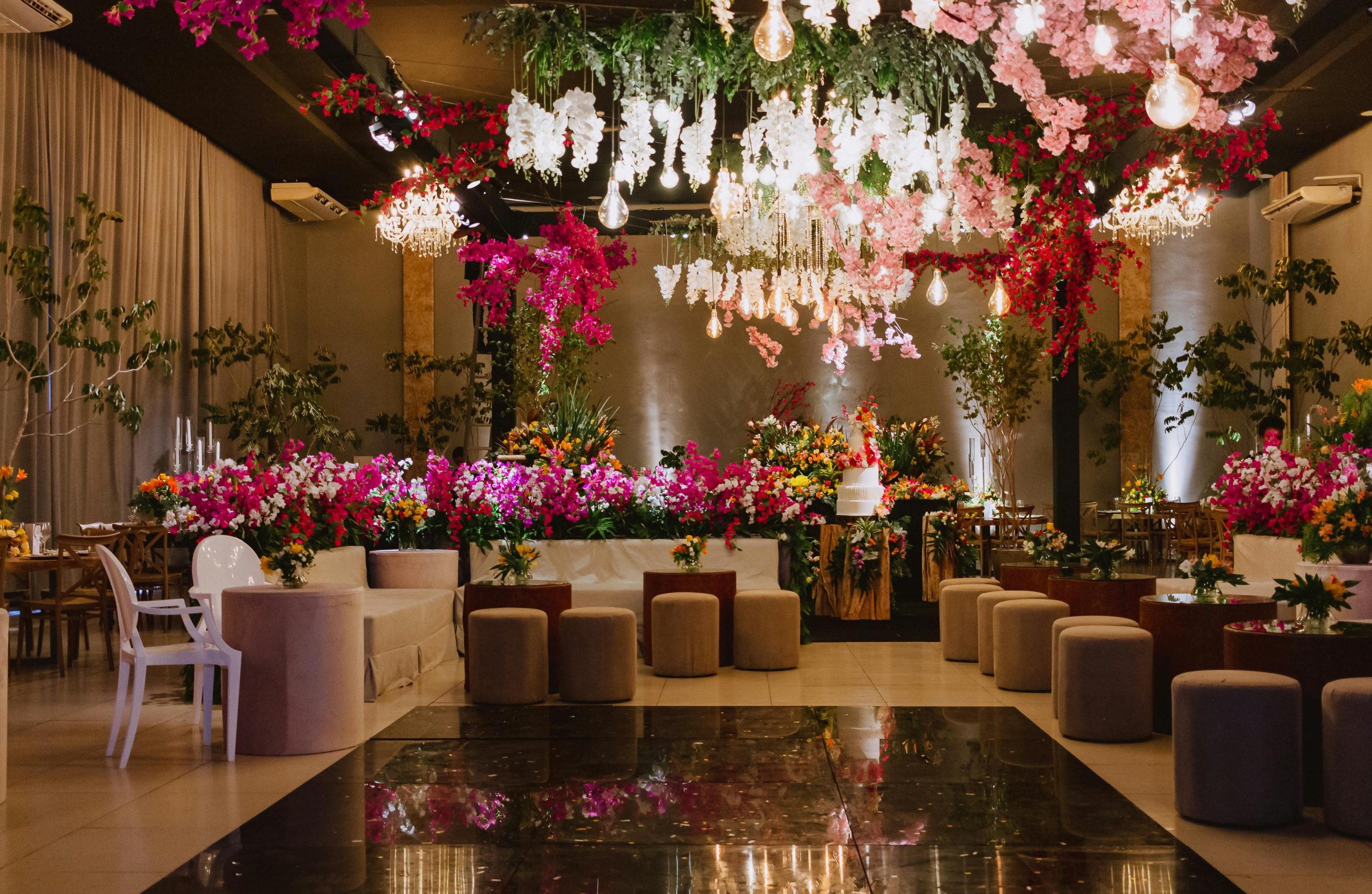
Your venue is not just a backdrop. It shapes your budget, your guest experience, your timeline, your décor decisions and – if we’re being honest – your stress levels too.
And while it’s easy to fall in love with sweeping vineyard views or a dramatic ballroom ceiling, the prettiest venue in your saved folder can quickly become a logistical nightmare if you don’t ask the right questions upfront.
In 2026, couples are becoming far more intentional about venue selection. Flexibility, sustainability, weather contingency plans, accessibility and transparent pricing are now just as important as aesthetics. Experts are also seeing a rise in all-in-one venues, intimate guest experiences and multipurpose spaces that can seamlessly transition from ceremony to after-party.
So, before you put down a deposit or sign a contract, here are the questions every couple should ask first.
What exactly is included in the venue fee?
This is the question that separates the “reasonable” venue from the one quietly draining your budget.
Some venues include tables, chairs, glassware, staff, generators, lighting and coordination. Others hand you an empty space and charge extra for every little thing. Ask for a detailed breakdown of what’s actually included – in writing.
And don’t forget to ask about:
- Setup and breakdown
- Cleaning fees
- Security
- Corkage
- Cake-cutting fees
- Service charges
- VAT
Those “small extras” add up frighteningly fast.
Are there any hidden costs we should know about?
A venue may look affordable on paper until overtime fees, mandatory staffing costs or vendor restrictions enter the chat.
Ask:
- What happens if the wedding runs late?
- Are there penalties for extending the reception?
- Are gratuities included?
- Is there a minimum spend requirement?
- Are there seasonal pricing changes?
Transparency matters. If a venue feels vague about pricing, take that seriously.
What’s the real guest capacity?
Not the “squeezed in shoulder-to-shoulder” number. The realistic one.
A venue may technically hold 200 guests, but once you add a dance floor, DJ booth, stage, dessert table and lounge seating, the space can feel cramped very quickly.
Ask the venue to show you examples of layouts for guest counts similar to yours.
Is there a weather backup plan?
This one is non-negotiable – especially for outdoor weddings.
Even if you’re getting married in the middle of summer, weather can still humble you. Ask:
- Is there an indoor backup option?
- Is tenting available?
- Who organises the weather contingency plan?
- Is the backup space included in the price?
- Will the backup still comfortably fit your guest count?
And here’s the important part: if you hate the backup option, do not book the venue hoping the weather will magically cooperate.
What are the venue’s vendor policies?
Some venues allow complete flexibility. Others require you to use their preferred caterers, florists or DJs.
Neither option is necessarily bad – but you need to know before booking.
Ask:
- Can we bring our own vendors?
- Are outside vendors charged additional fees?
- Do vendors need insurance?
- What time can vendors access the venue for setup?
This becomes especially important if you already have suppliers you love.
Is the venue accessible for all guests?
Couples are paying far more attention to accessibility in 2026 – and rightly so.
Think beyond aesthetics and consider your actual guests:
- Is there wheelchair access?
- Are there accessible bathrooms?
- Is parking nearby?
- Are elderly guests able to move around comfortably?
- Is the terrain manageable in heels?
A stunning mountaintop venue loses its charm very quickly if half your guests struggle to reach it.
What happens if our guest count changes?
Because it probably will.
Ask about:
- Minimum guest requirements
- Final headcount deadlines
- Pricing adjustments
- Whether the layout can be modified if numbers increase or decrease
Flexible venues tend to make the planning process far less stressful.
How private is the venue?
This is becoming a much bigger consideration for modern couples.
Some venues host multiple weddings simultaneously, while others remain open to the public during events.
Ask:
- Will there be another wedding happening at the same time?
- Are any areas shared?
- Are there public guests nearby?
- Is a full venue buyout possible?
Privacy affects everything from photos to the overall atmosphere.
What are the timing and noise restrictions?
Nothing kills the mood like being told to lower the music at 9pm.
Ask:
- What time does the reception need to end?
- Are there noise restrictions?
- Is there an after-party option?
- How early can setup begin?
- How late can vendors collect equipment?
This matters more than couples initially realise – especially if you want a proper dance floor moment.
What does the lighting actually look like at night?
A venue can look dreamy at noon and completely different after sunset.
Visit the venue at the same time of day your wedding will take place if possible. Pay attention to:
- Natural lighting
- Sunset direction
- Reception lighting
- Outdoor visibility
- Generator or backup power options
Your photographer will thank you.
What accommodation and transport options are nearby?
Your venue experience doesn’t end once the reception does.
Ask:
- Are there nearby hotels or guesthouses?
- Is transport available?
- Is parking sufficient?
- Are there shuttle options for guests?
Destination-style weddings and weekend wedding experiences are still incredibly popular, so convenience matters.
How sustainable is the venue?
Sustainability is no longer a “nice extra” for many couples – it’s becoming an expectation.
Ask whether the venue:
- Uses energy-efficient systems
- Has recycling practices
- Sources local produce
- Minimises food waste
- Offers reusable décor or furniture options
Eco-conscious weddings continue to shape venue trends in 2026, particularly among younger couples wanting a more intentional celebration.
What’s written in the cancellation or postponement policy?
Not the fun question. Still one of the most important.
Read the contract carefully and ask:
- Is the deposit refundable?
- What happens if we postpone?
- What qualifies as force majeure?
- Can the date be transferred?
- What happens if the venue cancels?
If anything feels unclear, ask for clarification before signing.
Choose a venue that feels right – not just one that looks good
Because the truth is, your venue sets the tone for everything that follows. It’s where your memories will unfold, where your people will gather, and where the atmosphere of your entire celebration begins to take shape.
So yes – fall in love with the architecture, the views and the candlelit reception spaces. But don’t ignore the practical questions in the process. A venue should not only photograph beautifully; it should make your wedding day feel seamless, comfortable and genuinely reflective of you as a couple.
The right venue won’t leave you second-guessing every detail. It will give you clarity, confidence and the freedom to enjoy the experience you’ve spent months planning.
And honestly? That peace of mind is worth just as much as the aesthetic.
ALSO SEE: Enchanting Wedding Venues Across South Africa: From Vineyards to Safari
Enchanting Wedding Venues Across South Africa: From Vineyards to Safari
Featured image: Dhemer Gonçalves / Pexels

Comments are closed.