
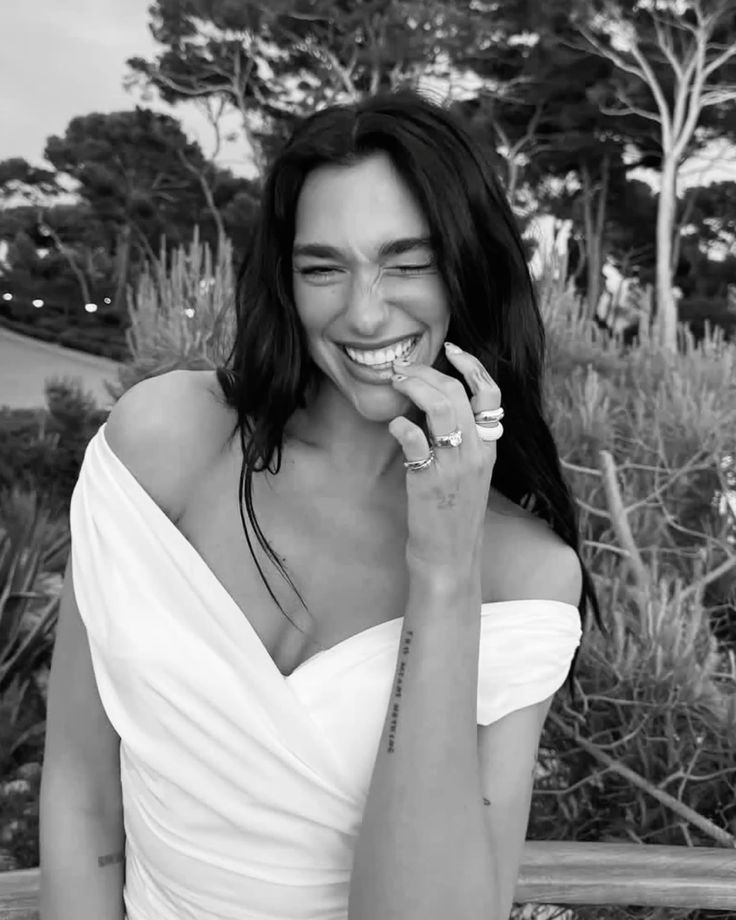
When it comes to bridal fashion, few celebrity weddings have sparked as much conversation this year as Dua Lipa’s intimate London ceremony with Callum Turner. While the internet expected a dramatic couture gown, the singer stepped out in a custom Schiaparelli skirt suit instead – and in doing so, may have just cemented one of this year’s biggest bridal fashion trends.
For brides planning a wedding, her look offers something refreshing – proof that bridal style doesn’t have to mean layers of tulle, dramatic trains, or traditional silhouettes. Sometimes, a sharply tailored skirt suit can make an even stronger statement.
The bridal suit trend isn’t going anywhere
Bridal tailoring has been steadily gaining momentum for several seasons, but 2026 is shaping up to be the year it truly enters the mainstream. Designers are embracing structured separates, clean lines, and modern silhouettes that allow brides to express their personal style while maintaining a distinctly bridal feel.
Dua’s Schiaparelli ensemble featured a sculpted blazer, statement buttons, an asymmetric skirt and vintage-inspired accessories. The result felt elegant, fashion-forward and effortlessly cool – everything modern brides are looking for right now.
The appeal is easy to understand. A skirt suit offers the sophistication of tailoring with the romance of a traditional bridal look, striking a balance between timeless and contemporary.
View this post on Instagram
Why modern brides are choosing skirt suits
The modern wedding landscape has changed dramatically. Courthouse ceremonies, destination weddings, intimate celebrations and multi-day wedding weekends have created space for brides to experiment beyond the traditional gown.
A bridal skirt suit feels particularly relevant because it’s versatile. It works beautifully for:
- Civil ceremonies
- City weddings
- Courthouse weddings
- Welcome dinners
- Bridal showers
- Rehearsal dinners
- Second wedding looks
- Reception outfit changes
Many brides are also drawn to the practicality. Unlike a gown that may only be worn once, tailored separates can often be styled again after the wedding, making them a more sustainable fashion choice.
View this post on Instagram
The return of vintage bridal glamour
One of the most striking elements of Dua Lipa’s wedding look was its nod to Bianca Jagger’s iconic 1971 wedding ensemble. Fashion’s current love affair with the 1970s is influencing bridalwear in a major way, bringing back sharp tailoring, statement hats, elegant gloves and confident silhouettes.
For 2026 brides, this means we’re seeing less emphasis on fairy-tale princess dressing and more focus on individuality, attitude and fashion-led styling.
Think:
- Structured jackets
- Midi-length skirts
- Dramatic hats
- Statement jewellery
- Clean tailoring
- Vintage-inspired accessories
The result feels polished without being overly formal.
View this post on Instagram
How to wear the trend in 2026
The beauty of a bridal skirt suit lies in its versatility. Brides can lean into minimalism with an ivory blazer and sleek pencil skirt or embrace high-fashion styling with sculptural tailoring and bold accessories.
The key is ensuring the look still feels celebratory. Luxurious fabrics, impeccable tailoring and thoughtful accessories are what elevate a suit from office wear to wedding wear.
Pairing a skirt suit with a statement veil, oversized earrings, embellished heels or a dramatic bouquet can instantly create a bridal moment.
View this post on Instagram
The Wedding ETC verdict
Dua Lipa’s wedding look perfectly captures what modern bridal fashion is all about: confidence, individuality and dressing for yourself rather than tradition.
While classic gowns will always have their place, the bridal skirt suit is proving that there is more than one way to look like a bride in 2026. And if this year’s fashion-forward brides are anything to go by, tailored separates may just become the ultimate cool-girl wedding uniform.
ALSO SEE: These are the micro trends doing the rounds
Featured image: Pinterest
A wedding dress may be the star of the show, but in 2026, it’s the accessories that are stealing the spotlight. This year’s bridal fashion trends are all…
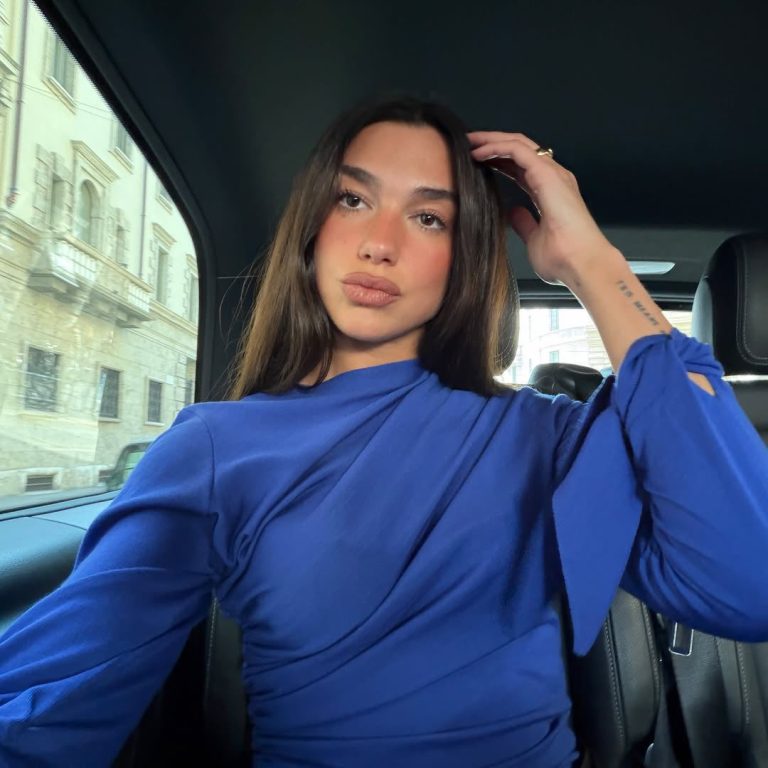
Pop superstar Dua Lipa is officially married.
The Grammy-winning singer reportedly tied the knot with British actor Callum Turner in an intimate ceremony held at London’s Old Marylebone Town Hall on Sunday, 31 May 2026, surrounded by close family and friends. The surprise wedding comes after months of speculation surrounding the couple’s engagement and wedding plans.
According to reports, the pair opted for a low-key civil ceremony in one of London’s most iconic wedding venues. Photos shared by international media show the newlyweds leaving the venue hand-in-hand while guests showered them with confetti and flower petals.
For the occasion, Dua Lipa reportedly wore a custom white Schiaparelli ensemble paired with a dramatic wide-brimmed hat and classic white heels, while Turner chose a timeless navy suit. The fashion-forward look was fitting for a bride who has become one of the most influential style icons of her generation.
DUA LIPA IS OFFICIALLY MARRIED, OH MY GOD 😭❤️ pic.twitter.com/Hcfe15llm7
— dua lipa crave (@addictionlipa) May 31, 2026
The couple first sparked dating rumours in early 2024 before making their relationship public later that year. Engagement speculation intensified after Dua Lipa was spotted wearing a diamond ring, which she later confirmed during an interview with British Vogue in 2025.
Speaking about her engagement at the time, the singer described the prospect of growing old together and being “best friends forever” as a “really special feeling”.
Their romance reportedly began after meeting through mutual connections in London, with the pair later reconnecting in Los Angeles. Since then, they have become one of entertainment’s most talked-about couples, frequently appearing together at high-profile events and on social media.
While the London ceremony was intimate, several international reports suggest that this may be just the beginning of the celebrations. A larger multi-day wedding event is reportedly planned in Sicily, Italy, where an impressive guest list of celebrities and close friends is expected to attend. Neither Lipa nor Turner has publicly confirmed the details.
Fans across the globe have already flooded social media with messages of congratulations, celebrating the couple’s next chapter together.
ALSO SEE: Zoë Kravitz and Harry Styles are reportedly engaged
Feature image: Dua Lipa/Instagram
Your wedding photos are one of the very few things that last long after the cake is eaten, the flowers wilt and the dance floor clears. Long after…
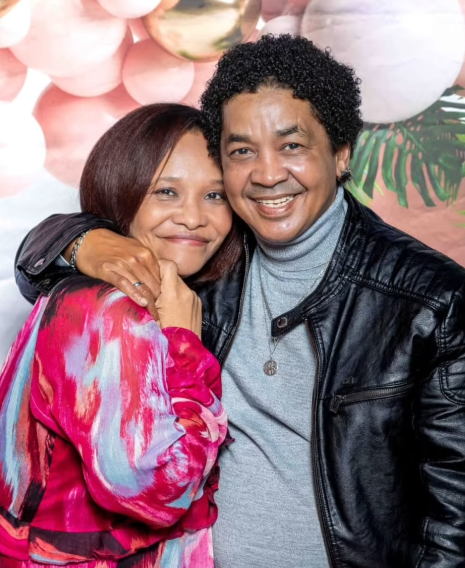
Love stories in the entertainment industry don’t always stand the test of time, which is why fans are celebrating alongside former 7de Laan stars Denver Vraagom and Ingrid Paulus Vraagom as they mark an incredible 21 years of marriage.
The beloved couple, who tied the knot in 2005, continue to show that lasting love, friendship and commitment can thrive both on and off screen. Over the years, they’ve built a beautiful family together and remain one of South Africa’s most admired entertainment couples.
Denver and Ingrid share two daughters, Skye and Hannah Elizabeth, and have often spoken warmly about family life. Their journey together has resonated with many fans who have followed their careers since their television heyday.
Ingrid is best known for her role as Vanessa Meintjies on the iconic Afrikaans soapie 7de Laan. She has also appeared in productions such as Elke Skewe Pot 2 and the television series Sterk Skemer. Denver, meanwhile, became a household name through his role as Sheldon Adams on 7de Laan, before going on to enjoy a successful career across film, television and voice work.
His acting credits include films such as Liefling – Die Movie, Mr Bones 2 and Poena is Koning. Beyond acting, Denver has also worked extensively as a copywriter, director and voice artist in the entertainment industry.
Ahead of their anniversary, Denver took to social media to pay tribute to Ingrid in a heartfelt post that melted hearts online. Reflecting on their relationship, he praised his wife for standing by him through life’s ups and downs and thanked her for making him a father. The actor shared how much he appreciates Ingrid as a partner, mother and friend, adding that he loves the life they’ve built together over the past two decades.
View this post on Instagram
Fans and fellow celebrities flooded the comments section with congratulatory messages, celebrating the couple’s enduring bond and wishing them many more happy years together.
ALSO SEE: Sue Duminy shares her engagement news
Feature image: Denver Vraagom/Instagram
We all know how stressful planning a wedding can be, making wedding planning burnout a very real possibility. Whether you’re trying not to pull out your hair as…
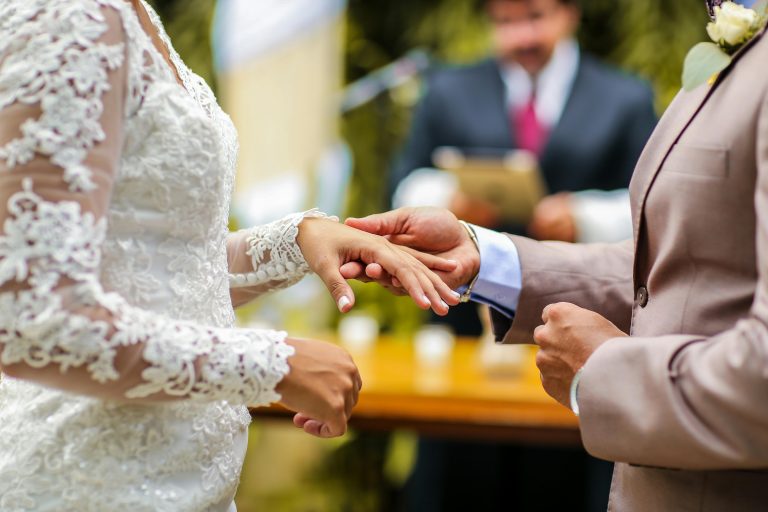
There are few wedding-day moments as intimate as standing across from the person you love while someone guides you into your next chapter. And yet, when couples begin planning, the officiant is often treated like a last-minute booking rather than one of the most important decisions of the entire celebration.
The truth? Your officiant sets the tone for the ceremony. They carry the energy of the room, calm nerves, direct emotion, and shape the experience your guests will remember long after the dance floor empties.
Whether you’re planning a deeply traditional nikah, a modern garden ceremony, or something beautifully unconventional, finding the right officiant matters more than most couples realise.
Here’s how to choose one that feels genuinely aligned with you.
Decide what kind of ceremony you actually want
Before you begin searching, ask yourselves one question: What do we want this ceremony to feel like?
Do you picture something spiritual and faith-led? Romantic and relaxed? Short and simple? Emotional and story-driven? Formal and elegant? The answer will immediately narrow down the kind of officiant you need.
Some couples want an officiant who feels warm and conversational, while others prefer someone more traditional and structured. Neither is wrong – but choosing someone whose style clashes with your vision can make the ceremony feel disconnected from the rest of the day.
Your ceremony should feel like an extension of your relationship, not a script being read at you.
Personality fit matters more than couples expect
A technically qualified officiant is one thing. A good emotional fit is another entirely.
You’ll be sharing vulnerable moments with this person. They’ll be speaking about your relationship in front of your closest friends and family. If the chemistry feels awkward, overly performative, or impersonal during your first conversation, trust that instinct.
The right officiant should make you feel comfortable almost immediately. You should leave the meeting feeling calmer – not more stressed.
Pay attention to whether they:
- Listen well
- Ask thoughtful questions
- Respect your boundaries and beliefs
- Understand your dynamic as a couple
- Feel adaptable rather than overly rehearsed
Because the best ceremonies never feel copy-and-pasted.
Don’t ignore the legal side
Romance aside, there’s paperwork involved – and this is where couples sometimes get caught out.
In South Africa, your officiant must be legally authorised to solemnise marriages if you want the legal ceremony handled on the day itself. Some couples choose to do the legal signing separately and have a symbolic ceremony afterwards, which opens up more flexibility.
Either way, clarify:
- Whether they are legally registered
- What documents are required
- Whether they handle submissions to Home Affairs
- If there are additional fees for travel or administration
- Sorting out the logistics early prevents unnecessary stress later.
- Ask to hear or read past ceremonies
A polished Instagram page doesn’t always translate into a meaningful ceremony.
Ask if they can share excerpts from previous ceremonies, testimonials, or videos. This gives you a better sense of their speaking style, pacing, warmth, and ability to hold a room emotionally.
You’re looking for authenticity – not someone trying to go viral during your vows.
Make space for personalisation
The most memorable ceremonies are usually the ones that feel deeply personal.
Maybe that means including cultural traditions, bilingual vows, a moment of prayer, family involvement, poetry, or a retelling of your love story that actually sounds like you. A good officiant will help shape those details naturally instead of forcing you into a rigid format.
And if you’re a couple who hates being the centre of attention? Tell them. A skilled officiant knows how to create emotional impact without making the ceremony feel uncomfortable or theatrical.
Don’t leave it too late
Popular officiants book out months – sometimes more than a year – in advance, especially during peak wedding season.
Once you’ve secured your venue and date, start researching officiants alongside your photographer and planner. Waiting until the final stretch often means settling for whoever is available instead of someone who genuinely fits your vision.
Final thoughts
Flowers wilt. Table settings get packed away. Even the smallest details guests swore they’d remember eventually blur together.
But the ceremony? That stays with people.
The right officiant doesn’t just conduct your wedding – they anchor it. They create the emotional heartbeat of the day and help turn a beautiful event into a meaningful memory.
So, take your time. Ask questions. Trust your instincts. And choose someone who makes standing at the altar feel a little less nerve-wracking and a lot more like coming home.
ALSO SEE: How to be the best wedding MC
Featured image: Caleb Oquendo / Pexels