• Author

    Zayaan Marthinus

    Browsing

    Your wedding may be the main event, but your honeymoon is where everything finally slows down.

    After months (or years) of planning seating charts, RSVPs and outfit fittings, the last thing any newlywed wants is to arrive at their destination only to realise they forgot chargers, overpacked outfits they’ll never wear, or packed for an imaginary version of the trip.

    Today’s honeymoons look different. Couples are choosing intentional travel, wellness moments, mini-moons, adventure add-ons and experiences that feel personal instead of performative. And naturally, the packing list has evolved too.

    Before you zip the suitcase shut, here’s the honeymoon packing checklist every couple actually needs.

    Start with the non-negotiables

    Before outfits, before skincare, before the “just in case” pile.

    Tick these off first:

    □ Passports and visas (if required)
    □ IDs and driver’s licences
    □ Flight confirmations
    □ Hotel and excursion bookings
    □ Travel insurance documents
    □ Bank cards + emergency cash
    □ Copies of important documents stored separately
    □ Emergency contacts
    □ Prescription medication
    □ Universal travel adaptor
    □ Luggage tags

    Pro tip: Save everything digitally and screenshot confirmations in case airport WiFi disappears at the worst possible moment.

    Build outfits around moments – not days

    The easiest way to overpack? Planning one outfit per day.

    Instead, pack around experiences.

    Travel day

    □ Comfortable matching set or relaxed airport outfit
    □ Layering piece
    □ Sneakers or walking shoes

    Daytime exploring

    □ 2–4 versatile outfits
    □ Comfortable sandals or trainers
    □ Crossbody bag
    □ Sunglasses
    □ Hat or cap

    Pool, beach or spa

    □ 2–3 swimsuits
    □ Cover-up
    □ Flip flops
    □ Lightweight tote

    Romantic dinners

    □ 1–2 elevated evening looks
    □ Minimal jewellery
    □ One pair of dressier shoes

    Activity-specific extras

    □ Workout set
    □ Hiking gear
    □ Waterproof jacket
    □ Resort dress code pieces (if applicable)

    The new honeymoon wardrobe rule? Repeat strategically and pack pieces that transition from day to dinner.

    Your beauty and self-care edit

    You don’t need your entire bathroom cabinet.

    Keep it edited:

    □ Toothbrush + toothpaste
    □ Skincare essentials
    □ SPF (face + body)
    □ After-sun care
    □ Hairbrush + travel styling tools
    □ Makeup basics
    □ Deodorant
    □ Razor
    □ Lip balm
    □ Personal hygiene products
    □ Mini first-aid kit

    If your honeymoon includes flights immediately after the wedding, pack a small refresh kit in your carry-on. Trust us.

    Tech that earns suitcase space

    Not everything needs to come.

    Bring:

    □ Phones
    □ Chargers and cables
    □ Portable power bank
    □ Camera (if using one)
    □ Headphones
    □ Kindle or downloaded entertainment
    □ Portable luggage scale
    □ Waterproof phone pouch (for beach destinations)

    Skip: laptops unless absolutely necessary.

    The underrated honeymoon essentials couples forget

    These are the items people wish they packed:

    □ Packing cubes
    □ Reusable water bottle
    □ Laundry bag
    □ Small medicine kit
    □ Portable stain remover
    □ Snacks for transit
    □ Extra room for souvenirs
    □ A shared notes app for expenses and memories

    One more thing: don’t underestimate leaving space in your suitcase. Honeymoon shopping always happens.

    What NOT to pack

    Sometimes the best packing advice is subtraction.

    Leave behind:

    × Too many “just in case” outfits
    × Expensive jewellery you’ll worry about
    × Full-size toiletries
    × Multiple shoe options
    × Anything uncomfortable
    × Wedding admin (yes, really)

    Your honeymoon should feel different from wedding week.

    Final boarding call

    Your honeymoon suitcase shouldn’t feel like a second wedding project.

    Pack for how you want to feel – relaxed, present and free to say yes to slow breakfasts, spontaneous excursions and one-more-nightcap energy.

    Because the best honeymoon accessory isn’t matching luggage.

    It’s arriving with enough space left for the memories.

    ALSO SEE: 5 honeymoon money saving tips

    5 honeymoon money saving tips

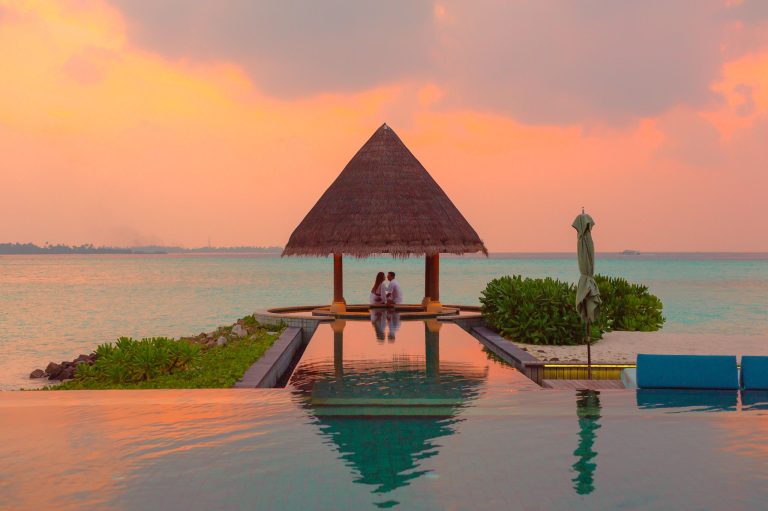
    Featured image: Asad Photo Maldives / Pexels

    For weeks, bridal fashion watchers had theories.

    Would she lean into old-Hollywood glamour? Go minimalist? Choose something rebellious? And now the mystery has finally been solved.

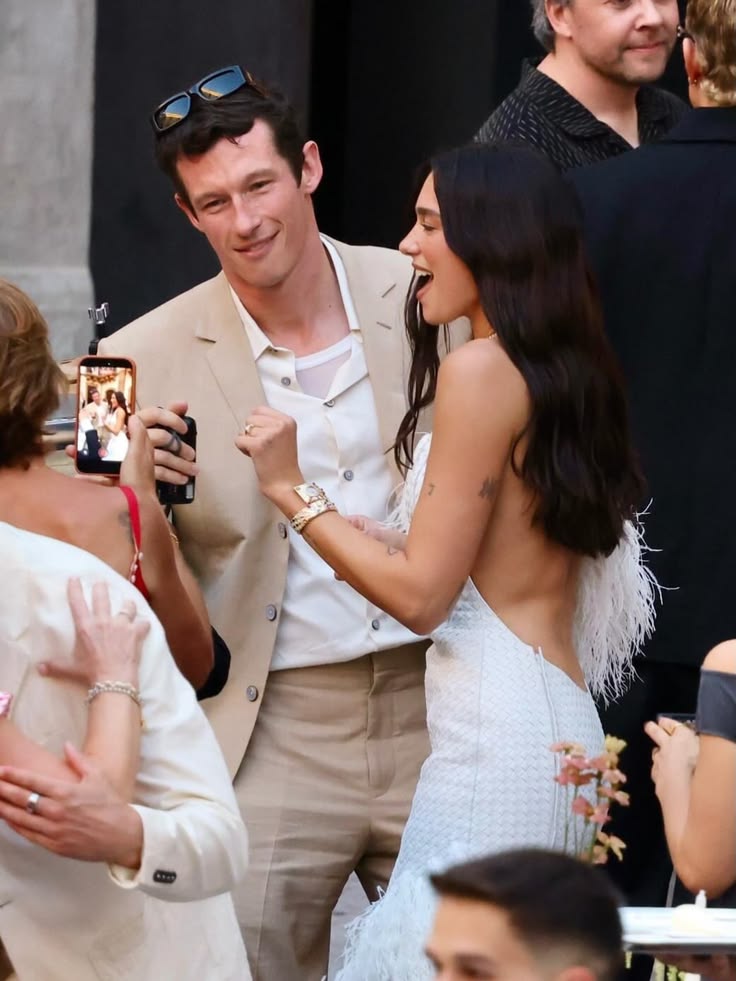
    After keeping her main wedding look under wraps, Dua Lipa has revealed the couture gown she wore to marry Callum Turner during their Sicily wedding celebrations – and it feels less like a celebrity bridal moment and more like a preview of where wedding fashion is headed next.

    Shared in newly released wedding photographs, the bride stepped into the ceremony wearing a custom feather-and-crystal embellished couture gown by CHANEL, designed by Matthieu Blazy. According to fashion reports, the dress marks the first bridal haute couture creation by Blazy for a friend of the house – immediately placing it among the most talked-about celebrity bridal looks of the year.

    The gown featured a dramatic open back, delicate hand embroidery, a feather-dusted train and an embroidered veil that moved somewhere between vintage romance and modern couture theatre. Reports state the craftsmanship included hundreds of thousands of hand-applied embellishments and thousands of hours of atelier work.

    But beyond the couture spectacle, the dress taps into something bigger happening in bridal right now.

    Bridal maximalism is officially back

    After years of clean silhouettes and quiet luxury dominating mood boards, brides are beginning to embrace texture again – feathers, dimensional embellishment, statement veils and gowns that feel designed for photographs as much as the ceremony itself.

    Lipa’s bridal wardrobe across the wedding weekend reflected that shift.

    For the civil ceremony in London, she opted for a structured white skirt suit. Then came a custom feathered welcome-party look in Sicily, before closing with the couture ceremony gown and a softer lace brunch aesthetic. Each outfit felt distinct but connected through one idea: bridal dressing no longer needs to live inside one aesthetic.

    And perhaps that’s what makes this wedding resonate.

    It wasn’t about choosing between classic and cool, dramatic and wearable, timeless and trend-forward. It was all of it.

    The bridal details worth stealing

    Not the couture budget – just the ideas.

    • Statement texture instead of heavy volume
    • A dramatic veil paired with a cleaner silhouette
    • Bridal accessories that feel intentional, not overloaded
    • Multiple fashion moments across the wedding weekend
    • Couture-inspired embellishment used in a modern way

    Expect to see feathers, ornate embroidery and fashion-house styling influence bridal collections well beyond celebrity weddings.


    View this post on Instagram


    A post shared by DUA LIPA (@dualipa)

    A dress reveal – and a bridal mood shift

    Celebrity weddings often influence trends, but every now and then one arrives at exactly the right moment.

    Dua Lipa’s wedding dress feels like that moment.

    Not because brides will suddenly start ordering couture gowns stitched with thousands of feathers – but because it reminds us that bridal fashion can still feel expressive, unexpected and a little cinematic.

    And if the biggest wedding of the year is anything to go by, understated may finally be sharing the spotlight.

    ALSO SEE: Dua Lipa’s wedding look proves the bridal skirt suit is so on trend 

    Dua Lipa’s wedding look proves the bridal skirt suit is so on trend

    Featured image: Pinterest

    For years, wedding photography was all about polished perfection. Every detail was curated, every frame colour-graded, every candid moment somehow still looked planned.

    Now? Couples are deliberately inviting a little chaos back in.

    Disposable cameras – yes, the plastic, flash-heavy relics of the late ‘90s and early 2000s – are making an unexpected return to modern weddings. But this comeback isn’t about rejecting professional photography. It’s about adding something many couples feel has quietly disappeared: surprise.

    Because in an era where every guest has a camera in their pocket, it turns out the photos people treasure most are often the ones nobody planned.

    Why disposable cameras are suddenly everywhere again

    The return of disposable cameras fits into a broader wedding shift happening right now: less perfection, more personality.

    Wedding photography trends for 2026 continue to lean toward movement, grain, candid storytelling and imagery that feels emotionally real rather than editorially flawless. Couples are embracing motion blur, direct flash and nostalgic visual textures that feel more memory than magazine.

    Disposable cameras slot neatly into that mood.

    Placed on reception tables, tucked into welcome bags or handed out during cocktail hour, they invite guests to become part of documenting the day instead of simply consuming it.

    And there’s something unexpectedly romantic about not knowing what’s on the roll.

    The appeal? Imperfect photos feel more personal

    Film’s resurgence isn’t really about vintage aesthetics alone.

    It’s about perspective.

    Professional photographers capture the big moments beautifully – the walk down the aisle, the portraits, the speeches. Disposable cameras capture the rest: your cousin teaching your gran a TikTok dance, someone stealing extra cake, the blurry joy of the dance floor.

    Those photos feel different because they are.

    Industry reporting shows that couples are increasingly drawn to imagery that feels human and lived-in over technically perfect. Analog photography continues gaining traction because of its warmth, grain and emotional texture.

    Even guest-generated content is becoming a bigger part of wedding storytelling, creating an archive that complements – rather than replaces – professional galleries.

    Before you buy 20 camera – know what you’re signing up for

    There’s one detail Pinterest boards rarely mention: disposable cameras aren’t always the budget-friendly option they appear to be.

    By the time couples factor in purchasing, developing and scanning film, costs can climb quickly. Results are also unpredictable – especially indoors or in low light where disposable cameras tend to struggle.

    Experts suggest treating them as an add-on experience rather than your primary photography plan. Many couples are now using a hybrid approach: professional photography for the hero moments, with disposable cameras reserved for cocktail hour, guest tables or after-parties.

    A few simple rules help:

    • Use built-in flash indoors
    • Leave short instructions at each table
    • Limit cameras to high-energy areas
    • Add a collection box so cameras don’t disappear
    • Expect surprises (and a few unusable shots)

    Because honestly? That’s part of the charm.

    The new luxury might actually be imperfection

    For so long, weddings chased the idea of looking flawless.

    But the return of disposable cameras suggests something different: couples want their weddings to feel remembered, not manufactured.

    Not every frame needs to be crisp. Not every moment needs to be content.

    Sometimes the best wedding photos are the ones slightly out of focus – but impossible to forget.

    ALSO SEE: The wedding guest etiquette rules everyone secretly wishes people followed

    The wedding guest etiquette rules everyone secretly wishes people followed

    Featured image:  cottonbro studio / Pexels 

    There are few wedding planning decisions that spark as much quiet panic as this one: do you invite colleagues?

    Because unlike family (complicated) or friends (usually obvious), colleagues sit in that strange in-between space. You see them every day. They know your coffee order, your deadlines, your fiancé’s name and, somehow, the entire timeline of your seating chart drama.

    But does surviving quarterly meetings together earn someone a seat at your wedding?

    Short answer: not necessarily.

    Modern wedding etiquette has shifted away from obligation and toward intentionality – and when it comes to colleagues, couples are increasingly choosing connection over courtesy invites.

    First question: Are they colleagues or are they actually your friends?

    Wedding planners and etiquette experts agree that the easiest test is surprisingly simple: would you still see this person if one of you changed jobs tomorrow?

    If the answer is yes – dinners, birthdays, weekends, voice notes outside office hours – then they’re probably more than a colleague.

    If your relationship exists entirely between Teams notifications and lunch breaks, they may not automatically belong on the guest list.

    Weddings are becoming smaller, more personalised and often more expensive per guest. That’s changed how couples approach invitations.

    If you invite one colleague, do you have to invite everyone?

    Thankfully, no. One of the biggest misconceptions around wedding etiquette is that inviting one colleague means inviting the entire department.

    Experts consistently say selective invites are acceptable – as long as your reasoning is consistent and relationship-based rather than political.

    Some examples that generally make sense:

    • You regularly socialise outside work
    • They’ve become part of your life beyond the office
    • They’ve supported major moments in your relationship
    • You genuinely want them there (not because you feel bad)

    What tends to create tension? Inviting based on hierarchy, favour or workplace optics.

    Ceremony only? Reception only? Both?

    This is where things get interesting. There’s no rule saying colleagues must attend your entire wedding day – but how you divide invitations matters.

    Reception-only invites have become more accepted, especially when couples want an intimate ceremony followed by a bigger celebration. Wedding etiquette generally supports inviting additional guests to the reception without extending ceremony invitations.

    That said, inviting someone to the ceremony but excluding them from the reception tends to feel less natural in modern etiquette circles.

    If your goal is inclusion without expanding your most intimate moments, a reception invitation can be a thoughtful middle ground.

    And what about your boss?

    You’re under absolutely no obligation to invite your boss.

    That decision should depend entirely on your actual relationship and workplace culture – not titles. Some couples invite managers who’ve become mentors or close friends; others keep work and personal life completely separate. Both are normal.

    The workplace rule nobody talks about

    If everyone is not invited, don’t turn the office into wedding central.

    Multiple etiquette experts point to this as the easiest way to avoid awkwardness: keep guest-list discussions private, don’t hand out invitations at desks and avoid making non-invited colleagues front-row witnesses to every planning update.

    Because the truth is: most people understand limited guest lists. What people tend to remember is how included – or excluded – they felt in the lead-up.

    Your guest list, your rules (with a little grace)

    There’s something strangely emotional about deciding who gets invited to witness your wedding day. And colleagues can make that decision even murkier – because work relationships don’t always fit neatly into “friend” or “not friend”.

    But your wedding doesn’t need to become a performance of fairness. You don’t owe invitations because of office proximity, shared deadlines or years spent in the same Slack channel. Equally, you don’t need to justify inviting the colleague who became family somewhere between coffee runs and Monday meetings.

    The best guest lists rarely look balanced on paper – they feel right in the room.

    So, whether your colleagues make the ceremony, the reception, both or neither, ask yourself one question: When you look back at the photo’s years from now, will you be glad they were there?

    That answer is usually clearer than you think.

    ALSO SEE: Thoughtful & Trendy Wedding Favour Ideas Your Guests Will Love 

    Thoughtful & Trendy Wedding Favour Ideas Your Guests Will Love

    Featured image: Amar Preciado / Pexels

    There’s a certain point in wedding planning where romance quietly exits the room and spreadsheets move in. Guest lists stretch. Venue capacities shrink. Budgets become suspiciously personal.

    And somewhere between trimming cousins and calculating canapé costs, many couples find themselves asking the question they never thought they’d need to ask: Can you invite someone to the ceremony… but not the reception?

    Short answer? Yes – but proceed thoughtfully. Because while modern weddings have become far more flexible, guest feelings still matter.

    First things first: what’s actually considered acceptable?

    Traditionally, wedding etiquette has long held one simple rule: if someone is invited to witness the ceremony, they should also be invited to celebrate at the reception. The reverse, however, is increasingly common.

    Translation? A private ceremony followed by a larger celebration is generally easier for guests to understand than inviting people to the vows and not the party.

    That said, weddings in 2026 don’t follow one template anymore. Couples are choosing intimacy, intention and practicality over outdated expectations.

    When a ceremony-only guest list actually makes sense

    Your ceremony venue has limited capacity

    Historic chapels, destination venues, family homes and religious spaces often come with strict numbers.

    If your dream ceremony seats 40 but your reception venue accommodates 120, splitting the guest list can feel less like exclusion and more like logistics.

    You want the vows to feel deeply personal

    For some couples, the ceremony feels sacred and intimate.

    They want parents, siblings and closest friends present – then open the celebration afterwards.

    Think: private “I do”, public celebration.

    Cultural or religious traditions shape the day

    Many weddings already divide attendance naturally across events.

    Some ceremonies are family-focused while larger receptions become the community celebration.

    Budget realities are doing the talking

    Reception costs add up quickly.

    Meals, drinks, staffing and décor often mean each additional guest has a real financial impact.

    And honestly? Couples shouldn’t feel pressured into hosting beyond their means.

    Where things get tricky

    Inviting guests to the ceremony and excluding them from the reception can feel more personal.

    Guests often interpret the reception as the hospitality portion of the day.

    In other words:

    • Ceremony only = “Come watch.”
    • Reception = “Come celebrate with us.”

    That doesn’t mean ceremony-only invitations are wrong – but they do require extra care.

    If you’re going this route, ask yourself:

    • Is there a genuine reason?
    • Is the decision consistent?
    • Would I feel okay receiving this invitation?

    If the answer becomes uncomfortable, it’s worth rethinking.

    How to do it without hurting feelings

    Be crystal clear on invitations

    Confusion creates awkwardness.

    If someone is invited to only one part of the day, their invitation should reflect exactly that – no assumptions, no vague wording.

    Avoid obvious “tiers”

    Guests compare notes more than couples think.

    Randomly separating friendship groups or inviting one half of established couples to different portions can feel uncomfortable.

    Don’t overexplain

    You don’t owe everyone a budget breakdown.

    A simple:

    “We’re keeping the ceremony intimate but would love to celebrate with you afterwards”

    usually lands better than paragraphs of justification.

    Make reception-only guests feel included

    If guests won’t witness the ceremony, bring the story into the reception.

    Play a short video, share vows in speeches, display ceremony photos, or recreate a meaningful moment.

    People remember how they felt – not whether they saw the legal paperwork.

    The modern wedding verdict

    The truth? There’s no universal guest-list formula anymore.

    Private ceremonies. Reception-only invitations. Multi-day celebrations. Intimate legal weddings followed by bigger parties.

    It’s all fair game.

    The goal isn’t pleasing everyone.

    It’s making choices that feel intentional, communicating them clearly, and creating an experience where every guest feels wanted – not ranked.

    Because people rarely remember whether they attended the vows. They remember whether they felt invited into the joy.

    ALSO SEE: How to navigate an intimate wedding guest list when you have a big family 

    How to navigate an intimate wedding guest list when you have a big family

    Featured image:  Pavel Danilyuk / Pexels

    Sometimes the reception isn’t where the real celebration begins. For years, weddings followed a familiar script: ceremony, speeches, dinner, dancing, farewell.

    Now? Couples are extending the celebration – and the wedding after-party is becoming one of the most talked-about moments of the day.

    If you’ve been seeing brides swapping gowns for mini dresses, surprise late-night snack drops, neon dance floors and “meet us downstairs after” invites all over your feed, you’re not imagining it. Wedding after-parties have moved from celebrity-only territory into mainstream wedding planning.

    But what exactly is a wedding after-party, who is it for, and is it something every couple actually needs?

    First things first: what is a wedding after-party?

    A wedding after-party is a second celebration that happens immediately after the formal reception ends.

    Think less structured timelines and formal speeches – and more relaxed outfits, favourite playlists, close friends and one final chance to celebrate without the pressure of hosting.

    Typically, couples move from their main venue to a more casual setting and continue with a smaller guest list. Common choices include hotel lounges, rooftop bars, private suites, restaurants, bonfire setups or even transformed sections of the reception venue itself.

    The energy shifts from wedding reception to actual party.

    So… who actually does wedding after-parties?

    Short answer: more couples than you think.

    Traditionally, after-parties were more common among destination weddings, celebrity weddings and couples hosting multi-day celebrations.

    Now, planners are seeing couples across budgets prioritise guest experience over rigid wedding traditions. Instead of adding more ceremony details or formal reception extras, many are redirecting energy toward creating memorable social moments later in the evening.

    The couples most likely to love an after-party tend to be:

    • Couples with younger guest lists
    • Destination wedding couples
    • Couples whose venue has strict end times
    • Hosts who want time with friends after formal obligations
    • Pairs who prefer intimate moments over structured reception schedules

    That said – and this part matters – not every wedding needs one.

    If your reception naturally runs late or your guest list includes lots of travelling families and older guests, extending the night can sometimes feel unnecessary.

    Why couples are obsessed with them right now

    There’s one recurring theme showing up in 2026 wedding trends: intentional celebrations.

    Couples want weddings that feel like them – not weddings built from obligation.

    And after-parties create space for exactly that.

    A few of the biggest shifts we’re seeing:

    • Outfit changes are becoming a moment

    Reception gowns are giving way to sequins, minis, tailored suits, sneakers and party looks designed for movement and personality.

    • Late-night food is replacing formal dessert moments

    Think sliders, pizza slices, tacos, milkshakes or nostalgic comfort food stations instead of another plated course.

    • The vibe matters more than perfection

    Speakeasy lounges, silent discos, neon lighting, beach bonfires and curated playlists are replacing over-produced reception timelines.

    • Guests want connection – not another formal programme

    Community conversations and planners alike point to guests loving after-parties because conversations become easier and the atmosphere feels more relaxed.

    Wedding after-party etiquette: the unspoken rules

    Before you add one to your Pinterest board, here’s what couples should know:

    • Not everyone needs to be invited.
    • Keep locations close (walking distance is ideal).
    • Communicate clearly if it’s invitation-only.
    • Don’t over-plan – simplicity wins.
    • If guests are travelling, consider transport.
    • Remember: the couple still needs energy left to enjoy it.

    The best after-parties aren’t usually the biggest.

    They’re the ones that feel effortless.

    Final dance: should you have one?

    A wedding after-party isn’t a requirement – and it definitely isn’t a measure of how fun your wedding is.

    But for couples who want a little more time, a little less structure and one last memory before the night ends?

    It might just become everyone’s favourite part of the celebration.

    Because sometimes the best wedding photos happen after the shoes come off.

    ALSO SEE: Reception games that break the ice (and bring the party)

    Reception games that break the ice (and bring the party)

    Featured image: Pinterest

    Forget bigger – proposals are getting more personal

    There was a time when grand gestures ruled proposal season: flash mobs, crowded restaurants, and moments designed to go viral.

    But lately? Couples are changing the script.

    Today’s proposals feel more intentional, more collaborative and far more reflective of the relationship itself. Think meaningful locations over expensive setups, private moments over public performances, and experiences that feel authentic rather than overly curated. Proposal planners, engagement studies and real couples are all pointing to the same thing: the proposal isn’t becoming less romantic – it’s becoming more personal.

    Here are the proposal trends showing up everywhere right now.

    1. The rise of the “quiet proposal”

    Big public proposals haven’t disappeared – but they’re no longer the default.

    One of the biggest shifts we’re seeing is couples choosing intimacy over spectacle. At-home proposals, sunrise walks, private dinners and meaningful everyday locations are replacing highly staged public moments.

    The focus? Creating space for genuine emotion instead of performance.

    And surprisingly, this isn’t making proposals feel smaller – it’s making them feel more memorable.

    2. Proposal photography is no longer optional

    Once reserved for weddings, professional proposal photography and videography have become part of the engagement moment itself.

    But couples aren’t only booking photographers anymore – they’re hiring content creators to capture behind-the-scenes footage, candid reactions and short-form social content.

    The goal isn’t perfection.

    It’s preserving the feeling.

    From hidden photographers to cinematic reels and same-day engagement shoots, documenting the “yes” moment has become part of the experience.

    3. Destination proposals are having a major moment

    Weekend escapes are becoming the new proposal venue.

    Whether it’s a coastal retreat, an international city break or a bucket-list destination, couples are turning engagements into experiences they’ll remember long after the ring selfie.

    Proposal planning companies have also reported growing demand for curated destination moments – from private dinners to styled proposal setups abroad.

    4. Couples are planning the engagement together

    The surprise isn’t disappearing – it’s evolving.

    More couples are openly discussing timelines, ring styles and expectations before the proposal happens.

    For many, the proposal details remain a surprise while the decision to get engaged becomes mutual.

    That collaborative approach is becoming increasingly normal and, for many couples, far less stressful.

    5. Personalisation is becoming the luxury detail

    The most memorable proposals right now aren’t necessarily the most expensive.

    They’re the ones built around meaning.

    We’re seeing sentimental locations, recreated first dates, custom playlists, handwritten letters, family heirlooms, private concerts and details that only make sense to the couple involved.

    The trend isn’t “extra”.

    It’s deeply personal.

    6. Engagements are becoming part of a bigger celebration

    Another growing trend? The proposal isn’t ending with the ring.

    Couples are extending the moment with post-proposal dinners, surprise celebrations, engagement weekends and curated experiences that turn one question into an entire memory.

    Think: proposal → celebration → content → engagement shoot.

    One moment, multiple memories.

    The takeaway: There’s no “right” way to propose anymore

    If proposal trends have taught us anything, it’s this: the most unforgettable proposals aren’t necessarily the loudest.

    They’re the ones that feel recognisable to the people living them.

    Because the best proposals don’t look like everyone else’s.

    They look like your story.

    ALSO SEE: Cape Town’s most romantic proposal spots for an unforgettable Engagement 

    Cape Town’s most romantic proposal spots for an unforgettable Engagement

    Featured image: Marko Klaric / Pexels

    For years, they were the internet’s favourite “maybe-couple”. Then they became one of Hollywood’s most quietly adored relationships.

    And now? After months of speculation, rings, rumours and a lot of privacy, it appears that Zendaya and Tom Holland have officially tied the knot – in a way that feels very… them.

    No exclusive magazine cover. No viral wedding content. No grand reveal. Just two people who quietly built a relationship away from the noise.

    Wait… Zendaya and Tom Holland are actually married?

    Short answer: yes – or at least, as confirmed as this famously private couple seems willing to make it.

    For months, fans speculated after Zendaya was spotted wearing a wedding band and longtime stylist Law Roach casually suggested that the wedding had already happened. But this week, Tom Holland seemingly ended the guessing game himself.

    During an interview discussing AI-generated wedding images circulating online, Holland responded to whether he had to reassure family members that the images weren’t real by saying that he didn’t – because they had all been there. And with that, the internet collectively lost its mind.

    True to form, neither Tom nor Zendaya has shared wedding photos, venue details or an official announcement – reinforcing something that has become their signature as a couple: privacy first.

    A brief history of Tom and Zendaya’s relationship

    2016–2017: It started with Spider-Man

    The pair met while filming Spider-Man: Homecoming. At the time, dating rumours started almost immediately – mostly because fans noticed how naturally they clicked during press tours and interviews.

    Both denied it.

    Publicly? Friends.

    Internet detectives? Not convinced.

    2018–2020: The friendship era

    For years, they kept things intentionally vague.

    There were occasional appearances together, playful social media interactions and interviews full of mutual admiration – but nothing officially romantic.

    Looking back now, this period feels less like secrecy and more like foundation-building.

    2021: The moment everyone stopped pretending

    Then came the paparazzi photos.

    Tom and Zendaya were photographed kissing in a car in Los Angeles and suddenly the years of speculation turned into confirmation.

    Instead of making a dramatic public statement, they simply… continued living.

    2022–2025: Quiet, intentional and refreshingly normal

    Unlike many celebrity relationships that become content, theirs stayed unusually protected.

    They supported each other’s projects, spoke warmly about one another in interviews and rarely performed their relationship publicly.

    By early 2025, engagement speculation intensified after Zendaya appeared wearing a ring that sparked headlines worldwide.

    They never made a formal engagement announcement.

    Again: very on-brand.

    Why people are so invested in this wedding

    It’s not only because they’re famous but because their relationship has always felt unexpectedly grounded.

    No oversharing.
    No relationship branding.
    No endless public declarations.

    Just consistency.

    And in an era where celebrity relationships often unfold in real time online, there’s something almost old-school about choosing to keep the biggest moments for ourselves.

    Whether we ever see the dress, the venue or hear the full story doesn’t really matter.

    For Tom and Zendaya, it seems the point was never for the world to witness it.

    Proof that not every love story needs an audience

    For all the attention surrounding their relationship, Tom Holland and Zendaya’s biggest milestone may have happened in the quietest way possible. No exclusive photos. No carefully curated wedding rollout. No performance.

    Just a relationship that appears to have grown slowly, privately and intentionally – from co-stars and close friends into something lasting. And maybe that’s part of why people care so much.

    Not because it was extravagant, but because it wasn’t.

    In a world where weddings often feel designed for everyone else to consume, Tom and Zendaya seem to have chosen something different: keeping the moment for themselves.

    If there’s one thing their love story reminds us of, it’s this – the most meaningful weddings aren’t always the loudest ones. Sometimes, they’re the ones built quietly, long before the vows are exchanged.

    ALSO SEE: 7de Laan stars Denver and Ingrid Vraagom celebrate 21 years of marriage 

    7de Laan stars Denver and Ingrid Vraagom celebrate 21 years of marriage

    Featured image: Pinterest

    Durban knows how to throw a wedding – but if there’s one thing local couples know too well, it’s that weather can change plans faster than a seating chart can. Which is exactly why indoor wedding venues are having a moment.

    From grand ballrooms and elegant blank-canvas spaces to hidden gems that work beautifully for intimate celebrations, indoor venues offer the kind of predictability that still feels magical. Think air-conditioning, backup power, flexible styling and spaces that photograph beautifully regardless of what’s happening outside.

    If you’re venue hunting in Durban and dreaming of a celebration that feels polished, practical and unforgettable, here are some indoor wedding venues worth adding to your shortlist.

    1.  Sky Venue – For city glamour and ocean views

    Perched within Durban’s beachfront hotel strip, this venue is ideal for couples wanting a polished, hotel-style wedding without leaving the city.

    Location: Southern Sun Elangeni & Maharani, Snell Parade, Durban
    Estimated pricing: From approximately R45 000–R90 000+ depending on guest count, catering and package selection
    Best for: Elegant receptions, destination weddings, formal evening celebrations
    Contact: +27 31 362 1300 / [email protected]
    Website:  Southern Sun Elangeni & Maharani

    Why we love it: The indoor setting means uninterrupted celebrations, while the beachfront location delivers that iconic Durban feeling without relying on outdoor weather.

    2. The Stamford – For couples who want a blank canvas

    One of Durban’s more versatile event spaces, this venue works especially well for couples who already have a strong décor vision.

    Location: Greyville, Durban
    Estimated pricing: Around R20 000–R45 000 venue hire (varies by guest count and inclusions)
    Best for: Modern weddings, cultural celebrations, custom décor concepts
    Contact: +27 67 577 9326 / [email protected]
    Website: The Stamford

    Why we love it: Spacious interiors, full air-conditioning and flexibility make this one a strong option for couples wanting to build the wedding around their own aesthetic.

    3. 20 On Barham – For intimate luxury

    If your Pinterest board is filled with understated elegance and garden-party energy (without depending entirely on the outdoors), this Westville favourite deserves attention.

    Location: Westville, Durban
    Estimated pricing: Approximately R35 000–R75 000+ depending on package and guest count
    Best for: Boutique weddings, refined receptions, intimate celebrations
    Contact: +27 31 465 1716 / [email protected]
    Website: 20 On Barham 

    Why we love it: It feels intimate without feeling small – something increasingly popular with modern Durban couples.

    4. The Bond Shed – For industrial-chic weddings

    Warehouse-inspired spaces continue trending and this one delivers a more contemporary wedding atmosphere.

    Location: Point Waterfront, Durban
    Estimated pricing: Around R30 000–R70 000+ depending on setup requirements
    Best for: Editorial-style weddings, contemporary receptions, statement décor
    Contact: +27 63 887 9865 / [email protected]
    Website: The Bond Shed

    Why we love it: High ceilings and a clean architectural backdrop make décor transformations feel dramatic.


    View this post on Instagram


    A post shared by The Bond Shed (@thebondshed_events)

    5. Nour Venues – For modern celebrations with elevated styling

    This venue has been quietly building a reputation among couples wanting a polished indoor setup.

    Location: Durban North
    Estimated pricing: Approximately R25 000–R60 000+ depending on package
    Best for: Nikah celebrations, receptions, contemporary weddings
    Contact: +27 72 677 7770 / [email protected]
    Website: Nour Venues

    Why we love it: It already carries a styled-event feel, which can reduce décor pressure elsewhere in the budget.


    View this post on Instagram


    A post shared by Nour Venues (@nourvenues)

    6. The Venue Shongweni – Shongweni Valley – For couples wanting countryside romance indoors

    Technically outside central Durban but firmly worth the drive.

    Location: 1 Bushbuck Rd Outer West Durban 3701
    Estimated pricing: Approximately R45 000–R85 000+ depending on season and package
    Best for: Couples wanting indoor comfort with scenic surroundings
    Contact: +27 64 908 9556 / [email protected]
    Website: The Venue Shongweni

    Why we love it: It gives destination wedding energy without asking guests to travel too far.

    What Durban couples should ask before booking

    Before paying a deposit, ask:

    • Is backup power included?
    • Is there air-conditioning?
    • Are tables, chairs and staffing included?
    • Is catering in-house or external?
    • What happens in case of weather disruptions?
    • Is setup and breakdown included in venue hire?

    Note: Durban wedding venue pricing changes quickly depending on season, guest count and package inclusions – so treat these as realistic starting estimates and always request a formal quotation before committing.

    Choosing a Space that Holds the Day

    Indoor wedding venues in Durban aren’t just a practical backup plan – they’re what give you control in a city where weather, timelines and logistics don’t always play along. But beyond that, they shape the atmosphere of your entire day.

    The right space won’t just “host” your wedding. It will hold it – the noise, the nerves, the laughter, the soft in-between moments you don’t plan for but remember most.

    So instead of asking which venue is the most impressive, ask which one still feels like you when the room is full, the music is playing, and everything else fades out for a second.

    That’s the one worth booking.

    ALSO SEE: City Chic: The Most Beautiful Urban Wedding Venues Across South Africa 

    City Chic: The Most Beautiful Urban Wedding Venues Across South Africa

    Featured image: Pinterest

    There’s something deeply romantic about a honeymoon that doesn’t begin with embassy appointments, document checklists and “awaiting approval” emails.

    After months (or years) of planning a wedding, many couples are craving ease. Enter: visa-free travel.

    For South African passport holders, there are still plenty of dreamy destinations where love can take centre stage – without applying for a visa beforehand. While entry rules can change and travellers should always double-check requirements before departure, these destinations remain among the most attractive and accessible honeymoon options right now.

    From Indian Ocean luxury to island escapes and safari romance, here’s where to honeymoon without the paperwork stress.

    1. Mauritius – The classic honeymoon that never goes out of style

    If there’s one destination that understands honeymoon energy, it’s Mauritius.

    Think turquoise lagoons, adults-only resorts, sunset catamaran cruises and slow mornings that somehow turn into beachside dinners.

    It’s close enough to South Africa to avoid brutal travel days, but far enough to feel like a proper escape.

    Why couples love it:

    • Beachfront luxury without long-haul exhaustion
    • Spa experiences and private dining
    • Incredible mix of relaxation and adventure
    • Easy direct flights from South Africa

    Visa: Visa-free for South Africans (up to 90 days)

    Estimated honeymoon cost (7 nights for two):

    • Flights: R12,000–R20,000
    • Mid-range stay: R18,000–R35,000
    • Luxury resort: R45,000–R90,000+
    • Estimated total: R35,000–R110,000+

    Worth booking if: You want effortless luxury and maximum honeymoon feeling.

    2. Seychelles – For couples who want barefoot luxury

    If your Pinterest board is full of white sand, granite boulders and impossibly blue water, Seychelles deserves attention.

    It feels exclusive without needing a visa process – which honestly makes it even more attractive.

    Spend your days island-hopping, snorkelling or simply disappearing into a beachfront villa.

    Why couples love it:

    • Quiet, intimate atmosphere
    • World-famous beaches
    • Incredible honeymoon photography moments
    • High-end resorts with privacy

    Visa: Visa-free for South Africans (visitor permit issued on arrival subject to entry requirements)

    Estimated honeymoon cost (7 nights for two):

    • Flights: R15,000–R25,000
    • Accommodation: R25,000–R70,000
    • Activities & dining: R10,000–R20,000
    • Estimated total: R50,000–R115,000+

    Worth booking if: You want luxury that feels cinematic.

    3. Thailand – For the couple that wants more than one honeymoon in one trip

    Thailand keeps showing up on honeymoon lists for good reason.

    You can split your trip between islands, city energy and wellness escapes – and somehow still stay within budget.

    Do Phuket for beaches, Krabi for romance or Koh Samui if you want honeymoon-resort energy.

    Why couples love it:

    • Excellent value for money
    • Incredible food scene
    • Luxury experiences at lower prices
    • Beaches + culture in one trip

    Visa: Visa-free for South Africans

    Estimated honeymoon cost (10 nights for two):

    • Flights: R18,000–R30,000
    • Hotels: R15,000–R40,000
    • Food + experiences: R8,000–R18,000
    • Estimated total: R40,000–R85,000

    Worth booking if: You want the honeymoon to feel packed with memories.

    4. Mozambique – For the couple who wants paradise closer to home

    Underrated? Absolutely.

    Mozambique delivers crystal water, island escapes and beach lodges without requiring intercontinental flights.

    Bazaruto and Vilanculos remain favourites for couples wanting something luxurious but less expected.

    Why couples love it:

    • Shorter travel time
    • Romantic beachfront stays
    • Great for honeymoon budgets
    • Ocean experiences and dhow cruises

    Visa: Visa-free for South Africans (up to 30 days)

    Estimated honeymoon cost (5–7 nights for two):

    • Flights/transport: R6,000–R12,000
    • Accommodation: R12,000–R35,000
    • Activities: R5,000–R10,000
    • Estimated total: R25,000–R55,000

    Worth booking if: You want island energy without long-haul costs.

    5. Botswana – For the safari honeymoon couple

    Not every honeymoon needs an infinity pool.

    Botswana is for couples who want candlelit dinners under stars, private game drives and moments that feel wildly romantic.

    Luxury safari honeymoons are becoming increasingly popular among South African newlyweds.

    Why couples love it:

    • Luxury lodges
    • Bucket-list safari experiences
    • Incredible privacy
    • Something completely different

    Visa: Visa-free for South Africans (up to 90 days)

    Estimated honeymoon cost (5 nights for two):

    • Flights/transfers: R8,000–R18,000
    • Lodge stay: R25,000–R80,000
    • Estimated total: R40,000–R110,000+

    Worth booking if: Your dream honeymoon includes sunsets and safari silhouettes.

    Before you book: Visa-free doesn’t mean document-free

    Visa-free travel still comes with requirements. Most destinations still ask for:

    • A passport valid for at least six months
    • Return or onward tickets
    • Accommodation confirmation
    • Proof of sufficient funds
    • Travel insurance (sometimes mandatory)

    Because the only thing that should surprise you on honeymoon… is the room upgrade.

    Your passport might already be enough.

    Your honeymoon should feel effortless

    The truth is that your honeymoon doesn’t have to begin with paperwork and embassy appointments. Some of the most beautiful escapes available to South African couples are already within reach – whether that looks like barefoot luxury in Mauritius, island-hopping in Thailand, or sunsets on safari in Botswana.

    Because after months of planning seating charts, budgets and timelines, your honeymoon should feel simple.

    Less admin. More romance.

    And maybe the hardest decision you make after saying “I do” – is choosing where to go first.

    ALSO SEE: How to pick your honeymoon destination

    How to pick your honeymoon destination

    Featured image: Pinterest