• Tag

    wedding trends

    Browsing

    Wedding planning has changed dramatically over the last few years, and one of the biggest shifts has been how couples invite their guests.

    While traditional paper invitations still hold a special place in many weddings, digital wedding invitations have become a practical, stylish, and increasingly popular alternative. From instant delivery and RSVP tracking to reduced costs and environmental benefits, it’s easy to see why more South African couples are choosing to go paperless.

    If you’re weighing up your options, here’s why digital invitations deserve a place on your wedding planning checklist.

    A more budget-friendly option

    Let’s be honest: weddings are expensive.

    By the time you’ve factored in design, printing, envelopes, and postage, traditional invitation suites can quickly become a significant line item in your budget.

    In South Africa, professionally printed invitation suites can cost anywhere from R25 to R100+ per invitation, depending on the paper quality, finishes, and quantity ordered. For a guest list of 100 guests, that can easily add up to several thousand rand before you’ve even paid for postage.

    Digital invitations, on the other hand, typically cost a fraction of that amount. Many couples create custom digital invitations for between R500 and R3 000, while some online platforms offer beautifully designed templates for even less.

    The savings can be redirected towards other priorities, whether that’s upgrading your menu, booking a content creator, or extending your honeymoon.

    Simplified RSVPs

    One of the biggest frustrations for couples is chasing guests for responses.

    Digital invitations often include built-in RSVP functionality, allowing guests to confirm attendance with a single click. Many platforms also allow couples to collect dietary requirements, song requests, accommodation details, and travel information in one place.

    Instead of juggling spreadsheets and WhatsApp messages, everything is automatically organised and updated in real time. Digital RSVP systems have become one of the biggest reasons couples choose electronic invitations.

    Perfect for South African guest lists

    South African weddings often involve guests travelling from different cities, provinces, or even countries.

    Whether your guests are spread between Cape Town, Johannesburg, Durban, Gqeberha, or overseas, digital invitations arrive instantly. There’s no waiting for postal services or worrying about invitations getting lost in transit.

    They’re also incredibly easy to share via email, WhatsApp, or a wedding website, making communication much more efficient.

    An eco-conscious choice

    For couples trying to make more sustainable wedding decisions, digital invitations are an obvious win.

    Choosing a paperless invitation reduces the need for paper, ink, packaging, and transportation. While no wedding is completely waste-free, digital invitations are one simple way to lessen your environmental impact without sacrificing style.

    They feel more personal than ever

    Gone are the days when digital invitations meant sending a simple PDF.

    Today’s digital invitations can include:

    • Animated designs
    • Engagement photos
    • Video messages
    • Interactive RSVP buttons
    • Google Maps links
    • Wedding websites
    • Accommodation information
    • Countdown timers

    Many couples are even incorporating short videos or personalised animations to create an experience that feels every bit as special as opening a traditional invitation.

    The rise of the hybrid invitation

    Not ready to completely give up paper?

    You don’t have to.

    Many modern couples are embracing a hybrid approach: sending digital invitations to most guests while reserving printed invitations for immediate family members, older relatives, or keepsake purposes.

    This approach offers the best of both worlds – maintaining tradition where it matters while reducing overall costs and waste. Hybrid invitation strategies are becoming increasingly common, particularly for formal weddings and multi-generational guest lists.

    Are digital wedding invitations right for you?

    Digital invitations work particularly well for:

    • Modern weddings
    • Destination weddings
    • Smaller guest lists
    • Eco-conscious celebrations
    • Budget-conscious couples
    • Tech-savvy guests

    However, if you’re hosting a highly formal or traditional wedding, you may still prefer the timeless elegance of a printed invitation suite.

    Ultimately, the best choice is the one that suits your wedding style, your guests, and your priorities.

    Final thoughts

    Wedding invitations are about more than sharing a date and venue – they’re the first glimpse your guests get into your celebration.

    Whether you choose a beautifully printed suite, a fully digital invitation, or a combination of both, the goal remains the same: creating an experience that reflects your story as a couple.

    And in a world where weddings are becoming more personal, intentional, and flexible, digital invitations are proving that sometimes the simplest option can also be the smartest.

    ALSO SEE: Dos and Don’ts of wedding invitations 

    Dos and Don’ts of wedding invitations

    Featured image: Recep ÇELİK / Pexels
    Wedding dresses have always been a reflection of their time. Bridal fashion has shifted with culture, politics, and pop-culture icons shaping what brides wear down the aisle. Here’s how the look of “the modern bride” has evolved decade by decade.

    1920s: Flapper-inspired glamour and beaded detail

    The 1920s bride embraced freedom in silhouette and movement. Waistlines dropped, fabrics softened, and dresses took on a loose, straight shape that felt modern for the time.

    Intricate beadwork, embroidery, and lace detailing defined the era, adding texture and elegance. Brides often completed the look with statement headpieces (think tiaras, floral accents, and decorative hairpins), usually paired with a soft, flowing veil.


    View this post on Instagram


    A post shared by Vintage minds (@vintage_minds0)

    1930s: Elegant silhouettes and Hollywood-inspired

    By the 1930s, wedding dresses became more refined and understated. Influenced by Hollywood glamour, brides favoured long, streamlined silhouettes with subtle waist definition.

    Satin and silk were popular fabrics, often styled with long sleeves and minimal embellishment. Soft detailing like embroidery or appliqué added sophistication, while dramatic “shower bouquets” (long, trailing floral arrangements) became a signature bridal accessory.


    View this post on Instagram


    A post shared by Pomona & Flora (@pomonayflora)

    1940s: Wartime simplicity and practical bridalwear

    The 1940s brought practicality into bridal fashion. With wartime restrictions and limited resources, many brides wore suits, borrowed dresses, or reworked garments they already owned.

    Looks were simple and functional, with little decoration. Even so, brides still added meaningful details like veils, corsages, or small floral touches to signal the occasion and elevate everyday pieces.


    View this post on Instagram


    A post shared by Ula (@lulu_from_honolulu)

    1950s: Full skirts, cinched waists and fairytale glamour

    After the war, bridal fashion returned to grandeur. The 1950s bride embraced feminine, structured silhouettes with fitted bodices and full, voluminous skirts.

    Inspired by Hollywood icons and Dior’s “New Look,” dresses were often dramatic and ultra-feminine. Tea-length gowns also gained popularity, layered with petticoats, lace, satin, and structured detailing that created a distinctly romantic feel.

    1960s: Mod minis, structured dresses and style experimentation

    The 1960s brought contrast. Early in the decade, brides favoured structured gowns with clean lines, high necklines, and shorter veils, often influenced by Jacqueline Kennedy’s timeless elegance.

    As the decade progressed, fashion became more experimental. Mini dresses, bold silhouettes, and even coloured gowns emerged. Flower crowns, headbands, and natural styling began replacing traditional veils.


    View this post on Instagram


    A post shared by Country Rebel (@countryrebel)

    1970s: Boho brides, bell sleeves and relaxed silhouettes

    The 1970s bridal look was relaxed, expressive, and deeply influenced by bohemian style. Flowing fabrics, bell sleeves, and soft silhouettes defined the decade.

    Brides moved away from traditional formality, often opting for hats, ribbons, or loose natural hair instead of veils. Some even chose tailored suits or unconventional white ensembles, embracing individuality over tradition.


    View this post on Instagram


    A post shared by @daughterofthe70s

    1980s: Statement sleeves, volume and maximalist bridal fashion

    The 1980s was the era of “more is more.” Bridal gowns became dramatic with puffed sleeves, full skirts, and long cathedral trains.

    Lace, taffeta, and structured fabrics dominated, while oversized silhouettes created a bold, high-impact look. Influenced heavily by royal weddings and pop culture, this decade defined the iconic “princess bride” aesthetic.


    View this post on Instagram


    A post shared by VintageDreams80s (@vintageddreams80s)

    1990s: Minimalist silhouettes and sleek bridalwear

    The go-big-or-go-home trend seeped over into the 90s. However, as we drew closer to the 2000s, it shifted toward simplicity. Brides embraced clean lines, understated elegance, and pared-back silhouettes.

    Slip dresses, satin fabrics, and fitted gowns became popular, often paired with minimal accessories. The focus moved away from volume and embellishment and toward effortless, modern refinement.


    View this post on Instagram


    A post shared by vintage bridal (@bridal.iconic)

    2000s: Strapless gowns and structured glamour

    The early 2000s were defined by strapless wedding dresses. Corset-style bodices, crystal embellishments, and full skirts dominated bridal fashion.

    As the decade progressed, designs began to soften, with more classic and vintage-inspired gowns entering the mainstream alongside the still-popular structured silhouettes.


    View this post on Instagram


    A post shared by Elissar Bridal (@elissarbridal)

    2010s–present: Modern minimalism and personalised bridal style

    Today’s bridal fashion is less about following a single trend and more about personal expression. Minimalist gowns, lace sleeves, and modern tailoring all sit side by side.

    Brides are now choosing looks that reflect their personality, whether that’s sleek and simple, vintage-inspired, fashion-forward, or dramatically detailed. The modern wedding dress is no longer defined by one rule, but by individuality.


    View this post on Instagram


    A post shared by Reema Molla (@reema.molla)

    ALSO SEE: Wedding dress inspo for autumn and winter brides

    Wedding dress inspo for autumn and winter brides

    Feature image: Pexels

    Couples are moving away from rigid traditions and Pinterest-perfect pressure, choosing instead to create celebrations that actually feel like them.

    Here are the biggest wedding micro trends set to define 2026.

    Tiny guest lists are becoming the norm

    One of the clearest shifts for 2026? Couples are trimming their guest lists dramatically.

    Instead of inviting every distant cousin, old school friend, and obligatory plus-one, many couples are choosing to celebrate with only their nearest and dearest. Smaller weddings not only feel more intimate, but they also allow couples to spend quality time with every guest rather than rushing through quick greetings all night.

    There’s also the budget factor. With wedding costs continuing to rise, many couples would rather host 40 people beautifully than stretch their budget across 150 guests they barely see.

    Other priorities are winning over huge weddings

    Another major shift? Couples are prioritising what comes after the wedding day.

    Instead of pouring every cent into a single event, many are scaling back on decor, guest numbers, or extravagant formalities so they can invest in a dream honeymoon, a home deposit, renovations, or future financial goals.

    For some, that means a chic courthouse wedding followed by two weeks in Italy. For others, it’s a backyard celebration that makes room in the budget for safari lodges, island escapes, or finally buying furniture that isn’t “temporary.”

    There’s a growing understanding that the wedding is one day, but the marriage, honeymoon memories, and home life last much longer.

    Smaller ceremonies, bigger celebrations

    Long, formal ceremonies are slowly falling out of favour. Many couples are now opting for intimate vow exchanges — sometimes completely private — before inviting guests to join them purely for the celebration afterwards.

    Rather than spending an hour seated through formalities, guests arrive straight into the atmosphere: cocktails flowing, music playing, candles glowing, and food stations already open.

    Multi-day weddings are becoming more relaxed

    Interestingly, while guest lists are shrinking, many celebrations are stretching over an entire weekend — just in a far less formal way.

    Think welcome pizzas the night before, a wedding day that feels like a dinner party, and a relaxed poolside brunch the next morning. It’s less “packed itinerary” and more quality time with the people closest to you.

    Destination weddings within South Africa are also playing into this trend, with couples turning wine farms, coastal cottages, bush lodges, and countryside escapes into full weekend experiences.

    One statement ring instead of two

    Traditional engagement ring and wedding band pairings are slowly being replaced by one standout piece.

    Rather than stacking multiple rings, many couples are investing in a single ring they genuinely want to wear every day.

    Wedding cakes are getting weird

    Minimal white tiered cakes are making way for cakes that look more like sculptural art pieces.

    Couples are leaning into textured icing, unusual shapes, metallic finishes, asymmetrical layers, vintage piping, oversized bows, and cakes inspired by everything from candle wax to retro desserts.

    Some couples are even skipping traditional cakes entirely in favour of giant tiramisus, croquembouches, crème brûlée towers, pavlovas, or nostalgic desserts with elevated presentation.

    Candles are outshining flowers

    Florals will always have a place at weddings, but they’re no longer the main character.

    Couples are creating moodier, more layered tablescapes with candles, fruit, vintage decor pieces, coloured glassware, interesting ceramics, and personal objects taking centre stage. The overall look feels less like a styled shoot and more like an incredibly beautiful dinner party.

    Mismatched table settings are especially popular, adding warmth and personality to receptions.

    And candle-heavy receptions? They photograph beautifully.

    Traditional gift registries are fading away

    Formal wedding registries are quietly losing favour, especially among couples who already live together before marriage.

    Instead of asking for cookware or matching serving spoons, many couples are opting for honeymoon contributions, charitable donations, personalised keepsakes, experiences, or meaningful locally made gifts.

    ALSO SEE: 5 Magical wedding venues in the heart of Gauteng

    5 Magical wedding venues in the heart of Gauteng

    Feature image: Pexels

    In recent years, weddings have begun to evolve beyond a single day of celebration. Increasingly, couples are choosing to transform their weddings into full weekend experiences, gatherings that allow friends and family to come together, connect and celebrate over several days rather than just a few hours. This extended format not only deepens the guest experience but also contributes to increased demand for local accommodation, hospitality services and nearby attractions. This shift has given rise to what many in the industry are calling the “wedding weekend” – a growing trend that places as much emphasis on shared experiences as it does on the ceremony itself.

    One of the main reasons couples are embracing the wedding weekend concept is the desire to spend more meaningful time with their guests. Traditional weddings often move at a fast pace, with the day unfolding in a blur of greetings, photographs and formalities. By extending celebrations across an entire weekend, couples are able to slow the pace, creating opportunities for genuine connection with the people who have travelled to celebrate alongside them. For many destinations, this also means guests are staying longer and engaging more with the surrounding area.

    What does a wedding weekend look like?

    A typical wedding weekend often begins with a relaxed welcome gathering on the Friday evening. Rather than a formal rehearsal dinner, many couples are opting for casual drinks or a laid-back dinner where guests can meet one another and settle into the celebratory atmosphere. This opening event sets the tone for the weekend and allows guests who may not know each other to connect before the main celebration begins. These additional gatherings often create further opportunities for local caterers, venues and service providers to be part of the celebration.

    Saturday naturally becomes the centrepiece of the weekend, with the ceremony and reception taking place against the backdrop of a more relaxed schedule. Because guests are already on-site or nearby, there is less pressure on strict timelines. Couples can take their time with the ceremony, enjoy unhurried photo sessions and create a reception that unfolds at a comfortable, celebratory pace.

    Sunday often provides a gentle conclusion to the celebrations, typically with a farewell breakfast or brunch where guests can gather one last time before departing. These final moments tend to be among the most memorable, offering couples the opportunity to thank their guests personally and reflect on the weekend’s highlights.

    What makes the wedding weekend particularly special, however, are the experiences that happen between the main events. Many couples are incorporating informal activities that allow guests to explore the surroundings and enjoy the destination together. This could include garden lunches, guided walks, wine tastings or simply relaxing in scenic surroundings with a drink in hand. These activities could encourage collaboration with local guides, producers and tourism operators, further benefiting the surrounding community.

    Food and hospitality play a central role in shaping the atmosphere of a wedding weekend. Rather than focusing on a single formal meal, couples can create a series of culinary moments throughout the celebration, from welcome cocktails and canapés to beautifully prepared dinners and relaxed brunches the following morning. This layered approach allows guests to savour the experience and enjoy the occasion without feeling rushed.

    A wedding weekend at Granny Mouse Country House & Spa

    Naturally, the success of a wedding weekend depends greatly on the setting. Venues that offer accommodation, picturesque surroundings and a variety of spaces for both formal and informal gatherings are particularly well suited to this style of celebration. In regions such as the KwaZulu-Natal Midlands, venues like Granny Mouse Country House & Spa provide the kind of relaxed countryside atmosphere that allows wedding weekends to unfold effortlessly, with gardens, intimate ceremony spaces and comfortable accommodation all within easy reach.

    Ultimately, by creating space for connection, laughter and celebration over several days, couples can savour every moment. Their guests, in turn, become part of something truly special, with extended stays that naturally contribute to the local economy.

    If the perfect weekend wedding is what you’re after, then contact the Granny Mouse team at [email protected]

    ALSO SEE: How (and when) to greet your wedding guests

    How (and when) to greet your wedding guests

    Featured image: Stacey Vandas/Pexels

    Words: Supplied by My Word PR.

    There is a certain electricity in the moments before a wedding, a soft, quiet magic that settles in the air. It’s in the rustle of a gown, the gentle touch of a guiding hand, and the shimmer of jewellery catching the light just before a life-changing “I do.” These delicate details shape the atmosphere of the day, anchoring emotion in ways words sometimes cannot.

    At Sterns, we’ve always believed happiness is found in these finer moments. Jewellery becomes the most meaningful detail of all, the part of your story you carry with you long after the music fades and the flowers are packed away.

    Because this love, this moment, this promise… It’s rare. A one-in-a-million kind of love that deserves to be captured with craftsmanship as beautiful as the story it represents.

    Your Forever Starts Here

    Choosing an engagement ring is one of the most significant decisions you’ll make on your journey to forever. It’s more than a symbol; it’s a vow you wear every day, a reminder of the moment your future shifted.

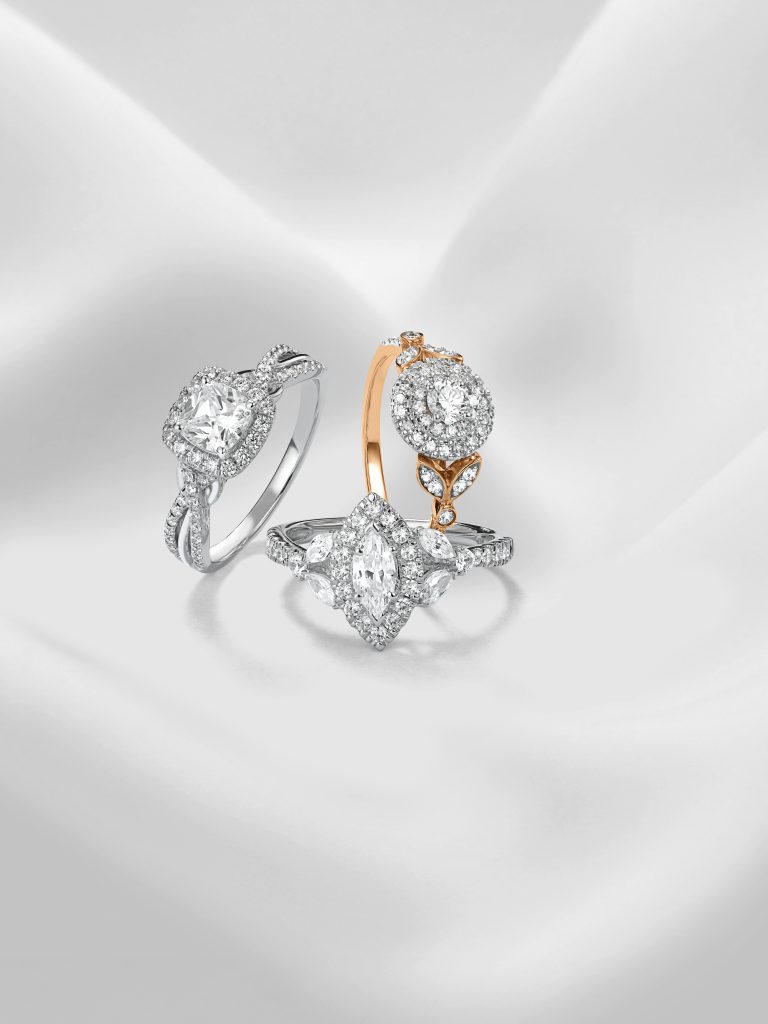
    Sterns’ Forever Diamonds Collection is crafted for this moment. Each natural diamond is hand-selected for its brilliance and individuality, making every ring a unique expression of love. Just as Wedding ETC often celebrates modern, personal approaches to weddings from intimate ceremonies to trend-forward styling, this collection embraces individuality while honouring timeless romance. [weddingetc.co.za]

    Whether your style leans toward the elegance of a classic solitaire, the vintage romance of a halo, or the modern allure of clean, minimalist lines, every Forever Diamonds ring is designed to reflect the emotion behind your “yes.”

    Crafting a Proposal That Feels Like You

    A proposal is more than a question; it’s a story you’ll tell for the rest of your life. In many of the features on Wedding ETC, couples are gravitating toward meaningful, personal moments over grand gestures.
    It’s the sentiment that counts: the place where your love grew, the song that holds memories, or the simple traditions only the two of your share. [weddingetc.co.za]

    The perfect proposal isn’t about extravagance but intention. A heartfelt moment at home, a scenic viewpoint at sunset, and a handwritten note leading to the ring, these details create the magic. And the right ring becomes the finishing touch, the detail that transforms the moment into forever.

    Jewellery for Every Chapter of Love

    Every love story is a tapestry of shared memories, early sparks, deepening connection, and milestones that shape your journey. Wedding ETC regularly highlights how couples today celebrate each milestone uniquely, from proposals to the final walk down the aisle.
    Sterns embraces this same philosophy through jewellery crafted for every stage of your love story. [weddingetc.co.za]

    • For the early days: delicate pieces that capture youthful romance and promise.
    • For the engagement chapter: rings chosen with intention, reflecting the depth of your bond.
    • For the wedding day: heirloom-worthy designs that complete your bridal look.
    • For the years beyond: jewellery that grows with you, marking anniversaries and milestones.

    These pieces become part of your journey, memories you can wear.

    A Wedding Day That Feels Personal

    One of the most meaningful aspects of planning a wedding is creating a day that reflects who you are as a couple. Wedding ETC is known for spotlighting current trends and timeless ideas, from intimate celebrations to bold, modern themes. [weddingetc.co.za]

    Your theme sets the tone: classic romance, modern minimalism, soft pastel palettes, or the dreamy pearlescent accents trending for 2025. Whatever your choice, your jewellery should elevate it.

    Diamond studs catch candlelight. A shimmering bracelet highlighting every movement. A pendant resting close to your heart. These aren’t just accessories, they’re emotional details that complete the feeling of the day.

    Big Days, Big Feel

    Your wedding is one of life’s biggest days, wrapped in emotion, joy, and significance. At Sterns, we create jewellery that honours that feeling, pieces that mark milestones, celebrate meaning, and capture the magic of forever.

    Because when the day is big, the feeling should be even bigger.
    And the details, especially the sparkling ones, should celebrate a love worth remembering.

    Sterns: https://sternsonline.co.za/

    Wedding trends rarely land the same way across borders, and in South Africa, couples tend to favour celebrations that feel grounded, expressive and connected to place. Weddings are becoming less about spectacle and more about intention, with design choices that balance beauty, meaning and practicality.

    These 2026 wedding trends reflect how South African couples are redefining their wedding days in ways that feel considered, personal and distinctly local.

    A richer approach to colour

    Neutral palettes remain popular, but in 2026 they are being layered with deeper, earth-led tones. Shades such as olive, terracotta, chocolate brown and warm caramel are appearing across florals, stationery and table styling, often lifted with a subtle accent colour rather than bold contrast.

    This approach works particularly well in natural settings, whether in the Winelands, along the coast or in the bush, where colour can enhance the environment rather than compete with it.

    Bridal fashion with individuality

    wedding trends
    Photo: Hasan Hasanzadeh/Unsplash

    South African brides are increasingly confident in their choices. Structured bodices, detachable skirts, statement sleeves and refined detailing are replacing overly embellished gowns. While white remains dominant, softer tones and textural fabrics are becoming more visible, especially for second looks or smaller celebrations.

    Dress codes are also loosening, allowing guests to interpret the aesthetic while still respecting the formality of the day.

    Food that reflects place and season

    Dining continues to move away from lengthy, formal sit-down meals. In 2026, couples are favouring seasonal menus, shared-style dining and relaxed pacing that allows guests to move, mingle and enjoy the atmosphere.

    Locally sourced ingredients, open-fire cooking, curated wine pairings and thoughtful late-night offerings reflect a growing appreciation for food as part of the overall experience, without becoming overly performative.

    Tablescapes that feel natural, not overstyled

    Long tables, considered linen choices and layered textures remain central to reception styling. Rather than highly theatrical setups, South African weddings lean towards tablescapes that feel refined yet effortless.

    Ceramic tableware, glassware with character and floral arrangements that echo the surrounding landscape create settings that photograph beautifully while remaining functional and welcoming.

    Florals with purpose

    Floral design in 2026 is less about abundance for its own sake and more about placement and impact. Grounded installations, sculptural arrangements and aisle meadows are favoured over towering structures.

    Florals are increasingly used to guide guests through a space, frame key moments or highlight architectural features, particularly at venues where the natural backdrop already does much of the work.

    Private vows gain popularity

    vows
    Photo: Micah & Sammie Chaffin/Unsplash

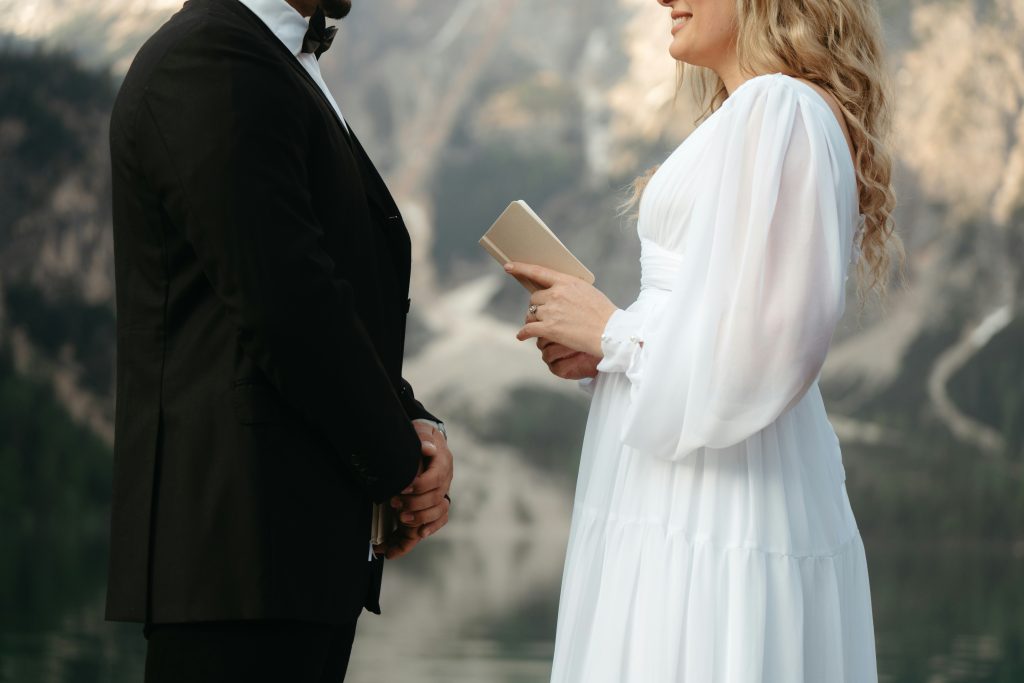
    Private vow exchanges are becoming one of the most meaningful 2026 wedding trends. Many couples are choosing to share their vows quietly before the ceremony, allowing for an intimate moment away from guests and cameras.

    Personalisation without excess

    Rather than personalised everything, couples are choosing a few meaningful details and doing them well. Handwritten notes, subtle monograms, custom menus or a carefully chosen ceremony reading often replace multiple decorative elements.

    Photography with an editorial eye

    South African photographers continue to lead the shift towards a documentary, editorial style. Natural light, movement and unposed moments are prioritised, resulting in imagery that feels timeless and emotive rather than overly styled.

    Smaller guest lists, stronger experiences

    While large weddings still have their place, many 2026 celebrations are becoming more intimate. Smaller guest lists allow couples to invest in quality, detail and time with their guests, particularly at destination venues.

    What’s quietly fading

    Highly coordinated bridal parties, rigid timelines and overly formal traditions are becoming less common. Couples are choosing flexibility, comfort and authenticity, shaping days that feel reflective of who they are rather than what’s expected.

    ALSO SEE: The wedding colour trend that quietly won us over in 2025

    The wedding colour trend that quietly won us over in 2025

    Feature image: Unsplash

    Choosing the right wedding favours is more than just a token of appreciation, it’s a way to extend your love, personality, and gratitude to your guests. Here are some thoughtful, on‑trend wedding favour ideas for 2025 that balance style, practicality, and sentiment.

    1. Mini Succulents & Live Plants

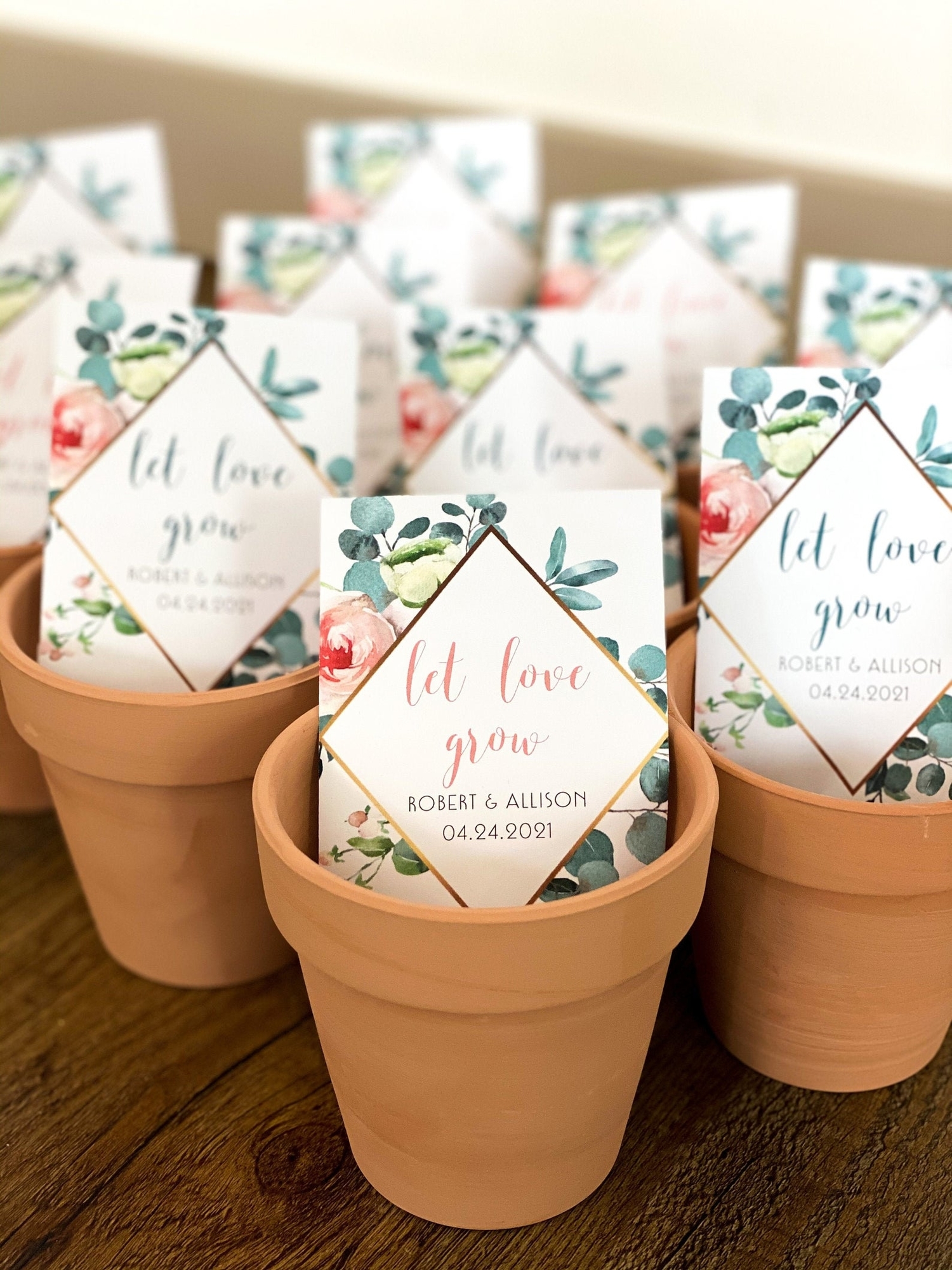
    Giving guests a living favour, like tiny succulents or herb pots is both eco-friendly and meaningful. These mini plants symbolize growth and lasting love, and guests can take them home and continue nurturing them.

    55 Creative Wedding Favors That Will Delight Your Guests

    • Why it works: It’s sustainable, decorative, and long-lasting.

    • Tip: Use small terracotta pots, concrete planters, or even custom-printed tags.

    2. Local Honey Jars

    Mini jars of honey, especially local varieties are a sweet and rustic favour that many couples love.

    • Why it works: Edible, thoughtful, and represents “sweetness” in your union.

    • Personalization: Add custom labels with your names, wedding date, or a fun message like “Meant to Bee.”

    3. Infused Olive Oil

    Infused olive oil (think rosemary, garlic, chili) makes a sophisticated and practical gift.

    • Why it works: Culinary lovers will appreciate it; it’s useful and elegant.

    • Presentation: Use mini glass bottles, and label them with flavor notes plus a “Drizzle with love” tagline.

    4. Mini Recovery / “Morning-After” Kits

    These kits are a playful yet practical favour, especially for weddings that end late or are very lively. Fill them with items like electrolyte sachets, mints, pain reliever, and maybe a sleep mask or sunglasses.

    • Why it works: It shows you care about your guests even after the party ends.

    • Design idea: Use small pouches or kraft bags, and attach a fun tag like “Dance now, recover later.”

    5. Handmade Soaps & Scented Candles

    Artisanal soap bars or scented candles are classic and elegant gifts that guests can actually use.

    • Why it works: They’re luxurious, personal, and can be customized to your wedding scent or color palette.

    • Custom touch: Personalize the labels with your wedding date or a message like “May this light your way.”

    6. Seed Packets / Botanical Favours

    Packets of flower, herb, or wildflower seeds are a beautiful way to symbolize growth and hope.

    39 Creative and Unique Wedding Favor Ideas Your Guests Will Love

    • Why it works: Guests can plant them later, creating a lasting memory from your day.

    • How to make it special: Include planting instructions or a note that says, “Watch our love grow.”

    7. Personalized Keepsakes & Trinkets

    Tiny keepsakes, like custom keychains, bottle stoppers, bookmarks, or magnets are practical and memorable.

    • Why it works: These items are useful in everyday life, so guests are more likely to keep them.

    • Ideas: Engrave initials, wedding date, or a small symbol that’s meaningful to you.

    8. Miniature Alcohol Bottles or Drinkables

    Small bottles of wine, champagne, or a custom cocktail make for charming and celebratory favours.

    • Why it works: It’s a festive touch, especially for a destination wedding or a couple that loves wine.

    • Tip: Add a custom tag or label with a pun or thank-you message.

    9. Tea Bags or Loose Leaf Tea

    Tea is a comforting, versatile gift. Consider packaging tea leaves in vials or test tubes, or giving tea bags with a decorative tag.

    • Why it works: Guests can enjoy a relaxing brew at home and remember your day.

    • Twist: Pair with a heart-shaped tea infuser or a personalized spoon.

    10. Personalized Bookmarks or Luggage Tags

    These are particularly great if your wedding has a travel or literary theme.

    • Why it works: Useful, light to transport, and easy to personalize.

    • Design idea: Have your names, date, or even a short quote printed or engraved.

    Pro Tips for Choosing & Presenting Wedding Favours

    1. Match to your theme: Let your favours reflect your wedding style, rustic, modern, botanical, cultural, etc.

    2. Keep it functional: Guests appreciate items they can actually use, not just pretty decorations.

    3. Add a personal touch: A tag, note, or custom label makes even simple favours feel intentional.

    4. Mind your budget: Focus on what matters. Some practical items (like seeds or tea) can be budget-friendly and very meaningful.

    5. Eco-conscious choices: Opt for reusable, plantable, or consumable favours to reduce waste and make a positive environmental statement.

    Examples of Popular Favour Products

    Here are a few actual products to inspire or use for your wedding favours:

    • Shiny Sphere Lip Balm: A cute, practical favour in a rose-gold sphere, perfect for a pastel or glam wedding.

    • Wedding Wish Message‑in‑a‑Bottle: Tiny glass bottles with a note or charm make sweet keepsakes.

    • Wedding Favour Petit Fours: Edible, elegant, and perfect for guests with a sweet tooth.

    • Bulk “Cheers to Love” Shot Glass Favors: Fun, reusable shot glasses for a lively celebration.

    • Boho Macrame Keychain Set: Practical keepsake-style favour with boho charm.

    • Custom Tea Bags (Handmade): Personalize the tea flavour and packaging to your wedding style.

    Wedding favours don’t have to be afterthoughts, they can be beautiful, meaningful, and genuinely appreciated by your guests. Whether you go eco-friendly with succulents, share the sweetness of local honey, or offer practical keepsakes, your choices can reflect your story and style. Choose favour ideas that feel authentic to you, and add a personal touch that makes your guests feel truly thanked.

    Featured Image: Canva

    In recent years, the wedding beauty spotlight has expanded beyond the bride and grooms are increasingly owning their moment. From subtle skin enhancement to full grooming routines, many men are embracing beauty practices to feel confident and camera-ready. Below, we explore the trend, offer practical routines, share tips for subtle male makeup, and feature insights from makeup artists who work with grooms.

    Why the Groom Makeup & Beauty Trend Is Growing

    • According to Vogue Business, searches for “groom makeup” rose 42% in the past year, and posts referencing male beauty and nails have increased significantly.

    • The shift reflects broader cultural changes toward gender-inclusive beauty norms, as well as the fact that wedding photos and videos are scrutinized more than ever.

    • Men are not just getting haircuts and cologne—they’re investing in facials, skincare serums, beard grooming, tinted products, and even cosmetic treatments (e.g. Botox or fillers) to achieve sharper, more camera-friendly features.

    • As one makeup artist Damilola Adejonwo notes, many male clients seek a “skin prep + powder + oil control” look, rather than dramatic makeup; some do opt for fuller glam, especially in LGBTQ+ weddings.

    Groom Skincare & Pre-Wedding Grooming Routine

    To ensure that makeup (if used) sits well, and the skin appears healthy and luminous, here’s a layered routine grooms can adopt in the months leading up to the wedding:

    Timeframe Focus Actions / Tips
    3–6 months ahead Building foundation Start a consistent skincare regimen, cleanse, exfoliate (1–2× weekly), moisturize, sunscreen daily.
    See a dermatologist or facialist for tailored treatments (chemical peels, microdermabrasion) if needed.
    Begin nail, eyebrow, and beard grooming (clean trims, shaping, conditioning).
    1–2 months ahead Touch-ups & trial Do a trial with the makeup artist to test products and tones under your wedding lighting / photography setup.
    Use hydrating masks, under-eye treatments, and final exfoliation carefully (avoid irritation).
    Keep consistent sleep, hydration, healthy diet—skin shows your lifestyle.
    1 week ahead Maintenance & rest Avoid trying new products; stick to your tried routine.
    Get a gentle facial (no aggressive peels).
    Trim beard and hair; shape brows gently.
    Use nights for richer moisturizer; morning for light coverage or sunscreen.
    Wedding day Priming & finishing Cleanse and hydrate, apply primer or mattifier, under-eye corrector, very light coverage (e.g. tinted moisturizer or skin tint), press-powder to control shine.
    Touch-ups via blotting papers or compact powder throughout the day.
    Keep grooming kit on standby (small comb, beard oil, clear lip balm).

    Additional tips:

    • Use sunscreen always—even when indoors—since UV light affects skin tone.

    • Don’t over-exfoliate or strip the skin; balance is key.

    • Grooming is more than face: hands, nails, lips, and even ears/neck should be clean and cared for.

    How to Speak to Male Makeup Subtly for Camera

    When applying makeup on grooms, the goal is to enhance, not transform. Here’s how makeup artists approach it:

    • Less is more: Use sheer or skin-tint products rather than heavy foundations; the aim is imperceptible enhancement.

    • Correct first, then polish: Conceal dark circles, redness, or blemishes; then even tone with minimal coverage.

    • Matte / soft finish: Use a translucent powder or mattifier in zones prone to shine (T-zone, nose). Avoid overly dewy finishes unless tailored to skin type.

    • Beard & hair integration: For men with beards, makeup artists often feather product into beard edges to soften harsh lines. Hair fibers or tinted eyebrow / lash products may be used to fill sparse areas.

    • Blending & lighting: Blend product well into skin, check under different light sources (natural light, flash) to avoid unnatural edges or color mismatches.

    • Allow input & comfort: Many grooms will be new to makeup; the artist should explain steps, show swatches, and make the process comfortable.

    Voices from Makeup Artists & Experts

    Here are a few perspectives from professionals working with grooms:

    • Damilola Adejonwo (male makeup specialist) notes that many grooms approach makeup tentatively. He emphasizes asking questions, listening closely to their comfort level, and focusing on subtle skin prep as many have never worn makeup before.

    • In a bridal / groom makeup guide by Beauty Intervention, artists highlight key correction areas: skin tone, under-eye, blemishes, and balancing shine. They also note how male clients often want a quick, efficient session (15–20 minutes) rather than a full glam routine.

    • One industry observation: “the groom definitely does not take as much time” as the bride’s makeup,  but logistical planning is essential (artists may need to relocate, schedule buffer times) to accommodate both.

    Featured Image: Canva

    Weddings are evolving and so are their color stories. Where soft neutrals once reigned supreme, 2025 is ushering in a bold new era of moody, jewel-toned palettes: think emerald greens, deep burgundy, sapphire blues, and rich plum. These sumptuous hues bring drama, depth, and emotion to a celebration, creating unforgettable atmospheres.

    Below, we explore how this shift is playing out in South Africa, how to blend statement color with timeless style, and offer ready-to-use palette “recipes” you can adapt to your wedding.

    Seasonal Color Trends in South Africa: Summer vs. Winter

    South Africa’s climates and landscapes lend themselves beautifully to changing color moods each season. Local vendors and blogs are already spotting these shifts.

    Summer / Warm Seasons

    • Brighter and lighter jewel tones, emerald, teal, fuchsia—pair beautifully with lush greenery and abundant natural light.

    • Accent with metallics (rose gold, warm copper) and softer neutrals to keep the look refined.

    • According to a South African bridal trend blog, summer 2025 palettes are seeing vibrant choices like coral, terracotta, moss green, and dusty lavender.

    • Yet even summer palettes are leaning away from pastel toward more saturated hues.

    Winter / Cooler Seasons

    • Deep, moody tones shine in winter: burgundy, sapphire, forest green, plum.

    • Velvet textures, dark wood, and richer metallics (antique gold, bronze) help enhance warmth and coziness.

    • Jewel-tone table settings, emerald, amethyst, ruby are gaining popularity for winter ceremonies.

    • South African décor sources also highlight “bold color” as a strong ongoing trend, with deep purples and jewel accents making statement touches.

    Tip: If your wedding straddles seasons (e.g. early autumn or late spring), bridge neutrals (cream, taupe, soft grey) help soften transitions between bold and subtle hues.

    Blending Dramatic Tones with Classic Aesthetics

    Using deep, bold hues doesn’t mean giving up elegance or timelessness. Here are strategies to strike balance:

    1. Anchor with Neutrals
      Use ivory, soft beige, or light grey as your base (linens, draping, walls) and let jewel tones appear in pops — napkins, florals, chair ties.

    2. Limit Bold Accents
      Choose one or two primary dramatic colors and pair them with supportive secondary shades. Avoid overcrowding with all saturations.

    3. Texture & Depth
      Mix velvet, silk, matte and glossy finishes. A velvet tablecloth in deep emerald with satin napkins and a metallic charger creates luscious contrast.

    4. Metallics
      Gold, brass, bronze or even pewter can lend elegance and lighten darker palettes. Use sparingly — frames, flatware, candleholders.

    5. Florals & Foliage as Transition Tools
      Use greenery, soft neutral blooms, and subtle tonal gradations to bridge between bold and classic.

    6. Lighting & Ambience
      Warm lighting softens saturated hues. Uplights, candles, and warm white string lights can make jewel tones feel inviting, not heavy.

    Palette “Recipes”, Pairing Florals, Linens & Dress Tie-Ins

    Here are some palette ideas (“recipes”) to help you mix and match florals, linens, and attire cohesively. Each recipe includes a dominant hue + accent + neutral.

    Palette Name Dominant Hue Accent / Secondary Neutral / Softening Tone Notes
    Emerald & Blush Emerald green Blush pink, dusty rose Champagne or ivory Softens green’s intensity; blush warms up cool green
    Burgundy & Plum Deep burgundy Mauve, dusty wine Soft taupe or stone Elegant and regal for evening weddings
    Sapphire & Teal Sapphire blue Teal, aqua Light grey or silver Great for coastal or modern venues
    Amethyst & Sage Rich purple Sage green Cream or pale lavender Earthy but dramatic
    Ruby & Gold Ruby red Berry tones, deep rose Warm ivory Use gold accents to elevate richness

    How to apply these recipes:

    • Florals: Let your dominant hue guide your main blooms, then use accent tones in secondary flowers. For example: emerald foliage, blush roses, cream spray roses.

    • Linens / Napkins: Use neutrals for tablecloths; napkins or runners can carry the accent colors.

    • Bridal Party / Dresses: Bridesmaids might wear the accent color (blush), while groomsmen wear pocket squares or ties in the dominant hue (emerald).

    • Stationery & Signage: Carry the palette across welcome signs, menus, seating charts.

    To keep jewel tones from feeling too heavy, incorporate touches of lighter hues like blush or cream.
    Jewel tone weddings, emeralds, sapphires, amethysts—are gaining traction for their luxurious and dramatic feel.

    Thoughts & Tips

    • Start with a mood board early: gather fabrics, flower photos, paint chips.

    • Order samples of linens and swatches in your intended hues to test in your venue’s lighting.

    • Work closely with your florist, designer, and lighting team to ensure the colors harmonize under different light.

    • Don’t shy away from bold tones, but be intentional. A carefully chosen dramatic palette can make your wedding unforgettable.

    Featured Image: Canva

    Weddings are no longer just about one big day. Couples are embracing multi-day experiences or weekend getaway weddings that allow more time, deeper connection, and richer storytelling. Instead of squeezing every moment into a single ceremony and reception, the modern wedding becomes an immersive journey, full of intimate events, meaningful downtime, and memorable shared moments with loved ones.

    What’s Driving the Shift Toward Multi-Day & Weekend Celebrations

    • Guest investment and travel: With many guests flying in or travelling long distances, couples are finding that a one-day event feels too fleeting. Stretching the celebration over a weekend, or more, honours that effort.

    • Desire for meaningful moments: More time means more opportunity for authentic connection, relaxed schedules, exploration, and memories that go beyond formalities.

    • Experiential trend: Weddings are becoming less just “ceremony & party” and more “experience” — themed dinners, local culture immersion, wellness, and fun activities before and after the big event.

    • Venues & accommodations: Venues that offer overnight stays and estates that allow weekend access are becoming more popular. The ability to rent a full estate or guesthouse or to host all guests on-site adds cohesion and ease.

    What a Typical Multi-Day Wedding Timeline Looks Like

    While each wedding will be unique, many weekend or multi-day weddings in 2025 follow a format similar to this:

    Day Event Ideas
    Day -1 / Arrival Day / Eve of the Wedding Welcome dinner or cocktails; casual mingling; optional activity like wine tasting, spa evening, sunset stroll or local excursion.
    Day 0 / Wedding Day Ceremony; main reception; often some downtime before or after; evening after-party.
    Day +1 / Post-Wedding Brunch or relaxed morning gathering; optional “recovery” events (pool party, nature walk, group spa); farewells.
    Optional Additional Days Sightseeing, cultural tours, adventure or wellness experiences; optional group activities for guests who stay longer.

    Benefits & Challenges to Consider

    Benefits

    • More intimate connection: Guests have more time to bond; bride & groom can enjoy more moments beyond the rush.

    • Creative variety: Multiple events mean more opportunities for theme changes, styling, performances, decor variations.

    • Greater value for travel: Guests feel their trip was worthwhile, not just a few hours of party but a richer shared experience.

    • Relaxed pacing: Less stress compressing everything into one day; more breathing room for timing, photography, vendor setups.

    Challenges

    • Cost & logistics: More days means more accommodation, food, vendor hours, and travel logistics.

    • Guest fatigue: Some guests may not be able to commit extra days; need to balance with rest and downtime.

    • Higher planning demands: More events = more coordination. It requires a clear itinerary, excellent communication, and contingency planning.

    • Season and location realities: Weather, transport, local infrastructure, venue availability can complicate multi-day setups.

    2025 Trends & Ideas for Weekend Wedding Getaways

    • “Wed-cations” or destination stays: Couples are booking properties or resorts for entire weeks, making the wedding part of a vacation experience.

    • Signature local experiences: Incorporating excursions (vineyards, hikes, cultural tours), local food & artisans into multiple event days.

    • Wellness & rest elements: Yoga, massage, nature time, sunset walks, giving guests moments to recharge.

    • Stylish welcome & farewell events: From casual beach bonfires to formal welcome dinners or elegant brunches the next day.

    • Sustainability & local sourcing: Choosing local vendors, seasonal food, reusable décor, reducing travel footprint as much as possible.

    How to Plan a Seamless Multi-Day Wedding Experience

    1. Define your priorities & guest list early – How many events will you host? Which guests will be invited to each? What are must-have vs optional?

    2. Choose a venue that accommodates lodging & multiple events – Estates, guesthouses, resorts or private properties with enough space and flexibility.

    3. Design a clear itinerary & share it ahead of time – Let guests know dress codes, event times, travel/transportation, and optional activities. A printed or digital program helps.

    4. Think guest comfort – Travel arrangements, lodging comfort, transport between venues, clear signage, rest periods.

    5. Budget accordingly – Include extra days, staff costs, catering, décor, entertainment, travel. Build in buffer for unexpected expenses.

    6. Tell your story across multiple events – Let each event feel connected yet distinct; theme continuity in décor, food, music can help.

    7. Hire vendors who understand the format – Photographers, caterers, planners who have experience with weekend weddings or multi-day events.

    Multi-day weddings and weekend getaways aren’t just trends in 2025, they’re reflections of how couples want their weddings to feel: immersive, meaningful, and shared experiences. When done well, these celebrations honour not only the couple’s love but also the effort of guests, creating memories that stretch beyond a single evening.

    If you’re dreaming of this format, lean into what makes you and your partner unique. Choose location, events, moments that align with your values and story and let the magic unfold over more than just one day.

    Featured Image: Canva