

So you’ve decided to plan your own wedding. Whether it’s something you have always wanted to do, or you and your partner thought it was another great idea to save a bit of cash, it is not an easy task. Luckily, there is no task too big for a bride-to-be.
Planning your big day on your own is no walk in the park. Here are a few things to keep in mind.
Prepare a budget
Figuring out a budget is very important, this will help you decide on other things too and this will help to prevent overspending on things that are not unnecessary.
You will figure out the venue, decor, and catering as you go along. You need to know how much you are spending and for how many people are you preparing for. This should not be your task alone, your spouse should also pitch in and help.
Create your own vision board
Whether you cut and paste pictures, or you make it online, you will find it very beneficial and soothing to put together a vision board of your ideas. It visualises your ideas and makes them seem realistic to achieve.
You will be able to see your wedding day at a glance and figure out what works within your theme and what doesn’t. It also helps with restricting things that are not in your plans.
Stay on track
From the get-go, you and your partner should decide on a realistic timeline and an idea about the kind of wedding you want. If you can prioritize what you want, then you will be able to make decisions faster and get the vendors you really want for the wedding.
You will need to plan your time accordingly, you need a time frame and a breakdown of your goals. Do not decline help from people who volunteer.
Choose the easiest and most convenient tools to help you work. Things like invoices and receipts, keep copies of contracts, track costs need to be kept very safe, look into tools like web-sharing tools such as Google Docs. That way you can access your things anywhere.
Expect challenges
Things can and will go wrong, and you’ll need to prepare as best you can, the best thing you can do is breathe it out and go back to the drawing board. It will most likely be your first time planning a wedding, do not punish yourself for mistakes.
Read any contract carefully before signing
Before you sign on any legally binding documentation, be sure to closely review every detail, including dates, location, times, deposits, additional fees, and colours. Everything has to be in the contract because if it isn’t, or is written incorrectly, you will not be protected if it’s not executed properly.
Take a closer look at any policy they might have. Many of them are more often than not one-sided and should anything happen, they will leave you out in the cold. Draw up your own contract and find a way to reach an agreement.
Make it fun
Planning a wedding can be very stressful and it will definitely take its toll on you but try and make it a fun task. Do not overthink and stress yourself, you and your partner can make it fun by delegating tasks amongst each other and turn that into a game.
Picture: Unsplash
Marble has been having a moment for the last few years. From home design and fashion, this unique metamorphic rock has inspired an enduring trend. It has even…
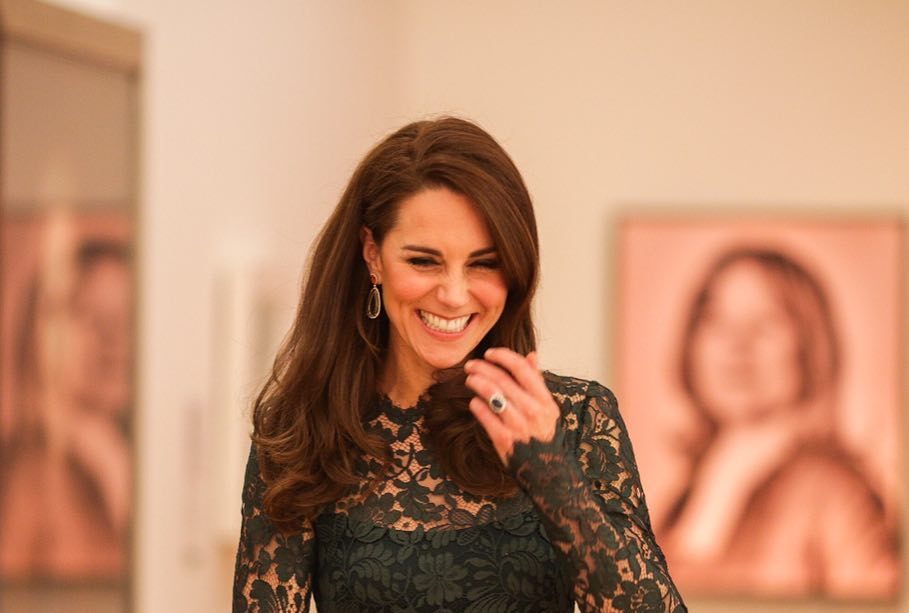
Kate Middleton became the world’s envy on November 16, 2010 when Clarence House announced that she and Prince William were engaged to be wed. Besides the obvious excitement of a royal wedding, fans could not get over her unique sapphire engagement ring that carries a sweet story.
The world’s most famous blue sapphire ring once belonged to Prince William’s mother, Princess Diana. Here are some facts about this deeply personal ring.
View this post on Instagram
Prince Charles first proposed to Princess Diana with a selection of rings from crown jeweller Garrard, and she chose the blue sapphire. At the time, it caused a scandal and many called her decision to go with a ready-made ring ‘common’.
Upon Charles and Diana’s divorce, she returned the ring to her ex-husband and it remained in storage in Kensington Palace. After her untimely passing in 1997, however, sons William and Harry were allowed to choose mementoes to remember her by. Harry chose the engagement ring while William picked a gold Cartier watch.
When William was really to propose, the brothers agreed to exchange mementoes so that he could do so with their mother’s ring. He chose this ring to be symbolic of his mother being a part of her wedding and marriage in general.
Former Miss and Mr South Africa, Melinda Bam and Adriaan Bergh celebrated their sixth wedding anniversary on November 9. She took to social media and wrote him a…
You have your wedding day all figured out and you think that you have ironed out every bit of information. However, there might be things you have always wondered about, but never had the courage to ask. Or maybe you have simply never thought about it, so now is a good time to think it over.
Here are a few questions no one ever thinks to ask before their big day.
How do we kiss when we kiss?
This is a big one. Remember, you will likely have your whole families, including children present at the ceremony. Understandably, you are madly in love and emotional to boot. But now is not the time to give people a sneak peek at your honeymoon. Keep it simple and tasteful. Ideally, no tounge should be involved and let’s keep those hands from exploring, shall we?
How does a bride use the bathroom?
The dress-and-bathroom question is a very easy one to slip your mind because of the excitement of your beautiful wedding gown.
A smaller or simpler wedding dress offers much more flexibility but if you choose to go big, then it might be vital that you highlight this question with your designer. Make sure you do a practice run prior to the day to figure out the most practical way of using the bathroom without having to take off the dress entirely.
What happens to the engagement ring?
If you and your partner decide to exchange wedding bands in addition to your engagement ring, you may prefer to keep your ring fingers “clear” for the big moment. People have different traditions and beliefs so this is really an important thing to discuss with your partner before the wedding.
You will find that some slip it back on after the ceremony or before they meet and greet guests or head off for photographs. Others might leave it safely back home.
How’s everyone getting to the reception?
Transport for your guests is one of the most important things to consider when planning a wedding. Will the people you are inviting bring their own cars? Does the venue accommodate cars? Are you going to opt for the casual approach in which everyone finds their own way or bus or a string of limos? Make sure all the guests are informed about the arrangements.
Is it okay to request that guests wear a certain colour?
It is your wedding day and the colour of the day should be something you come up with. However, it might be unreasonable to expect guests to wear only a certain colour, style or theme. We say the best way is to let everyone wear what makes them feel comfortable. You can always show the colour scheme of the wedding on the invitation, and add a playful hint that everyone is welcome to dress up accordingly. However, make sure there is no pressure.
What’s the backup plan?
There are many aspects of your wedding day over which you have a lot of control. Unfortunately, there are others you absolutely do not. So, it’s important to have a backup plan in case anything changes, like a storm occurring at an outdoor wedding.
Will you be exchanging gifts?
Many couples exchange gifts on their wedding day and some even give gifts to the parents of their partner. It’s a good idea to have a discussion prior to the actual day about whether you want to give presents or not and what is expected.
Picture: Unsplash
A wedding bouquet should reflect your personality and fit the theme, but not steal your thunder. We love the elegance of white flowers, and the simplicity it brings.…
A man appeared to have married four brides during one ceremony in Limpopo this past weekend. In a video circulating on social media, the groom and his four brides can be seen enjoying their recent nuptials.
The wedding is believed to have taken place in a village in Limpopo called Ga-Makgeru on November 8, 2020. In the video, the four brides and the groom are captured happily dancing into the tent packed with amused guests where the ceremony was going to be.
Three of the brides were wearing similar dresses and one of the four stood out in a long sleeve dress.
Polygamy is no foreign concept in most South African cultures, but it is unusual for mutiple marriages to occur on the same day. Typically, couples host seperate ceremonies over time.
While bigamy is a punishable offence in South Africa, customary marriages operate differently. According to Home Affairs, if a male person is already in a customary marriage and wishes to enter into another customary marriage he has to, at his own cost, get a court order from a competent court which will regulate his future matrimonial property system.
It is also possible for a male person who is already in a customary marriage to enter into a civil marriage. They should follow the normal procedure for civil marriages.
Polygamy is legal under certain circumstances in South Africa. The circumstances include practices of various cultures and religions in South Africa. There are no religions or cultures that recognise a woman having multiple husbands, so polygamy is typically understood as one man having mutiple wives.
Also read: What you need to know about polygamy in South Africa
Picture: Unsplash