
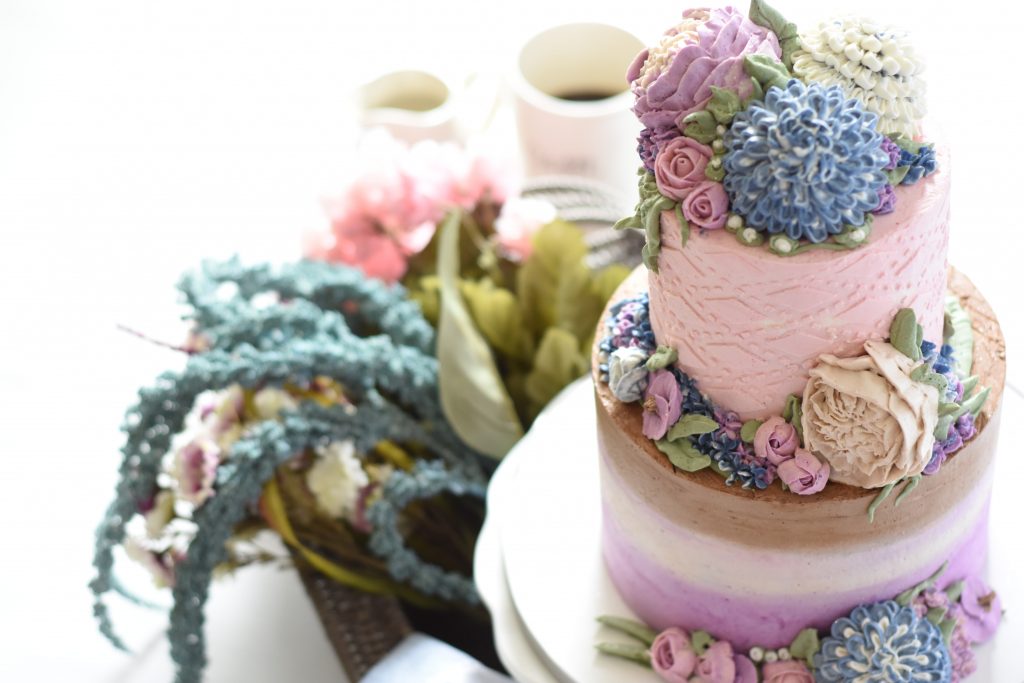
Instead of going for something expected like a white cake with floral detail, why not be bold? Live your life in colour with a fun wedding cake that your guests will love.
Once lockdown and quarantine ends, attending an actual physical wedding in the future will be extra special. As such, we predict couples will go big and bold to honour the occasion. What better way than with colour?
Using fun splashes of colour is a simple yet striking way to make a statement and add personality to your wedding cake. Here are a few of our favourite colourful creations:
https://www.instagram.com/p/B9sMAOXAbT-/?utm_source=ig_web_copy_link
https://www.instagram.com/p/B9PnIxih25V/?utm_source=ig_web_copy_link
https://www.instagram.com/p/B9TbKu9F3GQ/?utm_source=ig_web_copy_link
https://www.instagram.com/p/B-rqR_iDNnD/?utm_source=ig_web_copy_link
https://www.instagram.com/p/B-kmI2klGZU/?utm_source=ig_web_copy_link
https://www.instagram.com/p/B7q7HLcH5Z2/?utm_source=ig_web_copy_link
https://www.instagram.com/p/B-7ns2Kh3m3/?utm_source=ig_web_copy_link
https://www.instagram.com/p/B7jGWWoH7c-/?utm_source=ig_web_copy_link
https://www.instagram.com/p/B6_kDwwAvLT/?utm_source=ig_web_copy_link
https://www.instagram.com/p/BlDzYgZgTb5/?utm_source=ig_web_copy_link
Picture: Unsplash
With the coronavirus pandemic essentially taking over the world, couples are having for rethink their wedding celebrations. Those with elderly relatives have to be extra careful, as they…
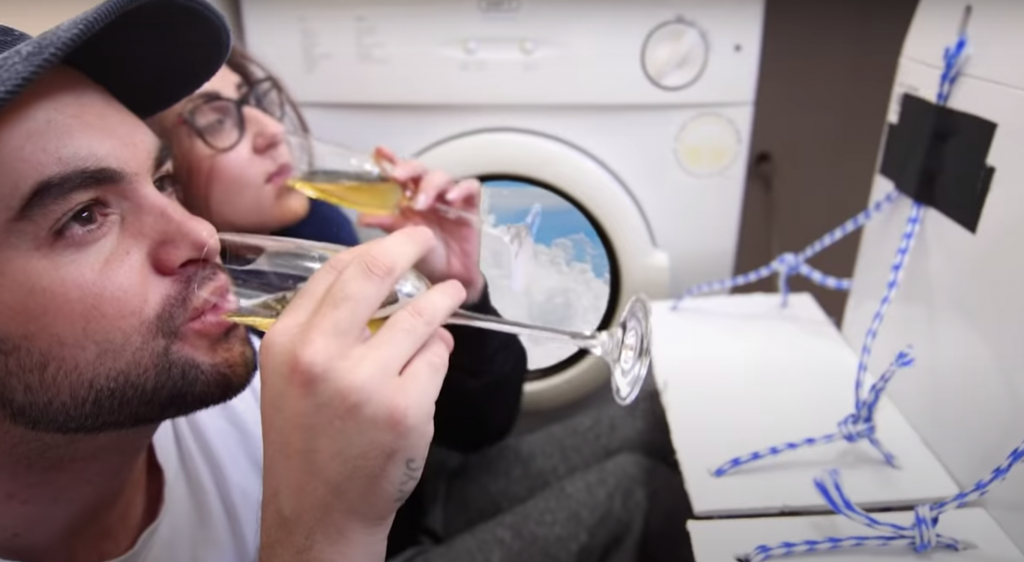
After their unique backyard wedding featuring cardboard cutout wedding guests, Captonian filmaker Dan Mace and partner Gabi Esterhuizen followed up their big day with a fun, eventful honeymoon.
With the nationwide lockdown, however, the couple were once again forced to get creative. They opted to honeymoon around the world without leaving their home.
They ‘travelled’ all the way from their living room in Cape Town to Paris, France, Honolulu, Hawaii and Phuket, Thailand.
Take a look at their jam-packed honeymoon below:
Feature image: screenshot from video
In the midst of these uncertain times we’re living in, couples are forced to make tough decisions around their weddings or look at alternative options. If you happen…
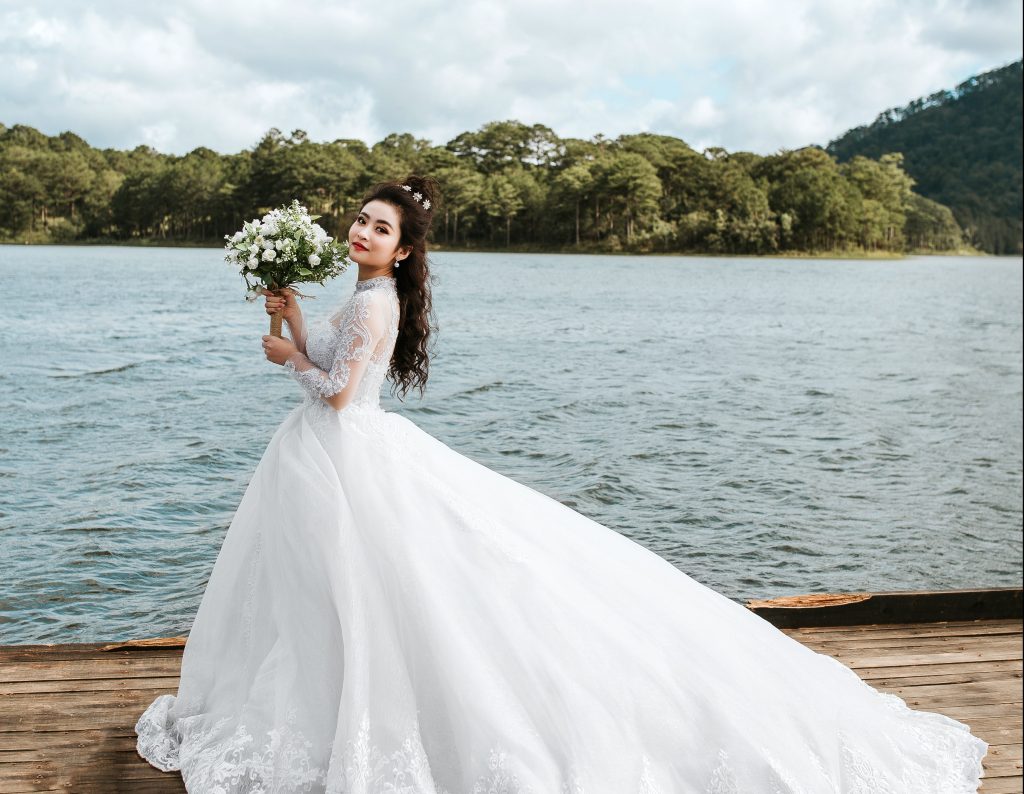
If you want to feel like a princess on your wedding day but don’t want to look too dated, fear not. With simple touches, you can upgrade the traditional princess look to match with today’s times.
Mix modern trends with the traditional princess gown shape to give you a fresh yet romantic look. Think back detail, unique necklines and detachable overskirts.
Here are some ideas to inspire you:
https://www.instagram.com/p/B-uTp3Tovd3/?utm_source=ig_web_copy_link
https://www.instagram.com/p/B97eHBUAQ1O/?utm_source=ig_web_copy_link
https://www.instagram.com/p/B5IpgqSDe1Y/?utm_source=ig_web_copy_link
https://www.instagram.com/p/B9eokdLpTIU/?utm_source=ig_web_copy_link
https://www.instagram.com/p/B-uWsGLlTzl/?utm_source=ig_web_copy_link
https://www.instagram.com/p/B8O6iOxJ0O_/?utm_source=ig_web_copy_link
https://www.instagram.com/p/B9mWqjnlVVf/?utm_source=ig_web_copy_link
https://www.instagram.com/p/B-aQK-LFRRs/?utm_source=ig_web_copy_link
https://www.instagram.com/p/B9JCHg9jgou/?utm_source=ig_web_copy_link
https://www.instagram.com/p/B56N1O0J4Br/?utm_source=ig_web_copy_link
Feature image: Unsplash
With the coronavirus outbreak, many are stuck at home with little to do. In an effort to entertain themselves while still maintaining social distancing, these fun neighbours posed…
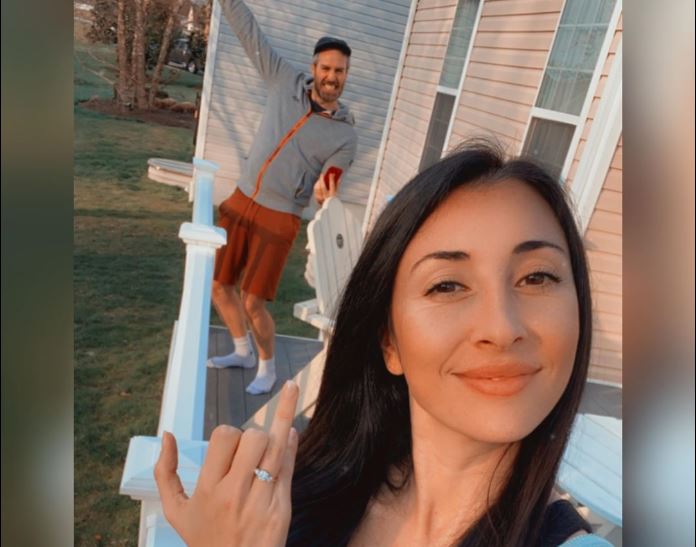
Quarantine engagements are becoming more and more popular, and even celebrities are participating. Of course, an intimate at-home proposal is lovely, but if you wanted to have your family involved you may be a bit disappointed.
PJ Bruno couldn’t let it go, he was determined to include family and friends in this surprise proposal to girlfriend, Jaz Zepatos. After being together for three years, Bruno wanted an elaborate proposal, but with the coronavirus pandemic controlling things, he had to come up with a new idea.
He decided to invite his friends and family to watch the proposal live, on March 27. Google Hangouts was his streaming service of choice. Bruno’s mother recorder the proposal in person, while one of his friend’s watching the live stream screen recorded it.
“In the midst of global chaos, Bruno managed to find a way to gather our closest friends and family to create one of the most magical moments of my life,” Zapatos wrote on an Instagram post. “Thank you to everyone who took part in our special day from the safety of your homes. We love you so much.”
This story is not unlike many others at this time. With the coronavirus pandemic sweeping the globe, many are being creative and finding a way to share their joy with their loved ones who are not physically close to them. While it’s a common story in these times, it remains wholesome and heartwarming, just what we all need.
On her Instagram post you can see the full proposal, and the moment she realises they are being live streamed.
Watch it here:
https://www.instagram.com/p/B-SDGo-D08Q/
https://www.instagram.com/p/B-SGSMuFdcA/
Congrats to the happy couple!
Image: Screenshot