• Author

    Zayaan Marthinus

    Browsing

    Somewhere between the champagne tower and the sparkler exit, the wedding reception outfit change became a thing. Not just for celebrities or luxury weddings either – suddenly brides everywhere are slipping into feather-trimmed minis, satin slips and crystal-covered party dresses halfway through the evening.

    And honestly? We get the appeal.

    After hours of posing, greeting guests and navigating stairs in a gown that weighs approximately the same as a small child, changing into something lighter sounds less like vanity and more like survival. But with weddings becoming increasingly curated for content, the second-look trend also raises a fair question: is this genuinely practical… or are we just adding another expensive “must-have” to an already overwhelming day?

    The answer sits somewhere in the middle.

    Why brides are loving the second-look trend

    Reception outfit changes are having a major moment because weddings themselves are becoming more personalised and less rigid. According to wedding trend experts, 2026 weddings are leaning heavily into intentionality and self-expression rather than tradition for tradition’s sake.

    That shift naturally extends to fashion.

    For some brides, the ceremony dress is about drama and romance – the cathedral veil, the structured corset, the train that glides beautifully down the aisle. The reception look, though, is where personality comes out. Think playful minis, sleek satin gowns, tailored bridal suits or even sneakers paired with sequins.

    And practically speaking? It makes sense.

    Many modern bridal gowns are stunning, but not necessarily designed for six hours of dancing, hugging relatives and sprinting across the venue because your MC disappeared before speeches. Brides online consistently mention comfort, mobility and wanting to actually enjoy the party as the biggest reasons they opted for a second outfit.

    There’s also the photography factor. Reception looks photograph differently – often more editorial, more relaxed and more fashion-forward. A structured ceremony gown creates timeless portraits, while a reception outfit captures movement and energy.

    Essentially, brides are treating their wedding like chapters instead of one long aesthetic.

    But here’s the part nobody really talks about

    A second outfit can quietly double the stress.

    Because now you’re sourcing two bridal looks. Two sets of alterations. Two pairs of shoes. Possibly two hairstyles depending on the vibe shift. And if timelines aren’t planned properly, outfit changes can actually pull you away from the very reception you spent months planning. There’s also the financial reality.

    Wedding fashion trends in 2026 are undeniably more fashion-focused, with brides increasingly investing in multiple “moments” throughout the day. But not every wedding budget has room for a second custom look that might only be worn for two hours.

    And truthfully? Sometimes the pressure to have a reception dress feels less about practicality and more about social media expectations.

    Not every wedding needs a dramatic reveal moment. In fact, one recent viral wedding clip sparked debate after a bride’s second-look entrance barely registered with guests who were busy eating and talking. Brutal? Slightly. But also, a reminder that guests care far more about the atmosphere than outfit logistics.

    The smarter alternative brides are choosing

    Interestingly, some brides are moving away from full outfit changes altogether and opting for transformable gowns instead. Think detachable overskirts, removable sleeves, dramatic capes or convertible trains.

    You still get the “two looks” effect without disappearing for 20 minutes midway through dinner.

    It also feels more aligned with where bridal fashion is heading overall: versatility over excess. Bridal trends for 2026 are less about performing luxury and more about making choices that genuinely improve the experience.

    And honestly, that’s probably the healthiest shift the wedding industry could make.

    So… worth it?

    If changing outfits will make you feel more comfortable, confident or free enough to fully enjoy your reception? Absolutely worth it.

    If you’re only considering it because TikTok convinced you every bride needs a sparkly mini dress reveal? Probably not.

    Your guests will remember the energy of your wedding long before they remember whether you wore one outfit or three. The best bridal styling decisions are usually the ones rooted in practicality, personality and feeling like yourself – not just recreating a Pinterest board in real life.

    Because at the end of the day, the real flex is actually enjoying your wedding. Not surviving it in shapewear and regret.

    ALSO SEE: Non-white wedding dresses are no longer a bridal taboo

    Non-white wedding dresses are no longer a bridal taboo

    Featured image: Aynura Berdyyeva / Pexels 

    For years, the wedding veil played supporting actress to the dress. In 2026? It’s officially the main character.

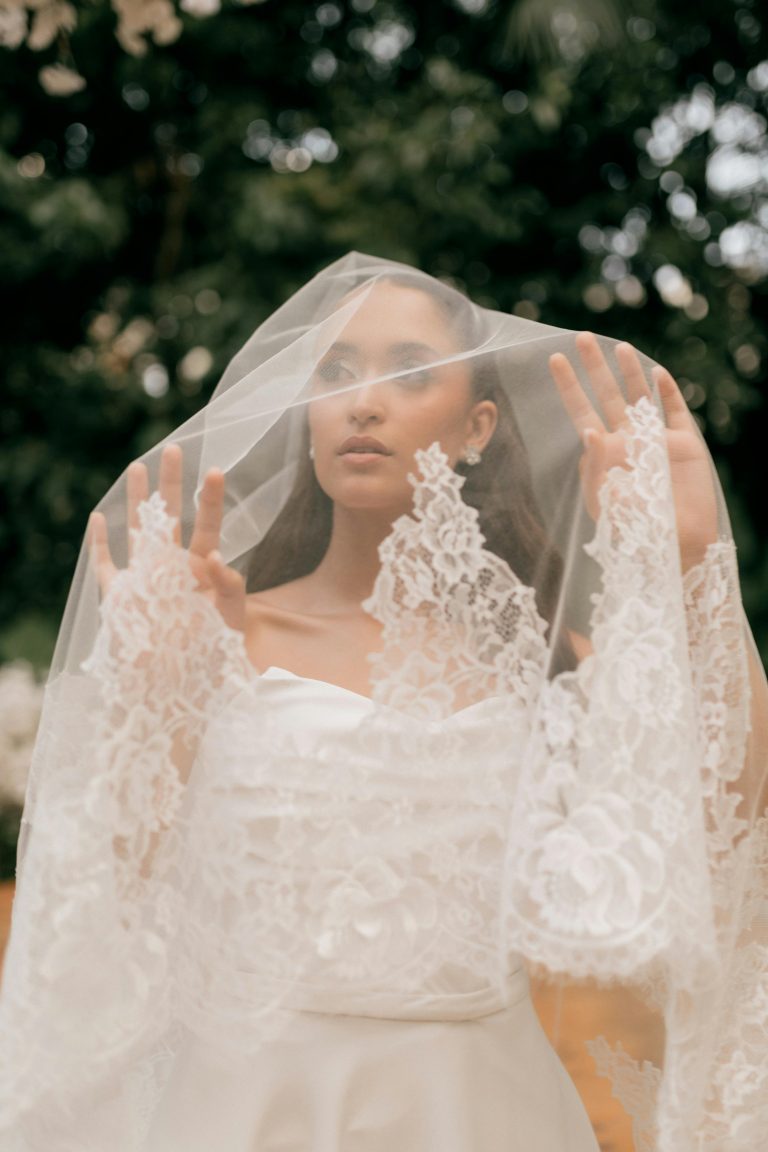
    Brides are no longer treating veils as a last-minute accessory tossed on during fittings “just to complete the look.” Instead, veils are becoming deeply personal style statements – dramatic, editorial, romantic and, in many cases, entirely custom. Across recent bridal fashion weeks, designers leaned heavily into expressive accessories, proving that bridal styling is moving towards individuality rather than tradition for tradition’s sake.

    From pearl embellishments to mantilla lace and ultra-minimalist tulles, here are the veil trends dominating 2026 weddings.

    Pearl veils are still having a major moment

    If there’s one trend refusing to leave the bridal chat, it’s pearls.

    But in 2026, pearl veils feel softer and more refined than the heavily embellished versions we saw a few years ago. Designers are favouring delicate scattered pearls across sheer tulle for a barely-there shimmer that catches beautifully in photographs and candlelight.

    The appeal? Versatility.

    Pearl veils pair effortlessly with minimalist satin gowns, but they also add texture to clean silhouettes without competing against intricate dresses. Brides are increasingly using the veil itself as the statement piece instead of relying on heavily embellished gowns.

    Cathedral veils are getting even more dramatic

    Cathedral veils remain one of the biggest bridal trends of the year, with extra-long lengths, pooling tulle and oversized silhouettes dominating bridal editorials and runway collections. What’s changed is how brides are styling them.

    Instead of pairing dramatic veils with equally dramatic gowns, many brides are choosing sleek crepe or mikado dresses and letting the veil create the impact. The contrast between clean tailoring and romantic movement feels modern, expensive and editorial.

    Honestly? This is one of the smartest styling shifts happening in bridal fashion right now. A simple gown with a breathtaking veil, photographs far more timelessly than an overly embellished dress-and-accessories combination fighting for attention.

    Lace-edged veils are making a comeback

    Lace never really disappears from bridal fashion, but 2026 is bringing back softer, more intentional lace detailing – especially on veils.

    We’re seeing:

    • Scalloped lace trims
    • Botanical embroidery
    • Delicate floral appliqué
    • Mantilla-inspired lace framing

    The overall aesthetic feels romantic and heirloom-inspired rather than overly traditional. Spanish-style mantilla veils in particular are quietly becoming one of the most fashion-forward bridal choices for 2026, especially for brides wanting a softer, old-world elegance.

    Minimalist veils are becoming more refined

    At the same time, minimalist brides are doubling down on simplicity. Raw-cut edges, ultra-fine illusion tulle and lightweight single-layer veils are everywhere right now.

    The goal is movement rather than volume. These veils float instead of drape, creating an effortless softness that works beautifully for modern city weddings, destination ceremonies and fashion-forward brides who want elegance without excess.

    Interestingly, bridal communities online are also steering brides with highly detailed gowns towards cleaner veils to avoid overwhelming the overall look.

    Vintage-inspired veils are rising again

    Bridal fashion’s current obsession with nostalgia is spilling into accessories too. Birdcage veils, Juliet caps and bandeau-inspired styles are all resurfacing for brides wanting something unconventional yet timeless.

    These styles are especially popular for:

    • Civil ceremonies
    • Reception outfit changes
    • Fashion-focused weddings
    • Intimate city celebrations

    The overall vibe feels less “traditional bride” and more editorial fashion moment – which fits perfectly with 2026’s broader bridal trend cycle focused on personality and individuality.

    Personalised veils are becoming non-negotiable

    Customisation might be the defining bridal trend of 2026 overall.

    More brides are adding:

    • Embroidered initials
    • Wedding dates
    • Meaningful phrases
    • Custom lace placements
    • Bespoke colours
    • Family-inspired details

    Celebrity weddings have also fuelled the rise of highly personalised veils, with dramatic embroidered storytelling becoming increasingly aspirational for brides wanting emotional significance woven into their look.

    Bows, soft structure and sculptural styling are trending

    2026 bridal fashion is leaning heavily into femininity again, and veils are following suit. Soft sculptural tulle, oversized bows and layered volume are increasingly appearing across bridal collections and runway styling.

    The result feels playful yet couture-inspired – especially when paired with sleek dresses or minimalist silhouettes.

    For brides wanting a fashion-forward bridal look without committing to a trend-heavy gown, this is an easy way to add personality while keeping the overall look timeless.

    The biggest bridal veil trend of 2026? Intention

    If bridal fashion in 2026 has made one thing clear, it’s this: veils are no longer an afterthought. Whether it’s a dramatic cathedral veil trailing behind a minimalist gown, delicate pearl embellishments catching the light, or a vintage-inspired birdcage moment for the fashion bride, veils have become one of the defining style elements of the modern bridal look.

    And perhaps that’s why they feel so exciting again.

    Brides are moving away from the pressure to look “traditionally bridal” and leaning into styling choices that feel personal, fashion-led and emotionally resonant instead. The veil is no longer just there to complete the outfit – it’s there to transform it.

    In 2026, the veil isn’t playing supporting actress anymore. It’s stealing the entire scene.

    ALSO SEE: Looking for the perfect wedding dress? Here are a few tips to find the one

    Looking for the perfect wedding dress? Here are a few tips to find ‘the one’

    Featured image: Alexander Mass / Pexels 

    South African bridal fashion is entering a new era – one that feels more fashion-forward, intentional and globally relevant than ever before. Brides are leaning into individuality, craftsmanship and locally made luxury, and our bridal designers are more than rising to the occasion.

    From dramatic couture moments to sleek minimalist silhouettes, these are the local bridal designers we think every 2026 bride should have on her radar.

    Vonvé Bridal Couture

    Known for clean lines, modern silhouettes and understated elegance, Vonvé Bridal Couture continues to be a favourite among brides looking for timeless gowns with a contemporary edge. Their designs strike that rare balance between simplicity and statement-making – ideal for the bride who wants to feel effortlessly chic on her wedding day.

    Expect structured fabrics, flattering tailoring and gowns that photograph beautifully from every angle.


    View this post on Instagram


    A post shared by Nina Wernicke (@ninawernicke)

    Scalo

    If your bridal mood board leans fashion-editorial, Scalo deserves your attention. The brand has become synonymous with couture craftsmanship and dramatic silhouettes that still feel refined and wearable.

    From sculptural details to luxurious textures, Scalo’s bridal designs feel made for the modern bride who wants a runway-worthy moment without losing the romance of traditional bridalwear.


    View this post on Instagram


    A post shared by S C A L O® (@scalodesigner)

    Orapeleng Modutle

    Orapeleng Modutle continues to blur the lines between fashion and art with bridal designs that feel bold, feminine and deeply luxurious. Known for impeccable structure and couture-level detailing, his gowns are perfect for brides wanting something unforgettable.

    There’s a confidence to every design – the kind that turns a wedding dress into the centerpiece of the entire celebration.


    View this post on Instagram


    A post shared by OM Style Avenue (@orapelengmodutle)

    Elbeth Gillis

    Few local bridal designers balance timeless elegance and modern craftsmanship quite like Elbeth Gillis. Known for beautifully tailored gowns, luxurious fabrics and a distinctly refined aesthetic, her designs have earned recognition both locally and internationally.

    There’s a softness and sophistication to every collection that feels especially relevant for 2026 brides leaning towards understated luxury. From romantic silhouettes to couture-inspired finishes, Elbeth Gillis gowns embody the kind of quiet confidence many modern brides are gravitating towards right now.


    View this post on Instagram


    A post shared by Elbeth Gillis (@elbethgillis)

    La Belle Mariée Bridal Couture

    La Belle Mariée Bridal Couture is all about refined romance and modern bridal elegance. Known for intricate detailing, luxurious fabrics and beautifully structured silhouettes, the brand continues to appeal to brides who want something both timeless and fashion-forward.

    There’s a softness in their design language, but it never feels simple – every gown carries a sense of intention, craftsmanship and understated luxury. For 2026 brides leaning into elevated, feminine bridal style, La Belle Mariée Bridal Couture is firmly one to watch.

    The future of bridal fashion is local

    There’s something incredibly special about wearing a gown designed close to home – especially when South African bridal talent is producing work that rivals international fashion houses. As more brides move towards intentional shopping and personalised wedding experiences, local bridal designers are becoming the heart of modern bridal fashion.

    Whether your style leans minimalist, couture or romantic, one thing is clear: South African bridal fashion is only getting more exciting.

    ALSO SEE: 2026 Met Gala bridal fashion trends we’re already obsessed with

    2026 Met Gala bridal fashion trends we’re already obsessed with

    Featured image: Pinterest

    For years, destination weddings were seen as the ultimate modern fairytale: oceanfront vows, multi-day celebrations and Instagram-worthy scenery far away from home. But in 2026, couples are asking a much more practical question – are destination weddings still actually worth it?

    The answer is no longer as straightforward as it used to be. Between rising travel costs, guest fatigue and the growing shift towards intentional weddings, destination celebrations are evolving fast. Yet despite the challenges, they remain incredibly popular – just in a very different form than before.

    Destination weddings aren’t disappearing, they’re getting smaller

    One of the biggest misconceptions about destination weddings is that they’re fading out. In reality, they’re simply becoming more intimate.

    Across wedding trend reports, planners are seeing couples move away from huge overseas guest lists in favour of smaller, experience-focused celebrations with close family and friends only.

    The modern destination wedding is less about showing off and more about creating quality time. Instead of inviting 200 guests, many couples are hosting 30 to 70 people and investing more intentionally in the experience itself – boutique accommodation, curated dinners, welcome events and extended weekends together.

    Ironically, smaller guest lists are making destination weddings feel more luxurious and personal than ever.

    The cost conversation is changing

    The idea that destination weddings are always cheaper than traditional weddings is becoming increasingly outdated. While a smaller guest list can reduce overall costs, destination weddings come with their own financial pressures: travel logistics, accommodation coordination, vendor transport and multi-day hosting expectations.

    According to recent wedding budget breakdowns, destination weddings in 2026 can range anywhere from mid-tier affordability to ultra-luxury pricing depending on the location and guest count.

    At the same time, guests are becoming more vocal about the financial strain of attending weddings that require flights, leave days and expensive accommodation. Online discussions around “wedding guest fatigue” have exploded, with many people admitting they now decline destination weddings due to costs.

    That shift is forcing couples to think more carefully about accessibility, affordability and whether their dream location genuinely works for the people they want there most.

    Guest experience now matters more than aesthetics

    Perhaps the biggest shift in 2026 wedding culture is that couples are prioritising how a wedding feels – not just how it photographs.

    Wedding experts say guest experience has become one of the defining priorities for modern weddings.

    That means destination weddings only really work when logistics are handled thoughtfully. Couples are increasingly choosing destinations with easier travel access, group accommodation options and activities that feel worthwhile for guests making the trip.

    There’s also growing resistance to weddings that unintentionally burden guests financially. Viral social media debates and Reddit threads regularly criticise destination weddings that expect guests to overspend or navigate complicated travel arrangements with little support from the couple.

    In other words: the “worth it” factor often depends less on the destination itself and more on how considerate the planning is.

    Social media changed destination weddings, and couples are noticing

    For years, destination weddings exploded partly because of aspirational wedding content online. Beautiful villas in Italy, beach ceremonies in Bali and cliffside receptions in Greece became part of the modern wedding fantasy.

    But in 2026, there’s noticeable pushback against weddings designed primarily for aesthetics or content creation. Industry reports show couples are leaning towards more authentic, personal celebrations instead of recreating viral Pinterest weddings.

    That doesn’t mean destination weddings are “out.” It simply means couples are becoming more intentional about why they’re choosing them.

    A meaningful location, cultural connection or intimate travel experience now tends to resonate more strongly than choosing a venue purely because it’s trending online.

    So… are destination weddings still worth it?

    For the right couple, absolutely.

    Destination weddings still offer something traditional weddings often struggle to replicate – uninterrupted time with loved ones, immersive experiences and the feeling of stepping away from everyday life completely.

    But in 2026, successful destination weddings require balance. Couples are increasingly expected to think about guest budgets, convenience, genuine experience and not just aesthetics.

    The destination weddings that work best today are the ones rooted in intentionality rather than excess. Smaller guest lists, meaningful locations and carefully considered experiences are replacing the pressure to create the biggest or most extravagant celebration possible.

    And honestly? That shift might be what saves destination weddings from becoming just another passing trend.

    ALSO SEE: Honeymoon in Your Backyard: Luxury Destinations in South Africa That Couples Overlook

    Honeymoon in Your Backyard: Luxury Destinations in South Africa That Couples Overlook

    Feature image: Pinterest

    When planning your wedding reception, few decisions shape the atmosphere quite like the drink’s menu. From champagne towers to personalised cocktails named after your pets, modern weddings are moving far beyond the standard “red or white?” approach.

    One of the biggest questions couples face is whether to go all out with an open bar or opt for curated signature cocktails instead. While both options create a memorable guest experience, the right choice often comes down to your budget, guest list, venue style and the kind of celebration you want to create.

    So – which one actually works best?

    The case for an open bar

    An open bar is exactly what it sounds like: guests can order drinks throughout the reception without paying for them directly. Depending on your package, this could include everything from wine and beer to premium spirits and cocktails.

    For many couples, an open bar feels generous, luxurious and effortless. Guests don’t have to think about carrying cash or limiting themselves, which naturally creates a more relaxed and celebratory atmosphere.

    Why couples love it:

    • It feels inclusive and hospitality-driven
    • Guests have freedom to choose their preferred drinks
    • It keeps energy levels high during the reception
    • It suits large, social celebrations
    • Open bars also work especially well for formal evening weddings where the reception is expected to continue late into the night.

    The downsides of an open bar

    Of course, there’s a reason many couples hesitate before committing to one: cost.

    Open bars can become expensive very quickly, especially with larger guest lists or premium liquor selections. Some venues charge per person, while others bill based on consumption – which can make budgeting unpredictable.

    There’s also the reality that not every guest drinks equally. In some cases, couples end up paying significantly more for options many guests never touch.

    Another consideration is pacing. While most guests drink responsibly, unlimited access can occasionally lead to overindulgence, particularly at long receptions.

    Why signature cocktails are having a moment

    Signature cocktails have become one of the biggest modern wedding trends – and for good reason.

    Instead of offering a full open bar, couples create a smaller, curated drinks experience featuring one to three custom cocktails. These drinks are often personalised to reflect the couple’s personalities, relationship story or wedding aesthetic.

    Think:

    • A spicy margarita inspired by your first holiday together
    • His-and-hers cocktails
    • A mocktail option for non-drinkers
    • Drinks named after pets, favourite cities or inside jokes

    Signature cocktails instantly make a wedding feel more intentional and personal. They also photograph beautifully, which certainly doesn’t hurt in the Instagram era.

    The biggest advantage? Budget control

    For many couples, signature cocktails offer the perfect middle ground between elevated and affordable.

    Because the menu is limited, costs become easier to manage. Bartenders can prepare drinks faster, ingredients can be purchased in bulk, and couples avoid paying for dozens of different spirits and mixers.

    This option also works particularly well for:

    • Daytime weddings
    • Intimate celebrations
    • Destination weddings
    • Garden or outdoor receptions
    • Couples prioritising aesthetics and experience over excess

    But will guests feel limited?

    That depends entirely on execution.

    Guests generally don’t mind a limited menu if the drinks feel thoughtful and well-designed. The key is variety. Offering one refreshing option, one stronger cocktail and a non-alcoholic choice usually keeps everyone happy.

    Problems only arise when couples overcomplicate the menu or choose drinks based solely on personal taste without considering guests.

    For example, a highly niche cocktail with unusual ingredients may sound exciting in theory, but not everyone wants smoked rosemary tequila at 2pm.

    The best signature cocktail menus balance personality with crowd appeal.

    So, what works best?

    There’s no universal answer – only what works best for your wedding style, priorities and budget.

    An open bar may suit you if:

    • You’re hosting a large evening reception
    • Guest experience is your top priority
    • Your budget allows flexibility
    • You want a traditional party atmosphere

    Signature cocktails may work better if:

    • You want a more curated, modern experience
    • You’re working within a tighter budget
    • You love personalised details
    • Your wedding aesthetic is experience-focused

    And honestly? Many couples are choosing a hybrid approach.

    A limited open bar paired with one or two signature cocktails often gives guests the best of both worlds. It keeps costs manageable while still creating a memorable, elevated experience.

    The final sip

    At the end of the day, your drinks menu should reflect the kind of celebration you want – not what social media says a wedding “needs.” Guests rarely remember whether the bar carried twelve whiskey options. They do remember how the wedding felt: welcoming, thoughtful and fun.

    Whether that comes through endless espresso martinis or one perfectly crafted signature cocktail is entirely up to you.

    SEE MORE: Creative ways to serve your wedding drinks

    Creative ways to serve your wedding drinks

    Featured image: Pinterest

    Modern weddings are changing – and fast. Couples are rethinking everything from formal seating plans to bouquet tosses, choosing experiences and intentional details over traditions that no longer feel relevant to them. And somewhere in the middle of that conversation sits the question of wedding thank-you gifts.

    Are they still a meaningful gesture guests appreciate? Or have they quietly become another wedding expense couples feel pressured to include?

    The truth is wedding favours are no longer the automatic “must-have” they once were. But that does not necessarily mean they are outdated either.

    Why wedding thank-you gifts became such a staple

    Wedding favours have long symbolised gratitude, good luck and appreciation. Traditionally, couples would gift guests small keepsakes as a way of thanking them for being part of the celebration.

    Over the years, those gifts evolved into everything from personalised candles and chocolates to miniature olive oil bottles, succulents and custom keyrings. For a while, wedding favours became almost expected – another detail on the never-ending wedding planning checklist.

    But couples are approaching weddings differently now. Budgets are being prioritised more intentionally, guest experiences are taking centre stage, and many couples are asking themselves whether certain traditions still feel meaningful.

    Guests remember the feeling more than the favour

    Here’s the reality: most guests are far more likely to remember the atmosphere of your wedding than the physical favour they took home.

    They will remember:

    • The energy on the dance floor
    • The incredible food
    • The emotional ceremony
    • The thoughtful hosting
    • The way your wedding felt personal and true to you

    That does not mean thank-you gifts cannot add something special – they absolutely can. But the pressure to include them simply because “everyone does” is slowly disappearing.

    And honestly? Guests are not usually leaving a wedding disappointed because they did not receive a monogrammed candle.

    The modern shift toward intentional gifting

    The biggest wedding trend right now is intentionality – and thank-you gifts are no exception.

    Couples are moving away from generic favours that get left behind on reception tables and leaning toward gifts that feel more personal, practical or experience-driven instead.

    Some of the most popular ideas include:

    • Late-night snack stations
    • Handwritten thank-you notes
    • Mini local treats or cultural products
    • Recovery kits for the next morning
    • Personalised drink stirrers or place settings guests can keep
    • Photo booth prints or Polaroid moments

    In many cases, the “gift” is becoming part of the overall guest experience rather than a separate wedding tradition.

    When wedding favours still work beautifully

    There are still plenty of weddings where thank-you gifts feel incredibly thoughtful and well-suited to the celebration.

    They tend to work especially well when:

    • The wedding is intimate and highly personalised
    • Guests are travelling long distances
    • The couple wants to honour cultural traditions
    • The favour ties naturally into the wedding aesthetic
    • The gift feels useful or genuinely memorable

    Destination weddings often benefit from welcome bags or locally inspired gifts that help guests feel looked after from the moment they arrive.

    Couples are no longer afraid to skip traditions

    One of the best things about current weddings is that couples are becoming far more comfortable choosing what matters to them.

    Not every wedding needs:

    • A cake cutting
    • Matching bridesmaid dresses
    • A bouquet toss
    • Wedding favours
    • Or even a perfectly traditional timeline

    The pressure to “do everything” is fading – and weddings are becoming better for it.

    If thank-you gifts fit naturally into your budget and vision, they can absolutely elevate the experience. But if they feel forced, unnecessary or financially stressful, couples should feel completely comfortable skipping them.

    So… outdated tradition or wedding must-have?

    Wedding thank-you gifts are no longer an expectation – and perhaps that is exactly why the meaningful ones still stand out.

    The modern approach is less about obligation and more about thoughtfulness. If your favours genuinely reflect your personality, your guests or your wedding experience, they can still leave a lasting impression.

    But at the end of the day, guests will always remember how your wedding made them feel far more than the gift they carried home.

    ALSO SEE: 6 DIY thank-you gifts that won’t break the bank

    6 DIY thank-you gifts that won’t break the bank

    Featured image: Pinterest 

    For all the energy that goes into planning the perfect wedding, the wedding morning itself is often treated like an afterthought. But ask almost any bride, photographer or makeup artist, and they’ll tell you the same thing: the tone of the morning sets the tone for the entire day.

    And while social media tends to romanticise matching robes, champagne towers and perfectly curated flat lays, the reality is that wedding mornings can become overwhelming very quickly.

    The good news? Most of the stress brides experience before the ceremony comes from a few very avoidable mistakes.

    Here are five wedding morning mistakes brides often regret – and what to do instead.

    Trying to manage the entire wedding from the bridal suite

    If you’re answering supplier calls while getting your hair done, your morning is already becoming more stressful than it needs to be. One of the biggest mistakes brides make is feeling like they need to oversee every detail until the very last second.

    But the truth is, your wedding morning is not the time to coordinate logistics, troubleshoot décor issues or respond to timeline questions.

    That’s exactly why coordinators, bridesmaids and trusted family members exist. Choose one person to handle any problems or supplier communication on the day and let them protect your peace a little. Most issues can be solved without involving you at all.

    Because the reality is: you only get this morning once. You deserve to experience it.

    Forgetting to eat and hydrate

    It sounds obvious, but this happens far more often than people realise. Between nerves, excitement and early glam call times, many brides unintentionally survive the morning on coffee, champagne and adrenaline alone – which usually catches up to them halfway through photos or during the ceremony itself.

    Low energy, headaches, dizziness and emotional overwhelm are often made worse simply because the body hasn’t been looked after properly.

    A proper breakfast and consistent hydration genuinely make a difference. Nothing overly heavy – just enough to keep your energy stable throughout the day.

    Your makeup will sit better, your body will feel better, and you’ll enjoy the celebration instead of trying to recover from exhaustion by sunset.

    Turning the bridal suite into a Pinterest set

    There’s nothing wrong with wanting beautiful details and aesthetic moments. That’s part of the fun. But sometimes wedding mornings become so focused on creating content that the atmosphere starts feeling chaotic instead of calm.

    Too many personalised items, unnecessary props, overcrowded spaces and excessive décor can quickly make the room feel stressful – especially once photographers, hairstylists, makeup artists and bridesmaids are all moving around simultaneously.

    Ironically, the most beautiful wedding morning photos usually come from spaces that feel natural, relaxed and emotionally present.

    Keep the meaningful details. Let go of the pressure to make every corner “Instagram-worthy.”

    Not leaving enough buffer time

    Wedding mornings almost always take longer than expected. Someone forgets earrings. Hair takes an extra thirty minutes. Steamers stop working. A bridesmaid suddenly needs safety pins. Something will happen.

    And when the schedule is too tight, even small delays create unnecessary panic.

    One of the smartest things couples can do is intentionally build breathing room into the timeline. Aim to be ready earlier than necessary instead of exactly on time.

    Because rushing changes the entire energy of the morning – and, unfortunately, it’s often one of the things brides remember most afterwards.

    Forgetting to be present in the moment

    This is probably the biggest one of all.

    The wedding morning moves fast – faster than most brides expect. One minute you’re sitting in pyjamas with coffee, and the next you’re stepping into your dress preparing to walk down the aisle. And somewhere between the glam, timelines and excitement, many brides forget to pause and absorb what’s happening.

    Take a few quiet moments if you can. Put your phone down occasionally. Look around the room. Hug your people properly. Let yourself feel the day instead of racing through it. Because years from now, you probably won’t remember every tiny detail that went right or wrong.

    But you will remember how the morning felt.

    The best wedding mornings rarely look perfect

    Ironically, the wedding mornings people remember most fondly are usually the ones that felt genuine – not flawless.

    It’s the laughter while getting ready. Your mom crying while saying, “But you were just a little girl yesterday.” The “this is the last time we’re doing this before you’re a wife” comments, or a sibling casually stealing your glass of water while you’re trying not to smudge your lipstick. The quiet, intimate presence of the people you love surrounding you while everything is about to change.

    Not because everything was perfectly in place, but because everything was felt deeply.

    Raw emotion. Real connection. Authentic love in a room that will never feel exactly like that again. And somehow, that’s what stays with you the most.

    ALSO SEE: 5 Ways to practice self care while planning your wedding

    5 Ways to practice self care while planning your wedding

    Featured image: Pinterest 

    Choosing wedding bands used to feel fairly straightforward: walk into a jewellery store, choose a classic gold band and leave with a matching set before the afternoon was over. But much like weddings themselves, the process has become far more personal. Today’s couples are approaching wedding bands with a different mindset. Beyond tradition, there’s now a stronger focus on individuality, lifestyle and finding pieces that feel reflective of the relationship itself. For some, that means timeless matching bands. For others, it’s mixed metals, custom engravings or completely different styles altogether.

    There’s no single “right” way to do it anymore – and honestly, that’s what makes the process feel more meaningful. From practical considerations to personal style, here’s a modern guide to choosing wedding bands together.

    Start with lifestyle before aesthetics

    As tempting as it is to fall straight into Pinterest boards and jewellery inspiration videos, the first thing couples should consider is everyday life. A ring may look beautiful in a velvet box, but how does it fit into your actual routine? Someone who works with their hands daily may prioritise durability and comfort, while someone else may lean towards something more delicate or design focused. Because while aesthetics matter, these are pieces meant to be worn long after the wedding photos have been posted and the flowers have wilted.

    Matching bands are no longer the expectation

    One of the biggest shifts in modern wedding jewellery is the move away from perfectly matching rings. Many couples are now choosing bands that complement one another rather than mirror each other exactly. Think different metals within the same design family, varying textures or completely different widths that still feel cohesive together. For some couples, matching bands feel symbolic and sentimental. For others, choosing individual styles feels more authentic to who they are. Neither approach is more romantic than the other.

    Think about how the wedding band works with the engagement ring

    For brides who wear their engagement ring daily, the wedding band needs to work alongside it rather than compete with it. Some prefer a seamless stacked look, while others intentionally choose contrasting bands to create more dimension and personality. Curved bands, pavé details and mixed-metal combinations continue to grow in popularity for exactly this reason. Trying rings on together also makes a noticeable difference. What works beautifully on its own can feel completely different once paired alongside an engagement ring.

    Metal choice matters more than most people realise

    Gold remains a classic favourite, but modern couples are becoming far more experimental with materials and finishes. Yellow gold continues to dominate thanks to its warm, vintage-inspired appeal, while platinum and white gold offer a cleaner, more contemporary look. Rose gold still offers a softer, romantic feel, while matte finishes, brushed textures and black titanium bands are becoming increasingly popular amongst couples wanting something slightly less traditional. There’s also been a growing interest in heirloom redesigns, incorporating sentimental family jewellery into modern pieces that still carry emotional significance.

    Budget conversations are part of the process

    Wedding bands may seem like a smaller detail compared to venues, florals or fashion, but costs can escalate quickly – especially once customisation enters the picture. Having honest conversations around budget early on makes the entire process far less stressful. For some couples, investing in bespoke craftsmanship or premium metals feels worthwhile. For others, practicality and longevity matter more than luxury branding. At the end of the day, the goal is not to impress people. It’s to choose rings that feel sustainable, personal and true to your relationship.

    Engravings are becoming far more personal

    Classic initials and wedding dates will always have their place, but couples are finding more creative ways to personalise their bands. Coordinates, private phrases, voice-note soundwaves and meaningful lyrics are turning wedding bands into deeply personal keepsakes rather than purely symbolic pieces. And often, it’s those small details that end up meaning the most years later.

    Don’t rush the decision

    Despite how fast-paced wedding planning can feel, choosing wedding bands should never feel rushed. Visit different jewellers. Try on styles you wouldn’t normally consider. Ask questions about maintenance, resizing and durability. And most importantly, choose rings that feel like an honest reflection of both of you – not simply whatever happens to be trending online at the moment.

    Beyond the wedding day

    At its core, choosing wedding bands together is less about tradition and more about intention.

    Some couples will choose timeless matching bands, while others will gravitate towards completely different styles that simply feel right for them individually. There’s no perfect formula anymore — and that’s part of what makes modern weddings feel far more personal than they once did.  The best wedding bands are not necessarily the trendiest or most expensive pieces in the room. They’re the ones that still feel like you years from now: comfortable, meaningful and chosen with care. 

    Because long after the seating charts, floral installations and reception playlists fade into memory, these are the pieces that stay with you every single day. 

    SEE MORE: Alternative engagement ring stones

    Alternative engagement ring stones

    Featured image: Pinterest 

    Choosing a wedding photographer feels almost as important as choosing your life partner – and honestly, it makes sense that it would. Long after the flowers have wilted and the dance floor has emptied, your wedding photos become one of the few ways you get to relive the feeling of the day all over again.

    Beyond beautifully posed portraits, the right photographer knows how to capture emotion, atmosphere and all the in-between moments that often end up meaning the most. Every photographer tells a love story differently. Some lean into cinematic storytelling, others favour documentary-style candids or fashion-inspired portraiture – and finding someone whose style fits your personality and aesthetic can feel a little overwhelming.

    So, we did the deep dive for you. From editorial elegance to warm, emotive storytelling, here are 11 South African wedding photographers we think every couple should have on their radar.

    Wynand Van Der Merwe 

    If cinematic storytelling is your thing, Wynand Van Der Merwe’s work is guaranteed to stop you mid-scroll. His photography feels emotional without trying too hard, balancing modern editorial composition with genuinely intimate moments. The result? Wedding galleries that feel timeless, elegant and incredibly personal. 

    Nathan Prahl-Andresen

    Nathan Prahl-Andresen captures weddings in a way that feels effortless and deeply human. His documentary-style approach focuses less on perfectly posed moments and more on authentic connection, creating imagery that feels natural, cinematic and full of emotion.

    Anandi Kirsten

    With soft tones, romantic composition and a refined editorial edge, Anandi Kirsten’s photography feels both modern and timeless. Her work has a way of making every frame feel intentional while still preserving the emotion and energy of the moment itself.

    Alysha Bannister

    Alysha Bannister’s photography leans into warmth, emotion and storytelling in the most natural way. Her galleries feel relaxed and intimate, capturing not only the big moments but also the smaller details and candid interactions couples often treasure most.


    View this post on Instagram


    A post shared by Captured By Lysh (@capturedbylysh)

    Graeme Deacon 

    Through The Frames Collection, Graeme Deacon brings a polished editorial feel to wedding photography. His work blends striking composition with genuine emotion, resulting in imagery that feels elevated, fashion-forward and effortlessly contemporary. 

    Kayla Otto

    Kayla Otto’s work through Misty Kisses Photography feels soft, romantic and deeply heartfelt. Known for dreamy colour tones and natural light imagery, her photography captures weddings with a warmth that feels both personal and timeless.

    Leon Jiber 

    Bold, cinematic and emotionally immersive – Leon Jiber’s photography has a way of making every wedding feel like a beautifully curated visual story. His editorial-inspired style paired with authentic storytelling creates imagery that feels modern without losing the emotion behind each moment. 

    Louise Meyer 

    Louise Meyer brings a fashion-inspired perspective to wedding photography, blending editorial portraiture with real emotion and connection. Her work feels artistic yet effortless, making every gallery look straight out of a modern bridal campaign. 

    Talita Luff 

    Talita Luff’s work through Inka Photography is filled with emotion, atmosphere and cinematic detail. Her storytelling style captures weddings in a way that feels immersive and intentional, balancing artistry with authenticity beautifully. 

    Lotty H. 

    For couples dreaming of something a little less traditional, Lotty H. specialises in adventurous elopements and intimate destination weddings that feel cinematic, immersive and deeply personal. Her work blends breathtaking landscapes with emotionally driven storytelling, creating imagery that feels equal parts editorial and wildly authentic. 

    • Location:  Cape Town / South Africa-based destination photographer
    • Website: https://lottyh.com/

    Lauren Pretorius 

    For couples drawn to soft, romantic imagery, Lauren Pretorius’ photography delivers exactly that. Her use of natural light and understated composition creates timeless galleries that feel elegant, effortless and emotionally rich. 

    Mary-Anne De Jager 

    Mary-Anne De Jager’s photography focuses on connection, emotion and storytelling in its most authentic form. Her work captures both the energy of celebration and the quieter in-between moments, preserving weddings in a way that feels deeply personal and genuine. 

    Whether you love documentary-style storytelling, editorial portraiture or dreamy romantic imagery, choosing the right wedding photographer ultimately comes down to finding someone whose work feels like you. Because at the end of it all, the best wedding photographs don’t just capture how the day looked — they capture how it felt. 

    ALSO SEE: Things your wedding photographer wish you knew

    Things your wedding photographer wish you knew

    Featured Image: Pinterest


    The Met Gala may be fashion’s biggest night out, but this year’s carpet felt surprisingly bridal — and honestly, we’re not mad about it. Between sculpted corsetry, dramatic trains, fluid ivory fabrics and embellished minis, several celebrity looks could easily inspire an entire wedding wardrobe.

    And while not every bride is planning to walk down the aisle in couture-level theatrics, the 2026 Met Gala did confirm one thing: bridal fashion is moving into a far more expressive, fashion-forward era. Think less “traditional template” and more personality, styling and statement moments.

    From soft glamour to dramatic accessories, here are the bridal trends we spotted all over this year’s Met Gala carpet- and exactly how brides can translate them into their own wedding style.

    Corsetry is back — softer and more romantic

    One of the strongest bridal trends to emerge from this year’s Met Gala was the return of romantic corsetry – and Kendall Jenner delivered one of the most bridal-inspired interpretations of it. Her Zac Posen-designed GapStudio gown featured elegant draping inspired by the Winged Victory of Samothrace sculpture, creating a silhouette that felt sculptural yet fluid.

    The look leaned into exactly what modern brides are gravitating toward right now: structured bodices, defined waists and softer movement rather than stiff traditional ballgowns. The subtle draping and elongated silhouette made the entire look timeless without losing its fashion edge.

    We also saw the continued rise of the basque waist – a dropped-waist silhouette that instantly adds shape and drama while still feeling romantic and wearable. For brides wanting structure without sacrificing softness, this trend feels like the perfect middle ground.


    View this post on Instagram


    A post shared by Met Gala 2026 (@metgalaofficial_)

    The reception dress is no longer an afterthought

    The second-look era is still thriving, and Alex Consani proved exactly why. Her dramatic Demna-designed cape look delivered the kind of theatrical reveal moment that modern brides are increasingly building into their wedding wardrobes.

    While the cape itself leaned dramatic; the concept behind it translates beautifully into bridal styling, particularly for brides planning an outfit change between ceremony and reception. The idea of unveiling a sleeker second look underneath feels very fashion-forward bridal right now.

    Across the carpet, embellished minis, satin tailoring and playful textures reinforced the idea that bridal fashion no longer revolves around a single dress. Brides are increasingly curating entire wedding wardrobes around different moments, from the aisle to the dance floor and after-party.

    And honestly? It makes perfect sense. A dramatic ceremony look paired with a shorter reception dress feels modern, practical and undeniably chic.

    Soft glamour is replacing traditional bridal drama

    This year’s carpet leaned into a softer kind of glamour, and Gigi Hadid embodied the trend beautifully in custom Miu Miu. Her look combines sheer layering with fluid movement, creating impact without relying on excessive embellishment or volume.

    Instead of oversized princess silhouettes, many celebrities embraced liquid-like fabrics, elegant draping and softer textures that felt romantic rather than overpowering. Long trains, sheer layering and delicate movement created that perfect balance between glamour and wearability – which is exactly where modern bridal fashion seems to be heading.

    For brides, it’s proof that statement dressing doesn’t always have to mean maximalism. Sometimes softness creates the strongest impact.


    View this post on Instagram


    A post shared by Met Gala 2026 (@metgalaofficial_)

    Bridal accessories are getting the fashion-girl treatment

    The 2026 Met Gala also reminded us that styling can completely transform a bridal look – something Karlie Kloss showcased effortlessly. Her Dior couture look paired a clean silhouette with romantic floral styling in the hair, instantly making the overall look feel editorial and bridal inspired.

    Across the carpet, opera gloves, dramatic capes, layered jewellery and sculptural styling details elevated even the simplest gowns. It’s a styling approach that feels particularly relevant for modern brides wanting to personalise minimalist dresses without overwhelming the overall aesthetic.

    The takeaway? Bridal fashion is becoming increasingly accessory-driven. A simple gown paired with the right styling suddenly feels high-fashion, intentional, and entirely unique.


    View this post on Instagram


    A post shared by Met Gala 2026 (@metgalaofficial_)

    Bridal style is becoming more personal

    Possibly the biggest bridal takeaway from this year’s Met Gala is that fashion is becoming far more individual, and weddings are following suit. Celebrities embraced personal interpretation over rigid dress codes, leaning into silhouettes and styling choices that felt expressive rather than expected.

    One of the clearest examples was Naomi Osaka, whose dramatic Robert Wun coat dress blended a sweeping structure with bold detailing in a way that felt deeply personal and visually striking.


    View this post on Instagram


    A post shared by Met Gala 2026 (@metgalaofficial_)

    That same shift is happening across bridal fashion. Today’s brides are no longer simply choosing a dress- they’re curating an entire aesthetic.  The 2026 Met Gala made that evolution impossible to ignore. From sculpted corsetry and dramatic accessories to fluid silhouettes and fashion-forward second looks, this year’s carpet proved that bridal inspiration could extend far beyond traditional wedding runways. 

    More than anything, it reinforced the idea that modern bridal fashion is about individuality – choosing pieces, styling details and silhouettes that feel authentic to you. 

    SEE MORE: Wedding-worthy fashion from the Golden Globes 2026

    Wedding-worthy fashion from the Golden Globes 2026

    Featured Image: Pinterest.