• Author

    Zayaan Marthinus

    Browsing

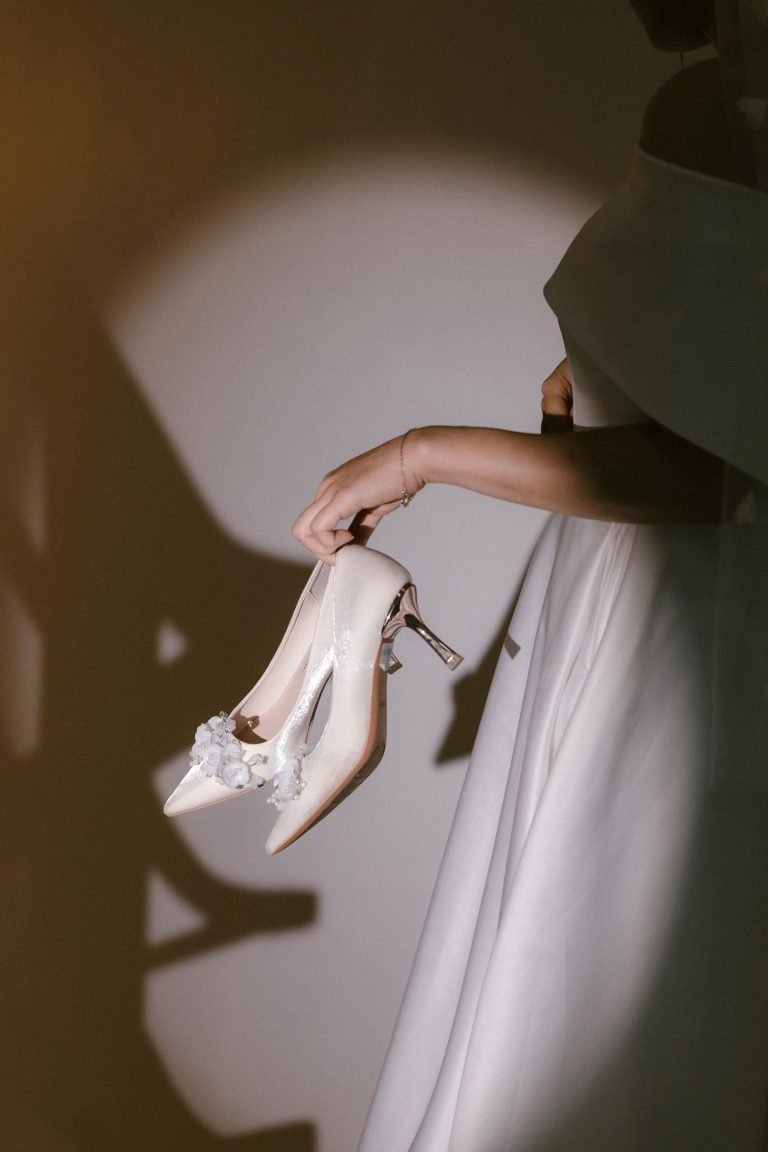
    The perfect wedding shoe should do more than look beautiful in photos. It should carry you comfortably from your walk down the aisle to your last dance, without blisters, aching arches or a desperate search for a pair of backup pumps. 

    Fortunately, bridal footwear has evolved. This season’s most sought-after wedding shoes blend elegance with wearability, favouring kitten heels, block heels, supportive straps and cushioned soles over towering stilettos. Whether you’re planning a grand ballroom celebration, a garden wedding or an intimate city ceremony, there’s a comfortable bridal shoe to match your style. 

    Here are 10 bridal-worthy options available from South African retailers right now.

    1. Esther mid heel

    A timeless choice for the classic bride, the Esther Mid Heel combines clean lines with practical comfort. The 60mm heel offers enough height to feel elevated without sacrificing stability, while the padded leather sock adds extra cushioning for long wear. 

    • Brand: Country Road
    • Store: Woolworths South Africa
    • Price: R1,799
    • Location: Nationwide and online
    • Website: Esther Mid Heel
    1. Chalk slingback heels

    Minimalist brides will love these sophisticated chalk-coloured heels. The secure ankle strap and modern silhouette make them versatile enough to wear well beyond the wedding day, while the moderate heel height offers all-day comfort

    • Brand: Charles & Keith
    • Store: Charles & Keith South Africa
    • Price: R1,100–R1,300 (subject to exchange rates)
    • Location: Online
    • Website: Chalk Slingback Heels
    1. Neasa ivory pearl

    Pearls remain one of bridal fashion’s biggest trends, and the Neasa delivers beautifully. Featuring a comfortable kitten heel, satin finish and statement bow detail, this slingback strikes the perfect balance between fashion-forward and practical.  

    • Brand: Steve Madden
    • Store: Steve Madden South Africa
    • Price: R1,899
    • Location: Nationwide and online
    • Website: Neasa Ivory Pearl
    1. Mango white high-heeled shoes

    If your bridal style leans toward sleek and contemporary, Mango’s understated heels are worth considering. Their clean aesthetic pairs beautifully with modern crepe gowns, satin slip dresses and tailored bridal suits.  

    1. Germany

    Designed specifically for brides, Vonvé Bridal’s collections focus on elegance and comfort in equal measure. The Germany style offers a refined silhouette ideal for brides looking for a dedicated bridal footwear brand. 

    • Brand: Vonvé Bridal
    • Store: Vonvé Bridal
    • Price: From R1,850
    • Location: Online 
    • Website: Germany
    1. Ice heels

    For the bride who wants something fashion-forward without compromising comfort, the Ice heels offer a contemporary design and wearable heel height. Their versatile style transitions effortlessly from ceremony to reception. 

    • Brand: Call It Spring
    • Store: Call It Spring South Africa
    • Price: From R899
    • Location: Nationwide
    • Website: Opaal Ice Heels
    1. Claire

    The Claire is perfect for brides who love feminine details. Its elegant shape and bridal-ready finish make it a versatile option for both traditional and contemporary wedding styles. 

    • Brand: Sole Shoes
    • Store: Sole Shoes South Africa
    • Price: From R2,100
    • Location: Online
    • Website: Claire Sole shoes
    1. Fern block ankle strap heel

    Block heels continue to dominate bridal fashion thanks to their unbeatable comfort and stability. The Fern’s satin finish and ankle strap make it an ideal option for outdoor celebrations where stilettos would sink into grass or sand. 

    1. Bethany

    Romantic, elegant and designed with special occasions in mind, the Bethany is a lovely option for brides seeking a softer, more delicate aesthetic. 

    • Brand: Fynbos Shoppe
    • Store: Fynbos Shoppe
    • Price: From R1,549
    • Location: Online
    • Website: Bethany Fynbos Shoppe
    1. Ophelia

    For brides who love a touch of drama, the Ophelia combines bridal elegance with contemporary detailing. It’s a beautiful choice for fashion-conscious brides looking to make a statement while staying comfortable. 

    Comfort tips every bride should know 

    Before committing to your wedding shoes, wear them around the house for a few days, invest in gel inserts if needed and consider your venue. Block heels and kitten heels generally offer better support for outdoor weddings, while padded insoles can make even the most elegant pair significantly more comfortable. 

    Because when it comes to your wedding day, the best shoe isn’t necessarily the highest heel – it’s the one that lets you focus on making memories, not counting down the minutes until you can take them off. 

    ALSO SEE: Wedding dress inspo for autumn and winter brides

    Wedding dress inspo for autumn and winter brides

    Feature image: Hong Son / Pexels

    When it comes to planning wedding flowers, timing matters more than many couples realise. Choosing blooms that are naturally in season often means fresher arrangements, better quality flowers, improved availability and, in some cases, a more budget-friendly floral bill. For winter weddings, that doesn’t mean sacrificing beauty. In fact, some of the most romantic and striking blooms of the year thrive during the colder months.  

    Whether you’re dreaming of a soft, garden-inspired bouquet or dramatic floral installations, these winter flowers deserve a place on your mood board. 

    Why choose seasonal winter flowers?

    Seasonal flowers are often at their peak during the months they naturally bloom, resulting in stronger stems, better longevity and more vibrant blooms. Choosing flowers that are readily available during winter can also reduce the need for imported varieties, making them a more sustainable option. 

    The good news? Winter offers an abundance of elegant flowers that work beautifully for bridal bouquets, ceremony décor and reception styling. 

    Ranunculus

    If there is one flower synonymous with winter romance, it’s the ranunculus. Known for its layers of delicate, paper-thin petals, this bloom adds texture, softness and luxury to any arrangement. 

    Available in shades ranging from ivory and blush to deep burgundy and apricot, ranunculus pairs beautifully with almost every wedding aesthetic, from classic and romantic to modern and minimalist. They’re particularly popular in bridal bouquets thanks to their impressive vase life and luxurious appearance.  


    Anemones

    Anemones have become a favourite among modern couples for good reason. Their striking dark centres contrast beautifully against crisp white, blush or jewel-toned petals, creating instant visual impact. 

    Perfect for monochromatic winter palettes or dramatic black-and-white wedding themes, anemones add sophistication and contemporary elegance to bouquets and centrepieces. They’re naturally in season during the cooler months, making them an ideal winter choice.  


    Amaryllis

    For couples who love statement florals, amaryllis delivers drama in the best way possible. 

    These large, trumpet-shaped blooms command attention and work beautifully in both bouquets and large-scale installations. Available in white, blush, coral and rich red hues, amaryllis can create everything from classic winter elegance to festive seasonal glamour.  


    Tulips

    Timeless and effortlessly chic, tulips remain a winter favourite for weddings. 

    Their sleek shape and clean lines make them particularly popular for minimalist wedding styles, while their wide colour range means they can be incorporated into almost any palette. White tulips create a fresh, modern look, while blush and pastel shades offer a softer, romantic feel. 


    Freesias

    One of South Africa’s most beloved flowers, freesias bring both beauty and fragrance to winter wedding florals. 

    Their delicate blooms and sweet scent make them a wonderful addition to bouquets, table arrangements and ceremony flowers. They blend beautifully with roses, ranunculus and tulips, adding movement and texture to arrangements.  


    Camellias

    Camellias offer an understated elegance that feels perfectly suited to winter weddings. 

    Known for their symmetrical petals and romantic appearance, they work beautifully in classic bouquets and sophisticated tablescapes. Their soft pinks, creams and whites pair effortlessly with winter-inspired colour palettes.  


    Hellebores

    Often called the “winter rose”, hellebores have become increasingly sought after for their unique shape and muted colour palette. 

    Available in shades of cream, dusty pink, mauve and deep plum, these blooms bring a soft, organic feel to winter floral designs and pair beautifully with greenery and textured foliage.  


    Winter greenery that elevates every arrangement

    Flowers may be the stars of the show, but winter greenery deserves just as much attention. 

    Eucalyptus remains a firm favourite among florists for its versatility and scent, while evergreen foliage, pine, ferns and silvery foliage can add depth, texture and seasonal charm to bouquets and décor installations. These elements help create lush arrangements while enhancing the overall winter aesthetic.  

    The final bloom

    Winter weddings have a quiet elegance all their own and choosing flowers that naturally flourish during the colder months is one of the easiest ways to embrace the season. From romantic ranunculi’s and striking anemones to fragrant freesias and dramatic amaryllis, winter offers no shortage of beautiful options for couples looking to create unforgettable floral moments. 

    The result? Fresh, seasonal arrangements that feel perfectly in tune with the magic of a winter celebration. 

    ALSO SEE: Locally loved flowers for your wedding bouquet

    Locally loved flowers for your wedding bouquet

    Featured image: Lewis Ashton / Pexels

    When it comes to bridal beauty, there’s something undeniably timeless about keeping things simple. While statement nail art and bold embellishments have had their moment, this year is ushering in a softer approach to wedding-day manicures. Think sheer finishes, barely-there details and nails that enhance your overall bridal look rather than compete with it. 

    The modern bride is embracing what beauty experts are calling “elevated minimalism” – a polished, intentional aesthetic that feels luxurious without being overdone. The result? Nails that photograph beautifully, complement every wedding style and still feel just as elegant years later when you look back on your wedding album. 

    If you’re searching for understated nail inspiration ahead of your big day, these are the minimalist bridal nail trends that have us swooning. 

    Veil nails

    Soft, sheer and impossibly elegant, veil nails are one of the biggest bridal manicure trends of the year. Inspired by the delicate translucency of a wedding veil, this look features milky white or barely-there nude shades that create a clean, polished finish. 

    The beauty of veil nails lies in their versatility. They pair effortlessly with everything from sleek contemporary gowns to romantic lace designs, making them a favourite among brides who want something timeless. 


    View this post on Instagram


    A post shared by Veiled Nails (@veilednails)

    Micro-French manicures

    The classic French manicure is getting a modern refresh this year. 

    Instead of the traditional bold white tip, minimalist brides are opting for ultra-thin micro-French lines that create definition without overpowering the nail. The look feels refined, sophisticated and incredibly chic. 

    Whether paired with a nude, blush or sheer pink base, micro-French nails offer just enough detail to feel special while maintaining a clean aesthetic. 

    Sheer blush tones

    Soft blush pinks continue to dominate bridal beauty trends, and for good reason. These universally flattering shades enhance the natural nail while adding a subtle hint of colour. 

    The result is fresh, healthy-looking nails that work beautifully with every skin tone and wedding palette. For brides who prefer an effortless “your nails, but better” finish, sheer blush tones remain a foolproof choice. 

    Pearl chrome finishes

    If you love the idea of a little shimmer without going full glamour, pearl chrome nails strike the perfect balance. 

    Unlike the mirror-like chrome finishes that dominated previous years, this year’s take is softer and more luminous. A delicate pearlescent glow creates dimension and catches the light beautifully, particularly in close-up ring shots. 

    The effect feels romantic, sophisticated and luxurious without appearing overly trendy. 

    Minimal pearl accents

    Pearls have become one of this year’s defining bridal details, extending far beyond jewellery and fashion into, beauty trends too. 

    For minimalist brides, the key is restraint. A single micro-pearl placed on an accent nail or near the cuticle creates an elegant focal point while maintaining a clean overall look. 

    It’s a subtle detail that feels modern, bridal and endlessly romantic. 


    View this post on Instagram


    A post shared by Lights Lacquer (@lightslacquer)

    Soft ombré nails

    For brides who want a little more dimension, soft ombré manicures continue to be a popular choice. 

    Blending sheer pinks, nudes and milky whites, the finish creates a seamless gradient that looks polished and natural. The effect is delicate enough for minimalist aesthetics while adding depth and visual interest to the nails. 

    It’s also one of the most universally flattering bridal manicure options available. 


    View this post on Instagram


    A post shared by Bradford Nails (@yourbradfordnails)

    Short and chic shapes

    This year, shape is taking precedence over length. Many brides are moving away from dramatic extensions in favour of shorter almond, oval or softly squared nails. 

    The look feels effortless, practical and sophisticated, aligning perfectly with the wider shift toward understated bridal beauty. 

    Shorter nails also allow details like pearl finishes, micro-French tips and sheer colours to take centre stage. 

    Less really is more

    The biggest takeaway from this year’s bridal nail trends is that simplicity doesn’t mean boring. From luminous pearl finishes to whisper-thin French tips, minimalist bridal nails are all about thoughtful details that enhance rather than distract. 

    After all, your wedding manicure should complement your dress, your jewellery and, most importantly, you. Sometimes the most memorable details are the ones that don’t shout for attention at all. 

    ALSO SEE: Looking for wedding hairstyle inspo for all hair lengths? We’ve got you covered

    Looking for wedding hairstyle inspo for all hair lengths? We’ve got you covered

    Featured image: Jonathan Borba / Pexels

    Winter weddings have a way of feeling like they belong in a storybook. There’s a quiet kind of magic to the season that’s difficult to replicate at any other time of year. It invites people to slow down, draw closer and savour each moment a little more deeply. While summer celebrations often steal the spotlight, winter offers something softer and undeniably romantic – the kind of beauty that lingers long after the day has passed.

    The setting plays an important role in creating this atmosphere. Across South Africa, many venues find that winter naturally lends itself to a more intimate style of celebration, with indoor spaces, crackling fireplaces and cosy gathering areas encouraging guests to spend more time together.

    One of the most beautiful things about a winter wedding is how it naturally brings people closer. Guest lists often feel more intentional and personal, creating a sense that every person in the room truly matters. In that closeness, something special happens. Conversations linger longer, laughter feels warmer and shared moments become even more meaningful. It’s not about scale; it’s about presence. Every embrace, every glance and every toast feels more heartfelt because nothing is rushed.

    Indoor ceremony spaces also take on added significance during winter weddings. The contrast between the cold outdoors and a warm, welcoming interior creates a sense of intimacy that encourages guests to be fully present during the ceremony. There is a comforting feeling of enclosure, as though the world outside has gently faded away. The focus shifts inward – to the couple, the vows being exchanged and the people gathered to witness a deeply personal moment.

    Beyond the wedding day itself, accommodation can play an important role in shaping the overall experience. Rather than guests arriving for a few hours and heading home, overnight stays allow celebrations to unfold at a gentler pace. Families and friends have more time to connect, whether over a relaxed breakfast, a stroll through the gardens or a late-night conversation long after the formalities have ended.

    This growing preference for wedding weekends has made destination venues particularly appealing, especially in winter when the focus naturally shifts towards comfort, connection and shared experiences. In the KwaZulu-Natal Midlands, Granny Mouse Country House & Spa offers exactly this sense of retreat, with accommodation that allows couples and their guests to settle in and truly savour the occasion rather than rush through it.

    There is also a certain romance in the slower pace of winter. Without the pressure of long daylight hours or outdoor scheduling, everything feels a little softer. The day unfolds gently, allowing couples to absorb each moment as it comes. There is space to pause before walking down the aisle, to breathe in the stillness before saying “I do”, and to hold onto each second just a little longer.

    Ultimately, winter weddings are not about grand gestures or extravagant displays. They are about connection. About closeness. About the kind of romance that doesn’t need to be loud to be unforgettable. With its combination of cosy interiors, countryside surroundings and charming accommodation, Granny Mouse Country House & Spa is one example of how winter weddings can transform a special day into a memorable shared experience.

    To find out more, contact the team at [email protected] and start planning your perfect winter wedding celebration.

    ALSO SEE: Wow-worthy winter wedding dresses

    Wow-worthy winter wedding dresses

    Feature image and information supplied by MyWord PR & Communications.

    Dreaming of a small, intimate wedding sounds simple enough – until you start writing the guest list. 

    For couples with large families, trimming the numbers can quickly become one of the most emotionally charged parts of wedding planning. Suddenly, every name carries a story, every invitation feels political, and every decision seems capable of causing unintended hurt feelings. 

    Yet intimate weddings continue to grow in popularity for a reason. Couples are increasingly choosing meaningful celebrations over large-scale events, prioritising quality time with loved ones, budget flexibility, and experiences that feel deeply personal. 

    The challenge? Balancing your vision with family expectations. 

    If you’re trying to keep your wedding small without upsetting half the family tree, here’s how to navigate the process with grace. 

    Start with your non-negotiable number

    Before names enter the conversation, determine your ideal guest count. 

    Whether your venue has a strict capacity limit or you’re working within a budget, having a clear maximum number creates an objective framework for decision-making. It’s far easier to explain that your venue only accommodates 80 guests than to justify why one cousin made the list while another didn’t. 

    Once you’ve settled on a number, stick to it. Expanding “just a little” for one branch of the family often opens the floodgates for everyone else. 

    Create guest list tiers

    One of the most effective strategies is to organise potential guests into categories. 

    Tier 1: Immediate family, closest friends, and people actively involved in your life. 

    Tier 2: Extended relatives and friends you see regularly. 

    Tier 3: Distant relatives, family acquaintances, and people you feel obligated to invite rather than genuinely want present. 

    This exercise quickly reveals where your priorities lie and helps ensure that the people attending are those who truly matter to you as a couple. 

    Decide on a consistent family rule

    Consistency is your best defence against family drama. 

    Perhaps you’re inviting only first cousins. Maybe you’re limiting invitations to aunts and uncles but not their adult children. Some couples choose a “household-only” rule, while others invite only relatives they’ve maintained an active relationship with. 

    Whatever approach you choose, apply it fairly across both families. 

    A clear, consistent guideline feels less personal and helps reduce accusations of favouritism. 

    Have difficult conversations early

    One of the biggest mistakes couples make is avoiding uncomfortable conversations until invitations are sent. 

    If you know certain family members may be disappointed, it’s often kinder to explain your plans beforehand. A personal phone call can go a long way toward preserving relationships and preventing misunderstandings. 

    Be honest, warm, and direct. 

    You don’t need to apologise for wanting an intimate wedding. Instead, explain that you’ve had to make difficult decisions to stay within your guest count and that the choice isn’t a reflection of how much you value the relationship. 

    Remember that parents may have expectations too

    In many families, weddings are viewed as community celebrations rather than purely personal events. 

    Parents may have long-standing friendships, cultural expectations, or family obligations they feel should be honoured. While it’s important to hear their perspective, it’s equally important to establish boundaries around who ultimately makes the final decisions. 

    If parents are contributing financially, discussing guest list expectations early can help avoid conflict later in the planning process. 

    The goal isn’t to win an argument – it’s to find a compromise that still feels authentic to your vision. 

    Consider alternative ways to include loved ones

    Not everyone needs to be physically present to feel included. 

    Couples are increasingly finding creative ways to involve extended family, such as: 

    • Hosting a casual engagement celebration before the wedding 
    • Planning a post-wedding family lunch or gathering 
    • Sharing professional photographs and wedding videos afterwards 
    • Including personal messages or updates for relatives who couldn’t attend 

    These gestures help loved ones feel remembered, even if space limitations prevent an invitation. 

    Resist the guilt

    Perhaps the hardest part of planning an intimate wedding is accepting that not everyone will be happy. 

    Some disappointment is inevitable, particularly in large families where weddings have traditionally been expansive affairs. However, your wedding day shouldn’t become a performance designed to satisfy every expectation. 

    Years from now, you are unlikely to regret having a celebration that reflected your values, your budget, and your relationship. 

    What you’ll remember most is how the day felt. 

    Keep the focus where it belongs

    At its heart, a wedding isn’t about numbers. It’s about bringing together the people who have genuinely shaped your journey as a couple. 

    An intimate guest list allows for deeper conversations, more meaningful moments, and the chance to spend quality time with every person in the room. 

    While navigating family dynamics may not be easy, staying true to your vision can result in a celebration that feels more personal, intentional, and unforgettable. 

    Sometimes, less really is more.

    ALSO SEE: 5 ways to avoid a family takeover at your wedding 

    5 ways to avoid a family takeover at your wedding

    Featured image: Beniam / Pexels

    When it comes to bridal fashion, few celebrity weddings have sparked as much conversation this year as Dua Lipa’s intimate London ceremony with Callum Turner. While the internet expected a dramatic couture gown, the singer stepped out in a custom Schiaparelli skirt suit instead – and in doing so, may have just cemented one of this year’s biggest bridal fashion trends.

    For brides planning a wedding, her look offers something refreshing – proof that bridal style doesn’t have to mean layers of tulle, dramatic trains, or traditional silhouettes. Sometimes, a sharply tailored skirt suit can make an even stronger statement.

    The bridal suit trend isn’t going anywhere

    Bridal tailoring has been steadily gaining momentum for several seasons, but 2026 is shaping up to be the year it truly enters the mainstream. Designers are embracing structured separates, clean lines, and modern silhouettes that allow brides to express their personal style while maintaining a distinctly bridal feel.

    Dua’s Schiaparelli ensemble featured a sculpted blazer, statement buttons, an asymmetric skirt and vintage-inspired accessories. The result felt elegant, fashion-forward and effortlessly cool – everything modern brides are looking for right now.

    The appeal is easy to understand. A skirt suit offers the sophistication of tailoring with the romance of a traditional bridal look, striking a balance between timeless and contemporary.

    Why modern brides are choosing skirt suits

    The modern wedding landscape has changed dramatically. Courthouse ceremonies, destination weddings, intimate celebrations and multi-day wedding weekends have created space for brides to experiment beyond the traditional gown.

    A bridal skirt suit feels particularly relevant because it’s versatile. It works beautifully for:

    • Civil ceremonies
    • City weddings
    • Courthouse weddings
    • Welcome dinners
    • Bridal showers
    • Rehearsal dinners
    • Second wedding looks
    • Reception outfit changes

    Many brides are also drawn to the practicality. Unlike a gown that may only be worn once, tailored separates can often be styled again after the wedding, making them a more sustainable fashion choice.


    View this post on Instagram


    A post shared by Dua Lipa Brasil (@dualipabrasilofc)

    The return of vintage bridal glamour

    One of the most striking elements of Dua Lipa’s wedding look was its nod to Bianca Jagger’s iconic 1971 wedding ensemble. Fashion’s current love affair with the 1970s is influencing bridalwear in a major way, bringing back sharp tailoring, statement hats, elegant gloves and confident silhouettes.

    For 2026 brides, this means we’re seeing less emphasis on fairy-tale princess dressing and more focus on individuality, attitude and fashion-led styling.

    Think:

    • Structured jackets
    • Midi-length skirts
    • Dramatic hats
    • Statement jewellery
    • Clean tailoring
    • Vintage-inspired accessories

    The result feels polished without being overly formal.

    How to wear the trend in 2026

    The beauty of a bridal skirt suit lies in its versatility. Brides can lean into minimalism with an ivory blazer and sleek pencil skirt or embrace high-fashion styling with sculptural tailoring and bold accessories.

    The key is ensuring the look still feels celebratory. Luxurious fabrics, impeccable tailoring and thoughtful accessories are what elevate a suit from office wear to wedding wear.

    Pairing a skirt suit with a statement veil, oversized earrings, embellished heels or a dramatic bouquet can instantly create a bridal moment.

    The Wedding ETC verdict

    Dua Lipa’s wedding look perfectly captures what modern bridal fashion is all about: confidence, individuality and dressing for yourself rather than tradition.

    While classic gowns will always have their place, the bridal skirt suit is proving that there is more than one way to look like a bride in 2026. And if this year’s fashion-forward brides are anything to go by, tailored separates may just become the ultimate cool-girl wedding uniform.

    ALSO SEE: These are the micro trends doing the rounds

    These are the micro trends doing the rounds

    Featured image: Pinterest

    A wedding dress may be the star of the show, but in 2026, it’s the accessories that are stealing the spotlight.

    This year’s bridal fashion trends are all about individuality. Brides are moving away from the traditional “one-look-fits-all” approach and embracing accessories that reflect their personality, wedding style and even their heritage. Whether you’re planning a sophisticated city celebration, a relaxed vineyard wedding or a destination affair, the right accessories can transform your entire bridal look.

    Here are the wedding accessories trending right now – and why we can’t get enough of them.

    Statement headpieces are having a major moment

    For decades, the veil was considered the ultimate bridal accessory. While veils aren’t going anywhere, 2026 brides are giving them some competition.

    Bridal Fashion Week runways have been filled with fashion-forward headpieces, from pillbox hats and fascinators to embellished caps, sculptural headbands and dramatic floral crowns. Brides are increasingly choosing statement headwear to create a look that feels editorial, modern and uniquely their own.

    The beauty of this trend is its versatility. A sleek city bride might opt for a structured hat, while a romantic garden bride could embrace oversized floral detailing or pearl-adorned headbands.

    Veils are becoming more personal

    If you’re planning to wear a veil, expect to see much more than traditional tulle this year.

    Personalised veils are one of the biggest bridal accessory trends of 2026. Think embroidered initials, meaningful dates, handwritten vows stitched into the fabric or delicate floral appliqués that complement your wedding theme.

    We’re also seeing a rise in coloured veils, lace-edged designs and dramatic cape-style veils that double as a statement piece during the ceremony.

    The result? A veil that feels like an extension of your story rather than simply another bridal tradition.

    Pearlcore is replacing traditional sparkle

    While crystals and rhinestones will always have a place in bridal fashion, pearls are quickly becoming the accessory of choice for modern brides.

    From oversized pearl earrings and layered necklaces to pearl-embellished hair accessories and gloves, this trend brings a softer, more sophisticated feel to bridal styling.

    What makes pearls especially appealing is their timelessness. They photograph beautifully, complement virtually every gown silhouette and can easily become heirloom pieces after the wedding.

    For brides who love classic elegance with a contemporary twist, pearlcore is the trend to watch.

    Bridal gloves are back

    One accessory that has made a surprising return? Gloves.

    Inspired by Old Hollywood glamour and high-fashion bridal runways, bridal gloves have become one of the most talked-about accessories of 2026. From sheer opera-length styles to delicate lace versions and pearl-detailed designs, gloves instantly elevate even the simplest gown.

    They’re particularly popular for formal weddings and evening celebrations, adding a touch of drama without overwhelming the overall look.

    Bold jewellery is replacing the “less is more” approach

    Minimal jewellery had a long reign in bridal fashion, but 2026 is ushering in a more expressive era.

    Statement earrings, sculptural necklaces and architectural jewellery are being paired with everything from sleek satin gowns to romantic lace dresses. Rather than disappearing into the background, bridal jewellery is now designed to stand out.

    The key is balance. Brides are choosing one hero piece – whether that’s dramatic earrings, a bold cuff or an eye-catching necklace- and allowing it to become part of the overall styling story.

    Detachable accessories offer multiple looks

    Why choose one bridal look when you can have two?

    Transformable accessories are becoming increasingly popular among brides who want a ceremony look and a reception look without purchasing a second dress.

    Detachable overskirts, removable sleeves, cape veils, statement bows and interchangeable straps allow brides to refresh their look throughout the day while staying within budget.

    It’s practical, stylish and perfect for brides who want maximum impact from a single gown.

    Neck scarves and bridal bows are the unexpected trend

    One of the most fashion-forward bridal trends emerging in 2026 is the use of scarves and oversized bows as statement accessories.

    Silk neck scarves bring a touch of vintage glamour, while dramatic bows are appearing everywhere – from hairstyles and veils to gown backs and detachable accessories.

    These details feel playful, modern and effortlessly chic, making them ideal for brides who want something a little different.

    Comfortable statement shoes are winning

    Brides are no longer sacrificing comfort for style.

    Instead of sky-high heels, we’re seeing embellished flats, pearl-detailed sandals, chic block heels and fashion-forward bridal sneakers taking centre stage. Comfort has become a priority, particularly for destination weddings and all-day celebrations.

    The best part? Many of these shoes can easily be worn again after the wedding day.

    The biggest trend? Authenticity

    If there’s one thing that defines bridal accessories in 2026, it’s personal expression.

    Today’s brides aren’t choosing accessories because tradition says they should. They’re choosing pieces that reflect their personality, complement their wedding aesthetic and make them feel like the best version of themselves.

    Whether that’s a pearl-covered headband, a dramatic veil, a pair of statement gloves or a vintage-inspired hat, the most stylish accessory this year is confidence.

    Final thoughts

    The wedding accessories trending right now prove that bridal style is becoming more individual than ever before. From fashion-forward headwear and personalised veils to pearlcore jewellery and transformable accessories, 2026 is all about creating a look that feels distinctly yours.

    Because when it comes to bridal fashion, the most memorable details are often the finishing touches.

    ALSO SEE: 2016 Make-up trends we’re loving (and recreating) in 2026

    2016 Make-up trends we’re loving (and recreating) in 2026

    Featured image: Anna Frolova / Pexels

    Your wedding photos are one of the very few things that last long after the cake is eaten, the flowers wilt and the dance floor clears. Long after the wedding day itself, your photographs become the memories you return to again and again – so choosing the right photographer matters more than most couples realise.

    And no, it’s not just about finding someone with a beautiful Instagram feed.

    The right wedding photographer should understand your vision; make you feel comfortable in front of the camera and know how to capture the in-between moments just as beautifully as the big ones. From editing styles to contracts and chemistry, here’s what to look for before you book.

    Start with photography style first

    Before you even enquire, figure out what style of photography you’re naturally drawn to. This immediately helps narrow down your options and prevents you from booking someone whose work doesn’t align with your vision.

    Some of the most popular wedding photography styles include:

    • Editorial: Fashion-forward, polished and dramatic
    • Documentary/photojournalistic: Candid storytelling with minimal posing
    • Fine art: Soft, romantic and light-filled
    • Traditional: Classic posed portraits and structured moments
    • Dark and moody: Rich tones with cinematic editing
    • Lifestyle: Relaxed, natural and emotion-focused

    A common mistake couples make is choosing a photographer based purely on popularity rather than consistency in style. If you love bright, airy images but book someone known for dark, contrast-heavy edits, you’ll likely feel disappointed later.

    Your photographer’s editing style becomes the visual language of your memories — choose one that genuinely feels like you.

    Look beyond Instagram

    Instagram is helpful for discovering photographers, but it shouldn’t be the deciding factor.

    Social media usually showcases only the highlight reel: perfect lighting, curated poses and the best images from dozens of weddings. What you actually need to see is a full wedding gallery.

    Ask potential photographers to share at least one or two complete galleries so you can evaluate:

    • Consistency throughout the day
    • Indoor and low-light photography
    • Ceremony coverage
    • Family portraits
    • Reception and dance floor shots
    • Emotional storytelling
    • Editing consistency across hundreds of images

    A photographer who shoots beautifully at golden hour but struggles in dim reception lighting may not be the right fit.

    Personality matters more than you think

    You’ll spend more time with your photographer on your wedding day than almost anyone else – sometimes even more than your partner.

    That’s why personality fit is incredibly important. Your photographer should make you feel:

    • Comfortable
    • Calm
    • Seen
    • Directed without feeling awkward
    • Relaxed in front of the camera

    If every interaction feels rushed, cold or transactional during the consultation stage, pay attention to that feeling.

    The best wedding photographers know how to manage timelines, handle stress quietly and create an atmosphere where couples can be present instead of performing for the camera.

    Decide what moments matter most to you

    Every couple prioritises different things.

    For some, it’s emotional candid moments. For others, it’s fashion-focused portraits, family photos or cultural traditions. Being clear about your priorities helps you find someone who naturally captures those moments well.

    Ask yourself:

    • Do we want mostly candid photos or more direction?
    • Are detail shots important to us?
    • Do we care about dramatic couple portraits?
    • Will there be cultural or religious traditions that need understanding?
    • Do we want film photography included?
    • Is video coverage equally important?

    The clearer your expectations are, the easier it becomes to find the right match.

    Read reviews carefully

    Reviews often reveal things portfolios can’t. Pay attention to repeated comments about:

    • Communication
    • Punctuality
    • Professionalism
    • Turnaround times
    • Calmness under pressure
    • Ability to manage family dynamics
    • Reliability on the wedding day

    If multiple reviews mention poor communication or delayed galleries, don’t ignore the pattern.

    A beautiful portfolio means very little if the overall experience leaves couples stressed.

    Understand exactly what’s included

    Wedding photography packages can vary massively, so don’t assume every photographer offers the same thing.

    Before signing anything, clarify:

    • Hours of coverage
    • Second shooter inclusion
    • Number of edited images
    • Sneak peeks
    • Turnaround time
    • Travel fees
    • Engagement shoots
    • Albums or prints
    • Raw image policies
    • Overtime rates

    And yes – read the contract properly.

    It may not be glamorous, but understanding cancellation policies, backup equipment procedures and delivery timelines can save you major frustration later.

    Don’t choose based on price alone

    Wedding photography is one of the few investments that increases in emotional value over time.

    While budget obviously matters, choosing the cheapest option purely to save money can backfire quickly – especially if experience, professionalism or consistency are lacking.

    That said, expensive doesn’t automatically mean better either.

    Focus on finding someone whose work, communication style and experience genuinely align with your priorities.

    Because at the end of the day, the “perfect” wedding photos aren’t just technically beautiful — they should feel like your relationship, your energy and your story.

    Trust your instinct

    Sometimes the right photographer simply feels right.

    You connect naturally, their work resonates emotionally and you can picture them being part of your wedding day without adding stress or pressure.

    That instinct matters. Your photographer isn’t just documenting your wedding – they’re shaping how you’ll remember it for decades to come.

    Choose someone who captures not only how your wedding looked, but how it felt.

    The right photographer captures more than just photos

    Finding the right wedding photographer isn’t about chasing trends or booking the person with the biggest following. It’s about finding someone who understands your story, your energy and the moments that matter most to you.

    The best wedding photos aren’t always the perfectly posed ones – they’re the images that transport you back to a feeling, a laugh, a glance or a moment you didn’t even realise was being captured.

    And when you find a photographer who can do that? That’s when the magic happens.

    ALSO SEE: 12 South African wedding photographers every couple should know

    12 South African wedding photographers every couple should know

    Featured image: Josh Withers / Pexels 

    Your venue is not just a backdrop. It shapes your budget, your guest experience, your timeline, your décor decisions and – if we’re being honest – your stress levels too. 

    And while it’s easy to fall in love with sweeping vineyard views or a dramatic ballroom ceiling, the prettiest venue in your saved folder can quickly become a logistical nightmare if you don’t ask the right questions upfront. 

    In 2026, couples are becoming far more intentional about venue selection. Flexibility, sustainability, weather contingency plans, accessibility and transparent pricing are now just as important as aesthetics. Experts are also seeing a rise in all-in-one venues, intimate guest experiences and multipurpose spaces that can seamlessly transition from ceremony to after-party. 

    So, before you put down a deposit or sign a contract, here are the questions every couple should ask first.

    What exactly is included in the venue fee?

    This is the question that separates the “reasonable” venue from the one quietly draining your budget. 

    Some venues include tables, chairs, glassware, staff, generators, lighting and coordination. Others hand you an empty space and charge extra for every little thing. Ask for a detailed breakdown of what’s actually included – in writing. 

    And don’t forget to ask about: 

    • Setup and breakdown 
    • Cleaning fees 
    • Security 
    • Corkage 
    • Cake-cutting fees 
    • Service charges 
    • VAT 

    Those “small extras” add up frighteningly fast.

    Are there any hidden costs we should know about?

    A venue may look affordable on paper until overtime fees, mandatory staffing costs or vendor restrictions enter the chat. 

    Ask: 

    • What happens if the wedding runs late? 
    • Are there penalties for extending the reception? 
    • Are gratuities included? 
    • Is there a minimum spend requirement? 
    • Are there seasonal pricing changes? 

    Transparency matters. If a venue feels vague about pricing, take that seriously. 

    What’s the real guest capacity?

    Not the “squeezed in shoulder-to-shoulder” number. The realistic one. 

    A venue may technically hold 200 guests, but once you add a dance floor, DJ booth, stage, dessert table and lounge seating, the space can feel cramped very quickly. 

    Ask the venue to show you examples of layouts for guest counts similar to yours.

    Is there a weather backup plan?

    This one is non-negotiable – especially for outdoor weddings. 

    Even if you’re getting married in the middle of summer, weather can still humble you. Ask: 

    • Is there an indoor backup option? 
    • Is tenting available? 
    • Who organises the weather contingency plan? 
    • Is the backup space included in the price? 
    • Will the backup still comfortably fit your guest count? 

    And here’s the important part: if you hate the backup option, do not book the venue hoping the weather will magically cooperate.

    What are the venue’s vendor policies?

    Some venues allow complete flexibility. Others require you to use their preferred caterers, florists or DJs. 

    Neither option is necessarily bad – but you need to know before booking. 

    Ask: 

    • Can we bring our own vendors?
    • Are outside vendors charged additional fees?
    • Do vendors need insurance?
    • What time can vendors access the venue for setup?

    This becomes especially important if you already have suppliers you love.

    Is the venue accessible for all guests?

    Couples are paying far more attention to accessibility in 2026 – and rightly so. 

    Think beyond aesthetics and consider your actual guests: 

    • Is there wheelchair access? 
    • Are there accessible bathrooms? 
    • Is parking nearby? 
    • Are elderly guests able to move around comfortably? 
    • Is the terrain manageable in heels? 

    A stunning mountaintop venue loses its charm very quickly if half your guests struggle to reach it.

    What happens if our guest count changes?

    Because it probably will. 

    Ask about: 

    • Minimum guest requirements 
    • Final headcount deadlines 
    • Pricing adjustments 
    • Whether the layout can be modified if numbers increase or decrease 

    Flexible venues tend to make the planning process far less stressful.

    How private is the venue?

    This is becoming a much bigger consideration for modern couples. 

    Some venues host multiple weddings simultaneously, while others remain open to the public during events. 

     Ask: 

    • Will there be another wedding happening at the same time? 
    • Are any areas shared? 
    • Are there public guests nearby? 
    • Is a full venue buyout possible? 

    Privacy affects everything from photos to the overall atmosphere.

    What are the timing and noise restrictions?

    Nothing kills the mood like being told to lower the music at 9pm. 

    Ask: 

    • What time does the reception need to end? 
    • Are there noise restrictions? 
    • Is there an after-party option? 
    • How early can setup begin? 
    • How late can vendors collect equipment? 

    This matters more than couples initially realise – especially if you want a proper dance floor moment.

    What does the lighting actually look like at night? 

    A venue can look dreamy at noon and completely different after sunset. 

    Visit the venue at the same time of day your wedding will take place if possible. Pay attention to: 

    • Natural lighting 
    • Sunset direction 
    • Reception lighting 
    • Outdoor visibility 
    • Generator or backup power options 

    Your photographer will thank you.

    What accommodation and transport options are nearby?

    Your venue experience doesn’t end once the reception does. 

    Ask: 

    • Are there nearby hotels or guesthouses? 
    • Is transport available? 
    • Is parking sufficient? 
    • Are there shuttle options for guests? 

    Destination-style weddings and weekend wedding experiences are still incredibly popular, so convenience matters.

    How sustainable is the venue?

    Sustainability is no longer a “nice extra” for many couples – it’s becoming an expectation. 

    Ask whether the venue: 

    • Uses energy-efficient systems 
    • Has recycling practices 
    • Sources local produce 
    • Minimises food waste 
    • Offers reusable décor or furniture options 

    Eco-conscious weddings continue to shape venue trends in 2026, particularly among younger couples wanting a more intentional celebration. 

    What’s written in the cancellation or postponement policy?

    Not the fun question. Still one of the most important. 

    Read the contract carefully and ask: 

    • Is the deposit refundable? 
    • What happens if we postpone? 
    • What qualifies as force majeure? 
    • Can the date be transferred? 
    • What happens if the venue cancels? 

    If anything feels unclear, ask for clarification before signing. 

    Choose a venue that feels right – not just one that looks good

    Because the truth is, your venue sets the tone for everything that follows. It’s where your memories will unfold, where your people will gather, and where the atmosphere of your entire celebration begins to take shape. 

    So yes – fall in love with the architecture, the views and the candlelit reception spaces. But don’t ignore the practical questions in the process. A venue should not only photograph beautifully; it should make your wedding day feel seamless, comfortable and genuinely reflective of you as a couple. 

    The right venue won’t leave you second-guessing every detail. It will give you clarity, confidence and the freedom to enjoy the experience you’ve spent months planning. 

    And honestly? That peace of mind is worth just as much as the aesthetic. 

    ALSO SEE: Enchanting Wedding Venues Across South Africa: From Vineyards to Safari

    Enchanting Wedding Venues Across South Africa: From Vineyards to Safari

    Featured image: Dhemer Gonçalves / Pexels

    Few wedding decisions spark debate quite like the kid-free wedding conversation. For some couples, an adults-only celebration feels obvious. For others, the idea comes with guilt, pressure or the fear of upsetting family members. 

    And honestly? Neither side is wrong. 

    Modern weddings are becoming increasingly intentional, with couples prioritising atmosphere, budget and personal experience over tradition for tradition’s sake. That shift has made child-free weddings far more common – and far more socially acceptable than they once were.  But just because it’s acceptable doesn’t mean it’s automatically right for your wedding. 

    The real question isn’t “Will people be offended?”

    It’s: What kind of celebration are you actually trying to create? 

    Be honest about the vibe you want

    A formal black-tie reception with candlelit tables, flowing champagne and a dance floor that carries into the early hours feels very different to a relaxed family-centred garden wedding where children running barefoot through the grass adds to the charm. 

    Neither is superior. They’re simply different experiences. Many couples opt for adults-only weddings because they want: 

    • A quieter ceremony  
    • A more elevated or formal atmosphere  
    • A late-night party environment  
    • Fewer logistical complications  
    • A smaller guest count  
    • More flexibility in the budget  

    And realistically, children do affect the flow of a wedding day. Crying during vows, early guest departures, overwhelmed parents and venue restrictions are all practical considerations – not personal attacks on parenthood.  

    At the same time, if your dream wedding centres around family, community and generational connection, excluding children may leave the celebration feeling emotionally incomplete. This decision is less about etiquette and more about alignment. 

    Your budget matters more than people admit

    Weddings in 2026 are trending toward intentional guest lists and more intimate experiences. And the reality is: children still count toward catering, seating, venue capacity and staffing. 

    When you’re paying premium per-head costs, adding 20 children can significantly impact your budget – sometimes at the expense of inviting other adults you genuinely want there. That doesn’t make you selfish. It makes you financially aware. 

    Couples are increasingly moving away from the pressure to accommodate everyone equally, especially when they’re funding weddings themselves. Still, if many of your VIP guests are parents of young children, a child-free wedding may also mean more declined invitations. That’s the trade-off many couples underestimate. 

    You cannot ask people to leave their children behind and resent them for being unable to attend. Both things have to coexist fairly. 

    Consider your venue before making the decision

    Sometimes the venue decides for you. Luxury estates, wine farms, rooftop venues and smaller boutique spaces often aren’t particularly child-friendly to begin with. Think open water features, breakable décor, steep staircases or receptions designed entirely around adult dining experiences. 

    On the flip side, destination weddings and weekend weddings can become difficult for parents if childcare options are limited.  The most practical approach is to assess: 

    • Safety  
    • Space  
    • Timing  
    • Noise levels  
    • Accessibility  
    • Whether children would realistically enjoy the experience  

    Because children being invited and children having a good time are not necessarily the same thing. Ironically, many kids don’t even enjoy adult-heavy weddings unless there are activities or other children around.  

    There’s also a middle ground

    A kid-free wedding doesn’t have to mean an anti-child wedding. 

    Many couples are now choosing hybrid approaches, including: 

    • Children at the ceremony only  
    • Immediate family children only  
    • Babies under 1 allowed  
    • Kids invited until a certain hour  
    • On-site childcare or kids’ tables  
    • Flower girls and ring bearers included, but no additional children  

    This tends to work best when the boundaries are clear and consistently applied. Because once exceptions start appearing randomly, things can get messy fast. 

    The biggest mistake couples make? Avoiding clarity

    If you decide to go child-free, own the decision politely and confidently.  Don’t bury it in tiny invitation text. Don’t make guests guess. And definitely don’t change the rules midway through planning because you feel pressured. 

    Clear communication matters far more than perfection. 

    Modern wedding etiquette increasingly supports adults-only weddings when they’re communicated respectfully. But guests are also allowed to decline if childcare, travel or finances make attendance difficult. 

    That’s not disrespect either. A wedding invitation is not a summons. 

    So… is a kid-free wedding right for you?

    If your ideal wedding feels intimate, editorial, late-night, highly curated or adult-focused, then yes – a child-free celebration may genuinely suit your vision. 

    If your happiest moments involve big family tables, children dancing badly to ABBA and cousins running around while aunties gossip near the dessert table, then including kids may actually make the day feel more like you. 

    The answer isn’t hidden in etiquette trends or internet debates.  It’s in whether the atmosphere you’re creating reflects your relationship honestly. 

    Because the best weddings (kid-free or not) are the ones that feel intentional rather than performative. 

    ALSO SEE: Kid-friendly wedding favours little ones will love

    Kid-friendly wedding favours little ones will love

    Featured image: Alexander Mass / Pexels