The world breathed a collective sigh of relief when the clock struck midnight on New Year’s Eve and brought 2020 to an end. As the old year ends a new one begins, bringing with it new trends to try.
Pantone released its highly anticipated annual Pantone color of the year, coming out with not one but two shades that will dominate trends in 2021.
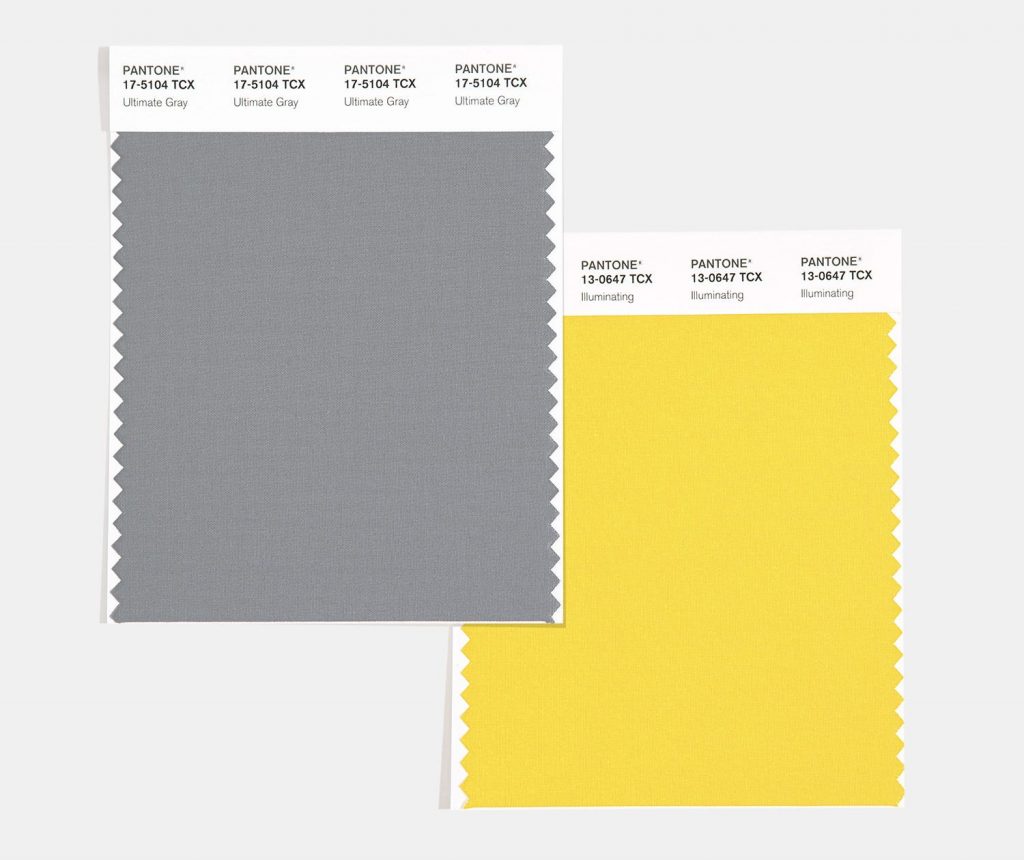
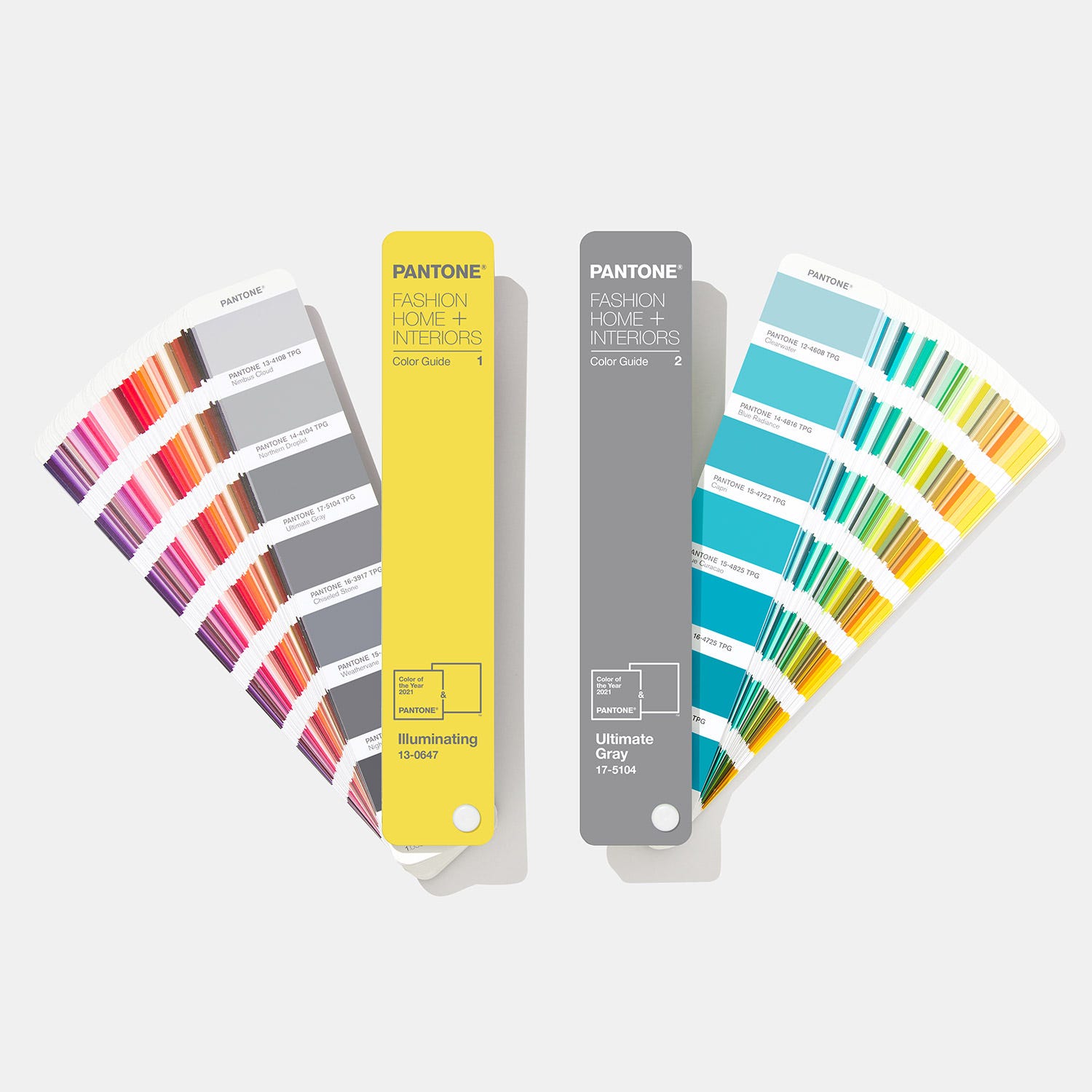
The two shades picked are PANTONE 17-5104 Ultimate Gray + PANTONE 13-0647 Illuminating, meant to convey a message of strength and hopefulness that is both enduring and uplifting, perfect for wedding season.
“PANTONE 17-5104 Ultimate Gray + PANTONE 13-0647 Illuminating, two independent colors that highlight how different elements come together to support one another, best express the mood for Pantone Color of the Year 2021,” the website explains.
“Practical and rock solid but at the same time warming and optimistic, the union of PANTONE 17-5104 Ultimate Gray + PANTONE 13-0647 Illuminating is one of strength and positivity. It is a story of color that encapsulates deeper feelings of thoughtfulness with the promise of something sunny and friendly.
“A message of happiness supported by fortitude, the combination of PANTONE 17-5104 Ultimate Gray + PANTONE 13-0647 Illuminating is aspirational and gives us hope. We need to feel that everything is going to get brighter – this is essential to the human spirit.
“As people look for ways to fortify themselves with energy, clarity, and hope to overcome the continuing uncertainty, spirited and emboldening shades satisfy our quest for vitality. PANTONE 13-0647 Illuminating is a bright and cheerful yellow sparkling with vivacity, a warming yellow shade imbued with solar power. PANTONE 17-5104 Ultimate Gray is emblematic of solid and dependable elements which are everlasting and provide a firm foundation.
“The colors of pebbles on the beach and natural elements whose weathered appearance highlights an ability to stand the test of time, Ultimate Gray quietly assures, encouraging feelings of composure, steadiness and resilience.”
While unusual shades at first glance, this yellow and grey pairing has such a sweet message that will be especially meaningful in 2021.
Yellow bridesmaid dresses, and sunny decor can be calmed down with modern grey touches. They work especially well with outdoor summer and spring weddings.
On your wedding day, it’s important to feel comfortable and stay true to yourself. Many brides may opt to up the sexy factor but if that does not feel authentic to you, don’t worry about it.
Dressing modestly does not have to be boring. You can still make a stylish statement while covering your cleavage, legs and arms if that is what makes you feel most comfortable. The important aspect then comes in the design of your wedding dress.
Lace, embellishments and beadwork do wonders for bringing life to an otherwise simple silhouette. If you’re not one for sparkle, opt for a more modern cut like a cape that will still cover your arms while giving you a fashionable edge at the same time. A super-long train and subtle corset detailing are also subtle ways to add a unique touch to your look.
Here are some stunning brides who rocked modest bridal fashion on their big day:
Not even a global pandemic can stop love. It’s engagement season at the minute, and if it seems like your social media pages are inundated with engagement announcements, you’re not alone.
It’s a new year, and with it comes new trends in the wedding world. While classic styles will always reign supreme, those wanting to be a bit more unique and current should keep an eye on these trends.
Trend 1: personal details
2020 was a crazy year, one that truly highlighted the importance of family and love. We predict couples will want to emphasise their love by incorporating personal details into their engagement rings. There are so many ways you could do this, from using a family stone to having a secret message inscribed on the band.
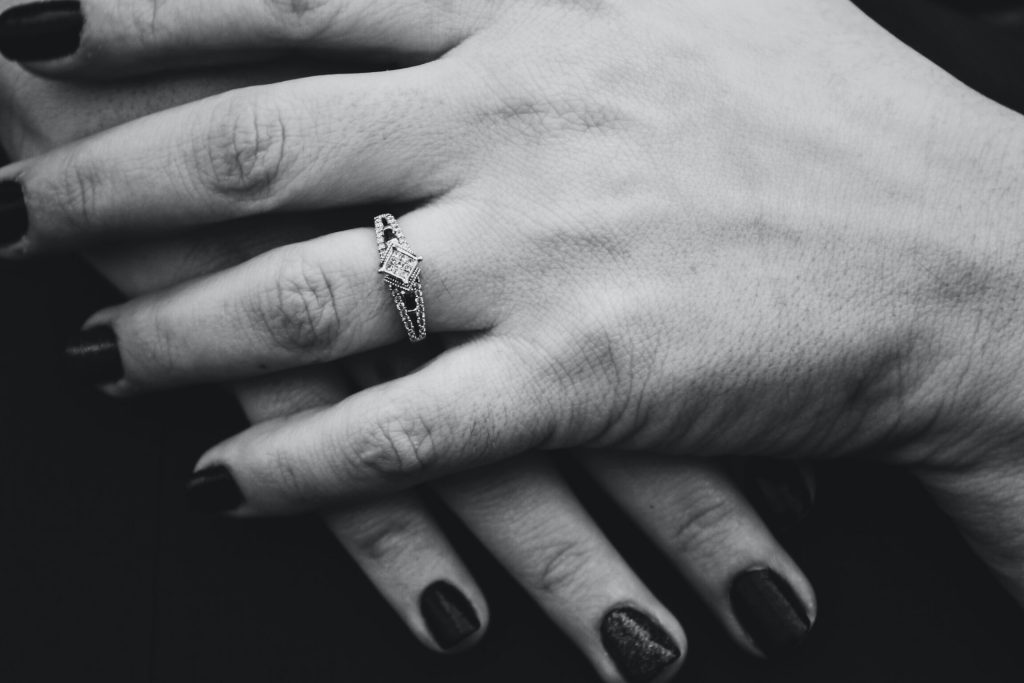
It’s not all about the centre stone. Since Megan Markle debuted her engagement ring, people have been in love with the three-stone engagement ring. For 2021, jewellers have already had requests for a more paired down style featuring two petite stones to flank the centre stone.
Coloured stones are always a popular choice for those wanting something different. While emerald is the most popular choice, jewellers predict pastel-hued diamonds and gemstones will be big in 2021. Pink and yellow diamonds are the more expensive option, but you could find great options with aquamarine, citrine or amethyst.
Classic styles like the round, oval and cushion cut are being given modern updates with unique metal choices and settings. For example, opting for a bezel setting is an unusual touch for a round ring, blending the old and the new.
We live in a culture that values “experiences”. These are often promoted in the media, and by those selling them, as vital to enhancing our well-being.
We all know big life events like marriage, parenthood, job loss and the death of loved one can affect our well-being. But by how much and for how long?
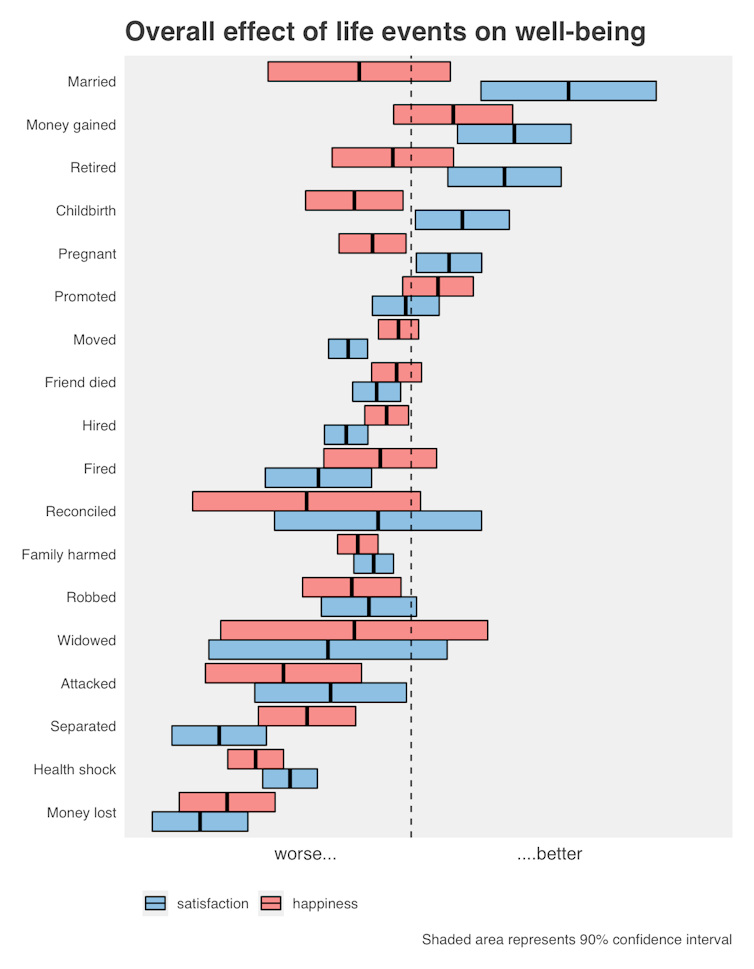
We set out to measure the effect of major life events – 18 in total – on well-being. To do so we used a sample of about 14,000 Australian adults tracked over 16 years. Some of our results were expected. Others were surprising.
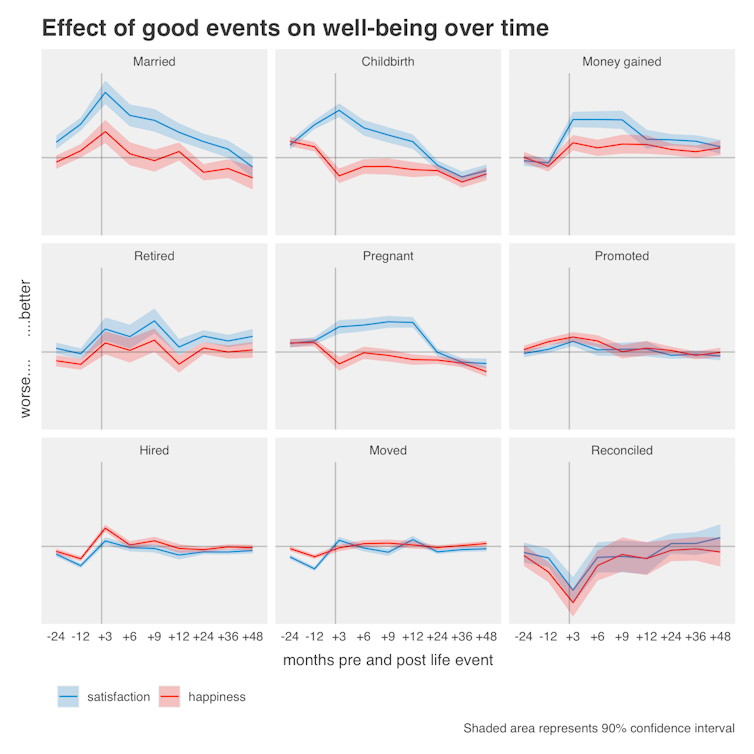
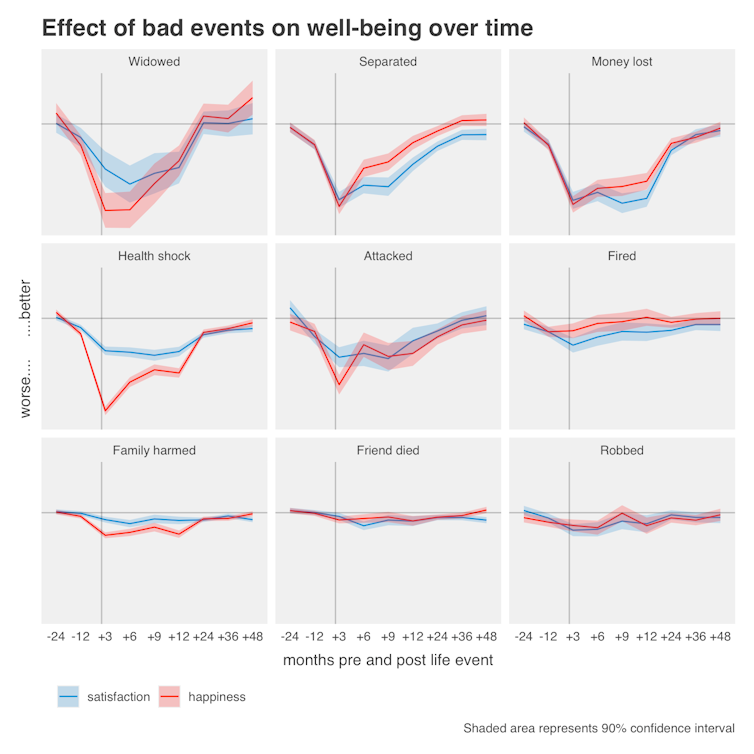
Overall, our results show good events like marriage improved some aspects of well-being, but bad events like health shocks had larger negative effects. For good and bad events, changes in well-being were temporary, usually disappearing by 3-4 years.
Here are some of our most interesting findings.
Happiness versus life satisfaction
Our study distinguished two different aspects of well-being: “happiness” and “life satisfaction”. Researchers often treat these as the same thing, but they are different.
Happiness is the positive aspect of our emotions. People’s self-reported happiness tends to be fairly stable in adulthood. It follows what psychologists call “set point theory” – people have a “normal” level of happiness to which they usually return over the long run.
Life satisfaction is driven more by one’s sense of accomplishment in life. A person can be satisfied, for example, because they have a good job and healthy family but still be unhappy.
Life events often affect happiness and life satisfaction in the same direction: things that make you happier tend to also improve your life satisfaction. But not always, and the size of the effects frequently differ.
In the case of having a child, the contrast is stark. Right after the birth, parents are more satisfied but less happy, possibly reflecting the demands of caring for a newborn (eg. sleep deprivation).
Changes are temporary
After almost all events (both good and bad), well-being tends to return to a personal set point. This process is known as the hedonic treadmill – as people adapt to their new circumstances, well-being returns to baseline. This has been found in other studies as well.
The good news is that even after very bad events, most people seem to eventually return to their set-point well-being level. Even after an extremely bad event such as the death of a spouse, people’s well-being generally recovers in two to three years. This doesn’t mean they don’t carry pain from the experience, but it does mean they can feel happy again.
Bad events affect us more
The detrimental effects of bad events on well-being outweigh the positive effect of good events. Negative effects also last longer. This is partly because most people are happy and satisfied in general, so there is more “room” to feel worse than better. In fact, we can’t confidently say there is any positive cumulative effect of good events on happiness at all. However, marriage, retirement, childbirth and financial gains all temporarily improve overall life satisfaction.
Our finding that “losses” hurt more than “gains” mirrors decades of behavioural economics research showing people are generally “loss averse” – going to more effort to avoid losses than to chase gains.
The bad events that have the largest total effects are death of a spouse or child, financial loss, injury, illness and separation.
Small, fleeting effects
Starting a new job, getting promoted, being fired and moving house are events that people often fixate on as either stressful or to be celebrated. But, on average, these don’t seem to affect well-being that much. Their effects are comparatively very small and generally fleeting.
This could be because of differences in the nature of these events for different people, or that they frequently occur. For example, being fired can be devastating. But for someone close to retirement who receives a large redundancy payment and moves to the coast, it might be a positive experience.
An important caveat to our study is that it reflects the average experiences of people. There are likely to be some people who experience long-lasting improvements in well-being after good events. There will also be people who experience sustained decreased well-being after bad events. In future work we hope to identify these different people and isolate the characteristics that predict what responses to different events will look like.
The things that matter
Our results caution against chasing happiness through positive experiences alone. The impact, if any, seems small and fleeting, as the hedonic treadmill drags us back to our own well-being set point.
Instead, we might do better by focusing on the things that protect us against feeling devastated by bad events. The most important factors are strong relationships, good health and managing exposure to financial losses.
In 2020 we might also take consolation from the fact that, although it will take time, our well-being can recover from even the worst circumstances.
As we bid 2020 goodbye and ring in 2021, with no end in sight yet to the Covid-19 pandemic that has forever changed our world, it’s worth taking a look at how Wrapistry has evolved to help couples – and their loved ones – celebrate their most important moments.
Wrapistry is a local online registry and gift store aimed at making happy couples (and their guests) even happier by creating the ultimate registry experience. They’ve already proven themselves market leaders in the wedding gift registry space and now they’ve evolved, just like the couples they help celebrate do, by creating baby registries to welcome new bundles of joy to the world.
“Weddings are just one part of a couple’s journey together. We want to be a part of every chapter. So, it makes sense for reimagining the baby registry to be our next adventure,” comments CEO, Jed Shein.
Brick-and-mortar shopping has quite rightly developed into the click-and-mortar variety: you order online and have it delivered to your home. Wrapistry uses design and technology combined with exceptional customer service to help couples – and their loved ones – browse through a curated selection of everything that new parents and the new arrival may need. Couples can choose from an amazing range of products. From stylish cots and sleek strollers to everyday essentials (think cutlery sets and vests), Wrapistry has created the ultimate baby registry. Plus, new, beautiful items are added to the online store each week.
Let’s face it, traditional gift registries don’t leave much room for creativity. With Wrapistry, though, couples can ask for what they actually want. They can register for gifts and cash funds – all in one place – so their loved ones have options. And when they really desire a big-ticket item (a baby stroller or bassinet, for example), simply turn on group gifting and give guests the opportunity to contribute what they can. No stress, no hassle and no fuss of keeping tallies of who gave what – Wrapistry does that all for you.
“Creating a gift registry should be one of the most fun experiences,” says co-founders Pat Berman and Linda Shein.
Family and friends may not always be able to celebrate a baby’s arrival in person during a pandemic, and that makes giving them the option of gifting something special that they know the couple chose themselves so much more special. For the couple, the Wrapistry team is on hand to help. The team has learnt much over the years: from the most popular gifts to the average amount people spend. Answer a few questions and they’ll recommend how many gifts to add to the registry, based on price point and category. This way not only will the new parents get a variety of items, but also accommodate different budgets.
Each Wrapistry registry includes:
– The option to play around with photos, background images and customise the welcome message.
– Notifications every time guests shop the registry.
– Free delivery. Plus, the option to choose when to have gifts delivered.
– Free exchanges before closing the registry.
– A 10% registry completion discount.
– Support for the couple and their guests.
Visit wrapistry.shop today to create the perfect registry for the new chapter you’re about to enter as parents.
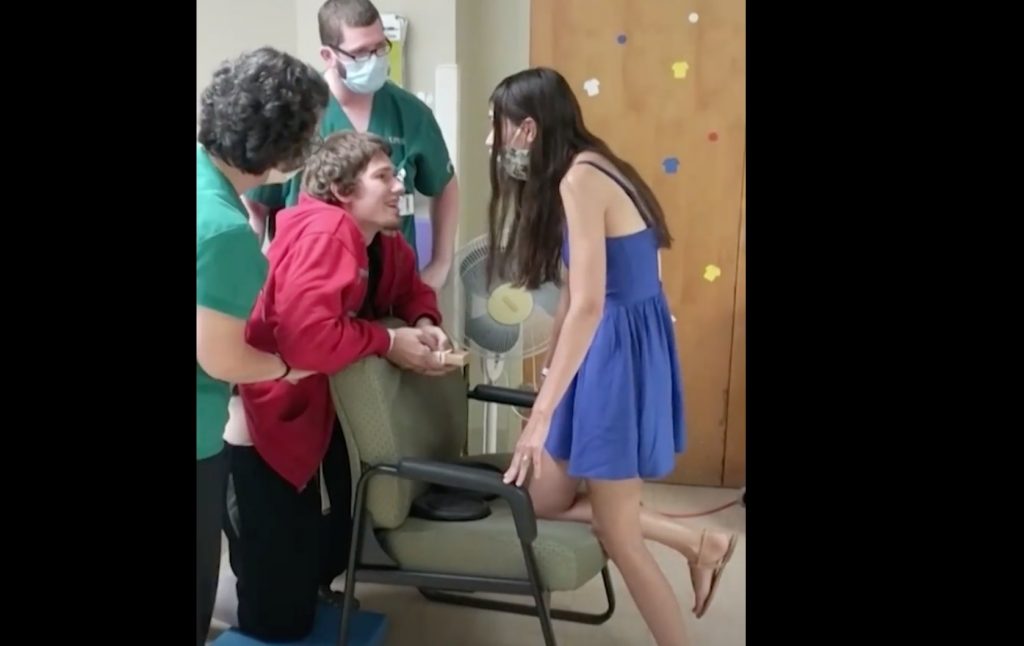
Brandon Devonshire (25) from Rome, Pennsylvania was told me may never walk again. Defying all odds, he walked across a room and got down on one knee to propose to his partner, Crickett LeVance (25).
In July of 2020, Devonshire suffered a terrible accident when he was crushed by a tree he had been cutting down, which ruptured his vertabrae and caused damage to his spinal cord.
His spine is now stabilised by two rods and eight screws, but he was left paralysed. Months after the accident, he began to regain movement and has been working with physiotherapists.
Throughout it all, girlfriend Crickett has been by his side supporting him. To thank her and show his love, he decided to propose.
Devonshire popped the question on August 11, 2020 in the personal training gym at a hospital. He walked across the room using a walking frame, and medical staff were on hand to help him kneel on a padded cushion and rest his upper body against a chair so that he could comfortably propose.
An unsuspecting Crickett enters the room and is shocked to see her partner kneeling with a ring box.
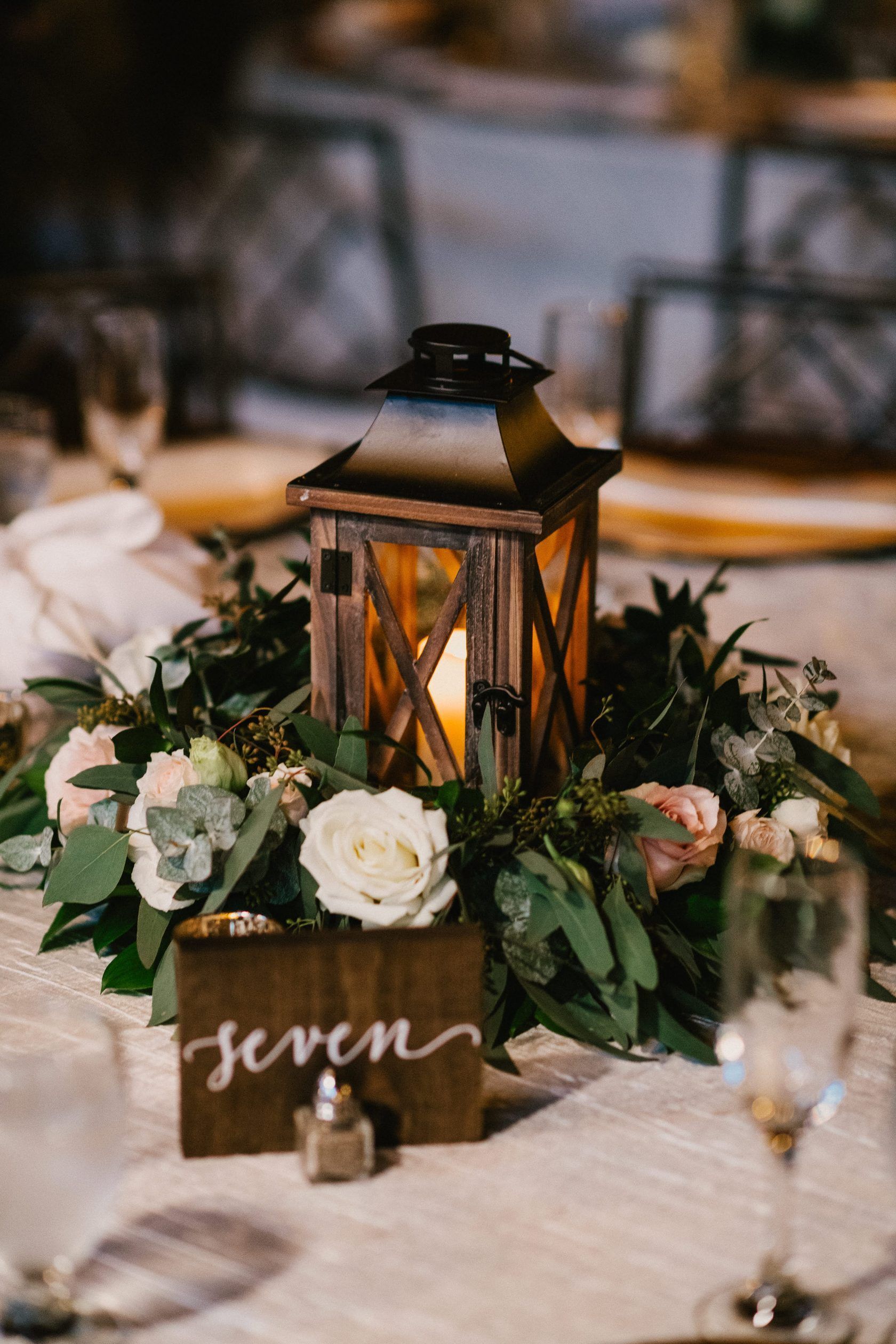
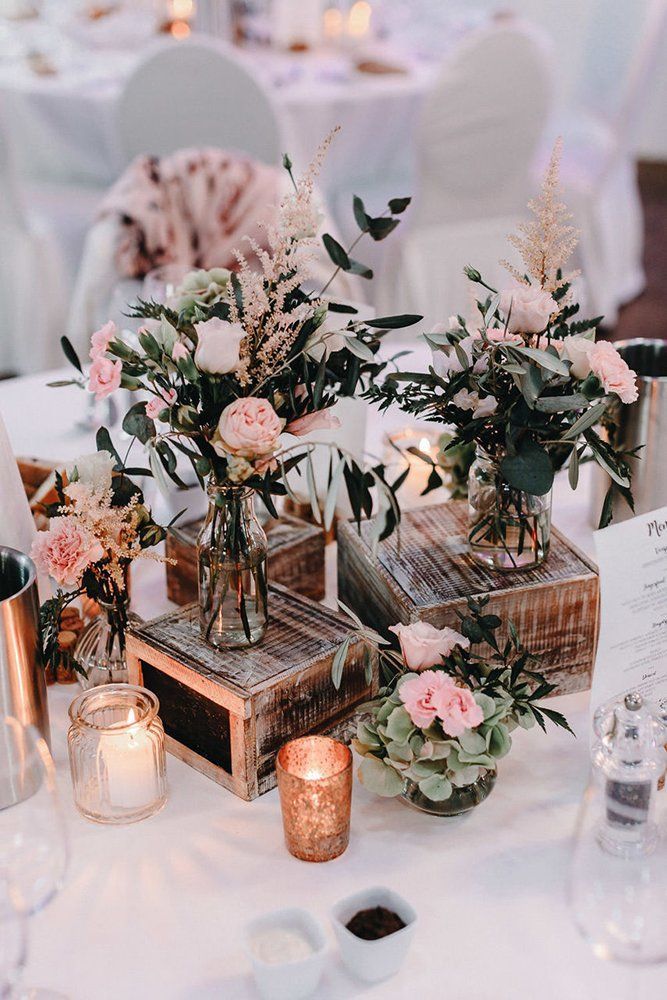
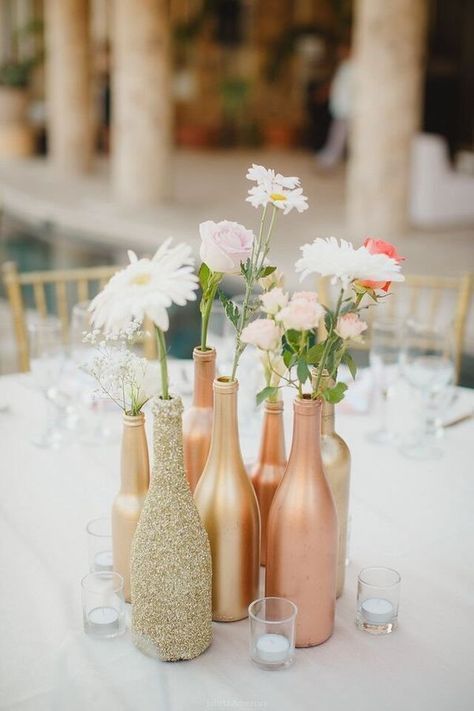
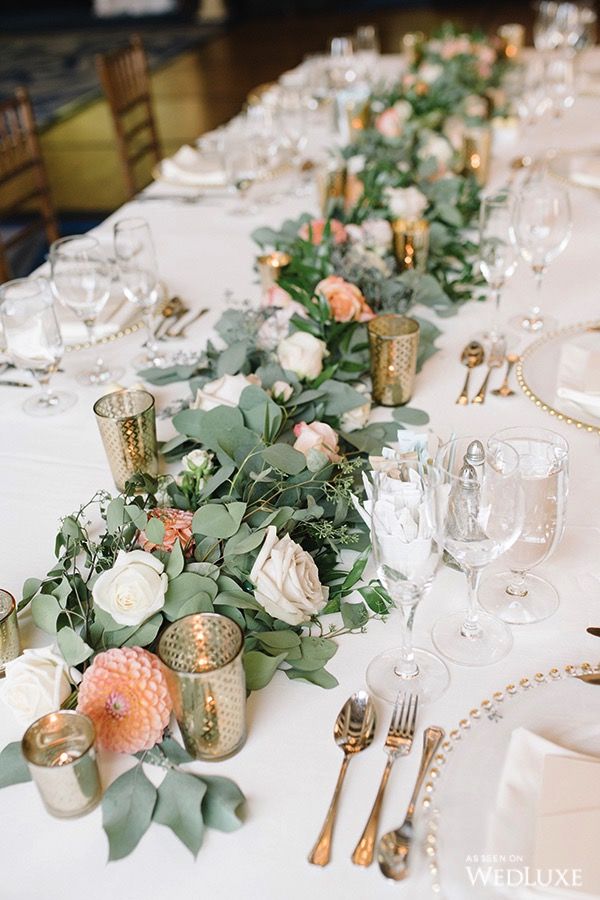
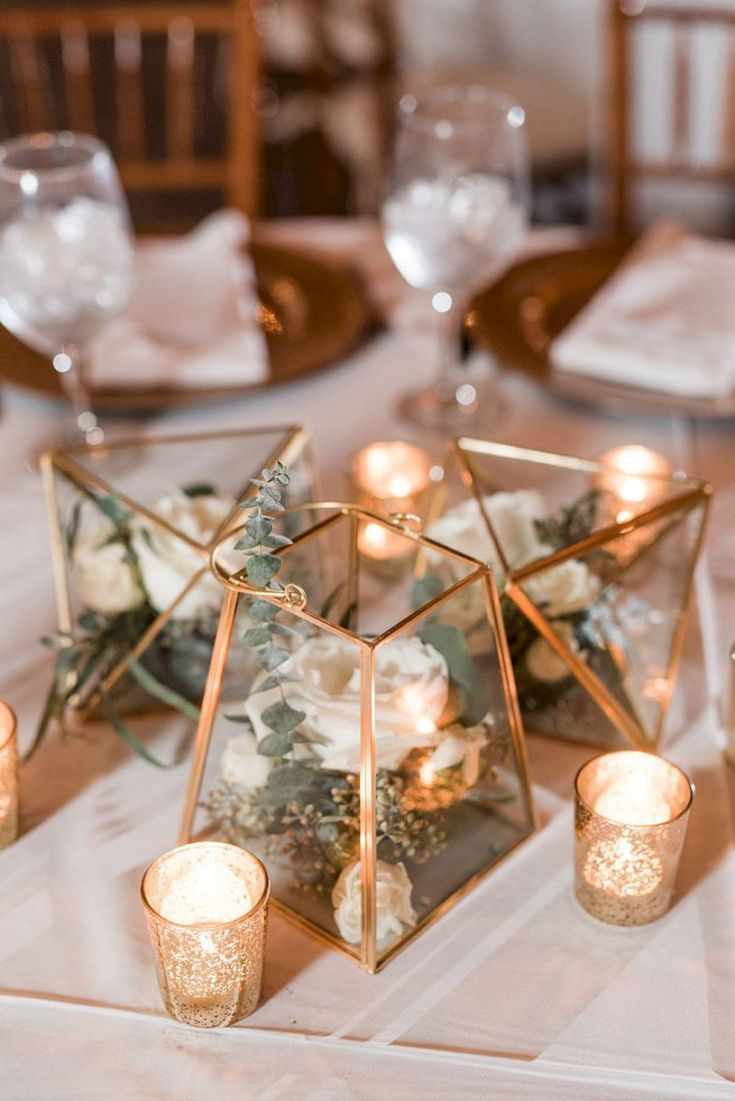
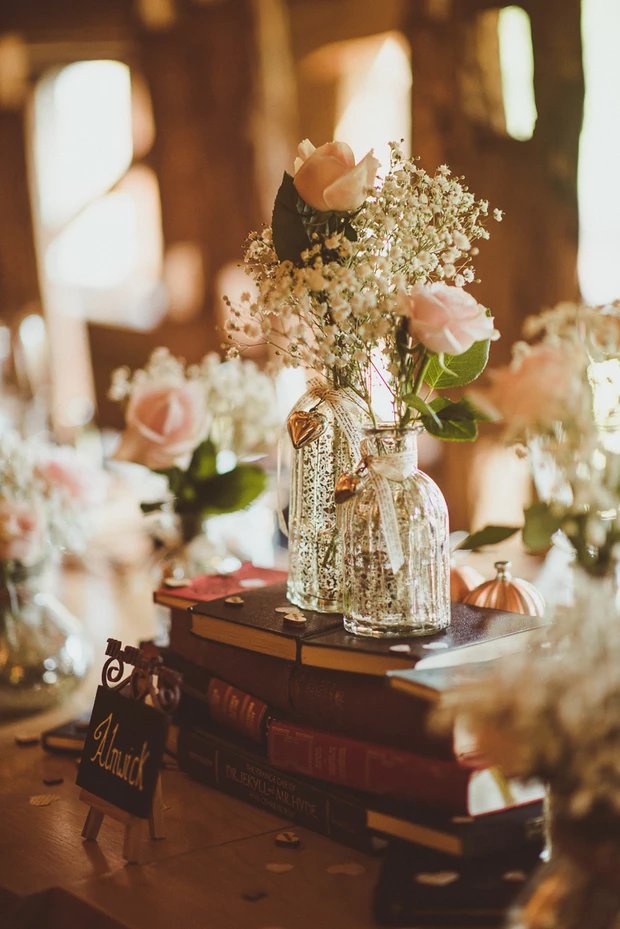
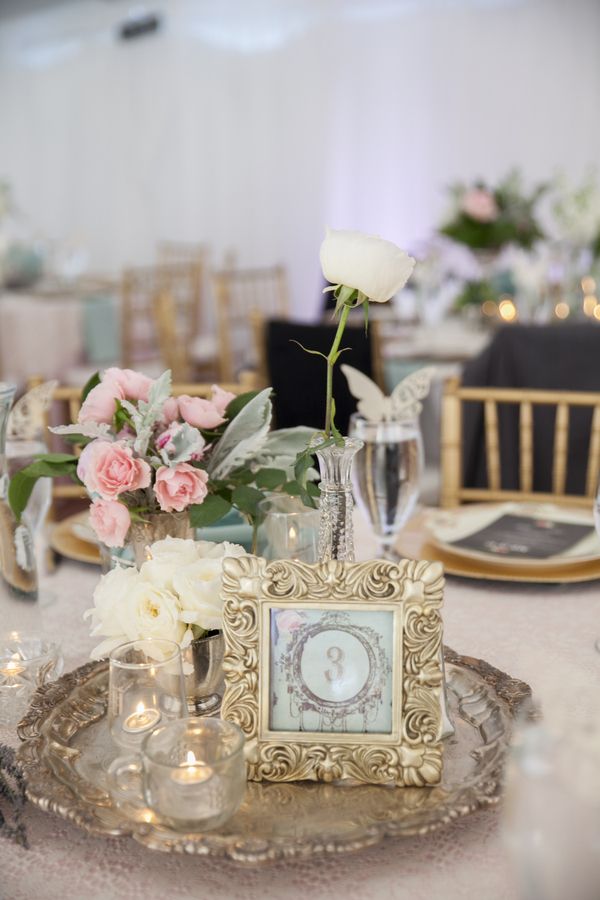
Your wedding decor can make or break your overall theme. However, you don’t need to go bankrupt to make a statement.
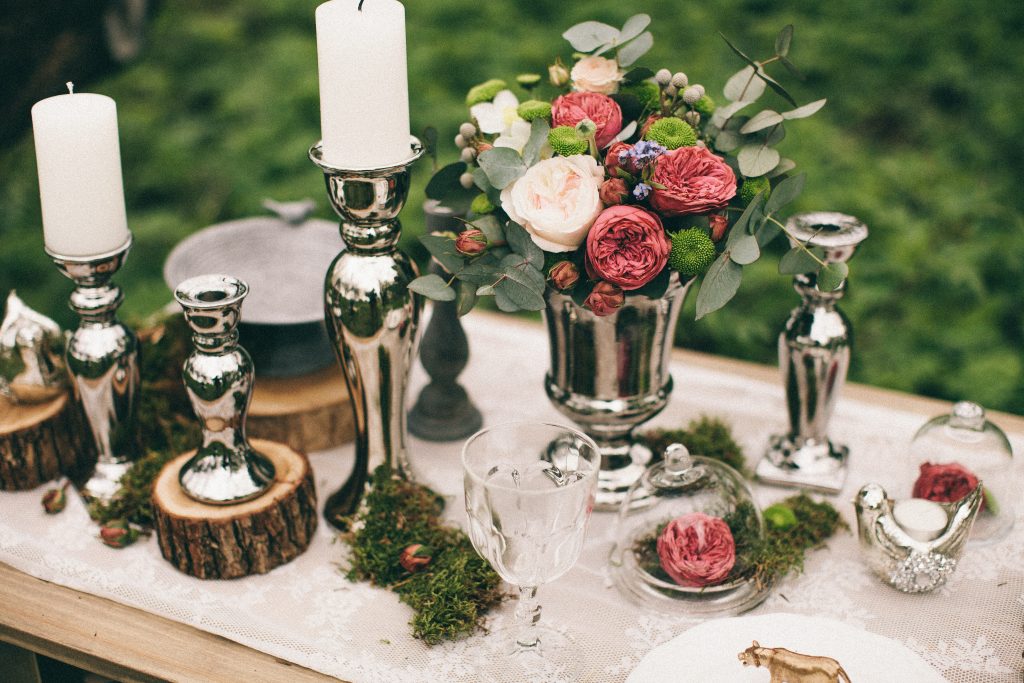
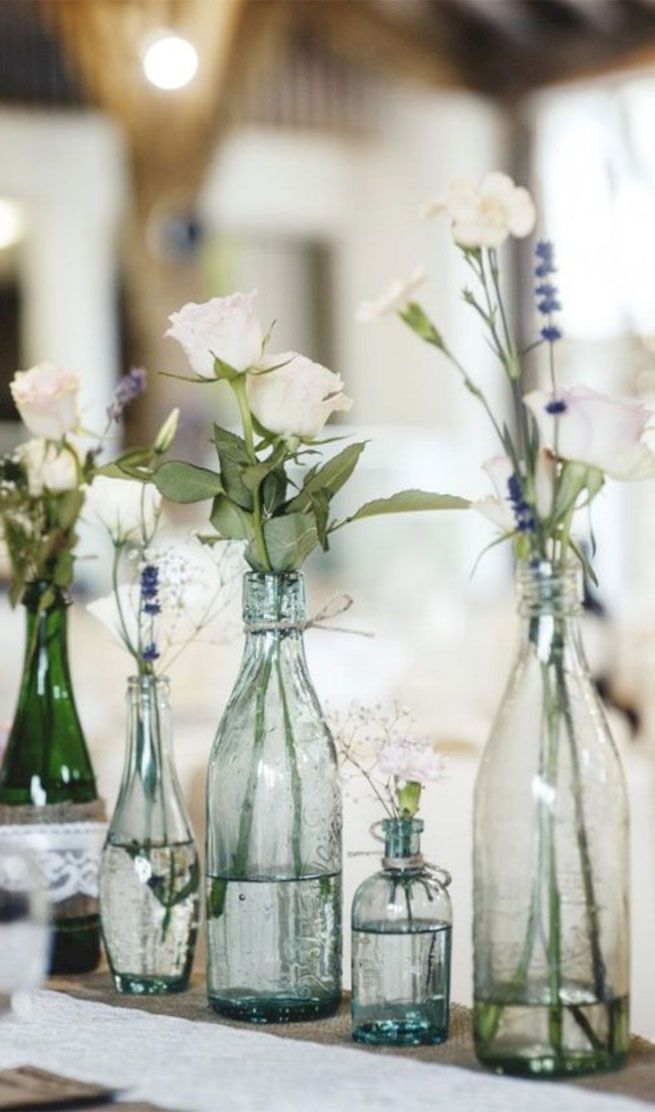
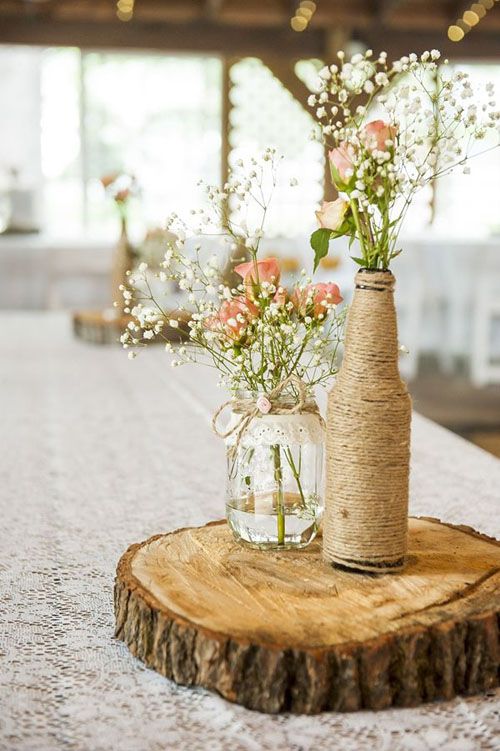
There are so many household items that just need some dressing up, and they will look spectacular on your wedding table. Think bottles, mirrors and candles. They key is to add variety with different heights and shapes.
Spraypaint your items to match your colour scheme, and add fairy lights for a romantic touch. The possibilities are endless.
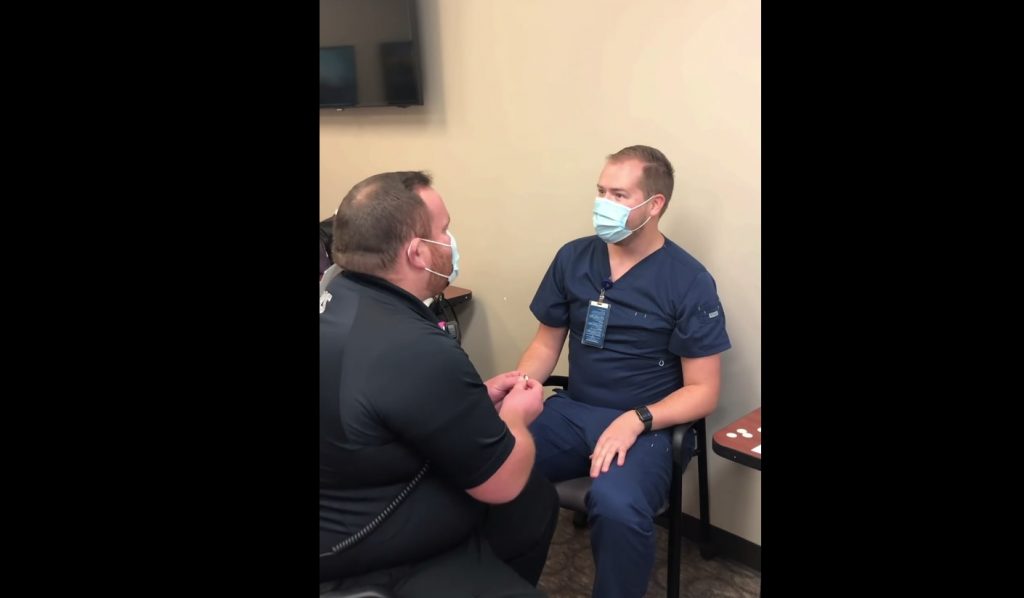
What began as a simple COVID-19 vaccination ended as a sweet marriage proposal for this healthcare couple.
Robbie Vargas-Cortes (31) who works as a paramedic and EMS supervisor, was one of the first healthcare workers in Canton, South Dakota to receive the COVID-19 vaccine. His partner Eric Vanderlee, a registered nurse, was one of the vaccine administrators at Sanford Health.
Vargas-Cortes then decided to use this opportunity to plan the perfect surprise proposal. During the appointment, Vargas-Cortes rolled up his sleeve to reveal his arm and receive the vaccine, but to Vanderlee’s surprise there was already tape on his arm.
Initially, Vanderlee thought it was his partner’s way of jokingly showing him where the vaccine needle should go. Upon closer inspection, however, he realised that there was a ring taped to his partner’s arm.
“It just kind of dawned on me and I was like, ‘absolutely, of course, yes.’ It was just an amazing moment after I figured it out,” Vanderlee told CNN.
“Robby got his vaccine – and an enthusiastic yes from his now fiancé. Congratulations, Eric and Robby!” wrote Sanford Health in a Facebook post.
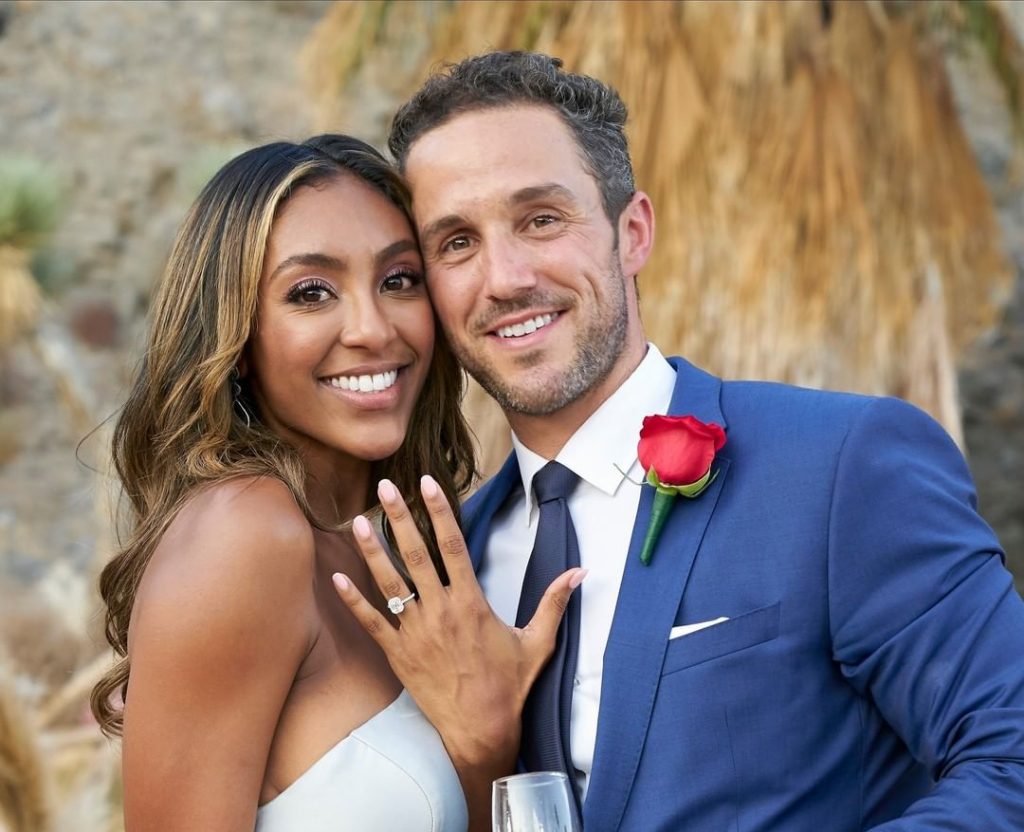
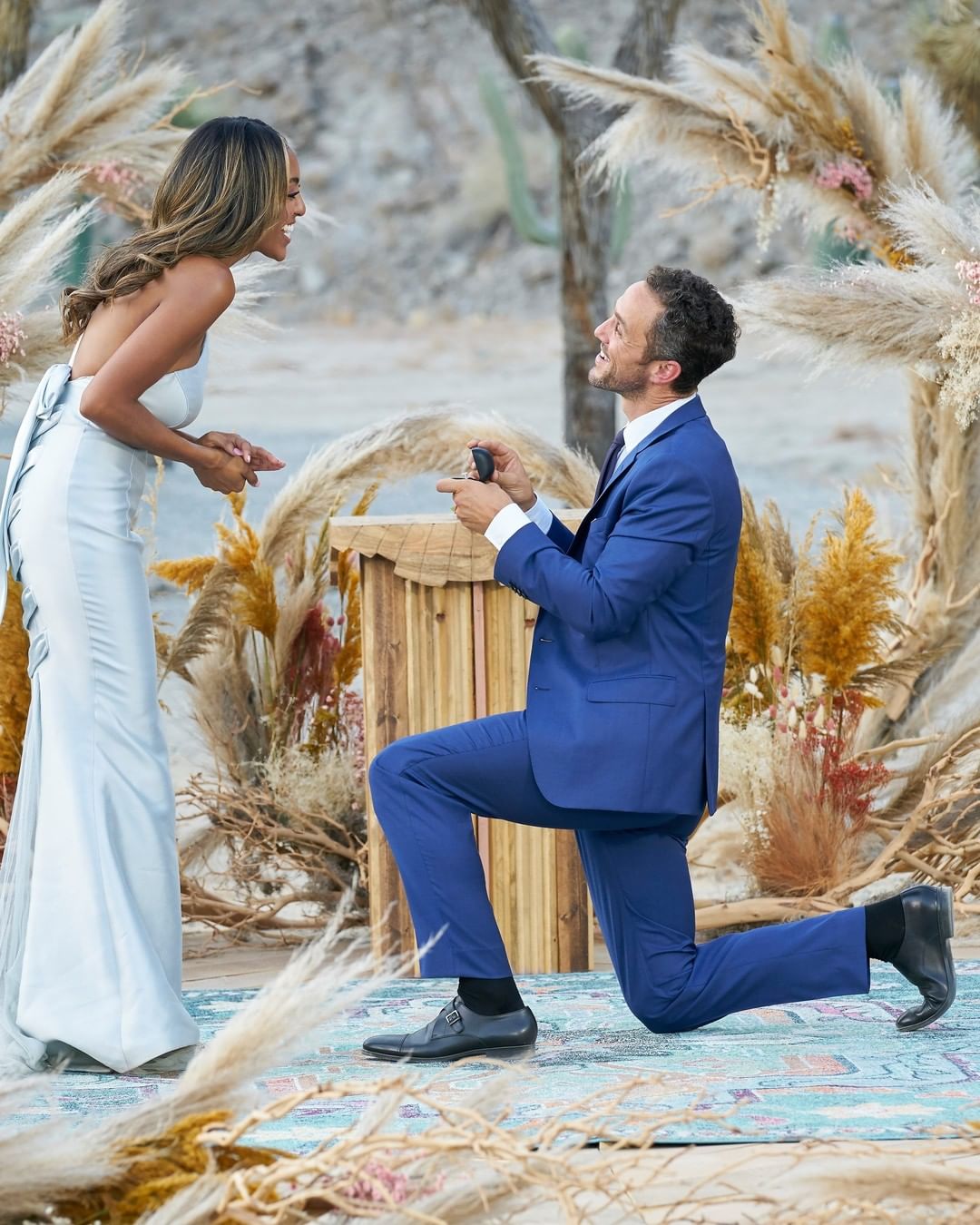
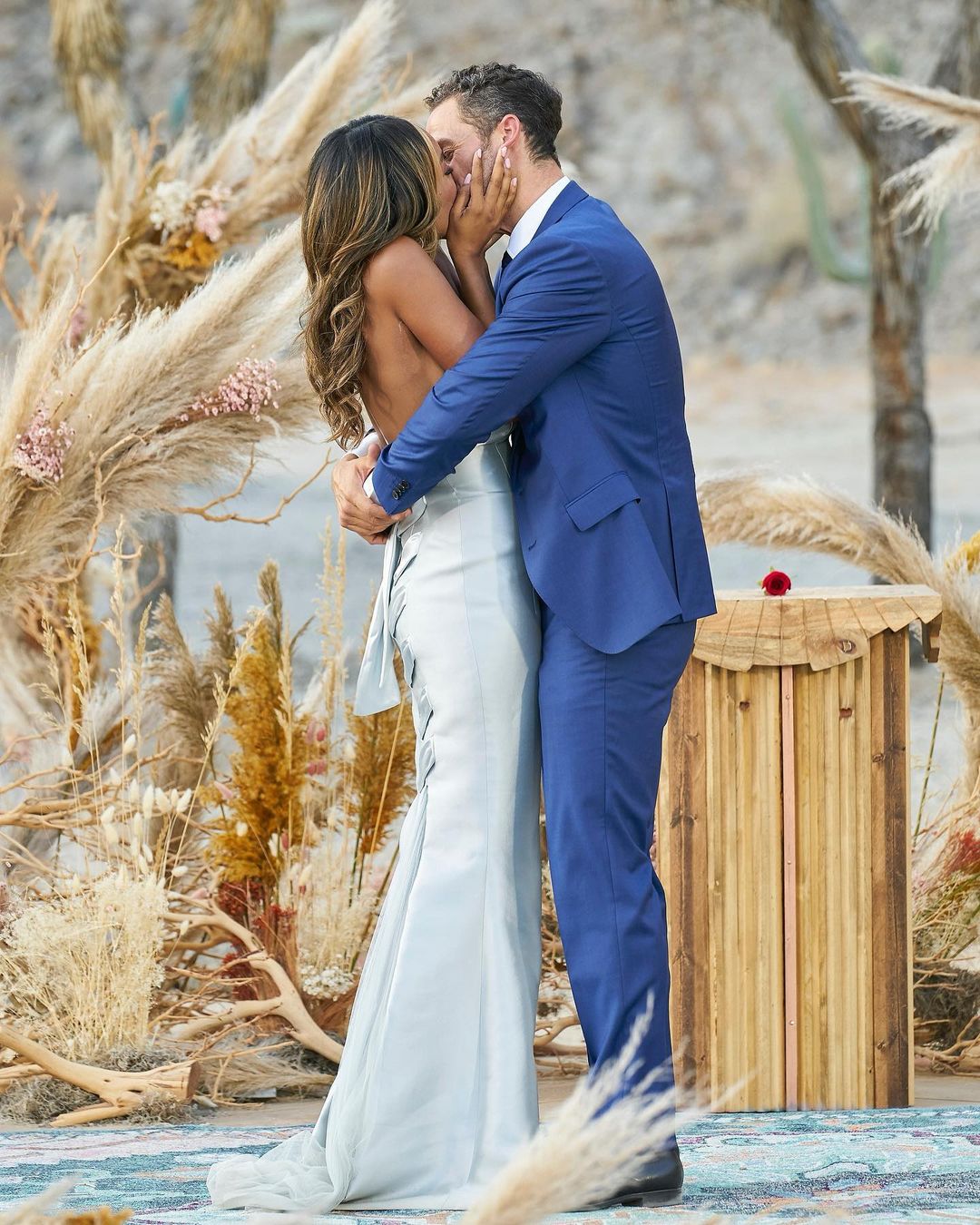
After a whirlwind season unlike any we’ve ever seen before, The Bachelorette’s Tayshia Adams has given out her final rose and is engaged to contestant Zac Clark.
The two-part finale of The Bachelorette was, unsurprisingly, dramatic from beginning to end. It saw contestant Brendan leave by choice during his Fantasy suite date, Tayshia send fan-favourite Ivan home and the return of Ben, who was eliminated during Hometowns week.
Ultimately, Tayshia’s heart was clearly with frontrunner Zac. She sent Ben home during their final date because she knew she was going to pick Zac at the end.
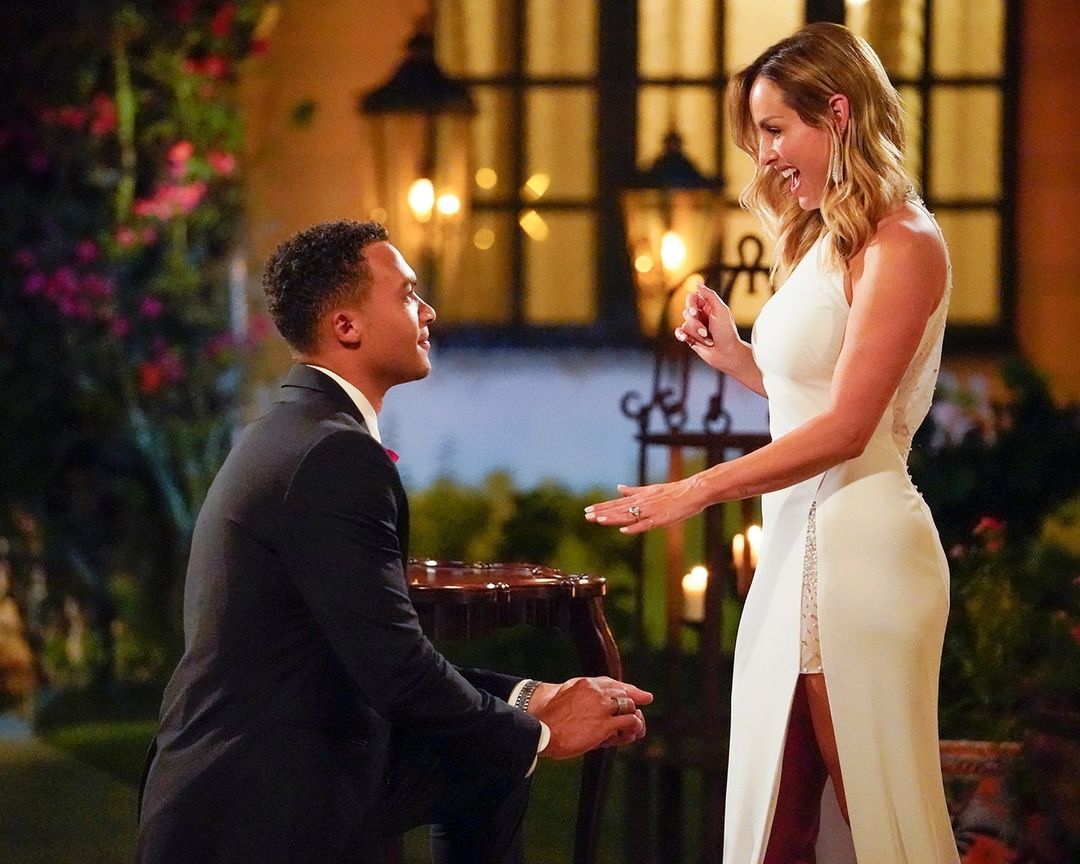
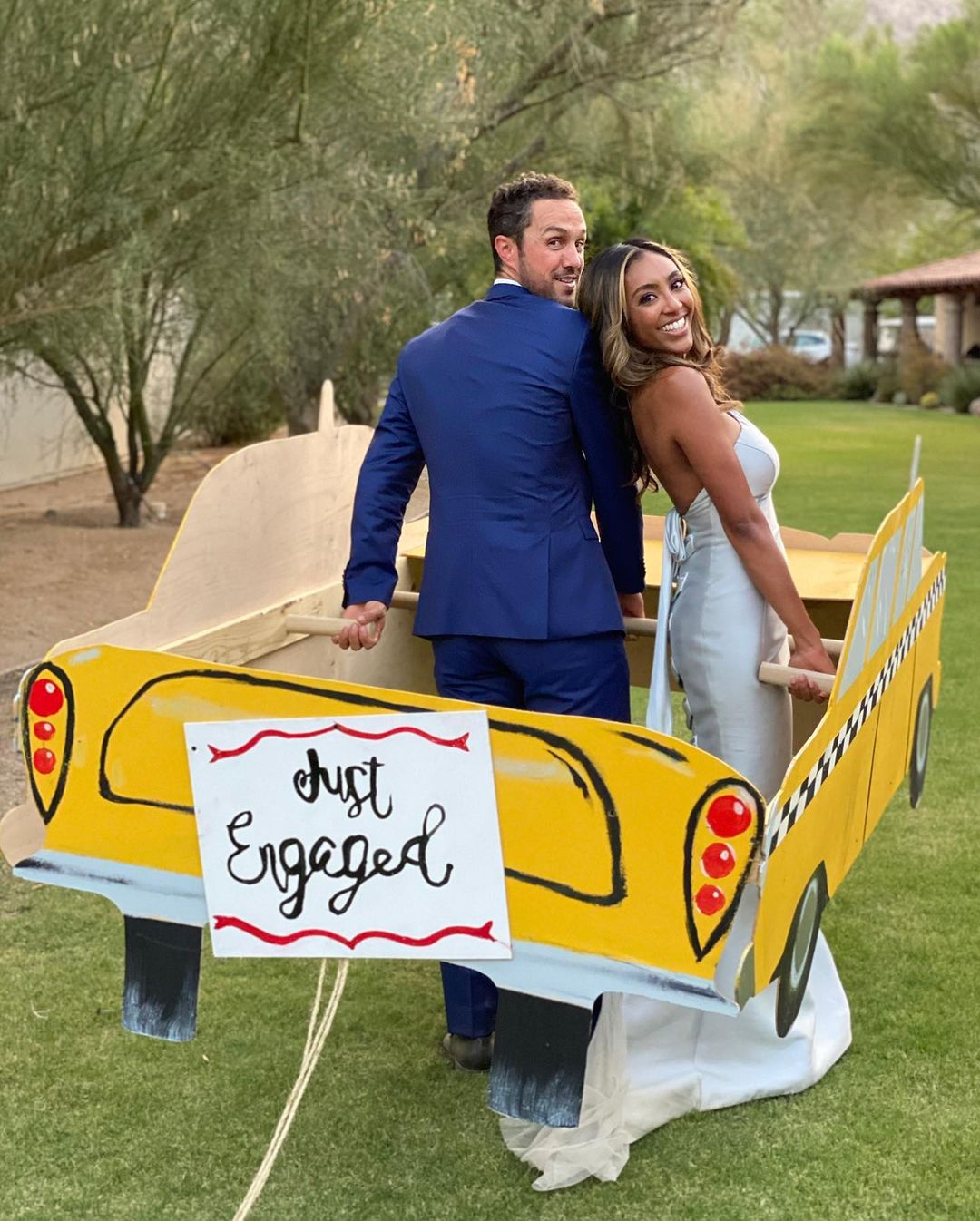
The pair then became engaged during the finale episode in a tear-jerker of a scene. Zac proposed with a 3.25 carat Neil Lane ring. Of course, Tayshia accepted and the pair rode of into the sunset in a makeshift taxi.
“If you had told me in March that I’d be getting engaged at the end of the year, I would not have believed it for a second,” Adams told PEOPLE. “But I want to experience life with [Zac] by my side. He’s what I’ve always wanted.”
As if the season was not dramatic enough being filmed at the height of the COVID-19 pandemic in America, it was made even more complicated when the original lead decided to leave the show a few weeks into filming.
Adams was the second Bachelorette to lead the season, after first pick Clare Crawley left the show with contestant Dale Moss two weeks into filming. The pair formed a fast connection from the minute filming began in June and became engaged during the show’s fourth episode, right before Adams came to replace Crawley as the lead. This is the first time in Bachelor history that a lead had to be replaced mid-season.
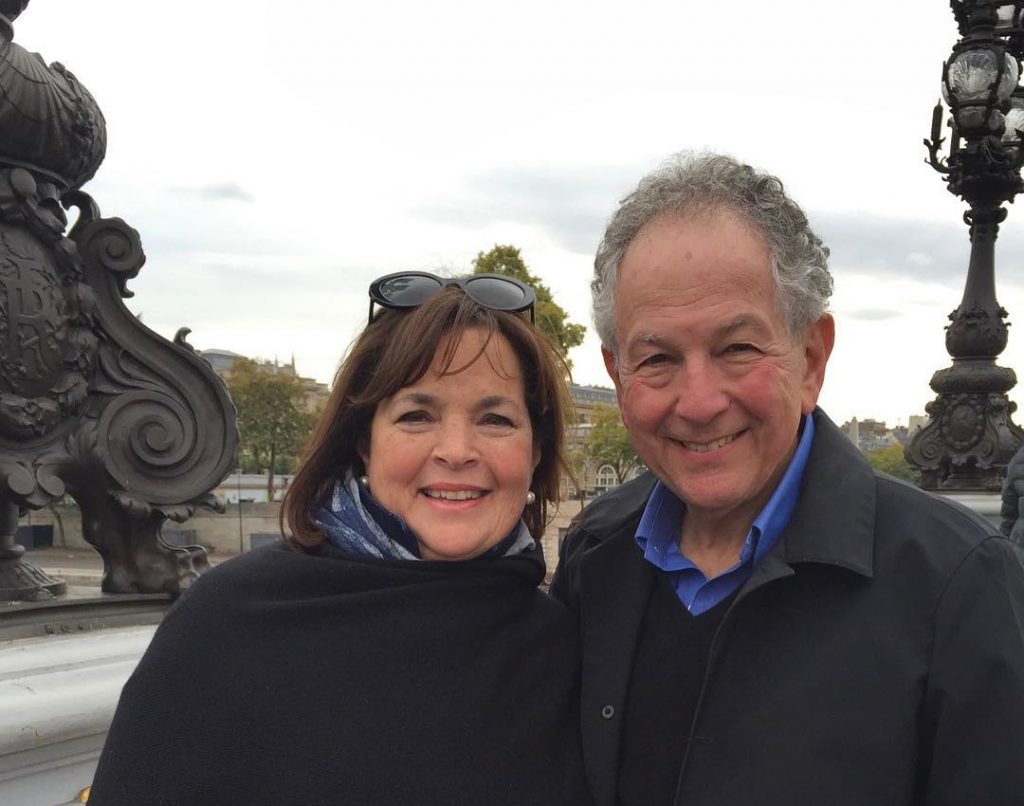
Food Network star Ina Garten, also known as the Barefoot Contessa, and husband Jeffrey are celebrating a momentous 52 years of marriage.
Taking to social media, Garten shared a sweet throwback of the couple on their wedding day to honour the occasion.
“Fifty-two years and still having so much fun! You gave me a life I could never have dreamed of. Happy Anniversary my love. (What’s up with that cake??)”
The pair met in 1964, when Ina was visiting her brother at Dartmouth University, which they all attended. Jeffrey marvelled at her beauty from the library window, telling a friend “Look at that girl, isn’t she beautiful?”
Funnily enough, the friend knew Ina as she was the younger sister of a friend who actually had a date with her that very night. Luckily, that date did not lead to anything more and Jeffery jumped at his chance to start something. He began writing Ina letters in the hopes they would meet one day.
Months later, the pair finally met up for their first date. Afterwards, Jeffrey continued to write to Ina almost daily.
Ina and Jeffrey tied the knot in 1968 when she was 20 and he 22. They married at her parents’ home in Connecticut.
Since then, Jeffrey has been a major support as Garten’s culinary career blew up with her Food Network show. He often features in episodes, and has become a welcome addition to the show for many fans.




 “If you had told me in March that I’d be getting engaged at the end of the year, I would not have believed it for a second,” Adams told PEOPLE. “But I want to experience life with [Zac] by my side. He’s what I’ve always wanted.”