• Category

    Do’s And Don’ts

    Category

    Planning your big day can easily become overwhelming. With so many moving parts, it’s easy to forget certain things. Protect yourself against these unexpected problems by doing your research and fact-checking these important details with your wedding vendors.

    – Their payment structure

    The majority of vendors will require a deposit and then the remainder of the balance in instalments. Make sure you know exactly when certain amounts are due so that you can plan your finances ahead.

    – What is included in the price

    This goes without saying, but you need to be exact on what you’ll be receiving with each service. Some venues, for example, might not include cleaning in their fee which would then be an extra expense you have to cover.

    – Whether they have liability insurance

    Liability insurance protects a company’s assets and pays for obligations such as medical costs and damage to property, giving you peace of mind should something serious go wrong.

    – If they have decor restrictions

    Your vision of floral chandeliers and (eco-friendly) glitter sparkling all over might be unattainable if your wedding venue is strict with what decor is allowed on site.

    – If they’re accessible for handicapped guests

    It’s incredibly important to cater to your wedding guests, and if any of them require wheelchair ramps, railings or any other services, your wedding venue should ideally provide them for you.

    If you may you pick your own vendors

    Some wedding venues have approved lists of vendors that can be used, so it’s important to check if you can bring in your own.

    – Their cancellation policy

    If for any reason, you need to cancel this service, it’s best to know how far in advance you have to do it to get your money (or at least some of it) back.

    – If they have on-site parking

    This one’s a biggie. If your guests are travelling far in cars, they’re going to need somewhere to park.

    – Their backup plan in the event of last-minute change

    Rain, extra guests, food shortages…Accidents happen and it’s always best to have a backup plan. Ideally, your wedding vendor has a plan in place for this last-minute occurrences.

    – Overtime fees

    Sometimes the party is too good to end. In the event of going overtime, you don’t want to be surprised with an exorbitant bill from your wedding vendors. Make sure to check their rates before the big day so that you’re prepared come wedding day.

    – Whether they cater to LGBTQI+ couples

    Many vendors are quite traditional and do not offer their services to those who belong to the LGBTQI+ community. If this does not fall in line with your beliefs, it’s best to know before you agree to work with a specific wedding vendor.

    – Ask for references!

    It’s a great idea to check in with other couples who have worked with these vendors about their experiences to get a more realistic view of the service you can expect.

    Also read: Hidden costs to consider when wedding planning

    Feature image: Pexels

    Everybody knows getting married is a package deal. You might adore your new spouse, but that doesn’t mean you will necessarily get along with their family. However, as much as we’d love to tell you it doesn’t matter, it does. Family is family, no matter what and building good relationships with your in-laws will make for a healthy relationship with your partner. Here are a few things to try if you’re faced with a monster-in-law.

    – Don’t judge a book by its cover

    This is true of all relationships. The way people seem is not always the way they are. Even if they behave in what comes across as rude or mean, it might have nothing to do with you. There might be a deeper insecurity or issue that leads to certain behaviour. Always give people the benefit of the doubt. Also remember that people have different personality types, and not everyone will always get along. That doesn’t mean you can’t be civil towards each other for the sake of your partner. Try spending some one-on-one time with the person and find common ground. You might just be pleasantly surprised.

    – Stand your ground

    If you have tried getting to know them better and being kind, but nothing’s changed, it might be time to stand your ground. There’s a line between being nice and getting walked over, which no one deserves. If things get so heated that they make you uncomfortable or the other person is downright condescending, you may want to set boundaries and be straight with them. Don’t compromise on your own values just to get them to like you. It’s important for them to know that they should also respect you and your beliefs, even if they don’t agree. Try to explain your point of view in a calm and open-minded manner, giving reasons for your view points.

    – But not too much

    That being said, always keep in mind that your relationship with your partner comes first. You don’t want to end up hurting them or worse, forcing them to choose between you and their family. If you have tried to be the bigger person, stated your take on things and set some boundaries, but the conflict is still not resolved, you might actually want to take a step back. This might include politely declining from family gatherings. It’s not worth losing your partner over a feud with your in-laws.

    – Always be respectful, even if they’re not

    The golden rule in every situation is respect. Accept the fact that you may never get along, even though you tried. However, and this especially applies during the “stand your ground” phase, always be respectful. That way, you don’t give them any ammunition to fight with, plus you’re showing your partner that you respect them too. Never stoop down to verbal abuse, immature games or using children as a means to manipulate their grandparents, for example. As long as the in-laws are not actually doing anything illegal or harmful, there’s no reason for you to keep your partner or children away from them. The battle is between you and them.

    Image: Unsplash

    Weddings come with tons of customs and traditions, the history of which is always quite interesting. Many couples are eager to incorporate age-old practices into their weddings. Over the years, however, the practices have changed and transformed.

    For those who want tradition and modernity, or who would prefer to customise their wedding to be more original, perhaps insight into how wedding traditions have changed over the years will help to find a middle ground.

    – Asking for permission 

    In years gone by, it was often considered respectful to ask a woman’s father for her hand in marriage. Today, women have much more agency and are no longer considered to be “passed on” to their husbands. Many still follow this custom as a sign of respect. However, others have completely done away with the tradition.

    – Veils 

    Originally, the wedding veil was a way to protect the bride from evil spirits on her wedding day. In 1849, however, Queen Victoria donned a veil as fashion for the first time ever. Since then, many brides have decided to go without a veil or have replaced it with other accessories such as flower crowns.

    – Not seeing each other before the ceremony

    In the past, it was considered to be very bad luck for the groom to see the bride before the wedding. This tradition started at a time when arranged marriages were more common, and was a way to ensure that a groom did not have a change of heart before the ceremony.

    Today, many couples have “first look” shoots. They have a private moment together before their nuptials to capture the first moment they see each other in their wedding attire.

    – Receptions 

    Today, we have large receptions that take months of preparation and planning. We offer full meals and often have a constant flow of food and drink for our guests. Previously, a wedding reception was merely some cake and tea at the home of the brides parents.

    – The classic vows 

    The classic wedding vows, which can be traced back to 1549, say that the bride promises to “love, honour, keep, obey, and serve” her husband to be. The last two words are often dropped, these days.

    – Rice throwing 

    Traditionally, newly-weds were sent off from their weddings by having rice tossed at them. Today, bubbles, eco-friendly glitter, or sparklers, amongst other things are often used instead.

    Image: Unsplash 

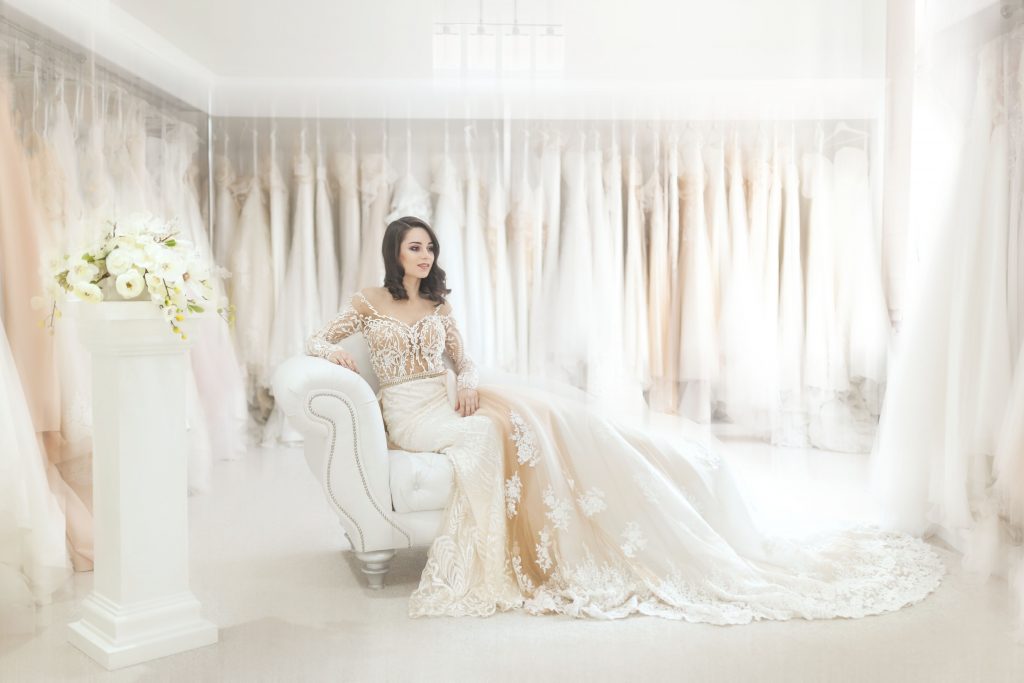
    With endless choices in front of you and multiple opinions getting thrown at you from all directions, wedding dress shopping can be stressful! However, it’s an experience you’ve probably been dreaming of for years and it can be a magical event if you plan it properly.

    It’s easy to get lost in the overwhelmingly dreamy ambience of a bridal store. Be sure that you’re prepared before you enter those doors.

    Here are some tips to help you ensure you have a successful wedding dress shopping trip:

    Set a budget

    Before you get your heart set on a dress you can’t afford, set a budget and let the stores consultant know before they bring you any options. A budget helps you set your expectations realistically and also narrow down your options. Narrowing your options may sound disheartening, but in the end it’s a good thing. There are so many incredible options that can make the process difficult as it becomes hard to choose.

    Start early 

    Never underestimate how long the dress process takes. Usually, gowns can take about 4 to 10 months to be made and completed. Choosing the dress, alterations, and three or more fitting appointments each at least a month apart makes the process span across many months. Getting started early ensures that your dress is with you well before the wedding, and takes a lot of dress stress off of your shoulders. Don’t forget that choosing a dress on it’s own can take a while!

    Do your research 

    Having a general idea about the style of dress you want can speed up your dress shopping experience drastically. You’ll be doing yourself a huge favour by doing some style research prior to shopping.

    Additionally, knowing what types of dresses are a good fit for your body will save you a lot of disappointment. You may see a dress that is the most stunning creation you’ve ever seen, but when you try it on it just doesn’t look the way you want it to. Do some reading about which styles suit your body to avoid getting attached to something that doesn’t fit your figure.

    Moreover, it helps to go in having some general knowledge of wedding dress jargon. It’s not necessary, but it saves time. You won’t have to ask “what does that mean?” several times throughout your appointment.

    Keep your team small 

    Decide who really needs to be there and don’r bring more than 4 or 5 people. Ensure you’re surrounded by positive people who understand you and your preferences. Taking a smaller group of people on your shopping trip also ensures that you have less unnecessary opinions clouding your judgement.

    Be comfortable but prepared 

    Don’t get too dolled up, but wear some makeup and keep your hair looking good. This will help you to envision yourself on your wedding day. If you show up to fit dresses straight after a run, you may feel less glamorous and thus may reject dresses that you wouldn’t had you felt better!

    Wear appropriate undergarments! It will give you a better idea of the real fit of the dress. Similarly, bring some extra shoes along. You’ll want to know what your dress looks like with the appropriate shoes, instead of with your trusty shopping sneakers.

    Forget the comfort zone 

    You have be comfortable in particular styles, but give some others a try too. It won’t hurt at all, and you may stumble on something perfect.

    Don’t compare your experience to others

    Some people find their dresses immediately, others take weeks to find the perfect one. Don’t put pressure on yourself to fall in love with the first dress you see. Take your time.

    Remember to move in the gown 

    When you’re fitting a gown, try dancing in it, walking in it, hugging in it and so on. If you can’t move properly, you’re likely to be very uncomfortable on the day.

    Speak your mind 

    If you want something, say it. If you don’t like something, say that too. Don’t keep your thoughts to yourself or spare any feelings with regards to people’s opinions about your dress. At the end of the day, you’re the one wearing it on your special day.

    Take a photo 

    Once you choose your dress, take a photo of yourself wearing it. You likely won’t get to see it again for a while. This will help you when the doubts and second-thoughts start to creep in. Just re-look at how enchanting you look in your chosen gown, and you’ll be good to go.

    Also read: Wedding dress shopping timeline

    Image: Unsplash

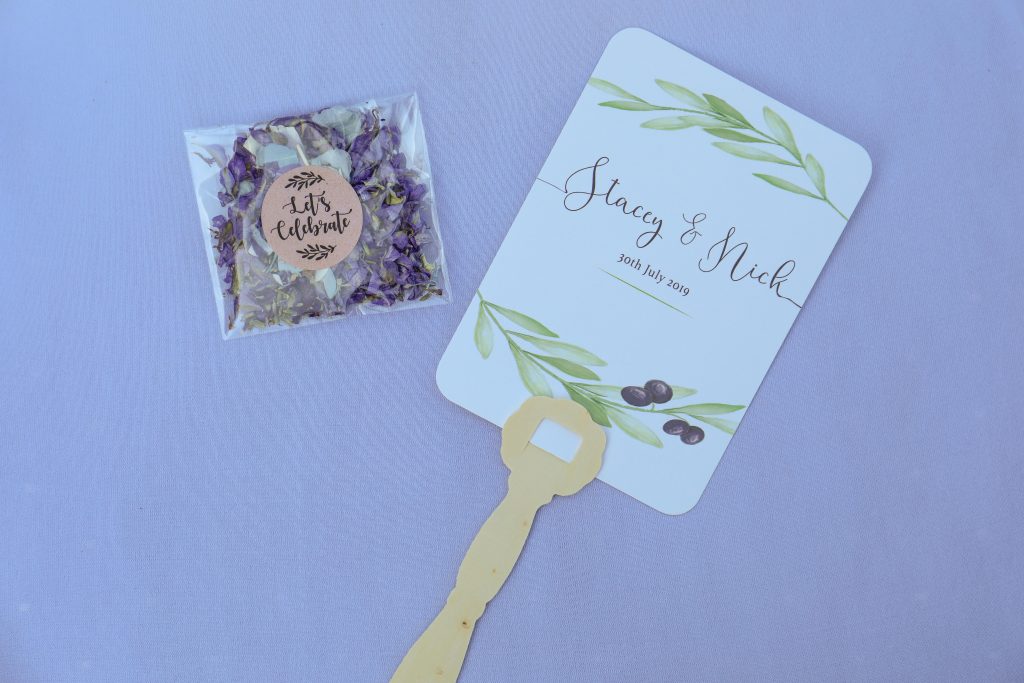
    Wedding invitations are a big deal! They ensure your guests have all the necessary information and they give people an idea of your theme. Essentially, the invitation is the first taste people will get of your special day. The last thing you want is to miss the mark with your first impression.

    There are a lot of considerations to remember when designing your wedding invitation. Not to mention the lengthy list of etiquette rules you need to follow.

    Here are some dos and don’ts of wedding invitations, to help you through the process:

    Do:

    – Ensure the invitations match your wedding

    Wedding invitations should match your wedding theme and colour scheme. This gives guests a good idea about what to expect.

    – Include directions 

    This added effort will be much appreciated by your guests. Never take for granted that people know the location or how to get there. Visitors from out of town will be especially grateful.

    – Put the Bride’s name first 

    Traditionally, wedding etiquette states that you should put the bride’s name first. This is a very small way to stick with age-old customs.

    – Be consistent 

    If you’re using formal language on your invites, keep it formal on other cards like the RSVP card or the save the date too. Similarly, stick to a colour scheme and theme.

    – Add an RSVP card 

    This will make it easier for guests to respond to your invitation. Put all necessary information on the card, including dietary requirements or menu choices, whether they will be bringing a plus one (if you’ve allowed them one) and whether they will be attending at all.

    Don’t: 

    – Add your wedding registry 

    It is considered quite rude to expect a gift for your wedding. Instead of adding the registry to your invite, include it on your bridal shower invites or on your wedding website.

    – Forget to keep one for yourself

    Your wedding invitation makes for a great keepsake. It’s a good idea to keep one for yourself, and perhaps have it framed.

    – Send them out too late 

    You’ll struggle to get RSVPs and many guests won’t make it if you send the invitations out too late. People need to plan ahead so they can be available and some may need to travel long distances to get to you! Remember that everyone is busy, be considerate about that and send out the invitations no less than 2 months prior to the wedding.

    – Be vague about who is invited 

    Put the full names of guests on the invitation. If somebody is allowed a plus one, indicate it clearly.

    If you’re having a child-free wedding, be clear about it. However, it is considered more polite to indicate that the wedding is an “adults reception” rather than stating “no kids”.

    – Forget important information 

    Names, dates, times, location. Add all of these things! If your reception is in a different location to the ceremony, indicate that. Anything that may affect the guests’ attendance is worth mentioning.

    Image: Unsplash 

    So your wedding day planning is coming together. You’ve got your vendors sorted out and your decor and attire is turning out perfectly. Now, you’re focusing on the finer details. Included in these details are the wedding vows.

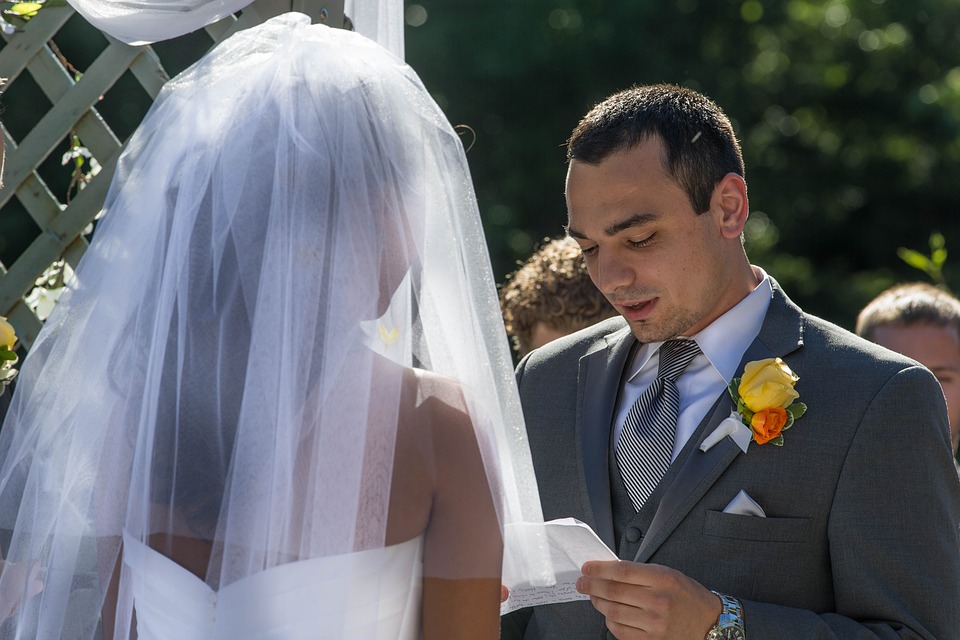
    Many couples find pleasure in writing their own wedding vows. They believe it’s more special, more personal, and a way to fully express what their partner means to them. For others, writing wedding vows is a nightmare. You’re concerned about what other people will think, if you’ll bore your guests, if you’ll speak for too long, the list of worries are endless.

    If you’re still uncertain about which way you’ll go, perhaps considering the pros and cons of both will help you make your final decision.

    Pros

    – Your guests will be interested 

    The traditional wedding vows have been heard a million times before. Since you will be presenting some fresh material, your guest are likely to listen more intently and hang on your every word.

    – The vows will be more personal 

    If you write your own wedding vows, they’ll come from your heart, from your experiences with your partner, and they’ll be based on your life together thus far. You could also talk about your hopes for the future, and paint a picture that the traditional wedding vows don’t allow.

    – You can add anecdotes to make it more special 

    This is probably the best part about writing your own wedding vows. You’re able to tell stories. These personal anecdotes add a uniqueness to your vows, as no couple has the same stories as you.

    Cons 

    – Public speaking is already difficult as it is 

    It’s likely you’ll be nervous on the day. You’ll stand in front of all your friends and family, on one of the biggest days of your life, and you’ll have to remember all those things you wrote down. It’s tougher than it looks!

    But if you stick with the traditional wedding vows, theres no chance of you stumbling on your words, forgetting what you wrote or losing your place on the page in front of you.

    – There is quite a bit of stress that comes with it 

    While writing you own wedding vows is a very special task to take on, it’s also quite stressful. You want to say all the right things, keep you audience interested, keep it short, be articulate, and the list goes on and on. This can be a lot of pressure.

    If it feels too much, opt for the traditional wedding vows.

    – You and your partner may have different styles 

    You and your partner may have vert different styles, and thus your vows may come across as a bit incompatible. Maybe you write a two page long set of vows, and your partner only writes a paragraph. This could be a bit awkward.

    Image: Pixabay 

    We all know that pets are part of the family! Perhaps you have adopted your furry friend as a couple, or maybe you’ve had them since you were a kid. However your fur baby came into your life, it’s likely you wouldn’t want to spend your special day without them.

    While you may want to dress the little guy up in a miniature suit fitted to your pet of choice and have him be the ring bearer, this may not always be possible, or comfortable for the animal. But fret not, there are other ways you can involve your pet in your wedding day.

    – Have a family photoshoot 

    https://www.instagram.com/p/B64nR-lhqTd/

    – Include them in a squad photo 

    https://www.instagram.com/p/B7HaOOmA4bY/

    – Let them keep you company at the altar 

    https://www.instagram.com/p/B4gMNrzFfzA/

    – Spend some quality time with them 

    https://www.instagram.com/p/B2sKaglluFO/

    – They can keep you company while you get ready 

    https://www.instagram.com/p/B4wubwMg1AD/

    – Represent them on your cake / in your decor 

    https://www.instagram.com/p/B6_CFwbFDiJ/

    – Let them bring you comfort and cuddles 

    https://www.instagram.com/p/B7sfegSB0jG/

    – Get them some comfy wedding attire (suits may be unpleasant for some animals due to heat and other things)

    https://www.instagram.com/p/B1oYfgGF4RD/

    – Give them a front seat in the audience 

    https://www.instagram.com/p/B0ZEh6gFEkV/

    – Use their faces for some photobooth fun 

    https://www.instagram.com/p/B7tp6nfFjVQ/

    – Let them add some humour

    https://www.instagram.com/p/B4NIpwFB13F/

    Image: Unsplash 

    On your wedding day, you want to look and feel your best. However, getting here requires work that often starts months before your big day.  Here are some tips to make sure you are looking and feeling your best come wedding day.

    Develop a consistent skincare routine and STICK TO IT!

    Hopefully you already have one in place, but it is important to have a skincare routine designed for your particular skin. Maybe you have oily skin, dry skin, or sensitive skin. Maybe you have discolouration, rosacea or fine lines. Regardless, there are many products created to cater for a multitude of skin types and concerns. Now, developing a skincare routine is not easy. It’s mainly just trial-and-error.

    While Koreans are famed for their 12-step routines, many dermatologists recommend a simpler skincare routine with three key steps: cleanse, tone, moisturise. Another thing dermatologists agree on is that SPF is the most important skincare product everyone should be using. Sunscreen protects your skin from the harmful UV rays of the sun. Many skincare and makeup products contain SPF, which makes it that much easier and leaves you with no excuse not to use it.

    Facials:

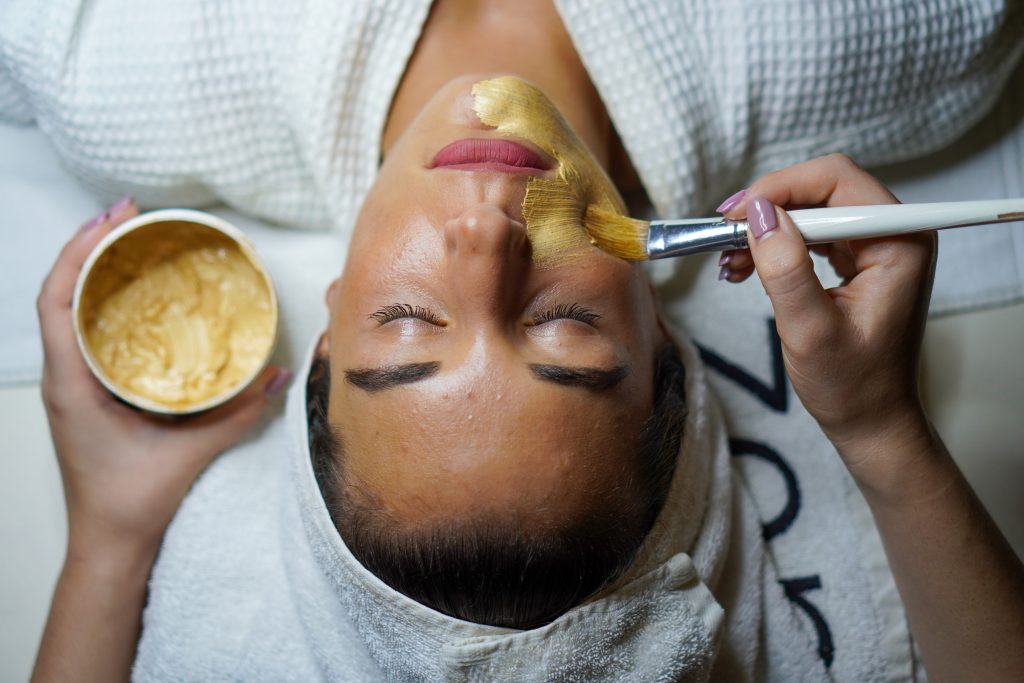
    Treat your skin to a facial with your regular aesthetician every month in the lead up to your wedding. When meeting your aesthetician, highlight what you want to focus on with the facials. It’s also important to speak up about your skin type. If you’ve got sensitive skin, your aesthetician has to be very careful about the types of products they use, and it’s the same for dry and oily skin.

    Importantly, make sure not to get a new facial the day before your wedding. Your skin might react weirdly and leave you with a nasty pimple on your big day. Leave yourself a couple of days for your skin to calm down and really reflect the benefits.

    Exfoliate:

    Get rid of those pesky dried skin cells with a weekly exfoliant that will leave your skin silky smooth. Exfoliants help your skin appear brighter and glowing, which is always a good thing. Be careful when choosing your exfoliant, as some can be too harsh on your skin.

    Importantly, over-exfoliating can leave your skin dry, flaky and irritated, so best avoid using this product more than three times a week. Usage will change depending on the strength of your exfoliator.

    Manage your stress

    I know it’s hard, but this one’s important. With all the wedding planning and small moving parts to keep track of, your skin and body is likely to show your internal stress. You need to keep stress at bay so that it doesn’t show up in your skin through a breakout. A host of other conditions like exzema and psoriasis can be worsened through stress.

    Consider sharing the load and delegating jobs to your bridal party to help out so that you don’t carry all the stress of event planning. If you have an event planner, that’s even better! It’s also a great idea to participate in some stress-relieving activities like yoga, painting or reading.

    Feature image: Pexels

    A wedding registry seems like one of the easiest tasks in preparation for a wedding. You go to a store, pick the items you think you need (or want) and have the store create a list with your name on it. It may, however, not be as simple as you think.

    There are a few common mistakes that couples make when it comes to the registry. These slip-ups could have your guests criticising and will have you cringing! Ensure that you steer clear of any awkward situations by avoiding these common registry mistakes.

    – Waiting too long to register 

    Once you get engaged, putting together a wedding registry should be on the top of your list of things to do! Ensure that you have this done within a month of your engagement. You’ll be receiving engagement gifts soon, and the registry will help people to get you a gift for the engagement too. Don’t worry about looking greedy, the registry is simply to help your guests, not to demand things from them.

    – Including the registry on the wedding invitation 

    This could make it seem as though you’re demanding a gift. After all, it isn’t compulsory for guests to give gifts.

    When you put the registry on the invitation it feels like you’re asking for a gift in exchange for entrance into the wedding. Many people will find it rude that you’ve added it.

    Instead, you could direct people to the registry via your wedding website or the save the date.

    – Only registering in one place 

    While registering at only one store is probably the easiest option for you, it probably will be inconvenient for your guests. Some guests will want to buy gifts at real stores instead of online and some may be too far away from the one physical store you’ve chosen.

    Be sure to have one or two online stores and one or two physical stores with your registry. Limit the amount of stores to three or four. Too many stores could also be a bad idea, as this may make you look greedy or self-indulgent.

    – Asking directly for cash 

    Here, it’s more about tact than anything else. These days it’s okay to ask for money if you do it in the right way. You shouldn’t directly say that you want money.  However, you can indicate that you will be happy to receive contributions to a down payment on your new home or to your dream honeymoon.

    The trick is to choose your words wisely and ensure that you’re showing people that their money will go to good use.

    – Not varying the prices of gifts 

    Putting only expensive, dream items on your list may be a bit presumptuous. Remember that some people may not be within the means to buy you an expensive gift, and some simply may not want to. A colleague, for example, wouldn’t want to splurge on a wedding gift for you.

    Similarly, don’t assume that nobody will buy you one of those dream items on your list. Add a few! Maybe a few people will come together and get one big gift, or maybe your siblings are so happy for you that they decide to go all out.

    Add a good variety of gifts to the registry, with prices from very low to quite high.

    – Not writing thank you notes

    While this is not registry related, it is gift related and failing to send out thank you notes is a big no-no!

    Keep track of who gives you what, to make the thank you note process easier. After the wedding, you have no more than three months to get your thank you notes sent out. Don’t put it off!

    Also read: Wedding gifts for every budget

    Feature image: Pexels

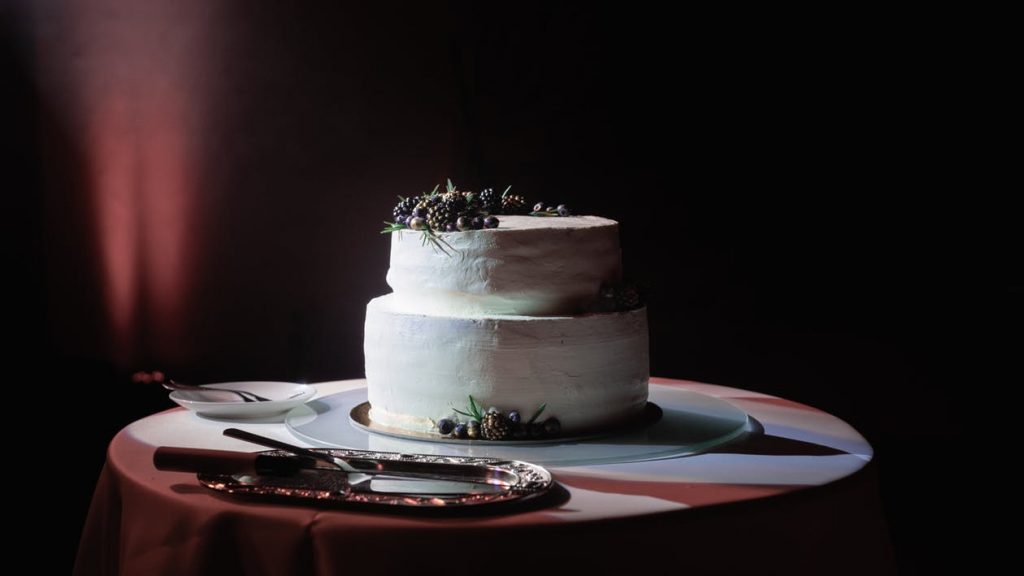
    One of the wedding traditions that have stood the test of time is the preservation of the top tier of a wedding cake. Couples save the top tier of their wedding cakes and eat it on their one-year anniversary. It may sound impractical, but we’re here to show you how to do it!

    Before we get to the tips for preserving your wedding cake, perhaps a little background on the tradition is necessary. These days, saving your cake for a year is understood as an omen for good luck. But where does the tradition come from?

    The story of cake preservation has two short parts. The first is that having a child in the first year of marriage was much more common in years gone by. For this reason, a couple would prefer to save a part of the wedding cake for the celebration of the birth of their child instead of getting a new cake.

    The second part of its story goes back to the 19th century and follows the actions of Queen Elizabeth II (or Princess Elizabeth at the time). When the Princess married Prince Philip in 1947, they had a three-tier cake. Each tier had a designated purpose – the bottom tier was to be cut at the wedding, the middle was to be sent off as a gift, and the top tier was to be saved for a future occasion. The future occasion here was the presumed upcoming birth of a child.

    Now, instead of saving it for the birth of the first child, the couple saves it for the first anniversary which is usually much closer in time to the wedding. The tradition seems to have stuck as a symbol of bringing the past into the present and of celebration.

    So, how do you preserve your top tier? Here are a few tips:

    – Decide on preserving it in advance 

    To ensure that the top tier doesn’t get cut on your wedding day, let your caterer know that you’ll be preserving it well before the ceremony. Deciding on preserving the cake early also helps you decide on fillings which may be longer lasting than others or decorations and designs that are able to withstand a year in the freezer.

    – Remove ornaments and flowers (real or sugar) 

    When you wrap the cake, it needs to be airtight.  The extra decorations will prevent the cake from being wrapped airtight.

    – Chill the cake 

    As soon as you get a chance, pop the cake in the freezer. This allows the cake to harden and preserve the icing properly. Ensure that there are no soft bits around the cake before you take it out of the freezer.

    – Double wrap it 

    First, wrap the cake with plastic. Push the plastic onto the cake so that there are no air bubbles. Then cover it again with foil. This ensures that nothing can get in. It also helps to ensure that other things in the freezer don’t pass their smells or tastes onto your cake.

    – Freeze

    Once the cake is tightly wrapped, label it (to ensure it doesn’t get mistaken for something else) and pop it in the freezer!

    – Eat later 

    Once your first anniversary comes, you’ll defrost the cake. Take the cake out of the freezer the day before your anniversary and keep in the fridge overnight. Then take it out of the fridge and leave it at room temperature for about 5 hours. Thereafter, it’ll be ready to eat!


    Many couples want to participate in this tradition but, for whatever reason, prefer not to save the cake. If you don’t see yourself saving the cake, but still want the sentiment and symbolism that comes with this tradition on your first anniversary, chat to your caterer and let her know that in a year you’ll be ordering an identical top tier. You may end up receiving a special deal or a totally free top tier!

    Image: Pexels