If you’ve ever quietly slipped out of a party without saying goodbye to everyone in the room, chances are you’ve done what’s known as an Irish exit.


If you’ve ever quietly slipped out of a party without saying goodbye to everyone in the room, chances are you’ve done what’s known as an Irish exit.
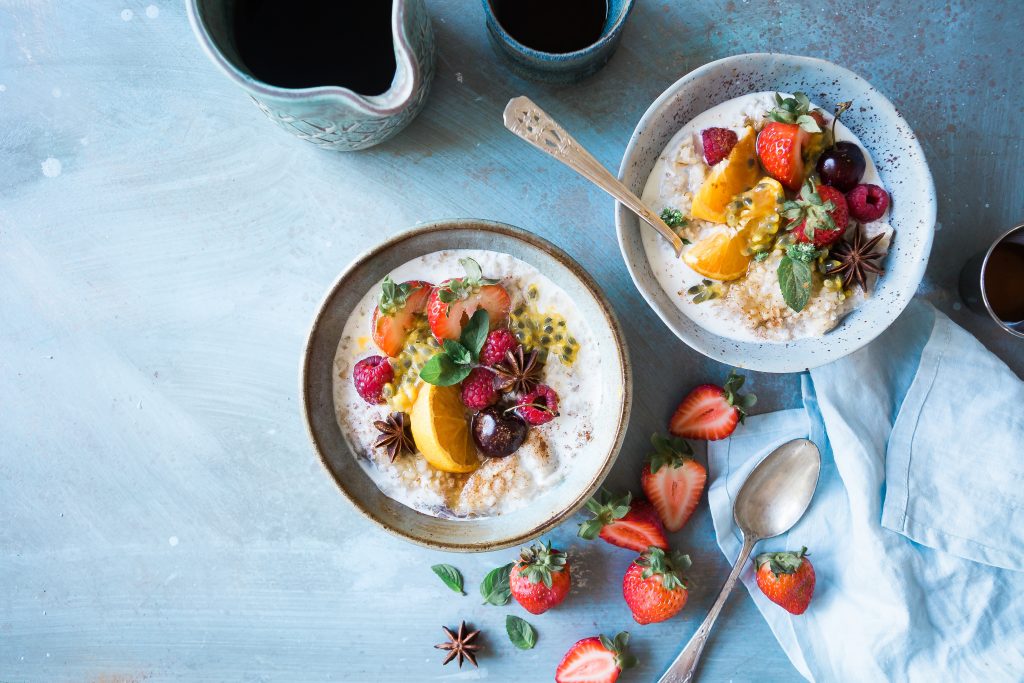
Feeling your absolute best on your wedding day is non-negotiable. We asked Loredana Loots, an integrative nutrition and holistic health coach, for her advice on what to eat before and on your wedding day:
“With only a few days to go and a whirlwind of emotions, arrangements and final prep, you may (understandably) not give much thought about what you are eating and drinking. What you consume actually has a major impact on how feel – physically, mentally and emotionally. Every couple deserves to look and feel like a million bucks on their special day. These handy food secrets are a must!

Technology is undoubtedly a massive part of our lives in this day and age. Our phones are practically extensions of our arms and we can’t go without checking in to our social media once a day. Most of our memories are made by captured moments on our digital devices and not by living in those moments. This can frustrate people who would rather be doing the latter, especially when it comes to significant occasions such as weddings.

Not sure what the wedding guest dress code means exactly? Here are some guidelines from black tie to garden party weddings.

Let’s be honest, we all know a few. Wedding superstitions have been around for centuries. The question is, do you believe in them? Not seeing your loved one the night before the big day, lest the groom changes his mind at the last minute, is a widely-known superstition.
Here are a few superstitions you may not have come across:

This is vital information for every bride and some grooms too. Being prepared means that you’re already one step ahead of any emergency that might pop up on your wedding day. Keep these essentials handy to ensure you’re ready for any mishap thrown your way:

One of the most difficult parts of planning your wedding food is deciding whether you want a buffet or plated meal. We’ve laid out the pros and cons so you can easily decide what’s best for you.
A PLATED MEAL
The facts
A plated meal is the more traditional meal option, where your guests are each served three courses, plus canapés before the reception. Caterers will usually give guests an option of two to three main meals (with a vegetarian option as one of them).
The pros
All of your guests get their food at the same time. Since you know what everyone is eating, caterers will only buy for that amount of people, which makes it a more cost-effective option. You can also plan the entertainment – dancing, speeches and any surprises – in-between each course.
The cons
It needs more waitstaff, which can get expensive (if your wedding package includes servers, however, this won’t be a concern). And more than likely, you and your partner will choose options based on what you love to eat, which may not appeal to everyone.
A BUFFET
The facts
Self-serve stations are set up. You can also hire servers to stand behind each warmer and dish up for the guests, which tends to be more hygienic and controlled. It is the non-traditional, more casual catering option.
The pros
Fewer servers will be needed and you can cut catering costs. You will also be able to serve more food options – which is a good idea, considering all the allergies, diets and intolerances guests may have. It encourages guests to mingle and chat, creating a relaxing atmosphere before party time.
The cons
Whether tables take turns heading up to the buffet or a long line forms, your guests will have to queue and wait for their food. If the buffet is not included in your catering package, you will have to rent the tables, linen, serving platters and warmers, which can be costly. People will always dish up more if they serve themselves, and caterers know this – the extra food purchased will beef up your catering bill. Guests milling around carrying plates laden with food may not bring the sense of elegance to the occasion that most couples would like.
ALSO SEE: Wedding ceremony tips to know before you walk down the aisle
Wedding ceremony tips to know before you walk down the aisle
Feature image: Unsplash

Families come in all shapes and sizes, colours, breeds, and species too. Furry companions have become integral parts of our closest circles. Considered to be children by many couples – pooches, ponies, and parrots, to name a few, not only make it onto the guest list but have become key players at many weddings.

If your wedding falls during Ramadan and you have Muslim guests, you might wonder how to make the experience a respectful one for them during this time. With a little thought, you can ensure everyone feels included while you enjoy your day. These simple tips help you plan a wedding during Ramadan that works for all your guests.
Time it right
Avoid food-focused moments like canapés, cocktail hour or dinner before sunset if you can. Ramadan shifts each year, so sunset (iftar) times change daily and by city. Check a local timetable online. Even noting sunset on your programme helps guests plan.
Offer simple iftar
A small iftar table at sunset is thoughtful. Dates, water, juice or light snacks — enough to break the fast comfortably.
Talk to your caterer
Let your caterer know in advance about fasting guests and halal meal requests. Keep meals warm or plated later if needed. Small adjustments go a long way.
Cocktail hour before sunset?
If you have a cocktail hour before sunset, provide comfortable seating and social spaces so fasting guests can enjoy themselves without focusing only on food.
Provide quiet spaces
Some guests may want to pray after sunset. A small, private room is helpful. Not mandatory, just considerate.
Share information in advance
Mention that your wedding falls during Ramadan on your website or invitations. Let guests know you’ve considered fasting and halal options. It helps them plan and shows respect.
Don’t assume everyone is fasting
Children and those with health reasons may not fast. Flexibility is key, so focus on consideration, not assumptions.
Small gestures count
A quick check-in with Muslim guests before the day — asking if there’s anything that would make it easier — is often appreciated more than any big arrangement.
ALSO SEE: 7 quirky wedding ideas perfect for summer
Feature image: Pexels
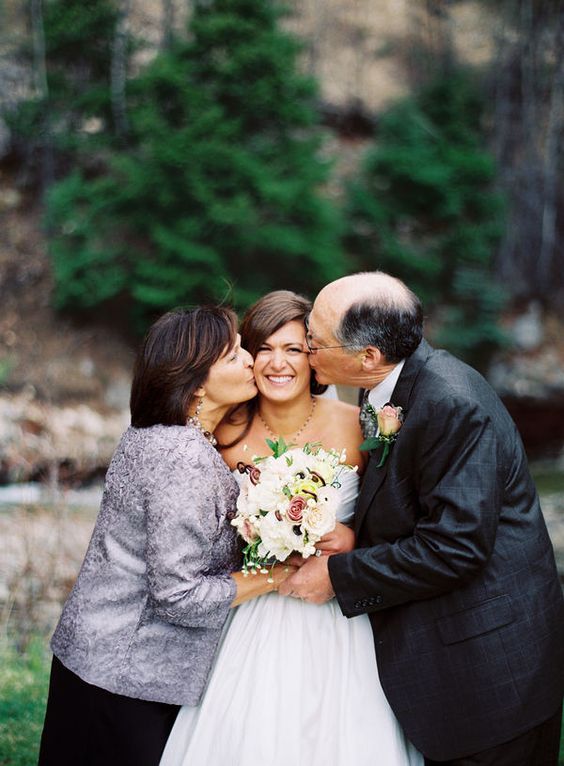
Letting your family help out with all the wedding planning can be fun, exciting, and a relief. But they can often become too involved and start taking over, causing unnecessary drama and stress before the big day. It’s important to set some boundaries while still letting your loved ones know that their help is appreciated, which is why we’ve come up with simple solutions to getting everyone involved without it turning into a family takeover,
1. KEEP IT SPECIFIC
Assign your family members certain tasks to complete, making sure they keep you informed with their progress. This can be anything from making invitations to table decorations, leaving you to sort out the bigger decisions.
2. COMMUNICATION
Keep in contact with your family about your decisions and the progress of the wedding planning. This will allow them to feel like they are a part of it all, and that you value their opinion. It’s also important to speak up when you are unhappy, but approach it in a calm and gentle way.
3. COMPROMISE
If your parents are footing some of the bill, they’ll want to have a say in some of the arrangements. Welcome their ideas, but also explain your and your fiancée’s vision for your wedding before you get started.
4. GET YOUR WEDDING PLANNER INVOLVED
If you’re feeling overwhelmed with pressure from all sides, get your wedding planner to step in and act as a buffer between you and your family. This will also give them the opportunity to update everyone on the wedding progress and what plans are in place to achieve your vision.
5. OFF LIMITS
Keep certain aspects of the wedding planning decisions off limits. This doesn’t mean you can’t involve your family or keep them in the loop, but be strictly clear that it is for you to decide. This can be about your guest list, the dress, or wedding cake. To counter any protests, give your family something they are passionate about, such as the catering or wedding stationery.
ALSO SEE: Relaxing bachelorette party ideas for the chilled bride
Image: Unsplash