• Category

    Advice

    Category

    In recent years, weddings have begun to evolve beyond a single day of celebration. Increasingly, couples are choosing to transform their weddings into full weekend experiences, gatherings that allow friends and family to come together, connect and celebrate over several days rather than just a few hours. This extended format not only deepens the guest experience but also contributes to increased demand for local accommodation, hospitality services and nearby attractions. This shift has given rise to what many in the industry are calling the “wedding weekend” – a growing trend that places as much emphasis on shared experiences as it does on the ceremony itself.

    One of the main reasons couples are embracing the wedding weekend concept is the desire to spend more meaningful time with their guests. Traditional weddings often move at a fast pace, with the day unfolding in a blur of greetings, photographs and formalities. By extending celebrations across an entire weekend, couples are able to slow the pace, creating opportunities for genuine connection with the people who have travelled to celebrate alongside them. For many destinations, this also means guests are staying longer and engaging more with the surrounding area.

    What does a wedding weekend look like?

    A typical wedding weekend often begins with a relaxed welcome gathering on the Friday evening. Rather than a formal rehearsal dinner, many couples are opting for casual drinks or a laid-back dinner where guests can meet one another and settle into the celebratory atmosphere. This opening event sets the tone for the weekend and allows guests who may not know each other to connect before the main celebration begins. These additional gatherings often create further opportunities for local caterers, venues and service providers to be part of the celebration.

    Saturday naturally becomes the centrepiece of the weekend, with the ceremony and reception taking place against the backdrop of a more relaxed schedule. Because guests are already on-site or nearby, there is less pressure on strict timelines. Couples can take their time with the ceremony, enjoy unhurried photo sessions and create a reception that unfolds at a comfortable, celebratory pace.

    Sunday often provides a gentle conclusion to the celebrations, typically with a farewell breakfast or brunch where guests can gather one last time before departing. These final moments tend to be among the most memorable, offering couples the opportunity to thank their guests personally and reflect on the weekend’s highlights.

    What makes the wedding weekend particularly special, however, are the experiences that happen between the main events. Many couples are incorporating informal activities that allow guests to explore the surroundings and enjoy the destination together. This could include garden lunches, guided walks, wine tastings or simply relaxing in scenic surroundings with a drink in hand. These activities could encourage collaboration with local guides, producers and tourism operators, further benefiting the surrounding community.

    Food and hospitality play a central role in shaping the atmosphere of a wedding weekend. Rather than focusing on a single formal meal, couples can create a series of culinary moments throughout the celebration, from welcome cocktails and canapés to beautifully prepared dinners and relaxed brunches the following morning. This layered approach allows guests to savour the experience and enjoy the occasion without feeling rushed.

    A wedding weekend at Granny Mouse Country House & Spa

    Naturally, the success of a wedding weekend depends greatly on the setting. Venues that offer accommodation, picturesque surroundings and a variety of spaces for both formal and informal gatherings are particularly well suited to this style of celebration. In regions such as the KwaZulu-Natal Midlands, venues like Granny Mouse Country House & Spa provide the kind of relaxed countryside atmosphere that allows wedding weekends to unfold effortlessly, with gardens, intimate ceremony spaces and comfortable accommodation all within easy reach.

    Ultimately, by creating space for connection, laughter and celebration over several days, couples can savour every moment. Their guests, in turn, become part of something truly special, with extended stays that naturally contribute to the local economy.

    If the perfect weekend wedding is what you’re after, then contact the Granny Mouse team at [email protected]

    ALSO SEE: How (and when) to greet your wedding guests

    How (and when) to greet your wedding guests

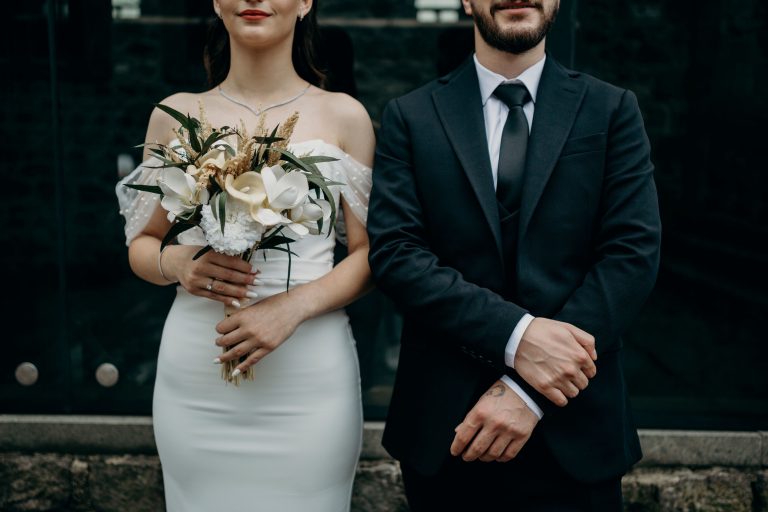
    Featured image: Stacey Vandas/Pexels

    Words: Supplied by My Word PR.

    One of the wedding traditions that have stood the test of time in some relationships is the preservation of the top tier of a wedding cake. Couples save the top tier of their wedding cakes and eat it on their one-year anniversary. It may sound impractical, but we’re here to show you how to do it!

    Before we get to the tips for preserving your wedding cake, perhaps a little background on the tradition is necessary. These days, saving your cake for a year is understood as an omen for good luck. But where does the tradition come from?

    The story of cake preservation has two short parts. The first is that having a child in the first year of marriage was much more common in years gone by. For this reason, a couple would prefer to save a part of the wedding cake for the celebration of the birth of their child instead of getting a new cake.

    The second part of its story goes back to the 19th century and follows the actions of Queen Elizabeth II (or Princess Elizabeth at the time). When the Princess married Prince Philip in 1947, they had a three-tier cake. Each tier had a designated purpose – the bottom tier was to be cut at the wedding, the middle was to be sent off as a gift, and the top tier was to be saved for a future occasion. The future occasion here was the presumed upcoming birth of a child.

    Now, instead of saving it for the birth of the first child, the couple saves it for the first anniversary which is usually much closer in time to the wedding. The tradition seems to have stuck as a symbol of bringing the past into the present and of celebration.

    So, how do you preserve your top tier? Here are a few tips:

    – Decide on preserving it in advance 

    To ensure that the top tier doesn’t get cut on your wedding day, let your caterer know that you’ll be preserving it well before the ceremony. Deciding on preserving the cake early also helps you decide on fillings which may be longer lasting than others or decorations and designs that are able to withstand a year in the freezer.

    – Remove ornaments and flowers (real or sugar) 

    When you wrap the cake, it needs to be airtight.  The extra decorations will prevent the cake from being wrapped airtight.

    – Chill the cake 

    As soon as you get a chance, pop the cake in the freezer. This allows the cake to harden and preserve the icing properly. Ensure that there are no soft bits around the cake before you take it out of the freezer.

    – Double wrap it 

    First, wrap the cake with plastic. Push the plastic onto the cake so that there are no air bubbles. Then cover it again with foil. This ensures that nothing can get in. It also helps to ensure that other things in the freezer don’t pass their smells or tastes onto your cake.

    – Freeze

    Once the cake is tightly wrapped, label it (to ensure it doesn’t get mistaken for something else) and pop it in the freezer!

    – Eat later 

    Once your first anniversary comes, you’ll defrost the cake. Take the cake out of the freezer the day before your anniversary and keep in the fridge overnight. Then take it out of the fridge and leave it at room temperature for about 5 hours. Thereafter, it’ll be ready to eat!

    Many couples want to participate in this tradition but, for whatever reason, prefer not to save the cake. If you don’t see yourself saving the cake, but still want the sentiment and symbolism that comes with this tradition on your first anniversary, chat to your caterer and let her know that in a year you’ll be ordering an identical top tier. You may end up receiving a special deal or a totally free top tier!

    ALSO SEE: Your guide to the perfect wedding seating plan

    Your guide to the perfect wedding seating plan

    Image: Pexels

    When deciding on an MC for a wedding, many opt for their closest and loudest friends to lead the day. However, being the Master of ceremonies is a top job, and not everyone is cut out for it.

    If you’ve been asked to MC but you’re a bit nervous, fear not. All you need is some pre-planning and a lot of courage. Here are some tips to make sure you are on top of your game come wedding day.

    Fewer laughs, more sentimentality

    Weddings are all about sentimentality, so why not lean into it? Of course, you want to get guests laughing but humour is subjective, and some jokes will likely fail. This is why its best to be sincere and focus on the love of the bridal couple.

    Get the names right

    The most crucial rule with MCing is to get your facts right. There are many people involved in a wedding, and it’s easy to get things wrong if you’re not careful. Make sure you know how to pronounce the names and surnames of everyone giving a toast – you don’t want to offend your bestie’s new father-in-law!

    Custom-build your speech

    Don’t just turn to Google to write your speech and recycle the same tired jokes people have come to expect from weddings. Instead, spend some time thinking about what you’re going to say and get creative. It will help if you focus on the couple. Identify what is unique about them and their relationship, and then create something special based on that. 

    Keep an eye on the programme

    It’s always better to have a plan or programme of events written down to guide you on the day. Even if you know everything you need to say off by heart, having it written down will help to reassure you when your task begins. The running order and timing are extremely important. It is your job as MC to ensure that the guests are never left waiting for something, or that the food does not come out 20 minutes before it should be served. Know your schedule and keep to it.

    Be interactive

    Read through your speech as often as you can before you take the stage. This will ensure that you don’t spend the entire time looking down at a script. It will give you a chance to interact with the audience and make sure you use that shining personality that the bride and groom love about you! Remember, however, that you don’t have to stick strictly to your speech.

    Most importantly, no matter what happens, try to relax and enjoy the day. Just because you’re working the day, doesn’t mean you can’t have fun!

    ALSO SEE: Your guide to the perfect wedding seating plan

    Your guide to the perfect wedding seating plan

    Feature image: Pexels

    Finalising your guest list is where wedding planning starts to feel very real  (and very personal). Between budgets, venue limits and family expectations, deciding who gets a plus-one can quickly become one of the trickiest parts of the process.

    The good news? There’s no one-size-fits-all rule. With a clear approach (and a little confidence), you can make decisions that feel fair, thoughtful and aligned with your vision for the day.

    What is a wedding plus-one, really?

    A “plus-one” simply means a guest is invited to bring someone along — usually a partner, but sometimes a date or companion. It’s a lovely gesture, but not a requirement for every guest.

    Start with your non-negotiables

    Before diving into individual decisions, get clear on your limitations:

    • Budget: Every extra guest affects catering, seating and rentals
    • Venue capacity: Space will naturally cap your numbers
    • Wedding style: A large, lively celebration vs an intimate gathering

    Once you know your boundaries, it becomes much easier to make consistent calls.

    Who should get a plus-one?

    While every wedding is different, there are a few widely accepted guidelines that help keep things fair and respectful.

    Couples in committed relationships

    If a guest is married, engaged or in a long-term relationship, it’s generally expected to include their partner, even if you’ve never met them. It acknowledges their relationship as a meaningful part of their life.

    Your bridal party

    Your inner circle has likely shown up for every fitting, plan and pre-wedding moment. Offering them a plus-one is a simple but meaningful way to say thank you.

    Guests travelling or coming solo

    If someone is travelling far or won’t know many people at your wedding, allowing them to bring a guest can make the experience far more comfortable and enjoyable.

    Close friends and immediate family

    For your nearest and dearest, a plus-one can feel like a natural extension of their invite, even if they’re not in a serious relationship.

    Who doesn’t necessarily need one?

    This is where it gets a little more flexible and where your discretion comes in.

    Guests in casual or new relationships

    If someone has only recently started dating, you’re not obligated to extend a plus-one. You can always reassess closer to the wedding if things become more serious.

    Singles who know plenty of guests

    If your friend group overlaps or your family is tight-knit, solo guests are unlikely to feel alone — meaning a plus-one isn’t essential.

    Coworkers or distant connections

    If you’re inviting colleagues or acquaintances, it’s perfectly acceptable to keep the invite limited. Just make sure you’re consistent across the group.

    The golden rule: be consistent

    If there’s one thing that avoids awkward conversations, it’s consistency.

    For example:

    • All married and cohabiting couples get a plus-one
    • Only the bridal party receives one regardless of relationship status
    • Or, no plus-ones beyond serious relationships

    Whatever you decide, apply it across the board. It makes your choices easier to explain and easier for guests to accept.

    How to make it clear on your invitations

    Your invitation should do the talking for you.

    • Named guest only? That person is invited solo
    • “And Guest”? They have a plus-one
    • Both names listed? You’re inviting a specific couple

    You can also clarify your policy on your wedding website to avoid any confusion (or last-minute requests).

    When you can’t offer everyone a plus-one

    If your guest list is tight, don’t feel guilty. It’s completely acceptable to limit plus-ones, especially if you’re prioritising intimacy or working within a strict budget.

    If guests ask, a kind and honest response goes a long way: “We would have loved to include everyone, but due to venue limitations, we’ve had to keep things quite intimate.”

    ALSO SEE: Wedding guest dress code explained

    Wedding guest dress code… explained

    Feature image: Pexels

    If you’ve just made it past the potential minefield that is the guest list, here’s your next challenge: How are you going to seat everyone? Round tables? Long ones? One long banquet table? Goodness. Read on to set your mind free from all these decisions…

    1. DANCE FLOOR FIRST!
    This is your starting point. The most popular – and effective – option is to plonk your dance floor in the centre of the room. Then you’ll position the band or DJ against the wall. If your venue doesn’t allow for this, you can place the dance floor at one end of the room, centred and backed up against a wall.

    2. FIND YOUR TABLES
    Choose the shape and size of your tables – but regardless of this, make sure the two of you are in a central spot that your guests can see. Figure out how many guests fit at each table, to determine how many tables you will need.

    3. THE FLOOR PLAN
    Start with yourself and your SO – you get the best seats in the house, whether that means with the best view or closest to the bar (it’s been a long few months!) Then arrange your tables as symmetrically as possible – in a U-shape around the centre dance floor or fill one end of the space (if the dance floor is on the one side).

    4. VIPs
    Reserve the tables closest to the two of you for your immediate families, and set aside tables further from the band/DJ for older guests. The less desirable seats should be saved for your friends. Keep people together who will enjoy the time together – perhaps there are family members who haven’t seen each other in a while?

    5. THE BAR
    This will also be dependent on your venue, but as a rule of thumb, the bar should be away from the entrance to avoid possible congestion. If you have more than one bar (one bar with two bartenders for every 100 guests is a good point of measure), then position one close to the dance floor and another one on the other side of the room.

    6. ARRANGE THE NAMES
    Now that the hard work is over, how are you going to let your guests know where to sit on the day? If you have more than 75 guests, displaying their names in alphabetical order is the most convenient option, to eliminate confusion and unnecessary time spent at the seating chart. To make it more exciting, give each guest a refreshing cocktail or glass of bubbly along with their table number – it really sets the tone for a festive reception!

    ALSO SEE: How to save money on wedding flowers without sacrificing style

    How to save money on wedding flowers without sacrificing style

    Written by Claire Davies for Wedding Etc. Summer 2020

    Feature image: Pexels