• Category

    Advice

    Category

    New data from Statistics South Africa (Stats SA) highlights a clear shift in South Africa’s relationship landscape: fewer people are getting married, while divorce rates are increasing, with women continuing to file for the majority of cases.

    But beyond the numbers, the data also points to something more meaningful: couples are approaching marriage with greater intention, and individuals are making more informed decisions about long-term commitment.

    Marriages continue to decline

    In 2024, South Africa recorded 102 373 marriages and unions, down 2.6% from 2023. Since 2015, marriages have decreased by 28.5%.

    Civil marriages followed the same pattern, declining to 97 510 in 2024. This steady drop suggests that many couples are choosing to marry later, taking more time before formalising their relationships.

    Divorce numbers are rising

    A total of 24 202 divorces were granted in 2024 — an 8.9% increase from the previous year.

    Women filed for 57.2% of these divorces, continuing a consistent trend. This reflects greater access to legal processes, as well as increased financial independence and decision-making power.

    Provincial breakdown

    Divorce cases initiated by women were highest in Gauteng (31.0%), followed by the Western Cape (18.6%) and KwaZulu-Natal (13.8%).

    Who is filing for divorce?

    Most women filing for divorce in 2024 were ending their first marriage (89.1%). The highest number of divorces occurred among women aged 40 to 44, followed by those aged 35 to 39.

    In most cases (70.7%), women were younger than their spouses.

    Employment and independence

    Of the women who filed for divorce, 44.6% were employed, many in professional, technical, managerial, and administrative roles. Financial stability gives individuals more control over major life decisions, including whether to stay in a marriage.

    When marriages end

    The largest share of divorces (26.7%) occurred in marriages lasting five to nine years, followed by 10 to 14 years (21.3%). Overall, 41.7% of divorces involved marriages that lasted less than a decade.

    A shift towards intentional commitment

    While the number of marriages is declining, the data suggests a move towards more considered, intentional unions. Many couples are choosing to marry later, after establishing careers and gaining life experience.

    ALSO SEE: (Don’t) put a ring on it

    (Don’t) put a ring on it

    Feature image: Pexels

    Once upon a time, your wedding memories lived in a carefully curated album and a highlight video you’d eagerly wait weeks to receive. Today? Your wedding day can live online before the last glass of champagne is poured. Enter the wedding content creator — the industry’s newest (and fastest-growing) must-have.

    From TikTok-worthy transitions to candid, blink-and-you’ll-miss-it moments, this new wave of creatives is reshaping how couples experience and remember their big day. And no, it’s not just for influencers.

    What is a wedding content creator?

    A wedding content creator is a professional hired to capture your day through a social media lens. Think vertical videos, iPhone footage, behind-the-scenes snippets, and real-time storytelling.

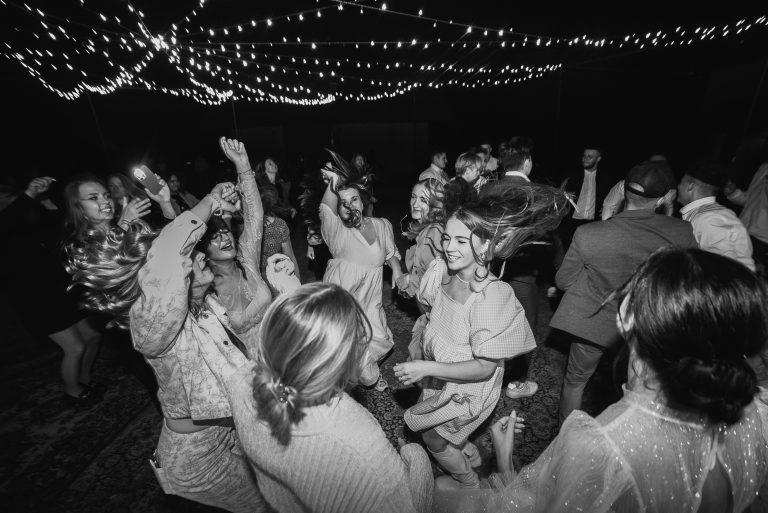
    Unlike traditional photographers or videographers, their focus isn’t editorial perfection; it’s immediacy and authenticity. They’re there for the in-between moments: the laughter before you walk down the aisle, the outfit changes, the dance floor chaos, the quiet glances no one else notices.

    In short, they document what your guests would have posted — but better.

    Not a replacement, though

    Let’s get one thing straight: wedding content creators are not here to replace photographers or videographers.

    Your photographer captures timeless, frame-worthy images. Your videographer crafts a cinematic narrative. A content creator, on the other hand, fills in the gaps by delivering raw, unfiltered moments that feel real and deeply personal.

    It’s less about choosing one over the other, and more about building a dream team that captures your day from every angle.

    Why wedding content creators are trending

    The social media shift

    Weddings have become inherently social. From proposal announcements to “get ready with me” reels, couples are documenting every step of their journey.

    Even those who wouldn’t consider themselves content creators are now thinking in terms of shareable moments.

    And with platforms prioritising short-form video, having someone who understands trends, timing, and storytelling is invaluable.

    Instant gratification is everything

    One of the biggest appeals? Speed.

    Instead of waiting weeks (or months), couples can receive content within 24 to 48 hours. That means:

    • Posting your first wedding reel while the excitement is still fresh

    • Reliving moments almost instantly

    • Sharing highlights with guests (and those who couldn’t attend) in real time

    The beauty of the unscripted

    There’s something undeniably special about the moments that aren’t planned.

    These are the memories that often mean the most — the ones you didn’t even realise were happening.

    The rise of unplugged weddings

    More couples are opting for unplugged ceremonies, asking guests to put their phones away and be fully present.

    But that doesn’t mean missing out on candid content.

    A wedding content creator ensures everything is still captured without a sea of phones in your aisle photos.

    Is it worth it?

    The short answer? It depends on how you want to remember your wedding.

    If you love the idea of:

    • Reliving your day instantly

    • Having content ready to share

    • Capturing candid, unfiltered moments

    • Telling a more complete story

    …then a wedding content creator might just be your favourite vendor.

    Even for couples who aren’t active on social media, the appeal lies in access — having a bank of real, emotional, beautifully imperfect moments to look back on.

    ALSO SEE: Get creative with your wedding dress after the big day

    Get creative with your wedding dress after the big day

    Feature image: Jonathan Borba/Pexels

    While much of the planning attention often centres on the bride, the groom has an important role to play too. A few simple preparations can help you look sharp, feel comfortable and stay calm throughout the celebration. These tips will help ensure everything runs smoothly before (and while) you say “I do”.

    Bring a spare shirt

    Weddings can be emotional, busy and sometimes warm. Between nerves, hugs and dancing, it’s easy to sweat through a shirt. Pack a second crisp shirt so you can change before the reception or photos later in the day.

    Empty your pockets

    Phones, wallets, keys and loose change can create awkward bulges in suit trousers and they will show in photos. Before the ceremony and portraits, do a quick pocket check and hand essentials to a groomsman.

    Break in your shoes

    Brand-new dress shoes might look great, but they can quickly become uncomfortable. Wear them around the house a few times before the wedding to soften the leather and avoid blisters.

    Do a full outfit trial

    Try on your entire outfit before the big day, from tie or bowtie to cufflinks and shoes. A quick dress rehearsal ensures nothing is missing and helps you feel confident getting ready on the morning of the wedding.

    Prepare your accessories

    Small details complete the look. Lay out your cufflinks, watch, belt, tie clip and pocket square the night before so you’re not rushing to find them while getting dressed.

    Practise your speech

    If you’re planning to give a speech, run through it a few times beforehand. You don’t need to memorise every word, but feeling familiar with the flow will help calm nerves and make the moment feel more natural.

    Keep a small groom kit

    A simple emergency kit can save the day. Include items like deodorant, breath mints, tissues, a lint roller and stain remover wipes and ask a groomsman to keep it nearby.

    Trim and groom ahead of time

    Schedule haircuts or beard trims two to three days before the wedding. This allows everything to settle so you look polished but natural in photos.

    Assign a trusted groomsman

    Give one groomsman the responsibility of holding essentials like the rings, vows or your phone. It keeps your pockets empty and your mind free from small worries.

    ALSO SEE: Wedding ceremony tips to know before you walk down the aisle

    Wedding ceremony tips to know before you walk down the aisle

    Feature image: Pexels

    For centuries brides have worn veils for a number of symbolic and religious reasons. From warding off evil spirits in ancient Greece to displaying a woman’s virtue in Christianity, the veil has become a traditional wedding garment.

    But this doesn’t mean that they’re mandatory. Many brides opt not to wear a veil on their wedding day, choosing to go with stunning clips, grips and headbands instead. If you’re undecided, here’s a guide to help you make your choice.

    Changing your surname to your partner’s last name is often a custom that is expected and not discussed until someone questions why. In a shift away from tradition, it is becoming more common for partners to keep their own surnames and ditch the admin that comes with changing your name.

    Where the tradition stems from

    Historically, it all started in medieval England where people were known by their Christian names – just a first name. It started to go pear-shaped when names were recycled and there were more than one person with the same name. To distinguish between individuals as well as families, a second name, or surname rather, was chosen for the familial ‘group’ according to occupation or location. It was only later that women who got married had to take on the surname of the man purely based on superiority and patriarchy. This meant the woman had no legal identity apart from the man, and of course the same went for a newborn baby girl who automatically took her father’s surname. Women couldn’t vote, sign a contract, be independently recognised or even start a business if they did not take their husband’s surname.

    Changing your name

    Our identity is intimately linked to our names. Letting go of that name is hard – it feels like you’re letting go of a part of yourself, even though it won’t change who you are. For example, you could have an Indian surname but marrying a German might make you feel like you can’t identify with your heritage anymore.

    Let’s be honest, it’s a shlep. In most cases it’s the woman who will change her maiden name or opt for a hyphenated version of her surname and her husband’s surname. In same-sex marriages it’s the same situation, but it all comes down to the legal aspect of changing every single account or legal document of your entire existence. In South Africa, as of 1992 it is legal for a woman to use her maiden surname, her husband’s surname or, as of 1977, a double-barreled surname after she is married. It’s a lengthy process but it’s not impossible, just be prepared to stand in a few queues.

    Keeping your maiden name

    For women who have a professional career or a namesake business, it will make things much easier should you wish to keep your maiden name. If you are also the last female family member in line holding onto your specific surname, you might want to keep it.

    With that said, changing your surname to match you husband’s means you will pass it on to your children, so that everyone in your immediate family shares the the same surname. This traveling easier for everyone and it creates a feeling of unity.

    The bottomline is…

    It is totally up to you. It is no longer a law that a wife absolutely has to take her husband’s surname, you have to consider what it means to you. More often than not the decision will be purely emotional, rather than practical.

    ALSO SEE: Get creative with your wedding dress after the big day

    Get creative with your wedding dress after the big day

    Feature image: Unsplash

    Feeling your absolute best on your wedding day is non-negotiable. We asked Loredana Loots, an integrative nutrition and holistic health coach, for her advice on what to eat before and on your wedding day:

    “With only a few days to go and a whirlwind of emotions, arrangements and final prep, you may (understandably) not give much thought about what you are eating and drinking. What you consume actually has a major impact on how feel – physically, mentally and emotionally. Every couple deserves to look and feel like a million bucks on their special day. These handy food secrets are a must!