• Tag

    planning tips

    Browsing

    There’s something poetic about the final moments of a wedding.

    Long after the vows have been exchanged, the speeches have wrapped and the dance floor has emptied, your grand getaway becomes the closing scene – the moment guests remember driving home and the one that often ends up in the final frames of your wedding album.

    Yet strangely, it’s also one of the most overlooked parts of wedding planning.

    Back in the day, a decorated getaway car and a handful of tied-on tins felt like enough. Today’s couples are approaching their exits differently. The trend isn’t necessarily bigger or louder – it’s more intentional, more personal and designed to feel like an extension of the celebration rather than an afterthought.

    Here’s how to leave your wedding in a way that feels unforgettable.

    Match the exit to the energy of your day

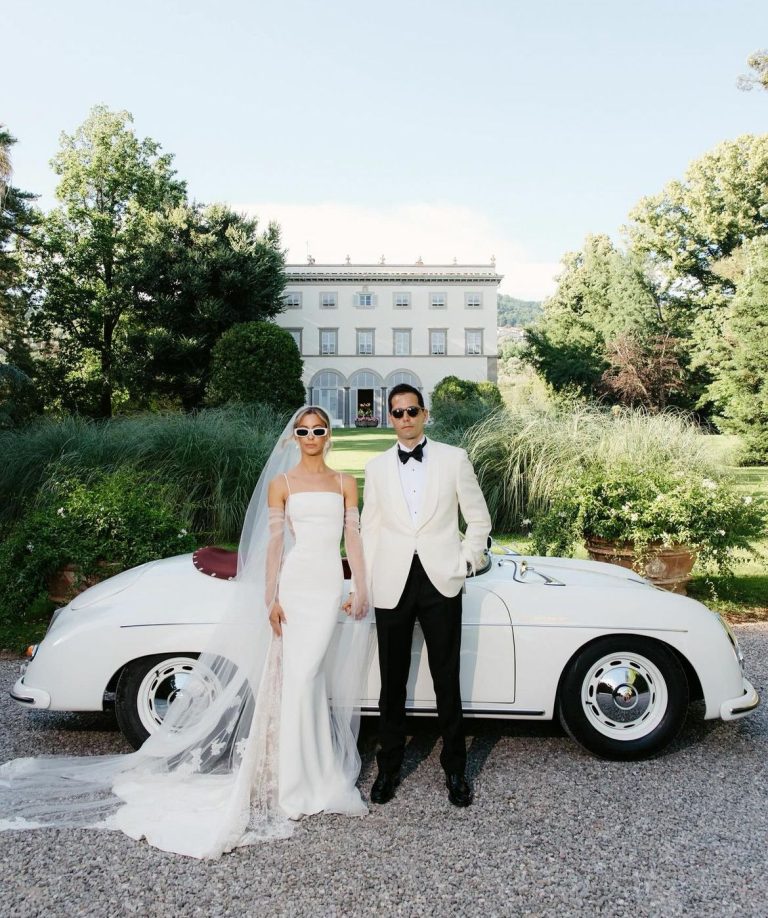
    The most memorable exits aren’t random. A black-tie city wedding may call for a vintage car moment under glowing streetlights, while a vineyard celebration might feel better suited to a lantern-lit walk through the vines.

    Think of your exit as the final sentence of your wedding story. If your celebration leaned playful and social, your send-off should feel high-energy. If your day felt intimate and romantic, choose something quieter and cinematic.

    The goal isn’t to impress guests – it’s to create emotional continuity.

    Reimagine the classic getaway car

    The vintage car exit remains timeless for a reason. But couples are styling them differently now: personalised signage, monochrome ribbon details, florals that mirror the tablescape and editorial-style photography that feels more fashion campaign than tradition.

    For destination weddings, local transport is becoming part of the storytelling too – whether that’s a coastal vehicle, a retro bus or something tied to the setting itself.

    Your transport doesn’t need to be extravagant. It just needs to feel considered.

    The sparkler exit still works – but smarter

    Few wedding moments photograph as beautifully as a sparkler tunnel. But today’s couples are making practical adjustments: longer sparklers for timing, coordinated guest positioning and designated organisers to keep the moment smooth instead of chaotic.

    Before committing, confirm venue policies and fire restrictions. And if flames aren’t practical? There are alternatives.

    Think:

    • Bubbles
    • Ribbon wands
    • Glow sticks
    • Biodegradable confetti
    • Dried flower petals
    • Streamers

    Eco-conscious send-offs are becoming increasingly popular, especially as couples prioritise lower-waste celebrations.

    The private last dance is quietly becoming the luxury move

    One of the most talked-about shifts in modern weddings isn’t actually an exit at all. It’s the private last dance.

    Once guests move outside to prepare for the send-off, couples stay behind for one final song together in an empty reception space – no cameras in your face, no hosting duties, no timeline pressure. Just a minute to absorb what just happened.

    It feels cinematic. And for couples who spent months planning, it creates something rare on the wedding day: stillness.

    Outfit changes are changing the getaway moment too

    The rise of second bridal looks has created a whole new category of grand exits.

    Mini dresses, tailored white sets, sleek satin silhouettes and comfortable statement shoes are increasingly becoming the final look of the night – especially for couples heading into after-parties.

    Your exit outfit doesn’t need to replace your dress. It simply gives your wedding a final chapter.

    Remember: your guests want a moment, not a production

    Interestingly, couples are moving away from exits that feel performative and towards moments that feel emotionally memorable. Weddings in 2026 are leaning into experiences that prioritise connection over spectacle.

    That means the best getaway isn’t necessarily fireworks.

    Sometimes it’s walking hand in hand through your favourite people while they cheer. Sometimes it’s sneaking away quietly. Sometimes it’s one final dance before the lights come up.

    The final send-off

    You spend months thinking about how to arrive – but how you leave deserves equal attention.

    Your grand getaway is more than transport. It’s the final feeling your guests take home and your first moment stepping into married life together.

    Make it feel like an ending worth remembering.

    ALSO SEE: Ten creative ways to exit your wedding 

    Ten creative ways to exit your wedding

    Feature image: Pinterest
    For years, wedding photography was all about polished perfection. Every detail was curated, every frame colour-graded, every candid moment somehow still looked planned.

    Now? Couples are deliberately inviting a little chaos back in.

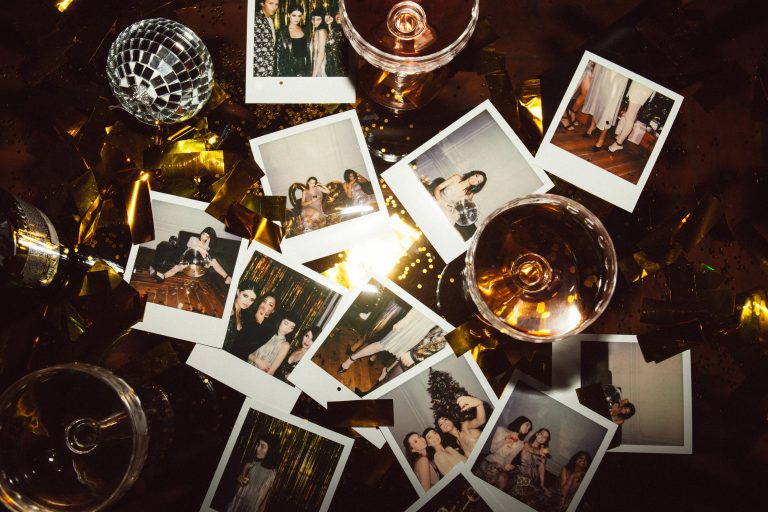
    Disposable cameras – yes, the plastic, flash-heavy relics of the late ‘90s and early 2000s – are making an unexpected return to modern weddings. But this comeback isn’t about rejecting professional photography. It’s about adding something many couples feel has quietly disappeared: surprise.

    Because in an era where every guest has a camera in their pocket, it turns out the photos people treasure most are often the ones nobody planned.

    Why disposable cameras are suddenly everywhere again

    The return of disposable cameras fits into a broader wedding shift happening right now: less perfection, more personality.

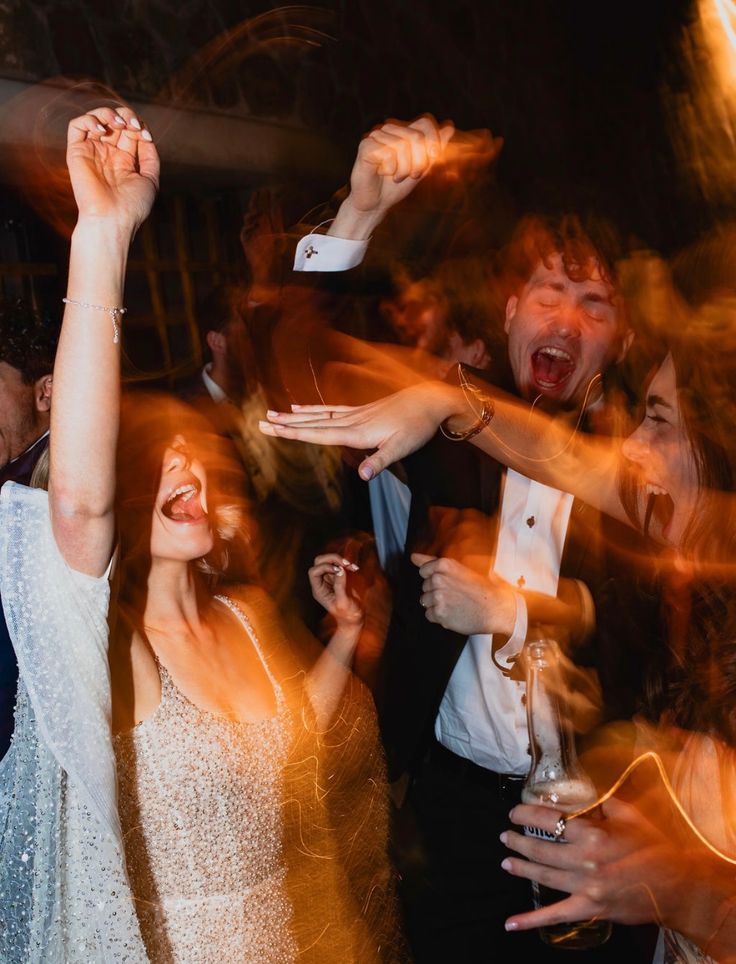
    Wedding photography trends for 2026 continue to lean toward movement, grain, candid storytelling and imagery that feels emotionally real rather than editorially flawless. Couples are embracing motion blur, direct flash and nostalgic visual textures that feel more memory than magazine.

    Disposable cameras slot neatly into that mood.

    Placed on reception tables, tucked into welcome bags or handed out during cocktail hour, they invite guests to become part of documenting the day instead of simply consuming it.

    And there’s something unexpectedly romantic about not knowing what’s on the roll.

    The appeal? Imperfect photos feel more personal

    Film’s resurgence isn’t really about vintage aesthetics alone.

    It’s about perspective.

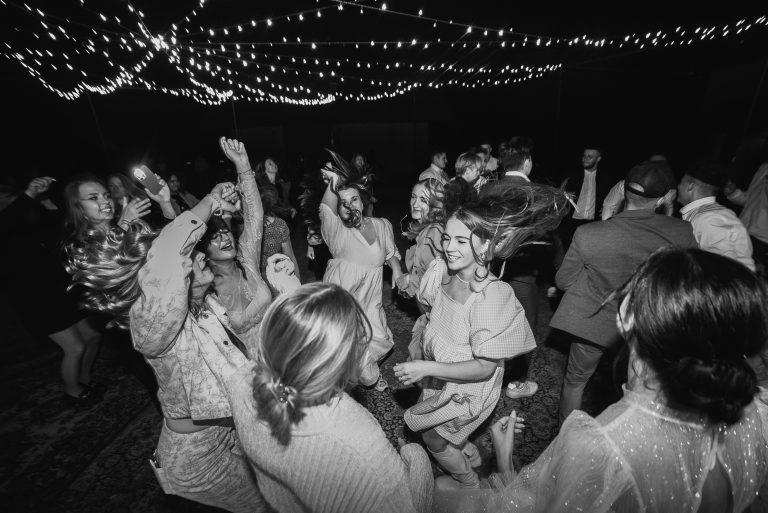
    Professional photographers capture the big moments beautifully – the walk down the aisle, the portraits, the speeches. Disposable cameras capture the rest: your cousin teaching your gran a TikTok dance, someone stealing extra cake, the blurry joy of the dance floor.

    Those photos feel different because they are.

    Industry reporting shows that couples are increasingly drawn to imagery that feels human and lived-in over technically perfect. Analog photography continues gaining traction because of its warmth, grain and emotional texture.

    Even guest-generated content is becoming a bigger part of wedding storytelling, creating an archive that complements – rather than replaces – professional galleries.

    Before you buy 20 camera – know what you’re signing up for

    There’s one detail Pinterest boards rarely mention: disposable cameras aren’t always the budget-friendly option they appear to be.

    By the time couples factor in purchasing, developing and scanning film, costs can climb quickly. Results are also unpredictable – especially indoors or in low light where disposable cameras tend to struggle.

    Experts suggest treating them as an add-on experience rather than your primary photography plan. Many couples are now using a hybrid approach: professional photography for the hero moments, with disposable cameras reserved for cocktail hour, guest tables or after-parties.

    A few simple rules help:

    • Use built-in flash indoors
    • Leave short instructions at each table
    • Limit cameras to high-energy areas
    • Add a collection box so cameras don’t disappear
    • Expect surprises (and a few unusable shots)

    Because honestly? That’s part of the charm.

    The new luxury might actually be imperfection

    For so long, weddings chased the idea of looking flawless.

    But the return of disposable cameras suggests something different: couples want their weddings to feel remembered, not manufactured.

    Not every frame needs to be crisp. Not every moment needs to be content.

    Sometimes the best wedding photos are the ones slightly out of focus – but impossible to forget.

    ALSO SEE: The wedding guest etiquette rules everyone secretly wishes people followed

    The wedding guest etiquette rules everyone secretly wishes people followed

    Featured image:  cottonbro studio / Pexels 

    There are few wedding planning decisions that spark as much quiet panic as this one: do you invite colleagues?

    Because unlike family (complicated) or friends (usually obvious), colleagues sit in that strange in-between space. You see them every day. They know your coffee order, your deadlines, your fiancé’s name and, somehow, the entire timeline of your seating chart drama.

    But does surviving quarterly meetings together earn someone a seat at your wedding?

    Short answer: not necessarily.

    Modern wedding etiquette has shifted away from obligation and toward intentionality – and when it comes to colleagues, couples are increasingly choosing connection over courtesy invites.

    First question: Are they colleagues or are they actually your friends?

    Wedding planners and etiquette experts agree that the easiest test is surprisingly simple: would you still see this person if one of you changed jobs tomorrow?

    If the answer is yes – dinners, birthdays, weekends, voice notes outside office hours – then they’re probably more than a colleague.

    If your relationship exists entirely between Teams notifications and lunch breaks, they may not automatically belong on the guest list.

    Weddings are becoming smaller, more personalised and often more expensive per guest. That’s changed how couples approach invitations.

    If you invite one colleague, do you have to invite everyone?

    Thankfully, no. One of the biggest misconceptions around wedding etiquette is that inviting one colleague means inviting the entire department.

    Experts consistently say selective invites are acceptable – as long as your reasoning is consistent and relationship-based rather than political.

    Some examples that generally make sense:

    • You regularly socialise outside work
    • They’ve become part of your life beyond the office
    • They’ve supported major moments in your relationship
    • You genuinely want them there (not because you feel bad)

    What tends to create tension? Inviting based on hierarchy, favour or workplace optics.

    Ceremony only? Reception only? Both?

    This is where things get interesting. There’s no rule saying colleagues must attend your entire wedding day – but how you divide invitations matters.

    Reception-only invites have become more accepted, especially when couples want an intimate ceremony followed by a bigger celebration. Wedding etiquette generally supports inviting additional guests to the reception without extending ceremony invitations.

    That said, inviting someone to the ceremony but excluding them from the reception tends to feel less natural in modern etiquette circles.

    If your goal is inclusion without expanding your most intimate moments, a reception invitation can be a thoughtful middle ground.

    And what about your boss?

    You’re under absolutely no obligation to invite your boss.

    That decision should depend entirely on your actual relationship and workplace culture – not titles. Some couples invite managers who’ve become mentors or close friends; others keep work and personal life completely separate. Both are normal.

    The workplace rule nobody talks about

    If everyone is not invited, don’t turn the office into wedding central.

    Multiple etiquette experts point to this as the easiest way to avoid awkwardness: keep guest-list discussions private, don’t hand out invitations at desks and avoid making non-invited colleagues front-row witnesses to every planning update.

    Because the truth is: most people understand limited guest lists. What people tend to remember is how included – or excluded – they felt in the lead-up.

    Your guest list, your rules (with a little grace)

    There’s something strangely emotional about deciding who gets invited to witness your wedding day. And colleagues can make that decision even murkier – because work relationships don’t always fit neatly into “friend” or “not friend”.

    But your wedding doesn’t need to become a performance of fairness. You don’t owe invitations because of office proximity, shared deadlines or years spent in the same Slack channel. Equally, you don’t need to justify inviting the colleague who became family somewhere between coffee runs and Monday meetings.

    The best guest lists rarely look balanced on paper – they feel right in the room.

    So, whether your colleagues make the ceremony, the reception, both or neither, ask yourself one question: When you look back at the photo’s years from now, will you be glad they were there?

    That answer is usually clearer than you think.

    ALSO SEE: Thoughtful & Trendy Wedding Favour Ideas Your Guests Will Love 

    Thoughtful & Trendy Wedding Favour Ideas Your Guests Will Love

    Featured image: Amar Preciado / Pexels

    Sometimes the reception isn’t where the real celebration begins. For years, weddings followed a familiar script: ceremony, speeches, dinner, dancing, farewell.

    Now? Couples are extending the celebration – and the wedding after-party is becoming one of the most talked-about moments of the day.

    If you’ve been seeing brides swapping gowns for mini dresses, surprise late-night snack drops, neon dance floors and “meet us downstairs after” invites all over your feed, you’re not imagining it. Wedding after-parties have moved from celebrity-only territory into mainstream wedding planning.

    But what exactly is a wedding after-party, who is it for, and is it something every couple actually needs?

    First things first: what is a wedding after-party?

    A wedding after-party is a second celebration that happens immediately after the formal reception ends.

    Think less structured timelines and formal speeches – and more relaxed outfits, favourite playlists, close friends and one final chance to celebrate without the pressure of hosting.

    Typically, couples move from their main venue to a more casual setting and continue with a smaller guest list. Common choices include hotel lounges, rooftop bars, private suites, restaurants, bonfire setups or even transformed sections of the reception venue itself.

    The energy shifts from wedding reception to actual party.

    So… who actually does wedding after-parties?

    Short answer: more couples than you think.

    Traditionally, after-parties were more common among destination weddings, celebrity weddings and couples hosting multi-day celebrations.

    Now, planners are seeing couples across budgets prioritise guest experience over rigid wedding traditions. Instead of adding more ceremony details or formal reception extras, many are redirecting energy toward creating memorable social moments later in the evening.

    The couples most likely to love an after-party tend to be:

    • Couples with younger guest lists
    • Destination wedding couples
    • Couples whose venue has strict end times
    • Hosts who want time with friends after formal obligations
    • Pairs who prefer intimate moments over structured reception schedules

    That said – and this part matters – not every wedding needs one.

    If your reception naturally runs late or your guest list includes lots of travelling families and older guests, extending the night can sometimes feel unnecessary.

    Why couples are obsessed with them right now

    There’s one recurring theme showing up in 2026 wedding trends: intentional celebrations.

    Couples want weddings that feel like them – not weddings built from obligation.

    And after-parties create space for exactly that.

    A few of the biggest shifts we’re seeing:

    • Outfit changes are becoming a moment

    Reception gowns are giving way to sequins, minis, tailored suits, sneakers and party looks designed for movement and personality.

    • Late-night food is replacing formal dessert moments

    Think sliders, pizza slices, tacos, milkshakes or nostalgic comfort food stations instead of another plated course.

    • The vibe matters more than perfection

    Speakeasy lounges, silent discos, neon lighting, beach bonfires and curated playlists are replacing over-produced reception timelines.

    • Guests want connection – not another formal programme

    Community conversations and planners alike point to guests loving after-parties because conversations become easier and the atmosphere feels more relaxed.

    Wedding after-party etiquette: the unspoken rules

    Before you add one to your Pinterest board, here’s what couples should know:

    • Not everyone needs to be invited.
    • Keep locations close (walking distance is ideal).
    • Communicate clearly if it’s invitation-only.
    • Don’t over-plan – simplicity wins.
    • If guests are travelling, consider transport.
    • Remember: the couple still needs energy left to enjoy it.

    The best after-parties aren’t usually the biggest.

    They’re the ones that feel effortless.

    Final dance: should you have one?

    A wedding after-party isn’t a requirement – and it definitely isn’t a measure of how fun your wedding is.

    But for couples who want a little more time, a little less structure and one last memory before the night ends?

    It might just become everyone’s favourite part of the celebration.

    Because sometimes the best wedding photos happen after the shoes come off.

    ALSO SEE: Reception games that break the ice (and bring the party)

    Reception games that break the ice (and bring the party)

    Featured image: Pinterest

    Forget bigger – proposals are getting more personal

    There was a time when grand gestures ruled proposal season: flash mobs, crowded restaurants, and moments designed to go viral.

    But lately? Couples are changing the script.

    Today’s proposals feel more intentional, more collaborative and far more reflective of the relationship itself. Think meaningful locations over expensive setups, private moments over public performances, and experiences that feel authentic rather than overly curated. Proposal planners, engagement studies and real couples are all pointing to the same thing: the proposal isn’t becoming less romantic – it’s becoming more personal.

    Here are the proposal trends showing up everywhere right now.

    1. The rise of the “quiet proposal”

    Big public proposals haven’t disappeared – but they’re no longer the default.

    One of the biggest shifts we’re seeing is couples choosing intimacy over spectacle. At-home proposals, sunrise walks, private dinners and meaningful everyday locations are replacing highly staged public moments.

    The focus? Creating space for genuine emotion instead of performance.

    And surprisingly, this isn’t making proposals feel smaller – it’s making them feel more memorable.

    2. Proposal photography is no longer optional

    Once reserved for weddings, professional proposal photography and videography have become part of the engagement moment itself.

    But couples aren’t only booking photographers anymore – they’re hiring content creators to capture behind-the-scenes footage, candid reactions and short-form social content.

    The goal isn’t perfection.

    It’s preserving the feeling.

    From hidden photographers to cinematic reels and same-day engagement shoots, documenting the “yes” moment has become part of the experience.

    3. Destination proposals are having a major moment

    Weekend escapes are becoming the new proposal venue.

    Whether it’s a coastal retreat, an international city break or a bucket-list destination, couples are turning engagements into experiences they’ll remember long after the ring selfie.

    Proposal planning companies have also reported growing demand for curated destination moments – from private dinners to styled proposal setups abroad.

    4. Couples are planning the engagement together

    The surprise isn’t disappearing – it’s evolving.

    More couples are openly discussing timelines, ring styles and expectations before the proposal happens.

    For many, the proposal details remain a surprise while the decision to get engaged becomes mutual.

    That collaborative approach is becoming increasingly normal and, for many couples, far less stressful.

    5. Personalisation is becoming the luxury detail

    The most memorable proposals right now aren’t necessarily the most expensive.

    They’re the ones built around meaning.

    We’re seeing sentimental locations, recreated first dates, custom playlists, handwritten letters, family heirlooms, private concerts and details that only make sense to the couple involved.

    The trend isn’t “extra”.

    It’s deeply personal.

    6. Engagements are becoming part of a bigger celebration

    Another growing trend? The proposal isn’t ending with the ring.

    Couples are extending the moment with post-proposal dinners, surprise celebrations, engagement weekends and curated experiences that turn one question into an entire memory.

    Think: proposal → celebration → content → engagement shoot.

    One moment, multiple memories.

    The takeaway: There’s no “right” way to propose anymore

    If proposal trends have taught us anything, it’s this: the most unforgettable proposals aren’t necessarily the loudest.

    They’re the ones that feel recognisable to the people living them.

    Because the best proposals don’t look like everyone else’s.

    They look like your story.

    ALSO SEE: Cape Town’s most romantic proposal spots for an unforgettable Engagement 

    Cape Town’s most romantic proposal spots for an unforgettable Engagement

    Featured image: Marko Klaric / Pexels

    There’s something deeply romantic about a honeymoon that doesn’t begin with embassy appointments, document checklists and “awaiting approval” emails.

    After months (or years) of planning a wedding, many couples are craving ease. Enter: visa-free travel.

    For South African passport holders, there are still plenty of dreamy destinations where love can take centre stage – without applying for a visa beforehand. While entry rules can change and travellers should always double-check requirements before departure, these destinations remain among the most attractive and accessible honeymoon options right now.

    From Indian Ocean luxury to island escapes and safari romance, here’s where to honeymoon without the paperwork stress.

    1. Mauritius – The classic honeymoon that never goes out of style

    If there’s one destination that understands honeymoon energy, it’s Mauritius.

    Think turquoise lagoons, adults-only resorts, sunset catamaran cruises and slow mornings that somehow turn into beachside dinners.

    It’s close enough to South Africa to avoid brutal travel days, but far enough to feel like a proper escape.

    Why couples love it:

    • Beachfront luxury without long-haul exhaustion
    • Spa experiences and private dining
    • Incredible mix of relaxation and adventure
    • Easy direct flights from South Africa

    Visa: Visa-free for South Africans (up to 90 days)

    Estimated honeymoon cost (7 nights for two):

    • Flights: R12,000–R20,000
    • Mid-range stay: R18,000–R35,000
    • Luxury resort: R45,000–R90,000+
    • Estimated total: R35,000–R110,000+

    Worth booking if: You want effortless luxury and maximum honeymoon feeling.

    2. Seychelles – For couples who want barefoot luxury

    If your Pinterest board is full of white sand, granite boulders and impossibly blue water, Seychelles deserves attention.

    It feels exclusive without needing a visa process – which honestly makes it even more attractive.

    Spend your days island-hopping, snorkelling or simply disappearing into a beachfront villa.

    Why couples love it:

    • Quiet, intimate atmosphere
    • World-famous beaches
    • Incredible honeymoon photography moments
    • High-end resorts with privacy

    Visa: Visa-free for South Africans (visitor permit issued on arrival subject to entry requirements)

    Estimated honeymoon cost (7 nights for two):

    • Flights: R15,000–R25,000
    • Accommodation: R25,000–R70,000
    • Activities & dining: R10,000–R20,000
    • Estimated total: R50,000–R115,000+

    Worth booking if: You want luxury that feels cinematic.

    3. Thailand – For the couple that wants more than one honeymoon in one trip

    Thailand keeps showing up on honeymoon lists for good reason.

    You can split your trip between islands, city energy and wellness escapes – and somehow still stay within budget.

    Do Phuket for beaches, Krabi for romance or Koh Samui if you want honeymoon-resort energy.

    Why couples love it:

    • Excellent value for money
    • Incredible food scene
    • Luxury experiences at lower prices
    • Beaches + culture in one trip

    Visa: Visa-free for South Africans

    Estimated honeymoon cost (10 nights for two):

    • Flights: R18,000–R30,000
    • Hotels: R15,000–R40,000
    • Food + experiences: R8,000–R18,000
    • Estimated total: R40,000–R85,000

    Worth booking if: You want the honeymoon to feel packed with memories.

    4. Mozambique – For the couple who wants paradise closer to home

    Underrated? Absolutely.

    Mozambique delivers crystal water, island escapes and beach lodges without requiring intercontinental flights.

    Bazaruto and Vilanculos remain favourites for couples wanting something luxurious but less expected.

    Why couples love it:

    • Shorter travel time
    • Romantic beachfront stays
    • Great for honeymoon budgets
    • Ocean experiences and dhow cruises

    Visa: Visa-free for South Africans (up to 30 days)

    Estimated honeymoon cost (5–7 nights for two):

    • Flights/transport: R6,000–R12,000
    • Accommodation: R12,000–R35,000
    • Activities: R5,000–R10,000
    • Estimated total: R25,000–R55,000

    Worth booking if: You want island energy without long-haul costs.

    5. Botswana – For the safari honeymoon couple

    Not every honeymoon needs an infinity pool.

    Botswana is for couples who want candlelit dinners under stars, private game drives and moments that feel wildly romantic.

    Luxury safari honeymoons are becoming increasingly popular among South African newlyweds.

    Why couples love it:

    • Luxury lodges
    • Bucket-list safari experiences
    • Incredible privacy
    • Something completely different

    Visa: Visa-free for South Africans (up to 90 days)

    Estimated honeymoon cost (5 nights for two):

    • Flights/transfers: R8,000–R18,000
    • Lodge stay: R25,000–R80,000
    • Estimated total: R40,000–R110,000+

    Worth booking if: Your dream honeymoon includes sunsets and safari silhouettes.

    Before you book: Visa-free doesn’t mean document-free

    Visa-free travel still comes with requirements. Most destinations still ask for:

    • A passport valid for at least six months
    • Return or onward tickets
    • Accommodation confirmation
    • Proof of sufficient funds
    • Travel insurance (sometimes mandatory)

    Because the only thing that should surprise you on honeymoon… is the room upgrade.

    Your passport might already be enough.

    Your honeymoon should feel effortless

    The truth is that your honeymoon doesn’t have to begin with paperwork and embassy appointments. Some of the most beautiful escapes available to South African couples are already within reach – whether that looks like barefoot luxury in Mauritius, island-hopping in Thailand, or sunsets on safari in Botswana.

    Because after months of planning seating charts, budgets and timelines, your honeymoon should feel simple.

    Less admin. More romance.

    And maybe the hardest decision you make after saying “I do” – is choosing where to go first.

    ALSO SEE: How to pick your honeymoon destination

    How to pick your honeymoon destination

    Featured image: Pinterest

    Some wedding regrets are expensive. Others only show up months later when you’re scrolling through your gallery thinking: Wait… did we never take a photo of that?

    Because while everyone remembers the first kiss, confetti toss and dramatic sunset portraits, the photos couples often treasure most are usually the quieter, less obvious moments.

    Wedding photographers consistently say the same thing: couples rarely regret taking too many photos – they regret forgetting the meaningful ones.

    Before you finalise your shot list, save this.

    1. The moment before everything begins

    There’s something cinematic about the anticipation before the ceremony – but more importantly, it captures emotions you won’t recreate later.

    Think:

    • The dress hanging up
    • Your suit being buttoned
    • Final makeup touches
    • Deep breaths
    • Last hugs before walking out

    Those in-between moments often become emotional favourites because they capture who you were before becoming newlyweds.

    2. A photo with every immediate family member (yes, individually)

    This sounds obvious until timelines run tight.

    One of the biggest wedding photo regrets couples report is realising afterward they never got a proper photo with a parent, sibling, grandparent or child.

    Create a short family list beforehand and assign someone to gather people quickly.

    Future you will be grateful.

    3. Your guests arriving and interacting before the ceremony

    You planned the flowers, stationery and seating for months – but the energy before the ceremony often disappears undocumented.

    Capture:

    • Guests greeting each other
    • People reading signage
    • Kids running around
    • Quiet anticipation

    These photos tell the story of the day, not just the highlights.

    4. A full-room photo before guests enter

    Reception styling gets a few minutes of perfection before people sit down.

    Don’t forget:

    • Tablescapes
    • Place settings
    • Candles lit
    • Floral installations
    • Wide-angle room shots

    This is especially important if décor was a major investment.

    5. The reaction photos during your vows

    Most couples focus on getting the kiss.

    The real magic?
    Everyone watching.

    Ask your photographer to capture:

    • Parents’ reactions
    • Friends crying
    • Guests laughing
    • Your partner’s face while you speak

    These often become the most emotional images in the gallery.

    6. A proper photo of your hands and rings

    Tiny detail. Huge regret.

    Hands appear in more wedding photos than couples realise – and your rings deserve more than one close-up.

    Get:

    • Ring shots before the ceremony
    • Natural hand moments
    • Close-ups during vows

    7. The “we actually got married” just-married moment

    Not posed portraits.

    That first minute after the ceremony.

    The walking.
    The laughing.
    The “did that really just happen?” expression.

    Some photographers call this the emotional exhale – and it often produces the most natural images of the day.

    8. Your outfit from the back

    You’ll probably have dozens of front-facing portraits.

    But details people often forget:

    • Veil length
    • Dress train
    • Suit tailoring
    • Buttons
    • Embellishments

    Especially if you spent months choosing the outfit.

    9. A private couple portrait away from everyone

    Take 10–15 minutes.

    No bridal party.
    No phones.
    No audience.

    Those quieter portraits often feel the most intimate because they capture the only part of the day that truly belongs to the two of you.

    10. Photos with the people who helped make the day happen

    Not vendors – your people.

    The friend who fixed your veil.
    The sibling who held everything together.
    The aunt who coordinated family.
    The parent who quietly carried the stress.

    These photos age beautifully.

    11. Movement shots

    Perfection is overrated.

    Ask for:

    • Walking
    • Twirling
    • Laughing
    • Dancing
    • Running through confetti

    Movement creates photographs that feel lived in instead of staged.

    12. The final photo of the night

    Everyone remembers the entrance. Almost nobody remembers the ending.

    Whether it’s a sparkler exit, empty dance floor, takeaway coffee or one last quiet hug – take one final image.

    Because endings deserve documenting too.

    The takeaway:

    Your wedding gallery shouldn’t just show what your wedding looked like.

    It should remind you what it felt like.

    And the photos couples regret forgetting are almost never the dramatic ones – they’re usually the moments that seemed too ordinary to capture at the time.

    ALSO SEE: 12 South African wedding photographers every couple should know 

    12 South African wedding photographers every couple should know

    Featured image: Isaac Naph / Pexels

    For decades, diamonds came with one assumed origin story: deep beneath the earth, formed over billions of years, mined, cut and eventually slipped onto someone’s finger.

    Now? That story has changed.

    Lab-grown diamonds have moved from niche alternative to mainstream choice – especially among engaged couples who are thinking differently about value, ethics and what forever actually looks like. Recent industry reports suggest lab-grown stones now make up a significant and growing share of engagement ring purchases globally, driven largely by younger buyers prioritising value and customisation.

    But despite all the conversation online, one question remains surprisingly difficult to answer:

    If they look the same, what are you really paying for?

    To cut through the marketing noise, we spoke to Yazeed, an experienced jeweller currently consulting for Harris Jewellers in Canal Walk and Platandia in the V&A Waterfront, to get an insider’s view on how the industry – and couples – are changing.

    First things first: are lab-grown diamonds actually real?

    Short answer: yes. This is probably the biggest misconception that still exists.

    Lab-grown diamonds are not cubic zirconia or imitation stones. They are chemically, physically and optically diamonds – made from crystallised carbon under controlled conditions rather than formed underground over billions of years. They’re graded using the same quality principles buyers already know: cut, colour, clarity and carat.

    According to Yazeed: “Previous years consumers were of the opinion that lab diamonds are fake due to natural diamond producers spreading false information. With the growth of social media, people became informed as to what constitutes a diamond.”

    That shift in awareness has changed buying behaviour dramatically.

    Why more couples are choosing lab-grown

    When asked how consumer attitudes have evolved over the last 12–18 months, Yazeed didn’t hesitate.

    “The younger generation have been more readily accepting of lab-grown diamonds.”

    His reasoning reflects what’s happening globally: rising living costs, changing priorities and a stronger focus on getting more for your money. Industry data shows that lab-grown diamonds continue to cost substantially less than equivalent natural stones, allowing couples to prioritise size, quality or custom design without dramatically increasing spend.

    And that’s where things get interesting. Because while price is often the headline – it isn’t always the deciding factor.

    Beyond price: what buyers should actually care about

    According to Yazeed, certification matters more than origin. “As long as the lab diamond is independently certified by a world-renowned lab such as GIA or IGI then, just like natural diamonds, consumers should focus on colour, clarity and cut.”

    That advice reflects a growing shift in how jewellers guide clients.

    The conversation isn’t necessarily lab versus natural anymore.

    It’s becoming:

    Which stone gives you the experience, symbolism and practical outcome you want?

    Natural diamonds still carry emotional appeal for buyers who value rarity, geological history and stronger long-term value retention.

    Lab-grown appeals to couples who care more about design freedom, visible quality and stretching a budget further.

    The sustainability conversation isn’t as simple as social media makes it seem

    Few topics create stronger opinions than sustainability. Lab-grown diamonds are often positioned as the more environmentally conscious option because they avoid mining and concerns around land disruption and labour practices.

    Yazeed explains: “It basically comes down to what you as the consumer consider to be better for the environment long term.”

    He points to concerns around mining impact, resource extraction and industry concentration versus lab-grown production models that offer greater scalability and accessibility. That said, sustainability isn’t entirely black and white.

    Lab-grown production still requires energy-intensive processes, while many natural diamond producers have increased transparency and environmental commitments in recent years.

    Translation? Marketing shouldn’t make the decision for you. Your values should.

    So, what would a jeweller recommend?

    If a couple walked in with the same budget and no strong preference?

    Yazeed’s answer was refreshingly honest.

    “At the end of the day it does come down to budget… but bearing in mind the consumer can get a far bigger and better specification lab diamond in terms of colour, clarity and cut compared to natural, the choice still rests with what they feel comfortable buying.”

    And that might be the most useful takeaway of all. Because choosing an engagement ring isn’t a test.

    You don’t get extra points for tradition. You don’t get bonus points for practicality. You’re choosing something deeply personal.

    Some couples want the story of something formed naturally over billions of years.

    Others want the freedom to go bigger, bolder or redirect the savings into a honeymoon, a home deposit or simply life together. Neither choice is wrong.

    The right diamond isn’t the one the internet tells you to buy, It’s the one that feels like your version of forever.

    Expert insight provided by Yazeed, experienced jeweller currently consulting for Harris Jewellers (Canal Walk) and Platandia

    ALSO SEE: Engagement ring care tips to keep your sparkler looking new 

    Engagement ring care tips to keep your sparkler looking new

    Featured image: The Glorious Studio / Pexels

    There’s something undeniably romantic about winter. The crisp air, golden sunsets, cozy evenings and slower pace create the perfect atmosphere for one of life’s biggest questions: Will you marry me?

    While summer proposals often steal the spotlight, winter offers something equally special –  intimacy. Think candlelit dinners, mountain views, fireplace moments, misty landscapes and unforgettable getaways made for two.

    Modern proposals are becoming less about grand gestures for the sake of spectacle and more about creating a moment that feels personal, intentional and true to the couple’s story.

    Whether you’re planning a private proposal or a once-in-a-lifetime destination moment, these winter proposal ideas are guaranteed to inspire.

    A romantic mountain escape

    Few settings feel as magical as the mountains during winter. Imagine waking up somewhere quiet, surrounded by dramatic landscapes, spending the day exploring together and ending it with a proposal as the sun sets behind the peaks.

    For South African couples, winter mountain escapes offer the perfect balance of adventure and romance.

    Think:

    • A cozy cabin with a fireplace
    • A private picnic overlooking the mountains
    • A sunrise proposal after a weekend away
    • A surprise photographer capturing the moment

    Destinations like the Drakensberg or a winter escape in the Cederberg create naturally breathtaking backdrops.

    A wine estate proposal in the Cape Winelands

    There’s a reason the Cape Winelands remain one of South Africa’s most romantic destinations. Winter brings a different kind of charm – quieter vineyards, misty mornings, roaring fireplaces and intimate dinners.

    A winter proposal idea: Book a weekend away, arrange a private wine tasting, and pop the question among the vines or after a candlelit dinner.

    The beauty of a wine estate proposal is that the experience doesn’t end with the “yes” – it becomes an entire engagement celebration.

    Popular areas include:

    • Franschhoek
    • Stellenbosch
    • Constantia

    The cozy fireplace proposal

    Not every unforgettable proposal needs a dramatic location. Sometimes the most meaningful moments happen somewhere private.

    A winter-inspired at-home proposal can be just as beautiful:

    • Transform your home with candles and flowers
    • Recreate your first date
    • Cook your partner’s favourite meal
    • Create a timeline of your relationship through photos
    • End the evening with the ring and a heartfelt speech

    The focus is not the production – it’s the story behind it.

    A beach proposal (with a winter twist)

    Winter beaches have a quiet beauty that summer crowds often take away.

    A windswept coastline, dramatic skies and an empty beach can create a cinematic proposal moment.

    Consider:

    • A sunrise walk
    • A blanket picnic overlooking the ocean
    • A hidden beach location
    • A surprise photographer waiting nearby

    For Cape Town couples, locations along the coastline can offer unforgettable winter scenery without needing an international trip.

    A destination proposal abroad

    For couples who love travelling, a winter proposal abroad turns the engagement into an entire adventure.

    Some romantic winter proposal destinations include:

    • Paris, France: Classic, timeless and effortlessly romantic. Winter brings fewer crowds and a magical city atmosphere.
    • Iceland: For couples wanting something extraordinary, Iceland’s landscapes and northern lights create a once-in-a-lifetime backdrop.
    • Venice, Italy: Quiet canals, candlelit dinners and old-world charm make winter in Venice feel like stepping into a love story.
    • A European Christmas market escape: Cities like Vienna or Prague offer fairytale streets, festive lights and romantic winter experiences.

    The “just us” proposal

    One of the biggest shifts in modern proposals is choosing authenticity over performance. Couples are increasingly planning moments that reflect who they are – whether that means a private dinner, an adventurous getaway or a sentimental location that holds meaning.

    Ask yourself:

    • Are they someone who loves attention or privacy?
    • Would they prefer a crowd or a quiet moment?
    • Is there a place that already tells your story?

    The best proposal location is not always the most famous one – it’s the one that feels like yours.

    Final Thoughts

    A winter proposal has a special kind of magic. It’s slower, more intimate and filled with opportunities to create a moment that feels completely personal.

    Whether it happens beside a fireplace, overlooking a mountain range or during a once-in-a-lifetime getaway, the most memorable proposals are the ones that tell your love story.

    Because the perfect proposal isn’t about creating a picture-perfect moment – it’s about creating the moment you’ll both remember forever.

    ALSO SEE: 8 Romantic engagement ideas to help you pop the question! 

    8 Romantic engagement ideas to help you pop the question!

    Featured image: Pavel Danilyuk / Pexels

    One of the first questions many brides ask after setting a wedding date is surprisingly simple: When should I start shopping for my wedding dress?

    The answer? Probably sooner than you think.

    While it may be tempting to leave dress shopping until closer to the big day, modern bridal fashion operates on timelines that can stretch for months. Between finding the one, ordering, shipping, fittings and alterations, a wedding gown often takes far longer to arrive than brides expect. Industry experts generally recommend beginning the process between 9 and 12 months before the wedding, with some designer and custom gowns requiring even longer lead times.

    The good news? Knowing the timeline upfront can help you avoid unnecessary stress and make the dress-shopping experience far more enjoyable.

    The Ideal timeline: 12 months before the wedding

    If your wedding is a year away, you’re in the sweet spot.

    Starting your search around the 12-month mark gives you plenty of time to explore different silhouettes, visit bridal boutiques, compare designers and make decisions without feeling rushed. It also allows for production delays, shipping times and alterations that may arise later in the process. Experts increasingly recommend shopping between 12 and 18 months before the wedding, especially if you’re considering a designer gown, customisations or a made-to-order dress.

    At this stage, focus on inspiration, budgeting and understanding what styles make you feel most confident.

    9–10 months before: Time to say yes to the dress

    Once you’ve found your gown, aim to place your order around 8 to 10 months before the wedding. Most made-to-order dresses require several months for production and delivery, with many designers quoting lead times of four to six months or longer.

    Ordering within this window ensures you’ll have access to a wider range of styles, sizes and customisation options while avoiding costly rush fees.

    2–3 months before: Alterations begin

    Even the most perfectly chosen dress usually needs some tailoring.

    Most bridal alteration specialists recommend beginning fittings approximately eight to ten weeks before the wedding. This allows enough time for adjustments to hems, bodices, sleeves, trains and bustles, as well as multiple fitting appointments if necessary.

    Remember to bring your wedding shoes and undergarments to every fitting to ensure the final result is flawless.

    What if your wedding is less than six months away?

    Don’t panic.

    While a shorter timeline may limit your options, many brides successfully find beautiful gowns with just a few months to spare. Off-the-rack dresses, sample sales, ready-to-wear collections and certain local designers can often accommodate tighter deadlines. Some retailers also offer expedited production services, although additional fees may apply.

    The key is to be upfront about your wedding date from your very first appointment so consultants can guide you toward realistic options.

    Trends are changing how brides shop

    Today’s brides are approaching dress shopping differently than previous generations. Personalisation, versatility and sustainability are shaping bridal fashion in 2026, with many brides opting for convertible gowns, detachable elements, vintage-inspired pieces and even pre-loved dresses. Others are choosing multiple outfits for different parts of the celebration, from the ceremony to the after-party.

    These choices can affect your timeline too, making early planning even more valuable.

    Your wedding dress timeline at a glance

    12–18 months before: Start researching styles and booking bridal appointments.
    9–12 months before: Choose and order your dress.
    8–10 weeks before: Begin alterations and fittings.
    1–2 weeks before: Final fitting and collection.
    Wedding Day: Step into your dream dress with confidence.

    The final stitch

    Finding your wedding dress should feel exciting, not stressful. By starting early, you give yourself the freedom to explore, dream and make decisions without pressure. Whether you’re falling for a couture masterpiece, a modern minimalist gown or a vintage-inspired treasure, the best dress is the one that makes you feel unmistakably like yourself.

    And when it comes to timing? The earlier you start, the more options you’ll have waiting at the end of the aisle.

    ALSO SEE: Practical tips to find your perfect wedding gown 

    Practical tips to find your perfect wedding gown

    Featured image: Los Muertos Crew / Pexels