• Tag

    planning advice

    Browsing

    For decades, wedding parties followed a familiar formula: bridesmaids stood beside the bride, groomsmen stood beside the groom, everyone wore matching outfits, and the numbers on each side were perfectly balanced.

    Today, that picture looks very different.

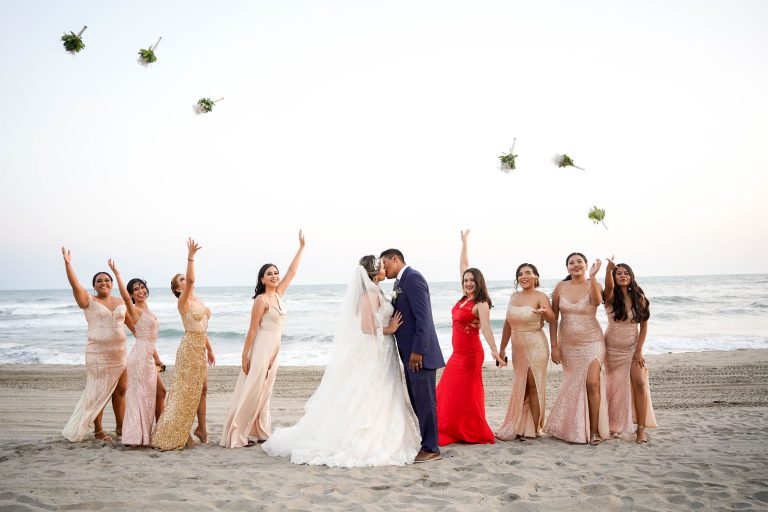
    Modern couples are increasingly choosing wedding parties that reflect their real relationships rather than tradition. From mixed-gender bridal parties and uneven numbers to “bridesmen”, “groomswomen” and even no bridal party at all, wedding celebrations are becoming more personal, inclusive and authentic than ever before. Industry experts note that couples are placing greater emphasis on meaningful connections and less on following outdated wedding rules.

    Why couples are moving away from tradition

    At the heart of the trend is a simple idea: people want the people they love most standing beside them, regardless of gender, titles or expectations.

    As weddings become more personalised, couples are questioning long-standing traditions that no longer fit their lives. Rather than choosing attendants based on convention, they’re choosing them based on genuine support, friendship and family bonds. This shift has contributed to the growing popularity of mixed-gender wedding parties and alternative attendant roles.

    For many couples, it also removes unnecessary pressure. The expectation of matching numbers, identical outfits and rigid bridal party duties can feel restrictive in an era where individuality is celebrated.

    Bridesmen, groomswomen and mixed-gender wedding parties

    One of the most visible changes is the rise of mixed-gender wedding parties.

    It’s becoming increasingly common to see a bride’s brother serving as her “Man of Honour” or a groom’s sister standing beside him as his “Best Woman”. Couples are choosing the people who matter most to them instead of assigning roles based on gender.

    The result often feels more genuine and representative of modern friendships and family dynamics.

    Styling these wedding parties has also evolved. Rather than forcing everyone into matching attire, many couples are creating cohesive looks through colour palettes, fabrics or accessories while allowing each person to wear something that suits their personality and comfort level.

    The decline of perfectly matching bridal parties

    The era of identical bridesmaid dresses and uniform groomsmen attire is steadily fading.

    Wedding planners report that couples are gravitating towards a more editorial, fashion-forward aesthetic that allows attendants to express their individual style. Instead of everyone wearing the same outfit, bridal parties are often dressed in complementary colours, varying silhouettes or coordinated textures.

    The trend not only creates more visually interesting wedding photos but also helps attendants feel comfortable and confident throughout the day.

    Smaller bridal parties are becoming the norm

    Another major shift is the move towards smaller wedding parties.

    According to recent wedding industry reporting, bridal parties have become noticeably smaller as couples seek to reduce costs, simplify logistics and focus on their closest relationships. Wedding professionals say today’s couples are less concerned with large entourages and more interested in creating meaningful experiences.

    Smaller bridal parties can also ease the financial burden often associated with being a bridesmaid or groomsman, from attire and travel costs to pre-wedding celebrations.

    The rise of the “no bridal party” wedding

    Perhaps the boldest departure from tradition is the growing number of couples who are skipping the bridal party entirely.

    Wedding planners have identified the “no wedding party” approach as one of the most significant wedding trends in recent years. Rather than having attendants stand beside them during the ceremony, couples are inviting their closest friends and family to participate in other meaningful ways throughout the celebration.

    Friends may still join the couple while getting ready, participate in speeches, witness the marriage licence or feature in special photographs, but without the formal titles and responsibilities traditionally associated with bridesmaids and groomsmen.

    For some couples, this approach creates a more intimate atmosphere while eliminating the stress of choosing who makes the cut.

    What this trend says about modern weddings

    The rise of non-traditional bridal parties reflects a broader shift happening across the wedding industry.

    Couples are increasingly prioritising authenticity over obligation. Whether that means having a bridesman, a groomswoman, mismatched attire, uneven numbers or no bridal party at all, today’s weddings are less about following a prescribed formula and more about telling a personal story.

    Ultimately, the most memorable weddings aren’t defined by tradition. They’re defined by the people who stand beside you – whatever title they happen to have.

    WeddingETC’s take

    If there’s one wedding trend that’s here to stay, it’s personalisation. Non-traditional bridal parties allow couples to celebrate the relationships that have genuinely shaped their lives, rather than squeezing those relationships into outdated categories.

    Whether you’re planning a mixed-gender wedding party, choosing a single best friend to stand beside you or skipping attendants altogether, the modern approach is refreshingly simple: make the day feel like yours.

    ALSO SEE: Standing by Her Side: The Role of the Maid of Honor & Bridesmaids 

    Standing by Her Side: The Role of the Maid of Honor & Bridesmaids

    Featured image: Francisco Sanchez / Pexels

    A beautiful wedding day doesn’t happen by chance. Behind every seamless ceremony, perfectly timed sunset photo, and packed dance floor is one thing most guests never see: a well-planned wedding timeline.

    While it may not be the most glamorous part of wedding planning, your timeline is the framework that keeps everything moving smoothly. It ensures vendors know where to be, gives your photographer enough time to capture key moments, and helps you stay present rather than worrying about what’s happening next.

    The good news? Building a wedding timeline doesn’t have to be complicated.

    Start with the non-negotiables

    Before you schedule anything else, identify the fixed points of your day. These are the moments that can’t easily move and will form the backbone of your timeline.

    These typically include:

    • Ceremony start time
    • Venue access time
    • Reception start time
    • Dinner service
    • Sunset (especially for outdoor weddings and golden-hour portraits)
    • Venue closing time

    Wedding planners recommend building your timeline around these anchor points first before filling in the details. This approach creates a realistic framework rather than trying to squeeze important moments into an already crowded schedule.

    Work backwards from the ceremony

    One of the biggest mistakes couples make is underestimating how long getting ready actually takes.

    Hair and makeup are often the first events to run behind schedule, which can create a domino effect throughout the day. Experts recommend building your morning timeline by working backwards from the ceremony and allowing extra time for delays.

    For example, if your ceremony begins at 3pm:

    • 2:30pm – Arrive at venue
    • 2:00pm – Get dressed
    • 12:00pm – Hair and makeup
    • 11:00am – Photographer arrives for detail shots
    • 10:00am – Wedding party preparations begin

    Starting earlier than you think you need to, creates breathing room and helps keep the morning calm.

    Decide whether you’re having a first look

    A first look can significantly impact your timeline.

    For couples choosing a first look, many portraits, bridal party photos, and even some family photos can happen before the ceremony. This often means spending more time with guests during cocktail hour instead of disappearing for photographs.

    If you’re skipping the first look, you’ll need to reserve additional time immediately after the ceremony for:

    • Couple portraits
    • Family formals
    • Bridal party photographs

    This can take anywhere from 60 to 90 minutes depending on the size of your wedding party and family.

    Schedule photography with intention

    Photography often determines the flow of the entire day.

    Professional photographers consistently advise couples to discuss timelines well in advance and ask exactly how much time is needed for:

    • Couple portraits
    • Family photographs
    • Bridal party images
    • Detail shots
    • Sunset portraits

    Rather than guessing, let your photographer guide these timing decisions. They know how long each session realistically takes and can help prevent rushed photos or missed moments.

    Don’t forget golden hour, either. The hour before sunset offers some of the most flattering natural light of the day and is worth reserving 10 to 15 minutes for if possible.

    Build buffer time into everything

    If there’s one piece of advice nearly every planner and photographer agrees on, it’s this: add buffer time.

    A timeline without flexibility leaves no room for reality.

    Hair and makeup may run late. A family member may be hard to find for photos. Traffic might take longer than expected. Small delays are normal, but buffer time prevents them from affecting the rest of the day.

    As a general rule:

    • Add 15 to 30 minutes between major events
    • Add extra travel time between locations
    • Allow additional time for family portraits
    • Schedule short breaks for touch-ups, refreshments, and regrouping

    Think of buffer time as insurance for your timeline.

    Keep your reception flowing

    Most successful receptions follow a natural rhythm that keeps guests engaged while allowing plenty of time for celebrating.

    A typical reception flow includes:

    1. Cocktail hour
    2. Grand entrance
    3. First dance
    4. Dinner service
    5. Speeches and toasts
    6. Parent dances
    7. Cake cutting
    8. Open dancing
    9. Late-night snack or send-off

    While every couple will customise this order to suit their celebration, having a clear structure helps vendors coordinate seamlessly behind the scenes.

    Share the timeline with everyone

    Your timeline only works if everyone has it.

    At least two weeks before the wedding, distribute a final version to:

    • Photographer
    • Videographer
    • Planner or coordinator
    • Caterer
    • Florist
    • DJ or band
    • MC
    • Bridal party

    When everyone is working from the same schedule, communication improves and the day runs far more smoothly.

    The bottom line

    The best wedding timelines aren’t packed down to the minute. They’re realistic, flexible, and designed around your priorities.

    Start with your non-negotiable moments, build backwards, trust your vendors’ expertise, and leave plenty of room for the unexpected. When the logistics are taken care of, you’ll be free to focus on what truly matters: celebrating one of the most meaningful days of your life.

    ALSO SEE: 5 Ways to practice self care while planning your wedding

    5 Ways to practice self care while planning your wedding

    Featured image: www.kaboompics.com / Pexels

    Dreaming of a small, intimate wedding sounds simple enough – until you start writing the guest list. 

    For couples with large families, trimming the numbers can quickly become one of the most emotionally charged parts of wedding planning. Suddenly, every name carries a story, every invitation feels political, and every decision seems capable of causing unintended hurt feelings. 

    Yet intimate weddings continue to grow in popularity for a reason. Couples are increasingly choosing meaningful celebrations over large-scale events, prioritising quality time with loved ones, budget flexibility, and experiences that feel deeply personal. 

    The challenge? Balancing your vision with family expectations. 

    If you’re trying to keep your wedding small without upsetting half the family tree, here’s how to navigate the process with grace. 

    Start with your non-negotiable number

    Before names enter the conversation, determine your ideal guest count. 

    Whether your venue has a strict capacity limit or you’re working within a budget, having a clear maximum number creates an objective framework for decision-making. It’s far easier to explain that your venue only accommodates 80 guests than to justify why one cousin made the list while another didn’t. 

    Once you’ve settled on a number, stick to it. Expanding “just a little” for one branch of the family often opens the floodgates for everyone else. 

    Create guest list tiers

    One of the most effective strategies is to organise potential guests into categories. 

    Tier 1: Immediate family, closest friends, and people actively involved in your life. 

    Tier 2: Extended relatives and friends you see regularly. 

    Tier 3: Distant relatives, family acquaintances, and people you feel obligated to invite rather than genuinely want present. 

    This exercise quickly reveals where your priorities lie and helps ensure that the people attending are those who truly matter to you as a couple. 

    Decide on a consistent family rule

    Consistency is your best defence against family drama. 

    Perhaps you’re inviting only first cousins. Maybe you’re limiting invitations to aunts and uncles but not their adult children. Some couples choose a “household-only” rule, while others invite only relatives they’ve maintained an active relationship with. 

    Whatever approach you choose, apply it fairly across both families. 

    A clear, consistent guideline feels less personal and helps reduce accusations of favouritism. 

    Have difficult conversations early

    One of the biggest mistakes couples make is avoiding uncomfortable conversations until invitations are sent. 

    If you know certain family members may be disappointed, it’s often kinder to explain your plans beforehand. A personal phone call can go a long way toward preserving relationships and preventing misunderstandings. 

    Be honest, warm, and direct. 

    You don’t need to apologise for wanting an intimate wedding. Instead, explain that you’ve had to make difficult decisions to stay within your guest count and that the choice isn’t a reflection of how much you value the relationship. 

    Remember that parents may have expectations too

    In many families, weddings are viewed as community celebrations rather than purely personal events. 

    Parents may have long-standing friendships, cultural expectations, or family obligations they feel should be honoured. While it’s important to hear their perspective, it’s equally important to establish boundaries around who ultimately makes the final decisions. 

    If parents are contributing financially, discussing guest list expectations early can help avoid conflict later in the planning process. 

    The goal isn’t to win an argument – it’s to find a compromise that still feels authentic to your vision. 

    Consider alternative ways to include loved ones

    Not everyone needs to be physically present to feel included. 

    Couples are increasingly finding creative ways to involve extended family, such as: 

    • Hosting a casual engagement celebration before the wedding 
    • Planning a post-wedding family lunch or gathering 
    • Sharing professional photographs and wedding videos afterwards 
    • Including personal messages or updates for relatives who couldn’t attend 

    These gestures help loved ones feel remembered, even if space limitations prevent an invitation. 

    Resist the guilt

    Perhaps the hardest part of planning an intimate wedding is accepting that not everyone will be happy. 

    Some disappointment is inevitable, particularly in large families where weddings have traditionally been expansive affairs. However, your wedding day shouldn’t become a performance designed to satisfy every expectation. 

    Years from now, you are unlikely to regret having a celebration that reflected your values, your budget, and your relationship. 

    What you’ll remember most is how the day felt. 

    Keep the focus where it belongs

    At its heart, a wedding isn’t about numbers. It’s about bringing together the people who have genuinely shaped your journey as a couple. 

    An intimate guest list allows for deeper conversations, more meaningful moments, and the chance to spend quality time with every person in the room. 

    While navigating family dynamics may not be easy, staying true to your vision can result in a celebration that feels more personal, intentional, and unforgettable. 

    Sometimes, less really is more.

    ALSO SEE: 5 ways to avoid a family takeover at your wedding 

    5 ways to avoid a family takeover at your wedding

    Featured image: Beniam / Pexels

    Wedding planning has changed dramatically over the last few years, and one of the biggest shifts has been how couples invite their guests.

    While traditional paper invitations still hold a special place in many weddings, digital wedding invitations have become a practical, stylish, and increasingly popular alternative. From instant delivery and RSVP tracking to reduced costs and environmental benefits, it’s easy to see why more South African couples are choosing to go paperless.

    If you’re weighing up your options, here’s why digital invitations deserve a place on your wedding planning checklist.

    A more budget-friendly option

    Let’s be honest: weddings are expensive.

    By the time you’ve factored in design, printing, envelopes, and postage, traditional invitation suites can quickly become a significant line item in your budget.

    In South Africa, professionally printed invitation suites can cost anywhere from R25 to R100+ per invitation, depending on the paper quality, finishes, and quantity ordered. For a guest list of 100 guests, that can easily add up to several thousand rand before you’ve even paid for postage.

    Digital invitations, on the other hand, typically cost a fraction of that amount. Many couples create custom digital invitations for between R500 and R3 000, while some online platforms offer beautifully designed templates for even less.

    The savings can be redirected towards other priorities, whether that’s upgrading your menu, booking a content creator, or extending your honeymoon.

    Simplified RSVPs

    One of the biggest frustrations for couples is chasing guests for responses.

    Digital invitations often include built-in RSVP functionality, allowing guests to confirm attendance with a single click. Many platforms also allow couples to collect dietary requirements, song requests, accommodation details, and travel information in one place.

    Instead of juggling spreadsheets and WhatsApp messages, everything is automatically organised and updated in real time. Digital RSVP systems have become one of the biggest reasons couples choose electronic invitations.

    Perfect for South African guest lists

    South African weddings often involve guests travelling from different cities, provinces, or even countries.

    Whether your guests are spread between Cape Town, Johannesburg, Durban, Gqeberha, or overseas, digital invitations arrive instantly. There’s no waiting for postal services or worrying about invitations getting lost in transit.

    They’re also incredibly easy to share via email, WhatsApp, or a wedding website, making communication much more efficient.

    An eco-conscious choice

    For couples trying to make more sustainable wedding decisions, digital invitations are an obvious win.

    Choosing a paperless invitation reduces the need for paper, ink, packaging, and transportation. While no wedding is completely waste-free, digital invitations are one simple way to lessen your environmental impact without sacrificing style.

    They feel more personal than ever

    Gone are the days when digital invitations meant sending a simple PDF.

    Today’s digital invitations can include:

    • Animated designs
    • Engagement photos
    • Video messages
    • Interactive RSVP buttons
    • Google Maps links
    • Wedding websites
    • Accommodation information
    • Countdown timers

    Many couples are even incorporating short videos or personalised animations to create an experience that feels every bit as special as opening a traditional invitation.

    The rise of the hybrid invitation

    Not ready to completely give up paper?

    You don’t have to.

    Many modern couples are embracing a hybrid approach: sending digital invitations to most guests while reserving printed invitations for immediate family members, older relatives, or keepsake purposes.

    This approach offers the best of both worlds – maintaining tradition where it matters while reducing overall costs and waste. Hybrid invitation strategies are becoming increasingly common, particularly for formal weddings and multi-generational guest lists.

    Are digital wedding invitations right for you?

    Digital invitations work particularly well for:

    • Modern weddings
    • Destination weddings
    • Smaller guest lists
    • Eco-conscious celebrations
    • Budget-conscious couples
    • Tech-savvy guests

    However, if you’re hosting a highly formal or traditional wedding, you may still prefer the timeless elegance of a printed invitation suite.

    Ultimately, the best choice is the one that suits your wedding style, your guests, and your priorities.

    Final thoughts

    Wedding invitations are about more than sharing a date and venue – they’re the first glimpse your guests get into your celebration.

    Whether you choose a beautifully printed suite, a fully digital invitation, or a combination of both, the goal remains the same: creating an experience that reflects your story as a couple.

    And in a world where weddings are becoming more personal, intentional, and flexible, digital invitations are proving that sometimes the simplest option can also be the smartest.

    ALSO SEE: Dos and Don’ts of wedding invitations 

    Dos and Don’ts of wedding invitations

    Featured image: Recep ÇELİK / Pexels

    Your wedding photos are one of the very few things that last long after the cake is eaten, the flowers wilt and the dance floor clears. Long after the wedding day itself, your photographs become the memories you return to again and again – so choosing the right photographer matters more than most couples realise.

    And no, it’s not just about finding someone with a beautiful Instagram feed.

    The right wedding photographer should understand your vision; make you feel comfortable in front of the camera and know how to capture the in-between moments just as beautifully as the big ones. From editing styles to contracts and chemistry, here’s what to look for before you book.

    Start with photography style first

    Before you even enquire, figure out what style of photography you’re naturally drawn to. This immediately helps narrow down your options and prevents you from booking someone whose work doesn’t align with your vision.

    Some of the most popular wedding photography styles include:

    • Editorial: Fashion-forward, polished and dramatic
    • Documentary/photojournalistic: Candid storytelling with minimal posing
    • Fine art: Soft, romantic and light-filled
    • Traditional: Classic posed portraits and structured moments
    • Dark and moody: Rich tones with cinematic editing
    • Lifestyle: Relaxed, natural and emotion-focused

    A common mistake couples make is choosing a photographer based purely on popularity rather than consistency in style. If you love bright, airy images but book someone known for dark, contrast-heavy edits, you’ll likely feel disappointed later.

    Your photographer’s editing style becomes the visual language of your memories — choose one that genuinely feels like you.

    Look beyond Instagram

    Instagram is helpful for discovering photographers, but it shouldn’t be the deciding factor.

    Social media usually showcases only the highlight reel: perfect lighting, curated poses and the best images from dozens of weddings. What you actually need to see is a full wedding gallery.

    Ask potential photographers to share at least one or two complete galleries so you can evaluate:

    • Consistency throughout the day
    • Indoor and low-light photography
    • Ceremony coverage
    • Family portraits
    • Reception and dance floor shots
    • Emotional storytelling
    • Editing consistency across hundreds of images

    A photographer who shoots beautifully at golden hour but struggles in dim reception lighting may not be the right fit.

    Personality matters more than you think

    You’ll spend more time with your photographer on your wedding day than almost anyone else – sometimes even more than your partner.

    That’s why personality fit is incredibly important. Your photographer should make you feel:

    • Comfortable
    • Calm
    • Seen
    • Directed without feeling awkward
    • Relaxed in front of the camera

    If every interaction feels rushed, cold or transactional during the consultation stage, pay attention to that feeling.

    The best wedding photographers know how to manage timelines, handle stress quietly and create an atmosphere where couples can be present instead of performing for the camera.

    Decide what moments matter most to you

    Every couple prioritises different things.

    For some, it’s emotional candid moments. For others, it’s fashion-focused portraits, family photos or cultural traditions. Being clear about your priorities helps you find someone who naturally captures those moments well.

    Ask yourself:

    • Do we want mostly candid photos or more direction?
    • Are detail shots important to us?
    • Do we care about dramatic couple portraits?
    • Will there be cultural or religious traditions that need understanding?
    • Do we want film photography included?
    • Is video coverage equally important?

    The clearer your expectations are, the easier it becomes to find the right match.

    Read reviews carefully

    Reviews often reveal things portfolios can’t. Pay attention to repeated comments about:

    • Communication
    • Punctuality
    • Professionalism
    • Turnaround times
    • Calmness under pressure
    • Ability to manage family dynamics
    • Reliability on the wedding day

    If multiple reviews mention poor communication or delayed galleries, don’t ignore the pattern.

    A beautiful portfolio means very little if the overall experience leaves couples stressed.

    Understand exactly what’s included

    Wedding photography packages can vary massively, so don’t assume every photographer offers the same thing.

    Before signing anything, clarify:

    • Hours of coverage
    • Second shooter inclusion
    • Number of edited images
    • Sneak peeks
    • Turnaround time
    • Travel fees
    • Engagement shoots
    • Albums or prints
    • Raw image policies
    • Overtime rates

    And yes – read the contract properly.

    It may not be glamorous, but understanding cancellation policies, backup equipment procedures and delivery timelines can save you major frustration later.

    Don’t choose based on price alone

    Wedding photography is one of the few investments that increases in emotional value over time.

    While budget obviously matters, choosing the cheapest option purely to save money can backfire quickly – especially if experience, professionalism or consistency are lacking.

    That said, expensive doesn’t automatically mean better either.

    Focus on finding someone whose work, communication style and experience genuinely align with your priorities.

    Because at the end of the day, the “perfect” wedding photos aren’t just technically beautiful — they should feel like your relationship, your energy and your story.

    Trust your instinct

    Sometimes the right photographer simply feels right.

    You connect naturally, their work resonates emotionally and you can picture them being part of your wedding day without adding stress or pressure.

    That instinct matters. Your photographer isn’t just documenting your wedding – they’re shaping how you’ll remember it for decades to come.

    Choose someone who captures not only how your wedding looked, but how it felt.

    The right photographer captures more than just photos

    Finding the right wedding photographer isn’t about chasing trends or booking the person with the biggest following. It’s about finding someone who understands your story, your energy and the moments that matter most to you.

    The best wedding photos aren’t always the perfectly posed ones – they’re the images that transport you back to a feeling, a laugh, a glance or a moment you didn’t even realise was being captured.

    And when you find a photographer who can do that? That’s when the magic happens.

    ALSO SEE: 12 South African wedding photographers every couple should know

    12 South African wedding photographers every couple should know

    Featured image: Josh Withers / Pexels 

    Wedding favours are having a quieter, more intentional moment — and thank-you shortbread biscuits are leading the way. Delicate, nostalgic, and effortlessly elegant, these buttery treats add a personal touch to your celebration while giving guests something genuinely memorable to take home. Whether beautifully boxed, ribbon-tied, or displayed alongside your reception décor, shortbread biscuits are proof that the sweetest details are often the simplest.

    WHAT YOU’LL NEED
    250g butter, at room temperature
    ½ cup caster sugar, plus extra to dust
    1 vanilla pod, seeds only
    2 cups flour
    ½ cup cornflour
    Custom-made rubber stamps
    Biscuit cutters

    METHOD
    1. Have your rubber stamps made with the greetings of your choice (you can order stamps from rubberstampsa.co.za).
    2. Preheat oven to 160°C and grease a 20 cm baking tray.
    3. Beat the butter until soft, then beat in the caster sugar and vanilla seeds until light and fluffy. Mix in the rest of the ingredients to form a stiff dough.
    4. Roll the dough out on the baking tray so you don’t have to move it afterwards and cut them with your cookie cutters. Stamp each one with your rubber stamp.
    5. Bake for 30 minutes, or until golden. Remove from the oven and immediately dust with caster sugar.
    6. Carefully remove the shortbread fingers from the tray and transfer to a wire rack to cool before serving.
    7. Once they’ve cooled completely, you can put your biscuits in gift boxes or tie them up with cellophane and a pretty ribbon.

    In a world of elaborate wedding trends and over-the-top details, there’s something undeniably charming about a buttery shortbread biscuit wrapped with intention. Equal parts nostalgic and thoughtful, these sweet treats prove that wedding favours don’t need to be extravagant to leave a lasting impression. Sometimes, the most memorable gestures are the simplest ones – made with love, shared with gratitude, and enjoyed one crumb at a time.

    ALSO SEE: Budget-friendly wedding favours you can DIY

    Budget-friendly wedding favours you can DIY

    Featured image: Kristina Paukshtite / Pexels

    You’ve had the big engagement and decided on a date – now it’s time to get down to the planning but your partner doesn’t seem keen on contributing. Wedding planning can be stressful enough without having a partner who is not interested in helping out, so we’ve put together these five tips to get your partner involved in planning your big day together.

    1. FROM THE GET-GO

    Make sure you are both discussing wedding options from the start. You don’t want to get ahead without your partner and leave them behind, only to want their input later on.

    2. BE OPEN MINDED

    Your partner may have some strange ideas, but try not to brush them off harshly, as you want them to continue making contributions. If you don’t like something, be gentle and explain why.

    3. GET HANDS-ON

    If there are certain areas that you know your partner will be interested in, such as the music, food or transport, then hand over those tasks, making sure you are both on the same page when it comes to what you want.

    4. ASK FOR HELP

    If you’re struggling to juggle all of the invitations, nagging family members and bookings, ask your partner if they can take on some of the tasks, or that you work on them together to ease the pressure.

    5. JUST BE HONEST

    Tell your partner that you want their input, after all, you both decided to have a wedding. Having open communication will help you to express how you feel as well as finding out what your partner wants.

    ALSO SEE: 5 ways to avoid a family takeover at your wedding

    5 ways to avoid a family takeover at your wedding

    Feature image: Priscilla du Preez/Unsplash