
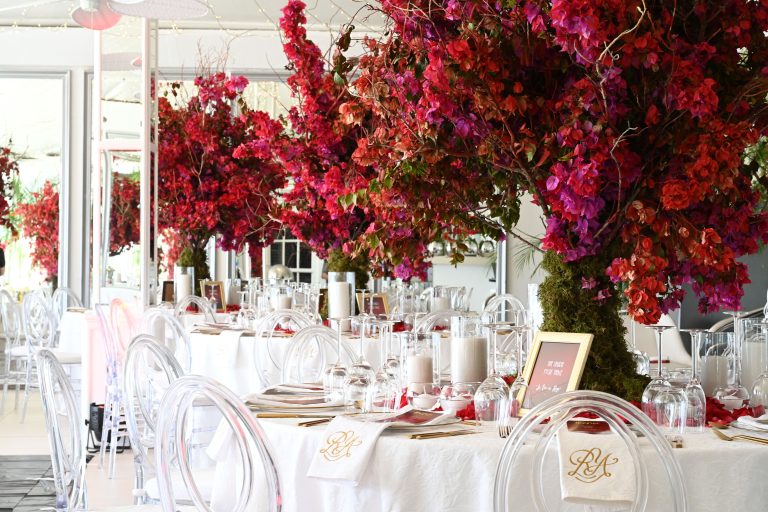
When it comes to creating unforgettable wedding atmospheres, few understand the transformative power of flowers quite like The Duke and Duchess Florist.
Founded in 1997 by Gerrit van Niekerk Reis, the Cape Town-based floral studio has spent nearly three decades turning wedding visions into breathtaking realities. From intimate ceremonies to lavish celebrations, Gerrit and his team have become known for creating floral experiences that are elegant, timeless and deeply personal.
A journey rooted in creativity
Interestingly, Gerrit’s path into floristry wasn’t a traditional one. Growing up in Pretoria, he began his career as an Identikit artist for the South African Police before joining the SABC as a Drama Specialist in 1987. But by the mid-90s, a new adventure was calling.
“Flower arranging had long been a personal passion, a hobby that offered both artistic freedom and fulfilment,” he explains.
That passion eventually blossomed into The Duke and Duchess Florist, which officially opened its doors in September 1997. Early contracts with prominent Cape Town hotels helped establish the business, but weddings quickly became one of its greatest loves.
View this post on Instagram
Why weddings?
For Gerrit, weddings have always held a special kind of magic.
“I have been fascinated by brides and weddings from a very young age. There is just something extraordinary about being given a blank canvas and the opportunity to create something truly magical.”
It’s this ability to transform spaces, evoke emotion and tell a couple’s unique story through flowers that continues to inspire him almost 30 years later.
View this post on Instagram
A signature style that’s timelessly romantic
Ask Gerrit to describe his signature aesthetic and the answer is beautifully simple: elegant, romantic and timeless.
“My signature floral style is elegant, romantic and timeless, with a strong emphasis on creating atmosphere and emotion.”
Rather than simply decorating a venue, he believes flowers should enhance the entire wedding experience – creating a feeling that guests remember long after the last dance.
View this post on Instagram
The wedding flower trends couples can’t get enough of
According to Gerrit, today’s couples are moving away from rigid, structured arrangements and embracing florals that feel abundant, immersive and deeply personal.
Some of the biggest trends include:
- Garden-inspired floral designs overflowing with movement and texture
- Romantic floral meadows replacing traditional aisle décor
- Hanging floral installations and statement floral clouds
- Soft, nature-inspired colour palettes
- Mono-floral statements using a single bloom in abundance
- Candlelit tablescapes paired with lush floral runners
- Sustainable floristry and locally sourced flowers
- Personalised floral storytelling
“Perhaps the strongest trend is personalisation. Couples are selecting flowers with sentimental meaning, incorporating blooms from family gardens, or choosing designs inspired by places, memories and cultural traditions.”
View this post on Instagram
The colours dominating wedding florals right now
While white and green remain enduring favourites, couples are increasingly embracing warmer, more nuanced palettes.
Think:
- Ivory and champagne
- Blush and dusty rose
- Peach and soft apricot
- Terracotta and mocha
- Burgundy and plum
- Butter yellow and chocolate brown
One trend Gerrit is particularly excited about is layered monochromatic colour palettes, where varying shades of the same colour create depth, texture and sophistication.
View this post on Instagram
Cape Town’s floral treasures
Working in the Western Cape provides access to some truly remarkable blooms.
Among Gerrit’s favourites are:
- Indigenous fynbos
- King Proteas
- Blushing Brides
- Seasonal spring bulbs
- Locally grown garden roses
“I love incorporating local and seasonal blooms whenever possible, as they bring a unique sense of place to a wedding and often offer exceptional freshness and value.”
These flowers not only look stunning but also help create weddings that feel authentically South African.
View this post on Instagram
The biggest mistake couples make
If there’s one piece of advice Gerrit wishes every couple understood, it’s this: don’t become too attached to specific flowers.
“The biggest floral mistake is becoming too focused on specific flowers instead of the overall design.”
Instead, he encourages couples to focus on the atmosphere they want to create. Guests are far more likely to remember how a wedding felt than whether a particular flower variety was used.
View this post on Instagram
A wedding he’ll never forget
Of all the weddings he’s designed, one remains especially memorable.
The Tollman wedding at the Twelve Apostles Hotel featured oversized floral installations, thousands of rose petals and a breathtaking ceremony arch covered entirely in roses.
Then came a moment that felt almost magical.
“As guests gathered and the ceremony commenced, dozens of white butterflies appeared seemingly from nowhere.”
It was a moment that perfectly captured what Gerrit loves most about wedding floristry – creating experiences that feel extraordinary.
View this post on Instagram
Floral advice for overwhelmed couples
With endless inspiration available online, it’s easy for couples to feel overwhelmed. Gerrit’s advice is refreshingly straightforward:
“My advice is to start with the feeling you want to create rather than the flowers themselves.”
Whether that feeling is romantic, modern, glamorous or garden-inspired, a clear vision allows an experienced florist to guide the rest.
View this post on Instagram
The Duke and Duchess difference
Nearly three decades after opening his doors, Gerrit’s passion for weddings remains unchanged.
From romantic floral meadows and candlelit tablescapes to breathtaking installations and bespoke floral storytelling, The Duke and Duchess Florist continues to create weddings that feel deeply personal, effortlessly elegant and truly unforgettable.
For couples searching for florals that are as meaningful as they are beautiful, The Duke and Duchess Florist offers far more than flowers – they create atmosphere, emotion and memories that last a lifetime.
View this post on Instagram
Vendor Details
- Location: Old Castle Brewery Complex, Unit 013, Main Building ,06 Beach Road, Woodstock, Cape Town , 7925
- Contact: 021 447 2058 / 083 266 1800 – [email protected]
- Website: Thedukeandduchess
- Instagram: flowers_from_dd
- Facebook: The Duke and Duchess Florist
- Consultations by appointment only
ALSO SEE: Important questions to ask your wedding vendors
Information and feature image supplied by Gerrit van Niekerk Reis, The Duke and Duchess florist
Your wedding day may have been unforgettable, but marriage is where the real story begins. Years of shared milestones, challenges, growth, laughter, and love can make many couples…
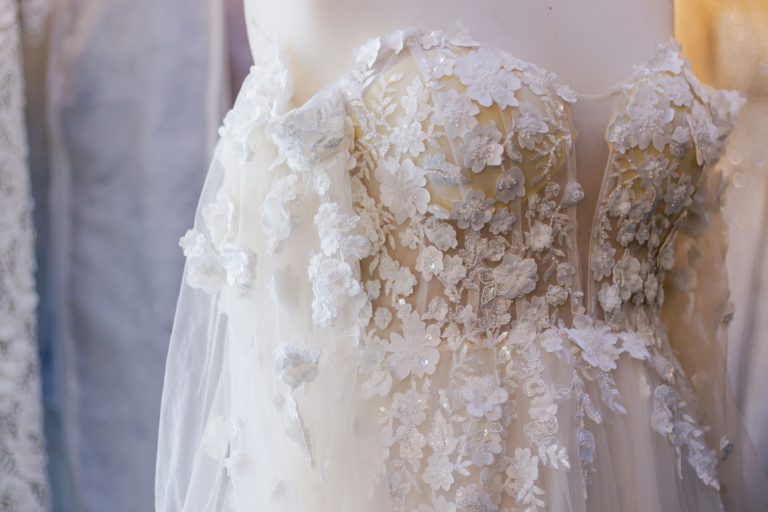
Your wedding dress isn’t just another line item on your budget – it’s the emotional centrepiece of your entire wedding story. But in South Africa right now, brides are asking a very practical question alongside the emotional one: Do I buy it… or do I hire it?
And the answer isn’t as simple as it used to be.
With bridal fashion evolving, budgets shifting, and more flexible options available than ever before, the decision now sits somewhere between sentiment, strategy, and style.
Here’s how to figure out what actually makes sense for you in 2026.
What it really costs in South Africa right now
Before you decide, you need clarity on pricing – because the gap between buying and hiring isn’t always as wide as people think.
Recent South African bridal market insights show:
- Buying a new wedding dress: ± R14,000 – R60,000+ depending on designer, fabric, and detail
- Average boutique gowns: around R13,000 – R30,000
- Pre-loved/sample dresses: from ± R6,500 – R15,000
- Hiring a dress: typically around R14,000 – R22,000 (sometimes up to 75% of retail value)
Here’s the truth most brides only realise later: hiring is not always the “cheap option” – it’s often just the “short-term option.”
Buying your wedding dress: the emotional investment
Buying a dress is about ownership – but also control.
Why brides choose to buy:
- Full freedom for custom alterations and fit
- Ability to preserve it as a keepsake or heirloom
- More styling options (especially for modern trends like detachable sleeves or second looks)
- Ability to resell or rewear for future events
In 2026, we’re also seeing a shift toward multi-use bridal gowns – dresses designed with removable elements so brides can transform their look from ceremony to reception without changing outfits entirely.
The reality check:
- Higher upfront cost
- Alterations and cleaning add extra budget
- Storage and preservation become your responsibility
Buying makes sense when your dress is part of your identity – not just your outfit.
Hiring your wedding dress: the practical luxury option
Hiring has evolved a lot. It’s no longer “basic budget brides only” – it’s now a structured bridal service, often with designer gowns available.
Why brides choose to hire:
- Lower upfront commitment
- Access to designer or luxury gowns at a fraction of retail price
- No storage or preservation stress after the wedding
- Cleaning often included
But here’s what you need to know:
- Alterations are usually limited
- You’re restricted by availability and booking dates
- Costs can still climb to 50–75% of retail price
Hiring works best when you prioritise convenience over long-term ownership.
The 2026 bridal shift: why this decision is changing
Bridal fashion is no longer just about tradition it’s about identity.
Across global and South African bridal trends, we’re seeing:
- A rise in personalised, fashion-forward gowns
- More brides choosing pre-loved and sustainable options
- A move away from rigid “white only” tradition into soft tones and expressive silhouettes
- Increased demand for versatile dresses that can transform during the day
In other words: brides are no longer choosing between “buy or hire” in a vacuum they’re choosing how much permanence they want in a fashion moment that is increasingly expressive and fluid.
So… how do you actually decide?
Ask yourself these 4 questions:
- Do I want to keep my dress after the wedding?
If yes → buying is your lane.
- Is my priority budget flexibility or long-term value?
If short-term ease matters more → hiring works.
- Do I want full control over fit and design?
If yes → buying wins by a mile.
- Will I regret not owning it?
Be honest here – this is usually the deciding factor.
Final thought
There is no “correct” choice anymore only what aligns with your priorities, your budget, and the story you want your wedding to tell.
Some brides want a dress they can keep forever. Others want a designer moment without long-term responsibility.
Both are valid. What matters is choosing intentionally, not emotionally pressured or financially rushed.
ALSO SEE: Transforming your mom’s wedding dress
Featured image: Rewan Ahmed / Pexels
South Africa’s reigning beauty queen is officially counting down to her walk down the aisle. Miss South Africa 2024, Mia le Roux, has shared exciting new details about…
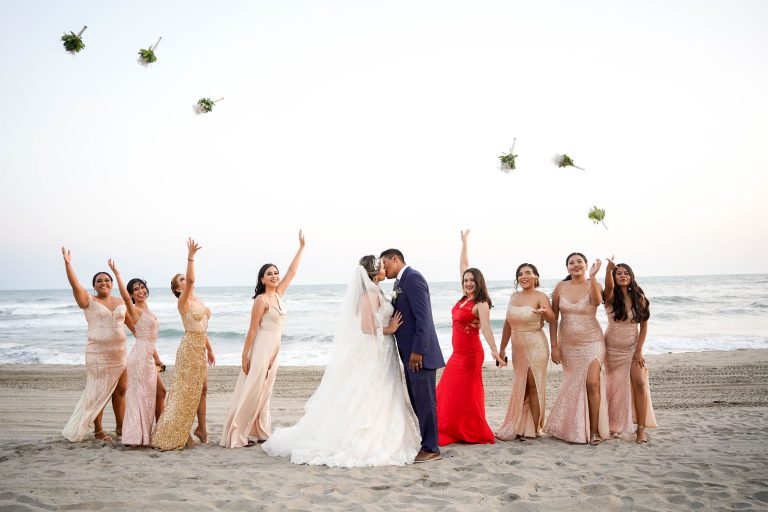
For decades, wedding parties followed a familiar formula: bridesmaids stood beside the bride, groomsmen stood beside the groom, everyone wore matching outfits, and the numbers on each side were perfectly balanced.
Today, that picture looks very different.
Modern couples are increasingly choosing wedding parties that reflect their real relationships rather than tradition. From mixed-gender bridal parties and uneven numbers to “bridesmen”, “groomswomen” and even no bridal party at all, wedding celebrations are becoming more personal, inclusive and authentic than ever before. Industry experts note that couples are placing greater emphasis on meaningful connections and less on following outdated wedding rules.
Why couples are moving away from tradition
At the heart of the trend is a simple idea: people want the people they love most standing beside them, regardless of gender, titles or expectations.
As weddings become more personalised, couples are questioning long-standing traditions that no longer fit their lives. Rather than choosing attendants based on convention, they’re choosing them based on genuine support, friendship and family bonds. This shift has contributed to the growing popularity of mixed-gender wedding parties and alternative attendant roles.
For many couples, it also removes unnecessary pressure. The expectation of matching numbers, identical outfits and rigid bridal party duties can feel restrictive in an era where individuality is celebrated.
Bridesmen, groomswomen and mixed-gender wedding parties
One of the most visible changes is the rise of mixed-gender wedding parties.
It’s becoming increasingly common to see a bride’s brother serving as her “Man of Honour” or a groom’s sister standing beside him as his “Best Woman”. Couples are choosing the people who matter most to them instead of assigning roles based on gender.
The result often feels more genuine and representative of modern friendships and family dynamics.
Styling these wedding parties has also evolved. Rather than forcing everyone into matching attire, many couples are creating cohesive looks through colour palettes, fabrics or accessories while allowing each person to wear something that suits their personality and comfort level.
The decline of perfectly matching bridal parties
The era of identical bridesmaid dresses and uniform groomsmen attire is steadily fading.
Wedding planners report that couples are gravitating towards a more editorial, fashion-forward aesthetic that allows attendants to express their individual style. Instead of everyone wearing the same outfit, bridal parties are often dressed in complementary colours, varying silhouettes or coordinated textures.
The trend not only creates more visually interesting wedding photos but also helps attendants feel comfortable and confident throughout the day.
Smaller bridal parties are becoming the norm
Another major shift is the move towards smaller wedding parties.
According to recent wedding industry reporting, bridal parties have become noticeably smaller as couples seek to reduce costs, simplify logistics and focus on their closest relationships. Wedding professionals say today’s couples are less concerned with large entourages and more interested in creating meaningful experiences.
Smaller bridal parties can also ease the financial burden often associated with being a bridesmaid or groomsman, from attire and travel costs to pre-wedding celebrations.
The rise of the “no bridal party” wedding
Perhaps the boldest departure from tradition is the growing number of couples who are skipping the bridal party entirely.
Wedding planners have identified the “no wedding party” approach as one of the most significant wedding trends in recent years. Rather than having attendants stand beside them during the ceremony, couples are inviting their closest friends and family to participate in other meaningful ways throughout the celebration.
Friends may still join the couple while getting ready, participate in speeches, witness the marriage licence or feature in special photographs, but without the formal titles and responsibilities traditionally associated with bridesmaids and groomsmen.
For some couples, this approach creates a more intimate atmosphere while eliminating the stress of choosing who makes the cut.
What this trend says about modern weddings
The rise of non-traditional bridal parties reflects a broader shift happening across the wedding industry.
Couples are increasingly prioritising authenticity over obligation. Whether that means having a bridesman, a groomswoman, mismatched attire, uneven numbers or no bridal party at all, today’s weddings are less about following a prescribed formula and more about telling a personal story.
Ultimately, the most memorable weddings aren’t defined by tradition. They’re defined by the people who stand beside you – whatever title they happen to have.
WeddingETC’s take
If there’s one wedding trend that’s here to stay, it’s personalisation. Non-traditional bridal parties allow couples to celebrate the relationships that have genuinely shaped their lives, rather than squeezing those relationships into outdated categories.
Whether you’re planning a mixed-gender wedding party, choosing a single best friend to stand beside you or skipping attendants altogether, the modern approach is refreshingly simple: make the day feel like yours.
ALSO SEE: Standing by Her Side: The Role of the Maid of Honor & Bridesmaids
Standing by Her Side: The Role of the Maid of Honor & Bridesmaids
Featured image: Francisco Sanchez / Pexels
A beautiful wedding day doesn’t happen by chance. Behind every seamless ceremony, perfectly timed sunset photo, and packed dance floor is one thing most guests never see: a…

You’ve found the venue, booked the photographer, chosen the dress, and created what feels like a solid wedding budget. Then the invoices start rolling in.
For many couples, it’s not the big-ticket items that derail their budget – it’s the smaller expenses hidden between the lines of contracts, forgotten until the last minute, or simply never discussed during the planning process. Industry experts consistently note that these overlooked costs can add thousands to a wedding budget if they’re not accounted for early.
The good news? A little awareness goes a long way.
Here are the hidden wedding costs couples most commonly forget to budget for – and how to avoid nasty surprises.
Alterations and tailoring
Many brides budget for their dress but forget that the final fit often comes at an additional cost.
Whether it’s hemming a gown, adding sleeves, adjusting straps, or creating a bustle, alterations are rarely included in the purchase price. The same applies to suits and tuxedos, which often require tailoring to achieve the perfect fit.
Budget tip: Set aside around 10–15% of your attire budget specifically for alterations and last-minute adjustments.
Hair and makeup trials
Your wedding day glam isn’t usually the only beauty appointment you’ll pay for.
Most professional hair and makeup artists recommend a trial before the wedding, allowing you to test your look and make any changes ahead of the big day. These sessions are often charged separately from the wedding-day service.
Budget tip: Ask upfront whether trials are included in your quoted package.
Vendor meals
Photographers, videographers, coordinators, DJs, and musicians often spend the entire day working your wedding. Many contracts require that you provide a meal for vendors who are on-site during reception hours.
With multiple vendors present, this can quickly become a significant expense that many couples overlook.
Budget tip: Include vendor meals in your final catering numbers from the beginning.
Delivery, setup and breakdown fees
The floral quote might look reasonable – until delivery and installation are added.
The same goes for furniture rentals, décor items, signage, lighting installations, and catering equipment. Many suppliers charge separately for transportation, setup, collection, and post-event breakdown services.
Budget tip: Always ask vendors for an all-inclusive quote before signing a contract.
Overtime charges
Weddings rarely run exactly according to schedule.
A delayed ceremony, extended speeches, or an energetic dance floor can mean your photographer, DJ, venue staff, or coordinator are required to stay longer than originally contracted. Overtime fees can accumulate surprisingly quickly.
Budget tip: Build a small contingency fund into your budget for timeline-related extensions.
Corkage and cake-cutting fees
Bringing your own wine may seem like a money-saving move, but some venues charge corkage fees for every bottle served.
Similarly, venues may charge an additional fee to cut and plate a wedding cake that wasn’t supplied by their in-house catering team. These charges often appear deep within venue contracts and can easily be missed.
Budget tip: Review venue policies carefully before finalising food and beverage plans.
Invitations, postage and stationery extras
Couples often remember to budget for invitations but overlook everything that comes with them.
Save-the-dates, RSVP cards, envelopes, wax seals, welcome signs, seating charts, menus, table numbers, thank-you cards, and postage costs can add up faster than expected. Wedding planning communities consistently rank stationery-related expenses among the most commonly forgotten budget items.
Budget tip: Create a separate stationery category rather than lumping everything into one line item.
Marriage licence and legal paperwork
It may not be the most glamorous part of wedding planning, but making your marriage legal often comes with fees.
Depending on your location, costs can include marriage licences, registration fees, officiant expenses, and certified copies of your marriage certificate.
Budget tip: Research local requirements early to avoid last-minute expenses.
Transportation and accommodation extras
Many couples remember their getaway vehicle but forget about transport for the bridal party, family members, or guests staying off-site.
Parking fees, shuttle services, late-night transport, and accommodation for out-of-town family can all impact the final budget.
Budget tip: Map out everyone’s movements on the day to identify potential transport costs before they arise.
Gratuities and service charges
One of the biggest budget surprises often comes at the end.
Service charges, staff fees, and gratuities may not be included in the initial quote from caterers, venues, beauty professionals, or entertainment vendors. Couples frequently underestimate just how much these additional charges can add to the final bill.
Budget tip: Check contracts carefully and clarify whether gratuities are included before signing.
The ultimate hidden cost: forgetting the buffer
Perhaps the most overlooked line item of all is the emergency fund.
Wedding experts generally recommend setting aside an additional 10–15% of your total budget to cover unexpected expenses, last-minute upgrades, or costs that inevitably appear during the planning process.
Because no matter how organised you are, there will almost always be something you didn’t see coming.
A realistic wedding budget isn’t just about planning for what you know you’ll spend – it’s about preparing for what you haven’t thought of yet. And when those unexpected costs do pop up, you’ll be glad you left yourself a little breathing room.
ALSO SEE: Important questions to ask your wedding vendors
Featured image: Mikhail Nilov / Pexels