

Five years of marriage is pretty special. Half a decade later you’re still in love and thriving, which is grounds for celebration.
Every year is a special year for a married couple, as it marks another 365 days of their union. However, each anniversary has its own special meaning, according to tradition.
The traditional fifth wedding anniversary is symbolised by wood. Trees have always represented strength and wisdom, making it fitting for this year of marriage. Rounding the five-year mark shows the durability of your relationship.
Here are some traditional wood gift ideas to give your partner:
– A wooden clock
– A jewellery box
– A wooden tree swing
– A framed picture of you two
– Serving bowls
– A rocking chair
– A personalised cutting/cheese board
– A puzzle
– A planter box
– A wooden map
Picture: Pexels
Carrying a bridal bouquet has been a time-honoured tradition for centuries. In Ancient Rome, brides would carry flowers as they were believed to signify new beginnings, fidelity and…
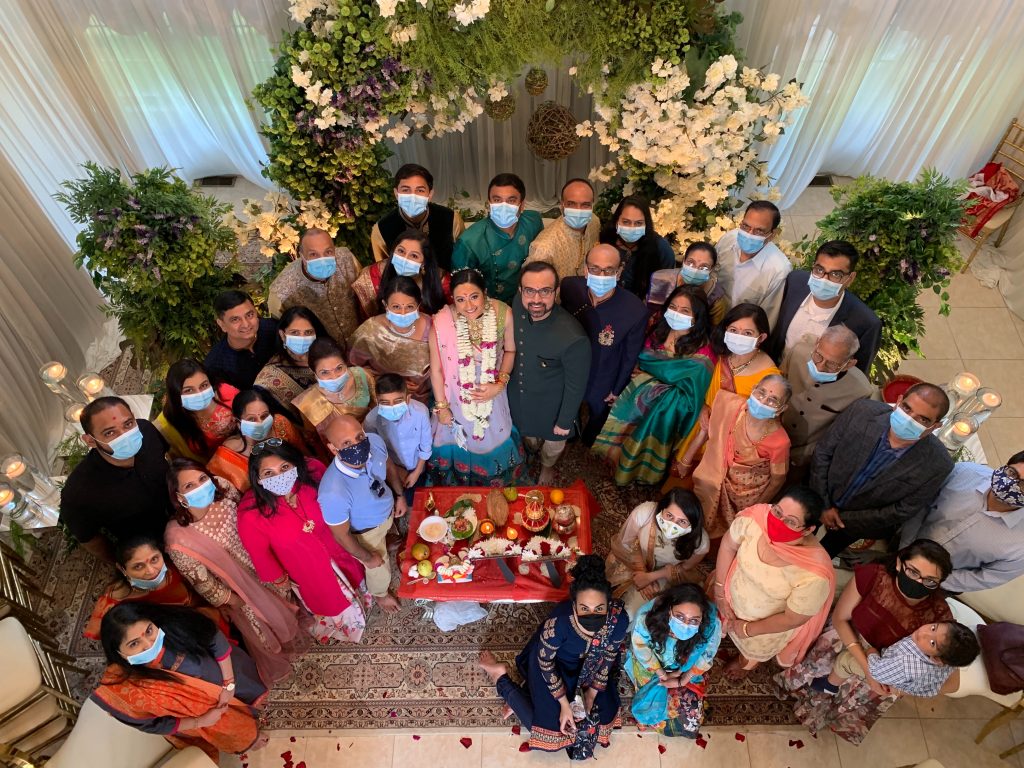
Weddings have become sites of super-spreader events amid the COVID-19 pandemic. Despite this, couples and guests continue to ignore safety regulations.
Mikayla and Anthony Bishop had their wedding in October 2020 and almost half of their guests contracted the COVID-19 virus. When Mikayla was walking down the aisle, she immediately noticed that despite her provision and distribution of masks, almost no one was wearing one.
Two weeks after the wedding, 32 of the 83 guests that attended the wedding had tested positive for the virus, including three of the couple’s grandparents. She and her husband, Anthony, also contracted the virus.
“I didn’t think that almost half of our wedding guests were gonna get sick,” Mikayla told the Washington Post. “You’re in the moment. You’re having fun. You don’t think about covid anymore.”
On the venue’s Facebook page, photos of the wedding decorations and safety measures were posted. In the first photo, there is a basketful of hand sanitizer bottles for guests beside a container holding disposable white masks.
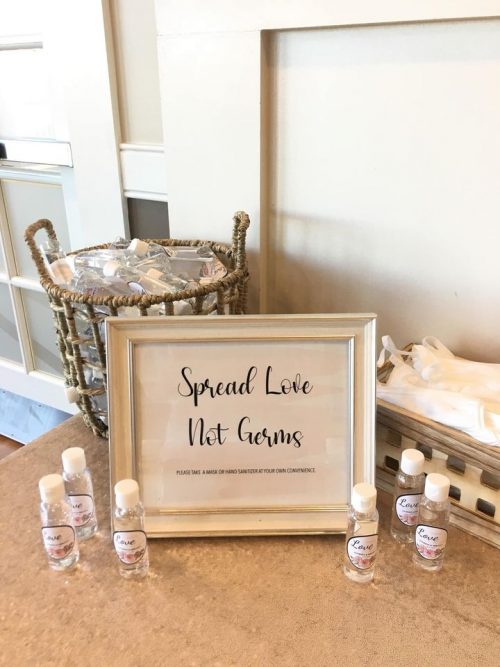
In a statement, a spokesperson for Brian Kruse, the recreation director with Blue Ash Parks who oversees the venue where the wedding was held, said the facility had signs indicating guests must wear a mask and are to consume all food and beverages while seated, among other precautions.
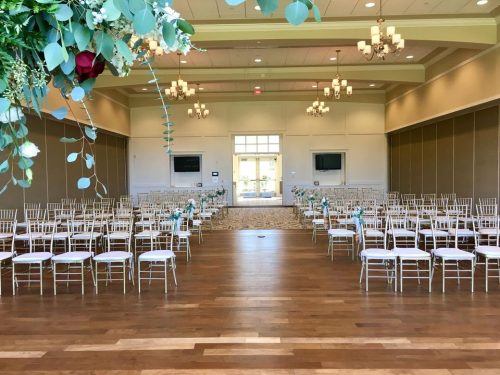
On the day of the wedding, it was only the couple’s grandparents who wore masks at all times, yet they tested positive for the virus, and two spent time in the emergency room with severe symptoms.
The couple experienced symptoms on their honeymoon. Soon, they started getting calls about more and more guests testing positive. They decided to tell their story in hopes of warning others against holding large weddings.
“Every single day we’re getting a call. Oh here’s another person. Here’s another person. Here’s another person,” Mikayla said. “And it starts to take a toll on you.”
Pictures: Unsplash/ Facebook (Cooper Creek Event Center)
Queen Elizabeth said ‘I do’ to the Duke of Edinburgh Prince Philip 73 years ago on November 20, 1947. To honour their anniversary, a new image of the…

A terminally ill superfan had his final wish fulfilled, thanks to iconic actress Jamie Lee Curtis. The original scream queen officiated the superfan’s wedding less than an hour before his death.
Horror movie-lover Anthony Woodles had been diagnosed with esophageal cancer in 2019. Prior to the diagnosis, the 29-year-old aspiring director had been in contact with Halloween star Jamie Lee Curtis.
After informing her of his plans to marry long-term girlfriend Emilee, Curtis offered to officiate the wedding. They planned the big day for September 13.
The day of the ceremony, Woodle’s faced a severe health setback. As he lay unconscious in bed, surrounded by his family, Curtis officiated the wedding via a phone call.
“Anthony and Emilee, all anyone is promised is this moment,” she said during the ceremony. “We live and we love in this moment. May the blessings of God rest upon you, may his peace abide with you, may her spirit illuminate your heart now, in this moment. With the power vested in me by the internet, it is my great pleasure to tell you that you are now married people.”
The ceremony began at 10.30pm, and Woodle died at 11.17pm.
Before his death, Woodle was lucky enough to be the first outsider to watch the upcoming thriller Halloween Kills, the latest in the iconic Halloween-franchise. Director David Gordon Green set up a private screening for Woodle and Emilee.
Picture: Instagram / Jamie Lee Curtis
In South Africa, there are only three types of marriages that are recognised by the law. Those are civil marriages, customary marriages, and civil unions. Whichever marriage you…

2020. The year we spent indoors. Now, summer is here, and with restrictions having eased somewhat we’re finding ourselves more inclined to spend time outdoors in the sunshine.
“While it’s important to remember that COVID-19 is by no means behind us, and all safety precautions such as mask-wearing, sanitising and social distancing should be adhered to when out and about, bidding farewell to this year while enjoying the great outdoors our country has to offer is something to celebrate,” acknowledges Themba Ndlovu, Clere For Men and Clere For Men Active brand manager.
He adds that when spending time outside it’s important to take your skin into account. “Summer can be harsh on your skin if you don’t prep it or look after it properly. The heat, air pollution, perspiration and excess oil build up are the not so nice side effects of the season. This is where skincare comes in. It’s important to switch up your skincare routine as and when your skin requirements change.”
Ndlovu advises on what you should focus on when it comes to your skin this summer:
Eat healthy: You must have heard that you are what you eat. This may sound clichéd but it’s true your skin is directly impacted by your diet and the lifestyle choices you make. Avoid oily, fried food. Get your glow with proteins, Vitamins A and C. A yoghurt smoothie with fruits such as strawberries and apple is a great way to start your day.
Wash your face: Maintaining a clean face is key year-round, but because the heat makes you sweat more, keeping pores unclogged is more challenging during summer. A deep-cleaning face wash formulated for daily use will help free your skin of dirt build up without drying it out. Once daily is enough but add a second wash on extra active afternoons.
Moisturise: Although our skin tends to become oiler in summer and perspiration increases this doesn’t mean you should skimp on moisturiser. In fact, the drier you leave your skin, the more oil it will generate naturally to compensate. The speediest route to summer skin? Internal hydration by drinking water and external by applying moisturiser. Apply a moisturiser daily, preferably one that offer long-lasting moisturisation. Both Clere For Men and Clere For Men Active lotions and crèmes will help moisturise your skin for up to 48 hours keeping your skin healthy and looking its best.
Picture: supplied