
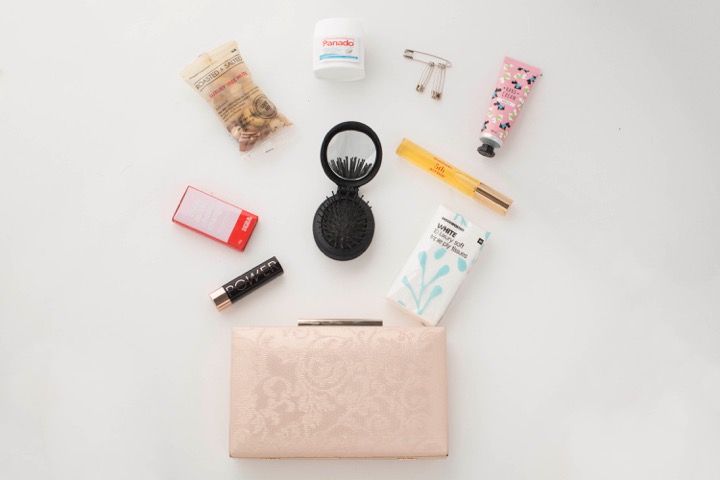
This is vital information for every bride and some grooms too. Being prepared means that you’re already one step ahead of any emergency that might pop up on your wedding day. Keep these essentials handy to ensure you’re ready for any mishap thrown your way:
An engagement ring holds a large amount of significance for a couple. For hundreds of years, the classic diamond has been a major trend for engagement rings, often…
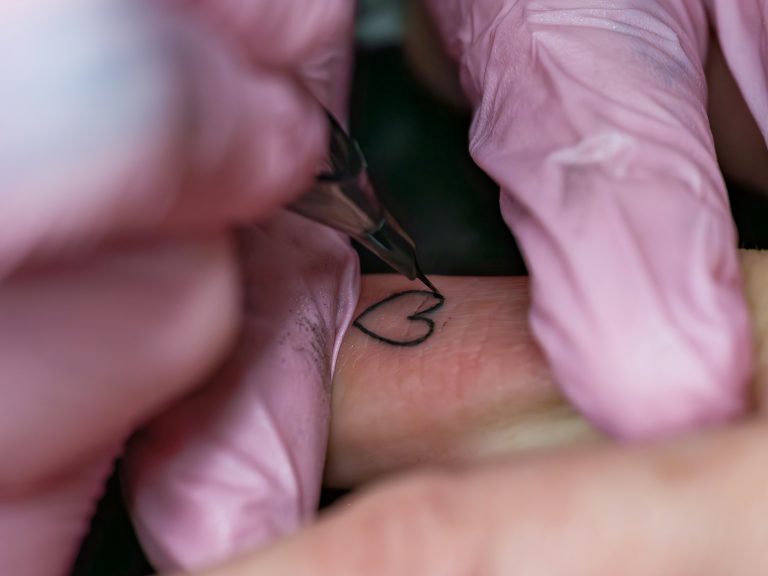
More and more young couples are moving away from wedding traditions. From having both parents and siblings walk the bride down the aisle, to not throwing the bouquet, and now swopping out wedding bands for tattoos.
One of the most difficult parts of planning your wedding food is deciding whether you want a buffet or plated meal. We’ve laid out the pros and cons…
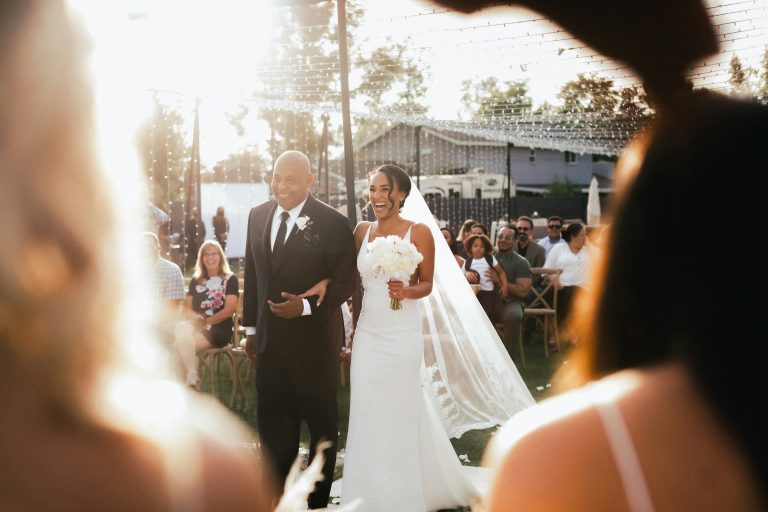
You’ve planned the seating chart, chosen the perfect playlist and said yes to the dress, but have you thought about what actually happens during your ceremony?
Your wedding ceremony is one of the most photographed, emotional and memorable parts of the day. It’s also the part that most brides don’t rehearse properly. These wedding ceremony tips for brides will help you feel calm, confident and completely present from the moment you step into the aisle to your first kiss as newlyweds.
Walk slower than you think you should
Then slow it down again.
Adrenaline will make everything feel like it’s happening in fast forward. Walking slowly not only gives your photographer time to capture those once in a lifetime moments, but it also allows you to actually take in the people, the music and your partner waiting at the end of the aisle.
If you feel like you’re walking too slowly, you’re probably walking at the perfect pace.
Carry your bouquet at your belly button
It sounds oddly specific, but it makes a huge difference in photos.
Holding your bouquet too high can hide the detailing on your dress and make your shoulders look tense. Hold it low, around your belly button, with the flowers facing outward. This helps your posture look more relaxed and keeps your neckline and bodice visible.
Hold hands and lock eyes
It might feel natural to look around at your guests, your parents or even your officiant, but the most meaningful place to look is right at each other.
Holding hands throughout the ceremony grounds you, calms your nerves and keeps you emotionally connected. It also looks incredibly romantic in photos.
Hold the kiss
When it’s time for that “you may now kiss” moment, don’t rush it.
Go in for the kiss and hold it while you both count to three in your heads. This gives your photographer enough time to capture the moment properly and prevents that blink and you miss it situation.
Pause before you walk back down the aisle
Once you’re officially married, take a second before turning to walk back up the aisle.
Celebrate. Smile at your guests. Steal another kiss if you want to. That pause creates some of the most joyful and genuine photos of the day.
Pause halfway down the aisle on your way out
Your recessional is your very first moment as a married couple.
As you walk back down the aisle together after the ceremony, stop halfway for a quick kiss or celebratory moment. It gives your guests something special to cheer for and creates one of the happiest photo opportunities of the entire day.
Practise standing together
It sounds simple, but knowing how to stand comfortably next to each other matters more than you think.
Angle your bodies slightly toward one another rather than standing stiffly forward. It feels more natural and looks more intimate during the ceremony.
Don’t forget to breathe
Deep breaths will keep you calm and help prevent shaky voices during your vows.
If you feel overwhelmed, gently squeeze your partner’s hand and take a slow breath together.
ALSO SEE: High-neck wedding dresses we love
Feature image: Jakob Owens/Unsplash
There is a certain electricity in the moments before a wedding, a soft, quiet magic that settles in the air. It’s in the rustle of a gown, the…
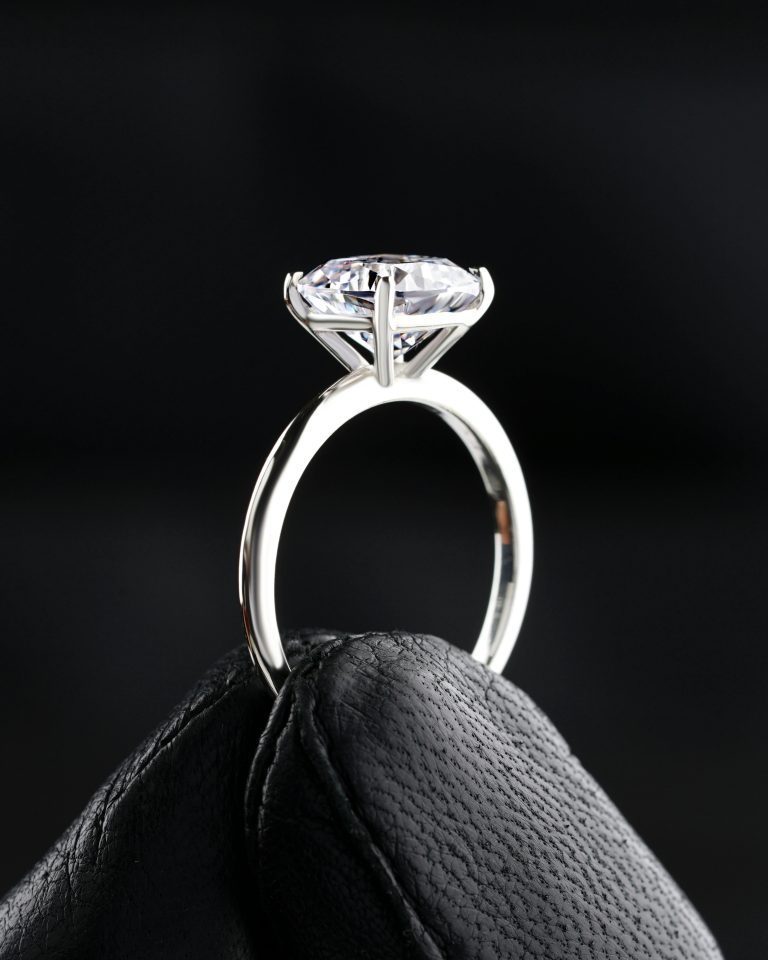
You’ve heard about the 4 C’s in diamonds, especially when choosing an engagement ring, but what do they actually mean?
The 4 C’s – cut, colour, clarity and carat – refer to the standards by which the quality of diamonds are assessed and allows one to compare diamonds.
Cut
The cut is important for the diamond’s overall beauty, as it determines how well the diamond unleashes light. This is not to be confused with the shape of the diamond. Cut refers to the diamond’s light performance (in layman’s terms, how much it sparkles). The cut will determine how the stone refracts and reflects light. A perfect stone (balanced and symmetrical) will be cut in such a way that the light that enters it will only reflect out the top of the stone, therefore making it very sparkly. A diamond that is cut too shallow or too deep will cause the light to leak out of the sides or bottom of the stone which causes a loss of shine. The sparkle of a well cut diamond can make it appear larger and you can therefore opt for a smaller carat weight. Who knew, right?!

Colour
Strangely enough, this actually refers to the lack of colour found in a diamond. The less colour, the more rate it is. Diamonds are graded on a scale of D-Z; with D (or white diamonds) being completely colourless. D-F are considered colourless and are therefore the most expensive. G-I are near colourless and slightly less expensive while J-Z have noticeable colour in the stone. Only diamond experts can actually tell the difference in anything higher than a G grading, so if budget is a consideration but you still want a white-looking diamond, a G or H grade diamond will be perfectly fine.

Clarity
Measures the imperfections found in the diamond in terms of number, size and position on a scale that ranges from imperfect to flawless. Internal imperfections are referred to as inclusions and external as blemishes. Clarity is often considered the least important of the 4 C’s due to the fact that the imperfections are often microscopic and depending on the location of the inclusions found in the stone, they can be hidden with the right ring setting.

Carat
Refers to the weight of the diamond, not the size. Two different shaped diamonds can have the same carat weight but appear slightly different in size. With a larger carat weight, the colour becomes more visible and therefore needs to be taken into consideration.

Once you understand the 4 C’s, you will need to think about which one is the most important to you when choosing your ring.
ALSO SEE: (Don’t) put a ring on it
Feature image: The Glorious Studio/Pexels