
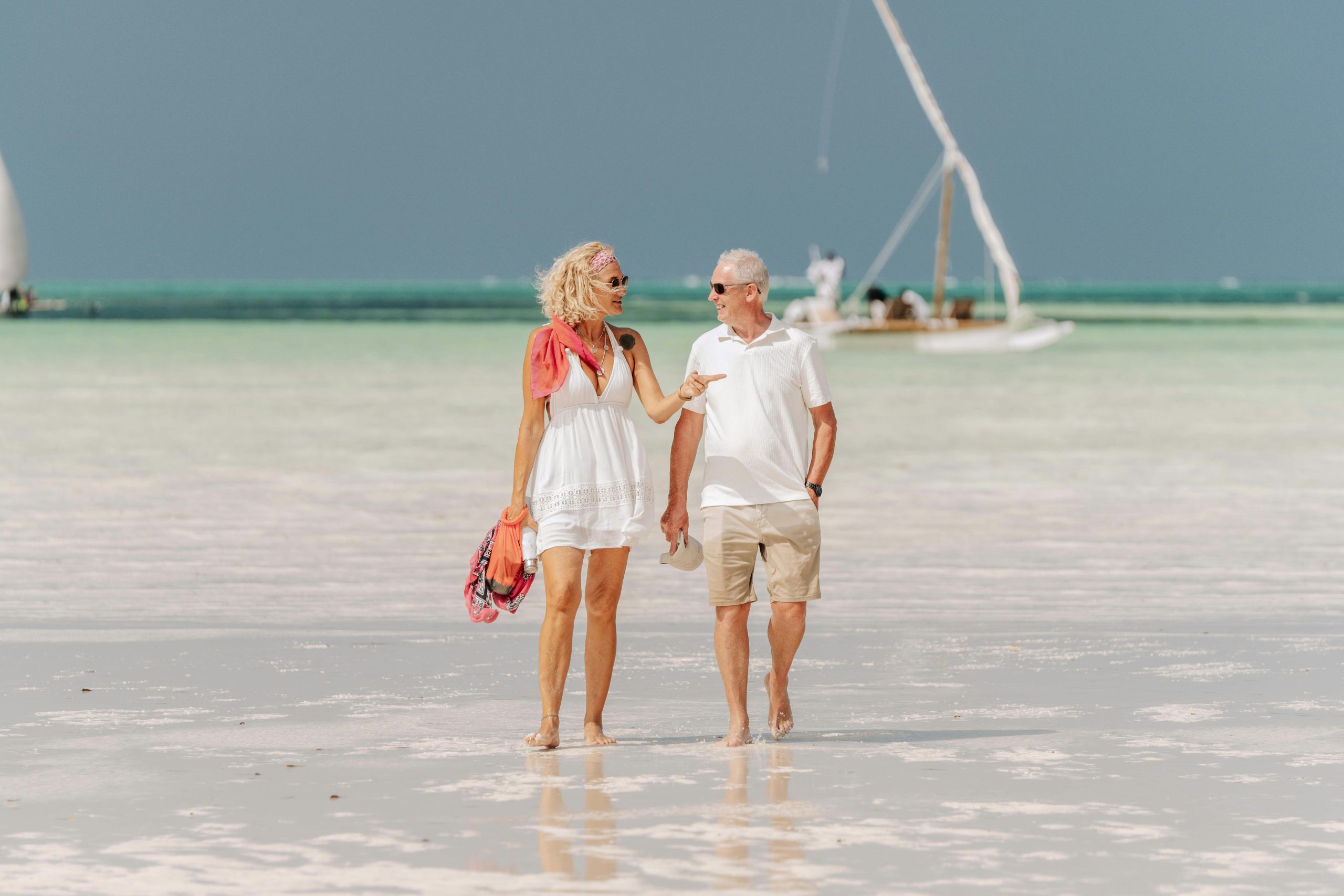
Summer honeymoons are all about salt-sprayed skin, sun-drenched days, and endless swims, but they can also be the season your hair fears most. Between ocean dips, pool lounging, and hours under the sun, your strands face a triple threat. The result? Dryness, breakage, dull colour, and that unmistakable “summer stiffness.”
The good news? With the right rituals, you can enjoy every romantic, sun-kissed moment without sacrificing your hair’s health. Here’s your ultimate honeymoon guide to keeping your hair protected from summer’s harshest elements.
The sea: Salt water 101
Salt water naturally dehydrates the hair, lifting the cuticle and leaving strands rough and brittle. Great for effortless beachy honeymoon waves — not so great for long-term hair health.
How to protect your hair from the ocean
Pre-hydrate before your swim
Think of it like a primer. Wet your hair thoroughly with clean water before diving into the sea. Saturated hair absorbs less salt.
Use a leave-in conditioner or hair oil
A nourishing leave-in creates a protective barrier, sealing in moisture and guarding against dryness. Coconut oil, argan oil, or a silicone-free serum works beautifully for beach days.
Post-swim rinse ASAP
If a shower isn’t nearby, even a quick water-bottle rinse removes salt before it crystallises on your strands.
Pool water: The chlorine culprit
Chlorine is notorious for stripping hair of natural oils and binding to proteins in the strands. The result? Faded colour, a rough texture, and for blondes — the dreaded hint of green. Not ideal for honeymoon photos.
How to protect your hair from chlorine
Wet your hair before swimming (yes, again)
Freshly-wet hair absorbs far less chlorine.
Coat your hair with conditioner
A lightweight, silicone-free conditioner forms a barrier that keeps chlorine from penetrating deeply.
Wear a swim cap for long pool sessions
Not the most glamorous accessory, but extremely effective — especially if your honeymoon includes lots of pool time or if your hair is bleached or processed.
Use a clarifying shampoo once a week
This removes chlorine buildup without stripping your hair daily.
The sun: Your hair’s UV enemy
Just like your skin, your hair suffers from sun exposure. UV rays weaken the protein structure, fade colour, and dry out the cuticle — especially on the hairline and top layers most exposed during sunny excursions.
How to protect your hair from sun damage
SPF for your hair is a thing — use it
UV-protectant sprays shield your strands from protein breakdown and colour fade. Reapply like sunscreen when spending the whole day outdoors.
Wear a hat or scarf
Chic, romantic, and extremely effective. Bonus: it protects your scalp, too.
Avoid the midday sun
UV intensity peaks around midday, making hair more vulnerable to damage — the perfect excuse for a siesta or shaded lunch date.
Deep-condition weekly
Sunlight pulls moisture from your strands. A weekly mask restores softness and keeps hair flexible and healthy-looking.
Your ultimate summer honeymoon hair routine
For dreamy, healthy hair from check-in to checkout:
• Before swim: Wet hair, apply leave-in conditioner or oil, braid for protection.
• After swim: Rinse, apply moisturising spray, air-dry when possible.
• Daily protection: UV-protectant spray and hats during peak sun.
• Weekly care: Deep-conditioning mask, plus clarifying shampoo once a week if swimming often.
A summer honeymoon doesn’t have to mean straw-like strands or faded colour. With a little preparation and a few mindful habits, your hair can stay glossy, soft, and healthy — letting you enjoy every golden hour, every dip in the sea, and every sunlit memory to the fullest.
ALSO SEE: Beyond the Beach: Unusual Honeymoon Ideas for South African Couples in 2025
Beyond the Beach: Unusual Honeymoon Ideas for South African Couples in 2025
Written by Amy Steenkmap for Woman&Home.
Feature image: Pexels

Comments are closed.