
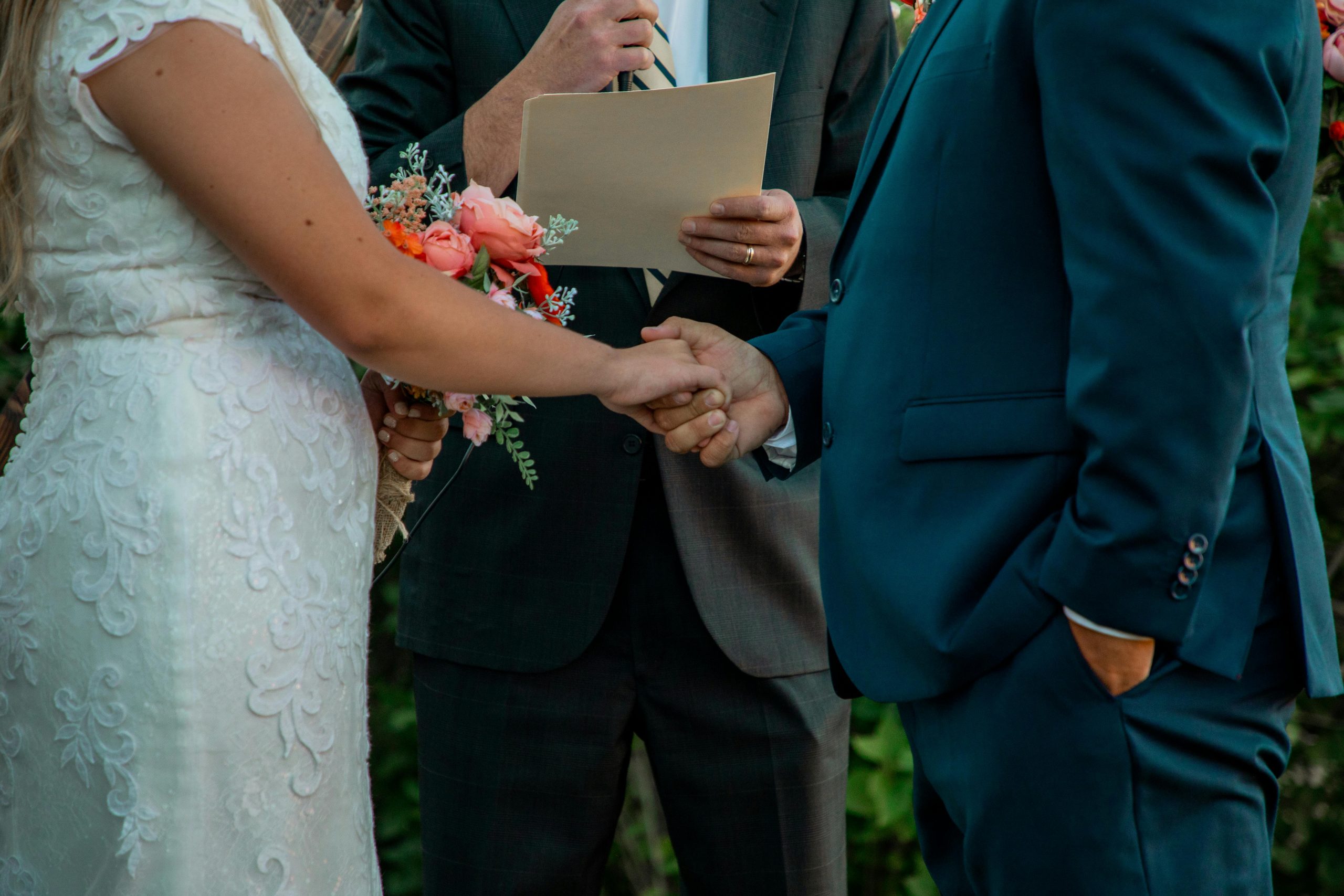
Being asked to officiate a wedding is a pretty big deal. Whether it’s your best friend, your cousin or a sibling tying the knot, being chosen to lead one of the most important moments in someone’s life is equal parts exciting, emotional and slightly terrifying.
Before you panic-Google “how to marry people”, here’s what you need to know. From legal requirements to speech tips, these are the most important tips for officiating a marriage without turning the ceremony into a rambling TED Talk.
First things first: Can anyone officiate a wedding in South Africa?
This is where things get a little tricky.
In South Africa, not just anyone can legally officiate a marriage. To legally marry a couple, you need to be an authorised marriage officer registered with the Department of Home Affairs.
This usually includes:
- Religious leaders
- Certain government officials
- Designated marriage officers
So if your friend asks you to officiate their wedding, you technically cannot legally sign the marriage documents unless you’re officially registered and authorised.
So what do couples usually do?
A lot of modern couples choose to split the legal and ceremonial parts of the wedding.
This means:
- The legal paperwork is done separately through a registered marriage officer or at Department of Home Affairs
- Then a friend or family member leads the symbolic ceremony on the wedding day itself
Honestly? Guests usually never even notice the difference. It allows couples to have a more personal, relaxed and meaningful ceremony led by someone who actually knows them.
Tips for officiating a marriage without freezing up
Get the vibe right
Before you write a single word, chat to the couple properly.
Ask them:
- Do they want funny, emotional or formal?
- Are there religious or cultural traditions involved?
- Do they want guests to laugh, cry or both?
- Are there any topics or inside jokes to avoid?
Some couples want a light-hearted ceremony with personality. Others want something more traditional and sentimental. Your job is to set the tone.
Start with a strong opening
The first few lines matter more than you think.
You do not need to sound like a movie narrator or a royal announcer. Keep it warm and natural.
Tell their story
One of the best tips for officiating a marriage is remembering that the ceremony is about the couple, not your stand-up comedy debut.
Share:
- How they met
- What makes their relationship special
- Small moments that show who they are together
- Why the people around them love them
Avoid:
- Embarrassing stories
- Ex drama
- Overly private details
- Anything that could make grandparents uncomfortable
If you’re using humour, keep it light and inclusive.
Include personal touches
This is where a friend or family member officiating can really shine.
You can include:
- Personal vows
- Readings or poems
- Cultural traditions
- A moment of silence for loved ones
- Guest participation
- A ring warming ceremony
Practice more than you think you need to
Even confident public speakers get nervous at weddings.
Read your script out loud multiple times before the day. Timing, pacing and pronunciation feel very different in your head compared to saying them aloud in front of 100 people and a crying flower girl.
A few practical tips:
- Print your speech out
- Use larger font sizes
- Speak slower than normal
- Pause after emotional moments
- Keep water nearby
- Don’t wing it completely
How long should the ceremony speech be?
Shorter is usually better.
Most wedding ceremonies sit comfortably between 15 and 30 minutes depending on:
- Vows
- Readings
- Rituals
- Religious elements
If you’re leading a non-religious ceremony, aim for meaningful rather than marathon-length.
Nobody wants to hear you speaking longer than the reception speeches.
What should you actually say during the ceremony?
Most ceremonies follow a simple structure:
- Welcome guests
- Introduce the couple’s story
- Share thoughts about marriage or love
- Move into vows
- Exchange rings
- Official declaration
- The kiss
- Final introduction of the married couple
You don’t need fancy language. You just need sincerity.
ALSO SEE: Nail your wedding speech
Feature image: Pexels

Comments are closed.